
No products in the cart.
Google AI Mode SEO: A Complete Guide to Optimizing for Google’s AI‑Powered Search Shift
29
Jul
Jul
The arrival of Google AI Mode signals a fundamental transformation in how users interact with the search engine. Instead of scanning ten blue links, people will enter a dynamic, conversational interface that synthesizes answers from across the web in seconds. For brands and SEO professionals, this means traditional ranking strategies alone are no longer enough. Understanding and implementing a dedicated Google AI Mode SEO approach is becoming essential for maintaining organic visibility, traffic, and trust. This guide breaks down exactly what AI Mode is, how it rewrites the rules of search, and the concrete steps you can take to ensure your content appears as a trusted source inside Google’s most advanced AI‑driven experience.
What Is Google AI Mode?

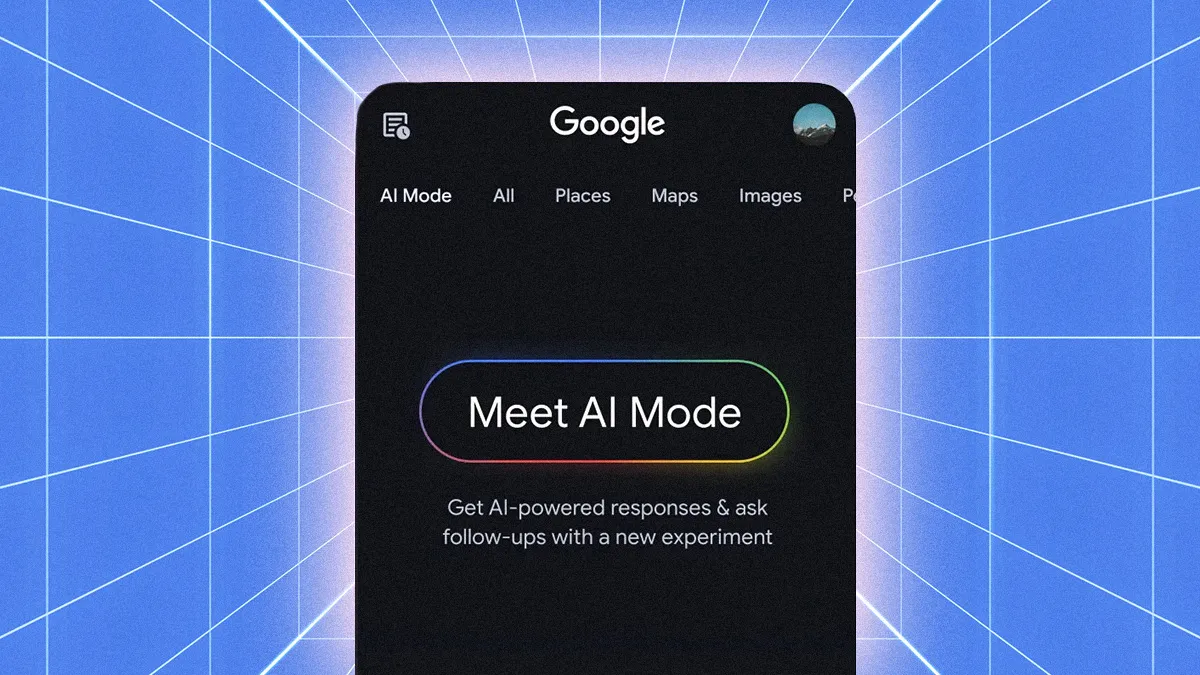
Google AI Mode is an experimental search feature that transforms the standard results page into a full‑screen generative AI assistant. Activated by a toggle at the top of the search interface, AI Mode moves the traditional link‑based SERP to the background. Instead, users receive a detailed, multi‑paragraph answer generated by a large language model, complete with embedded source cards, follow‑up question prompts, and a persistent chat history. It represents a leap beyond the existing AI Overviews snapshot – AI Mode behaves more like a dedicated research companion that understands context, remembers previous queries in a session, and can combine information from dozens of pages into one cohesive narrative.
Google has confirmed that AI Mode is designed for complex, open‑ended questions that require comparing information, exploring pros and cons, or diving deep into a topic. In testing, users can ask something like “plan a healthy meal prep routine for a family of four with a picky eater” and receive a structured plan with recipe suggestions, nutritional breakdowns, and time‑saving tips – all pulled from high‑quality web content. For SEOs, this changes the game: the battle for visibility now takes place inside a generated answer, not just on the first page of results.
How Google AI Mode Works and Why It Matters for SEO
AI Mode runs on an advanced version of Google’s Gemini model, custom‑tuned for search. When a query is entered, the system identifies authoritative web pages related to the topic, extracts key facts, and synthesizes a conversational reply. Crucially, the answer is not built from a single source; it weaves together insights from multiple pages, each represented by a tappable source card that links back to the original content. This architecture fundamentally reshapes the SEO opportunity: you no longer compete for a single click from a blue link but for inclusion as a source that feeds the AI‑generated answer.
From an SEO perspective, this matters because AI Mode drastically changes user behaviour. Early data from Google’s tests suggests that when users engage with AI Mode, they click on fewer traditional results but interact more deeply with the source cards inside the AI answer. A single mention as a verified source can generate consistent referral traffic and brand authority, but missing from that synthesis means near‑total invisibility for that query. Therefore, Google AI Mode SEO prioritizes making your content the most citable, trustworthy, and contextually complete resource for the AI to draw upon.
Key Differences Between AI Mode, AI Overviews, and Traditional Search
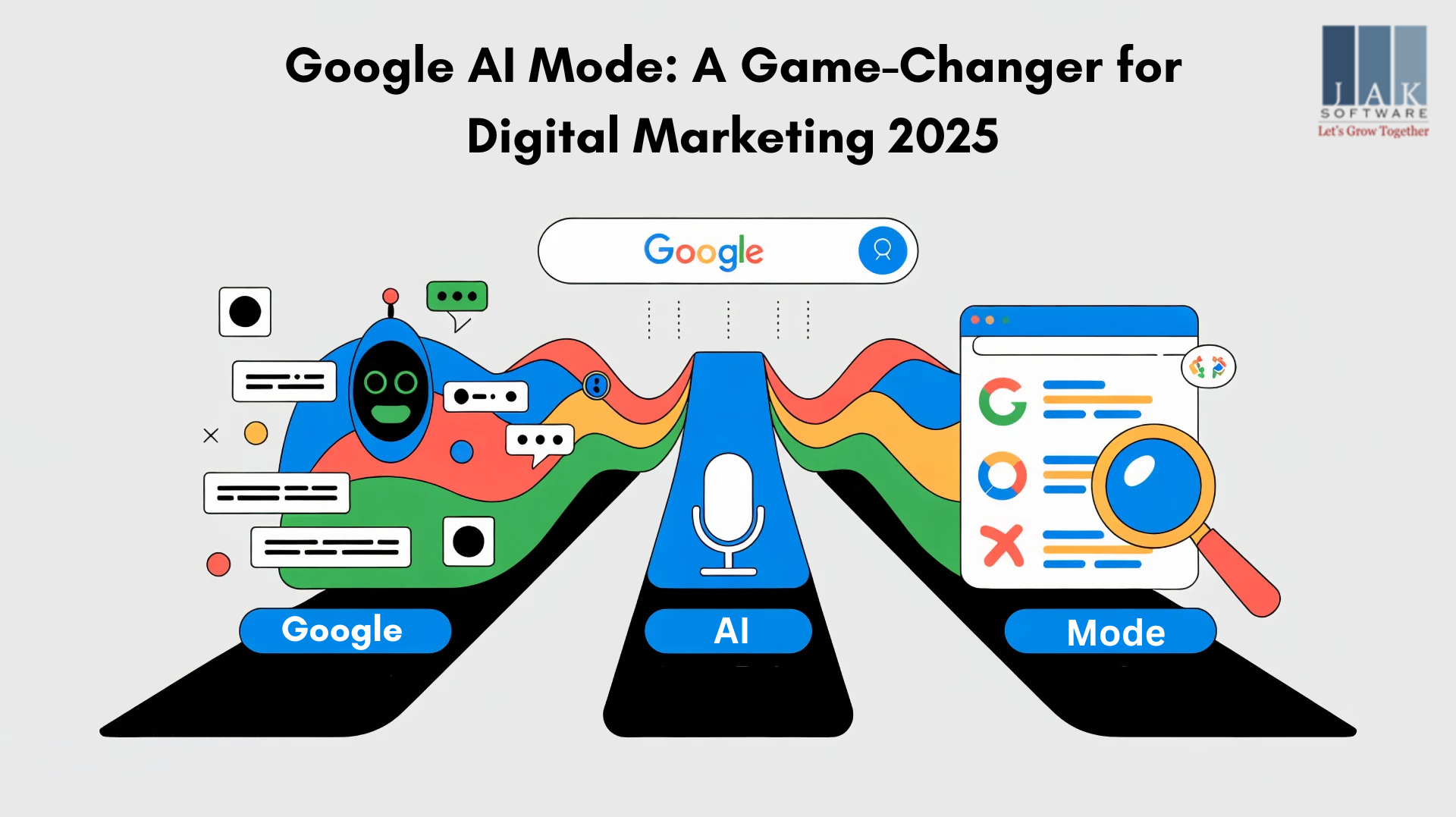
To adapt your strategy, you must first understand where AI Mode sits in Google’s evolving search ecosystem. The table below highlights the critical distinctions.
| Feature | Traditional SERP | AI Overviews | AI Mode |
|---|---|---|---|
| Interface | List of links with snippets | Snippet + AI summary at top | Full‑screen AI conversation |
| User interaction | Scroll and click | Read summary, optional clicks | Conversational, follow‑ups |
| SERP space preserved | Yes, 10 blue links visible | Yes, links below summary | No, links are replaced by AI |
| Source visibility | Direct link ranking | Carousel or link cards | Inline source cards, multiple per answer |
| Query types | Navigational, informational | Quick facts, definitions | Complex, multi‑step research |
| SEO impact | Ranking determines CTR | Appearing in overview drives traffic | Being cited as a source is the new ranking |
The shift from AI Overviews to AI Mode is not incremental – it is a complete redesign of how search results are consumed. AI Overviews still leave room for traditional results; AI Mode does not. This makes Google AI Mode SEO a distinct discipline focused on being selected as a trustworthy source rather than simply ranking in the top positions.
Benefits and Limitations of Google AI Mode for Businesses
Benefits of AI Mode for SEO and Brand Visibility
- Enhanced authority by association – Being cited in an AI‑generated answer signals to users that Google considers your content highly credible, strengthening your brand’s reputation.
- Expanded topical real estate – A single in‑depth article can be pulled into multiple AI Mode answers across dozens of related queries, multiplying your exposure without extra effort.
- Deeper engagement potential – Source cards inside AI Mode encourage clicks from highly motivated users who are already immersed in the topic, often leading to longer time on page and lower bounce rates.
- Resilience against interface changes – Sites that master AI Mode SEO are better protected when Google reduces the visibility of classic organic listings.
- Unpredictable attribution – AI Mode may merge information from multiple sources in ways that dilute your original context or display only a fragment of your expertise.
- Reduced direct traffic for simple queries – For straightforward questions where the AI answer fully satisfies intent, users may never click through to any site, shrinking the total click pool.
- Algorithmic opacity – The exact signals that determine source selection in AI Mode are not publicly documented, making optimization an ongoing experiment.
- Competition from authoritative domains – Large, trusted institutions (government, academic, established media) may be favoured, creating a steeper climb for newer sites.
- Ensure flawless structured data – Use Article, FAQ, HowTo, and Product schema appropriately. While AI Mode does not directly rely on schema, structured data helps Google understand content relationships and boosts eligibility for feature snippets that often feed into AI responses.
- Maintain low‑latency, secure delivery – Pages that load quickly on mobile and are served over HTTPS reduce the risk of being ignored during the AI’s real‑time content retrieval. Core Web Vitals remain a proxy for overall site quality.
- Prevent crawl issues with dynamic rendering – If your pages rely heavily on JavaScript‑injected content, ensure server‑side rendering or dynamic rendering is in place so that the full text is accessible when Googlebot fetches the page.
- Audit your robot.txt and meta tags – Double‑check that you are not accidentally blocking Googlebot from important content directories. A single misconfiguration can make your pages invisible to AI Mode.
- Treating AI Mode as a separate, isolated channel – Optimizing for AI Mode in a vacuum while neglecting classic organic ranking signals is a mistake. Strong traditional rankings are still the most reliable path to being considered a credible source. AI Mode SEO builds on, rather than replaces, core SEO.
- Over‑optimizing for machines with unnatural language – Stuffing exact‑match keywords or writing robotic, formulaic paragraphs makes content less conversational and harder for the AI to weave into a natural answer. Write for humans first, and the A
- Ignoring the need for clear attribution and trust signals – Without author bylines, updated dates, and referenced sources, your content looks interchangeable. AI Mode will deprioritize pages that lack credibility markers, even if the information is accurate.
- Neglecting mobile UX – AI Mode is a mobile‑first experience. Content that is hard to read on small screens, has intrusive interstitials, or loads slowly will be less likely to be selected as a source.
- Assuming AI Mode will replace all search overnight – The feature is still experimental and limited to specific query types. Overreacting by abandoning proven SEO fundamentals can harm your overall search presence. Adapt gradually, testing and learning.
- Personalization will deepen. AI Mode can already factor in a user’s search history and location. In the future, it may tailor answers based on past interactions, meaning that the same query could yield different source citations for different users. Brands that build strong, recognizable authority will be more resilient to this fragmentation.
- Multimodal answers are coming. AI Mode tests have included image carousels, product comparisons, and video embeds. SEO strategies must expand to include visual and video content optimization, with descriptive alt text, structured video metadata, and transcripts.
- Commercial intent queries will be disrupted. For queries like “best running shoes for flat feet,” AI Mode may generate a comparison table directly, pulling data from review sites and e‑commerce pages. Ranking in traditional organic results may no longer guarantee traffic for these high‑value terms. E‑commerce SEO must evolve toward feeding structured product data that AI Mode can cite.
- Monitoring tools will catch up. Expect third‑party platforms to develop AI Mode citation tracking, revealing which pages are being used as sources and for which queries. Early adopters of such tools will gain a competitive edge by identifying gaps between human rankings and AI citations.
Limitations and Risks to Consider
How to Develop a Google AI Mode SEO Strategy
Transitioning your SEO approach for AI Mode does not mean discarding everything you know. Instead, it requires layering new priorities on top of a solid technical and content foundation. The goal is to become the most citable, context‑rich resource for the topics you cover.
1. Double Down on Topical Authority
AI Mode scans vast amounts of content to find the most comprehensive and internally consistent answer. Sites that cover every angle of a topic – from basic definitions to advanced comparisons, step‑by‑step guides, and FAQ sections – are more likely to be selected. Create detailed pillar pages supported by clusters of related articles, each thoroughly cross‑referenced with clear, factual information. Demonstrate that your site is a one‑stop knowledge hub, not a thin affiliate page.
2. Structure Content for AI Parsing
Large language models prefer clean, logically organized information. Use descriptive H2 and H3 headings that mirror the natural questions users ask. Break complex explanations into bullet‑point lists, numbered steps, and comparison tables. Include clear definitions, pros and cons, and practical examples. Formatting dates prominently and stating key statistics within the first paragraph of a section helps the AI extract the core data point without ambiguity. The easier your content is to parse, the higher the chance it gets cited.
3. Prioritize E‑E‑A‑T at Every Level
Experience, Expertise, Authoritativeness, and Trustworthiness are the backbone of Google AI Mode source selection. The model is designed to favour content that demonstrates real‑world experience, expert authorship, and verified information. Include author bios with relevant credentials, link to reputable external references, and cite original research or first‑hand examples from your business. Update key pages regularly with new data and year‑stamps to maintain freshness signals.
4. Optimize for Questions, Not Just Keywords
Because AI Mode thrives on conversational and complex queries, your content must answer the full spectrum of questions surrounding a topic. Move beyond head terms and map out the “people also ask” clusters, long‑tail voice search queries, and scenario‑based questions like “What is the best X for Y if I have Z constraint?”. Each answer should be self‑contained yet link naturally to deeper content on your site, making it easy for the AI to pull a complete answer from a single source if needed.
Technical SEO Adjustments for AI Mode
While content relevance is critical, technical signals remain a gatekeeper for AI source evaluation. Google’s A
Content Optimization for Google AI Mode: Advanced Tactics
Beyond structural basics, certain advanced content practices significantly increase the likelihood of being cited in AI‑generated answers.
Create “Source‑Ready” Content Blocks
Identify the three to five most critical statements in each article – facts, statistics, definitions, or concrete advice – and format them as self‑contained paragraphs with explicit context. For example, a sentence like “According to our survey of 500 homeowners, roof replacement costs average $9,200 in 2025” is far more citable than a vague mention of “roof replacement can be expensive.” When the AI model scans for data points, these crisp, attributed blocks stand out.
Use Original Data and Proprietary Insights
AI Mode prioritizes unique information. Conduct original research, run polls, analyse internal data, or share case studies that others cannot replicate. Even small datasets can become the differentiating factor that gets your content pulled into an answer over a competitor that just rewrites common knowledge.
Align with Google’s Content Attribution Principles
AI Mode source cards display a short snippet of the cited text, the page title, and a link. Craft page titles that are both descriptive and enticing, as they act as clickable headlines inside the AI interface. Meta descriptions, though not a direct ranking factor, are often used by the AI to understand the page’s scope – write them as concise summaries of the exact answer you provide.
Monitor AI Mode Citations in Real Time
While Google does not offer a dedicated AI Mode performance report yet, you can simulate queries in the Google app (in test regions) or use VPN with US‑based IPs to check if your content appears as a source. Combine this with Search Console data for queries that show a drop in clicks but no change in impressions – an indicator that users may be seeing your content cited inside AI Mode without clicking through. Track these patterns to refine topics that are being absorbed by AI answers.
Common Google AI Mode SEO Mistakes to Avoid
Shifting SEO efforts toward AI Mode presents new pitfalls that can silently undercut your visibility.
Important Notes on the Future of Google AI Mode SEO
Google has made it clear that AI Mode is part of a broader vision to make search more helpful and less transactional. As this feature evolves, several trends will shape the SEO landscape:
Above all, the core principle remains: Google’s AI Mode is designed to serve users the most helpful, accurate information. The best Google AI Mode SEO strategy is to create content that genuinely serves that purpose, backed by unshakable technical quality and transparent expertise.
Frequently Asked Questions
What exactly is Google AI Mode in search?
Google AI Mode is a new search interface that uses generative AI to replace the standard list of links with a conversational, full‑screen answer. It allows users to ask multi‑part questions and receive detailed responses synthesized from multiple web sources, all displayed with linkable source cards. It is an optional mode separate from classic search and AI Overviews.
How is Google AI Mode different from AI Overviews?
AI Overviews appear as a compact AI‑generated snippet at the top of a traditional results page, still leaving space for organic links. AI Mode transforms the entire search experience into an interactive AI chat, hiding the classic results behind the AI interface. AI Mode is designed for more complex, follow‑up‑driven research, while AI Overviews address quick informational needs.
Does Google AI Mode affect my website’s traffic?
Yes, it can. When users find complete answers inside AI Mode, they may not click through to any source site for simple queries. However, for deeper, intent‑rich queries, being cited as a source can drive high‑quality traffic from users who click the source cards to learn more. The net effect varies by industry and content depth.
Can I prevent my content from appearing in Google AI Mode?
Currently, t The same measures that block content from being used in AI Overviews – such as the `nosnippet` tag or restricting Googlebot – may prevent inclusion in AI Mode as well, but this also removes your content from other search features, including regular snippets. Most site owners will want to be included if the content is trustworthy.
What SEO techniques work best for Google AI Mode?
Focus on becoming the most authoritative and comprehensive source on a topic. Use clear content structure with descriptive headings, original data, and well‑attributed facts. Implement robust technical SEO, including fast mobile performance and proper markup. Most importantly, build real-world expertise into every piece of content so that Google’s AI views your site as a reliable, citable reference.
Will traditional SEO still matter with AI Mode?
Absolutely. AI Mode sources are drawn from the same index that powers traditional search. High organic rankings, strong backlink profiles, and positive user engagement signals are still foundational. AI Mode SEO is an extension of classic SEO, not a replacement. Neglecting core ranking factors will make it nearly impossible to be chosen as a source inside AI answers.
How can I check if my site is being cited in AI Mode?
As of now, t You can manually test by using the Google app in regions where AI Mode is available, entering queries related to your content, and observing if your site appears in the source cards. Monitoring branded queries and unusual shifts in click‑through rates for specific informational pages can also provide indirect clues.
Conclusion
Google AI Mode is not a distant concept – it is being tested and will gradually reshape how billions of people find information. SEO professionals who treat this shift as a simple add‑on risk losing visibility in a search environment that no longer revolves around the blue link. A robust Google AI Mode SEO strategy requires you to think like a publisher of definitive knowledge, not just a keyword targeter. By building topical depth, reinforcing trust signals, and presenting content in a format that AI models can easily digest and attribute, you position your brand to thrive inside the answer‑first future of search. Start strengthening your site’s E‑E‑A‑T and content architecture now, because when the AI Mode toggle switches from experiment to default for certain query types, the early movers will be the ones that own the source cards.
Xem thêm:
- The Rise of AI SEO Experts: Redefining Search Engine Strategy in the Age of Artificial Intelligence
- AI SEO Social Distribution: The Complete Guide to Automated Content Amplification
- AI SEO for Education: The Complete Guide to Dominating Search in 2025
- Gemini vs ChatGPT for SEO: Which AI Tool Truly Elevates Your Search Rankings
- LLM SEO: The Ultimate Guide to Optimizing for Large Language Model Search
Bài viết cùng chủ đề:

AI SEO SEO Automation with Make: The Complete Workflow Guide

AI SEO SEO Automation with Zapier: The Complete Workflow Guide

AI SEO SEO Automation with n8n: The Complete Workflow Guide
AI SEO SEO Automation with Gemini: The Complete Guide to Scaling Organic Growth

AI SEO SEO Automation with Claude: The Complete Guide to Scaling Content in 2025

AI SEO SEO Automation with ChatGPT: The Complete Playbook for 2025

AI SEO & SEO Automation for Affiliate Sites: The 2025 Playbook for Passive Income Growth
AI SEO & SEO Automation for Bloggers: The Complete Guide to Scaling Your Content

AI SEO & SEO Automation for Agencies: The Complete 2025 Playbook

AI SEO and SEO Automation for Ecommerce: The Complete Playbook for 2025

AI SEO & SEO Automation for WordPress: The Complete Playbook for 2025
AI SEO SEO Automation Strategy: The Complete Playbook for 2025

Mastering the AI SEO SEO Automation Process: A Complete Guide to Scaling Organic Growth
AI SEO SEO Automation System: The Complete Guide to Scaling Organic Growth in 2025
AI SEO SEO Automation Platform: The Complete Guide to Scaling Organic Growth in 2025
AI SEO SEO Automation Software: The Complete Guide to Scaling Organic Growth in 2025















