
No products in the cart.
AI SEO Content Clusters: The Complete Strategy for Dominating Search Rankings in 2025
10
Aug
Aug
AI SEO content clusters have transformed how digital marketers approach search engine optimization. This methodology combines artificial intelligence with the proven pillar-and-cluster content model to create comprehensive topical authority. By leveraging machine learning algorithms to identify semantic relationships, businesses can now build interconnected content ecosystems that outperform traditional standalone articles. This guide explores the complete framework for implementing AI SEO content clusters, from foundational concepts to advanced execution tactics that drive measurable organic growth.
Understanding AI SEO Content Clusters
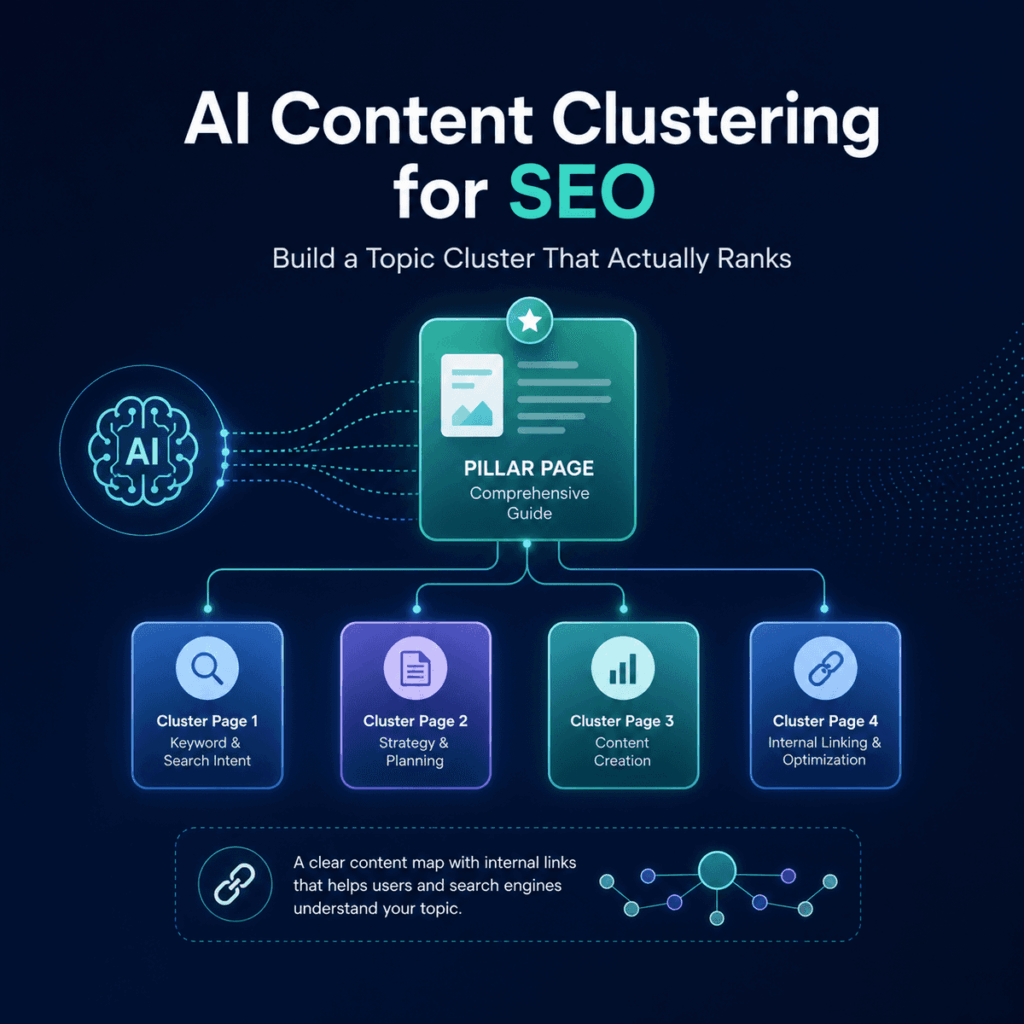
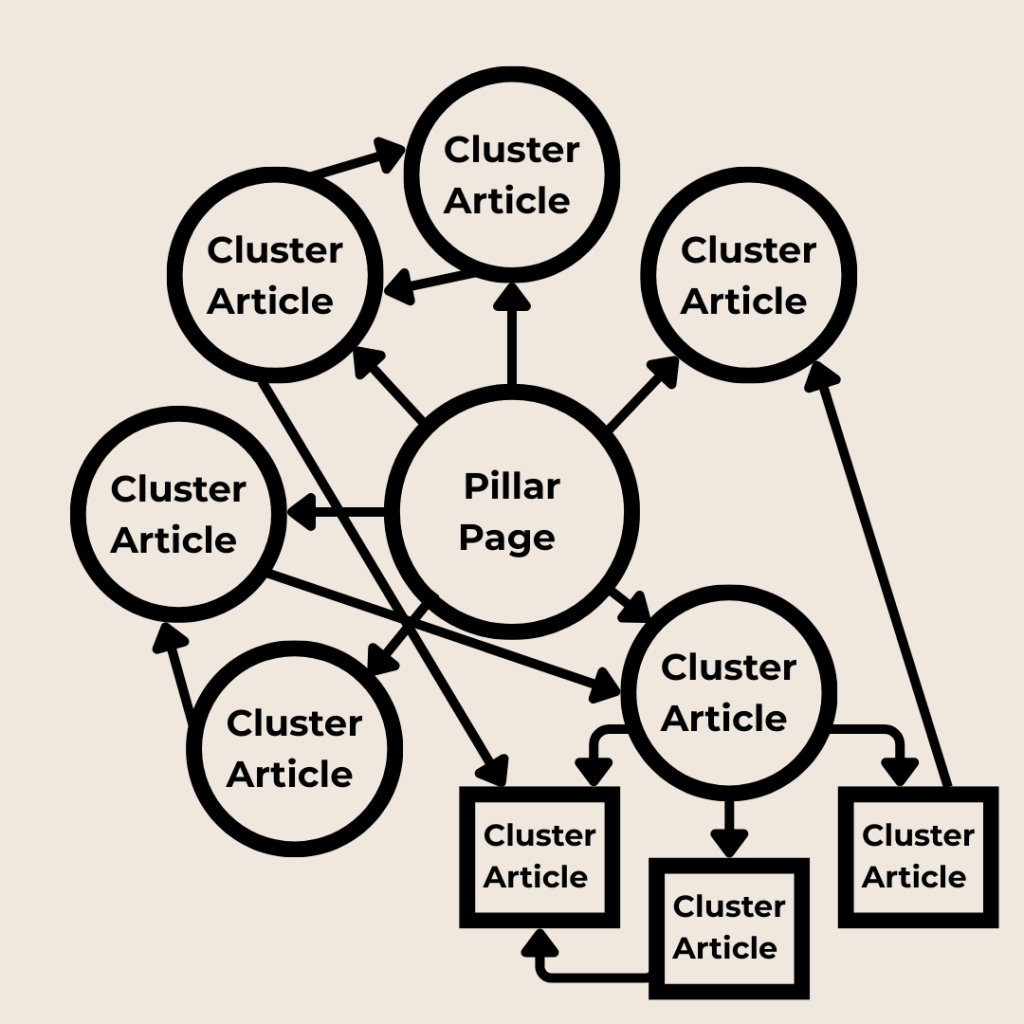
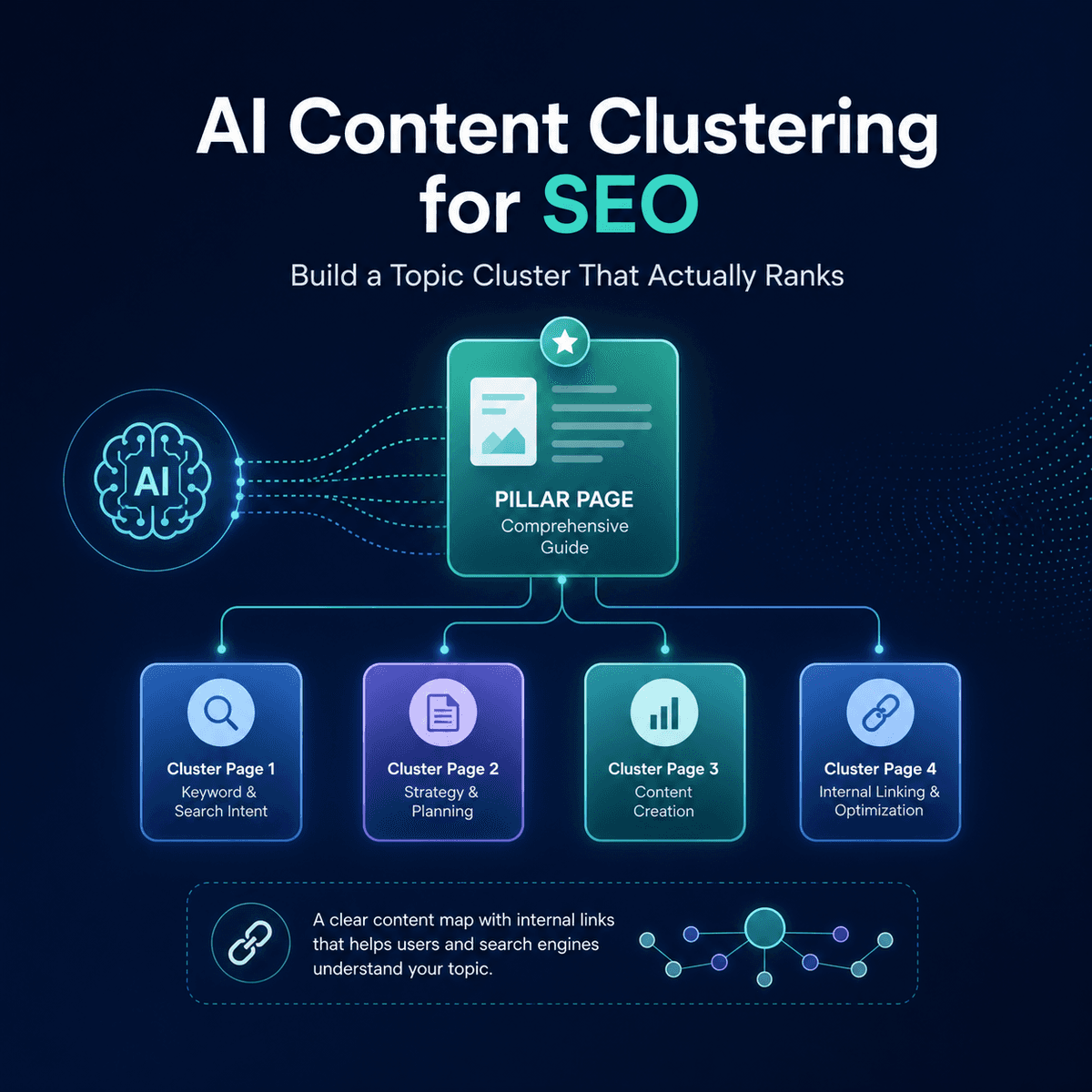
An AI SEO content cluster is a strategic grouping of interlinked web pages centered around a single pillar topic. The pillar page serves as the comprehensive authority resource, while cluster pages target specific subtopics with detailed, focused content. Artificial intelligence enhances this traditional model by analyzing search intent patterns, identifying content gaps, and predicting which subtopics will generate the highest engagement.
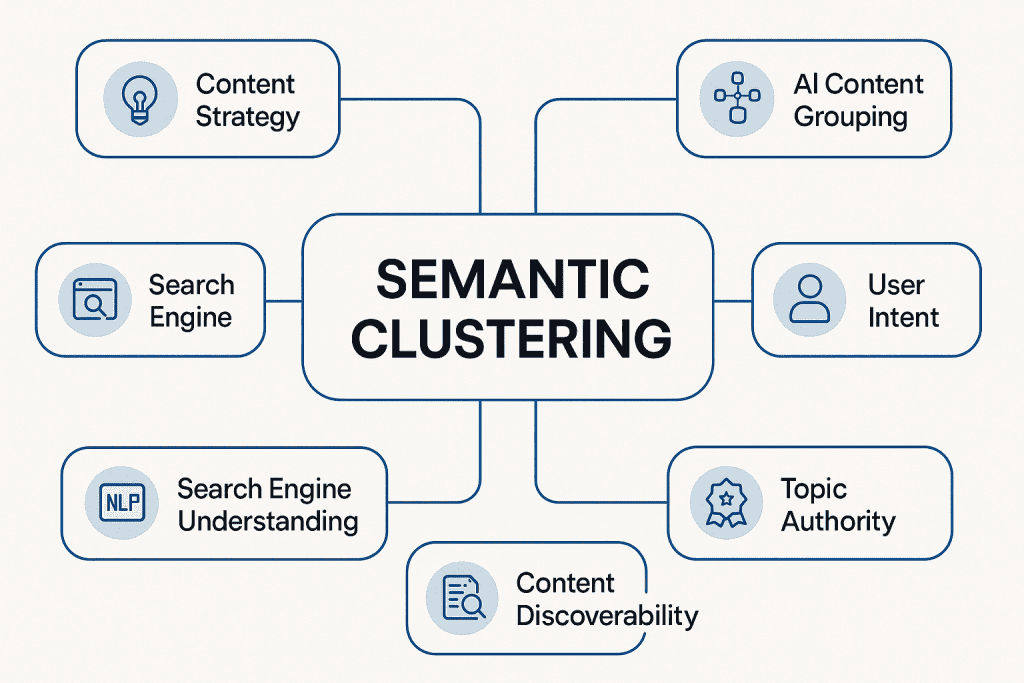
The core principle revolves around establishing semantic relevance. Search engines evaluate not just individual pages but the entire network of interconnected content. When your cluster pages consistently link back to the pillar page and to each other, you signal to Google that your website possesses deep expertise on the subject matter. AI tools accelerate this process by processing millions of data points to determine optimal topic groupings and internal linking structures.
The Evolution from Traditional Content Silos to AI-Driven Clusters
Traditional content silos organized information by category but lacked strategic interconnectivity. Marketers created blog posts in isolation, hoping each would rank independently. The shift toward AI SEO content clusters represents a fundamental change in approach. Instead of chasing individual keywords, you build comprehensive knowledge hubs that capture search demand across entire topic ecosystems.
Machine learning algorithms now analyze SERP features, user behavior signals, and competitor content to recommend cluster topics with high commercial or informational value. This data-driven approach eliminates guesswork and ensures every piece of content serves a strategic purpose within the larger architecture.
Why AI SEO Content Clusters Matter for Modern Search
Google’s continuous algorithm updates prioritize entities and topical depth over simple keyword matching. The Hummingbird update introduced semantic search, while BERT and MUM brought natural language understanding to unprecedented levels. AI SEO content clusters align perfectly with these developments by creating content ecosystems that demonstrate comprehensive knowledge.
Websites implementing this strategy typically experience faster ranking improvements for both pillar and cluster pages. The internal linking structure distributes link equity throughout the cluster, boosting the authority of every connected page. Additionally, clusters increase dwell time and reduce bounce rates as users navigate between related content pieces, sending positive engagement signals to search engines.
Key Benefits of Implementing Content Clusters with AI
- Accelerated Topic Authority: Interconnected content signals expertise to search engines faster than isolated articles
- Improved Keyword Coverage: AI identifies long-tail variations and semantic keywords you might miss manually
- Enhanced User Experience: Visitors find comprehensive answers through logical content navigation
- Efficient Content Production: AI tools generate outlines, briefs, and drafts that streamline the creation process
- Better Internal Linking: Algorithms suggest optimal anchor text and link placement for maximum SEO value
- Scalable Content Operations: Systematic approach allows teams to produce coordinated content at scale
The Architecture of an Effective AI Content Cluster
Building a successful AI SEO content cluster requires careful planning and structured execution. The architecture consists of three primary components: the pillar page, cluster content, and the linking strategy that binds them together. Each element serves a distinct purpose in establishing topical authority.
Pillar Page: The Cornerstone of Your Cluster
The pillar page acts as the definitive resource on your main topic. This comprehensive guide covers the subject broadly, providing an overview of all subtopics while linking out to detailed cluster pages. Pillar pages typically range from 3,000 to 5,000 words and target high-volume, competitive keywords. They answer the primary search intent completely while serving as the central hub for the entire content ecosystem.
When creating your pillar page, focus on structuring content with clear headings that mirror your cluster topics. This creates a natural navigation pattern for both users and search engine crawlers. Include a table of contents at the top to improve user experience and encourage deeper exploration of your content.
Cluster Content: Deep Dives into Specific Subtopics
Each cluster page targets a specific subtopic related to your pillar theme. These articles range from 1,500 to 2,500 words and provide exhaustive coverage of their respective subjects. The key is ensuring each cluster page stands alone as a valuable resource while clearly connecting back to the broader topic covered in the pillar page.
AI tools excel at identifying which subtopics deserve dedicated cluster pages. By analyzing search volume data, question-based queries, and competitor content gaps, algorithms recommend topics that align with user demand. This ensures your content production resources are allocated toward areas with genuine search potential.
Internal Linking Structure: The Connective Tissue
The internal linking strategy determines how effectively your cluster communicates topical relevance to search engines. Every cluster page should link back to the pillar page using descriptive anchor text containing relevant keywords. Additionally, cluster pages should cross-link to related subtopics within the same cluster, creating a web of interconnected content.
AI-powered SEO tools can automate much of this process by analyzing your content library and suggesting optimal link placements. These tools consider factors like semantic relevance, anchor text diversity, and link equity distribution to maximize the SEO impact of your internal linking structure.
How AI Tools Enhance Content Cluster Development
Artificial intelligence brings unprecedented efficiency and accuracy to content cluster creation. Modern AI SEO platforms offer capabilities that transform every stage of the content lifecycle, from research to optimization. Understanding these tools helps you leverage AI SEO content clusters to their full potential.
AI-Powered Keyword Research and Topic Discovery
Traditional keyword research tools provide search volume data but lack the contextual understanding needed for cluster development. AI algorithms analyze search intent patterns, question-based queries, and semantic relationships to recommend topic clusters that capture comprehensive search demand. These systems process millions of SERP data points to identify content gaps your competitors have overlooked.
Natural language processing models evaluate existing top-ranking content to determine which subtopics are underrepresented. This competitive analysis reveals opportunities to create cluster pages that fill information voids and attract qualified organic traffic.
Automated Content Brief Generation
Once you identify your cluster topics, AI tools generate detailed content briefs that guide writers toward creating SEO-optimized articles. These briefs include recommended headings, target keywords, semantic terms to include, and competitor analysis. This ensures every cluster page follows a consistent structure that maximizes search visibility.
AI-generated briefs also incorporate entity recognition to ensure your content covers all relevant concepts search engines expect to find. This semantic completeness helps your pages rank for broader query variations beyond your primary target keywords.
Content Generation and Optimization
Advanced AI writing assistants can produce draft content for cluster pages, which human editors then refine and enhance. These tools generate well-structured articles that incorporate target keywords naturally while maintaining readability. The AI analyzes top-performing content to match style, depth, and formatting expectations.
Post-publication, AI optimization tools continuously analyze your cluster’s performance and recommend improvements. These systems track ranking changes, user engagement metrics, and conversion data to identify underperforming pages that need revision or additional internal links.
Step-by-Step Guide to Building AI SEO Content Clusters
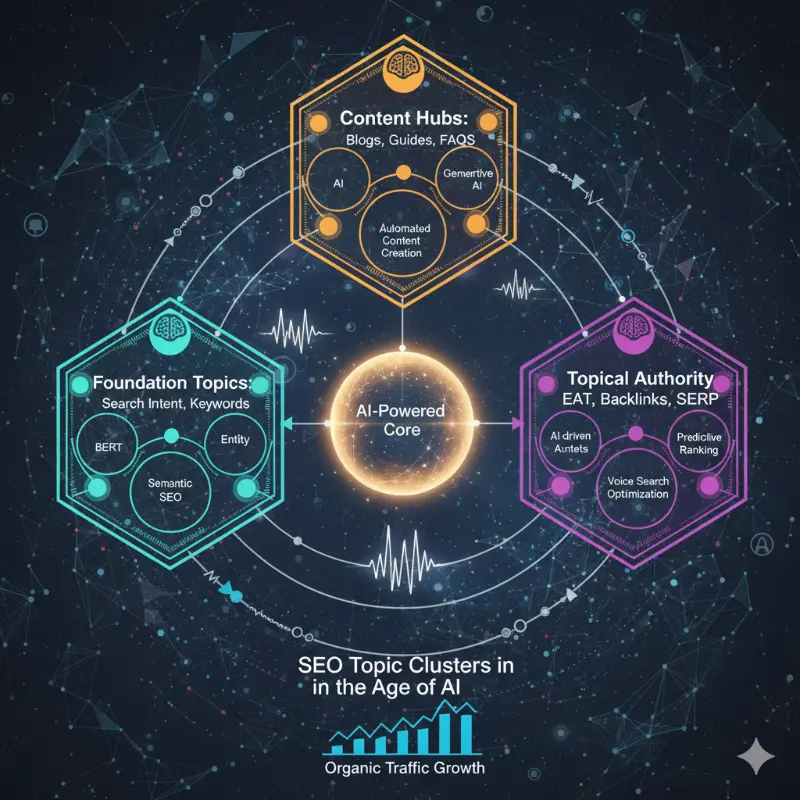
Implementing an AI-driven content cluster strategy requires a systematic approach. Follow these steps to create a high-performing cluster that drives sustainable organic growth.
Step 1: Define Your Core Topic and Audience
Start by identifying the primary topic you want to dominate in search results. This should align with your business objectives and audience needs. Consider the questions your target customers frequently ask and the information gaps they encounter during their buyer journey. Your core topic should be broad enough to support multiple subtopics but specific enough to establish meaningful expertise.
Step 2: Conduct AI-Powered Topic Research
Utilize AI SEO tools to analyze search demand for your core topic and related subtopics. These platforms provide data on search volume trends, keyword difficulty, and SERP features that inform your content strategy. Generate a comprehensive list of potential cluster topics and prioritize them based on search potential and business relevance.
Examine question-based queries related to your topic using AI tools that aggregate data from “People Also Ask” boxes and related searches. These long-tail variations often represent high-intent users who are closer to conversion.
Step 3: Create Your Pillar Page
Develop a comprehensive pillar page that serves as the authoritative resource on your core topic. Structure the content to cover all major aspects while linking to each cluster page you plan to create. Write for both search engines and users, ensuring the content provides genuine value beyond simple keyword optimization.
Include a clear introduction that establishes the scope of your coverage, followed by well-organized sections that address each subtopic at a summary level. Conclude with links to your detailed cluster pages, guiding users toward deeper exploration.
Step 4: Develop Cluster Content Strategically
Create cluster pages in order of priority, starting with topics that have the highest search volume and commercial value. Each cluster page should provide exhaustive coverage of its specific subtopic while maintaining clear connections to the pillar page and related cluster content.
Use AI-generated briefs to ensure consistency across your cluster pages. Each article should follow a similar structure with clear headings, comprehensive coverage, and strategic internal links. This consistency helps search engines understand the relationship between your content pieces.
Step 5: Implement Strategic Internal Linking
After publishing your cluster content, systematically implement internal links throughout the ecosystem. Every cluster page should link to the pillar page using keyword-rich anchor text. Additionally, identify opportunities to link between related cluster pages to create a dense network of contextual connections.
AI SEO tools can automate link suggestions by analyzing your content library for semantic relevance. These recommendations ensure your internal linking structure maximizes SEO value while maintaining natural user experience.
Step 6: Monitor Performance and Iterate
Track your cluster’s performance using analytics tools and search console data. Monitor keyword rankings, organic traffic, and engagement metrics for both pillar and cluster pages. Identify pages that underperform and analyze potential causes, such as thin content, poor internal linking, or insufficient keyword coverage.
Continuously expand your cluster by adding new cluster pages that address emerging subtopics or answer new questions from your audience. This ongoing expansion signals to search engines that your topical authority is growing, which can boost rankings across the entire cluster.
Common Mistakes to Avoid with AI SEO Content Clusters
Even with AI assistance, content cluster strategies can fail when executed improperly. Understanding common pitfalls helps you avoid costly errors that undermine your SEO efforts.
Creating Thin or Duplicate Content
One of the most damaging mistakes involves creating cluster pages that lack sufficient depth or overlap excessively with existing content. Search engines penalize thin content that provides minimal value to users. Each cluster page must offer unique insights, data, or perspectives that justify its existence within the ecosystem.
AI tools can help identify content overlap by analyzing semantic similarity between your pages. Use these insights to differentiate your cluster content and ensure each page provides distinct value.
Neglecting Internal Link Optimization
Some marketers create cluster content but fail to implement proper internal linking. Without strategic links between pillar and cluster pages, your content ecosystem lacks the connective tissue that signals topical authority to search engines. Generic anchor text like “click here” provides minimal SEO value compared to descriptive, keyword-rich anchors.
Regularly audit your internal links to identify broken links, orphan pages, or missed linking opportunities. AI-powered auditing tools can automate this process and provide actionable recommendations.
Ignoring Search Intent Variations
Different subtopics within your cluster may serve different search intents. Some users seek informational content, while others have commercial or transactional intent. Failing to match your content format and depth to the appropriate intent can result in high bounce rates and poor rankings.
Analyze the SERP for each cluster topic to understand what type of content currently ranks. If video results dominate, consider incorporating multimedia elements. If listicles perform well, structure your content accordingly.
Publishing Without Sufficient Research
AI tools accelerate content creation but cannot replace human judgment and expertise. Publishing AI-generated content without thorough fact-checking and editorial review risks damaging your credibility. Always verify statistics, claims, and technical information before publication.
Combine AI efficiency with human expertise to create content that demonstrates genuine authority. Your unique insights, experiences, and perspectives differentiate your content from generic AI-generated material.
Measuring the Success of Your Content Clusters
Tracking the right metrics ensures your AI SEO content clusters deliver meaningful business results. Beyond basic keyword rankings, focus on metrics that reflect true search performance and user engagement.
Key Performance Indicators for Content Clusters
| Metric | What It Measures | Target Benchmark |
|---|---|---|
| Organic Traffic Growth | Total visits from search engines to cluster pages | 20-30% increase within 3 months |
| Keyword Rankings | Position of target keywords in SERPs | Top 10 for 50% of target keywords |
| Click-Through Rate | Percentage of impressions resulting in clicks | 3-5% for informational queries |
| Bounce Rate | Percentage of visitors leaving after one page | Below 60% for cluster pages |
| Internal Link Clicks | Navigation between pillar and cluster pages | 15-20% of total page interactions |
| Conversion Rate | Percentage of visitors completing desired actions | Varies by industry and funnel stage |
Tools for Tracking Cluster Performance
Google Search Console provides essential data on impressions, clicks, and average position for your cluster pages. This free tool reveals which queries trigger your content and how your rankings evolve over time. Google Analytics offers deeper insights into user behavior, including navigation patterns between pillar and cluster pages.
Advanced SEO platforms like Ahrefs, SEMrush, and Surfer SEO provide comprehensive cluster tracking features. These tools monitor keyword positions, analyze competitor strategies, and identify content gaps that represent expansion opportunities.
Advanced AI Techniques for Content Cluster Optimization
As AI technology evolves, new capabilities emerge that further enhance content cluster effectiveness. Staying current with these developments gives you a competitive edge in search rankings.
Predictive Analytics for Content Planning
Machine learning models can predict which topics will gain search traction before they peak. By analyzing search trend data, social media signals, and industry developments, AI tools recommend cluster topics that position you ahead of demand curves. This proactive approach captures early-mover advantages in emerging niches.
Natural Language Processing for Semantic Optimization
Advanced NLP models analyze your content’s semantic completeness compared to top-ranking pages. These tools identify entities, concepts, and relationships your content should cover to match search engine expectations. Implementing these recommendations improves your content’s relevance for a broader range of related queries.
Dynamic Content Personalization
AI-powered personalization engines can adapt your cluster content based on user behavior and preferences. While this technology is still emerging in SEO contexts, it promises to deliver tailored content experiences that increase engagement and conversions. As search engines increasingly prioritize user satisfaction signals, personalized clusters may gain ranking advantages.
Important Notes for Long-Term Success
Building AI SEO content clusters requires patience and consistent effort. Search engines take time to crawl, index, and evaluate your interconnected content. Most clusters achieve meaningful ranking improvements within 3-6 months, with continued growth over 12 months or more.
Quality always trumps quantity. A smaller cluster with exceptional content outperforms a massive cluster filled with mediocre pages. Focus on creating genuinely useful resources that answer user questions comprehensively.
Regularly update your pillar and cluster pages to reflect new information, industry developments, and changing search patterns. Fresh content signals to search engines that your cluster remains relevant and authoritative.
Integrate your content cluster strategy with broader SEO initiatives, including technical optimization, link building, and brand authority development. Content clusters work best as part of a holistic approach to search visibility.
Frequently Asked Questions
How many pages should an AI SEO content cluster include?
A typical content cluster contains between 5 and 20 cluster pages linked to a single pillar page. The optimal number depends on your topic’s breadth and the volume of search demand for related subtopics. Start with 5-10 high-priority cluster pages and expand as you identify additional opportunities through keyword research and performance analysis.
How long does it take for content clusters to rank?
Most content clusters begin showing ranking improvements within 4-8 weeks after publication. Achieving top positions for competitive keywords typically requires 3-6 months of consistent optimization and link building. The interconnected nature of clusters accelerates authority building compared to isolated articles, but patience remains essential.
Can AI-generated content rank well in search results?
AI-generated content can rank well when properly optimized and supplemented with human expertise. Search engines prioritize content quality and relevance over the method of creation. Combining AI efficiency with human editing, fact-checking, and unique insights produces content that satisfies both search algorithms and user expectations.
What is the difference between content clusters and topic clusters?
Content clusters and topic clusters refer to the same fundamental strategy of creating interconnected content around a central theme. The terms are used interchangeably in SEO literature. AI SEO content clusters specifically emphasize the use of artificial intelligence tools to enhance the research, creation, and optimization processes.
How do I choose the right AI tools for content clustering?
Evaluate AI tools based on your specific needs, budget, and technical capabilities. Consider factors like keyword research accuracy, content generation quality, internal linking suggestions, and performance tracking features. Many platforms offer free trials that allow you to test their capabilities before committing to a subscription.
Conclusion
AI SEO content clusters represent the most effective approach to building topical authority in today’s search landscape. By combining the strategic framework of pillar-and-cluster architecture with the analytical power of artificial intelligence, you create content ecosystems that satisfy both search algorithms and user needs. The systematic methodology ensures efficient resource allocation while the interconnected structure accelerates ranking improvements across your entire content portfolio.
Success requires commitment to quality, continuous optimization, and adaptation to evolving search patterns. Start with a well-defined core topic, leverage AI tools for research and content development, and consistently expand your cluster based on performance data. The organizations that master AI SEO content clusters position themselves for sustained organic growth and competitive advantage in their industries.
Xem thêm:
- AI SEO for Bloggers: How to Build Smarter Content That Ranks and Converts
- AI SEO GEO Traffic: The Complete Guide to Generative Engine Optimization
- Next-Generation AI SEO Workflow for Enterprises: A Blueprint for Scalable Organic Growth
- AI SEO Multi Agent Systems: The Complete Guide to Autonomous Search Optimization
- AI SEO for Ecommerce: The Complete Guide to Outranking Competitors in 2025
Bài viết cùng chủ đề:

AI SEO SEO Automation with Make: The Complete Workflow Guide

AI SEO SEO Automation with Zapier: The Complete Workflow Guide

AI SEO SEO Automation with n8n: The Complete Workflow Guide
AI SEO SEO Automation with Gemini: The Complete Guide to Scaling Organic Growth

AI SEO SEO Automation with Claude: The Complete Guide to Scaling Content in 2025

AI SEO SEO Automation with ChatGPT: The Complete Playbook for 2025

AI SEO & SEO Automation for Affiliate Sites: The 2025 Playbook for Passive Income Growth
AI SEO & SEO Automation for Bloggers: The Complete Guide to Scaling Your Content

AI SEO & SEO Automation for Agencies: The Complete 2025 Playbook

AI SEO and SEO Automation for Ecommerce: The Complete Playbook for 2025

AI SEO & SEO Automation for WordPress: The Complete Playbook for 2025
AI SEO SEO Automation Strategy: The Complete Playbook for 2025

Mastering the AI SEO SEO Automation Process: A Complete Guide to Scaling Organic Growth
AI SEO SEO Automation System: The Complete Guide to Scaling Organic Growth in 2025
AI SEO SEO Automation Platform: The Complete Guide to Scaling Organic Growth in 2025
AI SEO SEO Automation Software: The Complete Guide to Scaling Organic Growth in 2025















