
No products in the cart.
AI SEO Multi Agent Systems: The Complete Guide to Autonomous Search Optimization
31
Jul
Jul
The digital marketing landscape is shifting beneath our feet. Traditional SEO workflows, built on manual audits, static keyword lists, and human-driven content updates, are struggling to keep pace with the algorithmic complexity of modern search engines. Enter AI SEO Multi Agent Systems—a paradigm where multiple specialized artificial intelligence agents collaborate autonomously to plan, execute, and refine search optimization strategies without constant human intervention. This is not a single chatbot writing meta descriptions. It is a coordinated digital workforce where one agent crawls your site, another analyzes competitor backlinks, a third drafts content briefs, and a fourth monitors SERP volatility in real time. For enterprises managing thousands of pages, this architecture represents the difference between reactive optimization and predictive dominance.
What Are AI SEO Multi Agent Systems?
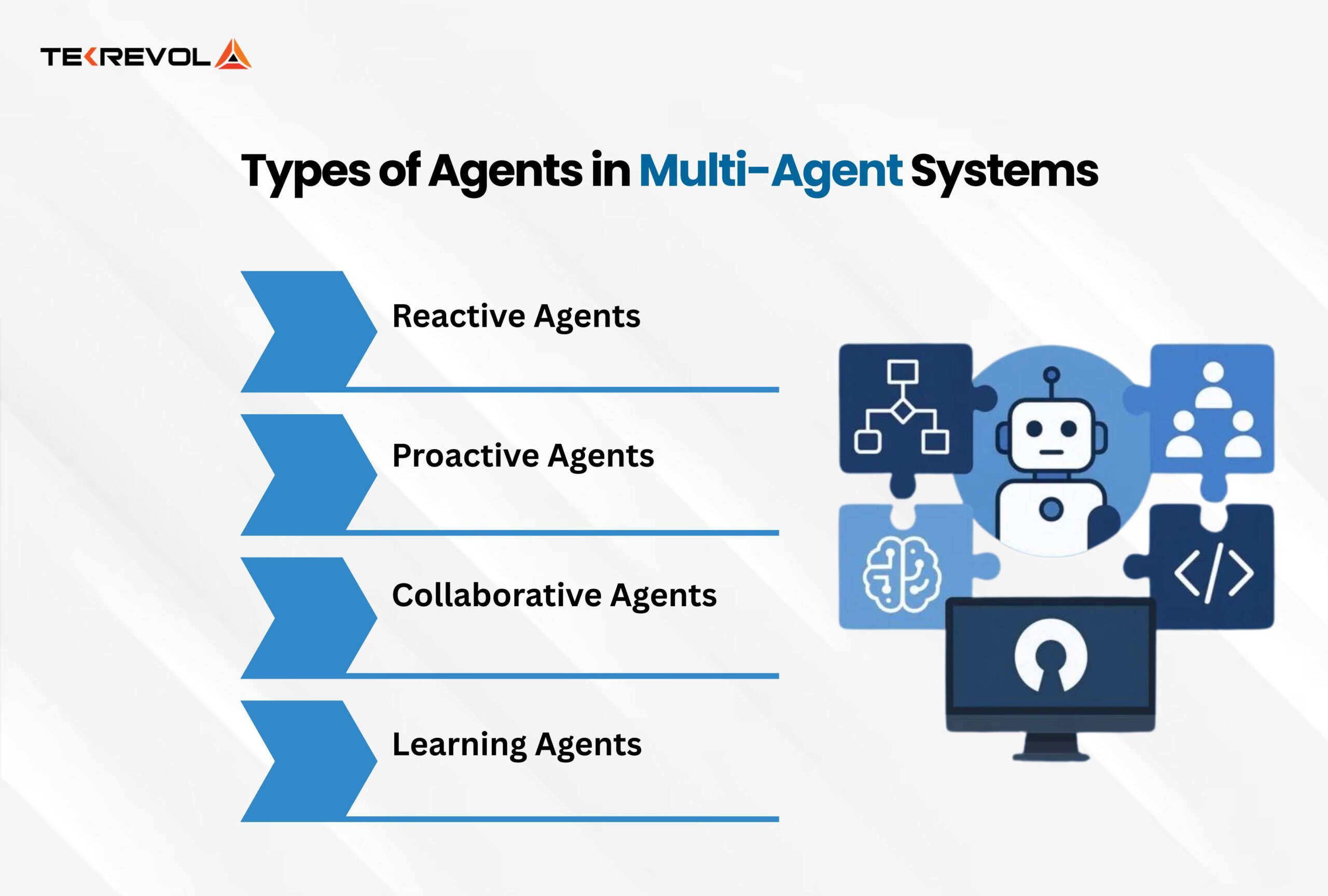
An AI SEO Multi Agent System is a software architecture composed of several autonomous AI agents, each designed to handle a specific SEO function, that communicate and coordinate with each other to achieve a unified goal: improving organic search visibility. Unlike monolithic AI tools that attempt to do everything in a single pipeline, multi-agent systems break down the SEO process into discrete tasks. Each agent operates with its own set of tools, data sources, and decision-making logic. They share information through a central orchestrator or a shared memory layer, enabling them to adapt to changes in search engine algorithms, user behavior, and competitive actions. The core principle is specialization. One agent might be a “Keyword Researcher” that uses natural language processing to identify semantic clusters. Another might be a “Technical Auditor” that simulates Googlebot crawling patterns. A third could be a “Content Strategist” that analyzes top-ranking pages and generates outline recommendations. When these agents work in parallel, they produce insights that are deeper and faster than any single AI model could achieve alone.
How Multi Agent Systems Differ from Traditional AI SEO Tools
To understand the value proposition, it is essential to contrast multi-agent systems with the conventional AI-powered SEO platforms that dominate the market today. Most current tools are single-agent systems. You input a domain, and the tool runs a pre-defined script to output a report. T A multi-agent system, however, operates more like a human agency. Consider the difference in a table:
| Feature | Traditional AI SEO Tool | AI SEO Multi Agent System |
|---|---|---|
| Task Execution | Sequential, linear pipeline | Parallel, distributed across agents |
| Adaptability | Requires manual reconfiguration for new tasks | Agents dynamically adjust based on shared context |
| Error Handling | Stops or returns generic error | Other agents compensate or re-route the workflow |
| Data Integration | Pulls from a single database or API | Each agent can access unique data sources and merge findings |
| Scalability | Limited by processing power of one model | Add new agents to handle new SEO dimensions |
The key differentiator is the “multi” aspect. It allows for the decomposition of complex problems. For example, optimizing a large e-commerce site with 50,000 product pages requires simultaneous work on site architecture, duplicate content, internal linking, and schema markup. A single-agent tool would handle these sequentially, taking hours. A multi-agent system deploys four agents simultaneously, each tackling one dimension, then aggregates the results into a unified action plan.
Core Components of an AI SEO Multi Agent Architecture
Building a functional multi-agent system for SEO requires understanding its fundamental building blocks. While implementations vary, most robust systems share these components:
1. The Orchestrator Agent
This is the central coordinator. It receives the high-level objective, such as “increase organic traffic for the blog section by 30% in 90 days.” The orchestrator breaks this down into sub-tasks, assigns them to specialist agents, monitors their progress, and synthesizes their outputs. It also handles conflict resolution. If the technical agent recommends removing a page while the content agent wants to update it, the orchestrator evaluates the trade-offs based on business rules.
2. The Crawler and Indexation Agent
This agent simulates search engine bots. It identifies crawl budget waste, detects orphan pages, checks for robots.txt misconfigurations, and monitors the rendering of JavaScript-heavy pages. It feeds data about page speed, Core Web Vitals, and indexation status back to the orchestrator.
3. The Keyword and Entity Agent
This agent goes beyond simple keyword volume. It uses entity recognition to understand the topical relationships between concepts. It analyzes search intent by clustering queries into informational, navigational, and transactional buckets. It also monitors the “People Also Ask” boxes and related searches to identify emerging semantic gaps.
4. The Content Generation and Optimization Agent
This agent drafts new content, rewrites existing pages, and generates meta tags. It uses large language models but is constrained by instructions from the orchestrator. For instance, it receives the keyword clusters from the keyword agent and the readability guidelines from the content strategist. It produces variations, which are then evaluated by a separate quality control agent.
5. The Link Analysis Agent
This agent monitors the backlink profile. It identifies toxic links, analyzes competitor link acquisition strategies, and finds unlinked brand mentions. It can even draft outreach emails for link building campaigns, though human approval is typically required for sending.
6. The Performance Monitoring Agent
This agent tracks rankings, click-through rates, and conversion data from Google Search Console and analytics platforms. It detects ranking drops or spikes and triggers alerts to the orchestrator. It also runs A/B tests on title tags and meta descriptions, automatically implementing the winning variant.
The Workflow: How These Agents Collaborate in Practice
Understanding the theoretical components is one thing, but seeing the workflow in action clarifies the operational value. A typical cycle for a multi-agent SEO system might look like this: First, the Performance Monitoring Agent detects a 15% drop in rankings for a set of high-value commercial keywords. It sends an alert to the Orchestrator. The Orchestrator then activates the Crawler Agent to check if there are any technical issues like a sudden increase in 404 errors or a change in canonical tags. Simultaneously, it activates the Keyword and Entity Agent to analyze the current SERP. The Keyword Agent discovers that a new competitor has entered the space with a more comprehensive guide that includes video content and user-generated reviews. The Orchestrator then briefs the Content Generation Agent. It instructs it to create a new section on the existing page that addresses the missing subtopics and to suggest a schema markup for the review stars. The Content Agent drafts the text. The Link Analysis Agent is tasked with finding two authoritative sources to cite within the new section. Once the content is updated, the Performance Monitoring Agent is instructed to track the impact over the next 14 days. If the rankings recover, the system logs the successful strategy for future reference. If not, the Orchestrator re-evaluates and tries a different approach, such as adjusting the internal linking structure. This entire loop can run in a few hours, whereas a human SEO team might take a week to execute the same process.
Benefits of Implementing AI SEO Multi Agent Systems
The shift towards multi-agent architectures is driven by tangible, measurable advantages that go beyond simple automation.
Unprecedented Efficiency and Speed
A single AI agent can process data quickly, but a multi-agent system processes multiple streams simultaneously. This parallel processing reduces the time for a full site audit from days to minutes. For large enterprises, this speed translates into faster time-to-market for content updates and quicker responses to algorithm updates.
Holistic Optimization
Traditional tools often optimize for one variable at the expense of another. A multi-agent system ensures that technical fixes do not harm content quality, and that content changes do not break internal linking structures. The shared context between agents ensures that all actions are aligned with the overall SEO strategy.
Continuous Learning and Adaptation
Because the agents share a memory bank, they learn from past successes and failures. If a particular type of content structure performs well for a specific query type, the Content Agent will replicate that structure in future tasks. This creates a compounding effect where the system becomes more intelligent over time.
Reduced Human Workload
While human oversight is still necessary, the system handles the repetitive, data-heavy tasks. SEO professionals can focus on creative strategy, brand building, and high-level decision-making rather than spending hours exporting spreadsheets and cross-referencing data.
Limitations and Challenges to Consider
Despite the promise, AI SEO Multi Agent Systems are not a silver bullet. They come with significant challenges that organizations must address.
High Implementation Complexity
Setting up a multi-agent system requires substantial technical expertise. You need to define the communication protocols between agents, design the shared memory database, and build the orchestration logic. This is not a plug-and-play solution for most small businesses.
Cost of Compute and API Calls
Running multiple AI agents simultaneously consumes significant computational resources. Each agent may be calling a separate LLM API, and the orchestration layer adds overhead. The costs can escalate quickly, especially for sites with millions of pages.
Risk of Cascading Errors
If the Keyword Agent provides incorrect data, the Content Agent will generate content based on that faulty premise. The system needs robust validation mechanisms to catch errors early. Without proper guardrails, a small mistake can propagate through the entire workflow.
Lack of Human Creativity and Intuition
AI agents excel at pattern recognition and data processing, but they struggle with brand voice nuance, cultural sensitivity, and out-of-the-box thinking. A multi-agent system might optimize for a keyword that is technically relevant but contextually inappropriate for your brand.
Practical Applications and Use Cases
The theoretical benefits are compelling, but where do these systems actually deliver the most value? Here are the primary use cases where AI SEO Multi Agent Systems are currently being deployed with success.
Enterprise E-commerce SEO
Large online retailers with thousands of product pages face constant challenges with duplicate content, thin descriptions, and dynamic pricing pages. A multi-agent system can automatically generate unique product descriptions based on specifications, monitor inventory pages for indexation issues, and adjust internal links based on sales data. For example, if a product goes out of stock, the system can automatically redirect its link equity to a similar in-stock item.
News and Publishing Sites
For media outlets, speed is critical. A multi-agent system can monitor breaking news, analyze search trends in real-time, and draft initial article outlines for human journalists. It can also automatically update old articles with new information to maintain freshness signals, a key ranking factor for news queries.
Local SEO for Multi-Location Businesses
Managing SEO for hundreds of physical locations is a logistical nightmare. Each location needs unique content, local citations, and schema markup. A multi-agent system can generate location-specific pages, verify NAP (Name, Address, Phone) consistency across directories, and monitor local pack rankings for each geographic area.
SaaS and B2B Content Marketing
B2B companies often target long, complex sales cycles with hundreds of informational keywords. A multi-agent system can map the entire content ecosystem, identify gaps in the funnel, and generate detailed pillar pages and supporting cluster content. It can also analyze competitor content to find differentiation opportunities.
Common Mistakes When Adopting Multi Agent Systems
Many organizations fail to realize the full potential of these systems due to avoidable errors. Understanding these pitfalls is crucial for successful implementation.
Mistake 1: Lack of Clear Objectives
Deploying a multi-agent system without a specific, measurable goal leads to chaos. The agents will generate data, but without a defined target, the orchestrator cannot prioritize tasks. Define what success looks like—whether it is ranking for a specific keyword set, reducing crawl waste, or increasing organic conversions.
Mistake 2: Ignoring Human Oversight
The goal is not to replace humans but to augment them. Failing to have a human review process for content generation and link building can lead to brand damage. AI-generated content may contain factual errors or subtle biases. Always have a human editor approve final outputs before publication.
Mistake 3: Over-Engineering the System
Some teams try to build a system with 20 different agents from day one. This complexity makes debugging impossible. Start with a minimal viable system—three to four agents handling the most critical tasks—and expand gradually.
Mistake 4: Neglecting Data Quality
The system is only as good as the data it receives. If you feed it inaccurate analytics data or outdated keyword lists, the outputs will be flawed. Ensure your tracking is correctly implemented before connecting the agents.
Important Notes for Implementation
Before you invest in building or purchasing an AI SEO Multi Agent System, consider these critical factors. First, evaluate your existing infrastructure. Do you have clean, structured data? Can your current tech stack support API integrations with AI models? If your data is scattered across spreadsheets and siloed tools, the system will struggle to function effectively. Second, consider the ethical implications. Google’s guidelines prohibit manipulative link schemes and content automation that provides little value. While multi-agent systems can create high-quality content, you must ensure that the output is genuinely useful to users, not just optimized for bots. The system should be used to enhance human creativity, not to mass-produce low-value pages. Third, plan for continuous maintenance. Search algorithms change, and your agents need to be updated with new instructions and data sources. This is not a set-and-forget technology. It requires ongoing tuning from an experienced SEO professional.
Frequently Asked Questions
What is the difference between a single AI agent and a multi-agent system for SEO?
A single AI agent operates in a linear fashion, processing one task at a time with a fixed set of instructions. A multi-agent system uses multiple specialized agents that work in parallel, communicate with each other, and adapt their behavior based on shared information. This allows for more complex problem-solving and faster execution.
Can AI SEO Multi Agent Systems replace human SEO experts?
No. These systems are designed to automate repetitive tasks, process large datasets, and generate initial drafts. They lack the strategic judgment, brand understanding, and creative intuition of a human expert. The most effective approach is a hybrid model where AI handles the heavy lifting and humans provide oversight and strategic direction.
How much does it cost to implement a multi-agent SEO system?
Costs vary dramatically. Building a custom system in-house can cost tens of thousands of dollars in development time and API usage. Using a third-party platform that offers multi-agent capabilities typically involves a monthly subscription ranging from a few hundred to several thousand dollars, depending on the volume of pages and API calls.
What are the best tools for building AI SEO Multi Agent Systems?
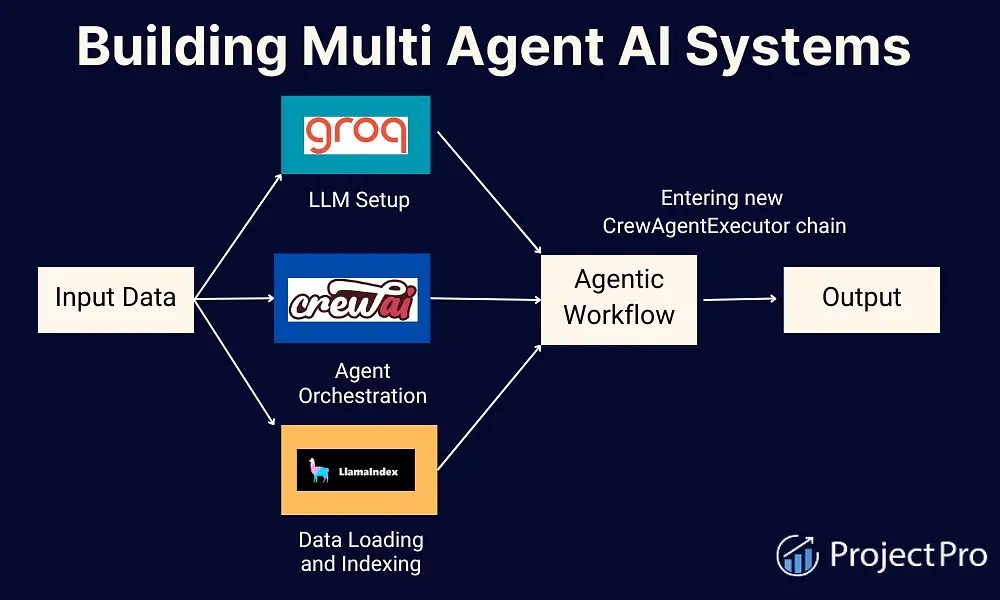
T Popular frameworks for building custom systems include LangChain and AutoGen, which provide the infrastructure for agent communication. For those seeking a managed solution, platforms like AgentGPT and various enterprise SEO suites are beginning to incorporate multi-agent features, though this is still an emerging market.
Is AI SEO Multi Agent Systems suitable for small websites?
For small websites with under 100 pages, the complexity and cost of a multi-agent system often outweigh the benefits. A single, well-configured AI SEO tool or a competent human freelancer can achieve similar results. These systems are most valuable for sites with significant scale, frequent content updates, or complex technical architectures.
Conclusion
AI SEO Multi Agent Systems represent a significant evolution in how we approach search optimization. By distributing tasks across specialized, collaborative AI agents, organizations can achieve a level of speed, accuracy, and holistic analysis that was previously impossible. The technology is not without its challenges—implementation complexity, cost, and the need for human oversight are real barriers. However, for enterprises operating at scale, the competitive advantage is undeniable. The future of SEO is not about a single tool or a single prompt. It is about building intelligent, autonomous systems that can think, adapt, and execute across the entire digital ecosystem. As the technology matures and becomes more accessible, it will likely become the standard operating procedure for serious digital marketing teams. The key is to start small, focus on clear objectives, and always keep the human expert in the loop to ensure that the pursuit of algorithmic rankings does not compromise the quality and integrity of the user experience.
Xem thêm:
- AI SEO JSON-LD Generator: The Complete Guide to Automated Structured Data
- AI SEO Indexability: The Complete Guide to Making Your Content Visible to AI Search Engines
- AI SEO Caching: The Complete Guide to Accelerating AI Search Visibility
- AI SEO for Real Estate: The Complete Guide to Dominating Local Search in 2025
- AI SEO Table Generator: The Complete Guide to Smarter Content in 2025
Bài viết cùng chủ đề:

AI SEO SEO Automation with Make: The Complete Workflow Guide

AI SEO SEO Automation with Zapier: The Complete Workflow Guide

AI SEO SEO Automation with n8n: The Complete Workflow Guide
AI SEO SEO Automation with Gemini: The Complete Guide to Scaling Organic Growth

AI SEO SEO Automation with Claude: The Complete Guide to Scaling Content in 2025

AI SEO SEO Automation with ChatGPT: The Complete Playbook for 2025

AI SEO & SEO Automation for Affiliate Sites: The 2025 Playbook for Passive Income Growth
AI SEO & SEO Automation for Bloggers: The Complete Guide to Scaling Your Content

AI SEO & SEO Automation for Agencies: The Complete 2025 Playbook

AI SEO and SEO Automation for Ecommerce: The Complete Playbook for 2025

AI SEO & SEO Automation for WordPress: The Complete Playbook for 2025
AI SEO SEO Automation Strategy: The Complete Playbook for 2025

Mastering the AI SEO SEO Automation Process: A Complete Guide to Scaling Organic Growth
AI SEO SEO Automation System: The Complete Guide to Scaling Organic Growth in 2025
AI SEO SEO Automation Platform: The Complete Guide to Scaling Organic Growth in 2025
AI SEO SEO Automation Software: The Complete Guide to Scaling Organic Growth in 2025















