
No products in the cart.
AI SEO Content Engagement: The Complete Guide to Boosting Rankings and Reader Retention
10
Aug
Aug
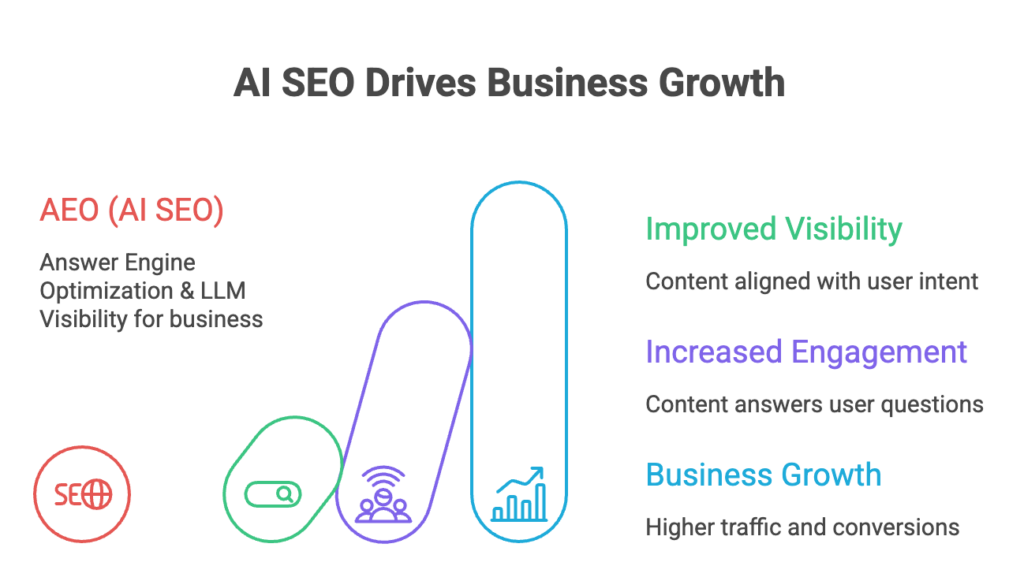
AI SEO content engagement is the strategic use of artificial intelligence to create, optimize, and personalize content that not only ranks well on search engines but also captivates human readers. In today’s digital landscape, ranking alone is insufficient; user interaction metrics like dwell time, click-through rates, and social shares heavily influence search visibility. This guide explores how AI transforms static articles into dynamic engagement tools, ensuring your content satisfies both algorithms and the people they serve.
Understanding AI SEO Content Engagement
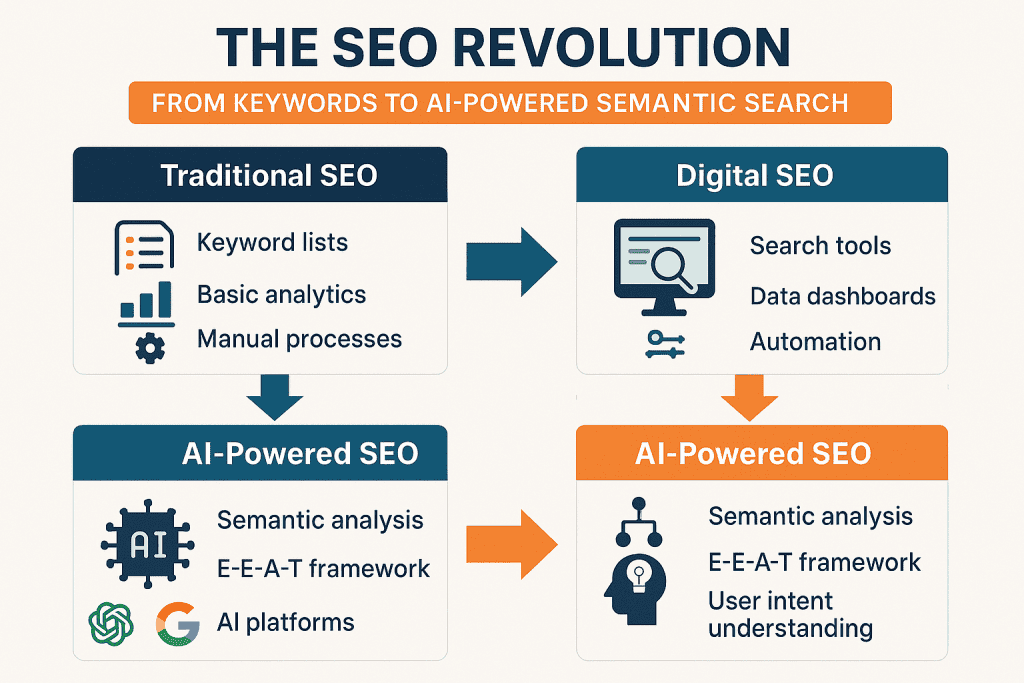
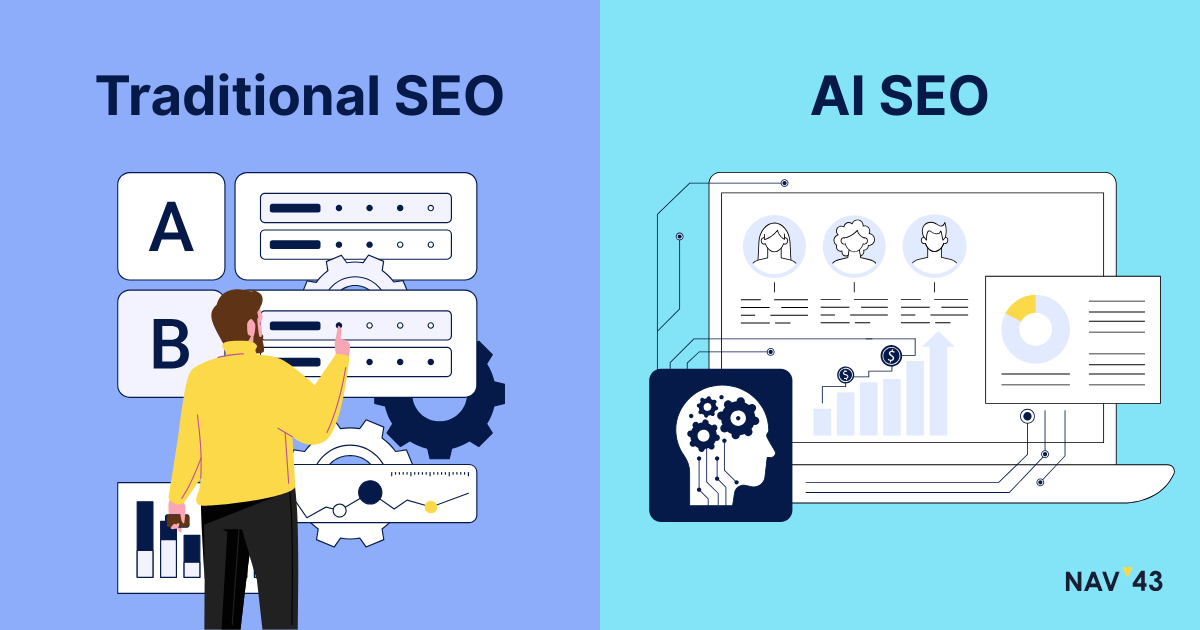
AI SEO content engagement sits at the intersection of machine learning, natural language processing, and user experience design. It involves using AI tools to analyze search intent, predict reader behavior, and generate content that holds attention. Unlike traditional SEO, which focuses primarily on keywords and backlinks, this approach prioritizes the quality of interaction between the audience and the material.
The core principle is simple: search engines reward content that users find valuable. When visitors spend more time reading, comment on posts, or share them across networks, these signals tell Google and Bing that the content deserves higher rankings. AI helps create this virtuous cycle by identifying patterns in successful content and applying them to new pieces.
The Role of Machine Learning in Content Personalization
Machine learning algorithms analyze vast datasets to understand what makes content engaging for specific demographics. For instance, an AI system might discover that technical audiences prefer detailed case studies with data tables, while general readers respond better to narrative-driven explanations with practical examples. By segmenting audiences and tailoring content accordingly, AI SEO content engagement delivers the right message to the right people at the right time.
Natural language generation tools now produce human-like text that maintains brand voice while optimizing for readability. These systems can adjust sentence length, vocabulary complexity, and tone based on the target audience’s reading level, ensuring the content remains accessible without sacrificing depth.
Why AI SEO Content Engagement Matters for Modern Marketers
The digital marketing landscape has become fiercely competitive. Millions of blog posts, product pages, and articles compete for attention every day. Traditional SEO tactics like keyword stuffing and link farming no longer work; search engines have evolved to detect and penalize such practices. AI SEO content engagement offers a sustainable alternative that aligns with search engine guidelines while delivering genuine value to readers.
User engagement metrics now account for a significant portion of ranking algorithms. Google’s passage ranking and BERT updates demonstrate a clear shift toward understanding user satisfaction. Content that keeps readers on the page, encourages exploration of related topics, and prompts action will consistently outperform static, information-dense but boring articles.
Key Engagement Metrics That Impact SEO Rankings
Several user behavior signals directly influence how search engines rank content. Understanding these metrics helps marketers focus their AI efforts effectively.
| Metric | Definition | Impact on SEO |
|---|---|---|
| Dwell Time | Time spent on a page before returning to search results | Longer dwell time signals content relevance and quality |
| Click-Through Rate (CTR) | Percentage of users who click your link from search results | Higher CTR improves keyword rankings over time |
| Bounce Rate | Percentage of visitors who leave without interacting | Lower bounce rates indicate content matches user intent |
| Scroll Depth | How far users scroll down the page | Deep scrolling suggests readers consume the full article |
| Social Shares | Number of times content is shared on social platforms | Indirectly boosts visibility and backlink opportunities |
AI tools can track these metrics in real-time and suggest adjustments to improve performance. For example, if scroll depth drops significantly at a certain point, the AI might recommend breaking up long paragraphs, adding a relevant image, or inserting a subheading to re-engage readers.
Core Components of AI SEO Content Engagement
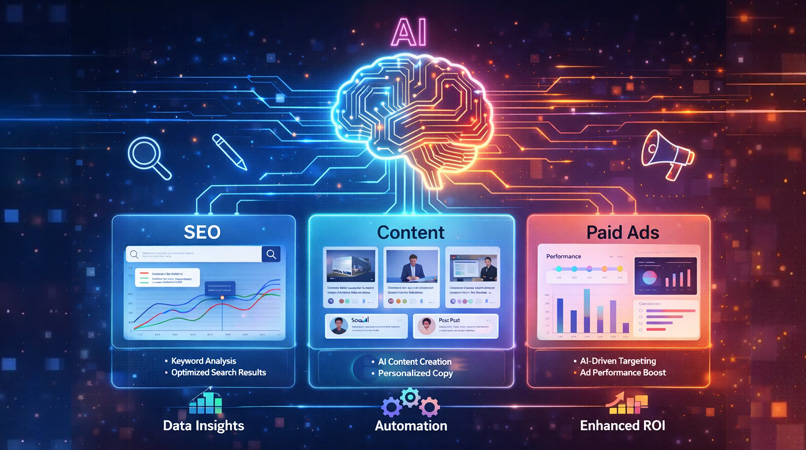
Successful implementation requires understanding the building blocks that make AI-driven content both discoverable and engaging. These components work together to create a seamless experience for both search engine crawlers and human visitors.
Semantic Search Optimization
Semantic search goes beyond matching exact keywords. AI systems analyze the relationships between words and concepts to understand the underlying intent behind a search query. For AI SEO content engagement, this means creating content that comprehensively covers a topic from multiple angles, using related terms and synonyms naturally throughout the text.
For example, an article about “AI SEO content engagement” should also discuss related concepts like “user experience,” “content personalization,” “natural language processing,” and “search intent analysis.” This semantic richness helps search engines understand the depth of your coverage and match your content to a wider range of related queries.
Predictive Analytics for Content Planning
AI tools can analyze historical data to predict which topics will gain traction in the coming months. By examining search volume trends, social media discussions, and competitor performance, these systems recommend content ideas with high engagement potential. This proactive approach ensures your content strategy stays ahead of the curve rather than reacting to trends after they peak.
Predictive analytics also inform content format decisions. AI might determine that video content generates 40% more engagement than text for certain topics, or that interactive quizzes outperform static infographics. These insights guide resource allocation toward the most effective content types.
Real-Time Content Optimization
Gone are the days of publishing content and hoping for the best. Modern AI SEO content engagement platforms continuously monitor performance and suggest real-time improvements. These tools analyze readability scores, keyword density, internal linking opportunities, and even emotional tone to ensure the content resonates with the target audience.
Some advanced systems use A/B testing to compare different headlines, introductions, or calls-to-action. By showing variations to different user segments, AI determines which version generates the highest engagement and automatically applies the winning variant to the live page.
Practical Applications of AI SEO Content Engagement
Implementing AI-driven engagement strategies requires a systematic approach. The following applications demonstrate how businesses across industries leverage these technologies to achieve measurable results.
Automated Content Personalization at Scale
Large enterprises with thousands of pages face the challenge of keeping content relevant for diverse audiences. AI solves this by dynamically adjusting content elements based on user data. A returning visitor might see a personalized introduction referencing their previous interactions, while a new visitor sees a more general overview. This level of personalization significantly increases engagement without requiring manual effort for each page.
E-commerce sites use AI SEO content engagement to tailor product descriptions based on browsing history. A customer who frequently views eco-friendly products sees descriptions emphasizing sustainability, while another customer sees the same product described with a focus on durability and price. This targeted approach boosts conversion rates and reduces bounce rates simultaneously.
Intelligent Internal Linking Structures
Internal links guide users through your website and distribute page authority. AI algorithms analyze user navigation patterns to determine which links users are most likely to click. By automatically inserting contextual links within content, AI improves both user experience and crawlability for search engines.
For instance, an AI system might detect that readers who finish an article about “AI SEO content engagement” frequently search for “content marketing automation tools.” The system then automatically adds a relevant link to that related article within the body text, increasing page views and reducing the likelihood of users bouncing back to search results.
Voice Search and Conversational Content
With the rise of smart speakers and voice assistants, optimizing for conversational queries has become essential. AI SEO content engagement tools analyze natural language patterns to identify question-based queries relevant to your niche. Content structured to answer these questions directly, using natural phrasing, captures voice search traffic effectively.
Voice search queries tend to be longer and more conversational than typed searches. AI helps create FAQ sections and featured snippet-optimized paragraphs that directly answer these queries. This approach not only improves voice search visibility but also increases the chances of appearing in position zero on traditional search results pages.
Benefits and Limitations of AI-Driven Engagement
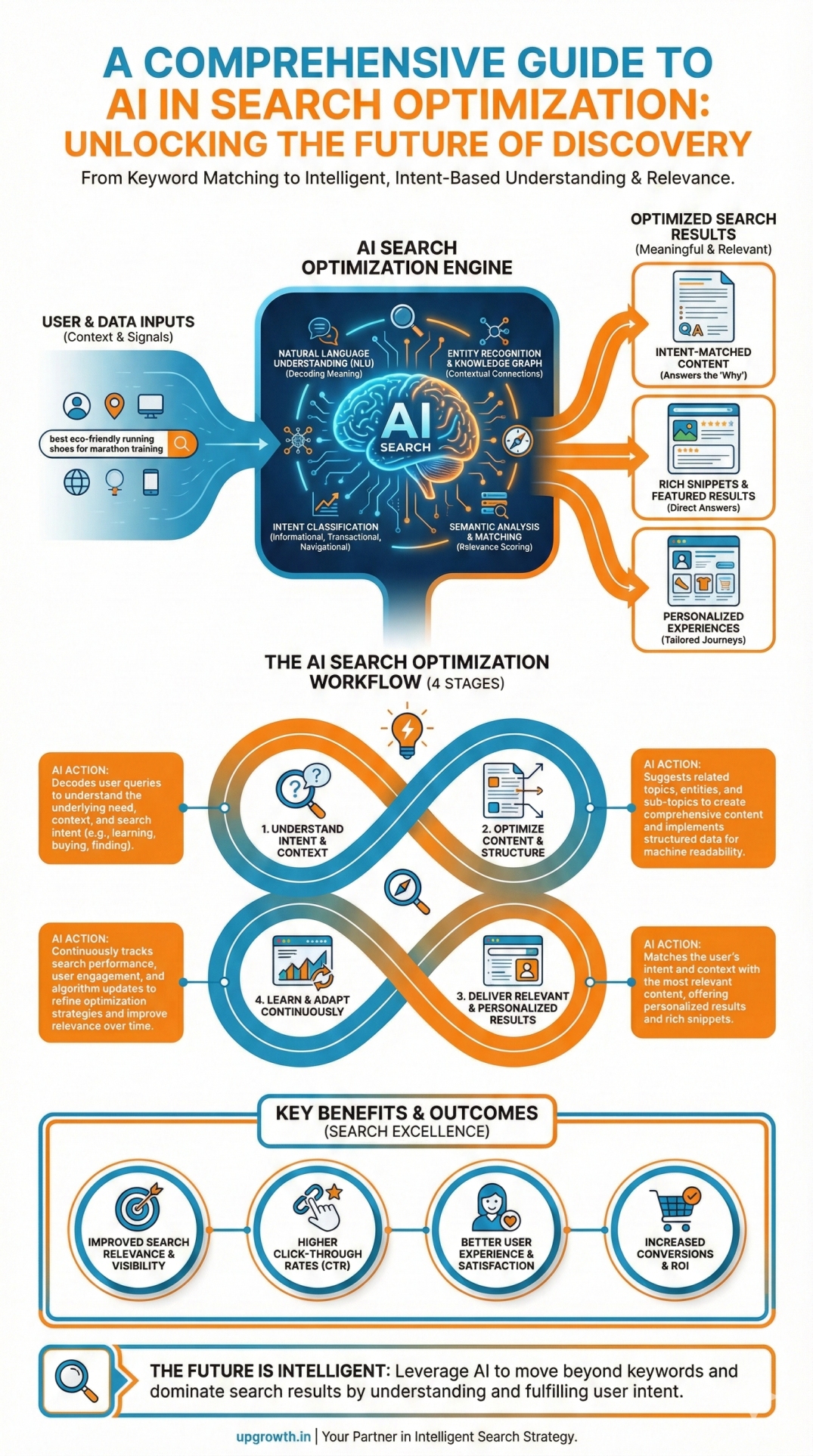
Understanding both the advantages and potential drawbacks of AI SEO content engagement allows marketers to set realistic expectations and implement strategies effectively.
Key Benefits
- Scalability: AI can analyze and optimize thousands of content pieces simultaneously, something impossible for human teams alone.
- Data-Driven Decisions: Every recommendation is backed by empirical evidence rather than guesswork or intuition.
- Consistency: AI maintains consistent quality and brand voice across all content, eliminating human error and fatigue.
- Speed: Content optimization that might take hours manually is completed in seconds with AI assistance.
- Continuous Learning: AI systems improve over time, learning from user interactions to refine future content recommendations.
- Lack of Human Creativity: AI struggles with truly original ideas, humor, and emotional storytelling that resonates on a deep human level.
- Data Dependency: AI recommendations are only as good as the data they analyze; poor data leads to poor insights.
- Over-Optimization Risk: Excessive AI optimization can make content feel robotic and formulaic, reducing genuine engagement.
- Implementation Costs: Advanced AI tools require significant investment in software, training, and infrastructure.
- Ethical Concerns: Personalization raises privacy questions, and automated content generation may face regulatory scrutiny.
Potential Limitations
Successful marketers balance AI capabilities with human oversight. The best results come from using AI to handle data analysis and repetitive tasks while humans focus on creative strategy, storytelling, and building genuine connections with the audience.
Common Mistakes in AI SEO Content Engagement
Many businesses fail to achieve desired results because they make avoidable errors when implementing AI-driven content strategies. Recognizing these pitfalls helps you navigate around them effectively.
Over-Reliance on Automation
Some marketers set AI systems on autopilot, allowing algorithms to publish content without human review. This often leads to generic, soulless content that fails to connect with readers. AI should augment human creativity, not replace it entirely. Always maintain a human editor to review AI-generated content for quality, accuracy, and brand alignment.
Ignoring User Intent
AI tools can identify keywords and topics, but understanding the deeper intent behind a search query requires nuanced analysis. Someone searching “best running shoes” might be looking for reviews, buying guides, or comparisons. Content that fails to match the specific intent will have high bounce rates regardless of how well it ranks. Use AI to analyze search intent patterns and create content that addresses the full spectrum of user needs.
Neglecting Mobile Optimization
Over 60% of web traffic now comes from mobile devices. AI SEO content engagement strategies must account for mobile user behavior, including shorter attention spans and the need for easily scannable content. Ensure your AI tools optimize for mobile readability, including shorter paragraphs, larger fonts, and fast-loading images.
Focusing Only on Rankings
Chasing high rankings without considering engagement metrics creates a hollow victory. A page might rank first for a keyword but generate minimal user interaction, leading to declining rankings over time. Balance SEO optimization with engagement strategies, ensuring content provides genuine value beyond simply matching search queries.
Measuring the Success of AI SEO Content Engagement
Tracking the right metrics ensures your AI strategies deliver tangible business results. Beyond basic analytics, advanced measurement techniques provide deeper insights into content performance.
Essential KPIs to Monitor
Key performance indicators for AI SEO content engagement include organic traffic growth, keyword rankings, conversion rates, and engagement metrics like average session duration and pages per session. Additionally, track brand mentions and social shares to measure the broader impact of your content strategy.
AI tools can automatically generate comprehensive dashboards that visualize these metrics over time. These dashboards highlight trends, identify underperforming content, and recommend improvement strategies. Regular monitoring allows for agile adjustments to your content strategy based on real-world performance data.
Attribution Modeling for Content ROI
Understanding which content pieces contribute most to conversions requires sophisticated attribution modeling. AI systems track the entire customer journey, from initial search query to final purchase, attributing value to each touchpoint. This data helps allocate resources toward content that drives actual revenue rather than just traffic.
Multi-touch attribution models provide a more accurate picture than last-click attribution, recognizing that most customers interact with multiple content pieces before converting. AI makes these complex calculations feasible, even for businesses with extensive content libraries.
Future Trends in AI SEO Content Engagement
The field of AI-driven content engagement evolves rapidly. Staying informed about emerging trends positions your business to leverage new opportunities as they arise.
Generative AI and Interactive Content
Advanced language models now create interactive content experiences, including personalized quizzes, dynamic infographics, and adaptive learning modules. These formats generate significantly higher engagement than static text, keeping users on the page longer and encouraging repeat visits.
Interactive content also provides valuable first-party data about user preferences and behaviors. This data feeds back into AI systems, creating a continuous improvement loop that enhances content relevance over time.
Integration with Augmented Reality
As augmented reality technology becomes more accessible, AI SEO content engagement will incorporate immersive experiences. Product pages might feature virtual try-on capabilities, while informational content could include 3D models that users can manipulate. These experiences dramatically increase engagement and differentiate your content from competitors.
Frequently Asked Questions
What is AI SEO content engagement?
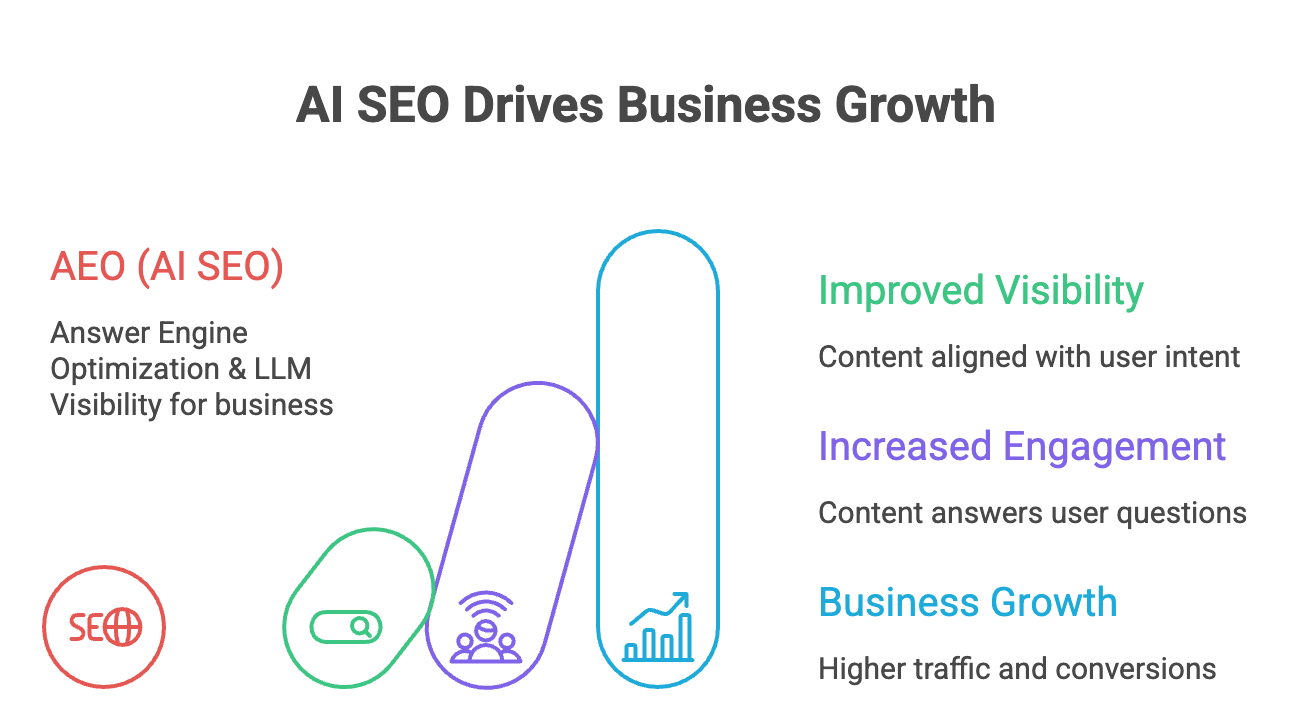
AI SEO content engagement refers to the use of artificial intelligence technologies to create, optimize, and deliver content that ranks well in search engines while actively engaging human readers. It combines machine learning, natural language processing, and user behavior analysis to produce content that satisfies both algorithmic ranking factors and user satisfaction metrics.
How does AI improve content engagement for SEO?
AI improves content engagement by analyzing user behavior patterns, personalizing content for different audience segments, optimizing readability and structure, and continuously testing variations to identify the most effective approaches. These capabilities result in content that keeps readers on the page longer, reduces bounce rates, and increases social sharing, all of which positively impact search rankings.
What tools are best for AI SEO content engagement?
Popular tools include Surfer SEO for content optimization, Clearscope for semantic analysis, MarketMuse for content planning, and Jasper or Copy.ai for AI-assisted writing. For analytics and personalization, platforms like Google Analytics 4, Optimizely, and Dynamic Yield offer robust AI-powered features. The best tool depends on your specific needs, budget, and technical expertise.
Can AI replace human content writers?
AI cannot fully replace human writers because it lacks true creativity, emotional intelligence, and the ability to draw from personal experiences. However, AI excels at data analysis, keyword optimization, and generating initial drafts. The most effective approach combines AI efficiency with human creativity, producing content that is both search-optimized and genuinely engaging.
How long does it take to see results from AI SEO content engagement?
Results typically appear within 3 to 6 months of consistent implementation. Search engines need time to crawl, index, and evaluate updated content. Engagement metrics improve more quickly, often within weeks, as users respond to better-optimized content. Patience and consistent monitoring are essential for long-term success.
Important Notes for Implementation
Successful AI SEO content engagement requires a strategic approach. Start by auditing your existing content to identify gaps and opportunities. Invest in quality AI tools that integrate with your current tech stack. Train your team on how to interpret AI recommendations and apply them effectively. Most importantly, maintain a human-centric perspective, ensuring that every piece of content serves the reader’s needs first and foremost.
Remember that AI is a tool, not a magic solution. The most successful content strategies combine data-driven insights with genuine human expertise and creativity. Regularly review your AI systems’ outputs, refine your approach based on results, and stay adaptable as both AI technology and search engine algorithms continue to evolve.
Conclusion
AI SEO content engagement represents the future of digital marketing, bridging the gap between technical optimization and genuine human connection. By leveraging artificial intelligence to understand user intent, personalize experiences, and continuously optimize performance, businesses can achieve sustainable search visibility while building meaningful relationships with their audiences.
The key to success lies in balance. Use AI to handle data analysis, content generation, and optimization tasks, but never lose sight of the human element. Content that informs, entertains, and inspires will always outperform content that merely checks algorithmic boxes. Embrace AI as a powerful ally in your content strategy, and you will create digital experiences that rank well, engage deeply, and deliver lasting value to your audience.
Xem thêm:
- AI SEO SEO Automation with Zapier: The Complete Workflow Guide
- AI SEO H3 Optimization: The Complete Guide to Structuring Content for AI Search
- AI SEO Moz: The Complete Guide to Moz’s AI-Powered SEO Tools in 2025
- AI SEO Semantic Architecture: The Complete Blueprint for Modern Search Dominance
- The Definitive AI SEO Guide: How to Leverage Artificial Intelligence for Higher Rankings
Bài viết cùng chủ đề:

AI SEO SEO Automation with Make: The Complete Workflow Guide

AI SEO SEO Automation with Zapier: The Complete Workflow Guide

AI SEO SEO Automation with n8n: The Complete Workflow Guide
AI SEO SEO Automation with Gemini: The Complete Guide to Scaling Organic Growth

AI SEO SEO Automation with Claude: The Complete Guide to Scaling Content in 2025

AI SEO SEO Automation with ChatGPT: The Complete Playbook for 2025

AI SEO & SEO Automation for Affiliate Sites: The 2025 Playbook for Passive Income Growth
AI SEO & SEO Automation for Bloggers: The Complete Guide to Scaling Your Content

AI SEO & SEO Automation for Agencies: The Complete 2025 Playbook

AI SEO and SEO Automation for Ecommerce: The Complete Playbook for 2025

AI SEO & SEO Automation for WordPress: The Complete Playbook for 2025
AI SEO SEO Automation Strategy: The Complete Playbook for 2025

Mastering the AI SEO SEO Automation Process: A Complete Guide to Scaling Organic Growth
AI SEO SEO Automation System: The Complete Guide to Scaling Organic Growth in 2025
AI SEO SEO Automation Platform: The Complete Guide to Scaling Organic Growth in 2025
AI SEO SEO Automation Software: The Complete Guide to Scaling Organic Growth in 2025















