
No products in the cart.
AI SEO Content Silos: The Complete Guide to Building Topical Authority in 2025
10
Aug
Aug
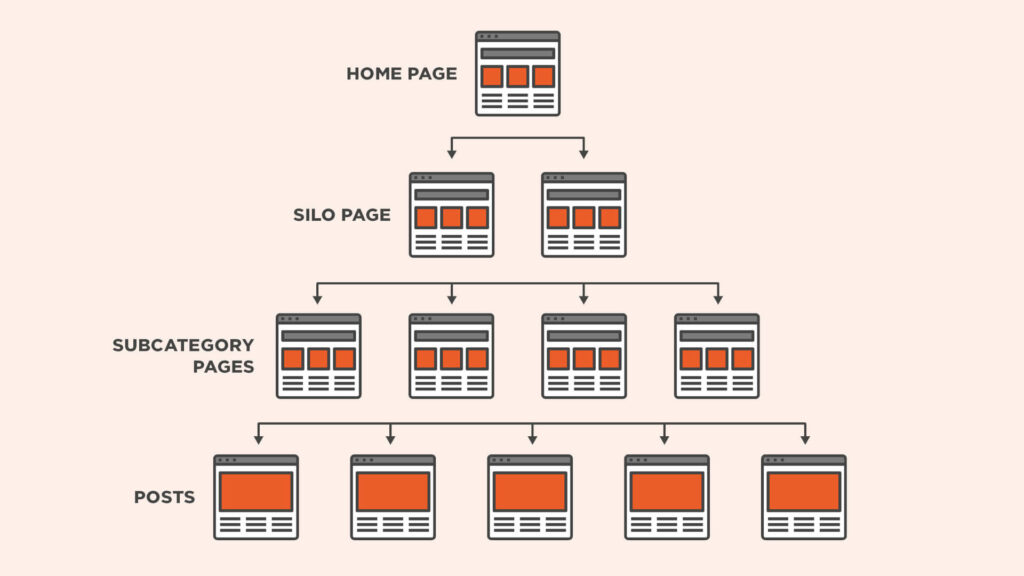
AI SEO content silos represent the most significant evolution in search engine optimization strategy since the introduction of RankBrain. This approach combines the organizational power of traditional content siloing with the scalability of artificial intelligence to create topical authority that search engines reward with higher rankings. Modern SEO professionals recognize that fragmented content strategies no longer suffice in an era where Google’s algorithms prioritize semantic relevance and entity-based understanding. By implementing AI SEO content silos, websites can establish themselves as definitive resources within their niche, dramatically improving organic visibility and user engagement metrics.
Understanding AI SEO Content Silos
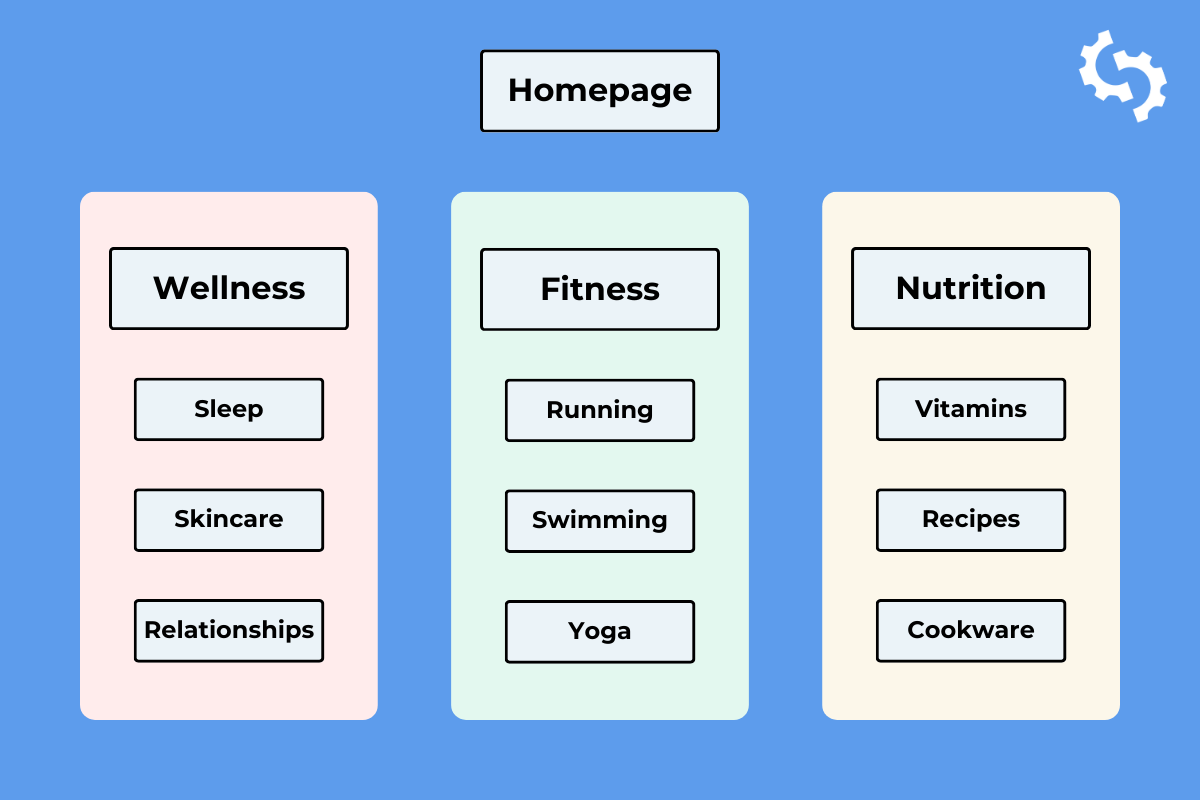
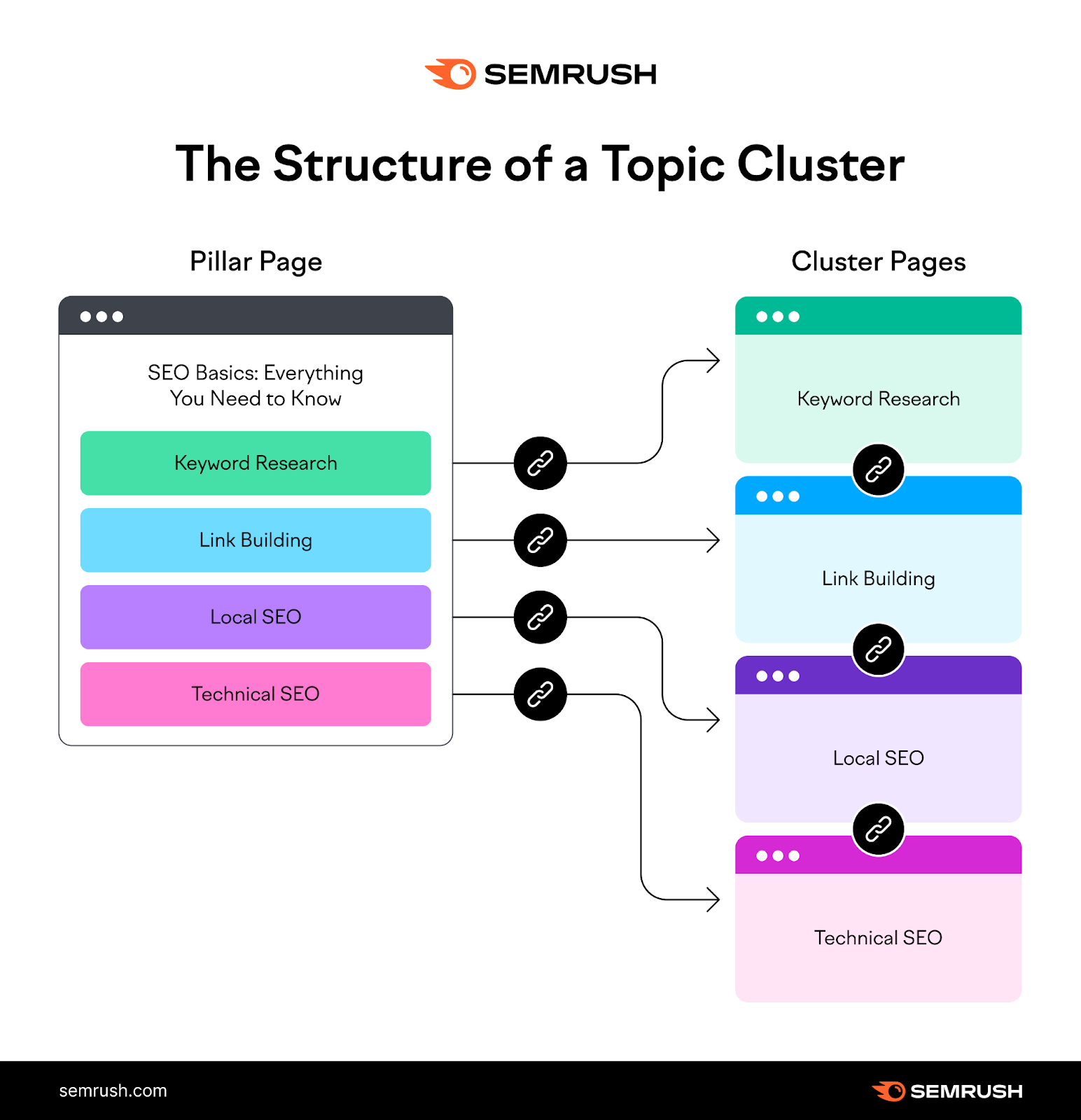
An AI SEO content silo is a strategic content architecture that groups related topics into hierarchical clusters, using artificial intelligence to plan, generate, and optimize content at scale. The core principle involves creating a pillar page that covers a broad topic comprehensively, then supporting it with cluster content that addresses specific subtopics in depth. AI tools assist in identifying semantic relationships, generating content briefs, and ensuring comprehensive topic coverage that would be impossible to achieve manually at scale.
The concept builds upon the foundational SEO practice of content siloing, which organizes website content into logical categories to help search engines understand site structure and topic relationships. What makes AI-powered silos different is the ability to analyze vast amounts of search data, competitor content, and user intent signals to create content architectures that precisely match what users and search engines expect.
The Evolution from Traditional Silos to AI-Powered Structures
Traditional content silos relied on manual keyword research and human judgment to organize topics. SEO specialists would spend weeks mapping out content hierarchies, identifying primary and secondary keywords, and creating interlinking strategies. This approach worked but was limited by human capacity for data analysis and content production speed.
AI-powered silos transform this process through machine learning algorithms that can process millions of search queries, analyze SERP features, and identify content gaps across entire niches. The result is a data-driven content architecture that evolves with search trends and user behavior patterns. AI tools can also generate draft content, suggest internal linking opportunities, and predict which topics will gain traction before they become mainstream search queries.
Core Components of an AI SEO Content Silo
Building an effective AI SEO content silo requires understanding its fundamental components and how they work together to create topical authority. Each element serves a specific purpose in the overall architecture, and missing any component can weaken the entire structure.
Pillar Content Strategy
The pillar page serves as the cornerstone of your content silo. This comprehensive guide covers the main topic in exhaustive detail, typically exceeding 3,000 words. The pillar page targets the primary keyword and provides an overview of all subtopics covered within the silo. Search engines view this page as the authoritative resource for the main topic, and it typically earns the highest rankings for competitive head terms.
Successful pillar pages include clear navigation to cluster content, comprehensive coverage of core concepts, and strategic internal linking that passes authority to supporting pages. AI tools assist in identifying all relevant subtopics that should be covered within the pillar, ensuring no important aspect is overlooked.
Cluster Content Development
Cluster content consists of individual articles that address specific subtopics related to the pillar topic. Each cluster piece targets long-tail keywords and provides detailed information about one aspect of the broader subject. These pages link back to the pillar page and to other related cluster content, creating a web of semantically related pages that search engines can easily crawl and understand.
AI content generation tools can produce cluster articles at scale, but quality control remains essential. Each piece must provide genuine value, unique insights, and comprehensive coverage of its specific subtopic. AI tools excel at generating outlines, conducting research, and producing first drafts, but human editors should review and enhance all content before publication.
Internal Linking Architecture
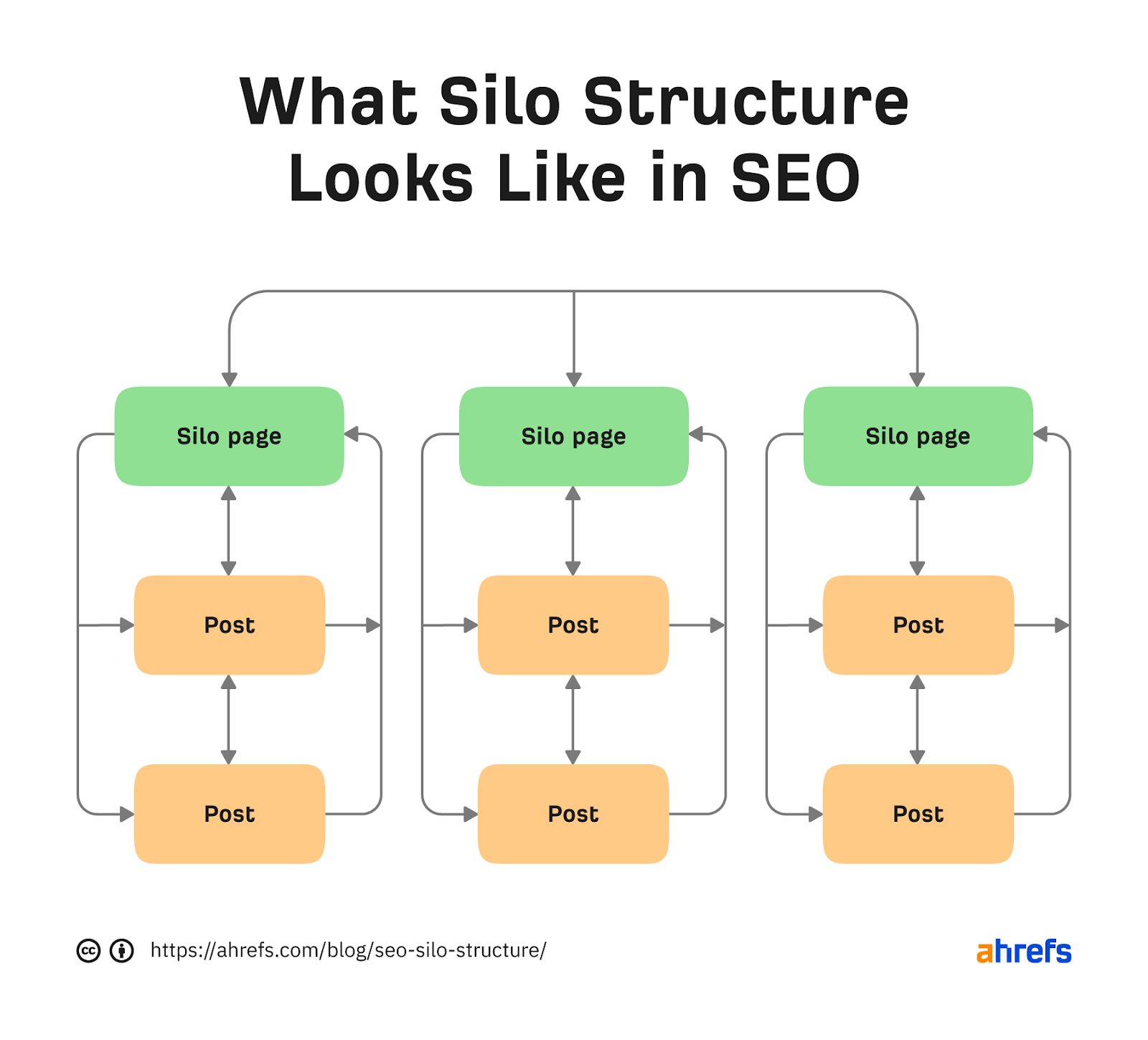
The internal linking structure within an AI SEO content silo determines how effectively authority flows between pages. Strategic internal linking helps search engines understand the relationship between pillar and cluster content, distributes page authority throughout the silo, and improves user navigation and engagement metrics.
AI-powered tools can analyze your entire content library and recommend optimal internal linking opportunities based on semantic relevance, user behavior patterns, and current ranking performance. These recommendations go beyond simple keyword matching to consider user intent, content depth, and the natural progression of topics within your niche.
Benefits of Implementing AI SEO Content Silos
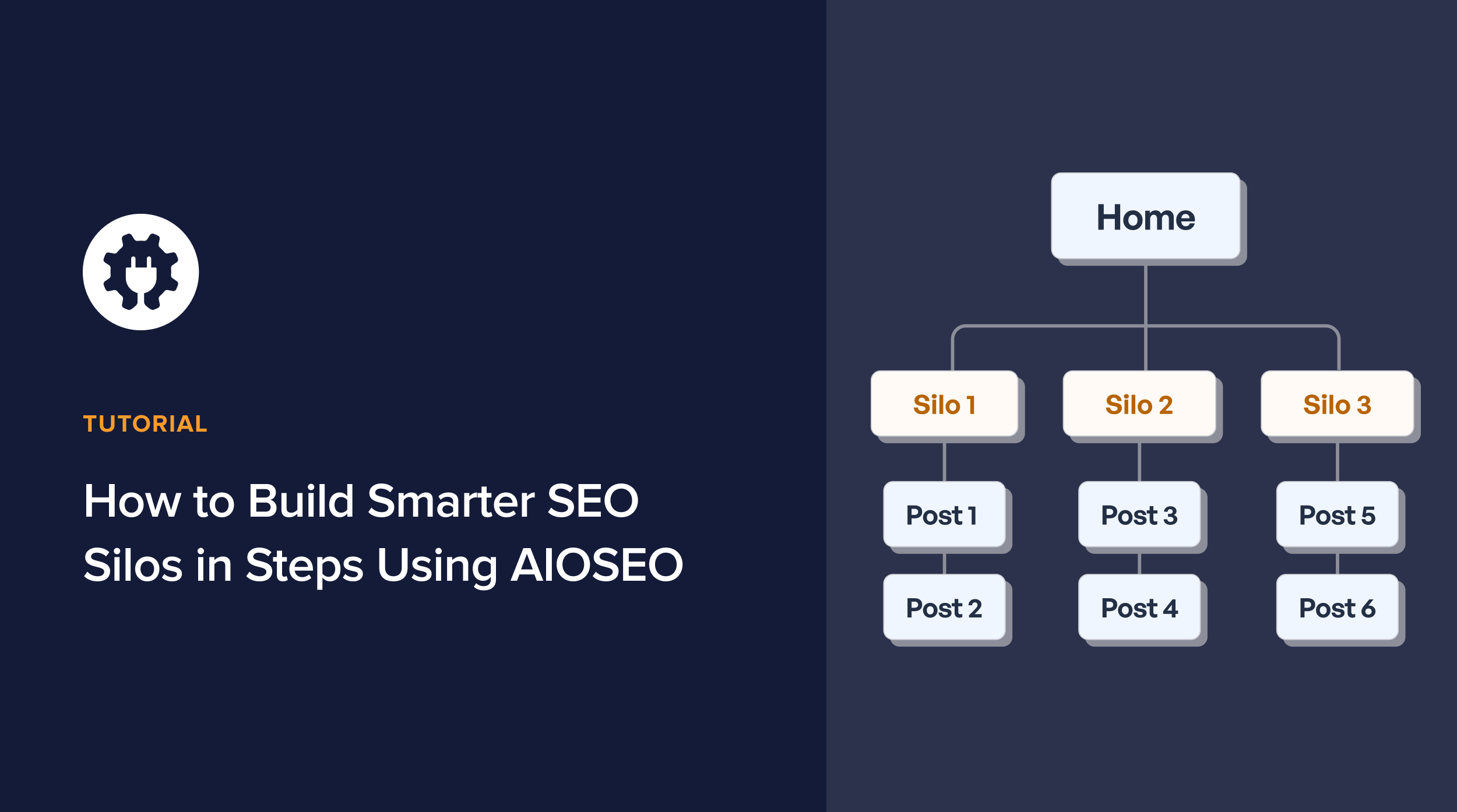
Websites that successfully implement AI SEO content silos experience measurable improvements across multiple SEO metrics. Understanding these benefits helps justify the investment in AI tools and content production resources.
Enhanced Topical Authority
Search engines increasingly prioritize websites that demonstrate comprehensive knowledge of their subject matter. AI SEO content silos signal expertise by covering all aspects of a topic in organized, interconnected content. This comprehensive coverage helps search engines recognize your website as an authoritative resource, leading to higher rankings for both head terms and long-tail keywords.
Topical authority also improves your website’s visibility in AI-powered search features like Google’s Search Generative Experience (SGE). These systems rely on understanding entity relationships and content depth, which well-structured silos provide naturally.
Improved Crawl Efficiency and Indexation
Clear content silos help search engine crawlers understand your website’s structure and prioritize important pages. When crawlers encounter logical hierarchies and consistent internal linking, they can index more of your content and understand the relationships between pages more effectively. This improved crawl efficiency often leads to faster indexation of new content and better overall visibility in search results.
Higher Engagement Metrics
Users who land on a page within a well-structured content silo can easily navigate to related topics, increasing time on site and reducing bounce rates. This improved user experience signals quality to search engines and contributes to better rankings. AI tools can analyze user behavior patterns to optimize content placement and internal linking for maximum engagement.
AI Tools and Technologies for Content Silo Creation
The market offers numerous AI tools designed to support different aspects of content silo creation. Selecting the right combination of tools depends on your specific needs, budget, and technical capabilities.
| Tool Category | Primary Function | Popular Examples |
|---|---|---|
| Keyword Research & Topic Clustering | Identify related keywords and group them into logical topic clusters | Ahrefs, SEMrush, Clearscope |
| Content Generation | Produce draft content for pillar and cluster pages | Jasper, Copy.ai, Writesonic |
| Content Optimization | Analyze content against top-ranking pages and suggest improvements | Surfer SEO, Frase, MarketMuse |
| Internal Linking | Recommend internal linking opportunities based on semantic analysis | Link Whisper, Internal Link Juicer |
| Content Planning | Create comprehensive content calendars and silo structures | Notion AI, Airtable AI |
Integrating AI Tools into Your Workflow
Successful AI SEO content silo implementation requires more than simply purchasing AI tools. You need a systematic workflow that leverages AI capabilities while maintaining human oversight and quality control. Start by using AI for topic research and clustering, then move to content generation and optimization, and finally use AI-powered analytics to measure performance and identify improvement opportunities.
Many SEO teams make the mistake of relying too heavily on AI-generated content without proper human review. While AI can produce grammatically correct, factually accurate content, it often lacks the unique insights, personal experiences, and original perspectives that differentiate exceptional content from mediocre content. The most successful strategies combine AI efficiency with human creativity and expertise.
Step-by-Step Guide to Building AI SEO Content Silos
Implementing AI SEO content silos requires a systematic approach that balances strategic planning with efficient execution. Follow these steps to create a content architecture that drives measurable SEO results.
Step 1: Conduct Comprehensive Topic Research
Begin by using AI-powered keyword research tools to identify your niche’s core topics and subtopics. Analyze search volume, competition levels, and user intent for each potential topic. Look for content gaps in your current strategy and opportunities to cover topics your competitors have overlooked.
Create a comprehensive topic map that shows the relationships between different subjects within your niche. This map will serve as the foundation for your content silo structure. AI tools can automatically cluster related keywords and suggest hierarchical relationships based on semantic analysis.
Step 2: Design Your Silo Architecture
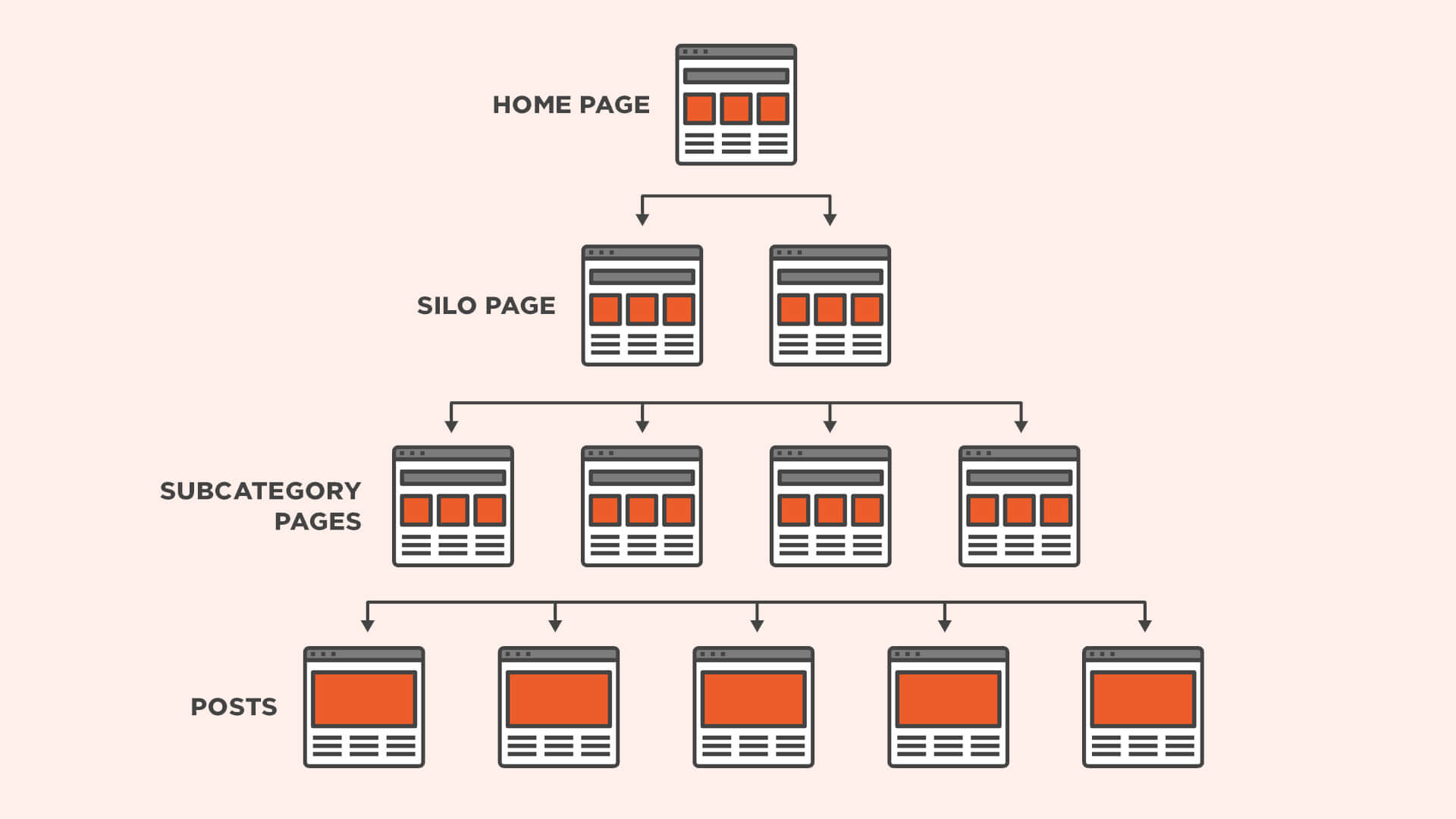
Based on your topic research, design the hierarchical structure of your content silos. Each silo should have one pillar page and multiple cluster pages that address specific subtopics. Aim for 10-20 cluster pages per silo to achieve sufficient topical depth without spreading your resources too thin.
Consider how different silos relate to each other and whether cross-silo linking makes sense. While silos typically function as self-contained units, strategic cross-linking between related silos can strengthen your overall topical authority.
Step 3: Generate Content Briefs with AI
Use AI tools to create detailed content briefs for each pillar and cluster page. These briefs should include target keywords, suggested headings, key points to cover, questions to answer, and competitor analysis. AI tools can analyze top-ranking pages for each keyword and identify common elements that contribute to their success.
Content briefs ensure consistency across your content production and help writers and AI generators produce content that aligns with your overall silo strategy. Review and refine each brief before moving to content creation.
Step 4: Produce and Optimize Content
Generate content for each page in your silo, using AI tools to create first drafts and human writers to enhance and refine the output. Focus on creating comprehensive, valuable content that thoroughly addresses each topic. Include original data, expert insights, and practical examples that add value beyond what AI can generate independently.
Optimize each piece for its target keywords while maintaining natural language flow. Use AI optimization tools to compare your content against top-ranking pages and identify areas for improvement. Pay attention to on-page elements like title tags, meta descriptions, header structure, and image optimization.
Step 5: Implement Strategic Internal Linking
After publishing your content, implement the internal linking strategy that connects pillar and cluster pages. Each cluster page should link to the pillar page using descriptive anchor text that includes relevant keywords. The pillar page should link to all cluster pages, creating a hub-and-spoke structure.
Additionally, link related cluster pages to each other where natural connections exist. This creates a web of internal links that helps search engines understand the relationships between your content and distributes authority throughout the silo.
Step 6: Monitor Performance and Iterate
Track the performance of your content silos using analytics tools and search console data. Monitor keyword rankings, organic traffic, engagement metrics, and conversion rates for each page. Identify underperforming content and opportunities for improvement.
Use AI-powered analytics tools to identify emerging topics and search trends that could expand your existing silos or justify creating new ones. Continuously update and improve your content to maintain relevance and authority in your niche.
Common Mistakes in AI SEO Content Silo Implementation
Many websites fail to achieve the expected results from their AI SEO content silo strategies due to common implementation errors. Recognizing these mistakes helps you avoid them and maximize your chances of success.
Creating Shallow Cluster Content
One of the most frequent mistakes involves creating cluster pages that are too short or superficial. AI tools can quickly generate hundreds of low-quality articles, but search engines increasingly penalize thin content. Each cluster page should provide genuine value, comprehensive coverage, and unique insights that justify its existence.
Aim for at least 1,500 words per cluster page, with more comprehensive coverage for competitive topics. Include original research, expert quotes, practical examples, and actionable advice that users cannot find elsewhere.
Ignoring User Intent
AI tools can identify keywords and topics, but they cannot always accurately determine user intent. Creating content that targets keywords without understanding what users actually want to know leads to high bounce rates and poor engagement metrics.
Before creating content, analyze the search results for your target keywords to understand what type of content currently ranks. Look at the questions people ask, the format of top-ranking content, and the depth of information provided. Align your content with these expectations while adding unique value.
Neglecting Content Quality Control
While AI tools can generate content quickly, they cannot replace human judgment when it comes to quality. Publishing AI-generated content without proper review leads to factual errors, outdated information, and content that lacks the nuance and depth that readers expect.
Establish a quality control process that includes human review of all AI-generated content. Check facts, verify statistics, ensure accuracy, and add original insights that demonstrate expertise and experience.
Poor Internal Linking Implementation
Some websites create content silos but fail to implement proper internal linking between pillar and cluster pages. Without strategic internal links, search engines cannot understand the relationships between your content, and the silo structure provides no SEO benefit.
Review your internal linking regularly and ensure every cluster page links to its pillar page and related cluster pages. Use descriptive anchor text that includes relevant keywords and clearly indicates the content of the linked page.
Measuring the Success of AI SEO Content Silos
Tracking the right metrics helps you understand whether your AI SEO content silo strategy is working and identify areas for improvement. Focus on metrics that directly reflect the goals of your content architecture.
Keyword Ranking Improvements
Monitor rankings for both head terms and long-tail keywords targeted by your silo content. Successful silos typically see gradual improvements in rankings over 3-6 months as search engines recognize your topical authority. Track rankings for all keywords associated with each silo to understand which areas are performing well and which need improvement.
Organic Traffic Growth
Analyze organic traffic to your pillar and cluster pages to understand how users discover and engage with your content. Look for increases in branded traffic, which indicates growing brand awareness, and non-branded traffic, which reflects improved visibility for your target keywords.
Pay attention to traffic patterns across different silos to identify which topics resonate most with your audience and where you should focus future content creation efforts.
Engagement and Conversion Metrics
Track time on page, bounce rate, pages per session, and conversion rates for your silo content. Well-structured silos typically show improved engagement metrics as users navigate between related content. Higher conversion rates indicate that your content effectively moves users through the buyer’s journey.
Use AI-powered analytics tools to identify patterns in user behavior and optimize your content architecture accordingly.
Future Trends in AI SEO Content Silos
The field of AI SEO content silos continues to evolve rapidly as both AI technology and search engine algorithms advance. Staying informed about emerging trends helps you maintain a competitive edge.
Integration with Generative Engine Optimization
As AI-powered search engines like Google’s SGE become more prevalent, content silos must adapt to serve both traditional search results and AI-generated answers. This requires creating content that AI systems can easily parse and use to generate accurate, comprehensive responses to user queries.
Structured data, clear headings, and comprehensive topic coverage become increasingly important as AI systems rely on these elements to understand and extract information from your content.
Personalized Content Experiences
AI tools increasingly enable personalized content experiences that adapt to individual user preferences and behavior. Future content silos may dynamically adjust content presentation, recommendations, and internal linking based on user characteristics and past interactions.
This personalization creates more engaging user experiences and can improve conversion rates, but it also requires sophisticated AI systems and careful attention to privacy concerns.
Voice Search Optimization
With the growing popularity of voice search, content silos must accommodate conversational queries and natural language patterns. This requires creating content that answers questions directly and provides clear, concise information that voice assistants can easily extract and present to users.
AI tools can help identify voice search queries and optimize content to address these conversational search patterns effectively.
Important Notes for Successful Implementation
Several critical considerations can determine the success or failure of your AI SEO content silo strategy. Pay attention to these factors throughout your implementation process.
First, maintain a balance between AI automation and human expertise. AI tools excel at data analysis, content generation, and optimization, but they cannot replace the strategic thinking, creative insight, and industry knowledge that experienced SEO professionals bring to the table. The most successful strategies combine AI efficiency with human judgment.
Second, prioritize content quality over quantity. While AI tools make it possible to produce massive amounts of content quickly, publishing low-quality content damages your reputation and rankings. Focus on creating fewer, better pieces that genuinely serve your audience and demonstrate your expertise.
Third, remain flexible and adaptable. Search engine algorithms change frequently, and what works today may not work tomorrow. Continuously monitor your performance, stay informed about industry trends, and adjust your strategy as needed.
Fourth, integrate your content silo strategy with your broader SEO and marketing efforts. Content silos work best when they align with your overall business goals, target audience needs, and marketing objectives. Ensure your content architecture supports your conversion funnel and customer journey.
Frequently Asked Questions
How long does it take to see results from AI SEO content silos?
Most websites begin seeing measurable improvements in keyword rankings and organic traffic within 3-6 months of implementing AI SEO content silos. However, the timeline varies based on factors like your niche’s competitiveness, the quality of your content, and your website’s existing authority. Comprehensive silos covering competitive topics may take 6-12 months to achieve significant ranking improvements, while less competitive niches may see faster results.
What is the ideal number of cluster pages per silo?
The ideal number of cluster pages depends on your niche’s breadth and your content production capacity. Most successful silos contain between 10-20 cluster pages per pillar topic. This provides sufficient topical depth to establish authority without spreading your resources too thin. Focus on covering all significant subtopics within your niche rather than targeting a specific number of pages.
Can AI-generated content rank well in search results?
AI-generated content can rank well when it is properly optimized, factually accurate, and provides genuine value to users. However, AI content must be reviewed and enhanced by human experts to ensure quality, accuracy, and originality. Search engines increasingly prioritize content that demonstrates experience, expertise, authoritativeness, and trustworthiness, which requires human input beyond what AI can provide independently.
How do AI SEO content silos differ from traditional content clusters?
AI SEO content silos differ from traditional content clusters primarily in their use of artificial intelligence for topic research, content generation, and optimization. Traditional clusters rely on manual keyword research and human content creation, while AI-powered silos leverage machine learning to identify semantic relationships, generate content briefs, produce drafts, and optimize content at scale. The underlying principles of organizing content into hierarchical structures remain similar, but AI enables more comprehensive and data-driven implementation.
What is the best AI tool for creating content silos?
No single AI tool serves all aspects of content silo creation. The best approach combines multiple tools: keyword research tools like Ahrefs or SEMrush for topic clustering, content generation tools like Jasper or Copy.ai for drafting, optimization tools like Surfer SEO or Frase for on-page improvements, and analytics tools for performance tracking. Select tools based on your specific needs, budget, and technical requirements.
Conclusion
AI SEO content silos represent a powerful strategy for building topical authority and improving search visibility in today’s competitive digital landscape. By combining the organizational principles of traditional content siloing with the scalability and analytical power of artificial intelligence, websites can create comprehensive content architectures that satisfy both search engine algorithms and user needs.
The key to success lies in thoughtful implementation that balances AI efficiency with human expertise. Focus on creating high-quality, comprehensive content that genuinely serves your audience, implement strategic internal linking that helps search engines understand your content relationships, and continuously monitor and optimize your performance based on data-driven insights.
As search engines continue to evolve and AI technology advances, the importance of well-structured, comprehensive content will only grow. Websites that invest in AI SEO content silos today position themselves for sustained organic visibility and competitive advantage in the years ahead. Start by researching your niche, designing your silo architecture, and implementing a systematic content production process that leverages the best of both AI and human capabilities.
Xem thêm:
- AI SEO Content Repository: The Ultimate Guide to Building a Smarter Content Engine in 2025
- AI SEO SEO Automation Platform: The Complete Guide to Scaling Organic Growth in 2025
- WP Trove AI Tutorials: The Complete Guide to Mastering AI-Powered WordPress Workflows
- AI SEO Fresh Content: The Complete Guide to Scaling Rankings in 2025
- AI SEO RAG: The Complete Guide to Retrieval-Augmented Generation for Search Dominance
Bài viết cùng chủ đề:

AI SEO SEO Automation with Make: The Complete Workflow Guide

AI SEO SEO Automation with Zapier: The Complete Workflow Guide

AI SEO SEO Automation with n8n: The Complete Workflow Guide
AI SEO SEO Automation with Gemini: The Complete Guide to Scaling Organic Growth

AI SEO SEO Automation with Claude: The Complete Guide to Scaling Content in 2025

AI SEO SEO Automation with ChatGPT: The Complete Playbook for 2025

AI SEO & SEO Automation for Affiliate Sites: The 2025 Playbook for Passive Income Growth
AI SEO & SEO Automation for Bloggers: The Complete Guide to Scaling Your Content

AI SEO & SEO Automation for Agencies: The Complete 2025 Playbook

AI SEO and SEO Automation for Ecommerce: The Complete Playbook for 2025

AI SEO & SEO Automation for WordPress: The Complete Playbook for 2025
AI SEO SEO Automation Strategy: The Complete Playbook for 2025

Mastering the AI SEO SEO Automation Process: A Complete Guide to Scaling Organic Growth
AI SEO SEO Automation System: The Complete Guide to Scaling Organic Growth in 2025
AI SEO SEO Automation Platform: The Complete Guide to Scaling Organic Growth in 2025
AI SEO SEO Automation Software: The Complete Guide to Scaling Organic Growth in 2025















