
No products in the cart.
AI SEO Contextual Internal Links: The Complete Guide to Smarter Site Architecture
10
Aug
Aug
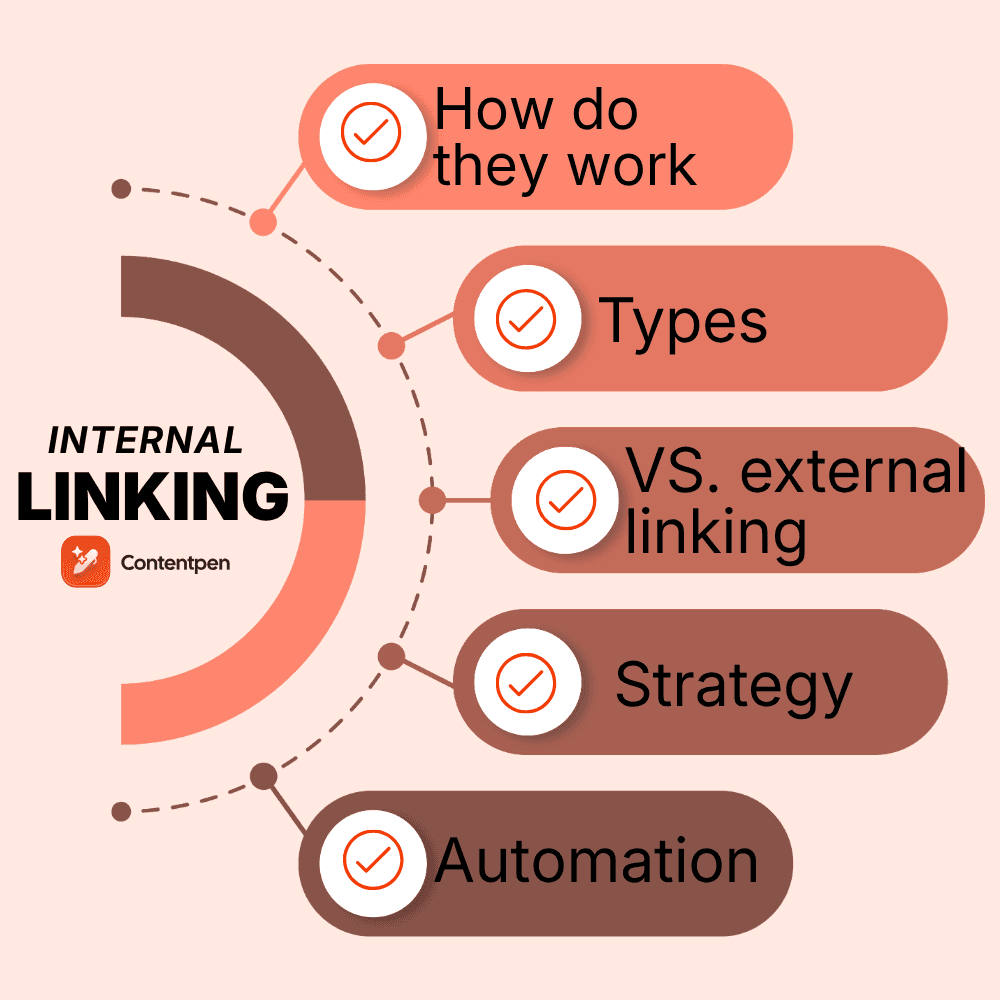
AI SEO contextual internal links represent the most significant shift in on-page optimization since the introduction of machine learning to search algorithms. This approach uses artificial intelligence to analyze content semantics, user intent, and topical relevance to automatically generate internal links that feel natural and provide genuine value. Unlike traditional internal linking methods that rely on manual placement or basic keyword matching, AI-powered systems understand the deeper relationships between pages on your website. This comprehensive guide explores how AI SEO contextual internal links work, why they matter for your rankings, and how to implement them effectively across your digital properties.
Understanding AI SEO Contextual Internal Links
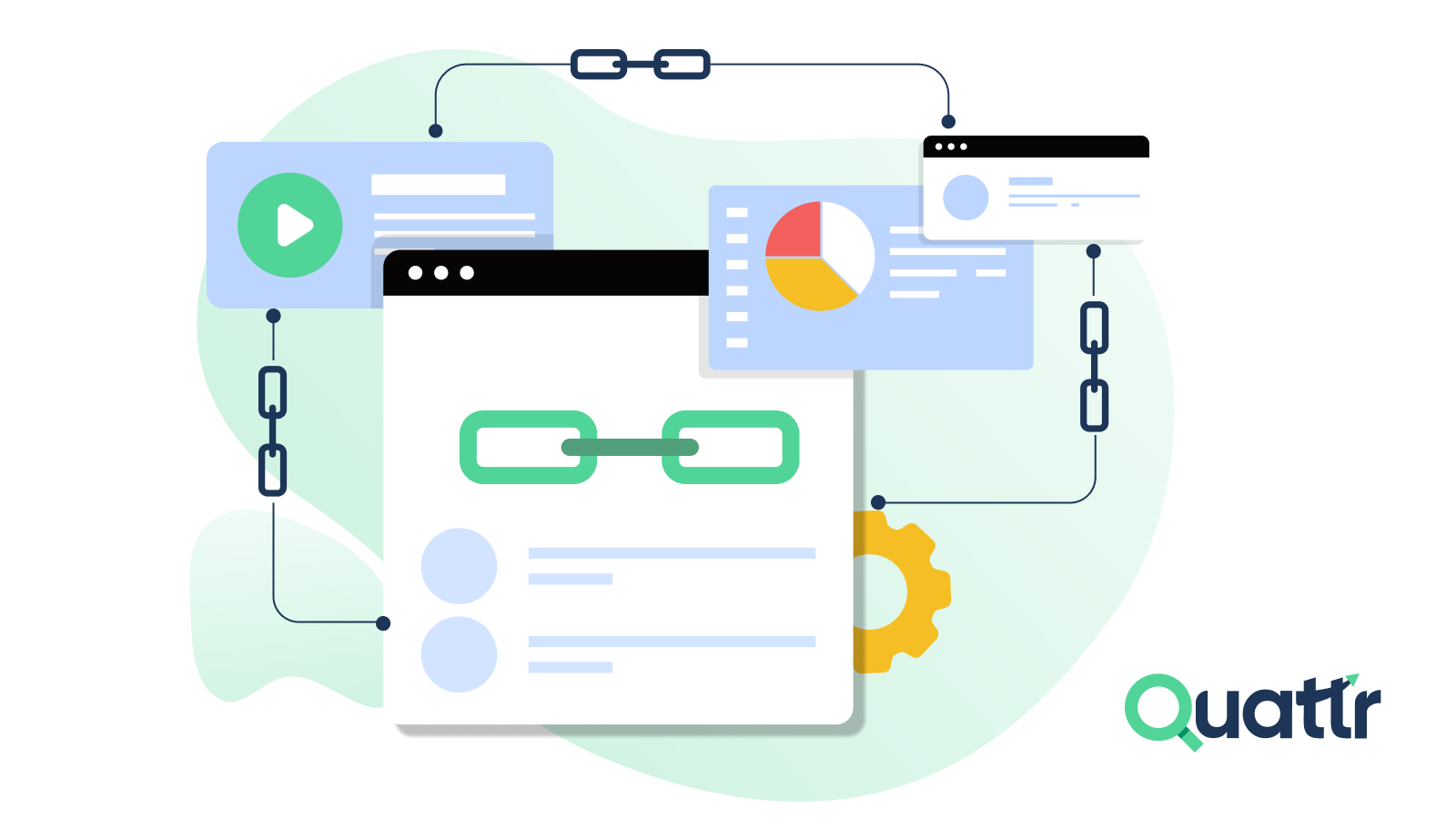
AI SEO contextual internal links are hyperlinks placed within the body of your content that connect to other relevant pages on your website, with the anchor text and placement determined by artificial intelligence algorithms. These systems analyze the semantic meaning of your content, the search intent behind user queries, and the topical authority of each page to determine where links should appear and what anchor text will be most effective.
The core difference between traditional internal linking and AI-driven contextual linking lies in the depth of analysis. Traditional methods might link pages that share a keyword or category. AI systems evaluate the complete semantic landscape of your site, understanding concepts, entities, and relationships that go far beyond simple keyword matching. This results in link structures that mirror how humans actually navigate information and how search engines understand topical relevance.
The Evolution from Manual to AI-Powered Linking
Internal linking has evolved through several distinct phases. Initially, webmasters manually added links based on intuition and basic keyword research. Then came semi-automated tools that suggested links based on keyword density and page relationships. The current generation of AI SEO contextual internal links represents a quantum leap forward, using natural language processing and machine learning to understand context at a level that approaches human comprehension.
Modern AI systems can identify subtle relationships between content pieces, such as when one page provides supplementary information to another, when a page answers a question that another page raises, or when two pages serve different stages of the same user journey. This level of understanding enables the creation of link structures that genuinely help users and search engines alike.
How AI Contextual Internal Links Work
AI-powered internal linking systems operate through a sophisticated pipeline of analysis and decision-making. The process begins with content ingestion, where the AI crawls and indexes all pages on your website. It then creates semantic embeddings for each page, which are mathematical representations of the meaning and topics covered in the content.
These embeddings allow the AI to calculate the semantic distance between any two pages on your site. Pages with high semantic similarity and complementary content become candidates for linking. The system then evaluates the user journey context, considering which pages a visitor is likely to need next based on their current position in the conversion funnel.
Semantic Analysis and Entity Recognition
At the heart of AI SEO contextual internal links lies entity recognition and semantic analysis. The AI identifies key entities mentioned in your content, such as products, people, places, concepts, and brands. It then maps the relationships between these entities across different pages. For example, if you have a page about “email marketing best practices” and another about “automation tools,” the AI recognizes that these topics are closely related and that users reading one would likely benefit from the other.
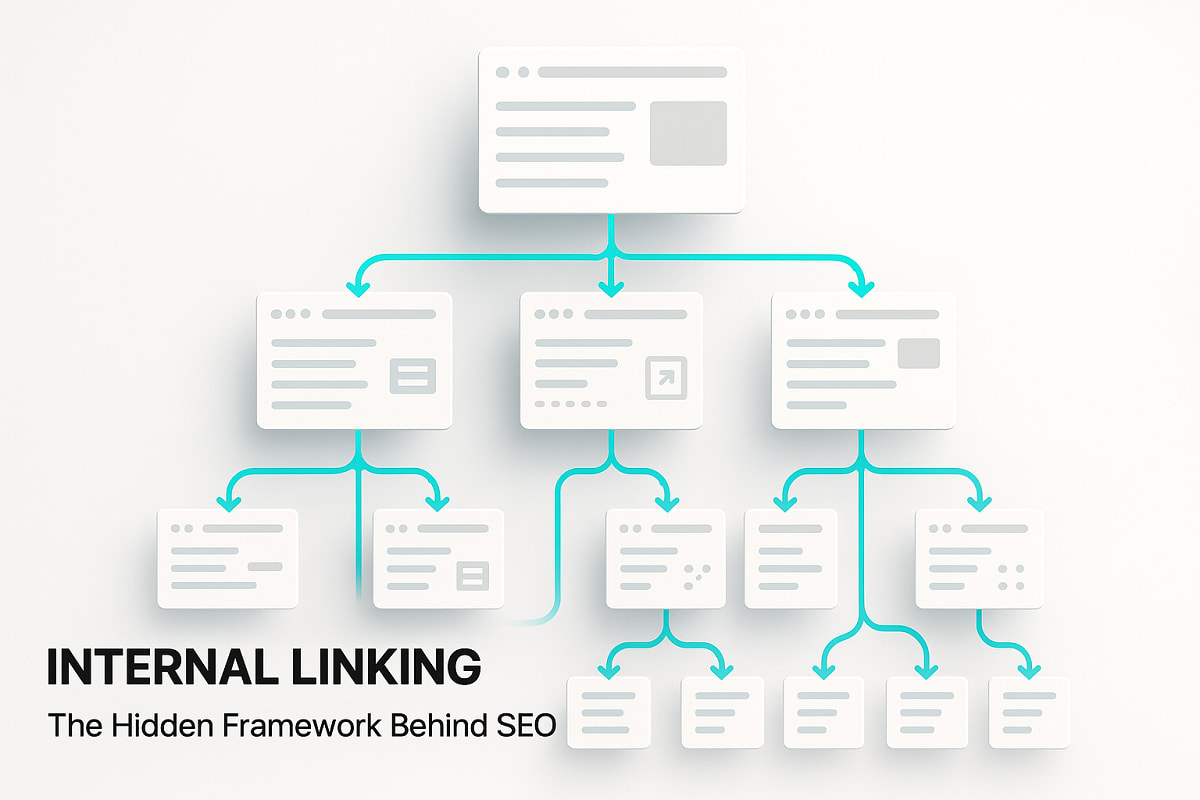
The system also considers the authority and depth of each page. A comprehensive pillar page that covers a topic in depth becomes a natural hub for links from more specific cluster pages. The AI ensures that link equity flows from high-authority pages to newer or less-established pages that need ranking support.
Anchor Text Optimization Through AI
One of the most critical functions of AI in contextual linking is anchor text selection. The AI analyzes the surrounding sentence structure and determines the most natural phrase to use as the clickable text. This goes beyond simple keyword matching to understand the grammatical context and user expectations. The result is anchor text that reads naturally within the sentence while still providing clear signals to search engines about the target page’s content.
AI systems also prevent over-optimization by varying anchor text across your site. They ensure that the same exact-match anchor text doesn’t appear too frequently, which could trigger spam filters. Instead, they create a diverse profile of exact match, partial match, branded, and generic anchors that appear natural to both users and search engines.
Benefits of AI SEO Contextual Internal Links
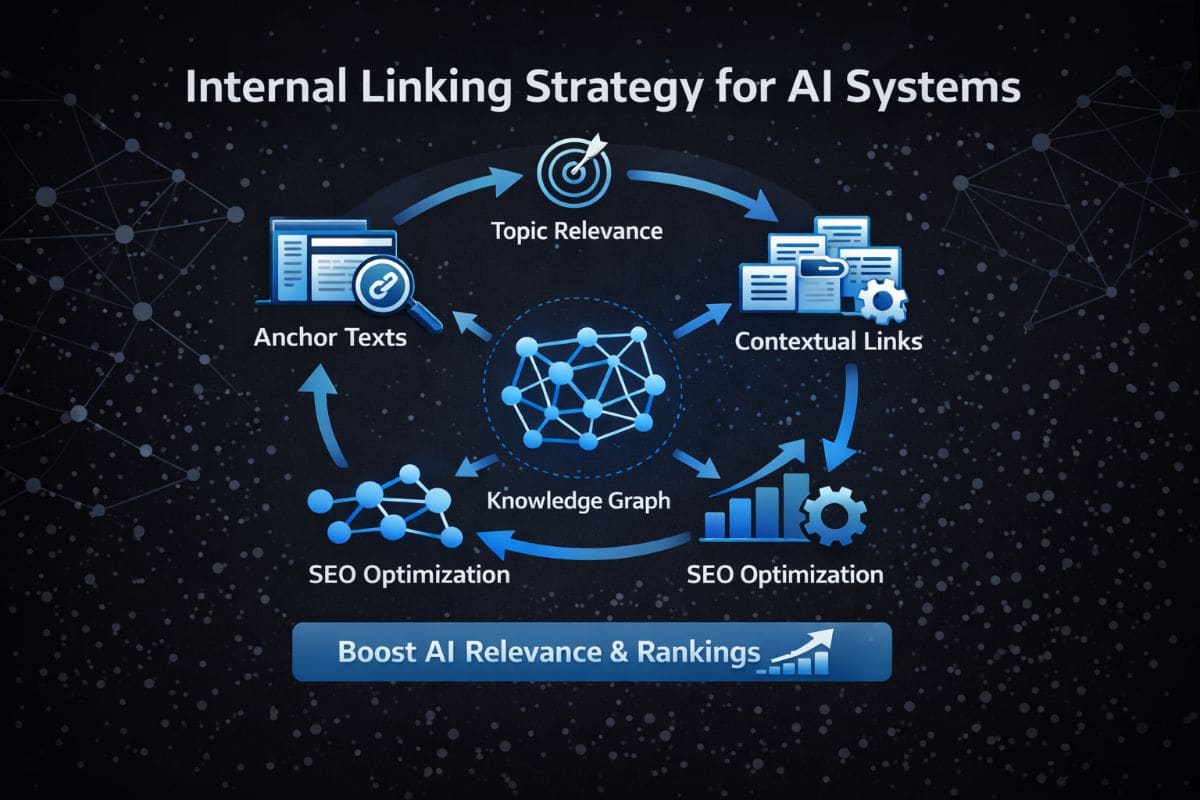
Implementing AI-driven contextual internal linking delivers measurable benefits across multiple dimensions of SEO performance. These advantages extend beyond simple ranking improvements to encompass user experience, crawl efficiency, and content strategy.
Improved Search Engine Rankings
Search engines use internal links to understand the structure and hierarchy of your website. AI-optimized contextual links create a clear topical map that helps search engines identify your most important pages and understand how they relate to each other. This improved understanding often leads to higher rankings for target keywords, especially for pages that receive well-placed contextual links from related high-authority content.
The distribution of link equity becomes more strategic with AI. Instead of link equity flowing randomly or being concentrated on a few pages, AI ensures that authority flows to pages that need it most for ranking purposes. This targeted approach maximizes the ranking potential of every page on your site.
Enhanced User Experience and Engagement
Contextual links that genuinely help users navigate to relevant information increase time on site and reduce bounce rates. When users find useful links within your content, they are more likely to explore additional pages, consume more content, and ultimately convert. AI systems analyze user behavior patterns to determine which links are most likely to be clicked and where users expect to find them.
The natural placement of links within the flow of content creates a seamless browsing experience. Users don’t feel like they’re being directed to sales pages or irrelevant content. Instead, they discover valuable resources that answer their questions and deepen their understanding of the topic.
Improved Crawl Efficiency and Indexation
Search engine bots use internal links to discover new pages and understand the importance of existing ones. AI-optimized link structures ensure that all important pages are reachable within a few clicks from the homepage. This improves crawl efficiency, ensuring that search engines index your content faster and more completely.
Contextual links also help search engines understand the relative importance of pages. Pages that receive many contextual links from authoritative sources are deemed more important and may be crawled more frequently. This can lead to fresher content in search results and better visibility for your key pages.
AI vs Traditional Internal Linking: A Comparison
| Aspect | Traditional Internal Linking | AI Contextual Internal Linking |
|---|---|---|
| Analysis Method | Manual review or basic keyword matching | Semantic analysis and machine learning |
| Scalability | Limited by human capacity | Handles thousands of pages automatically |
| Anchor Text | Often repetitive or over-optimized | Diverse, natural, context-aware |
| Link Placement | Based on intuition or templates | Based on user intent and content flow |
| Adaptability | Static until manually updated | Continuously learns and improves |
| Error Rate | High potential for broken or irrelevant links | Low, with automatic detection of issues |
| Time Investment | Significant manual effort | Minimal after initial setup |
The comparison clearly shows that AI-powered systems offer substantial advantages in scalability, accuracy, and ongoing optimization. While traditional methods still have a place for small websites, any site with more than a few hundred pages will benefit significantly from AI-driven contextual linking.
Practical Implementation of AI Contextual Internal Links
Implementing AI SEO contextual internal links requires a strategic approach that combines the right tools with proper oversight. The following steps outline a proven methodology for deploying this technology effectively.
Step 1: Audit Your Current Link Structure
Before implementing AI solutions, conduct a thorough audit of your existing internal links. Identify orphan pages that receive no internal links, pages with thin content that need support, and areas where your current linking strategy is underperforming. This baseline analysis helps you measure the impact of AI implementation and identify priority areas for improvement.
Use tools like Google Search Console to understand how search engines currently crawl your site. Look for crawl errors, pages with low indexation rates, and patterns in how link equity flows through your site. This data informs the configuration of your AI system and helps you set realistic expectations for improvement.
Step 2: Choose the Right AI Tool
Several AI-powered internal linking tools are available in the market, each with different strengths and capabilities. Some popular options include Link Whisper, which offers AI suggestions within WordPress, and MarketMuse, which provides comprehensive content optimization including internal linking recommendations. Enterprise-level solutions like Clearscope and Surfer SEO also offer contextual linking features as part of their broader content optimization platforms.
When evaluating tools, consider factors such as integration with your content management system, the quality of semantic analysis, the ability to customize link suggestions, and the reporting capabilities. Many tools offer free trials, allowing you to test their effectiveness on your specific content before committing to a subscription.
Step 3: Configure Your AI System
Once you’ve selected a tool, configure it to align with your SEO strategy. Set parameters for maximum links per page, preferred anchor text styles, and priority pages that should receive the most link equity. Define your topical clusters and ensure the AI understands the hierarchy of your content.
Most AI systems allow you to exclude certain pages from receiving links, such as privacy policies or terms of service pages. Configure these exclusions to ensure that link equity flows only to pages that contribute to your SEO goals.
Step 4: Review and Refine AI Suggestions
AI systems are powerful, but they are not infallible. Review the link suggestions generated by your AI tool before implementing them. Check for relevance, natural placement, and alignment with your content strategy. Over time, you’ll develop a sense of when to trust the AI’s recommendations and when to override them with your own judgment.
Monitor the performance of AI-generated links using analytics tools. Track click-through rates on these links, the impact on page rankings, and changes in user engagement metrics. Use this data to refine your AI configuration and improve the quality of future link suggestions.
Common Mistakes with AI Contextual Internal Links
Even with advanced AI technology, websites can fall into common traps that undermine the effectiveness of their internal linking strategy. Recognizing these mistakes is the first step toward avoiding them.
Over-Linking and Link Stuffing
Some website owners, excited by the capabilities of AI tools, allow the system to add too many links to each page. This creates a poor user experience and can trigger search engine penalties. A general rule is to limit contextual links to 3-5 per 1,000 words of content, with additional links in navigation and footer sections.
The AI should be configured with a maximum link threshold per page. This forces the system to prioritize the most valuable links rather than adding every possible connection. Quality always trumps quantity when it comes to internal linking.
Ignoring User Intent
AI systems that focus solely on semantic similarity may suggest links that are topically related but not aligned with user intent. For example, a user reading a beginner’s guide to SEO may not want links to advanced technical articles, even if they are semantically related. Configure your AI to consider the target audience and reading level of each page when suggesting links.
Review your analytics to understand which pages attract users at different stages of the buyer’s journey. Ensure that links from introductory content point to other introductory or mid-level content, while links from advanced content can point to more technical resources.
Neglecting Mobile Experience
With the majority of web traffic now coming from mobile devices, the placement of contextual links must account for smaller screens. Links that appear natural in a desktop layout may disrupt the reading experience on mobile. AI systems should be configured to consider responsive design and place links where they won’t interfere with mobile usability.
Test your AI-generated links on various device sizes to ensure they don’t create layout issues or make content difficult to read. Mobile-first indexing means that the mobile experience is paramount for SEO success.
Important Notes for Maximizing AI Link Value
To get the most from your AI SEO contextual internal links strategy, keep these important considerations in mind.
First, AI internal linking works best when combined with a solid content strategy. The AI can only link between pages that exist, so ensure you have comprehensive coverage of your topic area. Create pillar pages that serve as authoritative resources and cluster pages that dive deep into specific subtopics. The A
Second, regularly update your AI system with new content. As you publish new pages, the AI should immediately analyze them and determine where they fit in your link structure. This ensures that new content receives the internal link support it needs to rank quickly.
Third, monitor your competitors’ internal linking strategies. AI tools can analyze competitor sites to identify linking patterns that are working well in your niche. Use these insights to inform your own strategy and identify gaps in your content coverage.
Frequently Asked Questions
What are AI SEO contextual internal links?
AI SEO contextual internal links are hyperlinks placed within content that are generated and optimized by artificial intelligence algorithms. These systems analyze the semantic meaning of your content, user intent, and topical relationships to automatically create internal links that provide genuine value to users and clear signals to search engines.
How do AI internal links improve SEO rankings?
AI internal links improve rankings by creating a clear topical structure that search engines can easily understand. They distribute link equity strategically to important pages, improve crawl efficiency, and enhance user engagement metrics like time on site and pages per session, all of which contribute to higher search rankings.
Are AI-generated internal links better than manual links?
AI-generated links are generally more scalable, consistent, and data-driven than manual links. They can analyze thousands of pages and identify relationships that humans might miss. However, human oversight is still important to ensure links align with brand voice and strategic goals.
What is the ideal number of internal links per page?
T The key is relevance and value rather than quantity. AI systems can help determine the optimal number based on your specific content and user behavior data.
Can AI internal linking tools work with any CMS?
Most modern AI internal linking tools integrate with popular content management systems like WordPress, Shopify, and custom platforms through APIs or plugins. Some tools are CMS-specific, while others offer broader compatibility. Check the documentation of each tool to ensure it works with your technology stack.
How long does it take to see results from AI internal linking?
Results typically appear within 4-8 weeks of implementing AI contextual internal links. Search engines need time to crawl and re-index your pages with the new link structure. User engagement metrics may improve faster, while ranking changes often take longer to materialize.
Conclusion
AI SEO contextual internal links represent the future of on-page optimization. By leveraging machine learning and semantic analysis, these systems create link structures that are more natural, more effective, and more scalable than anything achievable through manual methods. The benefits extend across rankings, user experience, and crawl efficiency, making AI contextual linking an essential component of any modern SEO strategy.
The implementation process requires careful planning, the right tools, and ongoing refinement, but the payoff is substantial. Websites that adopt AI-powered internal linking gain a significant competitive advantage in search results. As search engines continue to evolve and place greater emphasis on semantic understanding and user intent, the importance of contextual internal linking will only grow.
Start by auditing your current link structure, selecting an appropriate AI tool, and configuring it to align with your content strategy. Monitor results, refine your approach, and let the AI learn from your site’s unique data. The result will be a website that is easier for users to navigate, easier for search engines to understand, and better positioned to achieve your SEO goals.
Xem thêm:
- AI SEO AI Citation Building: The Complete Guide to Automated Local Search Dominance
- AI SEO Search Performance: The Complete Guide to Ranking in the Age of Machine Learning
- AI SEO Content Ideation: The Complete Guide to Smarter Topic Discovery
- Best AI SEO Software: The Ultimate Guide to Automating Your Search Growth in 2025
- AI SEO Gemini Search Optimization: The Complete Playbook for 2025
Bài viết cùng chủ đề:

AI SEO SEO Automation with Make: The Complete Workflow Guide

AI SEO SEO Automation with Zapier: The Complete Workflow Guide

AI SEO SEO Automation with n8n: The Complete Workflow Guide
AI SEO SEO Automation with Gemini: The Complete Guide to Scaling Organic Growth

AI SEO SEO Automation with Claude: The Complete Guide to Scaling Content in 2025

AI SEO SEO Automation with ChatGPT: The Complete Playbook for 2025

AI SEO & SEO Automation for Affiliate Sites: The 2025 Playbook for Passive Income Growth
AI SEO & SEO Automation for Bloggers: The Complete Guide to Scaling Your Content

AI SEO & SEO Automation for Agencies: The Complete 2025 Playbook

AI SEO and SEO Automation for Ecommerce: The Complete Playbook for 2025

AI SEO & SEO Automation for WordPress: The Complete Playbook for 2025
AI SEO SEO Automation Strategy: The Complete Playbook for 2025

Mastering the AI SEO SEO Automation Process: A Complete Guide to Scaling Organic Growth
AI SEO SEO Automation System: The Complete Guide to Scaling Organic Growth in 2025
AI SEO SEO Automation Platform: The Complete Guide to Scaling Organic Growth in 2025
AI SEO SEO Automation Software: The Complete Guide to Scaling Organic Growth in 2025















