
No products in the cart.
AI SEO Content Ideation: The Complete Guide to Smarter Topic Discovery
10
Aug
Aug
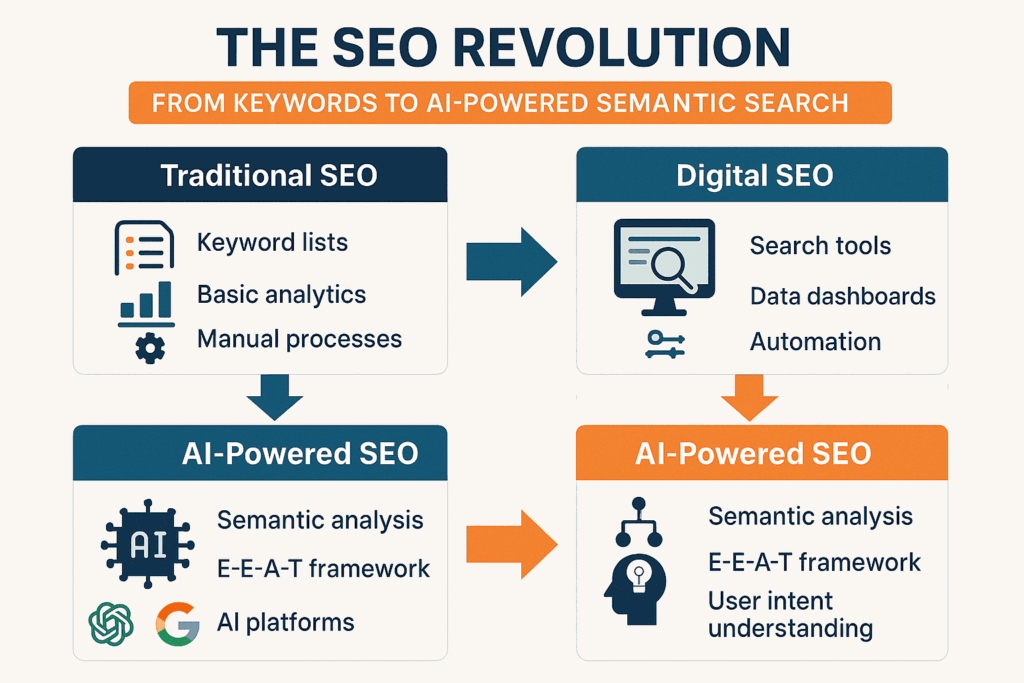
AI SEO content ideation has transformed how digital marketers discover, validate, and prioritize topics that actually rank. Instead of staring at a blank screen or relying on gut instinct, modern teams use machine learning models to analyze search intent, competitor gaps, and semantic relationships at scale. This guide breaks down the exact workflows, tools, and strategies that turn raw data into a content calendar that drives organic traffic. You will learn how to blend human creativity with algorithmic precision to uncover topics your audience is actively searching for, but your competitors have overlooked.
What Is AI SEO Content Ideation?
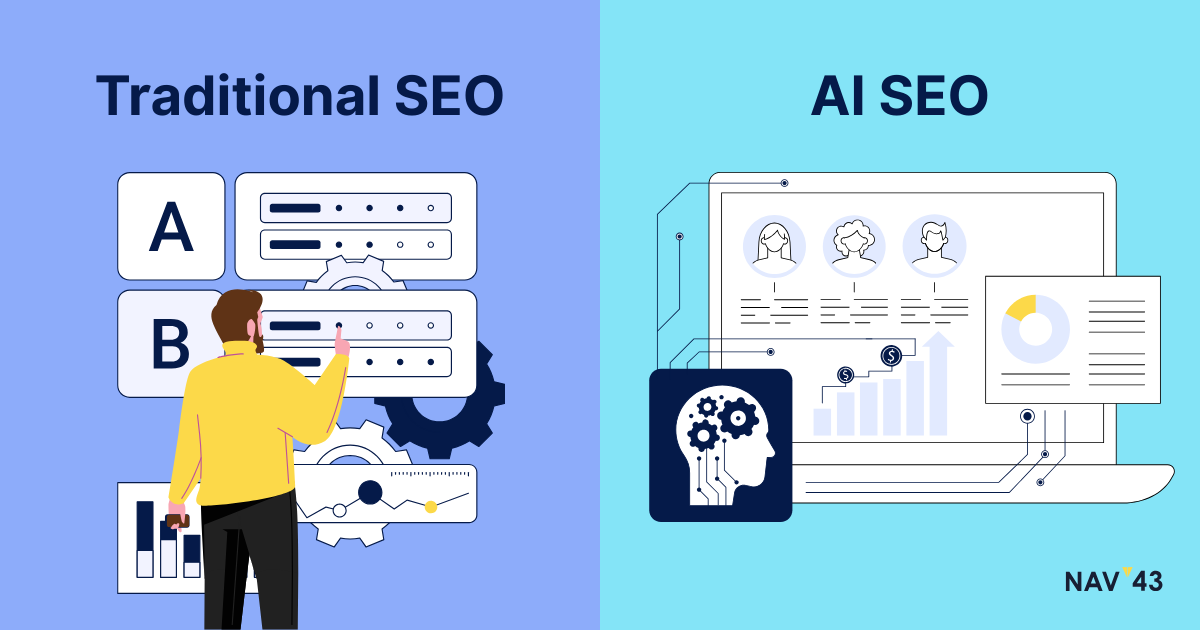
AI SEO content ideation is the process of using artificial intelligence algorithms to generate, filter, and rank content topic ideas based on search engine data. Unlike traditional brainstorming, which relies on manual keyword research and guesswork, AI systems process millions of data points—including search volume, click-through rates, SERP features, and user behavior patterns—to identify high-opportunity topics.
The core value lies in pattern recognition. AI models can detect emerging trends weeks before they peak, cluster related queries into topic hubs, and predict which content formats (listicles, guides, comparisons) are most likely to earn featured snippets. This shifts the ideation phase from a subjective exercise to a data-driven science.
How AI Differs from Traditional Keyword Research
Traditional keyword tools show you what people search for. AI content ideation explains why they search and what they expect to find. For example, a standard tool might show that “best running shoes” has 40,000 monthly searches. An AI system analyzes the top 20 ranking pages, identifies that 80% use comparison tables, and suggests creating a head-to-head review format with specific shoe models mentioned in the comments section of competitor posts.
This distinction matters because search engines now prioritize content that fully satisfies user intent. AI helps you reverse-engineer that satisfaction by examining the semantic structure of pages that already rank well.
Why AI SEO Content Ideation Matters in 2025
Search algorithms have become exceptionally good at understanding context. Google’s helpful content system and the continuous evolution of language models mean that thin, generic articles no longer stand a chance. AI SEO content ideation addresses this by ensuring every piece of content targets a specific, underserved angle.
Consider the volume of content published daily. Over 7 million blog posts are created each day, yet only a fraction earn meaningful traffic. The differentiator is topic selection. AI helps you find the “long-tail of the long-tail”—queries with moderate volume but extremely high conversion potential because they signal strong purchase or informational intent.
Key Benefits for Content Teams
- Speed: Generate 100 validated topic ideas in minutes instead of days
- Objectivity: Remove personal bias from topic selection
- Gap Detection: Identify questions your competitors are ignoring
- Scalability: Maintain content velocity without sacrificing relevance
- Predictive Insights: Spot seasonal trends and rising queries early
- Relevance to your product or service
- Estimated traffic potential (from the AI tool)
- Keyword difficulty (from a tool like Ahrefs or Semrush)
- Business value (does this topic lead to a sale or demo?)
- Content freshness (is this a trending topic or evergreen?)
- Primary keyword and secondary keywords
- Suggested title tags and meta descriptions
- An outline with H2 and H3 headings
- Questions to answer within the content
- Entities and terms to mention for semantic relevance
- Recommended word count and reading level
The Core Process: How AI SEO Content Ideation Works
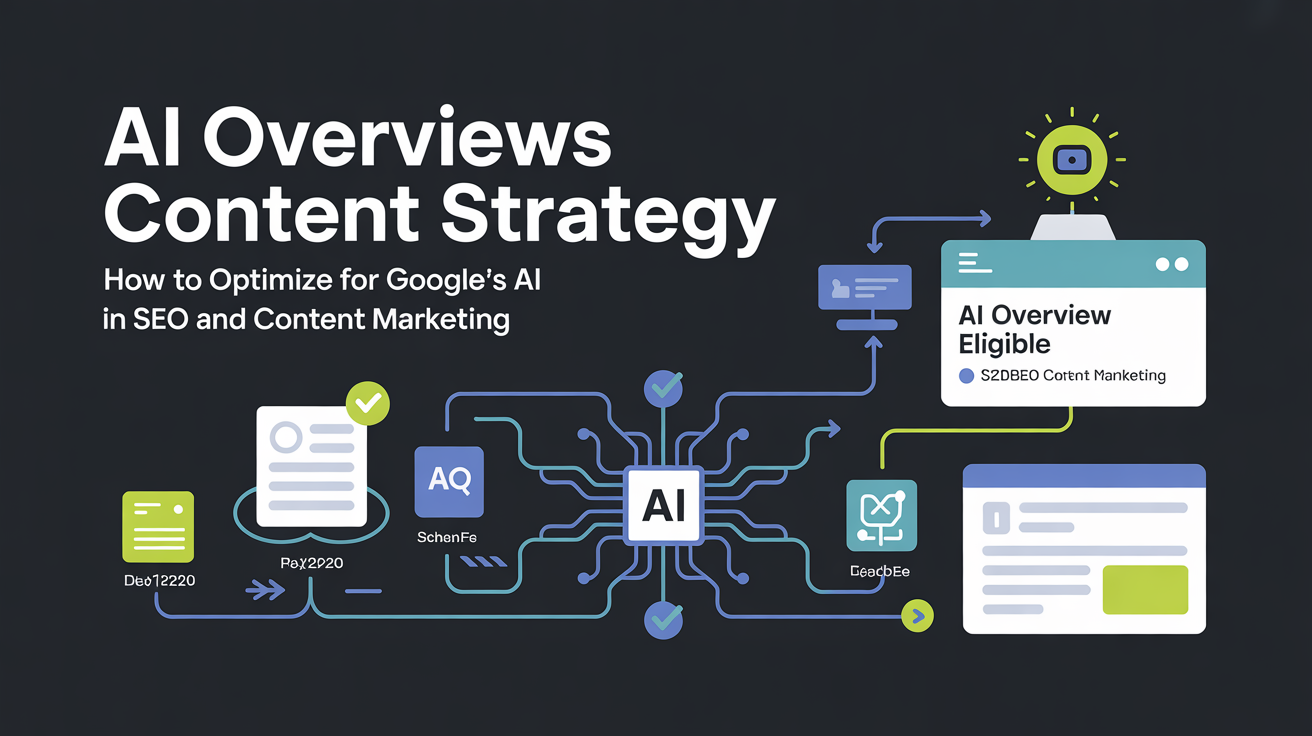
Understanding the underlying workflow helps you choose the right tools and interpret their output correctly. The process typically involves five distinct stages.
Stage 1: Seed Input and Data Collection
You provide the AI with seed keywords, competitor URLs, or your existing content cluster. The system then crawls search engine results pages (SERPs), scrapes autocomplete suggestions, and pulls data from sources like Google Trends, Reddit, Quora, and industry forums. This raw data forms the foundation for all subsequent analysis.
Stage 2: Semantic Clustering
The AI groups related queries into thematic clusters. For instance, if your seed keyword is “project management software,” the system might create clusters for “free tools,” “enterprise solutions,” “agile methodologies,” and “team collaboration features.” This clustering reveals the breadth of subtopics you need to cover to establish topical authority.
Stage 3: Intent Classification
Each cluster is tagged with a search intent—informational, navigational, commercial, or transactional. The AI examines SERP features to determine intent. A query with a featured snippet and “People Also Ask” box is informational. A query with shopping ads and product reviews is commercial. This classification ensures you create the right content type for each topic.
Stage 4: Opportunity Scoring
Every topic receives a composite score based on factors like estimated traffic potential, keyword difficulty, current SERP volatility, and content gap severity. The AI weighs these factors to prioritize topics where you have a realistic chance of ranking within a reasonable timeframe.
Stage 5: Content Brief Generation
The final output is a detailed content brief. This includes the target keyword, related LSI terms, suggested headings, questions to answer, entities to mention, and even recommended word count based on the average length of current top-ranking pages. This brief becomes your roadmap for writers.
Top AI SEO Content Ideation Tools Compared
The market offers a range of solutions, each with distinct strengths. The table below compares the most widely used platforms based on core features, pricing model, and best use case.
| Tool | Core Strength | Ideal For | Pricing Model |
|---|---|---|---|
| Clearscope | Content optimization and semantic relevance | Refining existing drafts | Subscription (monthly) |
| Surfer AI | SERP analysis and content structure | Creating data-backed outlines | Credit-based |
| Frase.io | Answer generation and brief creation | FAQ and question-based content | Subscription (monthly) |
| MarketMuse | Topical authority mapping | Enterprise content strategy | Custom pricing |
| Ahrefs (AI features) | Keyword gap and content gap analysis | Competitor research | Subscription (monthly) |
| ChatGPT with plugins | Flexible brainstorming and clustering | Early-stage ideation | Pay-per-use or subscription |
Choosing the Right Tool for Your Needs
Small teams with limited budgets often start with a combination of ChatGPT for brainstorming and Ahrefs for validation. Enterprise teams that need consistent, scalable workflows typically invest in MarketMuse or Clearscope because they offer API access and team collaboration features. The key is to match the tool’s output format with your existing content production pipeline.
Practical Guide: Implementing AI SEO Content Ideation

Knowing the theory is one thing. Executing it effectively requires a structured approach. Follow these steps to integrate AI ideation into your weekly workflow.
Step 1: Audit Your Current Content Inventory
Before generating new ideas, analyze what you already have. Use a tool like Screaming Frog or Google Search Console to export your existing URLs. Identify which pages are underperforming and which topics you have already covered. This prevents duplicate content and reveals gaps in your topical coverage.
Step 2: Define Your Content Pillars
Select 3-5 broad topics that align with your business goals. For a SaaS company, these might be “onboarding,” “integrations,” “pricing strategy,” and “security compliance.” These pillars serve as the seed inputs for your AI tool. The algorithm will then generate subtopics that branch out from each pillar.
Step 3: Generate a Broad List of Ideas
Input your seed keywords into your chosen AI tool. Set the parameters to generate 50-100 ideas per pillar. Do not filter at this stage. The goal is to capture every possible angle, including long-tail variations and question-based queries. Export this list to a spreadsheet.
Step 4: Score and Prioritize
Apply your own scoring criteria to the AI-generated list. Consider factors like:
Assign a weight to each factor and calculate a composite score. Sort the list by this score and select the top 10-15 topics for your next content sprint.
Step 5: Validate with Human Judgment
AI is a powerful assistant, but it lacks the nuanced understanding of your brand voice and audience pain points. Review the shortlisted topics. Ask yourself: Does this topic align with our expertise? Can we provide a unique perspective? Is there a better angle we can take? Reject any topic that feels generic or outside your core competency.
Step 6: Create Detailed Content Briefs
For each validated topic, use your AI tool to generate a comprehensive brief. This should include:
Share these briefs with your writers. The result is a faster production process with fewer revisions because the writer has a clear roadmap from the start.
Common Mistakes in AI SEO Content Ideation
Even with advanced tools, teams make predictable errors that undermine their efforts. Recognizing these pitfalls is the first step to avoiding them.
Mistake 1: Blindly Trusting AI Scores
AI opportunity scores are estimates, not guarantees. They are based on historical data and may not account for sudden algorithm updates or shifts in user behavior. Always cross-reference AI scores with your own domain authority and industry knowledge. A topic with a high score might be impossible to rank for if you are a new website competing against established giants.
Mistake 2: Ignoring Search Intent Nuances
AI tools classify intent into broad categories, but real-world intent is more nuanced. For example, a query like “best CRM for real estate” might have commercial intent, but the user could be a solo agent or a brokerage with 50 employees. The AI might suggest a generic listicle, but a more effective piece would be a comparison guide tailored to solo agents. Always refine the intent based on your specific buyer persona.
Mistake 3: Focusing Only on High-Volume Keywords
High-volume keywords are attractive, but they are also highly competitive. AI SEO content ideation should also surface low-volume, high-conversion keywords. These are often long-tail phrases that indicate a user is close to making a decision. For example, “best project management tool for remote teams under $10 per user” is a much better lead-generation topic than “project management software.”
Mistake 4: Neglecting Content Refresh Opportunities
Ideation is not only about creating new content. AI can also identify existing pages that are losing rankings and suggest updates. This might involve adding new sections, updating statistics, or improving internal linking. Refreshing old content often yields faster results than publishing new posts because the page already has authority.
Mistake 5: Overlooking Entity and Semantic Relationships
Search engines use entities (people, places, concepts) to understand content. AI tools can identify related entities that you should mention to improve topical relevance. For example, an article about “keto diet” should mention “ketosis,” “macronutrients,” “glycemic index,” and “MCT oil.” Failing to include these related entities makes it harder for search engines to understand your content’s depth.
Important Notes for Maximizing AI Ideation Results
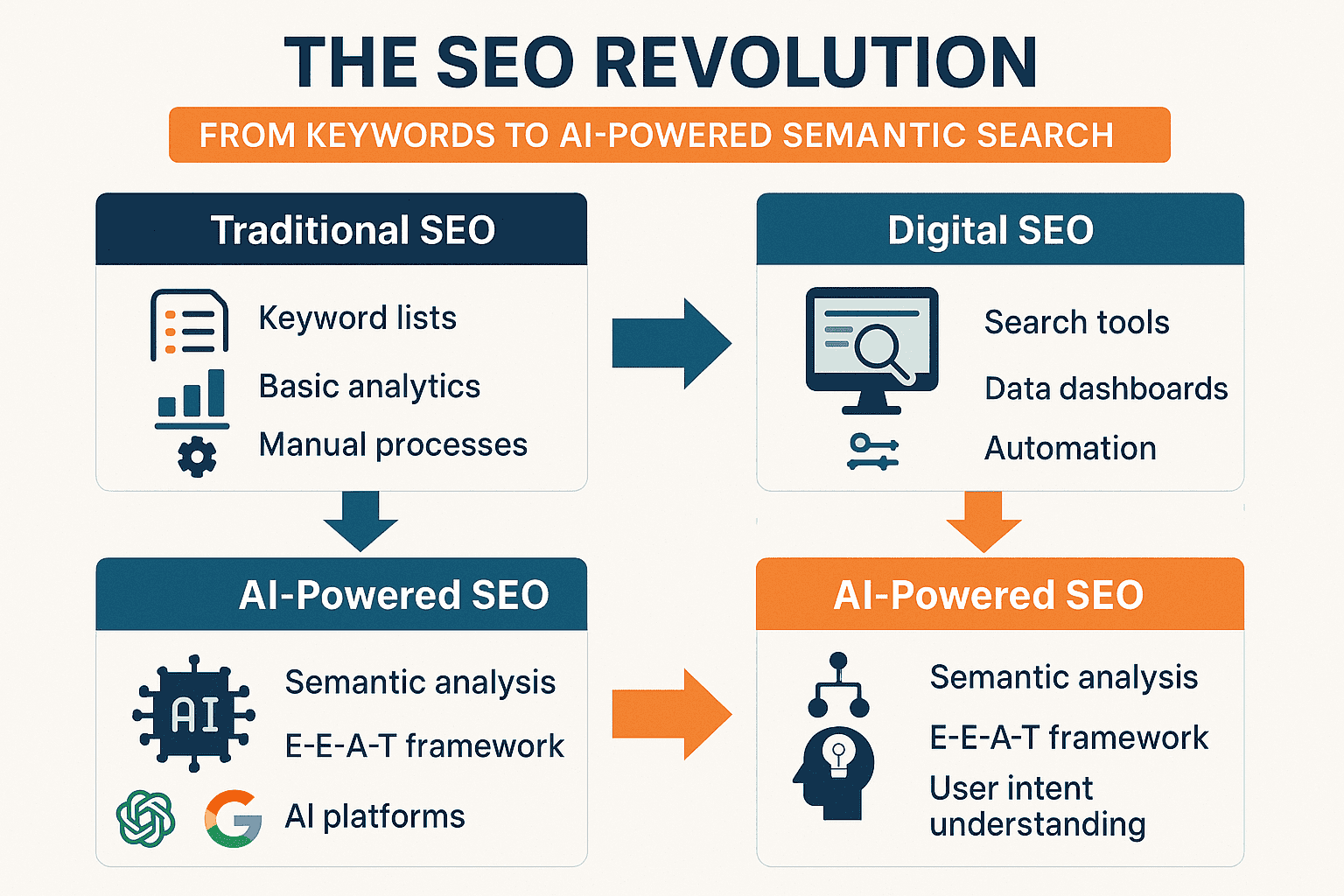
To get the most out of AI SEO content ideation, keep these operational principles in mind.
Data Quality Determines Output Quality
The old programming adage “garbage in, garbage out” applies perfectly here. If you feed your AI tool vague or overly broad seed keywords, you will get generic topic suggestions. Spend time refining your seed inputs. Use specific phrases that reflect how your target audience actually speaks.
Combine AI with Human Creativity
The best content strategies emerge from a collaboration between AI and human intuition. Use AI to handle the data-heavy lifting—clustering, scoring, and gap analysis. Use your human expertise to add unique angles, personal anecdotes, and proprietary data that AI cannot generate. This combination creates content that is both optimized and genuinely valuable.
Monitor and Iterate Continuously
Search trends are not static. A topic that is relevant today might be obsolete in six months. Set up a recurring schedule—monthly or quarterly—to run your AI ideation process again. Track which topics performed well and feed that performance data back into your AI tool to improve future recommendations.
Integrate with Your Overall SEO Strategy
AI ideation should not exist in a silo. The topics you generate must align with your link-building strategy, internal linking structure, and conversion goals. For example, if you are trying to earn links from industry publications, prioritize data-driven topics that are naturally link-worthy. If your goal is lead generation, focus on topics that address specific pain points at the bottom of the funnel.
Frequently Asked Questions
What is the difference between AI content generation and AI content ideation?
AI content generation refers to the process of using algorithms to write the actual text of an article. AI content ideation, on the other hand, is the process of discovering and validating which topics to write about in the first place. Ideation happens before generation and focuses on data analysis, keyword clustering, and intent classification. Generation focuses on producing the final prose.
Can AI SEO content ideation replace human SEO experts?
No. AI tools are excellent at processing large datasets and identifying patterns, but they lack strategic judgment, brand awareness, and the ability to understand nuanced audience emotions. Human experts are still needed to interpret AI output, make final decisions, and ensure content aligns with business objectives. The most effective approach is a hybrid model where AI handles the heavy lifting and humans provide oversight.
How much does AI SEO content ideation cost?
Costs vary widely depending on the tool and the scale of usage. Basic AI features are often included in broader SEO platforms like Ahrefs or Semrush, which cost between $99 and $449 per month. Specialized tools like Clearscope or MarketMuse can cost anywhere from $170 to over $1,000 per month. There are also free options, such as using ChatGPT with manual keyword research, but these require more manual effort and may lack the depth of dedicated tools.
How long does it take to see results from AI-driven content topics?
Search engine rankings do not improve overnight. After publishing content based on AI ideation, it typically takes 3 to 6 months to see significant movement in organic rankings. This timeline depends on your domain authority, the competitiveness of the target keywords, and the quality of your content. Consistency is key—publishing a steady stream of well-researched topics will compound your results over time.
Is AI SEO content ideation suitable for small businesses?
Yes, absolutely. Small businesses often have limited resources and cannot afford to waste time on topics that will not rank. AI ideation helps level the playing field by identifying low-competition, high-relevance topics that larger companies might overlook. Many affordable tools offer entry-level plans that are accessible to small teams.
Conclusion
AI SEO content ideation is no longer a futuristic concept—it is a practical necessity for teams that want to compete in a saturated digital landscape. By leveraging machine learning to analyze search intent, uncover content gaps, and prioritize topics with the highest potential, you can transform your content strategy from guesswork into a predictable growth engine. The key is to use AI as a powerful assistant, not a replacement for human judgment. Combine algorithmic insights with your unique brand perspective, and you will create content that ranks well, resonates with readers, and drives measurable business results. Start small, validate your process, and scale up as you see the data confirm the approach.
Xem thêm:
- AI SEO Heading Generator: The Complete Guide to Higher Rankings in 2025
- AI SEO Hyperlocal SEO: The Complete Guide to Dominating Local Search in 2025
- AI SEO Ecommerce Keyword Research: The Complete Playbook for 2025
- WP Trove SEO Automation: The Complete Guide to Streamlining Your WordPress Rankings
- AI SEO Link Relevance: The Complete Guide to Modern Link Building
Bài viết cùng chủ đề:

AI SEO SEO Automation with Make: The Complete Workflow Guide

AI SEO SEO Automation with Zapier: The Complete Workflow Guide

AI SEO SEO Automation with n8n: The Complete Workflow Guide
AI SEO SEO Automation with Gemini: The Complete Guide to Scaling Organic Growth

AI SEO SEO Automation with Claude: The Complete Guide to Scaling Content in 2025

AI SEO SEO Automation with ChatGPT: The Complete Playbook for 2025

AI SEO & SEO Automation for Affiliate Sites: The 2025 Playbook for Passive Income Growth
AI SEO & SEO Automation for Bloggers: The Complete Guide to Scaling Your Content

AI SEO & SEO Automation for Agencies: The Complete 2025 Playbook

AI SEO and SEO Automation for Ecommerce: The Complete Playbook for 2025

AI SEO & SEO Automation for WordPress: The Complete Playbook for 2025
AI SEO SEO Automation Strategy: The Complete Playbook for 2025

Mastering the AI SEO SEO Automation Process: A Complete Guide to Scaling Organic Growth
AI SEO SEO Automation System: The Complete Guide to Scaling Organic Growth in 2025
AI SEO SEO Automation Platform: The Complete Guide to Scaling Organic Growth in 2025
AI SEO SEO Automation Software: The Complete Guide to Scaling Organic Growth in 2025















