
No products in the cart.
AI SEO Search Performance: The Complete Guide to Ranking in the Age of Machine Learning
10
Aug
Aug
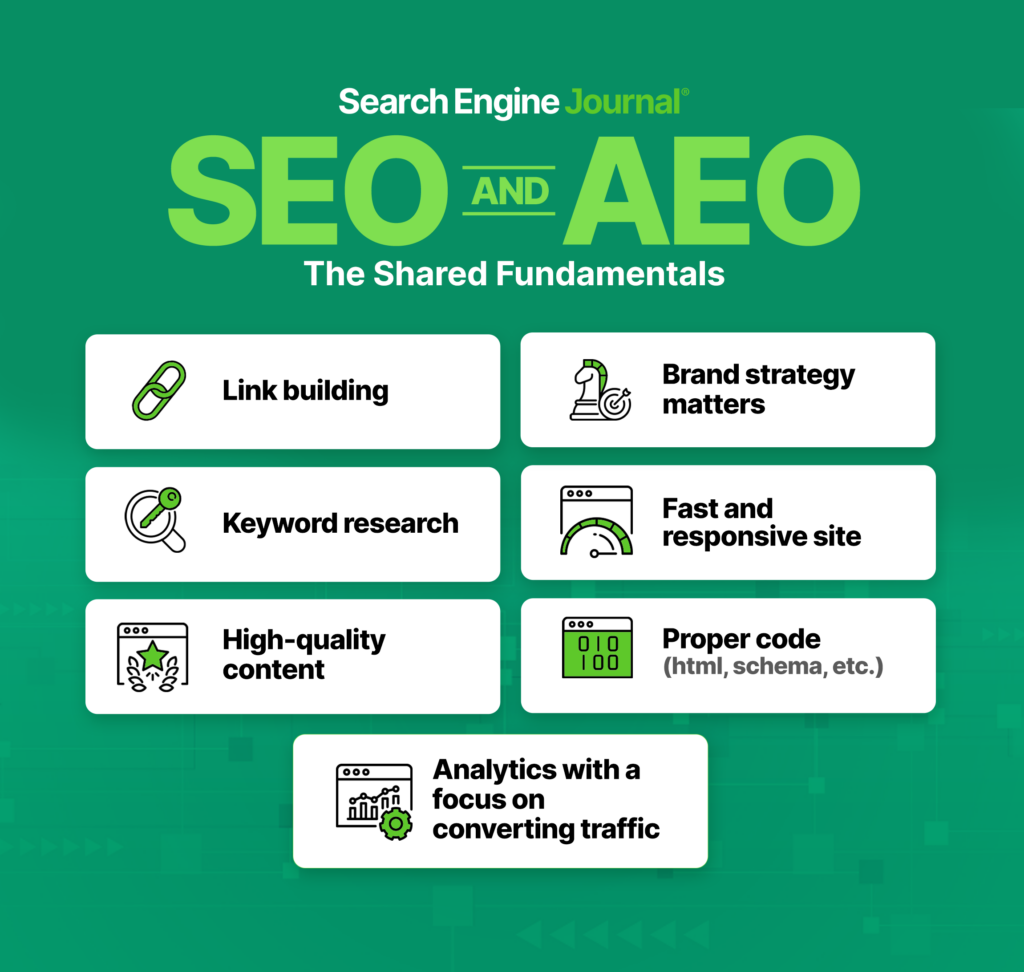
AI SEO Search Performance has become the defining metric for digital success in 2025. As search engines increasingly rely on machine learning algorithms like Google’s RankBrain, MUM, and the Search Generative Experience (SGE), traditional keyword-stuffing tactics no longer move the needle. Understanding how artificial intelligence interprets content, user intent, and authority is now essential for any business aiming to capture organic traffic. This comprehensive guide breaks down the mechanics of AI-driven search, offering actionable strategies to optimize your website for both crawlers and large language models.
What is AI SEO Search Performance?
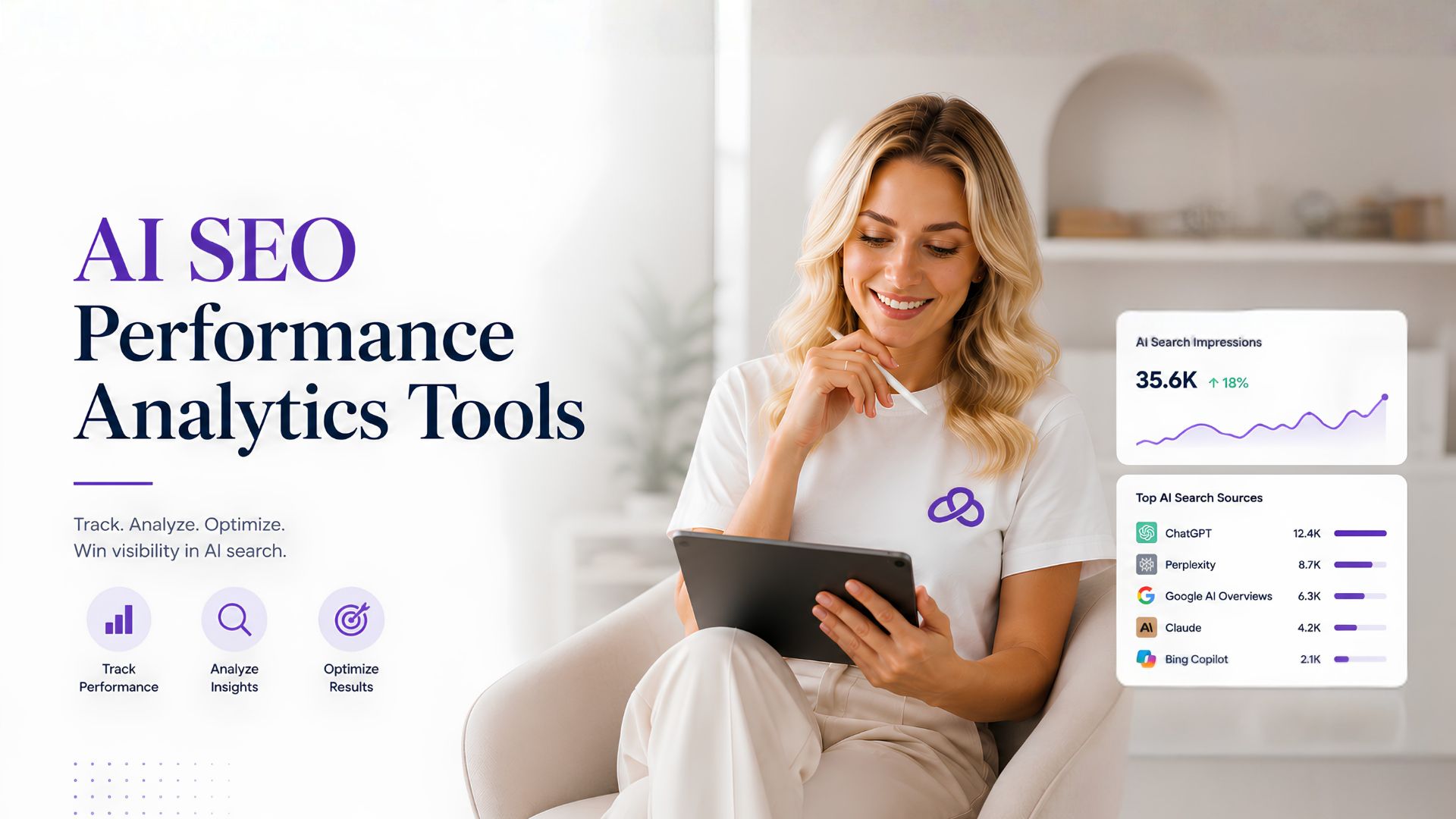
AI SEO Search Performance refers to the measurable ability of a website to rank prominently in search engine results pages (SERPs) when those results are generated, ranked, and personalized by artificial intelligence systems. Unlike traditional SEO, which relied on exact-match keywords and backlink counts, AI-driven search focuses on semantic understanding, contextual relevance, and user satisfaction signals.
Modern search engines use neural networks to process billions of pages. These networks do not simply match strings of text; they comprehend concepts, relationships between entities, and the underlying intent behind a query. When you measure AI SEO Search Performance, you are essentially evaluating how well your content aligns with the machine’s understanding of a topic, not just its literal keywords.
The Shift from Keywords to Entities
In the pre-AI era, a page about “best running shoes” needed to repeat that exact phrase dozens of times. Today, Google’s Knowledge Graph and BERT algorithm understand that “best running shoes” relates to cushioning, arch support, trail grip, and marathon training. Your content must cover these related entities naturally to demonstrate topical authority. The performance metric now rewards comprehensive coverage over repetition.
How AI Algorithms Evaluate Your Content
To improve your AI SEO Search Performance, you must understand the evaluation pipeline. Search engines process content through several layers of machine learning models, each with a specific function.
1. Query Understanding and Intent Matching
AI first deciphers the query’s intent. Is the user looking to buy, to learn, or to compare? The algorithm categorizes the search into informational, navigational, or transactional intent. Your page must clearly signal which intent it satisfies. A product page that reads like a blog post will confuse the AI, resulting in poor performance.
2. Content Relevance Scoring
Once intent is established, the AI scans your content for semantic relevance. It uses Natural Language Processing (NLP) to identify key entities, their relationships, and the overall coherence of the text. The algorithm checks if your page answers the core question and covers subtopics that a human expert would include.
3. User Engagement Metrics
AI systems heavily weight real-world user behavior. Click-through rate (CTR), dwell time, bounce rate, and pogo-sticking are all fed back into the ranking model. If users click your link and immediately return to the SERP, the AI interprets this as a relevance failure. High engagement signals tell the algorithm your content satisfies the query, boosting your AI SEO Search Performance.
4. E-E-A-T Signals
Experience, Expertise, Authoritativeness, and Trustworthiness are now evaluated by AI classifiers. The algorithm looks for author bios, citations, original research, and consistent brand mentions across the web. Content that lacks these trust signals is often demoted, regardless of its keyword optimization.
Core Components of a High-Performing AI SEO Strategy
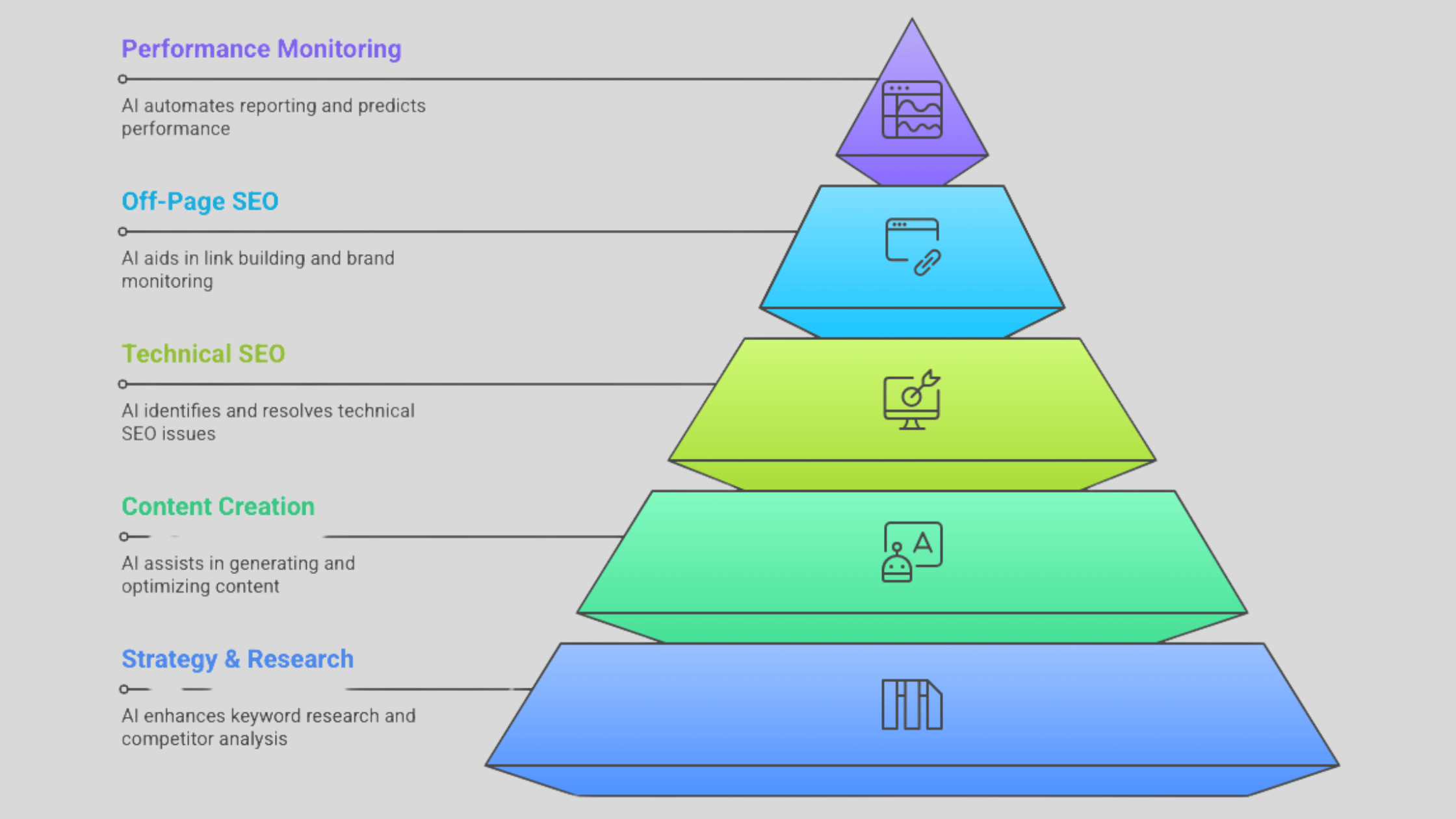
Optimizing for AI requires a holistic approach that merges technical infrastructure with content depth. Below are the critical pillars that directly influence your search performance.
Structured Data and Schema Markup
Structured data acts as a direct communication channel to AI crawlers. By implementing Schema.org markup, you provide explicit clues about your content’s meaning. Use Article, Product, FAQ, and HowTo schemas to help the AI parse your page. This increases your chances of earning rich snippets, which dramatically improve visibility and CTR.
Topical Authority and Content Clusters
AI rewards websites that demonstrate deep knowledge of a subject. Instead of publishing isolated blog posts, build content clusters. Create a pillar page that broadly covers a core topic, then link to cluster pages that dive into specific subtopics. This internal linking structure helps AI map your site’s expertise, improving your overall domain authority.
Natural Language Processing Optimization
Write the way people speak, not the way databases query. Use synonyms, related phrases, and varied sentence structures. AI models are trained on human language, so conversational tone performs better. Include long-tail keywords naturally within the flow of the text, but prioritize readability over keyword density.
Practical Guide: How to Audit Your AI SEO Search Performance
Improving your performance starts with a thorough audit. Follow this step-by-step process to identify weaknesses and opportunities.
- Analyze SERP Features: Search for your primary keywords and note which AI-driven features appear (e.g., AI Overviews, People Also Ask, Knowledge Panels). If you are not present in these features, your performance is lacking.
- Review Query Intent Alignment: Map your top 20 landing pages to the search queries they target. Ensure the page format matches the intent (e.g., listicles for “best of” queries, guides for “how to” queries).
- Check Entity Coverage: Use tools like Google’s Natural Language API to analyze your content. Compare the entities you mention against those in top-ranking pages. Fill any gaps.
- Evaluate Core Web Vitals: AI prioritizes user experience. Check your Largest Contentful Paint (LCP), First Input Delay (FID), and Cumulative Layout Shift (CLS). Slow or janky pages will underperform.
- Monitor Dwell Time: In Google Search Console, look at average session duration for organic traffic. Pages with under 2 minutes of average dwell time likely need richer content or better formatting.
Benefits of Optimizing for AI Search
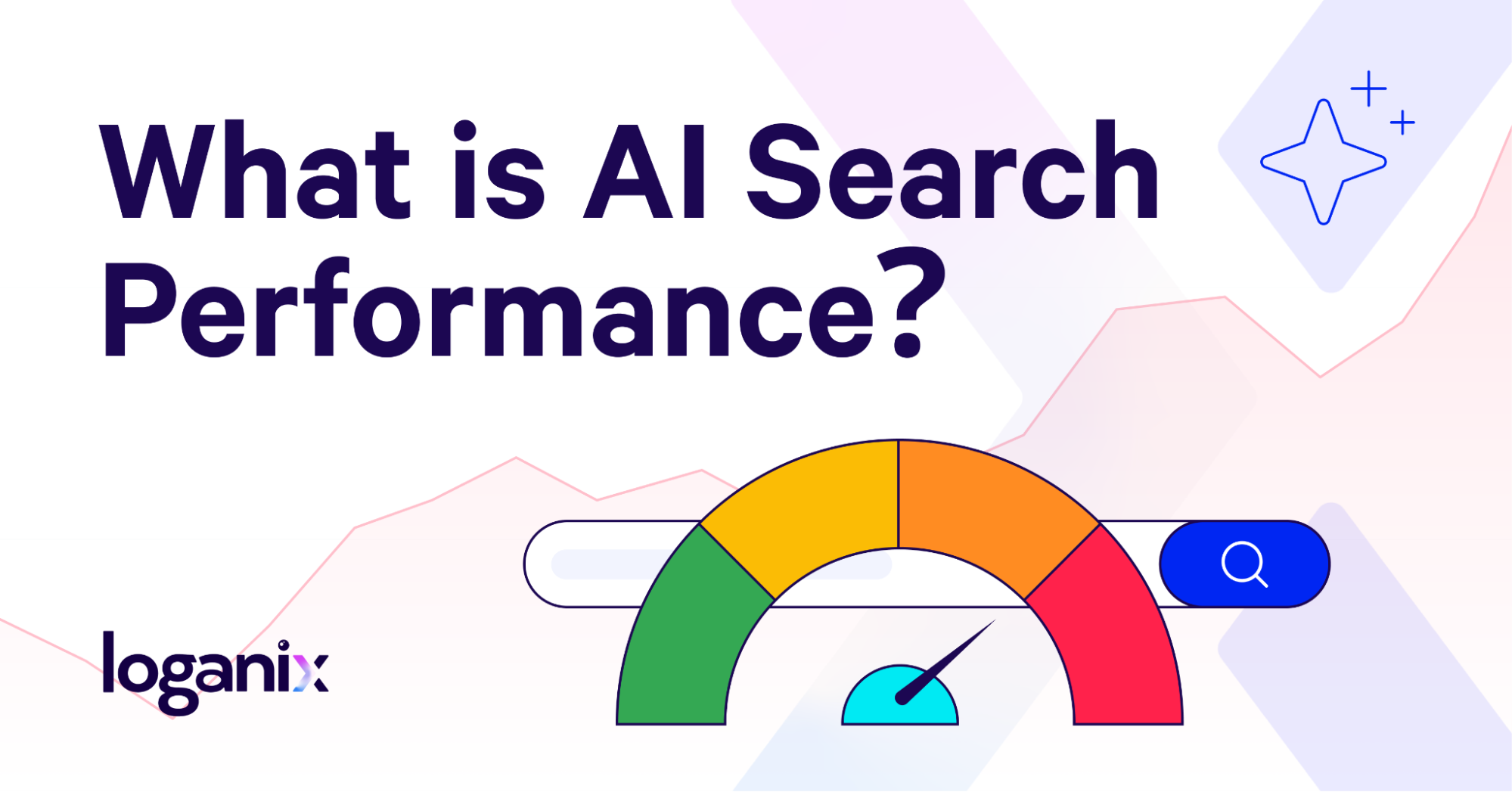
Investing in AI SEO Search Performance yields significant long-term advantages that go beyond simple rankings.
- Future-Proof Visibility: As AI becomes more sophisticated, sites optimized for semantic relevance will remain stable, while keyword-stuffed sites will continue to lose ground.
- Higher Conversion Rates: AI-driven traffic is highly targeted. When your content matches intent precisely, visitors are more likely to convert into leads or sales.
- Brand Authority: Ranking in AI Overviews and featured snippets positions your brand as the definitive source on the topic, building trust with your audience.
- Cost-Effective Growth: Unlike paid ads, organic traffic from AI-optimized content compounds over time. A single well-optimized pillar page can generate leads for years.
Limitations and Challenges of AI SEO
While the benefits are substantial, there are inherent challenges that marketers must navigate.
- Loss of Direct Attribution: With AI Overviews, users may get answers directly on the SERP without clicking your link. This reduces measurable traffic even if your content powers the answer.
- Increased Content Production Costs: Creating comprehensive, expert-level content requires more time, research, and often, subject matter experts. This is more expensive than churning out generic blog posts.
- Algorithm Opacity: Search engines do not disclose exactly how their AI models weigh signals. This requires constant testing and adaptation.
- High Competition for Featured Snippets: Only one site can hold the “position zero” spot. The competition for these prime AI placements is fierce.
AI SEO vs. Traditional SEO: A Comparison
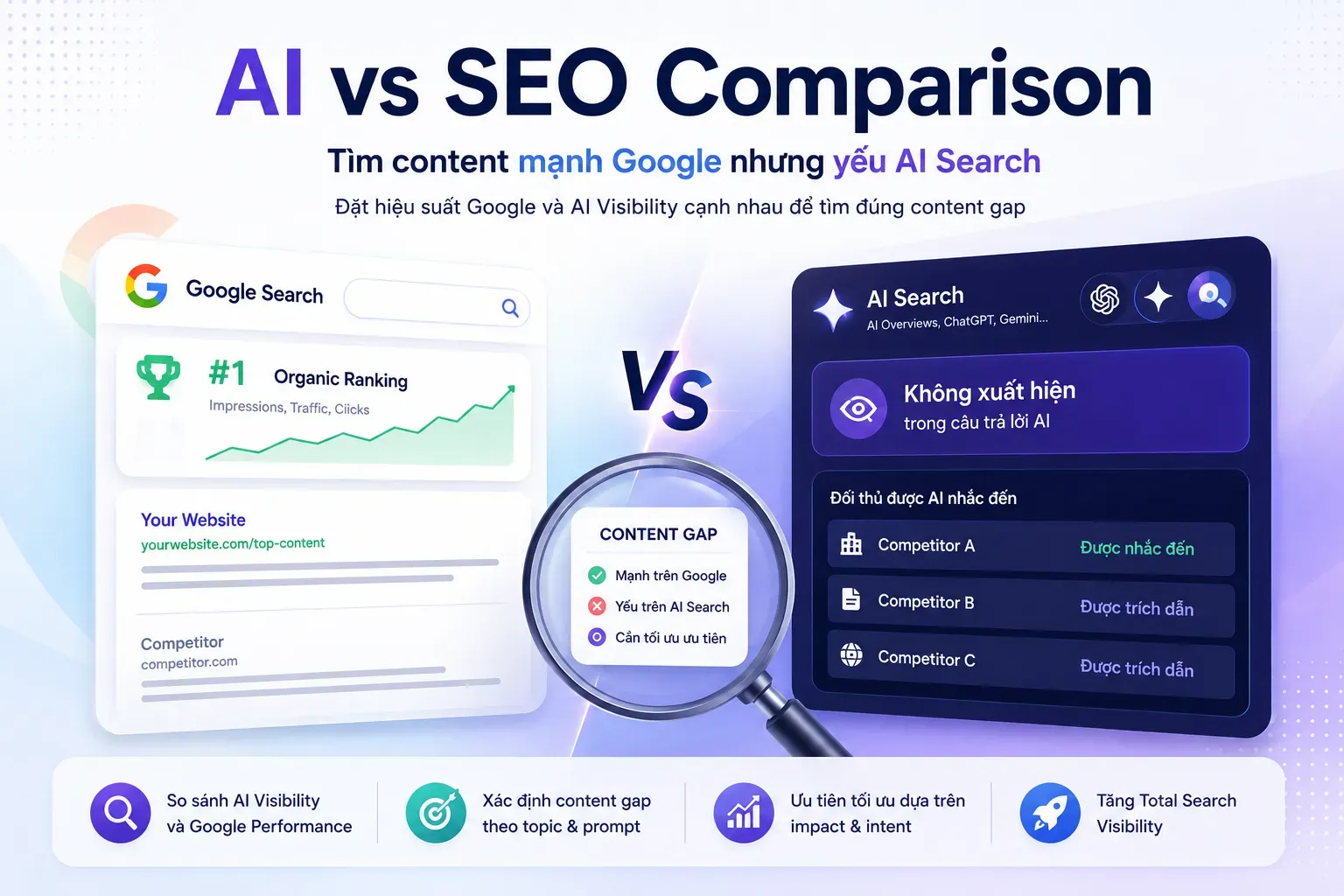
| Aspect | Traditional SEO | AI SEO Search Performance |
|---|---|---|
| Primary Focus | Exact keyword matching | Semantic intent and entities |
| Content Length | Short, 300-500 words | Comprehensive, 1500+ words |
| Link Building | Quantity of backlinks | Quality and relevance of referring domains |
| User Experience | Secondary consideration | Primary ranking factor |
| Success Metric | Ranking for a specific keyword | Visibility across multiple AI-driven SERP features |
| Content Updates | Rarely updated | Continuously refreshed to maintain relevance |
Common Mistakes That Ruin AI SEO Search Performance
Many websites struggle because they unknowingly sabotage their own efforts. Avoid these critical errors to maintain a healthy ranking profile.
Ignoring Search Intent in Favor of Keywords
Targeting a high-volume keyword with the wrong page type is a fatal error. If the query is “how to fix a leaky faucet,” a product page selling wrenches will not rank. The AI sees the mismatch and suppresses the page. Always match the content format to the query’s dominant intent.
Keyword Cannibalization
Publishing multiple pages that target the same or very similar keywords confuses the AI. The algorithm cannot decide which page is the authority, so it ranks neither. Consolidate similar pages or differentiate them by targeting distinct subtopics.
Neglecting Internal Linking
AI crawlers discover content through links. If your pages are orphaned (no internal links pointing to them), they may never be indexed or evaluated. Ensure every new piece of content is linked from at least one relevant, high-authority page on your site.
Over-Optimizing Anchor Text
Using the exact target keyword as anchor text for every internal link looks manipulative to AI. Vary your anchor text using phrases like “learn more here,” “this guide,” or natural brand mentions. This creates a more organic link profile.
Important Notes for Sustained AI Search Success
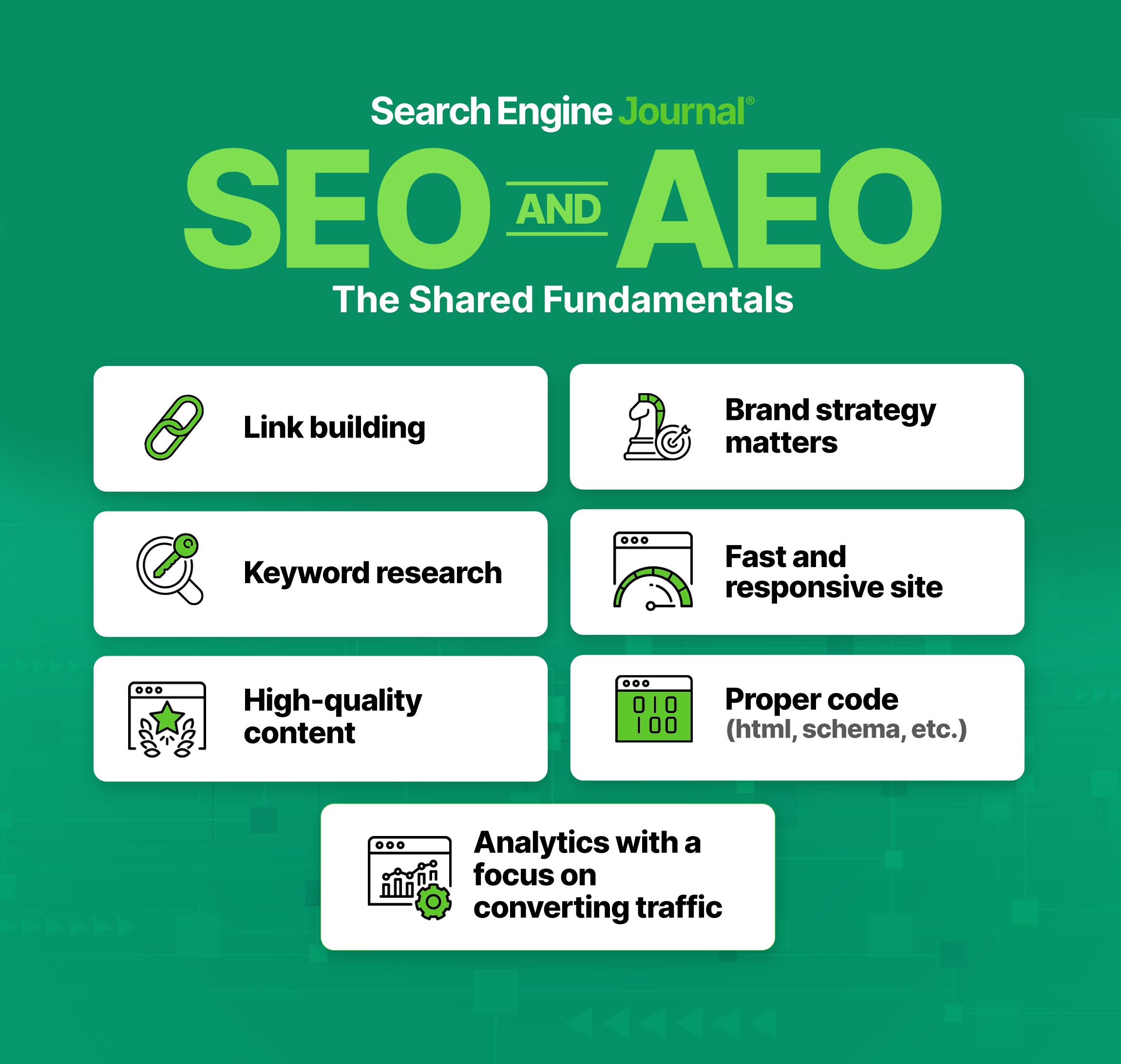
Maintaining high AI SEO Search Performance is an ongoing process, not a one-time setup. Keep these principles in mind.
Freshness Matters: AI models favor recent information. Update your statistics, examples, and product recommendations regularly. A page that says “best practices for 2023” will lose authority in 2025.
Multimodal Content: AI is increasingly capable of understanding images and video. Include descriptive alt text, transcripts for videos, and original graphics. This provides additional signals for the AI to interpret your content’s value.
Privacy and Data: Ensure your site uses HTTPS and respects user privacy. Trust signals are critical for AI evaluation. A secure site with a clear privacy policy outperforms one without.
Localization: If you serve multiple regions, use hreflang tags and localized content. AI personalizes results based on user location, so your content must be relevant to the specific geographic audience.
Frequently Asked Questions
How long does it take to see improvements in AI SEO Search Performance?
Typically, it takes 3 to 6 months to see significant movement after implementing AI-focused changes. The AI needs time to crawl, index, and re-evaluate your pages. However, improvements in engagement metrics like CTR can appear within weeks if you earn a featured snippet.
Does AI SEO mean I should stop using keywords?
No. Keywords are still the anchor of search. However, you should use them naturally within a broader context of related terms and entities. Focus on covering the topic comprehensively rather than repeating the same phrase.
What is the role of backlinks in AI SEO?
Backlinks remain a strong authority signal. AI evaluates the quality of the linking site, the relevance of the surrounding text, and the diversity of the link profile. A few links from authoritative industry sites outweigh hundreds of links from spam directories.
Can small businesses compete with large brands in AI search?
Yes. AI levels the playing field by prioritizing relevance and user satisfaction over brand size. A small niche site with deep expertise and excellent user experience can outrank a large corporation with generic content. Focus on specific long-tail topics where you can demonstrate true authority.
How does Google’s Search Generative Experience (SGE) affect traffic?
SGE provides AI-generated summaries at the top of the SERP. While this can reduce clicks for simple queries, it also offers an opportunity. If your content is cited in the SGE summary, you gain brand visibility. Optimize for this by providing clear, concise answers that the AI can easily extract.
Conclusion
AI SEO Search Performance is no longer a futuristic concept; it is the current standard for organic visibility. The algorithms that decide your rankings are sophisticated neural networks that understand nuance, context, and user behavior. To succeed, you must shift your strategy from manipulating keywords to demonstrating genuine expertise and providing exceptional user experiences.
Start by auditing your existing content for intent alignment and entity coverage. Implement structured data, build topical clusters, and prioritize engagement metrics. Avoid the common pitfalls of cannibalization and over-optimization. With consistent effort and a focus on quality, your website can thrive in the AI-driven search landscape, capturing the attention of both machines and the humans they serve.
Xem thêm:
- AI SEO Entity Keywords: The Complete Guide to Future-Proof Search Rankings
- How to Get Cited by AI: The Definitive Playbook for Generative Search Visibility
- AI SEO Topical Relevance: The Complete Guide to Dominating Search in 2025
- AI SEO Click Through Rate: The Complete Guide to Boosting Your Organic CTR in 2025
- AI SEO Generative Search Ranking: The Complete Playbook for 2025
Bài viết cùng chủ đề:

AI SEO SEO Automation with Make: The Complete Workflow Guide

AI SEO SEO Automation with Zapier: The Complete Workflow Guide

AI SEO SEO Automation with n8n: The Complete Workflow Guide
AI SEO SEO Automation with Gemini: The Complete Guide to Scaling Organic Growth

AI SEO SEO Automation with Claude: The Complete Guide to Scaling Content in 2025

AI SEO SEO Automation with ChatGPT: The Complete Playbook for 2025

AI SEO & SEO Automation for Affiliate Sites: The 2025 Playbook for Passive Income Growth
AI SEO & SEO Automation for Bloggers: The Complete Guide to Scaling Your Content

AI SEO & SEO Automation for Agencies: The Complete 2025 Playbook

AI SEO and SEO Automation for Ecommerce: The Complete Playbook for 2025

AI SEO & SEO Automation for WordPress: The Complete Playbook for 2025
AI SEO SEO Automation Strategy: The Complete Playbook for 2025

Mastering the AI SEO SEO Automation Process: A Complete Guide to Scaling Organic Growth
AI SEO SEO Automation System: The Complete Guide to Scaling Organic Growth in 2025
AI SEO SEO Automation Platform: The Complete Guide to Scaling Organic Growth in 2025
AI SEO SEO Automation Software: The Complete Guide to Scaling Organic Growth in 2025















