
No products in the cart.
AI SEO CRO Strategy: The Complete Guide to Converting Search Traffic
31
Jul
Jul
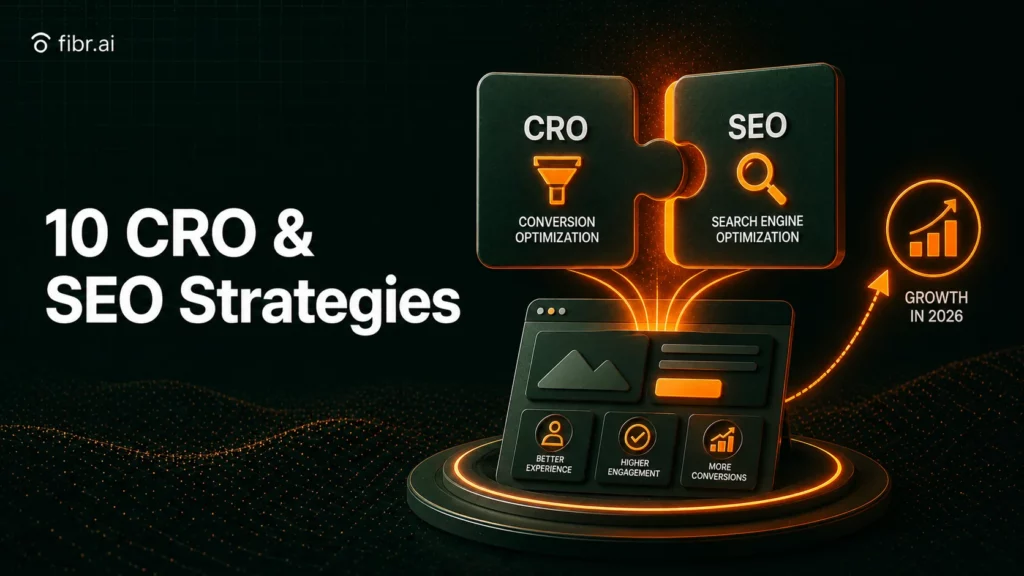
The digital marketing landscape has shifted dramatically. Businesses no longer win by simply ranking high on Google. They win by converting that traffic into revenue. An AI SEO CRO strategy combines the predictive power of artificial intelligence with the psychology of conversion rate optimization. This approach ensures every visitor from search engines has the highest possible chance of becoming a paying customer. By merging technical SEO data with user behavior analysis, companies can create a self-optimizing growth engine that outperforms traditional methods.
Understanding the Core of AI SEO CRO Strategy
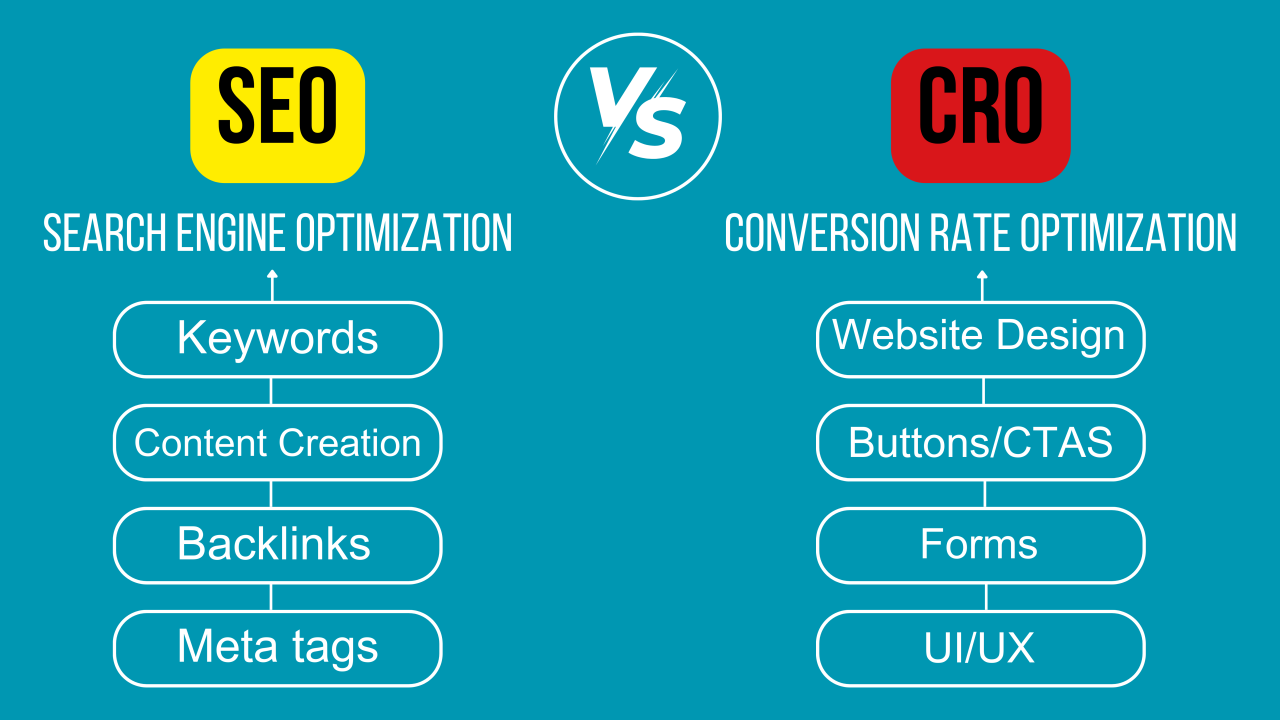
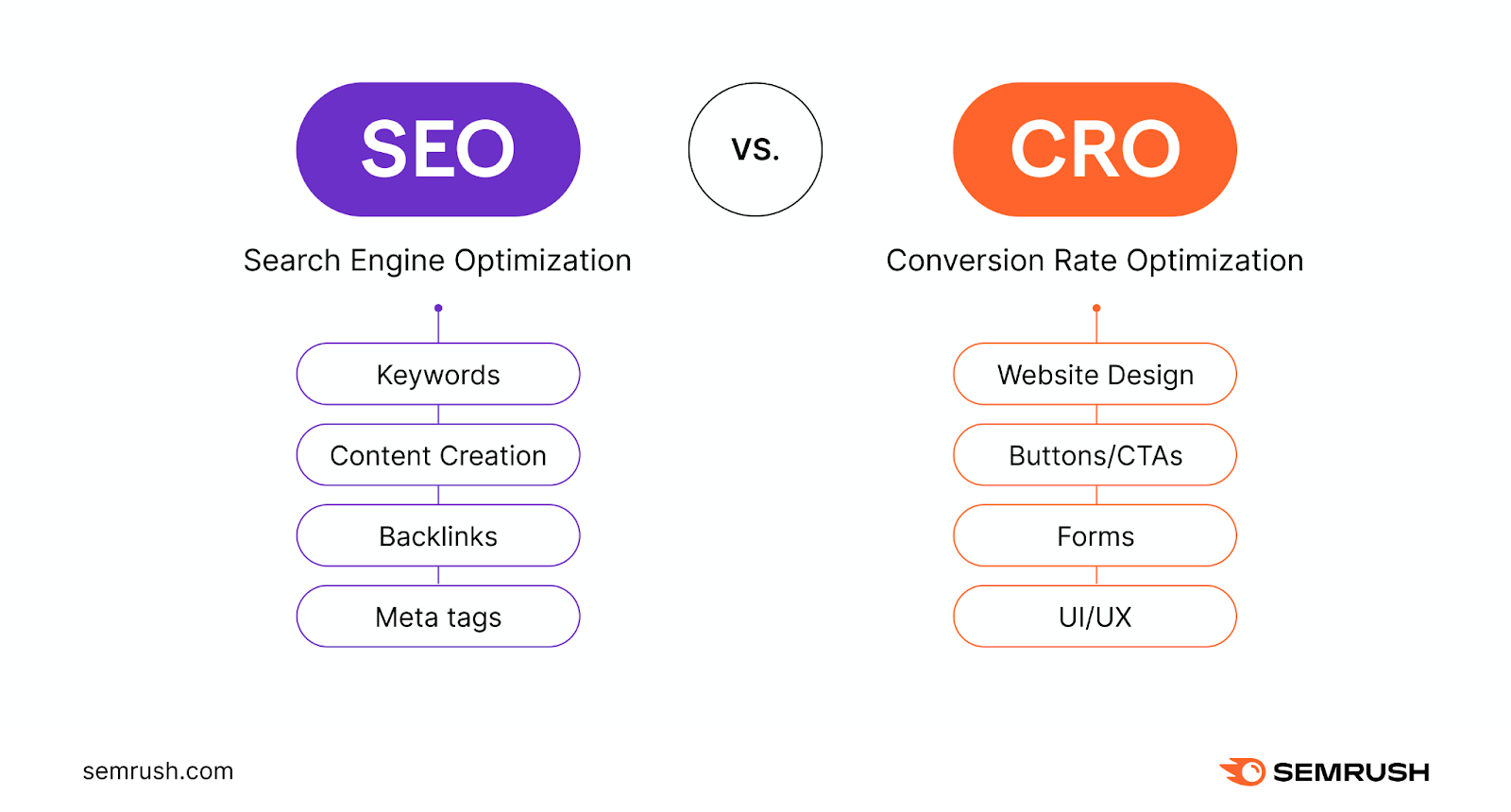
An AI SEO CRO strategy is a systematic approach that uses machine learning algorithms to analyze search intent, user behavior, and on-page elements simultaneously. Traditional SEO focuses on getting clicks. Traditional CRO focuses on converting those clicks. AI bridges the gap by identifying patterns that humans miss. It processes thousands of data points—from scroll depth to mouse movement—to predict which page variations will perform best for specific search queries.
The strategy operates on a simple feedback loop. AI tools analyze which keywords bring in users who convert, not just users who click. They then feed this data back into content creation and page design. Over time, the system learns which combinations of headlines, images, and calls-to-action resonate with high-intent searchers. This creates a compounding effect where every optimization cycle improves both rankings and revenue per visitor.
The Difference Between Traditional CRO and AI-Driven CRO
Traditional CRO relies heavily on A/B testing and manual hypothesis generation. A marketer guesses that a red button will outperform a blue one, runs a test for two weeks, and analyzes the results. This process is slow and often biased by personal opinion. AI-driven CRO, on the other hand, uses predictive analytics to suggest changes before a test even runs. It can analyze user session recordings, heatmaps, and form analytics to identify friction points instantly.
Another key difference lies in personalization. Traditional CRO shows the same page to every visitor. AI SEO CRO strategy enables dynamic content swapping. A visitor from a commercial query like “best CRM software” sees a different headline and testimonial than a visitor from an informational query like “what is CRM.” This level of granularity significantly boosts conversion rates because the message aligns perfectly with the user’s stage in the buying journey.
Why AI SEO CRO Strategy Matters in 2025
Search engines are getting smarter. Google’s algorithms now prioritize user experience signals like dwell time and bounce rate. If a page ranks well but fails to engage visitors, it will eventually lose its position. An AI SEO CRO strategy directly addresses this by improving the metrics that search engines use to rank pages. When visitors stay longer, interact with content, and complete desired actions, search engines interpret this as a signal of quality and relevance.
Additionally, the cost of paid traffic continues to rise. Organic search remains the most cost-effective channel, but only if it converts. Businesses that invest in AI-driven conversion optimization see a higher return on their SEO efforts. They acquire the same traffic volume but generate significantly more leads and sales. This efficiency gap will only widen as AI becomes more accessible to competitors.
Core Components of an Effective AI SEO CRO Strategy
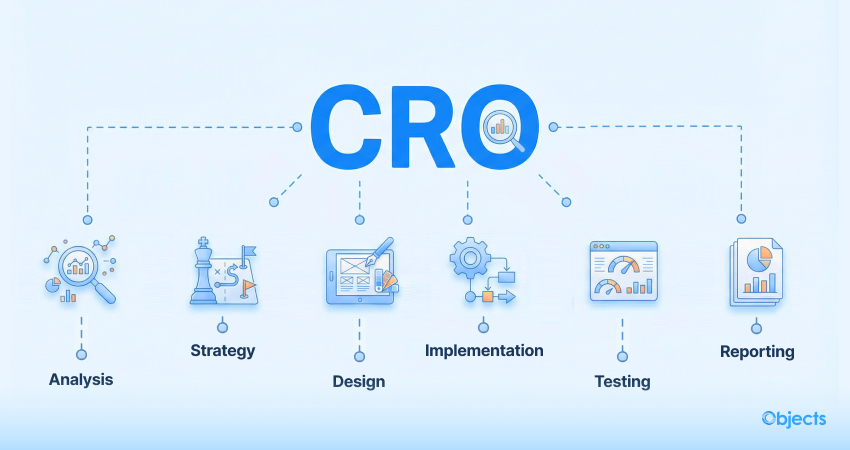
Implementing this strategy requires a clear understanding of its building blocks. Each component works together to create a seamless system that learns and improves continuously.
1. Intent-Based Keyword Clustering
AI tools can analyze search queries and group them by underlying intent. Instead of targeting broad keywords like “running shoes,” the system identifies micro-intents such as “best running shoes for flat feet” or “lightweight trail running shoes for women.” Each cluster gets a dedicated landing page optimized for that specific intent. This approach increases relevance, which boosts both rankings and conversion rates.
2. Predictive Content Optimization
AI-powered content tools analyze top-ranking pages and user engagement data to suggest improvements. They can recommend adding specific sections, changing heading structures, or including certain types of media. The AI predicts how these changes will impact both search visibility and user engagement. This moves content creation from guesswork to a data-driven science.
3. Dynamic User Experience Personalization
Using machine learning, websites can adapt in real-time to individual visitors. The AI considers the user’s search query, device type, location, and past behavior to customize the page. For example, a returning visitor who previously abandoned a checkout sees a different homepage banner than a first-time visitor. This personalization directly increases conversion rates by removing irrelevant distractions.
4. Automated A/B Testing at Scale
AI systems can run hundreds of simultaneous tests across different page elements. They automatically allocate traffic to winning variations and discard losing ones. This eliminates the bottleneck of manual testing. The AI learns from each test, applying successful patterns to other pages across the site. This creates a compounding improvement cycle that is impossible to replicate manually.
5. Predictive Lead Scoring
Not all traffic is equal. An AI SEO CRO strategy uses predictive scoring to identify which visitors are most likely to convert. The system analyzes behavioral signals like pages visited, time spent, and content downloaded. It then prioritizes these high-value visitors for sales outreach or retargeting campaigns. This ensures that marketing resources are focused on the most promising prospects.
Benefits of Implementing an AI SEO CRO Strategy
The advantages of combining AI with SEO and CRO extend far beyond simple conversion rate improvements. Businesses that adopt this approach gain a significant competitive edge.
- Higher Return on SEO Investment: Every ranking improvement translates directly into more revenue, not just more traffic.
- Faster Optimization Cycles: AI processes data and implements changes in hours, not weeks.
- Deeper Customer Insights: Machine learning reveals hidden patterns in user behavior that manual analysis misses.
- Improved Search Rankings: Better user engagement signals lead to higher positions in search results.
- Reduced Bounce Rates: Personalized content keeps visitors engaged longer, reducing the likelihood of them leaving immediately.
- Scalable Personalization: AI can personalize experiences for thousands of visitors simultaneously, something impossible for human teams.
Limitations and Challenges to Consider
While the benefits are substantial, an AI SEO CRO strategy is not without its challenges. Understanding these limitations helps set realistic expectations and avoid common pitfalls.
Data Quality Issues: AI models are only as good as the data they are trained on. If your analytics tracking is broken or incomplete, the A Ensuring clean, comprehensive data collection is a prerequisite for success.
Implementation Complexity: Integrating AI tools with existing CMS platforms and analytics systems requires technical expertise. Many businesses underestimate the time and resources needed for proper implementation.
Privacy Concerns: Personalization relies on collecting user data. With increasing privacy regulations like GDPR and CCPA, businesses must be careful about how they collect and use this information. Transparency and consent are critical.
Over-Reliance on Automation: AI can suggest changes, but human judgment is still needed for creative decisions and brand voice. A fully automated approach can lead to generic, soulless content that fails to connect with audiences emotionally.
AI SEO CRO Strategy vs. Traditional Methods: A Comparison
| Aspect | Traditional SEO + CRO | AI SEO CRO Strategy |
|---|---|---|
| Keyword Research | Manual analysis of search volumes | Predictive clustering based on intent |
| Content Creation | Based on writer’s experience | Data-driven with predictive performance scores |
| Testing Speed | One test at a time | Hundreds of simultaneous tests |
| Personalization | Basic geo-targeting | Real-time behavioral adaptation |
| Data Analysis | Weekly manual reports | Real-time automated insights |
| Scalability | Limited by team capacity | Unlimited, machine-driven |
Step-by-Step Guide to Implementing Your AI SEO CRO Strategy
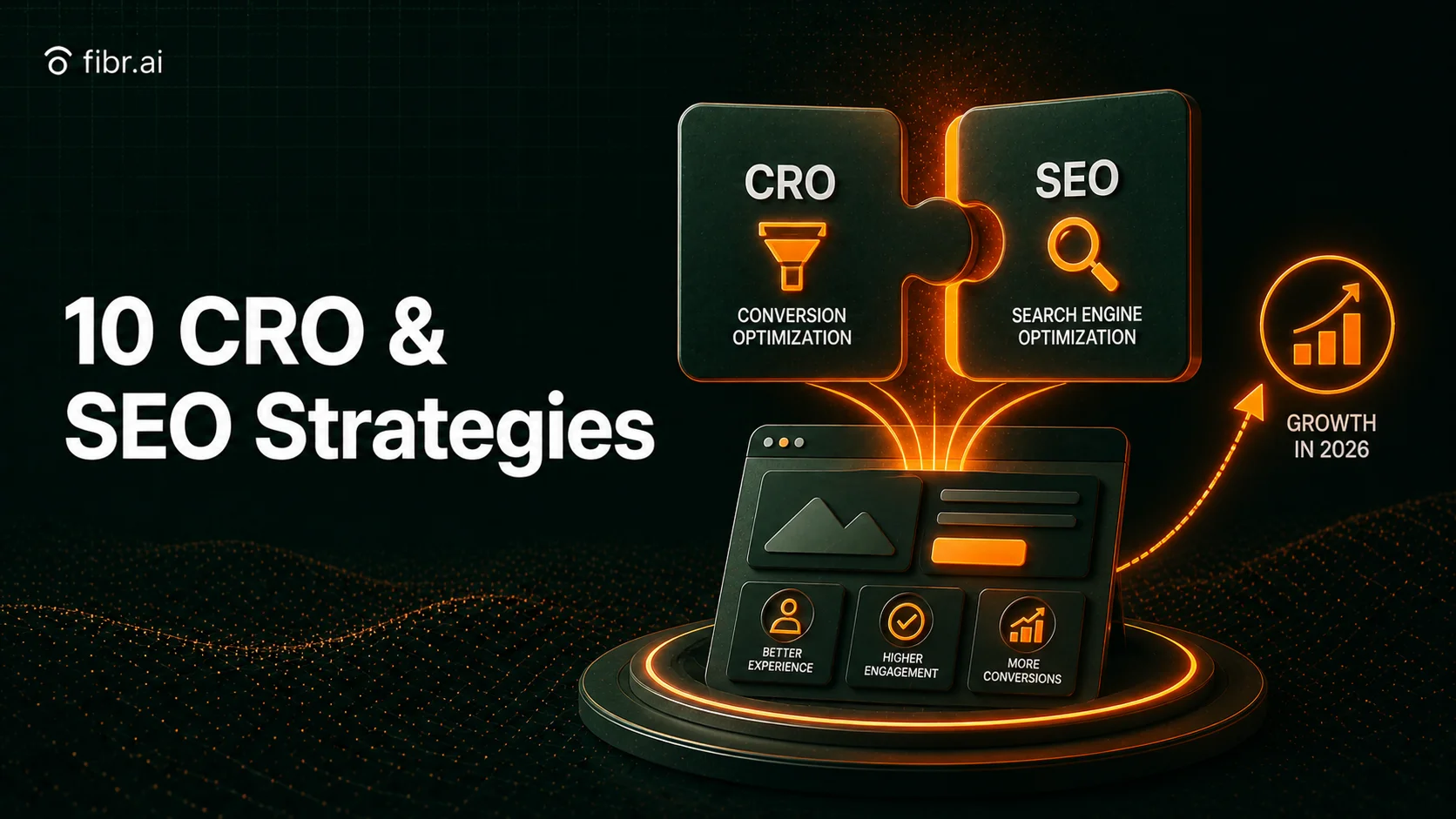
Building a successful AI-driven conversion system requires a structured approach. Follow these steps to create a strategy that delivers measurable results.
Step 1: Audit Your Current Data Infrastructure
Before implementing AI, ensure your analytics are accurate. Set up proper event tracking for key actions like form submissions, button clicks, and scroll depth. Integrate your analytics platform with your CRM and advertising accounts. This creates a unified data source that AI tools can analyze effectively.
Step 2: Identify High-Value Conversion Paths
Map out the journey from search query to conversion. Identify which pages receive the most traffic and which ones have the highest drop-off rates. Use AI-powered analytics tools to visualize user flows and pinpoint where visitors abandon the process. This reveals the pages that will benefit most from optimization.
Step 3: Implement AI-Powered Personalization Tools
Choose a personalization platform that integrates with your CMS. Tools like Optimizely, VWO, or Dynamic Yield offer AI-driven testing and personalization features. Start with simple changes like dynamic headlines based on search intent. Gradually expand to personalized product recommendations and content blocks.
Step 4: Create Intent-Specific Landing Pages
Use AI keyword clustering to identify distinct search intents within your niche. Create dedicated landing pages for each cluster. Ensure the page copy, headlines, and calls-to-action directly address the specific query. Remove navigation menus and other distractions that pull visitors away from the conversion goal.
Step 5: Launch Predictive A/B Testing
Set up AI-driven experiments on your highest-traffic pages. Let the system test different headlines, images, button colors, and page layouts. Allow the AI to automatically allocate traffic to winning variations. Monitor the results weekly and let the system learn from the data.
Step 6: Continuously Feed the AI with New Data
The system improves with more data. Regularly add new content, update existing pages, and track new keywords. The A This creates a self-improving loop that compounds over time.
Common Mistakes in AI SEO CRO Strategy and How to Avoid Them
Many businesses fail to see results from their AI initiatives due to avoidable errors. Recognizing these pitfalls is the first step to overcoming them.
Mistake 1: Ignoring Search Intent in Favor of Volume: Targeting high-volume keywords that don’t match your product’s intent attracts the wrong audience. These visitors bounce quickly, hurting both rankings and conversion rates. Focus on keywords that indicate purchase readiness or strong interest.
Mistake 2: Treating All Traffic Equally: A visitor from a “best price” query has different needs than one from a “how to use” query. Failing to differentiate these experiences leads to poor conversion rates. Use AI to segment traffic and tailor experiences accordingly.
Mistake 3: Over-Optimizing for Bots Instead of Humans: Some businesses use AI to stuff content with keywords or manipulate rankings. Search engines penalize this behavior. Focus on creating genuinely useful content that answers questions and solves problems.
Mistake 4: Neglecting Mobile User Experience: A significant portion of search traffic comes from mobile devices. If your AI personalization only applies to desktop, you’re missing a huge opportunity. Ensure your strategy includes mobile-specific optimizations.
Mistake 5: Expecting Immediate Results: AI systems need time to learn and optimize. Expecting overnight success leads to premature abandonment of the strategy. Give the system at least 60-90 days to gather sufficient data and show meaningful improvements.
Important Notes for Long-Term Success
An AI SEO CRO strategy is not a one-time project. It requires ongoing commitment and adaptation. Search algorithms change, user behaviors shift, and new AI capabilities emerge. Staying ahead requires continuous learning and flexibility.
Always prioritize user experience over short-term conversion tricks. A page that converts well but frustrates users will eventually lose rankings. The goal is to create a seamless experience that satisfies both search engines and human visitors. Regularly review your analytics to ensure your AI tools are delivering value and not just generating noise.
Finally, maintain a human oversight role. AI provides recommendations, but human creativity and empathy are irreplaceable. Use AI to handle data analysis and repetitive tasks, freeing your team to focus on strategy, storytelling, and building genuine connections with your audience.
Frequently Asked Questions
What is the difference between AI SEO and traditional SEO?
Traditional SEO relies on manual keyword research, backlink building, and content optimization based on experience and guesswork. AI SEO uses machine learning algorithms to analyze massive datasets, predict algorithm changes, automate content optimization, and personalize user experiences. AI SEO is faster, more accurate, and continuously adapts to new data without human intervention.
How does AI improve conversion rate optimization?
AI improves CRO by analyzing user behavior at scale. It identifies patterns in how visitors interact with pages, predicts which elements will drive conversions, and automatically tests variations. AI can personalize content in real-time for each visitor, removing friction points and presenting the most relevant information. This leads to significantly higher conversion rates compared to manual testing methods.
What tools are best for implementing an AI SEO CRO strategy?
Popular tools include Surfer SEO for content optimization, Clearscope for keyword intent analysis, and MarketMuse for content planning. For personalization and testing, platforms like Optimizely, VWO, and Dynamic Yield offer robust AI features. Google Analytics 4 with its machine learning insights is essential for data collection. The best toolset depends on your specific needs, budget, and technical capabilities.
How long does it take to see results from an AI SEO CRO strategy?
Initial results can appear within 4-6 weeks as AI tools begin optimizing content and running tests. However, significant improvements in conversion rates typically take 3-6 months. The AI needs time to gather sufficient data, run meaningful experiments, and learn which variations work best for your specific audience. Patience and consistent monitoring are essential for success.
Can small businesses benefit from AI SEO CRO strategies?
Yes, small businesses can benefit significantly. Many AI tools offer affordable pricing tiers and require no coding skills. Even basic AI-powered keyword clustering and content optimization can provide a competitive advantage. Small businesses often see faster results because they can implement changes quickly without bureaucratic delays. Starting with a simple AI content tool and basic personalization is a practical first step.
Conclusion
An AI SEO CRO strategy represents the next evolution in digital marketing. It moves beyond the outdated approach of chasing traffic and hoping for conversions. By leveraging machine learning to understand search intent and user behavior, businesses can create a powerful, self-optimizing system that turns organic search into a predictable revenue channel. The integration of AI allows for unprecedented personalization, faster testing, and deeper insights into customer psychology.
The future belongs to marketers who embrace this data-driven approach. Those who combine the analytical power of AI with human creativity and strategic thinking will dominate their niches. The time to implement an AI SEO CRO strategy is now. Start by auditing your data, identifying your highest-value pages, and selecting the right AI tools. With consistent effort and continuous optimization, the results will speak for themselves in both search rankings and bottom-line revenue.
Xem thêm:
- AI SEO Organization Schema: The Complete Guide to Structured Data for AI Search
- AI SEO Brand Mentions: The Complete Guide to Digital PR in the Age of Algorithms
- AI SEO Resource Page Links: The Complete Guide to Building High-Quality Backlinks in 2025
- AI SEO Content Scaling: The Complete Playbook for 2025 and Beyond
- AI SEO Content Updates: The Complete Guide to Staying Ahead in 2025
Bài viết cùng chủ đề:

AI SEO SEO Automation with Make: The Complete Workflow Guide

AI SEO SEO Automation with Zapier: The Complete Workflow Guide

AI SEO SEO Automation with n8n: The Complete Workflow Guide
AI SEO SEO Automation with Gemini: The Complete Guide to Scaling Organic Growth

AI SEO SEO Automation with Claude: The Complete Guide to Scaling Content in 2025

AI SEO SEO Automation with ChatGPT: The Complete Playbook for 2025

AI SEO & SEO Automation for Affiliate Sites: The 2025 Playbook for Passive Income Growth
AI SEO & SEO Automation for Bloggers: The Complete Guide to Scaling Your Content

AI SEO & SEO Automation for Agencies: The Complete 2025 Playbook

AI SEO and SEO Automation for Ecommerce: The Complete Playbook for 2025

AI SEO & SEO Automation for WordPress: The Complete Playbook for 2025
AI SEO SEO Automation Strategy: The Complete Playbook for 2025

Mastering the AI SEO SEO Automation Process: A Complete Guide to Scaling Organic Growth
AI SEO SEO Automation System: The Complete Guide to Scaling Organic Growth in 2025
AI SEO SEO Automation Platform: The Complete Guide to Scaling Organic Growth in 2025
AI SEO SEO Automation Software: The Complete Guide to Scaling Organic Growth in 2025















