
No products in the cart.
AI SEO Content Updates: The Complete Guide to Staying Ahead in 2025
31
Jul
Jul
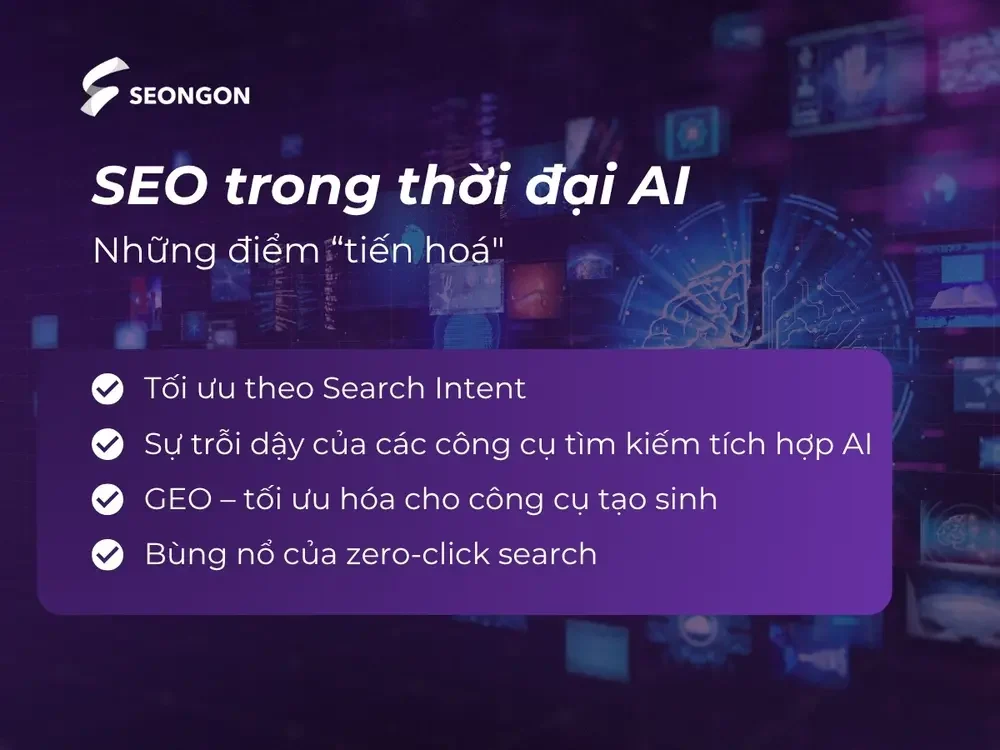
The landscape of search engine optimization is shifting beneath our feet at an unprecedented pace. Every few months, a new algorithm update or artificial intelligence feature changes the rules of the game. For digital marketers, content creators, and business owners, keeping up with AI SEO content updates is no longer a luxury—it is a survival necessity. These updates are not just about tweaking meta descriptions; they represent a fundamental change in how search engines understand, rank, and display content. This guide breaks down the most critical AI-driven changes, how they affect your strategy, and the exact steps you need to take to maintain visibility and organic traffic.
What Are AI SEO Content Updates?
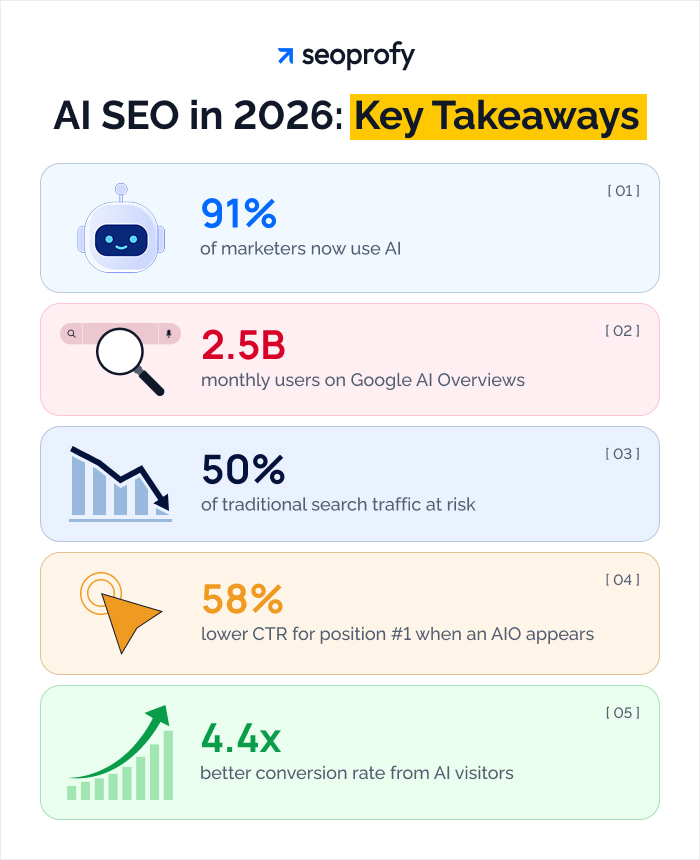
AI SEO content updates refer to the continuous modifications and enhancements made to search engine algorithms that utilize artificial intelligence and machine learning to evaluate web content. Unlike traditional updates that focused on keywords and backlinks, these updates prioritize semantic understanding, user intent, and content helpfulness. Google’s RankBrain, BERT, and the more recent MUM (Multitask Unified Model) are prime examples of AI systems that process queries and content in a human-like manner.
The core nature of these updates is predictive and contextual. Instead of simply matching exact phrases, AI models analyze the relationships between words, the structure of arguments, and the depth of expertise demonstrated. This means that content written solely for bots, with repetitive keywords and thin value, is being systematically devalued. The shift is toward rewarding content that demonstrates Experience, Expertise, Authoritativeness, and Trustworthiness (E-E-A-T).
The Evolution of Search Algorithms: From Keywords to Concepts
To understand the impact of AI SEO content updates, it is essential to look at the timeline of search engine evolution. In the early 2000s, SEO was a game of exact-match domains and keyword density. If you wanted to rank for “best running shoes,” you repeated that phrase dozens of times on a page. The result was often robotic, unreadable content that provided little value to the user.
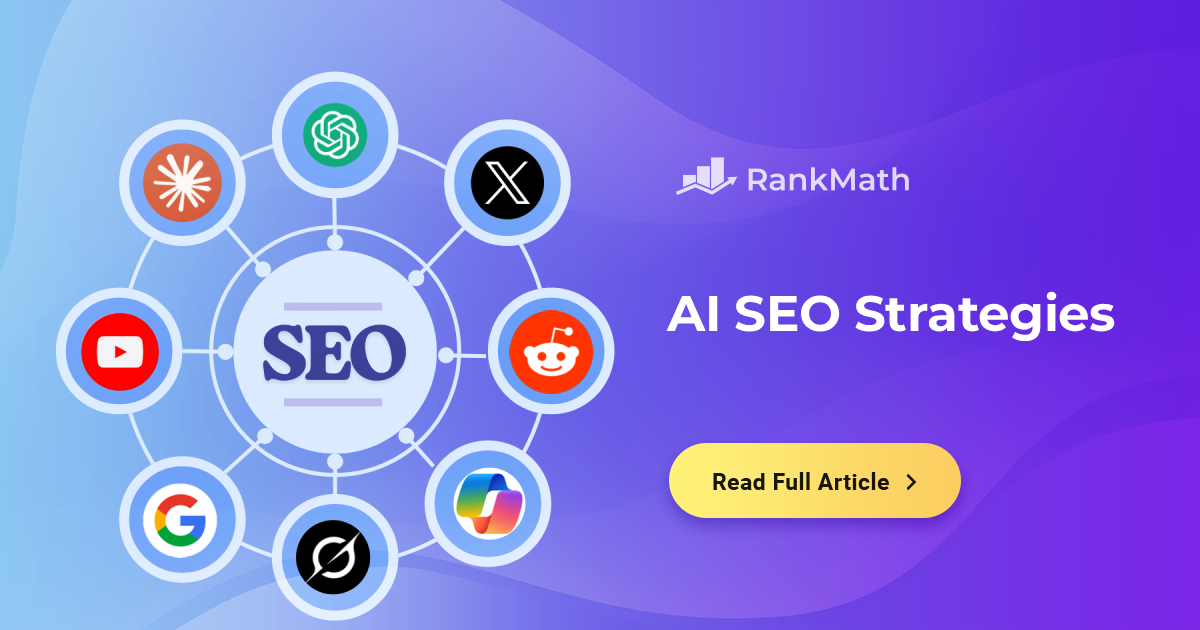
The introduction of RankBrain in 2015 marked the first major step toward AI. RankBrain used machine learning to interpret unfamiliar queries and map them to known concepts. Then came BERT in 2019, which focused on understanding the nuances of prepositions and context. The most recent significant leap is the integration of generative AI into search results, such as Google’s Search Generative Experience (SGE) and AI Overviews. These features synthesize information from multiple sources to provide direct answers, drastically reducing the click-through rate for traditional blue links.
This evolution means that the old playbook of “write 2,000 words and stuff it with keywords” is obsolete. The new playbook requires content that answers questions comprehensively, uses structured data to help AI parse information, and builds a topical authority that machines can recognize.
Key Components of Modern AI SEO Content Updates
Understanding the components of these updates helps in creating a resilient strategy. There are three primary pillars that AI algorithms currently evaluate:
1. Semantic Search and Entity Recognition
AI systems now identify entities (people, places, things, concepts) and the relationships between them. Content that clearly defines entities and connects them logically tends to perform better. For example, an article about “content marketing” should naturally link to entities like “SEO,” “audience persona,” and “conversion rate.” This helps the AI build a knowledge graph of your site.
2. User Interaction Signals
AI updates now heavily weight how users interact with your content in the search results. Metrics like dwell time (how long a visitor stays on your page), bounce rate, and pogo-sticking (clicking back to search results quickly) are critical. If users consistently leave your page within seconds, the AI interprets this as a sign that your content does not match the query intent, leading to a drop in rankings.
3. Content Freshness and Relevance Decay
AI models are trained on temporal data. They understand when information becomes outdated. For YMYL (Your Money or Your Life) topics like health, finance, and legal advice, the freshness of content is paramount. AI SEO content updates now include a “recency score” that can boost or penalize pages based on how current the statistics, examples, and references are.
Benefits and Limitations of AI-Driven Content Optimization
Adopting a strategy aligned with AI SEO content updates offers significant advantages, but it also comes with constraints that marketers must acknowledge.
| Aspect | Benefits | Limitations |
|---|---|---|
| Search Intent Matching | Higher relevance leads to better user satisfaction and conversion rates. | Requires deep research into user psychology, not just keyword data. |
| Content Quality | Rewards in-depth, original research and unique insights. | High production cost and time investment for every piece of content. |
| Automation | AI tools can help identify content gaps and optimize meta data quickly. | Over-reliance on AI writing tools can produce generic, low-quality output that gets penalized. |
| Scalability | AI can analyze thousands of pages to suggest updates at scale. | Requires technical expertise to interpret data and implement changes correctly. |
The primary benefit is the ability to create content that genuinely serves the user, which builds long-term brand equity. The limitation is that this approach demands more rigorous editorial standards and continuous monitoring. T
Practical Guide: How to Update Your Content for AI Search
Updating existing content is often more effective than creating new pages.
Step 1: Perform a Content Audit with AI Tools
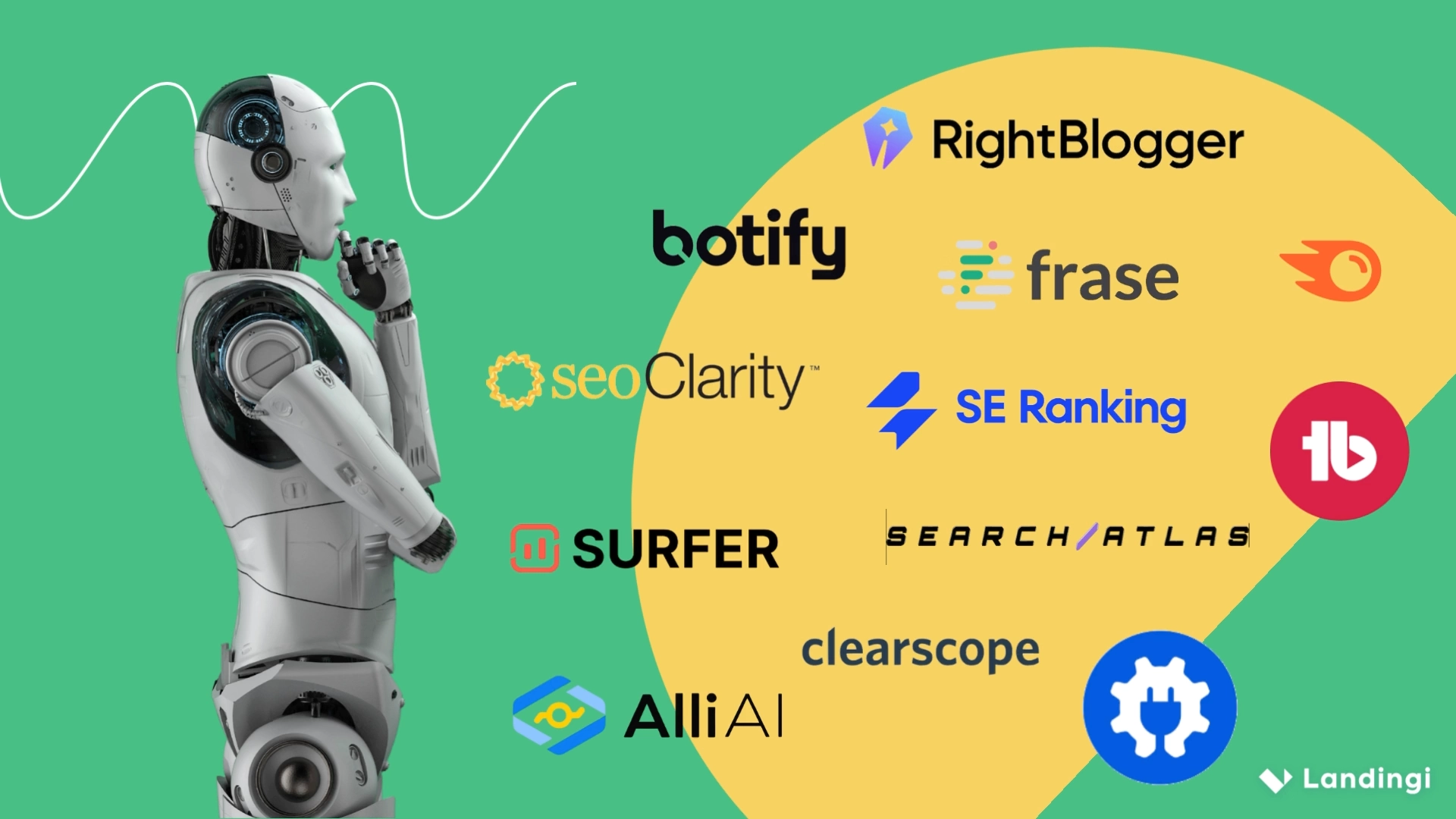
Use platforms like Surfer SEO, Clearscope, or MarketMuse to analyze your top 20 pages. These tools use machine learning to compare your content against the top-ranking pages for your target keywords. They will highlight missing subtopics, readability issues, and keyword gaps. Focus on pages that are ranking on page 2 (positions 11-20) as they have the highest potential for quick wins.
Step 2: Restructure for Featured Snippets and AI Overviews
AI Overviews often pull information from pages that have clear, concise formatting. Ensure your content has a direct answer to the primary query within the first 100 words. Use bullet points, numbered lists, and tables to present data. Add an FAQ section using schema markup (FAQPage) to increase the chances of being selected as a rich result.
Step 3: Enhance Entity Coverage
Review your content for missing entities. If you are writing about “digital marketing,” ensure you cover related entities like “PPC,” “email automation,” “CRM,” and “analytics.” Use internal links to connect these entities across your site. This builds a semantic web that AI crawlers can easily navigate.
Step 4: Refresh Data and Statistics
Replace any statistics older than 18 months. Look for recent industry reports, case studies, or surveys to cite. Update the “last updated” date on the page to signal freshness to the crawler. If you cannot find new data, consider conducting your own original research or survey to create a unique data point that no competitor has.
Step 5: Optimize for Voice Search and Conversational Queries
AI updates have made voice search more accurate. People ask questions in full sentences. Include long-tail keywords that mimic natural speech patterns. For example, instead of “best coffee machine,” use “what is the best coffee machine for a small kitchen?” This aligns with how AI parses conversational language.
Common Mistakes to Avoid with AI SEO Content Updates
Many website owners inadvertently harm their rankings by reacting incorrectly to these updates. Here are the most frequent pitfalls and how to avoid them.
- Ignoring User Intent for Keyword Volume: Chasing high-volume keywords that do not match the page’s purpose leads to high bounce rates. Always prioritize intent over volume.
- Using AI to Generate Entire Articles Unedited: Google’s spam policies explicitly target mass-produced AI content that lacks human oversight. Use AI for outlines and research, but write the final draft with human expertise and personal experience.
- Removing Content Too Quickly: When an update hits, t Instead, update and improve them. Deleting pages removes your topical authority and internal link equity.
- Neglecting Technical SEO: AI crawlers need to access your content efficiently. Slow page speed, broken links, and poor mobile rendering will negate any content quality improvements.
- Focusing Only on Text: AI models are multimodal. They can process images, videos, and audio. Ensure you have alt text, video transcripts, and descriptive file names to help AI understand your multimedia assets.
Important Notes on E-E-A-T and AI Content
The concept of E-E-A-T is now deeply integrated into AI SEO content updates. Experience is the newest addition, and it is crucial. AI cannot fake experience. If you are writing about a product, you need to show that you have actually used it. Include photos of the product in use, mention specific quirks, and provide personal anecdotes.
Expertise requires that the author is a recognized authority on the subject. Add author bios with credentials, links to their LinkedIn profiles, and a track record of published work in the field. Authoritativeness is built through external mentions and backlinks from reputable sites. Trustworthiness is established through transparent sourcing, clear privacy policies, and accurate information.
When using AI to assist in content creation, always disclose it if required by your industry regulations. More importantly, ensure that the final output is fact-checked. AI hallucinations (false information presented as fact) can destroy your trustworthiness instantly.
Frequently Asked Questions
How often do AI SEO content updates happen?
Google releases thousands of minor updates each year, but major core updates that significantly impact rankings occur roughly 4 to 6 times annually. Additionally, the underlying AI models (like RankBrain and MUM) are continuously learning and evolving in real-time, meaning the algorithm is never truly static.
Will AI replace the need for human writers in SEO?
No. While AI can generate drafts and optimize for keywords, it lacks the real-world experience, unique perspective, and emotional intelligence required to build trust with readers. Search engines are actively rewarding content that demonstrates human experience, making human writers more valuable, not less.
What is the difference between Google’s core updates and AI updates?
Core updates are broad changes to the overall ranking system, often involving multiple factors. AI updates specifically refer to the implementation of machine learning models that change how the search engine interprets queries and content. Most modern core updates are driven by AI, but not all AI changes are announced as core updates.
How do I check if my content is affected by an AI update?
Monitor your Google Search Console for significant drops in impressions and clicks. Use tools like Ahrefs or Semrush to track keyword position changes. If you see a sudden drop after a confirmed update, audit your content for thin sections, outdated data, or a mismatch between the title tag and the actual content body.
Should I use AI tools to write all my SEO content?
You should use AI tools to assist with research, outlining, and generating initial drafts. However, the final output must be edited by a human expert who can add personal insights, verify facts, and ensure the content aligns with the brand’s voice. Fully automated content without human review is high-risk and often fails to rank.
Conclusion
The era of static SEO is over. AI SEO content updates demand a dynamic, agile approach to content creation and maintenance. The key takeaway is that search engines are now sophisticated enough to distinguish between content created for algorithms and content created for humans. By focusing on semantic depth, user experience, and demonstrable expertise, you can not only survive these updates but thrive because of them.
Regularly auditing your content, refreshing data, and building a robust internal linking structure are non-negotiable tasks. Embrace AI as a tool for analysis and efficiency, but keep the human element at the core of your writing. The websites that will dominate search results in the coming years are those that treat their content as a living, breathing resource that evolves alongside the AI systems that index it. Start implementing these strategies today to future-proof your organic visibility.
Xem thêm:
- AI SEO Traffic Forecast: The Complete Guide to Predicting Organic Growth
- How to Use ChatGPT for SEO: A Complete Blueprint for AI-Driven Search Success
- Mastering AI SEO Prompt Engineering: A Complete Guide to Smarter Content Strategies
- AI SEO Ubersuggest: The Complete Guide to Smarter Keyword Research in 2025
- AI SEO Community: The Ultimate Hub for Modern Search Professionals
Bài viết cùng chủ đề:

AI SEO SEO Automation with Make: The Complete Workflow Guide

AI SEO SEO Automation with Zapier: The Complete Workflow Guide

AI SEO SEO Automation with n8n: The Complete Workflow Guide
AI SEO SEO Automation with Gemini: The Complete Guide to Scaling Organic Growth

AI SEO SEO Automation with Claude: The Complete Guide to Scaling Content in 2025

AI SEO SEO Automation with ChatGPT: The Complete Playbook for 2025

AI SEO & SEO Automation for Affiliate Sites: The 2025 Playbook for Passive Income Growth
AI SEO & SEO Automation for Bloggers: The Complete Guide to Scaling Your Content

AI SEO & SEO Automation for Agencies: The Complete 2025 Playbook

AI SEO and SEO Automation for Ecommerce: The Complete Playbook for 2025

AI SEO & SEO Automation for WordPress: The Complete Playbook for 2025
AI SEO SEO Automation Strategy: The Complete Playbook for 2025

Mastering the AI SEO SEO Automation Process: A Complete Guide to Scaling Organic Growth
AI SEO SEO Automation System: The Complete Guide to Scaling Organic Growth in 2025
AI SEO SEO Automation Platform: The Complete Guide to Scaling Organic Growth in 2025
AI SEO SEO Automation Software: The Complete Guide to Scaling Organic Growth in 2025















