
No products in the cart.
AI SEO Organization Schema: The Complete Guide to Structured Data for AI Search
10
Aug
Aug
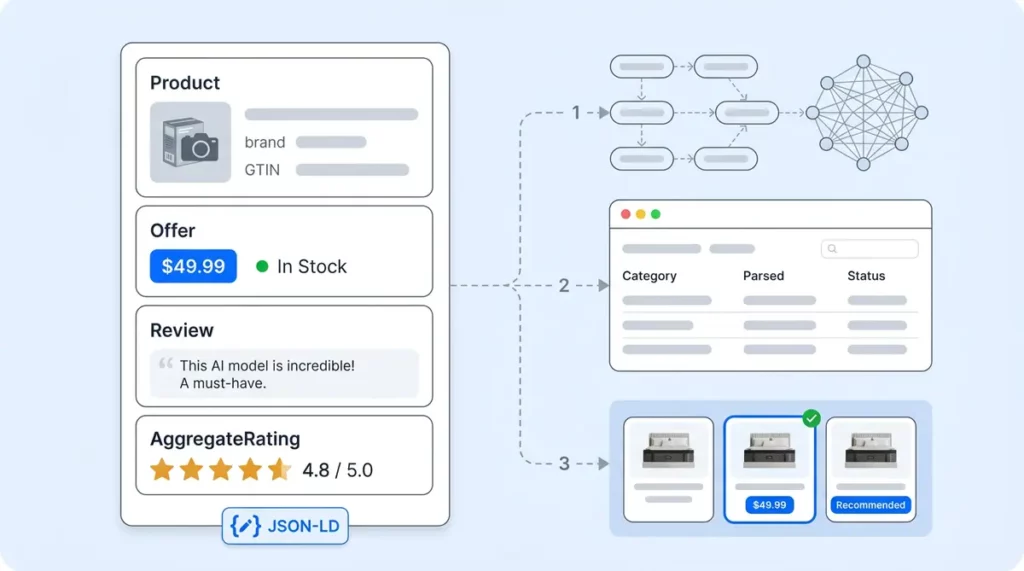
AI SEO Organization Schema represents the intersection of traditional structured data and the new reality of AI-driven search engines. As Google, Bing, and emerging AI platforms like ChatGPT and Perplexity increasingly rely on entity understanding, the Organization schema has evolved from a simple rich result enhancer into a critical component for brand visibility. This guide explains how to implement AI SEO Organization Schema to help search engines and AI models accurately interpret your business, build trust, and secure prominent placement in AI-generated answers.
What Is AI SEO Organization Schema?
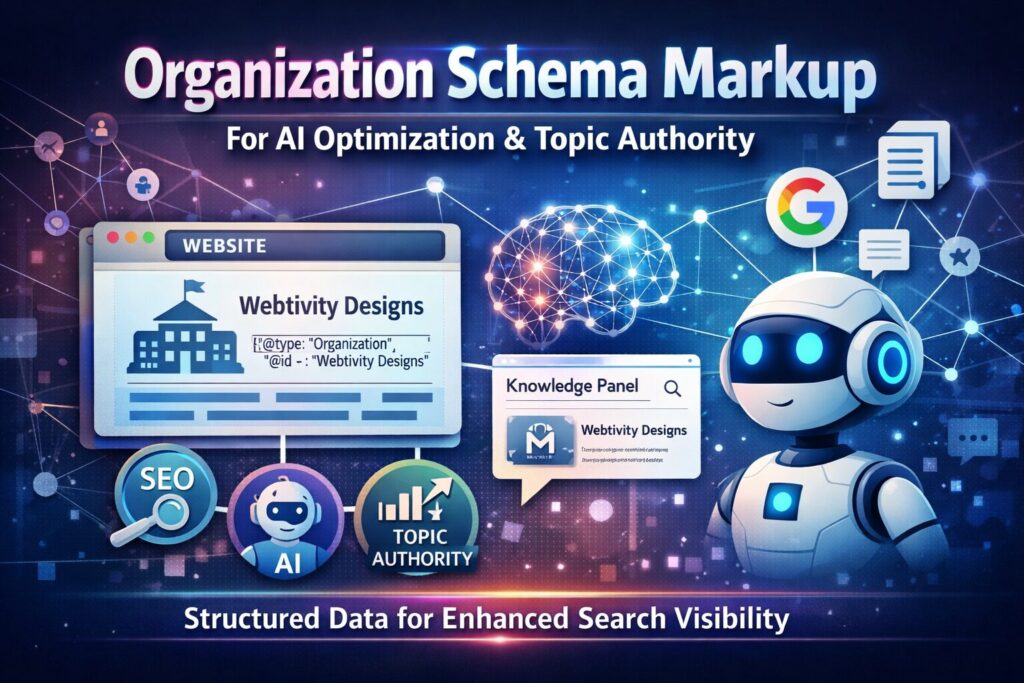
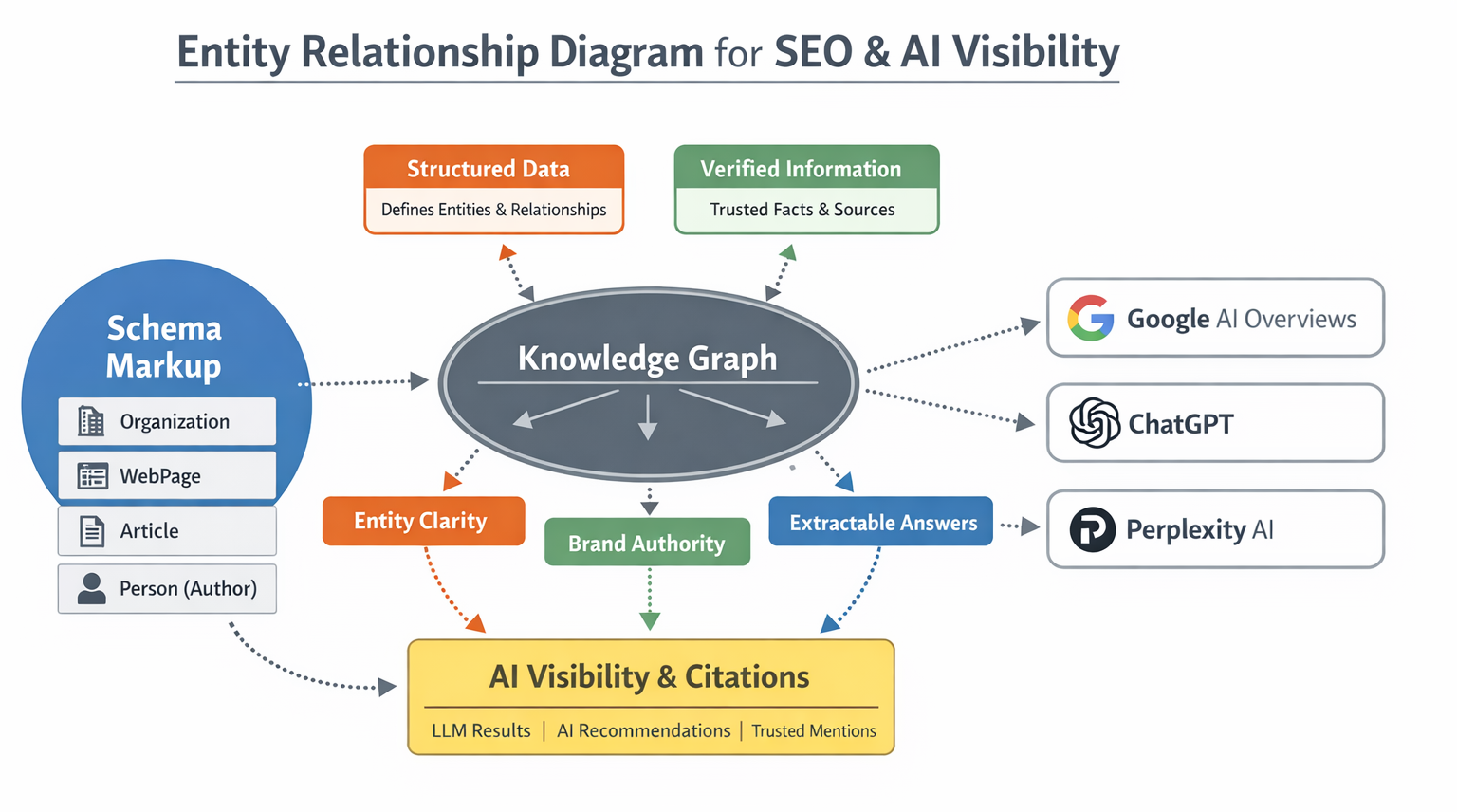
AI SEO Organization Schema is the strategic implementation of Schema.org’s Organization markup, optimized specifically for how artificial intelligence systems process and retrieve information. While traditional SEO focuses on keyword matching, AI-driven search relies on entity recognition and relationship mapping. The Organization schema provides explicit signals about who you are, what you do, and how you relate to other entities in your industry.
This structured data vocabulary, maintained by Schema.org, uses a standardized format that machines can parse. When you implement Organization schema, you tell search engines and AI models that your website represents a real-world entity with specific attributes, contact information, social profiles, and relationships. This creates a knowledge graph entry that AI systems can reference when generating answers to user queries.
The Evolution from Traditional Schema to AI-Optimized Schema
Traditional schema markup focused on helping search engines display rich snippets in standard results. AI SEO Organization Schema goes further by optimizing for how large language models and knowledge graphs process information. AI systems don’t just read your schema—they use it to build contextual understanding, verify claims, and establish entity authority.
For example, when an AI assistant answers “What company makes the best project management software?” it doesn’t just match keywords. It identifies entities, evaluates their relationships, checks their organizational attributes, and synthesizes an answer. Properly implemented Organization schema gives AI systems the structured facts they need to include your brand in those answers.
Why AI SEO Organization Schema Matters in 2025 and Beyond
The search landscape has fundamentally shifted. Google’s Search Generative Experience (SGE), AI Overviews, and standalone AI chatbots now answer queries directly, often without showing traditional blue links. When your Organization schema is properly implemented, AI systems can confidently reference your brand as a trustworthy source.
Consider these statistics: AI-powered search results now appear for over 84% of complex queries in some verticals. Users increasingly trust AI-generated answers that cite specific organizations. If your business lacks structured entity data, AI systems may struggle to verify your existence, leading to omission from AI-generated recommendations.
How AI Search Engines Use Organization Schema
AI search engines process Organization schema through several mechanisms. First, they extract the core entity information—name, URL, logo, and description—to create a knowledge graph entry. Second, they analyze the relationships defined in your schema, such as parent organizations, subsidiaries, or affiliations. Third, they cross-reference your schema data with other sources to verify accuracy and build trust scores.
When your Organization schema aligns with other signals like Google Business Profile, social media profiles, and industry directories, AI systems gain confidence in your entity’s legitimacy. This confidence directly impacts whether your brand appears in AI-generated answers, voice search responses, and conversational search results.
Core Components of AI SEO Organization Schema
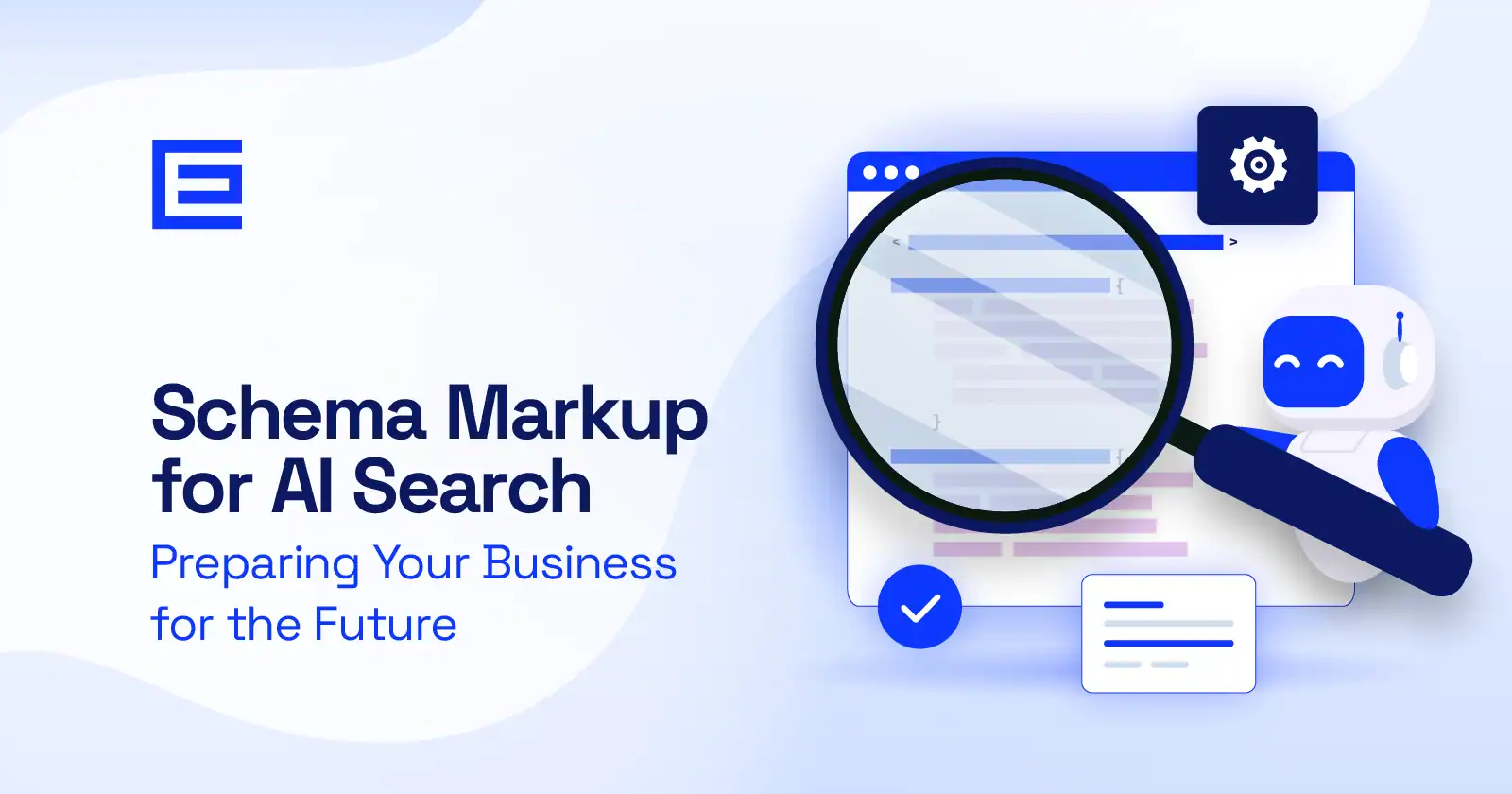
Implementing effective AI SEO Organization Schema requires attention to specific properties that AI systems prioritize. The following components form the foundation of a robust implementation.
Essential Properties for AI Understanding
The @type property must be set to “Organization” or a more specific subtype like “Corporation,” “EducationalOrganization,” or “NGO.” This tells AI systems exactly what kind of entity you represent. The name property should match your official business name exactly as it appears in legal documents and major directories.
The url property points to your official website, while logo should reference your brand logo image with proper dimensions. The description property provides a concise summary of your business—AI systems often use this directly in generated answers, so craft it carefully with relevant keywords and clear value propositions.
Contact and Location Data
AI systems need to verify your physical presence. Include address with street address, locality, region, postal code, and country. The telephone property should use international format. For businesses with multiple locations, use the subOrganization or department properties to create a hierarchical structure.
Your contactPoint property should specify customer service, sales, or technical support contacts. Each contact point should include contactType, telephone, and availableLanguage to help AI systems route queries appropriately.
Social Profiles and Identity Signals
The sameAs property is crucial for AI entity resolution. List your official social media profiles, Wikipedia page, Crunchbase profile, and other authoritative identity sources. AI systems use these cross-references to confirm that your Organization schema represents the same entity found elsewhere on the web.
Include foundingDate to establish longevity, numberOfEmployees for scale context, and areaServed to define your geographic reach. These properties help AI systems contextualize your organization within industry comparisons.
How to Implement AI SEO Organization Schema
Implementation requires technical precision and strategic thinking. Follow this step-by-step approach to ensure your Organization schema maximizes AI visibility.
Step 1: Choose Your Implementation Method
Three primary methods exist for implementing schema markup. JSON-LD is the recommended format because it’s easy to maintain, doesn’t interfere with HTML rendering, and is preferred by Google and most AI systems. Microdata and RDFa are older alternatives that embed schema directly into HTML attributes.
For AI SEO Organization Schema, JSON-LD offers the advantage of being easily updatable without touching page content. You can place the JSON-LD script in the head section of your homepage or use a tag manager to inject it dynamically.
Step 2: Create Your Organization JSON-LD
Construct your JSON-LD object with all relevant properties. Start with the basic structure and progressively add properties as you gather accurate data. org”, @type set to “Organization”, and then all the properties discussed above. Validate your markup using Google’s Rich Results Test or Schema.org’s validator to ensure there are no syntax errors.
Step 3: Deploy and Monitor
After implementation, monitor how search engines and AI systems interpret your schema. Use Google Search Console’s Rich Results report to check for errors or warnings. Track your brand’s presence in AI-generated answers by testing relevant queries in ChatGPT, Google AI Overviews, and Bing Chat.
Regularly audit your schema for accuracy. If your business changes address, phone number, or branding, update the schema immediately. Inconsistent data between your schema and other sources can confuse AI systems and reduce trust.
AI SEO Organization Schema vs. LocalBusiness Schema
Understanding the distinction between Organization and LocalBusiness schema is essential for proper implementation. While they share many properties, they serve different purposes in AI search.
| Feature | Organization Schema | LocalBusiness Schema |
|---|---|---|
| Primary Purpose | Entity identification and brand authority | Local search visibility and map rankings |
| Key Properties | sameAs, foundingDate, number of employees | geo, openingHours, priceRange |
| Best For | National or global brands, B2B companies | Brick-and-mortar stores, service areas |
| AI Search Impact | Knowledge graph inclusion, brand mentions | Local pack appearance, map results |
| Google Business Profile | Optional but recommended | Required for full benefits |
Many businesses need both schema types. A restaurant chain, for example, should use Organization schema at the corporate level and LocalBusiness schema for each physical location. This creates a clear entity hierarchy that AI systems can navigate.
Benefits of AI SEO Organization Schema
Implementing Organization schema optimized for AI delivers measurable advantages across search channels and AI platforms.
Enhanced Knowledge Graph Presence
When your Organization schema is properly implemented, search engines can confidently display your brand in knowledge panels. These panels appear prominently in search results and provide instant credibility. AI systems reference these knowledge panels when generating answers, increasing your brand’s visibility in AI-driven queries.
Improved AI Answer Accuracy
AI systems struggle with ambiguous or contradictory information. Your Organization schema provides definitive facts that AI models can trust. When an AI assistant needs to answer “Who founded company X?” or “What does company Y do?”, your schema supplies the verified answer directly, reducing the chance of hallucination or incorrect information.
Competitive Advantage in AI Search
Most websites still lack proper Organization schema. By implementing AI-optimized structured data, you gain a first-mover advantage. AI systems prefer entities with clear, verified data over those with sparse or conflicting information. This preference translates into higher visibility in AI-generated recommendations and summaries.
Common Mistakes in AI SEO Organization Schema
Avoiding implementation errors is as important as adding the schema itself. These mistakes frequently undermine AI SEO efforts.
Inconsistent NAP Data
Name, Address, and Phone number inconsistencies across your schema, website, and directories confuse AI systems. If your schema says “ABC Corp” but your Google Business Profile says “ABC Corporation,” AI systems may treat them as separate entities. Conduct a full audit of your NAP data across all platforms and ensure absolute consistency.
Missing sameAs References
Failing to include social profiles and authoritative references weakens entity resolution. AI systems need multiple signals to confirm your identity. Without sameAs references, your Organization schema exists in isolation, making it harder for AI to connect your brand across the web.
Using Outdated Schema Properties
Schema.org evolves continuously. Properties that were valid years ago may now be deprecated or replaced. Stay current with Schema.org documentation and update your markup accordingly. Using outdated properties signals to AI systems that your website may not be well-maintained.
Overusing Schema Markup
Some websites add Organization schema to every page, which dilutes its effectiveness. The Organization schema should primarily appear on your homepage and contact page. For other pages, use more specific schema types like Product, Article, or FAQPage. Overuse can trigger spam filters and reduce trust signals.
Advanced AI SEO Organization Schema Strategies
Once the basics are in place, advanced techniques can further enhance AI visibility and entity authority.
Leveraging SubOrganization Hierarchy
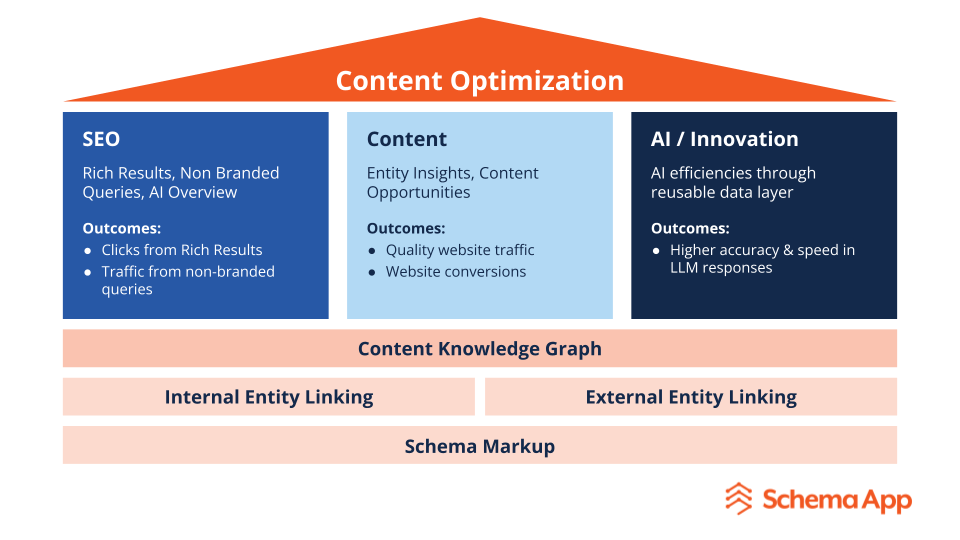
Large organizations with multiple brands or divisions should use the subOrganization property to create a clear hierarchy. This helps AI systems understand the relationship between your parent brand and subsidiaries. For example, a holding company can list its portfolio companies as subOrganizations, clarifying the corporate structure for AI knowledge graphs.
Integrating with Other Schema Types
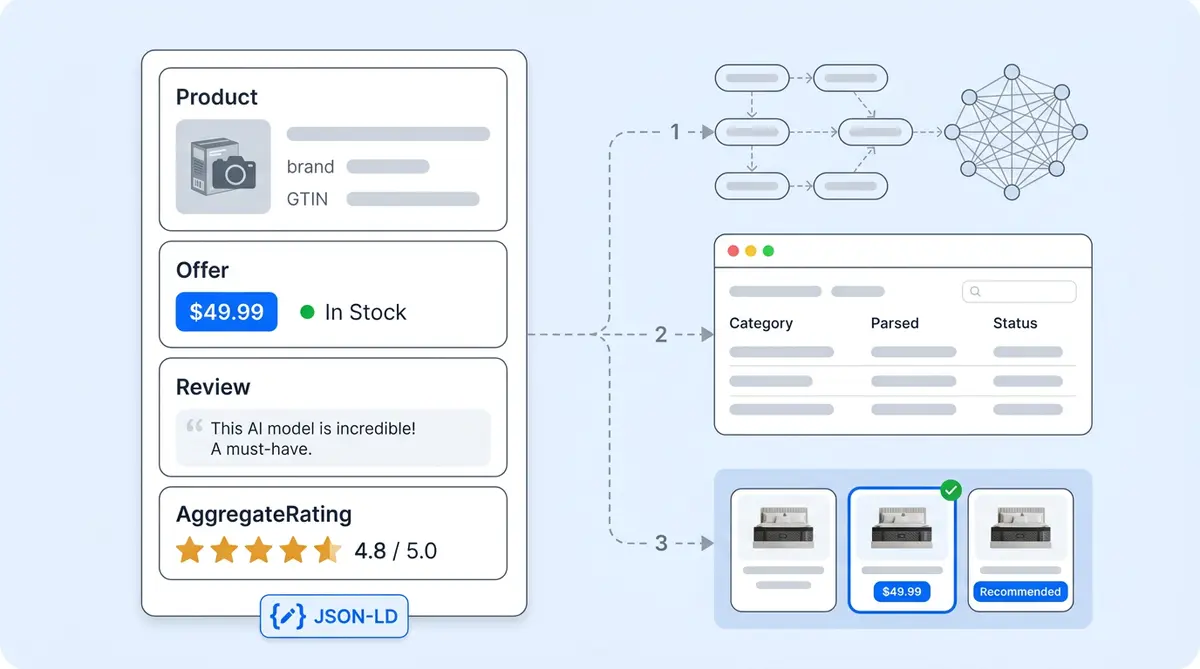
Your Organization schema should connect to other schema types on your website. Link to Person schema for your leadership team, Product schema for your offerings, and Event schema for your webinars or conferences. These connections create a rich entity network that AI systems can traverse to build comprehensive understanding.
Multilingual Organization Schema
For international businesses, implement Organization schema in multiple languages using the inLanguage property or separate schema blocks per language version. This ensures AI systems in different regions can access your entity data in the appropriate language context.
Measuring the Impact of AI SEO Organization Schema
Quantifying the effectiveness of your schema implementation requires tracking specific metrics across different platforms.
Search Console Insights
Monitor your Rich Results report in Google Search Console to see impressions and clicks for Organization schema. Track how these metrics change after implementation. Look for increases in branded queries and knowledge panel impressions.
AI Platform Testing
Regularly test how AI platforms reference your brand. Ask ChatGPT about your company and note the accuracy of its response. Check Google AI Overviews for your key product or service terms. Use Bing Chat to verify your entity data appears correctly. Document these results monthly to track improvement.
Entity Authority Metrics
Tools like Knowledge Panel tracking software can show your entity’s strength and visibility. Monitor your brand’s presence in knowledge graphs and note any changes after schema updates. Increased entity authority often correlates with higher rankings in AI-generated answers.
Important Notes for AI SEO Organization Schema Success
Several critical considerations can make or break your schema implementation strategy.
First, accuracy is non-negotiable. Never include false or exaggerated information in your schema. AI systems cross-reference data across multiple sources, and discrepancies will harm your credibility. If your schema claims 500 employees but LinkedIn shows 50, AI systems will discount your entity data entirely.
Second, schema is not a quick fix. It works synergistically with other SEO efforts. High-quality content, authoritative backlinks, and positive user signals all contribute to how AI systems evaluate your entity. Schema provides the structure, but your overall digital presence provides the substance.
Third, stay adaptable. AI search technology evolves rapidly. What works today may change tomorrow. Follow SEO industry leaders, monitor Schema.org updates, and be prepared to adjust your implementation as AI systems develop new capabilities.
Frequently Asked Questions
What is the difference between Organization schema and Corporate Contact schema?
Organization schema is the broader entity type that defines your business as a whole, including its name, logo, and social profiles. Corporate Contact schema is a more specific subtype that focuses on contact information and is often used for large enterprises with complex communication structures. For most businesses, standard Organization schema with contactPoint properties is sufficient.
Does AI SEO Organization Schema help with voice search?
Yes, voice search assistants like Siri, Google Assistant, and Alexa rely on structured data to answer queries. When a user asks “Who makes ?” or “What company is known for [service]?”, the assistant references Organization schema to provide accurate answers. Proper implementation increases the likelihood your brand is mentioned in voice search responses.
Can I use Organization schema on a blog or personal website?
Yes, even personal brands and blogs should implement Organization schema. If you are a solo consultant, freelancer, or content creator, you can use Organization schema with @type set to “Organization” and your personal name as the organization name. Alternatively, you can use Person schema, but Organization schema provides more properties for establishing brand authority.
How often should I update my Organization schema?
Update your schema whenever your business information changes. This includes address changes, phone number updates, rebranding, or leadership changes. Additionally, review your schema quarterly to ensure it aligns with current Schema.org specifications and AI search best practices.
Will Organization schema guarantee my brand appears in AI search results?
No, schema implementation is not a guarantee of visibility. It is one of many factors AI systems consider. Your content quality, domain authority, user engagement, and overall web presence all influence AI search inclusion. Organization schema creates the foundation, but you must build a comprehensive AI SEO strategy around it.
Conclusion
AI SEO Organization Schema represents a fundamental shift in how businesses must approach search visibility. As AI systems become the primary gateway to information, structured data that clearly defines your entity becomes essential. Implementing comprehensive Organization schema with accurate NAP data, social identity signals, and hierarchical relationships gives AI systems the confidence to reference your brand in generated answers.
The businesses that thrive in the AI search era will be those that treat structured data as a strategic asset rather than a technical afterthought. By following the implementation guidelines, avoiding common mistakes, and continuously optimizing your schema, you position your organization for visibility across traditional search engines, AI assistants, and emerging conversational platforms. Start with accurate data, build your entity network, and monitor your AI search presence to stay ahead in this evolving landscape.
Xem thêm:
- AI Search Volume: The Ultimate Guide to Tracking and Leveraging AI-Related Search Trends
- AI SEO Campaigns: The Blueprint for Data-Driven Organic Growth
- Google AI Mode SEO: A Complete Guide to Optimizing for Google’s AI‑Powered Search Shift
- AI SEO Conversational Search: The Complete Guide to Winning Voice and Chat Queries
- AI SEO Content Architecture: The Complete Blueprint for Scalable Organic Growth
Bài viết cùng chủ đề:

AI SEO SEO Automation with Make: The Complete Workflow Guide

AI SEO SEO Automation with Zapier: The Complete Workflow Guide

AI SEO SEO Automation with n8n: The Complete Workflow Guide
AI SEO SEO Automation with Gemini: The Complete Guide to Scaling Organic Growth

AI SEO SEO Automation with Claude: The Complete Guide to Scaling Content in 2025

AI SEO SEO Automation with ChatGPT: The Complete Playbook for 2025

AI SEO & SEO Automation for Affiliate Sites: The 2025 Playbook for Passive Income Growth
AI SEO & SEO Automation for Bloggers: The Complete Guide to Scaling Your Content

AI SEO & SEO Automation for Agencies: The Complete 2025 Playbook

AI SEO and SEO Automation for Ecommerce: The Complete Playbook for 2025

AI SEO & SEO Automation for WordPress: The Complete Playbook for 2025
AI SEO SEO Automation Strategy: The Complete Playbook for 2025

Mastering the AI SEO SEO Automation Process: A Complete Guide to Scaling Organic Growth
AI SEO SEO Automation System: The Complete Guide to Scaling Organic Growth in 2025
AI SEO SEO Automation Platform: The Complete Guide to Scaling Organic Growth in 2025
AI SEO SEO Automation Software: The Complete Guide to Scaling Organic Growth in 2025















