
No products in the cart.
AI SEO Content Scaling: The Complete Playbook for 2025 and Beyond
31
Jul
Jul
AI SEO content scaling has transformed how digital marketing teams approach content production. Instead of manually drafting every blog post, product description, or landing page, businesses now use artificial intelligence to generate, optimize, and publish content at a pace that was impossible just a few years ago. This shift is not about replacing human writers entirely. It is about creating a workflow where AI handles the heavy lifting of research, drafting, and optimization while humans focus on strategy, brand voice, and editorial judgment. In this comprehensive guide, you will learn what AI SEO content scaling really means, how to implement it effectively, and the pitfalls that can derail your efforts.
What Is AI SEO Content Scaling?
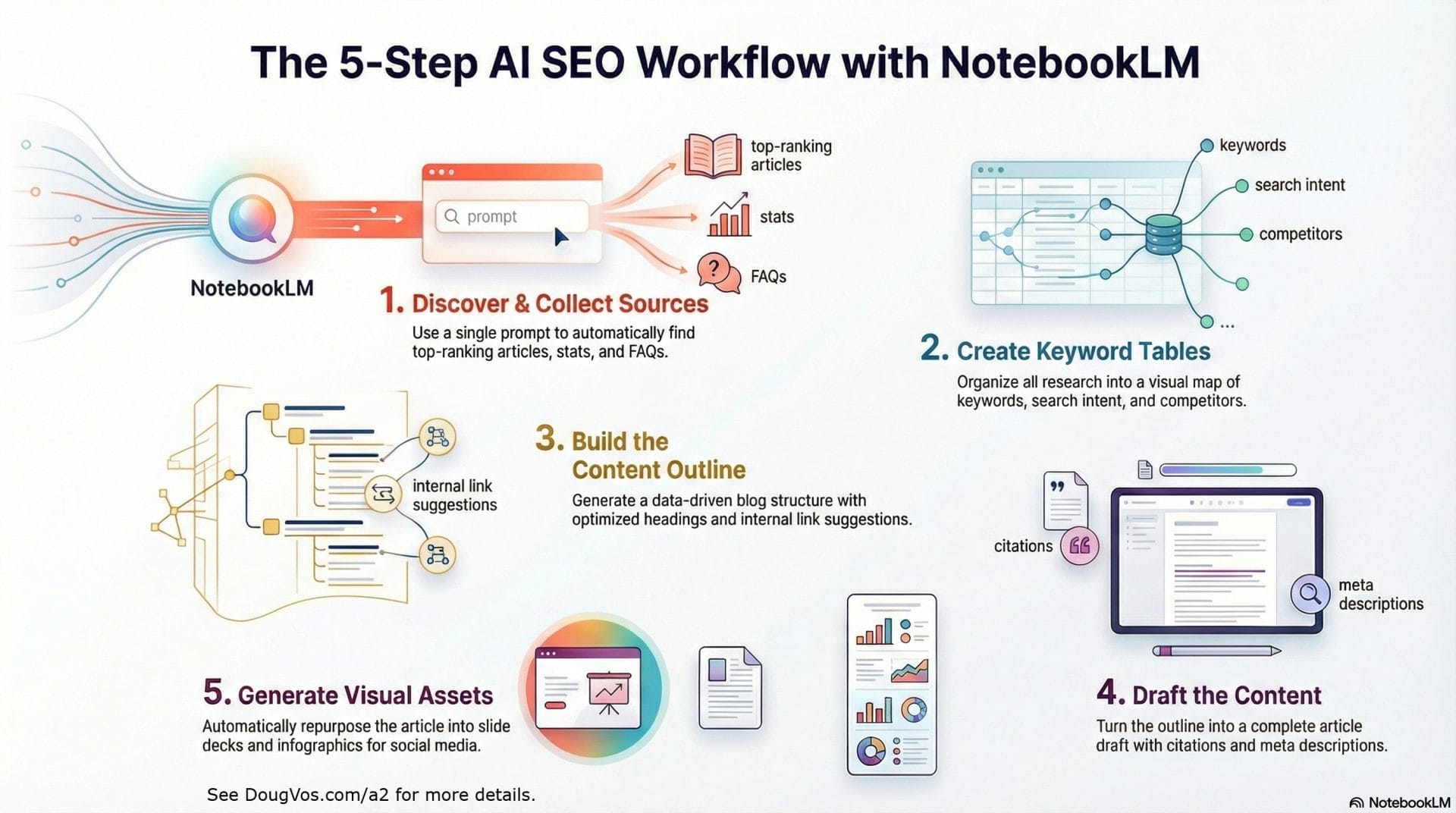
AI SEO content scaling refers to the systematic use of artificial intelligence tools to produce, optimize, and manage large volumes of search-engine-optimized content. The goal is to increase output without proportionally increasing costs or sacrificing quality. This approach leverages large language models, natural language processing, and machine learning algorithms to automate repetitive tasks like keyword research, outline generation, first drafts, meta descriptions, and internal linking suggestions.
The concept goes beyond simple article spinning or template-based writing. Modern AI systems understand search intent, analyze top-ranking pages, and generate content that aligns with what users actually want to find. When executed correctly, AI SEO content scaling allows a small team to maintain a publishing calendar that would typically require a dozen or more writers.
The Core Components of an AI Content Scaling System
To build a successful AI SEO content scaling operation, you need several interconnected components working together. Each piece plays a distinct role in the pipeline from idea to published page.
- Keyword and Topic Research Tools: These identify high-value search terms, question-based queries, and content gaps in your niche.
- AI Writing Assistants: Platforms like ChatGPT, Claude, or specialized SEO tools that generate human-like text based on your prompts and guidelines.
- SEO Optimization Software: Tools that analyze readability, keyword density, semantic relevance, and on-page elements like title tags and headers.
- Content Management System (CMS) Integration: Direct publishing capabilities that allow AI-generated content to flow into your website without manual copy-pasting.
- Human Review Workflow: A structured process where editors check facts, brand consistency, and overall quality before content goes live.
- Performance Analytics: Tracking rankings, organic traffic, engagement metrics, and conversion rates to refine your AI prompts and strategies.
- Cost Efficiency: Hiring freelance writers for 50 articles per month can cost thousands of dollars. AI subscriptions and editing time often cost a fraction of that amount.
- Consistent Output: AI does not get tired, sick, or distracted. You can maintain a predictable publishing schedule without bottlenecks.
- Rapid A/B Testing: Generate multiple versions of a headline, meta description, or intro paragraph to see which performs better in search results.
- Scalability for Large Sites: E-commerce stores with thousands of products, or news sites covering multiple niches, can generate unique descriptions for every page.
- Multilingual Expansion: AI can translate and localize content into dozens of languages, opening new markets without hiring local writers.
- Data-Driven Optimization: AI systems can analyze which content formats and topics drive the most traffic and automatically adjust your content strategy.
- ChatGPT (OpenAI): Versatile for generating outlines, drafts, and brainstorming. The API allows for custom integrations.
- Claude (Anthropic): Excellent for long-form content and nuanced writing, with strong instruction-following capabilities.
- Jasper AI: Built specifically for marketing content, with templates for SEO blog posts, ads, and product descriptions.
- Copy.ai: Good for short-form content and generating multiple variations quickly.
- Surfer SEO: Combines content generation with real-time on-page optimization scores based on top-ranking pages.
- Ahrefs: Comprehensive keyword research, competitor analysis, and content gap identification.
- Semrush: Similar to Ahrefs, with additional tools for content marketing and topic clustering.
- Clearscope or MarketMuse: These tools analyze your content against top-ranking pages and suggest related terms to include for better semantic relevance.
- Zapier or Make: Connect your AI tool to your CMS to automate the publishing process.
- WordPress with REST API: Allows direct posting of AI-generated content with custom scripts.
- Notion or Airtable: Use these as a content pipeline to track ideas, drafts, edits, and published status.
Why AI SEO Content Scaling Matters in 2025
The digital landscape has become incredibly competitive. Every industry, from legal services to pet supplies, is saturated with content. Search engines like Google now index billions of pages, and the average first-page result is over 1,400 words long. Producing enough content to compete requires either a massive budget or a smarter approach.
AI SEO content scaling solves this problem by reducing the time-to-production for each piece. A task that might take a human writer four hours can be completed by an AI system in under ten minutes, including keyword optimization and internal linking. This speed allows businesses to cover more topics, target long-tail keywords, and respond quickly to trending searches.
Moreover, search engines have evolved. Google’s algorithms now prioritize helpful content that demonstrates experience, expertise, authoritativeness, and trustworthiness (E-E-A-T). AI tools can be trained to incorporate these signals by citing credible sources, including data points, and structuring content in a way that satisfies user intent.
Key Benefits of Scaling Content with AI
Understanding the advantages helps justify the investment in tools and training. The benefits extend beyond just saving time.
How to Implement AI SEO Content Scaling: A Step-by-Step Guide
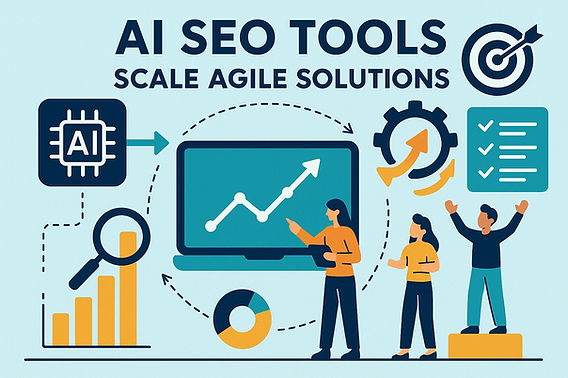
Jumping into AI content generation without a plan leads to generic, low-quality pages that fail to rank. A structured implementation process ensures your content maintains quality while achieving scale.
Step 1: Audit Your Current Content and Identify Gaps
Before generating anything, analyze your existing content. Use tools like Google Search Console, Ahrefs, or Semrush to see which pages are performing well and which are stagnating. Look for topics your competitors cover that you do not. This gap analysis forms the foundation of your AI content briefs.
Step 2: Define Your Brand Voice and Editorial Guidelines
AI models need clear instructions to match your tone. Create a detailed style guide that includes your target audience, preferred vocabulary, sentence length, and examples of do’s and don’ts. Include your unique value proposition and any industry-specific terminology that must be used correctly.
Step 3: Build a Prompt Library for Different Content Types
Develop standardized prompts for blog posts, product descriptions, FAQs, and landing pages. Each prompt should include the target keyword, secondary keywords, desired word count, target audience, and specific instructions about structure. For example, a prompt for a “best practices” article might ask for an introduction, five subheadings, a comparison table, and a conclusion with a call to action.
Step 4: Generate Content in Batches
Instead of generating one article at a time, create batches of 10 to 20 pieces based on your keyword clusters. This allows you to review and edit them together, ensuring consistency across related topics. Use AI tools that support bulk generation and export to Google Docs or your CMS.
Step 5: Implement a Human Review and Editing Process
Never publish AI content without human oversight. Assign an editor to check for factual accuracy, outdated information, and brand alignment. The editor should also verify that the content answers the search query completely and includes unique insights that AI cannot generate, such as proprietary data or personal experience.
Step 6: Optimize On-Page Elements
AI can generate title tags, meta descriptions, and alt text, but you still need to ensure they are compelling and include the target keyword. Use an SEO plugin like Yoast or RankMath to check your on-page scores. Ensure each page has a unique H1, proper header hierarchy, and internal links to relevant existing content.
Step 7: Monitor Performance and Iterate
After publishing, track how your AI-generated content performs over 30, 60, and 90 days. Look at impressions, clicks, average position, and bounce rate. If certain articles underperform, analyze why and update your prompts accordingly. This continuous feedback loop is what separates successful scaling from content farms.
AI SEO Content Scaling vs. Traditional Content Production
Comparing these two approaches highlights the trade-offs involved. While AI offers speed, traditional methods offer a level of nuance that is hard to replicate.
| Aspect | AI SEO Content Scaling | Traditional Human Writing |
|---|---|---|
| Production Speed | 10-50 articles per day possible | 1-3 articles per day per writer |
| Cost per Article | $5 – $50 (tool subscription + editing) | $100 – $500+ per freelance writer |
| Originality | High, but can lack unique insights | High, with personal experience and interviews |
| SEO Optimization | Built-in, consistent keyword usage | Depends on writer’s SEO knowledge |
| Factual Accuracy | Requires verification; can hallucinate | Generally reliable, but human error exists |
| Brand Voice | Needs extensive prompt engineering | Natural, intuitive understanding |
| Scalability | Virtually unlimited | Limited by hiring and management capacity |
The best approach for most businesses is a hybrid model. Use AI for foundational content like product descriptions, definitional articles, and news summaries. Reserve human writers for cornerstone content, thought leadership pieces, and articles that require original research or expert interviews.
Common Mistakes in AI SEO Content Scaling and How to Avoid Them
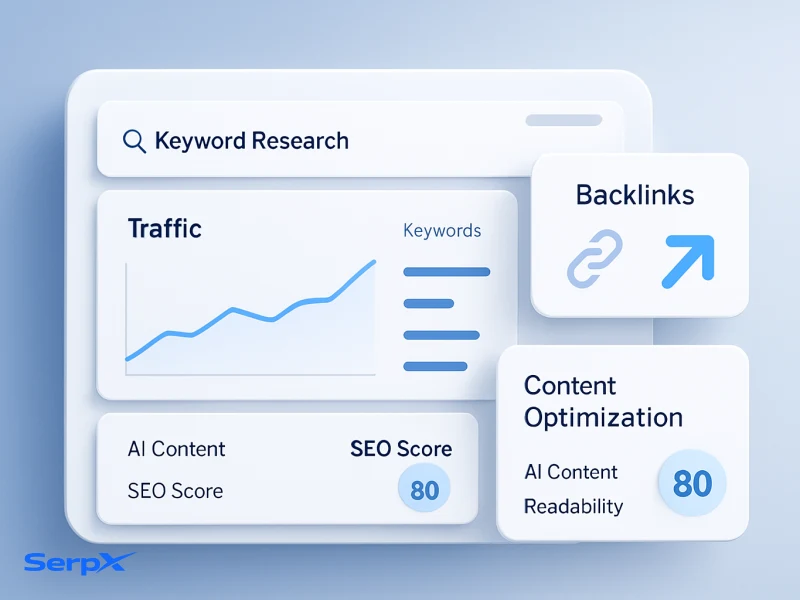
Many businesses fail to see results from AI content because they make avoidable errors. Recognizing these pitfalls early saves time and prevents damage to your site’s reputation.
Mistake 1: Publishing Unedited AI Output
Raw AI text often contains repetitive phrasing, factual errors, and a generic tone. Search engines can detect low-quality AI content, and Google’s spam policies explicitly target scaled content abuse. Always run every piece through a human editor who checks facts, improves flow, and adds unique value.
Mistake 2: Targeting the Same High-Competition Keywords
AI makes it easy to generate content, but it does not make it easy to rank for “best CRM software” or “how to lose weight.” Focus on long-tail keywords with lower difficulty. Use AI to cover variations and questions that your competitors ignore.
Mistake 3: Ignoring Search Intent
Generating a 2,000-word article when the user wants a quick answer or a product comparison will hurt your rankings. Analyze the current top results for your target keyword. If they are listicles, write a listicle. If they are videos, consider embedding a video in your article.
Mistake 4: Neglecting Internal Linking
AI-generated content often lacks proper internal links. Without them, your site’s crawlability and authority distribution suffer. Use an internal linking tool or instruct your AI to include links to relevant existing pages in the prompt.
Mistake 5: Not Updating AI Content
AI models are trained on data up to a certain point. Your content will become outdated. Set a schedule to review and refresh your AI-generated articles every six months, updating statistics, examples, and product recommendations.
Important Notes on Quality and Search Engine Guidelines
Google’s official guidance on AI-generated content is clear: it does not matter how content is produced, as long as it is helpful, reliable, and people-first. The algorithm rewards content that demonstrates E-E-A-T, regardless of whether a human or machine wrote it. However, Google also has a specific spam policy against “scaled content abuse,” which targets sites that mass-produce content with little or no added value.
To stay on the right side of these guidelines, focus on adding unique value to every AI-generated piece. This could mean including original screenshots, proprietary data from your business, expert quotes, or a unique perspective based on your experience. Never use AI to generate hundreds of thin articles that simply rephrase existing content.
Additionally, be transparent with your audience. While you do not need to label every AI-assisted article, you should not mislead readers about authorship. Many sites now include a byline that says “Written with AI assistance” or “Reviewed by a human editor.” This builds trust and aligns with transparency expectations.
Tools and Technologies for AI SEO Content Scaling
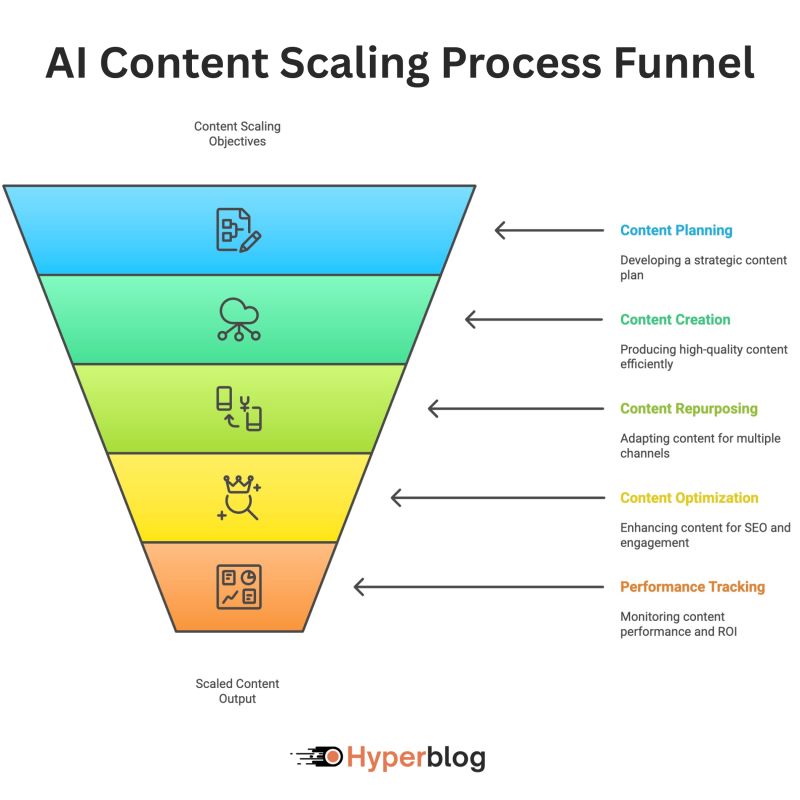
The market is flooded with tools, each with its strengths. Choosing the right stack depends on your budget, technical skills, and content volume.
AI Writing and Generation Platforms
SEO Research and Optimization Suites
Workflow and Publishing Automation
Practical Applications Across Different Industries
AI SEO content scaling is not limited to blogs. Different sectors use it in unique ways to solve specific problems.
E-commerce and Retail
Online stores with thousands of SKUs use AI to generate unique product descriptions, category pages, and buying guides. Instead of copying manufacturer descriptions, AI can create original text that highlights features, benefits, and use cases. This improves SEO and reduces the risk of duplicate content penalties.
SaaS and Technology
Software companies use AI to produce documentation, feature updates, and comparison articles. AI can quickly generate content for every feature release, ensuring that search engines always have fresh pages to index. It also helps create localized versions of help articles for global audiences.
Local Businesses and Services
Plumbers, law firms, and dental clinics use AI to create location-specific landing pages. For example, a law firm can generate a page for “personal injury lawyer in Austin” and another for “personal injury lawyer in Dallas,” each with unique local references and testimonials.
News and Media
Some news outlets use AI to generate summaries of financial reports, sports scores, and weather updates. This frees up human journalists to focus on investigative pieces and interviews. The AI-generated content is clearly labeled and reviewed by an editor before publication.
Frequently Asked Questions About AI SEO Content Scaling
Is AI-generated content penalized by Google?
Google does not penalize content simply because AI generated it. The search engine’s algorithms focus on content quality, relevance, and user experience. However, if AI content is thin, spammy, or created solely to manipulate rankings, it may be subject to manual actions or algorithmic demotion. The key is to ensure every piece meets the same quality standards as human-written content.
How much does AI SEO content scaling cost?
The cost varies widely. Basic AI writing tools start at around $20 to $50 per month. Premium tools with advanced SEO features can cost $100 to $500 per month. The main cost is often human editing time. If you generate 100 articles per month, you might need a part-time editor, which adds $500 to $2,000 to your monthly budget. Compared to hiring multiple full-time writers, this is still significantly cheaper.
Can AI replace human SEO writers completely?
No, AI cannot fully replace human writers. AI lacks real-world experience, emotional intelligence, and the ability to conduct interviews or original research. It also struggles with nuanced topics that require subjective judgment. The most effective strategy is to use AI for the first draft and then have a human writer or editor add unique insights, refine the voice, and ensure factual accuracy.
What is the ideal word count for AI-generated SEO content?
T It depends on the topic and search intent. For simple queries like “what is a mortgage,” 500 to 800 words may suffice. For comprehensive guides like “how to start a business,” 2,000 to 3,000 words are often necessary. Analyze the top-ranking pages for your keyword and aim to match or exceed their depth, but avoid adding fluff just to hit a word count.
How do I ensure my AI content is unique and not duplicated?
Use plagiarism detection tools like Copyscape or Grammarly Premium to check for duplicate content. Additionally, customize your AI prompts with specific data points, examples, and your unique perspective. Instruct the AI to avoid generic phrases and to write in a way that reflects your brand’s specific knowledge. Running each piece through a paraphrasing tool is not recommended, as this often degrades quality.
What are the best AI tools for SEO content in 2025?
The best tools combine generation with optimization. Surfer SEO and Jasper are popular for their integration of search data. ChatGPT with custom GPTs or API calls is highly flexible. For enterprise-level scaling, platforms like Writer or Copy.ai offer workflow features. The best choice depends on your specific needs, so take advantage of free trials to test different options.
Conclusion: Building a Sustainable AI Content Scaling Strategy
AI SEO content scaling is a powerful strategy, but it is not a magic bullet. Success requires a thoughtful blend of technology, human oversight, and strategic planning. The businesses that win will be those that treat AI as an amplifier of their existing capabilities, not as a replacement for thinking.
Start small. Choose a cluster of 10 to 20 low-competition keywords and generate content for them. Measure your results over three months. Learn what works and what does not. Refine your prompts, improve your editing workflow, and gradually increase your output. As you build confidence and see positive ROI, you can expand to more ambitious content initiatives.
Remember that the ultimate goal is not just to publish more content, but to publish content that answers questions, solves problems, and builds trust with your audience. When you combine the speed of AI with the judgment of experienced editors, you create a content engine that can outpace competitors while maintaining the quality that earns rankings and loyalty.
Xem thêm:
- AI SEO Content Repurposing: The Complete Strategy Guide for 2025
- AI SEO List Generator: The Complete Guide to Automating Content Creation
- AI SEO Database Optimization: The Complete Guide to Smarter Data-Driven Rankings
- How to Rank in AI Overviews: The Complete Guide to Appearing in Google’s Generative Search Results
- AI SEO Category Descriptions: The Complete Guide to Automated Product Taxonomy
Bài viết cùng chủ đề:

AI SEO SEO Automation with Make: The Complete Workflow Guide

AI SEO SEO Automation with Zapier: The Complete Workflow Guide

AI SEO SEO Automation with n8n: The Complete Workflow Guide
AI SEO SEO Automation with Gemini: The Complete Guide to Scaling Organic Growth

AI SEO SEO Automation with Claude: The Complete Guide to Scaling Content in 2025

AI SEO SEO Automation with ChatGPT: The Complete Playbook for 2025

AI SEO & SEO Automation for Affiliate Sites: The 2025 Playbook for Passive Income Growth
AI SEO & SEO Automation for Bloggers: The Complete Guide to Scaling Your Content

AI SEO & SEO Automation for Agencies: The Complete 2025 Playbook

AI SEO and SEO Automation for Ecommerce: The Complete Playbook for 2025

AI SEO & SEO Automation for WordPress: The Complete Playbook for 2025
AI SEO SEO Automation Strategy: The Complete Playbook for 2025

Mastering the AI SEO SEO Automation Process: A Complete Guide to Scaling Organic Growth
AI SEO SEO Automation System: The Complete Guide to Scaling Organic Growth in 2025
AI SEO SEO Automation Platform: The Complete Guide to Scaling Organic Growth in 2025
AI SEO SEO Automation Software: The Complete Guide to Scaling Organic Growth in 2025















