
No products in the cart.
AI SEO Digital PR Strategy: The Complete Guide to Dominating Search in 2025
10
Aug
Aug
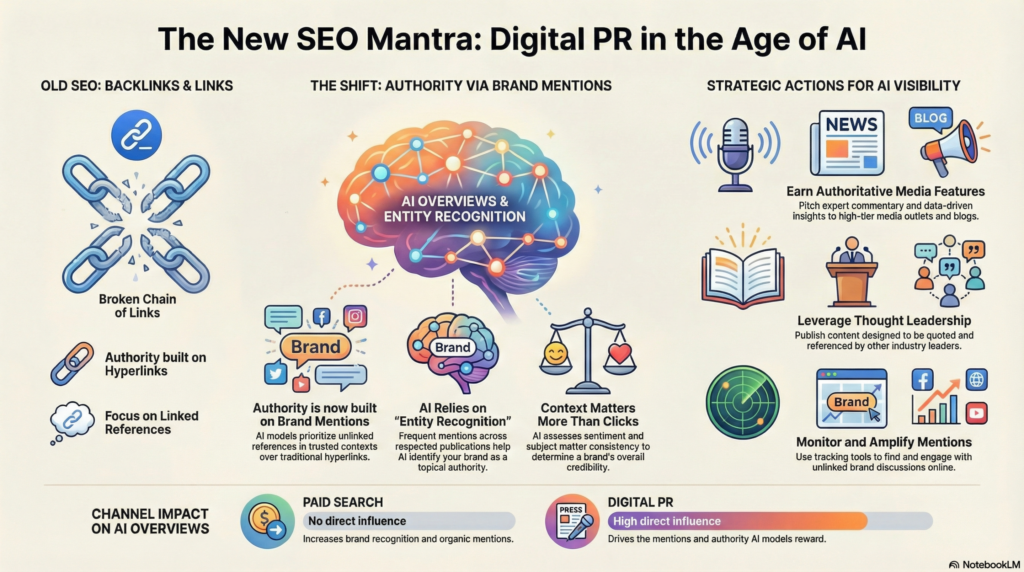
The intersection of artificial intelligence, search engine optimization, and public relations has created a new discipline that forward-thinking brands are using to capture market share. An AI SEO Digital PR Strategy is no longer a luxury for enterprise companies; it is a necessity for any brand that wants to remain visible in an increasingly crowded digital landscape. This approach combines the data-crunching power of machine learning with the human-centric art of storytelling to build authority, earn high-quality backlinks, and drive sustainable organic growth.
This guide breaks down the exact components of a winning AI SEO Digital PR Strategy, offering actionable steps, real-world examples, and the technical knowledge required to implement it effectively. You will learn how to move beyond traditional link building and into a realm where predictive analytics and media relationships converge.
What is an AI SEO Digital PR Strategy?

An AI SEO Digital PR Strategy is a systematic approach that uses artificial intelligence tools to inform, automate, and optimize public relations campaigns with the specific goal of improving search engine rankings. Unlike traditional PR, which focuses on brand awareness and reputation, this strategy treats media coverage, journalist relationships, and digital mentions as ranking signals that must be measured and optimized.
The core premise is simple: AI helps you identify what topics are gaining traction, which journalists are writing about those topics, and what data will make your story irresistible. The SEO component ensures that every piece of coverage includes the right keywords, links back to your site, and drives qualified traffic. The PR component ensures that your brand is the one being quoted and referenced.
This strategy relies on three pillars: predictive analytics to forecast trends, natural language processing to understand content gaps, and automated outreach to scale relationship building. When these elements work together, they create a feedback loop where PR wins lead to SEO wins, which in turn provide data for better PR pitches.
Why Traditional Digital PR is Failing Without AI
The digital PR landscape has changed dramatically. Journalists receive hundreds of pitches daily, and the average email open rate for cold outreach has dropped below 20% in many industries. Traditional methods of mass emailing press releases and hoping for coverage are no longer effective. The problem is not a lack of effort; it is a lack of precision.
Without AI, digital PR teams are essentially guessing. They guess which journalists might be interested, they guess what angle will resonate, and they guess when to send the pitch. This guesswork leads to wasted resources and missed opportunities. Furthermore, Google’s algorithms have become sophisticated enough to distinguish between genuine editorial mentions and spammy link placements. A digital PR strategy that does not account for this nuance will fail to move the needle on rankings.
AI solves this by analyzing vast datasets of journalist behavior, content performance, and audience engagement. It can predict which stories will go viral, identify the exact moment a journalist is researching a topic, and even suggest the optimal subject line for an email. This shifts the focus from “spray and pray” to “sniper” precision.
The Core Components of a Successful AI SEO Digital PR Strategy
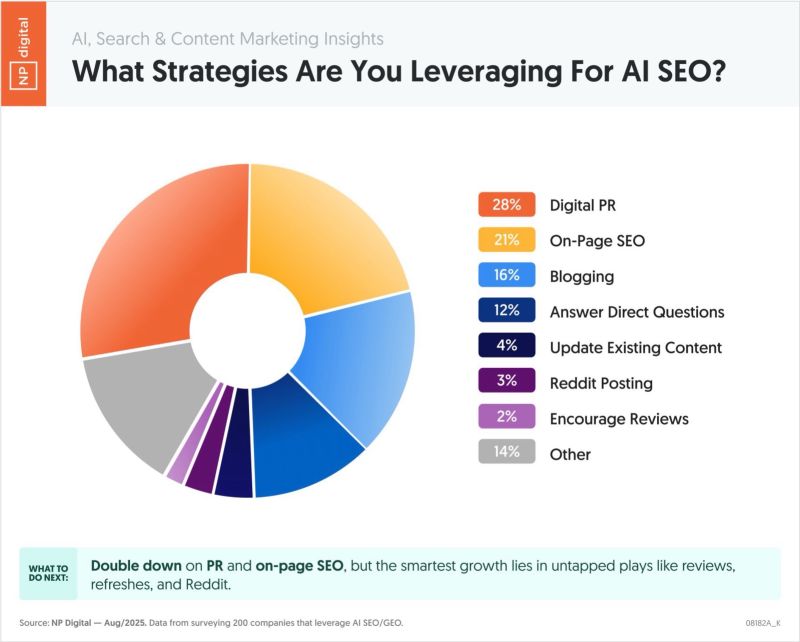
Implementing this strategy requires a clear understanding of its moving parts. Each component relies on the others to create a cohesive system that drives measurable results.
Predictive Trend Analysis and Topic Discovery
AI tools can scan social media platforms, news aggregators, and search query data to identify emerging trends before they peak. This allows PR teams to create content that is ahead of the curve rather than reacting to it. For example, an AI system might detect a rising interest in “sustainable packaging” among niche forums and Twitter conversations. A brand in the consumer goods space can then commission a study or create a data visualization on this topic, positioning themselves as the go-to source before mainstream media catches on.
This process involves using machine learning algorithms to analyze historical data and identify patterns. The output is a list of topics with high growth potential, low competition, and strong relevance to your brand’s expertise. This is the foundation of any strong AI SEO Digital PR Strategy.
Journalist Identification and Relationship Scoring
Not all journalists are created equal. A mention in a high-authority trade publication is worth more than a mention in a low-traffic blog. AI tools like Muck Rack and Cision use algorithms to score journalists based on their domain authority, engagement rates, and topical relevance. This scoring system allows you to prioritize your outreach efforts.
Beyond just finding the right person, AI can analyze a journalist’s past articles to understand their writing style, preferred data formats, and typical sources. This enables you to tailor your pitch to match their specific needs. The strategy AI helps you track these relationships and identify the best times to nurture them.
Data-Driven Content Creation
Journalists love data because it adds credibility to their stories. An AI SEO Digital PR Strategy uses AI to analyze proprietary company data or public datasets to uncover unique insights. This could be a survey of 2,000 consumers about their spending habits, an analysis of regional search trends, or a breakdown of industry salary data.
The AI component helps in two ways. First, it can process the data faster and find correlations that humans might miss. Second, it can help structure the data into a narrative format that is easy for journalists to digest. The result is a “data story” that is highly linkable and newsworthy. This content is then optimized for SEO by targeting specific keywords that align with the data insights.
Automated Outreach and Follow-Up
Personalization is key, but scale is necessary for growth. AI-powered outreach tools can generate personalized email drafts that reference a journalist’s recent work and explain why your data is relevant to their beat. These tools can also automate follow-up sequences, ensuring that no lead goes cold.
However, the strategy must include a human review layer. AI can draft the email, but a human should review it for tone and authenticity. The goal is to use AI to handle the administrative burden of outreach so that PR professionals can focus on the high-value interactions that build genuine relationships.
How to Integrate AI SEO Digital PR with Technical SEO
Digital PR does not exist in a vacuum. The links and mentions you earn must be integrated into your broader SEO strategy to maximize their impact. This integration involves several technical steps that ensure the authority you build is passed to your website.
Link Placement and Anchor Text Optimization
When you secure a digital PR placement, you need to ensure that the link back to your site is placed in a contextually relevant part of the article. The anchor text should be descriptive and include your target keyword where natural. AI tools can analyze the article draft and suggest the best placement for the link to maximize its SEO value.
It is also important to diversify your link profile. A natural backlink profile includes a mix of branded anchors, exact match anchors, and generic anchors. AI can help you monitor this ratio and alert you if you are over-optimizing a specific anchor text, which could trigger a manual penalty from Google.
Earning Links from High-Authority Domains
Google’s algorithm weighs links from high-authority domains more heavily. An AI SEO Digital PR Strategy prioritizes placements on domains with a high Domain Rating (DR) or Domain Authority (DA). The AI tool can filter journalist lists to exclude low-quality sites and focus only on those that will move the needle.
This focus on quality over quantity is essential. A single link from Forbes or The Guardian can be worth more than fifty links from obscure blogs. The strategy should be to create content that is good enough to earn those premium placements.
Monitoring Brand Mentions and Unlinked Mentions
Sometimes, a journalist will mention your brand or reference your data without including a link. This is a missed opportunity. AI monitoring tools can track these unlinked mentions across the web. Your team can then reach out to the author and politely request that they add a link to your site. This is one of the highest-converting link building tactics because the journalist has already shown interest in your content.
This process is automated by AI, which scans millions of pages daily to find these mentions. The strategy turns passive mentions into active backlinks, boosting your site’s authority without creating new content.
Benefits of an AI SEO Digital PR Strategy
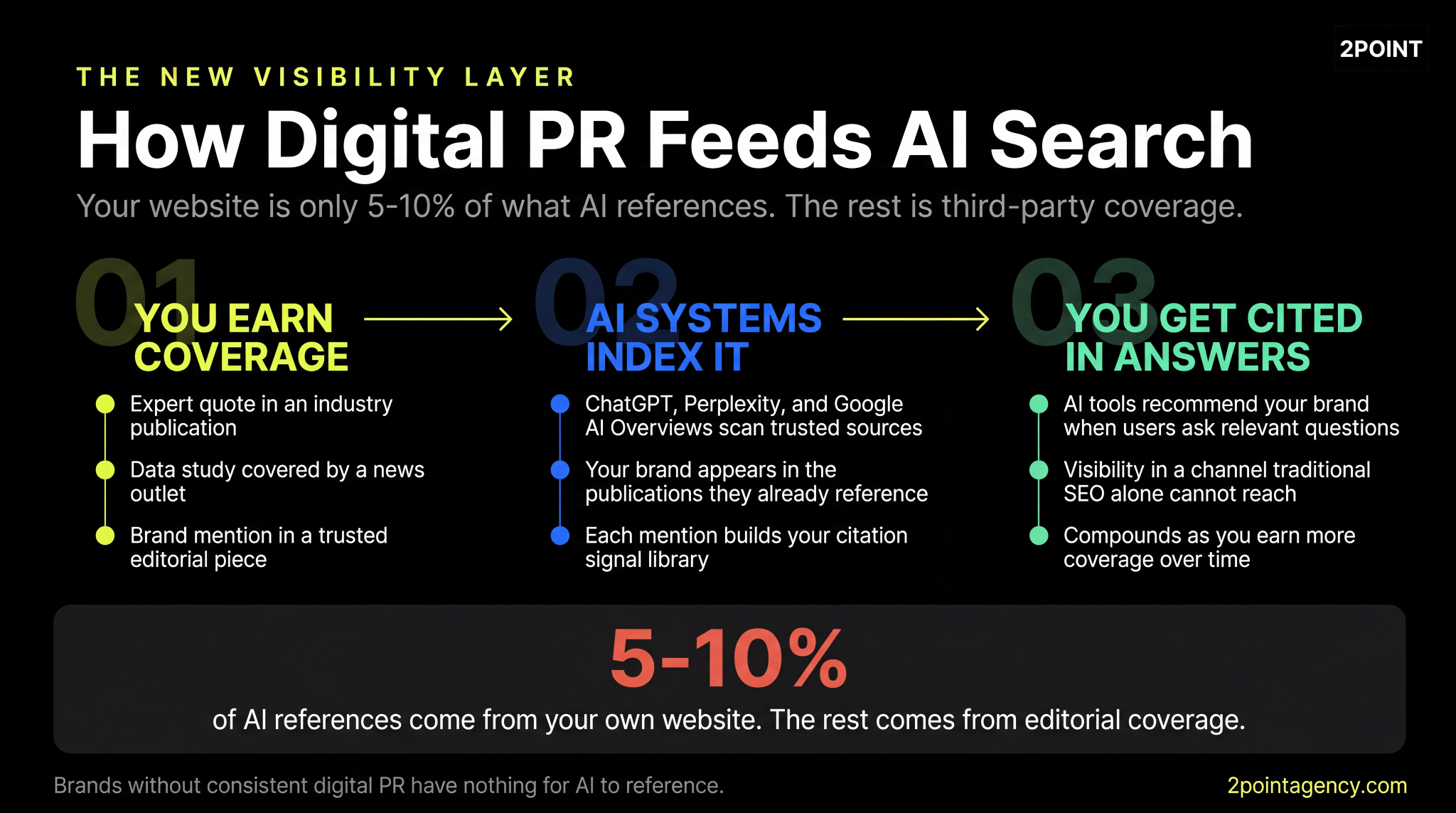
The benefits of this approach extend beyond just rankings. It creates a compounding effect that improves all aspects of your digital marketing.
- Enhanced Brand Authority: Being featured in reputable publications positions your brand as a thought leader in your industry.
- Improved Search Visibility: High-quality backlinks and brand mentions signal trust to Google, leading to higher rankings for your target keywords.
- Increased Referral Traffic: Links from high-traffic news sites drive direct visitors to your website, many of whom will convert into leads or customers.
- Faster Indexing: New pages that are linked from high-authority domains are crawled and indexed by Google much faster than those without such links.
- Competitive Intelligence: AI tools provide insights into your competitors’ PR strategies, allowing you to identify gaps and opportunities in the market.
- Cost of Tools: High-quality AI PR tools are expensive. Subscription fees for advanced platforms can run into thousands of dollars per month.
- Data Privacy Concerns: Using AI to scrape journalist data or personal information can raise ethical and legal issues. It is crucial to use tools that comply with GDPR and other privacy regulations.
- Risk of Generic Content: If AI is used to generate the majority of the content, it can lack the human nuance and unique voice that journalists look for. T
- Algorithm Changes: Google’s algorithms are constantly updated. A tactic that works today might be penalized tomorrow. The strategy must be agile and adaptable.
Limitations and Challenges to Consider
While the benefits are substantial, there are limitations that must be managed to avoid disappointment.
AI SEO Digital PR vs. Traditional Link Building
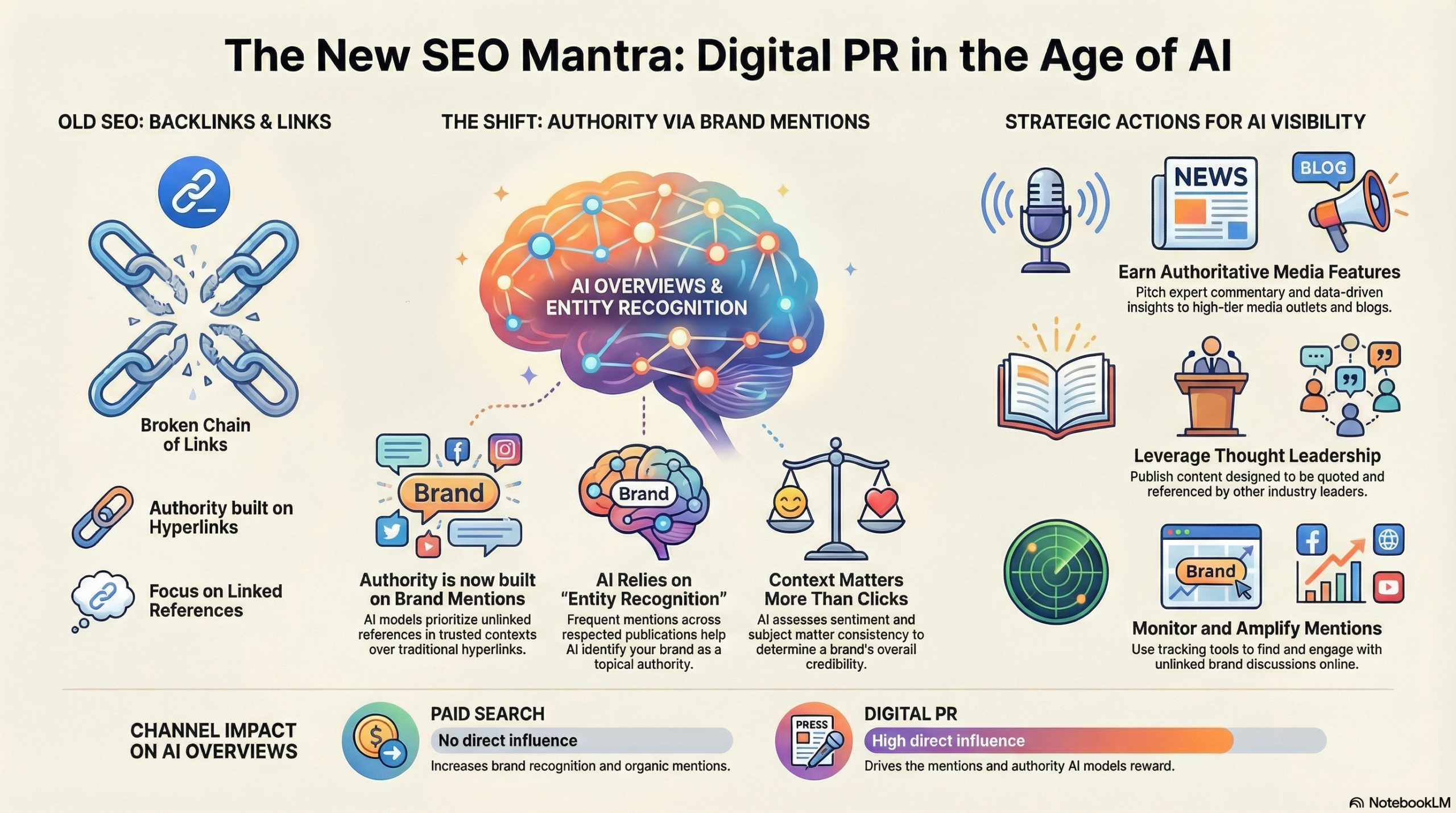
Understanding the difference between these two approaches is critical for resource allocation.
| Feature | Traditional Link Building | AI SEO Digital PR |
|---|---|---|
| Primary Focus | Acquiring backlinks | Building brand authority and mentions |
| Outreach Method | Mass emails, directory submissions | Personalized, data-driven pitches |
| Content Type | Guest posts, infographics | Original research, data studies, expert commentary |
| Measurement | Number of links, Domain Authority | Brand mentions, referral traffic, share of voice |
| Risk Level | High risk of penalties from spammy links | Low risk, aligns with Google’s guidelines |
| Scalability | Difficult to scale without losing quality | Highly scalable with AI automation |
Traditional link building is a dying art because it focuses on the symptom (links) rather than the cause (brand relevance). An AI SEO Digital PR Strategy addresses the root cause by making your brand newsworthy, which naturally attracts links.
Step-by-Step Guide to Implementing Your AI SEO Digital PR Strategy
To implement this successfully, follow this structured process. This is a practical roadmap that you can adapt to your specific industry and resources.
Step 1: Audit Your Current Digital Footprint
Before you start, you need to know where you stand. Use AI tools to analyze your current backlink profile, brand mention volume, and competitor presence. Identify which of your competitors are getting the most press coverage and what topics they are covering. This audit will reveal the gaps in your current strategy.
Step 2: Define Your Target Audience and Publications
Create a list of 50 to 100 target publications that your ideal customers read. This includes mainstream media, industry trade journals, and influential niche blogs. Use AI to score these publications based on their domain authority and audience overlap with your customer base. Rank them in order of priority.
Step 3: Develop a Data Asset
You need something to pitch. Conduct a survey, analyze your internal sales data, or use public datasets to create a unique piece of research. The data must be newsworthy—it should have a clear angle, a surprising finding, or a strong regional variation. Use AI to help you analyze the data and generate the key takeaways.
Step 4: Craft the Pitch and Press Release
Write a press release that is optimized for both journalists and search engines. The headline should contain your target keyword and a compelling hook. The body should include quotes from your executives and clear data visualizations. Use AI to generate multiple subject line variations for your outreach emails and A/B test them.
Step 5: Execute Outreach with AI Assistance
Upload your journalist list to your AI outreach tool. The tool will help you personalize each email by referencing the journalist’s recent articles. Send the emails in batches, monitor open rates, and use the AI to send follow-ups to those who have not responded after three days. Track all responses in a CRM.
Step 6: Measure, Analyze, and Iterate
After the campaign runs for a month, analyze the results. Look at the number of placements, the quality of the links, and the referral traffic generated. Use AI to identify which angles worked best and which publications gave the highest return on investment. Feed this data back into the system to improve your next campaign.
Common Mistakes and How to Avoid Them
Even with the best tools, mistakes happen. Here are the most common pitfalls and how to steer clear of them.
Ignoring the “Digital” in Digital PR
Many PR professionals focus solely on getting the press release published and forget to optimize the landing page they are linking to. The page must be fast, mobile-friendly, and contain relevant keywords. If the landing page is poor, the traffic will bounce, and the SEO value will be wasted.
Relying Too Heavily on AI for Content
AI can generate a draft, but it cannot replicate the insight of a human expert. Journalists can spot AI-generated content from a mile away, and it often lacks the depth required for a feature story. Use AI to gather data and structure the narrative, but have a human expert write the final copy and provide the quotes.
Focusing on Link Metrics Over Brand Metrics
It is easy to get obsessed with Domain Authority and the number of backlinks. However, the ultimate goal of an AI SEO Digital PR Strategy is to increase brand searches. If people are searching for your brand name after seeing you in the news, that is a stronger signal of success than a single backlink. Monitor branded search volume in Google Search Console.
Neglecting the Follow-Up
Securing the placement is only half the battle. You must promote the coverage on your own social channels, email newsletters, and website. This amplifies the reach of the PR win and signals to Google that the content is valuable. Share the article with your sales team to use in their prospecting efforts.
Important Notes on Ethics and Compliance
Google’s guidelines are clear about manipulative link schemes. An AI SEO Digital PR Strategy must adhere to these guidelines to avoid penalties. This means no buying links, no excessive link exchanges, and no using automated tools to create spammy forum profiles.
Transparency is also crucial. When using AI to draft pitches, be honest about your sources. If you are using a survey, provide the full methodology. If you are using AI to analyze data, be prepared to share the raw data with journalists who request it. Building trust with journalists is the only way to ensure long-term success.
Furthermore, be mindful of the data you are using. Do not scrape personal data without consent. Ensure that your survey respondents have agreed to have their data published in aggregate form. Compliance with privacy laws is non-negotiable.
Frequently Asked Questions
What is the difference between Digital PR and AI SEO Digital PR?
Traditional Digital PR focuses on getting brand mentions and links through manual outreach and relationship building. AI SEO Digital PR uses machine learning to automate the research, personalization, and analysis phases of that process. It makes the strategy more efficient and data-driven, reducing guesswork and improving ROI.
How long does it take to see results from an AI SEO Digital PR Strategy?
Typically, it takes three to six months to see significant movement in search rankings. The first month is spent on research and content creation. The second month is for outreach and securing placements. The third month is when Google starts to recognize the new links and mentions. Long-term results compound over time.
Can small businesses use an AI SEO Digital PR Strategy?
Yes, but it requires a scaled-down approach. Small businesses can use free or low-cost AI tools for trend analysis and use their own expertise to create data stories. Instead of targeting national media, they should focus on local news outlets and niche industry blogs that have high relevance to their customer base.
What are the best AI tools for Digital PR?
Popular tools include Cision and Muck Rack for journalist databases, BuzzSumo for content research, and Clearscope or Surfer SEO for content optimization. For outreach automation, tools like Pitchbox or Ninja Outreach are effective. The best tool depends on your budget and specific needs.
Is AI SEO Digital PR better than paid advertising?
They serve different purposes. Paid advertising provides immediate traffic but stops when you stop paying. AI SEO Digital PR builds long-term assets—backlinks, brand authority, and content—that continue to drive traffic for years. A balanced marketing strategy uses both, but the PR strategy offers a better long-term ROI.
Conclusion
The future of search engine optimization is intrinsically linked to digital public relations. An AI SEO Digital PR Strategy is the most effective way to build the authority and trust that Google rewards. By leveraging AI for data analysis, trend prediction, and outreach optimization, you can create a powerful system that consistently earns high-quality coverage and drives sustainable organic growth.
The shift from manual link building to AI-driven PR is not just a trend; it is a fundamental evolution in how brands communicate with their audience and search engines. The brands that adopt this strategy now will be the ones that dominate the search results in the coming years. The time to integrate AI into your PR efforts is now, and the roadmap provided here gives you the exact steps to get started.
Xem thêm:
- AI SEO Future: How Intelligent Algorithms Are Reshaping Search Rankings in 2025 and Beyond
- AI SEO & SEO Automation for WordPress: The Complete Playbook for 2025
- AI A/B Testing: The Complete Guide to Automated Experimentation That Outperforms Traditional Methods
- AI SEO Knowledge Graph SEO: The Complete Guide to Dominating Search in 2025
- AI SEO for Coaches: The Complete Guide to Ranking in 2025
Bài viết cùng chủ đề:

AI SEO SEO Automation with Make: The Complete Workflow Guide

AI SEO SEO Automation with Zapier: The Complete Workflow Guide

AI SEO SEO Automation with n8n: The Complete Workflow Guide
AI SEO SEO Automation with Gemini: The Complete Guide to Scaling Organic Growth

AI SEO SEO Automation with Claude: The Complete Guide to Scaling Content in 2025

AI SEO SEO Automation with ChatGPT: The Complete Playbook for 2025

AI SEO & SEO Automation for Affiliate Sites: The 2025 Playbook for Passive Income Growth
AI SEO & SEO Automation for Bloggers: The Complete Guide to Scaling Your Content

AI SEO & SEO Automation for Agencies: The Complete 2025 Playbook

AI SEO and SEO Automation for Ecommerce: The Complete Playbook for 2025

AI SEO & SEO Automation for WordPress: The Complete Playbook for 2025
AI SEO SEO Automation Strategy: The Complete Playbook for 2025

Mastering the AI SEO SEO Automation Process: A Complete Guide to Scaling Organic Growth
AI SEO SEO Automation System: The Complete Guide to Scaling Organic Growth in 2025
AI SEO SEO Automation Platform: The Complete Guide to Scaling Organic Growth in 2025
AI SEO SEO Automation Software: The Complete Guide to Scaling Organic Growth in 2025















