
No products in the cart.
AI SEO for Coaches: The Complete Guide to Ranking in 2025

31
Jul
Jul
The coaching industry has exploded in recent years, with thousands of new life coaches, business coaches, and health coaches entering the market every month. Standing out in this crowded space requires more than just a great methodology or a compelling personal brand. It requires visibility. This is where AI SEO for coaches transforms the game. By leveraging artificial intelligence to research keywords, optimize content, and analyze competitor gaps, coaches can now rank higher on Google without hiring a full-time marketing team. This guide breaks down exactly how to use AI tools to build a sustainable client acquisition engine through search.
What Is AI SEO for Coaches?
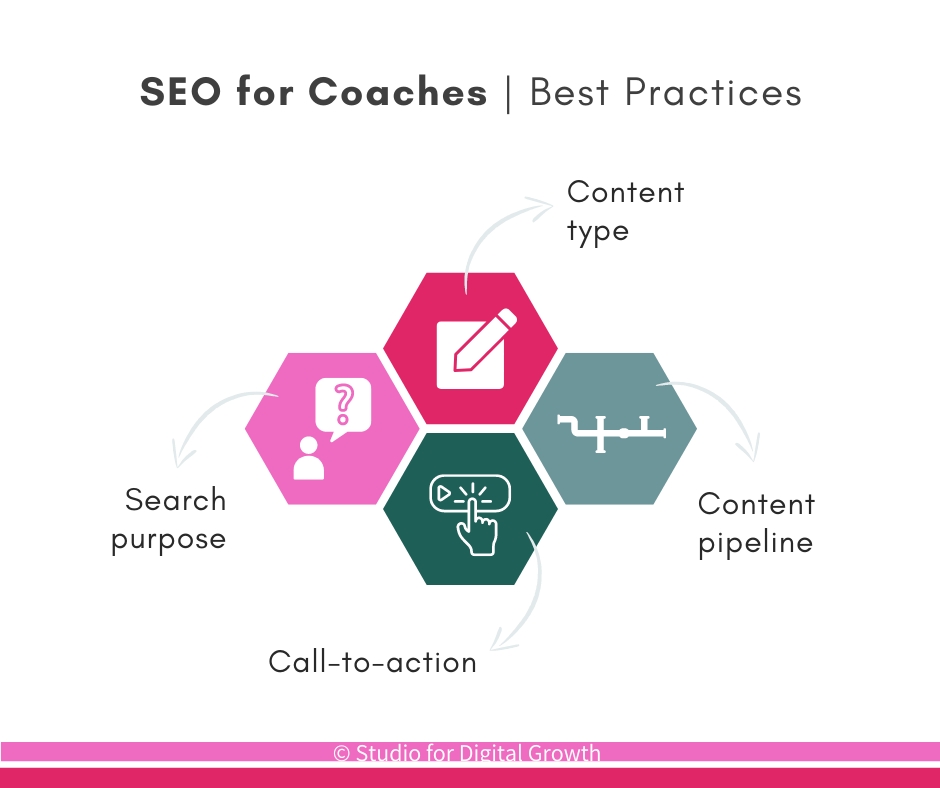
AI SEO for coaches refers to the strategic use of machine learning tools and natural language processing software to improve a coaching website’s organic search rankings. Unlike traditional SEO, which relies heavily on manual research and guesswork, AI-powered SEO automates the heavy lifting. It analyzes millions of search queries, predicts content performance, and identifies user intent with remarkable accuracy.
For a coach, this means you can input a topic like “leadership coaching for new managers” and the A The technology doesn’t replace your expertise; it amplifies it by ensuring your unique insights are formatted in a way that search engines and potential clients can easily find.
The Core Components of AI-Driven SEO
Understanding the mechanics helps you use the tools more effectively. The process generally involves three distinct phases:
- Data Aggregation: AI crawls millions of search results, forums, and social media platforms to identify what your target audience is actually asking about.
- Intent Prediction: The software categorizes queries into informational, transactional, or navigational intent. For coaches, this distinguishes between someone reading about burnout and someone ready to book a discovery call.
- Content Optimization: AI suggests structural changes, keyword placement, and readability improvements based on what currently ranks on page one of Google.
- Keyword Rankings: Track your position for your primary keywords weekly. Use AI tools to automate this reporting.
- Organic Leads: Set up conversion tracking in Google Analytics to see how many visitors fill out your contact form or book a discovery call.
- Time on Page: If visitors leave within 30 seconds, your content is not matching their intent. Use AI to analyze your bounce rate and suggest improvements.
- Inbound Backlinks: AI tools can monitor who is linking to your content. If a major publication links to your article, it signals authority to Google.
Why Traditional SEO Falls Short for Coaching Businesses
Traditional SEO methods often fail coaches for a simple reason: they focus on generic keywords. A general SEO strategy might target “life coach” or “business coach,” but these terms are impossibly broad. They have high search volume but extremely low conversion rates because the searcher is usually in the early research phase, not ready to spend money.
Moreover, traditional SEO is slow. It can take six to twelve months to see results from standard blog posts and backlink building. Coaches, who often operate on tight cash flow, cannot afford to wait that long without seeing a return on their marketing investment. AI SEO for coaches accelerates this timeline by identifying low-competition, high-intent keywords that a human researcher might overlook.
Another critical failure point is the lack of personalization. Traditional SEO treats all visitors the same. AI, however, can segment your audience based on their search patterns. It can identify that a query like “how to set boundaries with clients” comes from a freelancer, while “how to manage a remote team” comes from a corporate executive. This allows you to create tailored content paths that speak directly to each persona.
Key Benefits of Using AI SEO for Coaches
The advantages of integrating AI into your search strategy go beyond just ranking higher. They fundamentally change how you approach client acquisition.
1. Hyper-Specific Keyword Discovery
Instead of targeting “career coach,” AI tools analyze long-tail keywords like “career coach for women over 40 in tech.” These phrases have lower search volume but dramatically higher conversion rates. The AI identifies these niche opportunities by analyzing autocomplete suggestions, “People Also Ask” boxes, and related searches from Google.
2. Content Gap Analysis on Steroids
AI can scan your top ten competitors and instantly identify topics they have not covered. If you are a health coach, the AI might find that your competitors discuss nutrition but completely ignore sleep optimization. This gap becomes your opportunity to create a definitive guide that captures traffic your competitors are missing.
3. Automated Content Briefs
You no longer need to stare at a blank page. AI SEO tools generate comprehensive briefs that include suggested headings, word count targets, and even the tone of voice. This cuts your content creation time in half, allowing you to focus on the actual coaching expertise rather than the logistics of writing.
4. Predictive Performance Analysis
Before you publish a single word, AI can estimate your chances of ranking for a specific keyword. It analyzes domain authority, backlink profiles, and content depth to give you a realistic score. This prevents you from wasting time on topics where you have no chance of competing.
Limitations and Ethical Considerations
While AI is a powerful ally, it is not a magic bullet. There are significant limitations that every coach must understand before relying entirely on automation.
Lack of Human Empathy: AI can tell you what to write about, but it cannot replicate your personal stories, your unique coaching philosophy, or the emotional connection that comes from sharing your own struggles. Google’s algorithms are increasingly rewarding content that demonstrates first-hand experience (E-E-A-T). If you publish purely AI-generated content without personal anecdotes, you will struggle to rank.
Data Overload: The sheer volume of data provided by AI tools can be paralyzing. Coaches often fall into the trap of trying to optimize for every keyword the AI suggests, resulting in diluted, generic content that appeals to no one.
Ethical Boundaries: Using AI to scrape competitor content and rewrite it is a violation of copyright and Google’s spam policies. Always use AI as a research assistant, not a content thief. The final output must be your original thoughts and frameworks.
AI SEO Tools Specifically Useful for Coaches
Not all AI tools are created equal.
| Tool Category | Best Use Case | Example Platforms |
|---|---|---|
| Keyword Research | Finding long-tail questions your audience asks | Ahrefs, SEMrush, Surfer SEO |
| Content Generation | Drafting outlines and first drafts | Jasper, Copy.ai, ChatGPT |
| On-Page Optimization | Real-time scoring of keyword density and structure | Surfer SEO, Frase, NeuronWriter |
| Competitor Analysis | Identifying gaps in competitor content strategies | SpyFu, SimilarWeb |
| Local SEO | Optimizing for “coach near me” searches | BrightLocal, Yext |
How to Choose the Right Tool
Start with a free trial of one keyword research tool and one content optimization tool. Do not buy a full suite immediately. For a solo coach, a combination of a basic keyword tool and a solid AI writing assistant is usually sufficient. As your practice grows, you can invest in more sophisticated platforms that offer client reporting and automated rank tracking.
Step-by-Step Guide: Implementing AI SEO for Coaches
Follow these steps in order to avoid common pitfalls.
Step 1: Define Your Coaching Niche with AI Assistance
Use AI to analyze your current service offerings and identify the specific pain points you solve. Input your bio and service description into a tool like ChatGPT and ask it to generate ten niche sub-topics. For example, if you are a relationship coach, the AI might suggest “communication skills for couples with ADHD” or “pre-marital coaching for blended families.” These specific angles are where you can win.
Step 2: Conduct AI-Powered Keyword Clustering
Do not target one keyword per blog post. Instead, use AI to cluster 5-10 related keywords into a single “topic pillar.” For instance, if your main keyword is “AI SEO for coaches,” your cluster might include “AI marketing for coaches,” “SEO tools for coaching websites,” and “content strategy for coaches.” Write one comprehensive guide that covers all these terms naturally.
Step 3: Generate a Data-Backed Content Outline
Input your primary keyword into a tool like Frase or Surfer SEO. The A Use this as your skeleton, but add your unique coaching frameworks and case studies. The AI provides the structure; you provide the soul.
Step 4: Write with AI Assistance, Not AI Replacement
Use AI to write the first draft of your introduction or to overcome writer’s block. Then, rewrite every sentence in your own voice. Add personal stories about clients you have helped. Include specific numbers and outcomes. Google’s helpful content system specifically rewards content that shows “first-hand expertise.” A generic AI draft will not pass this test.
Step 5: Optimize Technical Elements
AI tools can automatically generate meta descriptions, alt text for images, and URL slugs. Ensure your primary keyword appears in the first 100 words of your article, in your H1 tag, and in at least one H2 heading. Use AI to check your page speed and mobile responsiveness, as these are ranking factors.
Step 6: Build a Topic Authority Matrix
Create a spreadsheet with three columns: Pillar Content, Cluster Content, and Internal Links. Your pillar page is your main service page. Your cluster pages are blog posts that answer specific questions. Use AI to suggest which cluster posts should link to which pillar page. This internal linking structure signals authority to Google.
Common Mistakes Coaches Make with AI SEO
Even with the best tools, coaches frequently sabotage their own efforts. Here are the most common errors and how to avoid them.
Mistake 1: Publishing Unedited AI Content
This is the fastest way to destroy your credibility. Google’s algorithms are sophisticated enough to detect generic AI writing patterns. The content will rank initially, then get hit by an algorithm update. Always edit, fact-check, and inject personal experience.
Mistake 2: Ignoring Search Intent
AI might suggest the keyword “burnout symptoms,” but if you write a sales page for your coaching program, you will fail. The searcher wants a list of symptoms, not a pitch. Match your content format to the intent. Use AI to determine whether the top results are listicles, guides, or videos, and match that format.
Mistake 3: Focusing Only on Blog Posts
AI SEO for coaches is not just about articles. It applies to your Google Business Profile, your LinkedIn articles, and your YouTube video descriptions. Optimize all your digital assets with the same AI-driven keyword research. A video titled “How to Overcome Imposter Syndrome” can rank on YouTube and Google simultaneously.
Mistake 4: Neglecting Local SEO
Many coaches work in-person or in specific regions. AI tools can help you optimize for “life coach in Austin” or “executive coach in London.” Ensure your name, address, and phone number are consistent across all directories. Use AI to generate location-specific landing pages.
Measuring the Success of Your AI SEO Campaign
Tracking your progress is essential to know if your efforts are paying off. Move beyond vanity metrics like page views and focus on what matters for your coaching business.
Key Performance Indicators (KPIs) to Watch
Set realistic goals. In the first three months, focus on indexing and ranking for long-tail keywords. In months four to six, target a 20% increase in organic traffic. By month nine, you should see a steady stream of qualified leads. If you do not see these results, revisit your keyword selection and content quality.
Important Notes on Google’s E-E-A-T Guidelines

Google’s quality raters use E-E-A-T (Experience, Expertise, Authoritativeness, Trustworthiness) to evaluate content. AI can help you optimize for this, but it cannot fake it.
Experience: Show proof of your coaching credentials. Include photos of you speaking at events, testimonials from clients, and behind-the-scenes looks at your process.
Expertise: AI can help you research the latest studies in psychology or business management. Cite these sources (without using citation markers in the text) to demonstrate your knowledge base.
Authoritativeness: Get featured on podcasts, write guest posts for reputable business blogs, and earn press mentions. AI can help you identify which podcasts accept guests in your niche.
Trustworthiness: Be transparent about your coaching fees, your methodology, and your success rates. Do not make exaggerated claims that AI-generated content might suggest. Honesty builds long-term trust with both Google and your clients.
Frequently Asked Questions (FAQ)
How long does it take to see results from AI SEO for coaches?
Most coaches see initial ranking improvements within 4 to 6 weeks for low-competition keywords. However, significant organic traffic growth typically takes 3 to 6 months. The timeline depends on your domain authority, the quality of your content, and the competitiveness of your niche. AI accelerates the research phase, but Google still needs time to crawl and index your pages.
Can AI completely replace a human SEO expert?
No. AI excels at data analysis and pattern recognition, but it lacks strategic thinking and contextual understanding. A human SEO expert knows how to interpret AI data in the context of your specific coaching brand. The best approach is to use AI as a force multiplier for your own knowledge or that of a consultant.
Is AI-generated content penalized by Google?
Google does not penalize AI content outright. It penalizes low-quality content, regardless of whether a human or machine wrote it. If you use AI to generate a draft and then significantly edit it to add personal insights, case studies, and original research, it can rank well. If you publish raw AI output, you risk a manual action.
What is the best AI SEO tool for a coach on a budget?
For a tight budget, start with the free version of ChatGPT for content ideation and use Google’s free Keyword Planner for basic research. As you generate revenue, invest in a tool like Surfer SEO or Frase, which offer affordable monthly plans specifically for content optimization.
Should I use AI to write my coaching program sales page?
You can use AI to draft the structure and headlines, but the final sales page must be written by you. Sales pages require emotional resonance and trust-building that AI cannot replicate. Your personal story, your credentials, and your unique approach are your competitive advantages. Use AI for the mechanics, but keep the voice authentically yours.
Conclusion
AI SEO for coaches is not a passing trend; it is the new standard for digital visibility in the coaching industry. The coaches who thrive in the coming years will be those who embrace AI as a research and optimization partner while doubling down on their unique human expertise. The technology handles the data crunching, keyword discovery, and technical audits. You handle the empathy, the storytelling, and the transformational results that only a real coach can provide.
Start small. Pick one niche topic, use AI to build a comprehensive guide, and publish it with your personal insights woven throughout. Track your rankings, learn from the data, and iterate. The combination of artificial intelligence and authentic human connection is the most powerful marketing strategy available to coaches today. The search engines are waiting, and so are your future clients.
Xem thêm:
- AI SEO Gemini Search Optimization: The Complete Playbook for 2025
- Gemini vs ChatGPT for SEO: Which AI Tool Truly Elevates Your Search Rankings
- AI SEO Article Generator: The Complete Guide to Automated Content That Ranks
- WP Trove Content Automation: The Complete Guide to Scaling Your WordPress Content Workflow
- AI SEO Content Silos: The Complete Guide to Building Topical Authority in 2025
Bài viết cùng chủ đề:

AI SEO SEO Automation with Make: The Complete Workflow Guide

AI SEO SEO Automation with Zapier: The Complete Workflow Guide

AI SEO SEO Automation with n8n: The Complete Workflow Guide
AI SEO SEO Automation with Gemini: The Complete Guide to Scaling Organic Growth

AI SEO SEO Automation with Claude: The Complete Guide to Scaling Content in 2025

AI SEO SEO Automation with ChatGPT: The Complete Playbook for 2025

AI SEO & SEO Automation for Affiliate Sites: The 2025 Playbook for Passive Income Growth
AI SEO & SEO Automation for Bloggers: The Complete Guide to Scaling Your Content

AI SEO & SEO Automation for Agencies: The Complete 2025 Playbook

AI SEO and SEO Automation for Ecommerce: The Complete Playbook for 2025

AI SEO & SEO Automation for WordPress: The Complete Playbook for 2025
AI SEO SEO Automation Strategy: The Complete Playbook for 2025

Mastering the AI SEO SEO Automation Process: A Complete Guide to Scaling Organic Growth
AI SEO SEO Automation System: The Complete Guide to Scaling Organic Growth in 2025
AI SEO SEO Automation Platform: The Complete Guide to Scaling Organic Growth in 2025
AI SEO SEO Automation Software: The Complete Guide to Scaling Organic Growth in 2025















