
No products in the cart.
AI SEO DNS Optimization: The Complete Guide to Boosting Search Rankings in 2025

31
Jul
Jul
The digital landscape is shifting at breakneck speed, and the fusion of artificial intelligence with technical SEO has created a new frontier: AI SEO DNS Optimization. This approach leverages machine learning algorithms to analyze, predict, and automatically adjust Domain Name System configurations to improve website speed, uptime, and crawlability—all critical factors for search engine rankings. For website owners, marketers, and technical SEO specialists, understanding how AI can optimize DNS is no longer optional; it is a competitive necessity. This comprehensive guide explores the mechanics, benefits, and practical implementation of AI-driven DNS strategies to help you stay ahead in search results.
What is AI SEO DNS Optimization?
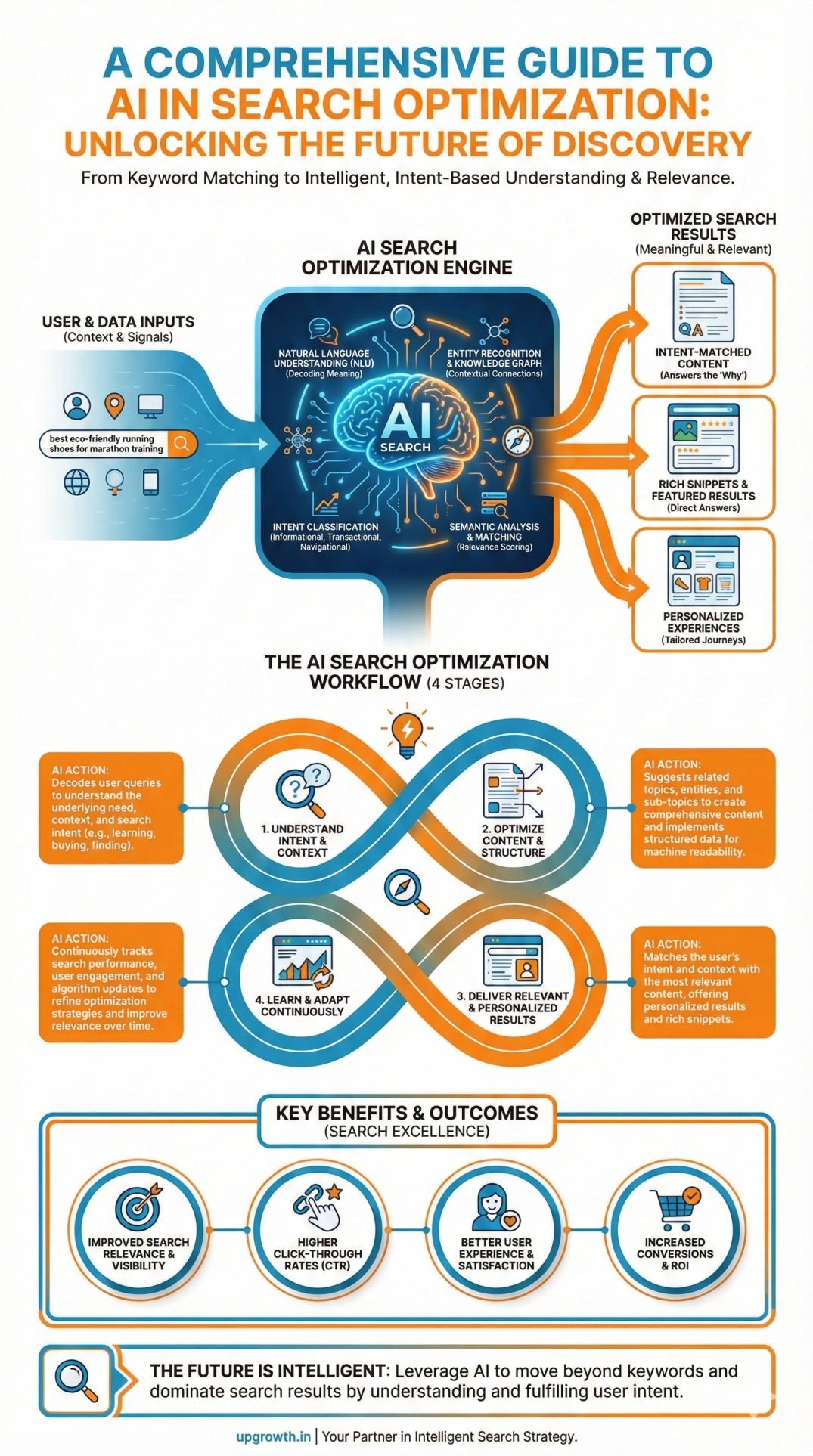
AI SEO DNS Optimization refers to the application of artificial intelligence and machine learning models to manage and refine the Domain Name System (DNS) infrastructure of a website with the explicit goal of improving search engine performance. The DNS acts as the internet’s phonebook, translating human-readable domain names into IP addresses. Every time a search engine bot or a user visits your site, a DNS lookup occurs. If this process is slow, misconfigured, or subject to downtime, it directly impacts page load times and accessibility. Traditional DNS management relies on static records and manual configuration. AI SEO DNS Optimization introduces dynamic, predictive, and automated adjustments. These systems analyze historical traffic patterns, geographic user distribution, server health metrics, and even search engine bot behavior to make real-time decisions. For instance, an AI system might automatically route a user from New York to a server in Chicago instead of London based on current network latency data, or it might pre-fetch DNS records for a sudden spike in traffic from a specific region.
Why DNS Performance Matters for SEO
Search engines like Google have explicitly stated that page speed and site availability are ranking signals. However, the DNS resolution time is often an overlooked component of that equation. The time it takes for a DNS query to resolve is added to the total time to first byte (TTFB). A slow DNS response can add hundreds of milliseconds to your page load time, which increases bounce rates and reduces user satisfaction. Moreover, if your DNS provider experiences an outage, your entire website becomes unreachable. Search engine crawlers will encounter 503 errors or connection timeouts. If this persists, Google may reduce its crawl rate or, in severe cases, de-index pages temporarily. AI SEO DNS Optimization mitigates these risks by providing failover mechanisms and intelligent traffic routing that ensures high availability, which protects your search equity.
Core Components of AI-Driven DNS Systems
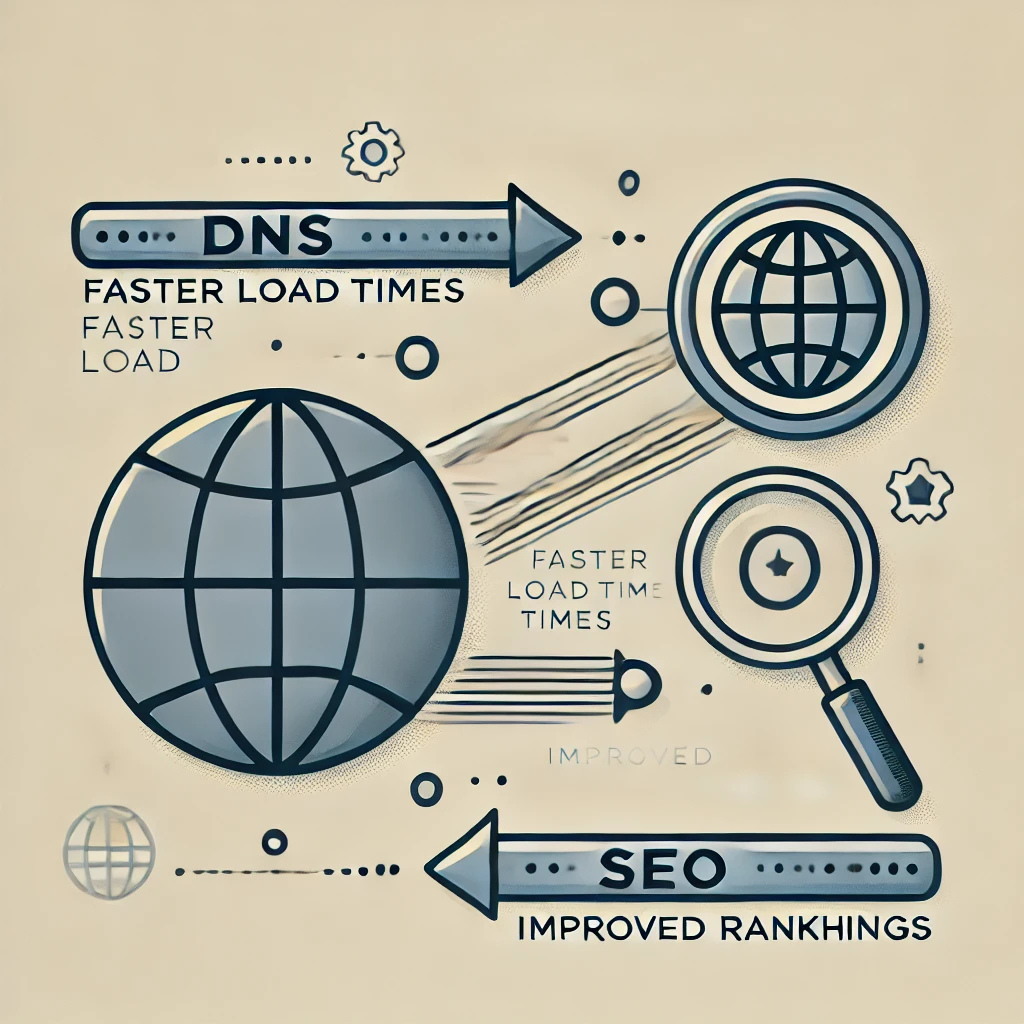
To fully grasp AI SEO DNS Optimization, it is essential to break down its core components. These systems are not a single tool but a combination of technologies working in concert.
Predictive Traffic Analysis
Machine learning models ingest massive datasets of historical DNS queries, user location data, and time-of-day patterns. These models can forecast traffic surges with high accuracy. For example, an e-commerce site might see a 500% traffic spike during a flash sale. An AI system predicts this event and pre-warms DNS caches across global edge locations, ensuring that the surge does not overwhelm the origin servers or cause DNS throttling.
Automated Failover and Redundancy
Traditional DNS setups often rely on a primary and secondary server. If the primary fails, t AI SEO DNS Optimization uses health checks that run every few seconds. The AI algorithm continuously monitors server response times and error rates. If a server in a specific region starts to degrade, the system automatically updates DNS records to route traffic to a healthy server, often within milliseconds. This proactive failover prevents downtime that would otherwise harm SEO rankings.
Geographic Load Balancing
Latency is a major ranking factor for local searches. AI-driven DNS uses GeoDNS algorithms to resolve a domain to the nearest server based on the user’s IP address. However, unlike static GeoDNS, AI systems consider real-time network conditions. If the nearest server is congested, the AI routes the user to the next closest server with better performance. This dynamic adjustment ensures consistent speed, which is a direct signal for Core Web Vitals.
TTL (Time-to-Live) Optimization
The TTL value in DNS records dictates how long a resolver caches the information. A high TTL (e.g., 86400 seconds) reduces DNS query load but makes it slow to propagate changes. A low TTL (e.g., 60 seconds) allows for rapid changes but increases query volume. AI SEO DNS Optimization dynamically adjusts TTL values based on the stability of your infrastructure. During a server migration, the AI lowers TTL to ensure fast propagation. During stable periods, it raises TTL to reduce latency and load on authoritative servers.
Benefits of AI SEO DNS Optimization
Implementing AI for DNS management yields tangible benefits that go beyond just faster load times. These advantages directly contribute to improved search visibility and user experience.
Improved Crawl Efficiency
Search engine bots have a limited crawl budget for each site. If your DNS is slow, bots waste time waiting for responses, which reduces the number of pages they can crawl in a given session. AI SEO DNS Optimization ensures that DNS responses are delivered in the fastest possible time, allowing Googlebot and Bingbot to crawl more pages per visit. This is particularly beneficial for large e-commerce sites with thousands of product pages.
Enhanced Core Web Vitals Scores
Google’s Core Web Vitals include Largest Contentful Paint (LCP), First Input Delay (FID), and Cumulative Layout Shift (CLS). While DNS is not directly measured in these metrics, it influences LCP. A faster DNS resolution means the browser can start fetching resources sooner, leading to a quicker LCP. AI-driven routing ensures that the connection setup is as fast as possible, helping you pass the Core Web Vitals assessment.
Reduced Bounce Rate
Users expect websites to load in under two seconds. Every additional second increases the probability of abandonment. By optimizing DNS resolution times, AI helps deliver a snappier experience. Lower bounce rates signal to search engines that your content is valuable and relevant, which can lead to higher rankings over time.
Global Reach with Local Performance
For businesses targeting international audiences, maintaining fast speeds across continents is challenging. AI SEO DNS Optimization uses a global network of edge servers and intelligent routing to ensure that a user in Tokyo gets the same fast experience as a user in Los Angeles. This global consistency helps capture international search traffic.
AI SEO DNS Optimization vs. Traditional DNS Management
Understanding the difference between traditional and AI-driven approaches is crucial for decision-making. The table below highlights the key distinctions. | Feature | Traditional DNS Management | AI SEO DNS Optimization |
|:— |:— |:— |
| Configuration | Manual, static records | Dynamic, self-adjusting records |
| Failover Speed | 1-5 minutes (or longer) | Milliseconds (automated) |
| Traffic Prediction | Not available | Predictive analytics based on ML |
| TTL Management | Fixed values | Adaptive TTL based on network state |
| Routing Logic | Geographic (static) | Geographic + Real-time latency |
| Security | Reactive (after attack) | Proactive (anomaly detection) |
| Cost | Lower upfront cost | Higher investment, better ROI | Traditional DNS is like a paper map; it works but cannot adapt to road closures or traffic jams. AI SEO DNS Optimization is like a GPS with live traffic data, rerouting you automatically to the fastest path. For any serious SEO campaign, the latter provides a significant edge.
Practical Implementation: How to Leverage AI for DNS
Implementing AI SEO DNS Optimization does not require building a machine learning model from scratch. Several enterprise-grade DNS providers offer built-in AI capabilities.
Step 1: Audit Your Current DNS Performance
Before making changes, measure your baseline. Use tools like DNSPerf or Catchpoint to analyze your current DNS resolution times from various global locations. Identify bottlenecks. Is your authoritative DNS server located in a single region? Are you using a suboptimal TTL? This audit provides the data needed to justify the switch.
Step 2: Choose an AI-Powered DNS Provider
Select a provider that offers machine learning-based routing and automated failover. Leading options include Amazon Route 53 with its latency-based routing, Cloudflare DNS with its intelligent routing and Argo Smart Routing, and NS1 with its advanced filtering and real-time traffic steering. Evaluate their AI capabilities against your specific needs. For example, NS1 excels in filter chains that allow for complex routing logic based on server health and user location.
Step 3: Configure Health Checks and Monitoring
Set up comprehensive health checks for your origin servers. Define thresholds for CPU usage, memory, and response time. The AI system uses these metrics to decide when to route traffic away from a struggling server. Ensure your monitoring is granular enough to detect issues before they impact users.
Step 4: Implement Adaptive TTLs
Work with your provider to enable adaptive TTLs. This feature allows the DNS system to automatically lower TTLs when you make changes to your infrastructure (e.g., changing IP addresses) and raise them back up once stability is confirmed. This prevents propagation delays that can cause temporary downtime.
Step 5: Integrate with CDN and Edge Computing
AI SEO DNS Optimization works best when paired with a Content Delivery Network (CDN). The DNS layer directs users to the nearest CDN edge node, which then serves cached content. Some advanced systems integrate DNS with edge computing to run small pieces of code at the edge, further reducing latency. This combination is the gold standard for performance.
Common Mistakes in DNS Optimization and How to Avoid Them

Even with AI, there are pitfalls that can undermine your SEO efforts. Being aware of these mistakes is half the battle.
Ignoring DNS Security (DNS Spoofing)
A common mistake is focusing solely on speed and neglecting security. DNS spoofing or cache poisoning can redirect users to malicious sites, destroying your reputation and causing Google to flag your domain. Avoid this by implementing DNSSEC (Domain Name System Security Extensions). AI systems can also detect anomalous query patterns that may indicate an attack in progress.
Overlooking Crawl Rate Limiting
Some webmasters set a low crawl rate in Google Search Console to save server resources. This is counterproductive. If your DNS is fast and your server can handle the load, allow Google to crawl aggressively. AI SEO DNS Optimization ensures your infrastructure is ready for high crawl volumes, so do not artificially limit them.
Using a Single DNS Provider
Relying on one DNS provider creates a single point of failure. Even with AI, if that provider has a global outage, your site goes down. The mistake is not having a secondary, independent DNS provider. Implement a multi-provider DNS strategy where two different providers serve your DNS records. AI can help manage the synchronization between them.
Neglecting Mobile DNS Performance
Mobile networks often have slower DNS resolvers than broadband. A common mistake is optimizing only for desktop users. Ensure your AI DNS strategy considers mobile-specific routing. Some providers offer specialized mobile optimization that reduces the number of round trips required for DNS resolution on cellular networks.
Important Notes on AI SEO DNS Optimization
While the benefits are substantial, there are important considerations to keep in mind. First, AI SEO DNS Optimization is not a replacement for good content or quality backlinks. It is a technical enhancement that supports your overall SEO strategy. It will not save a website with thin content or poor user experience. Second, the cost can be higher than traditional DNS services. Enterprise-grade AI DNS providers charge based on the number of queries and the complexity of the routing rules. For small websites with low traffic, the investment may not yield a significant ROI. However, for e-commerce, SaaS, and media sites with global audiences, the return is often substantial. Third, the AI models require data to learn. When you first implement an AI DNS system, it may take a few days to a week for the algorithms to understand your traffic patterns and optimize routing effectively. Patience is required during this learning phase. Fourth, always keep your DNS records clean. Remove obsolete subdomains and unused records. AI can optimize the routing, but it cannot fix a cluttered DNS zone that increases the attack surface and slows down queries.
Frequently Asked Questions
How does AI improve DNS resolution time?
AI improves DNS resolution time by predicting user location and network conditions. It uses machine learning to route queries to the nearest and least congested server. Additionally, it optimizes TTL values to reduce the number of lookups required, and it pre-fetches DNS records for anticipated traffic spikes, ensuring that the resolution process is as fast as possible.
Can AI SEO DNS Optimization prevent DDoS attacks?
Yes, to a significant extent. AI systems can identify abnormal traffic patterns that indicate a Distributed Denial of Service (DDoS) attack. They can automatically filter malicious queries and reroute legitimate traffic through clean networks. While it is not a complete security solution, it adds a robust layer of protection that traditional DNS lacks.
Is AI DNS optimization suitable for small websites?
It depends on the website’s goals. For a small local business with a limited audience, the cost may outweigh the benefits. However, if the website aims to grow and attract national or international traffic, implementing AI DNS optimization early can provide a stable foundation. Many providers offer entry-level plans with basic AI features that are affordable for small businesses.
What is the difference between DNS and CDN in SEO?
DNS translates your domain name into an IP address, while a CDN is a network of servers that deliver cached content. DNS is the first step in the connection process; the CDN is the server that actually responds to the request. AI SEO DNS Optimization ensures the user is directed to the best CDN edge server, making the two technologies complementary.
How often should I review my DNS configuration?
With AI-driven systems, continuous monitoring is automatic. However, you should manually review your DNS configuration at least quarterly. Check for outdated records, review the performance analytics provided by your DNS provider, and ensure your routing policies still align with your business goals and target audience locations.
Conclusion
AI SEO DNS Optimization represents a paradigm shift in how we approach technical search engine optimization. It moves DNS management from a static, reactive chore to a dynamic, predictive strategy that actively enhances site speed, reliability, and security. By leveraging machine learning to automate traffic routing, failover, and TTL management, you can ensure that search engine bots and users alike have seamless access to your content. The benefits—improved crawl efficiency, better Core Web Vitals, and reduced bounce rates—directly contribute to higher search rankings. While it requires an investment and a learning curve, the competitive advantage it provides is undeniable. In an era where milliseconds determine market share, integrating AI into your DNS infrastructure is a decisive step toward digital dominance.
Xem thêm:
- AI Meta Titles: The Complete Guide to Automated Title Tags That Drive Clicks
- AI SEO Trends That Will Reshape Search Visibility in 2025 and Beyond
- AI SEO Article Outline Generator: The Complete Guide to Smarter Content Planning
- Mastering AI SEO Keyword Variations: The Complete Guide to Smarter Search Rankings
- AI SEO AI Assistants: The Complete Guide to Automating Your Search Rankings in 2025
Bài viết cùng chủ đề:

AI SEO SEO Automation with Make: The Complete Workflow Guide

AI SEO SEO Automation with Zapier: The Complete Workflow Guide

AI SEO SEO Automation with n8n: The Complete Workflow Guide
AI SEO SEO Automation with Gemini: The Complete Guide to Scaling Organic Growth

AI SEO SEO Automation with Claude: The Complete Guide to Scaling Content in 2025

AI SEO SEO Automation with ChatGPT: The Complete Playbook for 2025

AI SEO & SEO Automation for Affiliate Sites: The 2025 Playbook for Passive Income Growth
AI SEO & SEO Automation for Bloggers: The Complete Guide to Scaling Your Content

AI SEO & SEO Automation for Agencies: The Complete 2025 Playbook

AI SEO and SEO Automation for Ecommerce: The Complete Playbook for 2025

AI SEO & SEO Automation for WordPress: The Complete Playbook for 2025
AI SEO SEO Automation Strategy: The Complete Playbook for 2025

Mastering the AI SEO SEO Automation Process: A Complete Guide to Scaling Organic Growth
AI SEO SEO Automation System: The Complete Guide to Scaling Organic Growth in 2025
AI SEO SEO Automation Platform: The Complete Guide to Scaling Organic Growth in 2025
AI SEO SEO Automation Software: The Complete Guide to Scaling Organic Growth in 2025















