
No products in the cart.
Mastering AI SEO Keyword Variations: The Complete Guide to Smarter Search Rankings
10
Aug
Aug
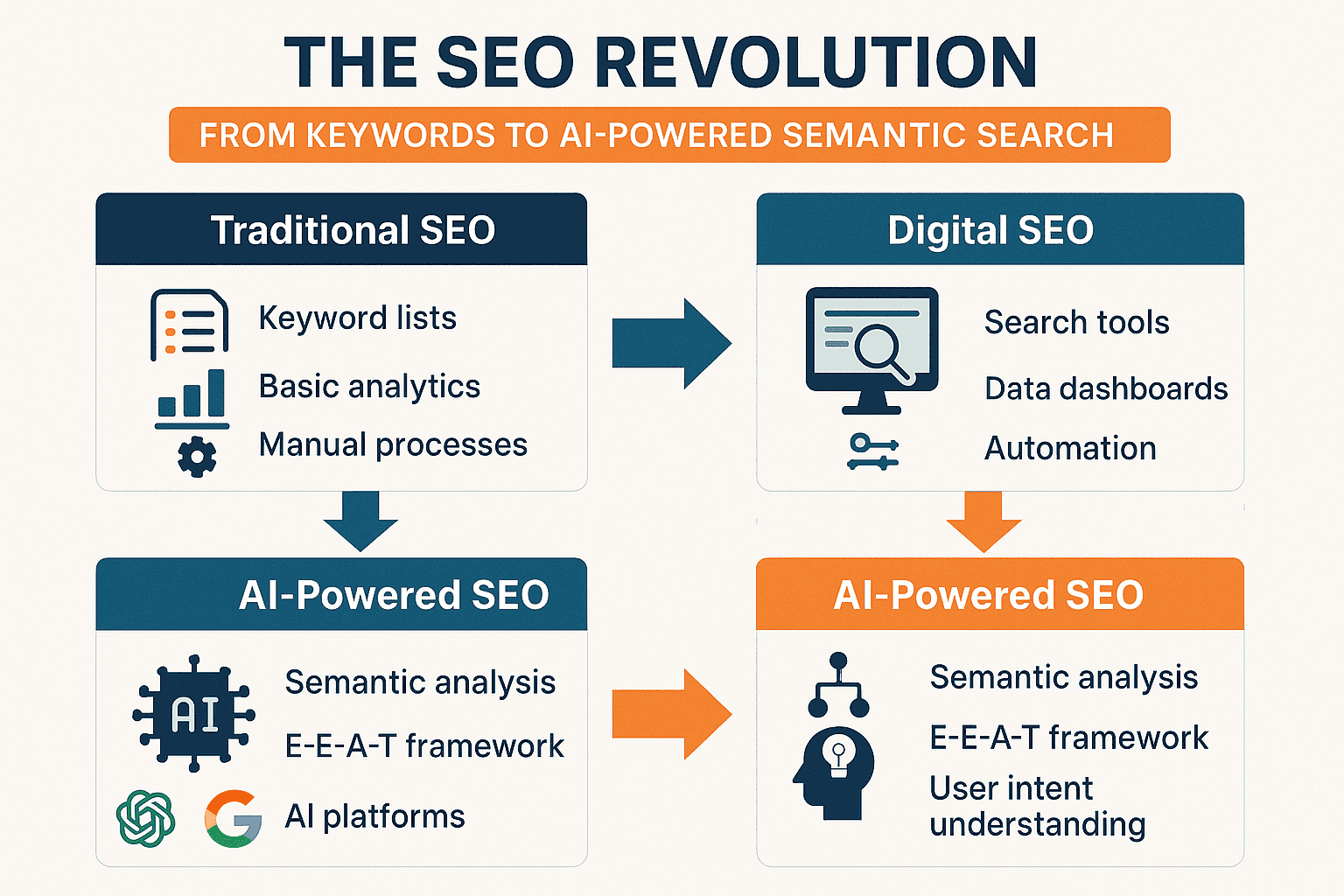
Search engine optimization has transformed dramatically with the rise of artificial intelligence. The days of targeting a single exact-match phrase are fading fast. Modern search algorithms, powered by machine learning, now understand context, intent, and semantic relationships between words. This shift makes AI SEO keyword variations essential for any serious digital marketing strategy. By leveraging AI to uncover and implement these variations, businesses can capture more organic traffic, answer user questions more effectively, and stay ahead of competitors who still rely on outdated keyword tactics.
Understanding AI SEO Keyword Variations
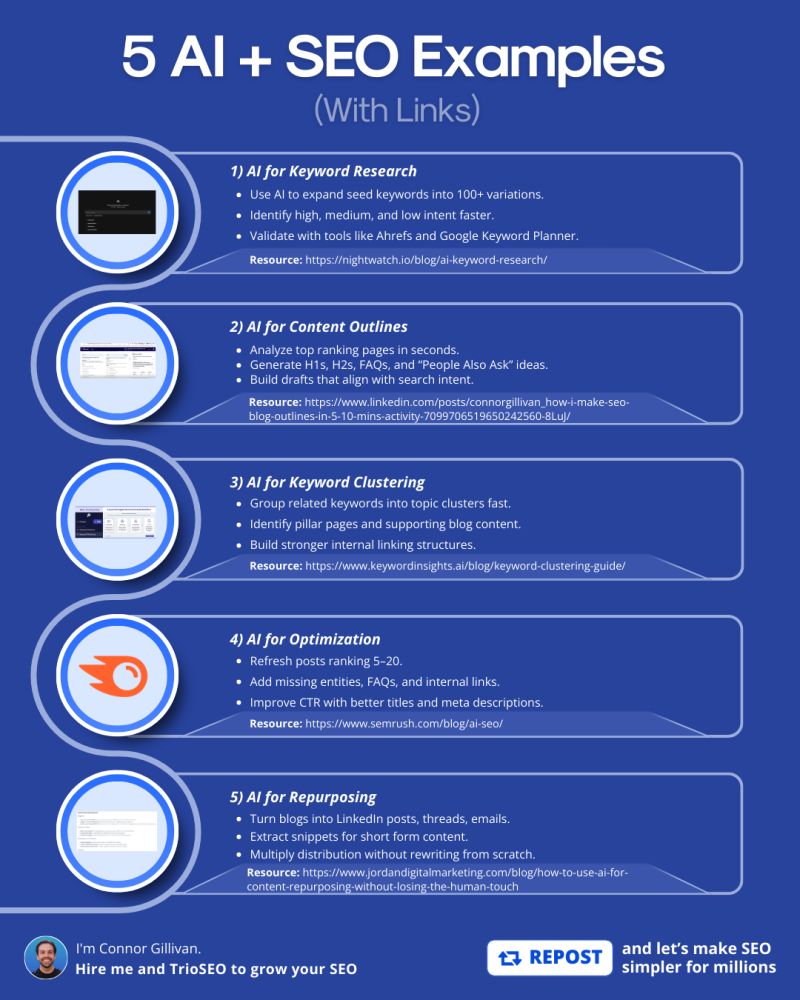
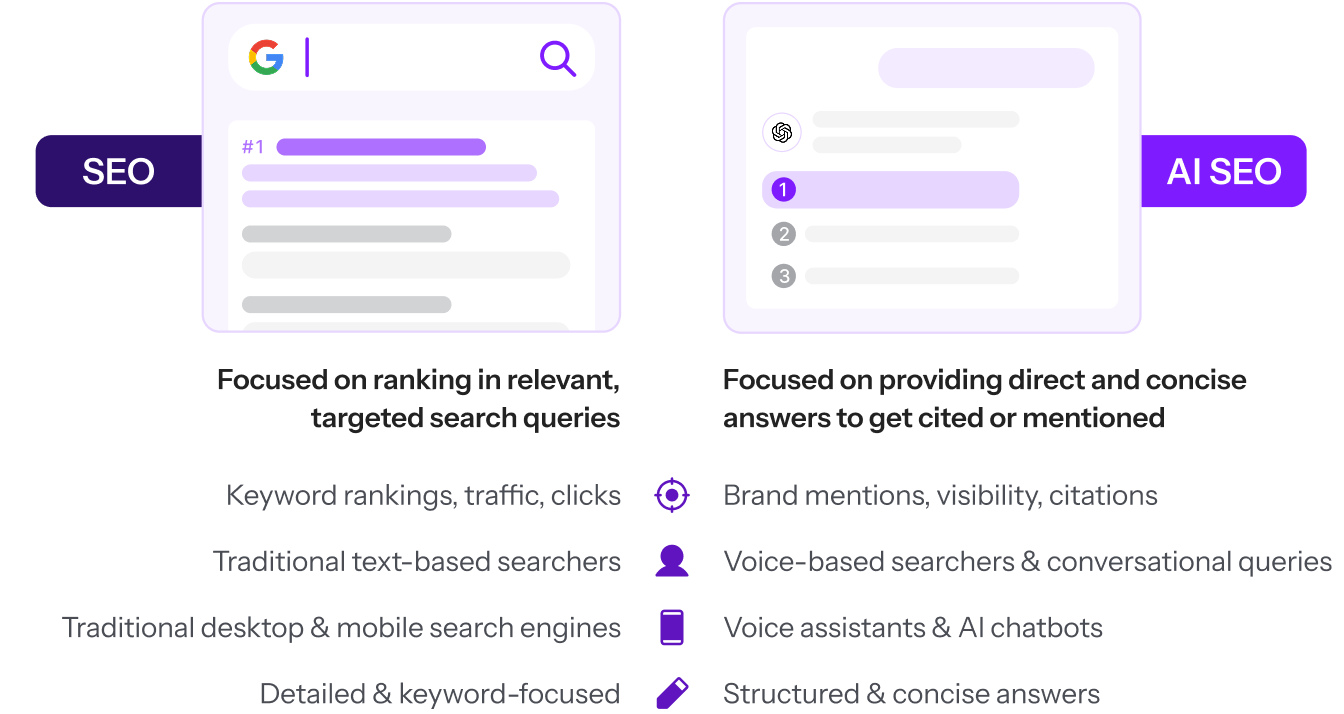
AI SEO keyword variations refer to the different ways users search for the same underlying topic or intent. These are not just synonyms. They include long-tail phrases, question-based queries, voice search patterns, and semantically related terms that artificial intelligence tools identify through natural language processing (NLP) and machine learning algorithms.
Traditional keyword research focused on exact matches and close variants. Google’s algorithms now use neural matching and BERT (Bidirectional Encoder Representations from Transformers) to understand the relationship between words in a query. This means a page optimized for “best running shoes” can rank for “top trainers for jogging” if the content comprehensively covers the topic with natural language variations.
The Role of Machine Learning in Keyword Discovery
AI-powered tools like Clearscope, Surfer SEO, and MarketMuse analyze millions of search results to identify patterns. They cluster keywords based on topical relevance rather than just keyword strings. These platforms process data from search engine results pages (SERPs), user behavior metrics, and content performance to suggest variations that human researchers might miss.
For example, an AI tool analyzing the topic “home workout equipment” might suggest variations like “apartment gym setup,” “compact exercise machines,” “bodyweight training tools,” and “home fitness gear for small spaces.” Each variation represents a distinct user intent while remaining topically connected.
Why AI SEO Keyword Variations Matter in 2024 and Beyond
Search behavior has evolved. Users type questions into search bars, speak commands to virtual assistants, and use conversational phrases. The average query length has increased, and the intent behind searches has become more specific. AI SEO keyword variations help you match this evolving behavior.
Capturing Voice Search Traffic
Voice search queries are typically longer and more conversational. Someone might type “weather New York” but ask their phone “what is the weather like in New York today?” AI tools identify these natural language patterns and help you create content that answers both types of queries. Optimizing for these variations puts your content in front of users who prefer hands-free search.
Improving Content Relevance and User Experience
When you incorporate AI SEO keyword variations, your content naturally becomes more comprehensive. Instead of repeating the same phrase, you cover subtopics, answer related questions, and address different angles. This improves dwell time, reduces bounce rates, and signals to search engines that your page provides genuine value.
Outranking Competitors with Thin Content
Many websites still publish content targeting one keyword per page. By using AI to generate a full spectrum of variations, you create a resource that satisfies multiple search intents simultaneously. This depth often outperforms thin, single-keyword pages in search rankings.
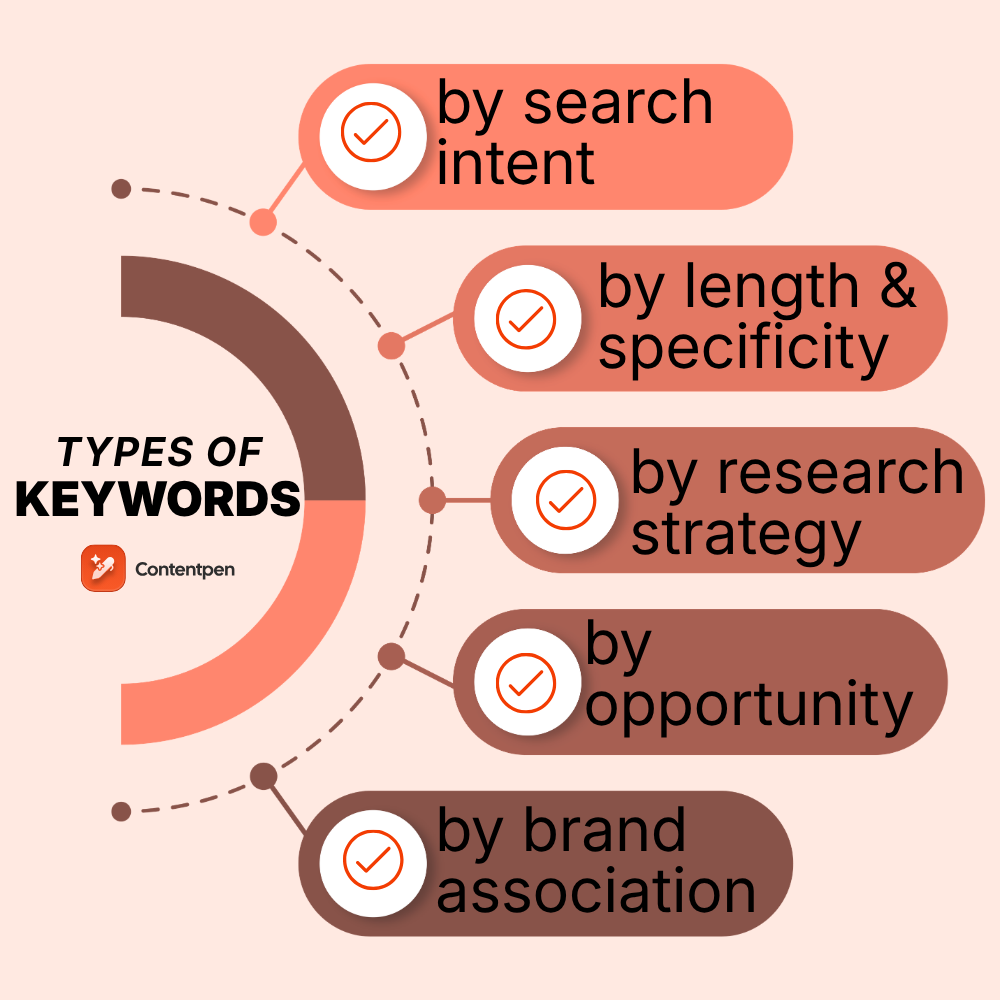
Types of AI SEO Keyword Variations You Should Know
Understanding the different categories of keyword variations helps you structure your content strategy effectively. Each type serves a specific purpose in the search ecosystem.
Semantic Variations
These are words and phrases that share meaning with your primary keyword. For instance, if your main keyword is “digital marketing,” semantic variations include “online marketing,” “internet advertising,” “web promotion,” and “digital advertising.” Search engines use these to confirm your content truly addresses the topic.
Long-Tail Variations
Long-tail keywords are longer, more specific phrases with lower search volume but higher conversion potential. AI tools generate these by combining your main keyword with modifiers like “best,” “cheap,” “for beginners,” “near me,” or specific attributes. An example would be “affordable digital marketing services for small businesses.”
Question-Based Variations
These variations start with who, what, when, where, why, and how. They target users in the research or decision-making phase. For the keyword “content marketing,” question variations include “what is content marketing,” “how to create a content marketing strategy,” and “why is content marketing important.”
LSI (Latent Semantic Indexing) Keywords
LSI keywords are conceptually related terms that help search engines understand context. For “coffee,” LSI keywords might include “roasting,” “beans,” “caffeine,” “brewing methods,” and “espresso.” While Google no longer uses LSI in the strict technical sense, the concept remains relevant for topical depth.
Entity-Based Variations
AI systems now recognize entities—people, places, brands, and concepts. Entity-based variations include brand names, product names, and industry-specific jargon. For a page about “CRM software,” entity variations might include “Salesforce,” “HubSpot,” “customer relationship management,” and “sales pipeline tools.”
How AI Tools Generate Keyword Variations
AI SEO tools use several sophisticated methods to discover and recommend keyword variations. Understanding these methods helps you evaluate tool suggestions and apply them strategically.
Natural Language Processing (NLP) Analysis
NLP algorithms parse search queries to understand grammatical structure and intent. They identify nouns, verbs, modifiers, and prepositions to determine what the user really wants. This analysis produces variations that match different phrasing patterns while maintaining the core meaning.
Search Query Clustering
AI tools group thousands of search queries into clusters based on shared intent and topic. If your main keyword appears in a cluster, the tool recommends other queries from that same cluster. This approach ensures all variations are genuinely relevant to the same user need.
Competitor Content Gap Analysis
Machine learning models scan top-ranking pages for your target keyword. They extract the terms and phrases those pages use, then identify gaps where your content could provide additional value. This generates variations your competitors have missed.
Predictive Modeling
Some advanced AI tools use predictive analytics to forecast which keyword variations will gain traction. They analyze search trend data, seasonality, and emerging topics to suggest variations that are not yet saturated but show growth potential.
Practical Guide: Implementing AI SEO Keyword Variations
Knowing the theory is not enough. You need a clear workflow to integrate AI SEO keyword variations into your content creation process. Follow these steps to see measurable results.
Step 1: Define Your Core Topic and Primary Keyword
Start with a clear understanding of your target audience and the main topic you want to rank for. Your primary keyword should reflect the main search intent. Use tools like Google Keyword Planner or Ahrefs to establish a baseline search volume and difficulty score.
Step 2: Run AI-Powered Keyword Research
Input your primary keyword into an AI SEO tool. Generate a comprehensive list of variations. Look for patterns in the suggestions. Group them into categories like informational, transactional, and navigational intent. Save the most relevant ones for your content brief.
Step 3: Map Variations to Content Structure
Create a content outline that naturally incorporates your keyword variations. Assign primary variations to H2 headings. Use secondary variations in body paragraphs, bullet points, and image alt text. Ensure the placement feels natural, not forced.
Step 4: Write for Humans First, Search Engines Second
Use the variations as a guide, not a script. Write comprehensive, engaging content that answers questions and solves problems. If a variation fits naturally, include it. If it disrupts the flow, find a different way to address that subtopic.
Step 5: Optimize On-Page Elements
Incorporate variations into your title tag, meta description, URL slug, and header tags. Use different variations in each element to avoid keyword cannibalization. Ensure your page clearly signals its topical authority to search engines.
Step 6: Monitor Performance and Iterate
After publishing, track your rankings for both the primary keyword and its variations. Use Google Search Console to see which queries actually trigger your page. Update your content regularly with new variations based on performance data and emerging search trends.
Common Mistakes When Using AI SEO Keyword Variations
Even with powerful AI tools, marketers make avoidable errors that hurt their rankings. Recognizing these pitfalls keeps your strategy on track.
Keyword Stuffing with Variations
Some marketers try to include every possible variation in a single page. This creates unnatural, unreadable content. Search engines penalize this practice. Focus on the most relevant variations and cover others through internal linking to related articles.
Ignoring Search Intent
Not all variations share the same intent. A variation like “best running shoes” has commercial intent, while “how to choose running shoes” has informational intent. Mixing these on one page confuses search engines and users. Create separate pages for different intents.
Neglecting User Experience
AI-generated variations should enhance content, not replace human judgment. If a variation does not fit your audience’s needs, skip it. Prioritize readability, clarity, and value over hitting a specific keyword count.
Failing to Update Content
Search trends change. AI tools continuously identify new variations. Content that was optimized six months ago may now miss critical terms. Schedule regular content audits to refresh your pages with current variations.
Comparing AI Keyword Tools for Variation Research
Several tools offer AI-driven keyword variation features. Each has strengths and weaknesses. The table below compares the most popular options to help you choose.
| Tool | Key Features | Best For | Pricing Model |
|---|---|---|---|
| Surfer SEO | Content editor, SERP analyzer, keyword clustering | On-page optimization | Subscription |
| Clearscope | Content briefs, term scoring, competitor analysis | Comprehensive content planning | Subscription |
| MarketMuse | Topical authority scoring, AI writing assistant | Enterprise content teams | Subscription |
| Ahrefs | Keyword explorer, content gap, rank tracking | SEO professionals | Subscription |
| Google Search Console | Query performance, impression data | Free validation of variations | Free |
Benefits and Limitations of AI SEO Keyword Variations
Adopting this approach brings significant advantages, but it also has constraints you should acknowledge.
Key Benefits
- Expanded organic reach across multiple related queries
- Improved content depth and topical authority
- Better alignment with voice search and conversational queries
- Reduced reliance on guessing user intent
- Faster identification of emerging search trends
- AI suggestions require human editorial judgment
- Over-optimization can lead to unnatural content
- Tools can be expensive for small businesses
- Variations may not always match your brand voice
- Search algorithms change, requiring constant adaptation
Limitations to Consider
Important Notes for Long-Term Success
AI SEO keyword variations are a powerful tool, but they work best within a broader SEO strategy. Keep these principles in mind as you scale your efforts.
First, prioritize topical authority over individual keyword rankings. Build comprehensive resource hubs that cover all aspects of your niche. Second, combine AI insights with your own industry expertise. No algorithm understands your audience as well as you do. Third, track user engagement metrics like time on page and conversion rates, not just rankings. These metrics reveal whether your variations actually satisfy user needs.
Finally, stay updated on AI developments in search. Google’s Search Generative Experience (SGE) and other AI-driven features are changing how results appear. Content that uses natural language variations will be better positioned to appear in AI-generated summaries and answer boxes.
Frequently Asked Questions
What are AI SEO keyword variations?
AI SEO keyword variations are alternative phrases and terms that artificial intelligence tools identify as semantically related to a primary keyword. They include long-tail queries, question-based searches, synonyms, and entity-based terms that share the same user intent.
How do AI tools find keyword variations?
AI tools use natural language processing, search query clustering, competitor content analysis, and predictive modeling. These methods analyze millions of search queries and web pages to identify patterns and relationships between terms.
Do AI SEO keyword variations improve rankings?
Yes, when used correctly. Incorporating variations makes your content more comprehensive and relevant to a wider range of search queries. This improves topical authority, user engagement, and ultimately your ability to rank for multiple related keywords.
Can I use AI keyword variations without expensive tools?
Yes. Google Search Console shows you the actual queries users type to find your site. Google’s autocomplete and “People Also Ask” features provide free variation ideas. You can also manually analyze top-ranking competitor pages for common terms.
How many keyword variations should I target per page?
T Focus on covering the topic comprehensively rather than hitting a specific count. Typically, 10 to 20 well-chosen variations per page provide sufficient depth without risking keyword stuffing.
Are AI keyword variations the same as LSI keywords?
They are related but not identical. LSI keywords are conceptually related terms. AI keyword variations are broader, including long-tail phrases, questions, and entity-based terms. AI variations are generated using more advanced machine learning techniques than traditional LSI analysis.
Conclusion
AI SEO keyword variations represent the new standard for search optimization. As search engines become more intelligent, your content strategy must evolve to match. By leveraging AI tools to discover and implement these variations, you create content that resonates with both users and algorithms. The process requires careful planning, human judgment, and continuous refinement. Start by auditing your existing content for missing variations, then apply the strategies outlined here to build pages that dominate search results across multiple queries. The future of SEO belongs to those who embrace AI-driven insights while maintaining a focus on genuine user value.
Xem thêm:
- AI SEO Landing Pages: The Complete Guide to Automated Conversion Optimization
- AI SEO Heading Structure: The Complete Guide to Optimizing Headings for Search Engines
- AI SEO Content Quality: The Complete Guide to Publishing Content That Ranks in 2025
- AI SEO News: Mastering the Latest Artificial Intelligence Developments Reshaping Search Optimization
- 10 Best AI Research Tools Revolutionizing Academic Discovery in 2025
Bài viết cùng chủ đề:

AI SEO SEO Automation with Make: The Complete Workflow Guide

AI SEO SEO Automation with Zapier: The Complete Workflow Guide

AI SEO SEO Automation with n8n: The Complete Workflow Guide
AI SEO SEO Automation with Gemini: The Complete Guide to Scaling Organic Growth

AI SEO SEO Automation with Claude: The Complete Guide to Scaling Content in 2025

AI SEO SEO Automation with ChatGPT: The Complete Playbook for 2025

AI SEO & SEO Automation for Affiliate Sites: The 2025 Playbook for Passive Income Growth
AI SEO & SEO Automation for Bloggers: The Complete Guide to Scaling Your Content

AI SEO & SEO Automation for Agencies: The Complete 2025 Playbook

AI SEO and SEO Automation for Ecommerce: The Complete Playbook for 2025

AI SEO & SEO Automation for WordPress: The Complete Playbook for 2025
AI SEO SEO Automation Strategy: The Complete Playbook for 2025

Mastering the AI SEO SEO Automation Process: A Complete Guide to Scaling Organic Growth
AI SEO SEO Automation System: The Complete Guide to Scaling Organic Growth in 2025
AI SEO SEO Automation Platform: The Complete Guide to Scaling Organic Growth in 2025
AI SEO SEO Automation Software: The Complete Guide to Scaling Organic Growth in 2025















