No products in the cart.
AI SEO Email Outreach: The Complete Guide to Automating Link Building in 2025
10
Aug
Aug
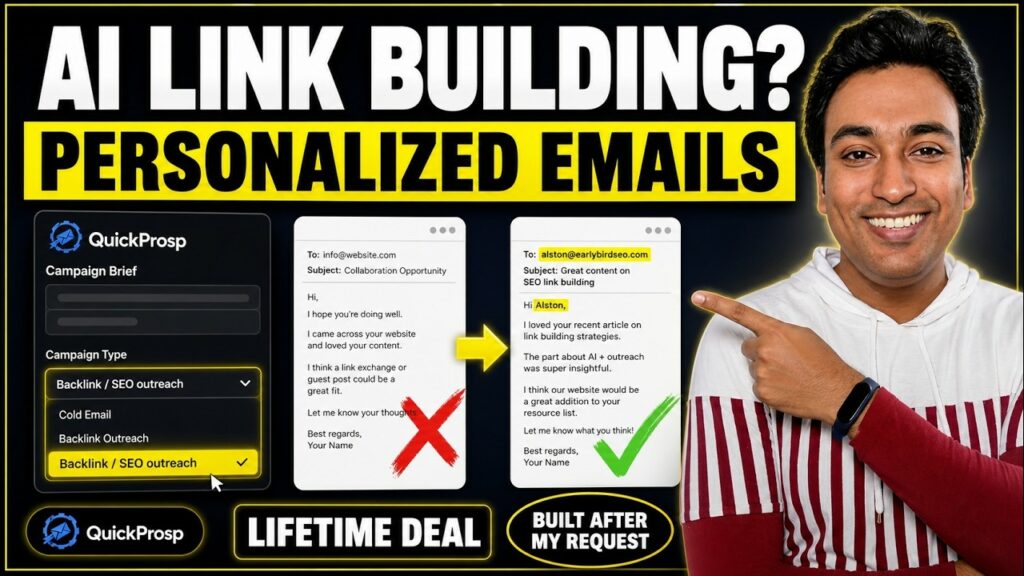
AI SEO email outreach has transformed how digital marketers build backlinks, secure partnerships, and grow organic visibility. Instead of spending hours manually researching prospects and crafting personalized pitches, modern teams leverage artificial intelligence to scale their efforts while maintaining a human touch. This comprehensive guide explores how AI-powered tools streamline the entire outreach workflow, from prospect identification to follow-up sequences, and reveals the strategies that separate successful campaigns from spam folders.
What Is AI SEO Email Outreach?
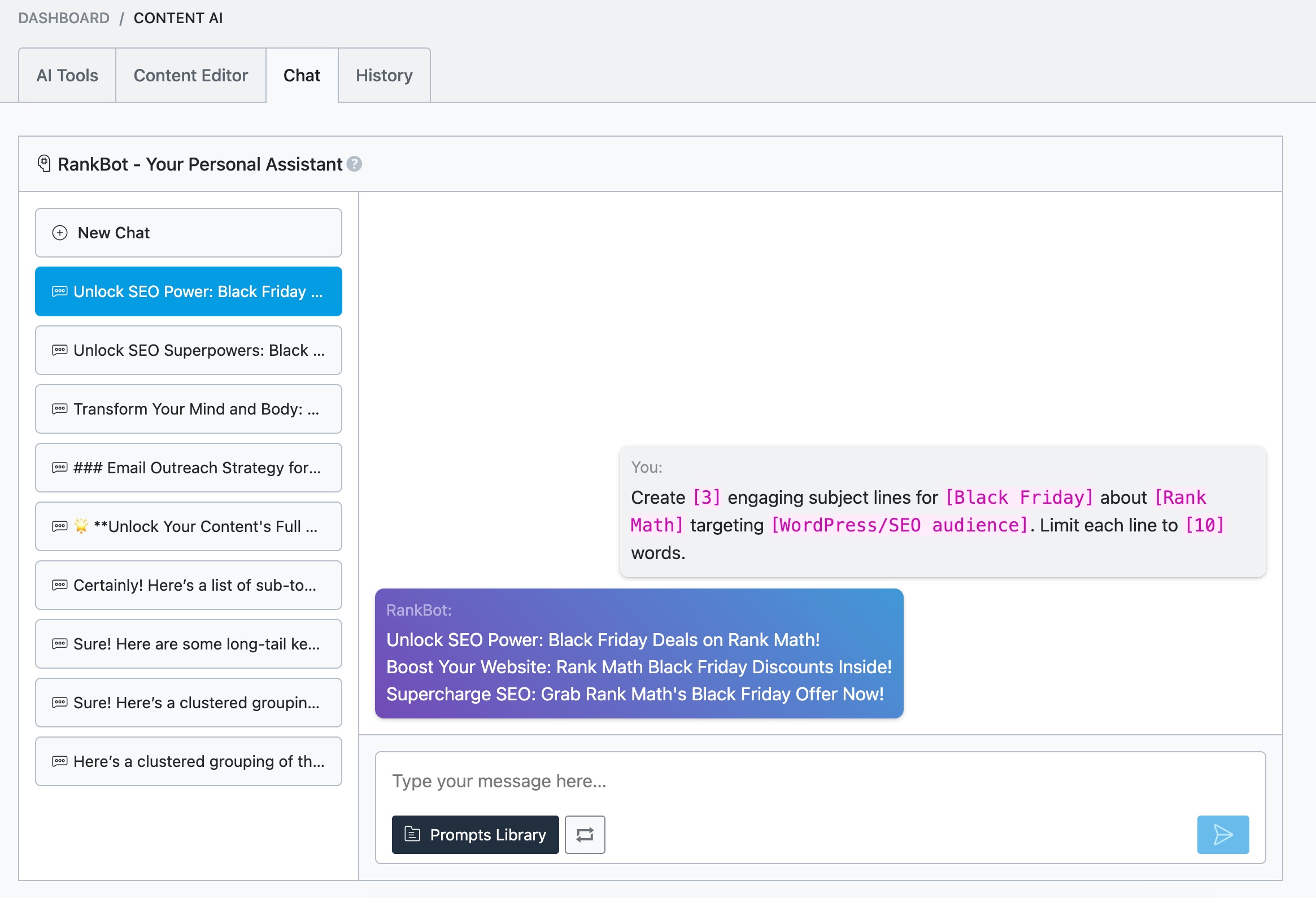
AI SEO email outreach combines artificial intelligence technologies with traditional link-building and relationship-building email campaigns. The core objective remains identical to conventional outreach: earning high-quality backlinks, securing guest post opportunities, and building authority through digital PR. However, AI handles the heavy lifting of data processing, content personalization, and timing optimization.
The technology works by analyzing vast datasets to identify prospects who are most likely to respond positively. Machine learning algorithms evaluate factors such as domain authority, content relevance, engagement patterns, and even the tone of previous communications. This data-driven approach eliminates guesswork and allows outreach specialists to focus their energy on relationship building rather than administrative tasks.
The Evolution from Manual to Automated Outreach
Traditional email outreach required hours of manual research. Marketers would search for websites in their niche, manually evaluate domain metrics, guess at contact information, and write individual emails for each prospect. This process limited campaigns to perhaps 20-30 personalized emails per day. AI SEO email outreach changes this equation dramatically.
Modern AI tools can process thousands of websites in minutes, extract verified contact information, score prospects based on custom criteria, and generate personalized email drafts that reference specific content from each target site. The result is a tenfold increase in productivity without sacrificing the personalization that drives response rates.
How AI SEO Email Outreach Works
Understanding the mechanics behind AI-powered outreach helps marketers choose the right tools and set realistic expectations. The process typically follows a structured workflow that combines several AI capabilities.
Prospect Discovery and Scoring
AI algorithms crawl the web to find websites that match your niche, content criteria, and authority thresholds. These systems analyze on-page content, backlink profiles, social signals, and traffic patterns to build a comprehensive picture of each potential prospect. The scoring models then rank prospects based on your specific campaign goals.
For example, a campaign targeting digital marketing blogs might score prospects higher if they have published content about SEO within the last 30 days, maintain a domain authority above 50, and have an active social media following. The AI continuously learns from campaign performance, refining its scoring criteria based on which prospects actually convert.
Contact Information Verification
One of the most tedious aspects of manual outreach is finding accurate email addresses. AI SEO email outreach tools solve this problem through sophisticated email finder algorithms that scan websites, social profiles, and professional databases. These systems verify email deliverability in real-time, reducing bounce rates and protecting your sender reputation.
Advanced tools even detect the preferred communication style of each prospect. Some professionals respond better to concise, data-driven pitches while others prefer storytelling approaches. AI analyzes past email responses and content tone to adjust the communication style accordingly.
Personalized Content Generation
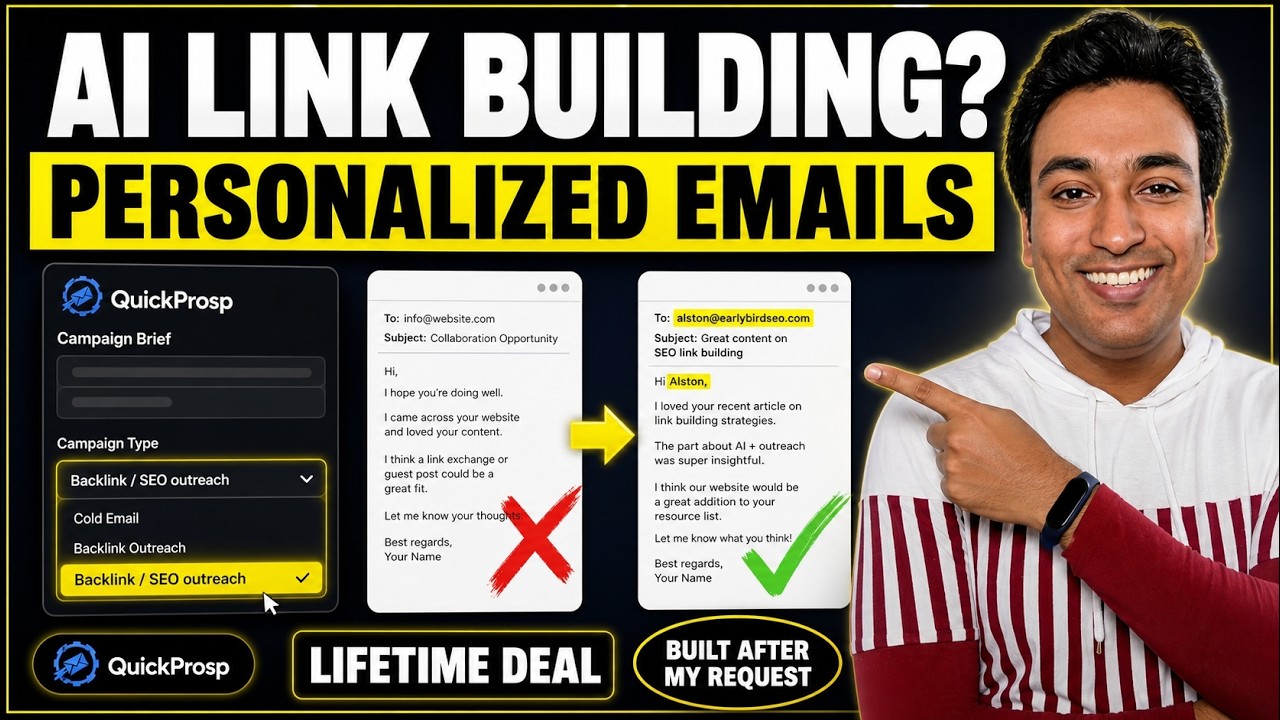
The heart of effective AI SEO email outreach lies in its ability to generate personalized content at scale. Natural language processing models analyze each prospect’s website, recent articles, and social media activity to identify specific talking points. The AI then crafts email templates that reference this unique information.
A well-optimized AI-generated email might mention a specific statistic from a prospect’s recent blog post, acknowledge their latest podcast appearance, or reference a shared connection. This level of personalization was previously impossible to achieve at scale, making AI outreach a game-changer for link-building campaigns.
Key Benefits of AI SEO Email Outreach

The advantages of implementing AI in your outreach strategy extend far beyond simple time savings. Understanding these benefits helps justify the investment in tools and training.
- Scalability without Sacrificing Quality: AI enables campaigns that reach hundreds or thousands of prospects daily while maintaining the personalization that drives responses.
- Data-Driven Decision Making: Every aspect of the campaign generates data that AI analyzes to optimize future outreach efforts continuously.
- Improved Response Rates: AI’s ability to identify the right prospects and craft relevant messages consistently outperforms manual approaches in A/B testing.
- 24/7 Campaign Management: AI systems monitor email performance, send follow-ups at optimal times, and adjust strategies without requiring constant human supervision.
- Cost Efficiency: While AI tools require investment, they typically cost less than hiring additional outreach specialists to achieve the same volume.
- Deliverability Rate: The percentage of emails that successfully reach the recipient’s inbox rather than bouncing or landing in spam.
- Open Rate: The percentage of delivered emails that recipients open. Industry benchmarks vary, but 40-60% is considered strong for cold outreach.
- Response Rate: The percentage of opened emails that generate a reply. This is the most important metric for measuring engagement.
- Positive Response Rate: The percentage of responses that express interest in your offer, as opposed to negative or neutral replies.
- Conversion Rate: The percentage of prospects who complete your desired action, such as publishing a guest post or adding a link.
- Cost per Acquisition: The total campaign cost divided by the number of successful conversions.
Limitations and Challenges of AI Outreach
Despite its power, AI SEO email outreach has limitations that marketers must acknowledge. Being aware of these challenges prevents unrealistic expectations and helps develop mitigation strategies.
AI-generated content can sometimes feel robotic or generic, especially if the tools are not properly configured. Search engines and email providers have become sophisticated at detecting automated outreach patterns, potentially harming your domain reputation if campaigns are not carefully managed. Additionally, AI cannot fully replicate the intuition and emotional intelligence that experienced outreach professionals bring to relationship building.
Data privacy regulations such as GDPR and CCPA impose strict requirements on how personal data is collected and used. AI tools must comply with these regulations, and marketers need to ensure their campaigns follow legal guidelines for commercial communications.
AI SEO Email Outreach vs. Traditional Outreach
Comparing AI-powered outreach with traditional methods provides clarity on when each approach makes sense for your organization.
| Aspect | AI SEO Email Outreach | Traditional Outreach |
|---|---|---|
| Prospect Research | Automated, data-driven, real-time | Manual, time-consuming, limited scope |
| Personalization | Scalable, data-informed, dynamic | Deep but limited to small volumes |
| Campaign Volume | Hundreds to thousands per day | 20-50 per day maximum |
| Follow-up Management | Automated, optimized timing | Manual tracking, often inconsistent |
| Cost Structure | Subscription-based tools | Labor-intensive, higher per-email cost |
| Learning and Optimization | Continuous machine learning | Dependent on individual experience |
Traditional outreach still holds value for high-value prospects where a deeply personalized, human-crafted email makes a significant difference. Many successful teams use a hybrid approach, leveraging AI for initial prospecting and first-touch emails while reserving manual outreach for strategic targets.
Practical Implementation: Building Your AI Outreach Campaign
Implementing AI SEO email outreach requires careful planning and execution. Follow this step-by-step guide to launch a successful campaign.
Step 1: Define Your Campaign Goals and Target Audience
Start by clearly articulating what you want to achieve. Are you looking for guest post opportunities, resource page links, digital PR mentions, or product reviews? Your goals determine the type of prospects you target and the messaging you use.
Create a detailed profile of your ideal prospect. Consider factors such as industry, website authority, content topics, audience demographics, and geographic location. The more specific your targeting criteria, the better your AI tools can identify suitable prospects.
Step 2: Select the Right AI Outreach Tools
Several platforms offer AI-powered outreach capabilities, each with unique strengths. Evaluate tools based on your budget, technical expertise, and campaign requirements. Look for features such as prospect discovery, email verification, personalization engines, automated follow-ups, and analytics dashboards.
Many tools offer free trials, allowing you to test their capabilities before committing. Pay attention to user reviews and case studies from companies similar to yours in size and industry.
Step 3: Configure Your AI Personalization Parameters
AI tools require configuration to generate effective personalized content. Provide the system with information about your brand voice, key messaging points, and the types of value propositions that resonate with your audience. Upload examples of successful outreach emails to help the AI understand your preferred style.
Set parameters for the level of personalization you want. Some campaigns benefit from deep personalization that references specific content on each prospect’s site, while others perform better with lighter personalization that focuses on common pain points.
Step 4: Craft Your Email Templates
While AI generates personalized variations, you need to provide the core templates. Create templates for different scenarios: initial outreach, follow-up sequences, breakups, and re-engagement. Each template should include placeholders that the AI fills with personalized data.
Your templates should follow best practices for outreach emails: clear subject lines, concise messaging, a compelling value proposition, and a single call-to-action. Keep emails under 150 words for optimal engagement.
Step 5: Launch and Monitor Performance
Start with a small test campaign to validate your approach. Monitor key metrics such as open rates, response rates, positive reply rates, and conversion rates. AI tools provide real-time analytics that show which messages perform best and which prospect segments respond most favorably.
Use this data to refine your templates, adjust your targeting criteria, and optimize your follow-up sequences. Continuous improvement is essential to maximizing the return on your AI outreach investment.
Common Mistakes in AI SEO Email Outreach

Even with advanced technology, campaigns can fail if common pitfalls are not avoided. Recognizing these mistakes helps you steer clear of costly errors.
Over-Reliance on Automation
AI should enhance your outreach, not replace human judgment entirely. Sending thousands of automated emails without any human oversight damages your brand reputation and burns prospects. Review AI-generated content regularly and maintain a human touch in your communications.
Ignoring Sender Reputation
Email deliverability depends heavily on your sender reputation. Sending high volumes of cold emails without proper warm-up, authentication, and list hygiene leads to spam folder placement. Monitor your domain reputation and adjust sending volumes accordingly.
Generic Value Propositions
AI personalization fails when the underlying value proposition is weak. If you cannot articulate why a prospect should care about your offer, no amount of personalization will save the campaign. Develop compelling reasons for prospects to engage with your brand.
Neglecting Follow-Up Sequences
Most responses come from follow-up emails, not initial outreach. AI tools excel at managing follow-up sequences, but only if you configure them properly. Set appropriate intervals between follow-ups and vary your messaging to avoid sounding repetitive.
Best Practices for High-Performing AI Outreach
Successful campaigns follow proven strategies that maximize the effectiveness of AI tools while maintaining authenticity.
Always prioritize relevance over volume. Sending 100 highly relevant emails outperforms sending 1,000 generic ones. Use AI to identify the top 10% of prospects who are most likely to convert and focus your best content on them.
Test different subject lines, email lengths, and calls-to-action systematically. AI tools can run A/B tests automatically, providing data on what resonates with different audience segments. Apply these insights to continuously improve your campaigns.
Maintain a clean, updated prospect database. Remove invalid emails, suppress unsubscribes, and regularly refresh your prospect lists. AI tools help with list hygiene, but you must configure these features properly.
Measuring Success: Key Metrics for AI Outreach
Tracking the right metrics ensures you understand campaign performance and can make data-driven improvements.
Important Notes on Compliance and Ethics
AI SEO email outreach operates in a regulatory environment that demands attention. The CAN-SPAM Act in the United States requires commercial emails to include accurate sender information, clear subject lines, and a physical postal address. The GDPR in Europe imposes stricter requirements, including explicit consent for data processing and the right to be forgotten.
Always include a clear unsubscribe mechanism in every email. Honor opt-out requests promptly and maintain suppression lists to avoid sending unwanted communications. Transparency about your identity and the purpose of your outreach builds trust and reduces complaints.
Ethical considerations extend beyond legal compliance. Avoid deceptive subject lines, misleading content, or manipulative tactics. Build genuine relationships with prospects and provide real value in your communications.
Frequently Asked Questions
Is AI SEO email outreach effective for small businesses?
Yes, AI outreach tools have become increasingly accessible and affordable for small businesses. Many platforms offer tiered pricing based on campaign volume, allowing smaller teams to benefit from automation without significant investment. Small businesses often see excellent results because they can compete with larger companies by targeting niche prospects with highly relevant content.
How many emails should I send per day with AI outreach?
The optimal sending volume depends on your domain reputation, email infrastructure, and prospect quality. Start with 50-100 emails per day to establish a positive sending reputation, then gradually increase volume as your metrics improve. Monitor bounce rates and spam complaints closely, adjusting volume downward if these metrics rise.
Can AI completely replace human outreach specialists?
AI cannot fully replace human expertise in outreach. While AI handles data processing, personalization, and follow-up management, human judgment remains essential for strategic decisions, complex negotiations, and relationship building. The most successful teams combine AI efficiency with human creativity and emotional intelligence.
What is the typical response rate for AI-powered outreach?
Response rates vary widely based on industry, prospect quality, and offer relevance. Well-executed AI outreach campaigns typically achieve response rates between 5-15%, with positive response rates of 2-5%. These figures compare favorably to traditional cold email benchmarks of 1-3% response rates.
How do I avoid my AI outreach emails being marked as spam?
Focus on relevance and personalization to reduce spam complaints. Use verified email addresses, maintain proper authentication protocols like SPF and DKIM, and avoid spam-triggering words in your subject lines and content. Monitor your sender reputation and adjust your strategy based on deliverability metrics.
Conclusion
AI SEO email outreach represents a fundamental shift in how digital marketers approach link building and relationship cultivation. The technology empowers teams to scale their efforts dramatically while maintaining the personalization that drives engagement. By understanding the capabilities and limitations of AI tools, implementing best practices, and continuously optimizing based on performance data, marketers can achieve outstanding results that were previously impossible.
The future of outreach belongs to those who embrace AI as a powerful ally rather than a replacement for human expertise. Successful campaigns will combine the analytical power of machine learning with the strategic insight and emotional intelligence of experienced marketers. As AI technology continues to evolve, the possibilities for even more sophisticated personalization and predictive targeting will only expand, making AI SEO email outreach an essential capability for any serious digital marketing organization.
Xem thêm:
- How to Create Topic Clusters with AI: A Data-Driven Blueprint for Modern SEO
- AI SEO Ranking Improvements: The Complete Guide to Future-Proofing Your Search Strategy
- AI SEO Scaling Strategy: The Complete Playbook for 2025 and Beyond
- AI SEO AI Search Traffic: The Complete Guide to Winning Generative Engine Rankings
- AI SEO SEO Automation with Gemini: The Complete Guide to Scaling Organic Growth
Bài viết cùng chủ đề:

AI SEO SEO Automation with Make: The Complete Workflow Guide

AI SEO SEO Automation with Zapier: The Complete Workflow Guide

AI SEO SEO Automation with n8n: The Complete Workflow Guide
AI SEO SEO Automation with Gemini: The Complete Guide to Scaling Organic Growth

AI SEO SEO Automation with Claude: The Complete Guide to Scaling Content in 2025

AI SEO SEO Automation with ChatGPT: The Complete Playbook for 2025

AI SEO & SEO Automation for Affiliate Sites: The 2025 Playbook for Passive Income Growth
AI SEO & SEO Automation for Bloggers: The Complete Guide to Scaling Your Content

AI SEO & SEO Automation for Agencies: The Complete 2025 Playbook

AI SEO and SEO Automation for Ecommerce: The Complete Playbook for 2025

AI SEO & SEO Automation for WordPress: The Complete Playbook for 2025
AI SEO SEO Automation Strategy: The Complete Playbook for 2025

Mastering the AI SEO SEO Automation Process: A Complete Guide to Scaling Organic Growth
AI SEO SEO Automation System: The Complete Guide to Scaling Organic Growth in 2025
AI SEO SEO Automation Platform: The Complete Guide to Scaling Organic Growth in 2025
AI SEO SEO Automation Software: The Complete Guide to Scaling Organic Growth in 2025