
No products in the cart.
AI SEO Generative Search Content: The Complete Playbook for Ranking in the Age of SGE
10
Aug
Aug
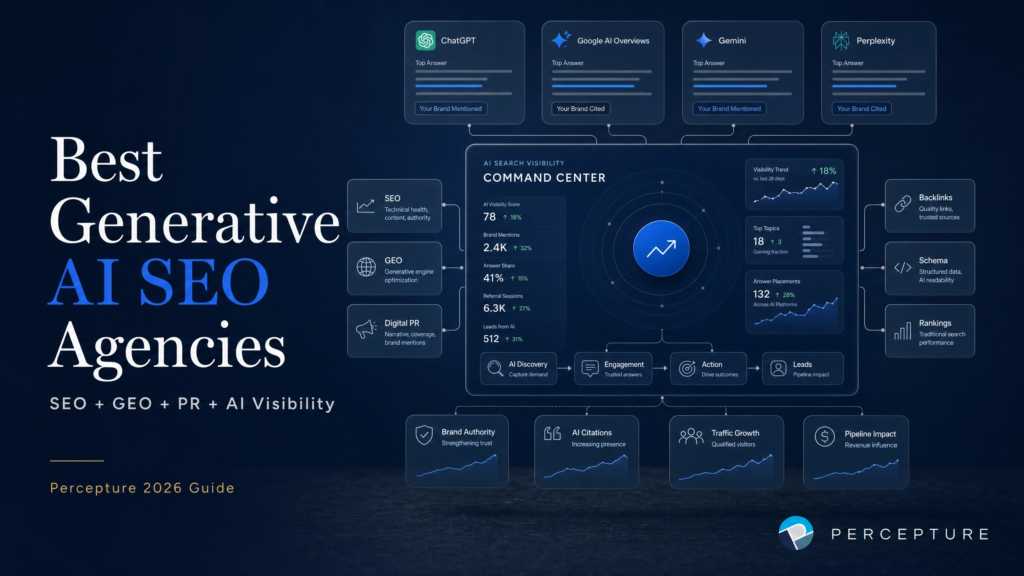
The digital marketing landscape has shifted beneath our feet. Traditional search engine optimization focused on keywords, backlinks, and meta tags. Today, the rise of AI-powered search experiences demands a new approach. This is where AI SEO generative search content comes into play. This strategy involves creating content specifically designed to be understood, cited, and recommended by generative AI models like Google’s Search Generative Experience (SGE), Bing Chat, and Perplexity. It is no longer enough to write for humans; you must write for the machines that now mediate human discovery.
This comprehensive guide will walk you through the mechanics of this new frontier. You will learn how to optimize for AI overviews, understand the shift from clicks to conversations, and build a content strategy that thrives in a zero-click world. The goal is to make your website the primary source for AI-generated answers, driving brand visibility and authority even when users do not visit your site directly.
Understanding the Shift: What is Generative Search?
Generative search represents a fundamental change in how information is retrieved. Instead of presenting a list of blue links, generative search engines synthesize information from multiple sources to create a single, coherent answer. This answer often appears in a dedicated box at the top of the search results page, known as an AI Overview.
This technology uses large language models (LLMs) to understand the nuances of a query. It then pulls data from across the web, evaluates the credibility of sources, and generates a unique response. For the user, this means faster answers and less need to click through multiple websites. For the publisher, it means the battle for the top spot is now a battle for inclusion in the AI’s summary.
The Anatomy of an AI Overview
AI Overviews are not random paragraphs. They are structured responses that typically include a summary paragraph, a list of bullet points, and a carousel of source links. To be featured, your content must be structured in a way that the AI can easily parse. This means using clear headings, concise paragraphs, and direct answers to specific questions.
The sources cited in these overviews are chosen based on authority, relevance, and freshness. The AI is designed to prioritize content that demonstrates high E-E-A-T (Experience, Expertise, Authoritativeness, and Trustworthiness). Therefore, your content must not only be accurate but also signal deep expertise in your niche.
Why AI SEO Generative Search Content is Critical for Your Strategy
Ignoring this shift is a significant risk. As AI Overviews become the default for many queries, organic click-through rates for traditional listings are declining. If your content is not selected as a source for the AI answer, you become invisible to a large segment of your target audience.
However, this also presents a massive opportunity. Being cited as a source in an AI Overview positions your brand as a thought leader. Even if the user does not click through, they see your brand name associated with the answer. This builds trust and increases the likelihood of direct visits in the future. The key is to pivot from a click-focused strategy to a visibility-focused strategy.
The Zero-Click Reality
The concept of the zero-click search is now mainstream. Users ask a question, get an answer, and move on. For many informational queries, the session ends on the search engine results page (SERP). This does not mean your SEO efforts are wasted. It means the goal has changed. The goal is now to be the definitive source of truth for the AI, ensuring your brand is the one providing the value.
This shift requires a new metric for success. Instead of measuring only traffic, you must measure brand mentions in AI responses and the overall share of voice in the generative search landscape.
How to Optimize Content for AI Generative Search
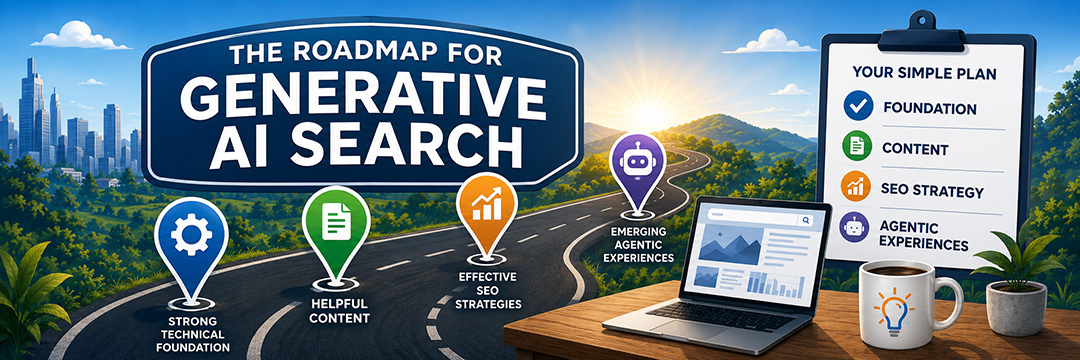
Optimizing for generative search requires a blend of traditional SEO best practices and new, AI-specific tactics. The core principle is clarity. You must remove ambiguity and provide explicit, well-structured information that an algorithm can easily digest.
1. Focus on Entity-Based Optimization
Search engines are moving away from matching strings of text and toward understanding entities. An entity is a specific person, place, thing, or concept. Your content should clearly define the entities you are discussing. Use consistent names and provide context. For example, if you are writing about “Apple,” clarify whether you mean the fruit or the technology company. This helps the AI disambiguate your content and associate it with the correct knowledge graph.
2. Implement Structured Data (Schema Markup)
Schema markup is the most direct way to communicate with search engines. By adding structured data to your HTML, you explicitly tell the AI what your content means. Use schema types like Article, FAQPage, HowTo, and Product to provide clear signals. This is not a guarantee of a featured snippet, but it significantly increases the probability of being understood and cited.
3. Write for Direct Answers
Generative AI models love direct answers. If a user asks “What is the capital of France?”, the AI looks for a page that says “The capital of France is Paris.” Structure your content to answer common questions directly in the first sentence of a paragraph. Use question-based headings (H2s) and follow them with a concise, definitive answer. This is the same tactic used for traditional featured snippets, and it remains highly effective for AI Overviews.
4. Build Topical Authority with Pillar Pages
Generative AI models assess the depth of your knowledge on a subject. A single blog post is often not enough. You need to create comprehensive pillar pages that cover a topic in exhaustive detail. These pages should be supported by cluster content that links back to the pillar. This creates a web of interconnected content that signals to the AI that you are a leading resource on that specific topic.
Content Formats That Perform Best in AI Search
Not all content formats are created equal in the eyes of generative AI. Certain structures are easier for algorithms to parse and synthesize. Focusing on these formats can give you a competitive edge.
Lists and Bullet Points
AI models frequently use lists to generate their answers. Content that uses bullet points or numbered lists is easier to extract and repurpose. When you are explaining steps, benefits, or features, use a list format. This increases the chances that the A
Comparison Tables
When users ask for comparisons, AI models look for data in a structured format. Tables are ideal for this. A well-structured table with clear headers and concise data points is highly likely to be cited. If you are comparing products, services, or features, always include a table.
Concise Definitions and Glossaries
Creating a glossary of terms within your niche is a powerful tactic. When the AI needs to define a term, it will look for a clear, authoritative definition. A dedicated glossary page or a “What is X?” section within your content can capture these queries effectively.
Practical Guide: Creating an AI-Optimized Article
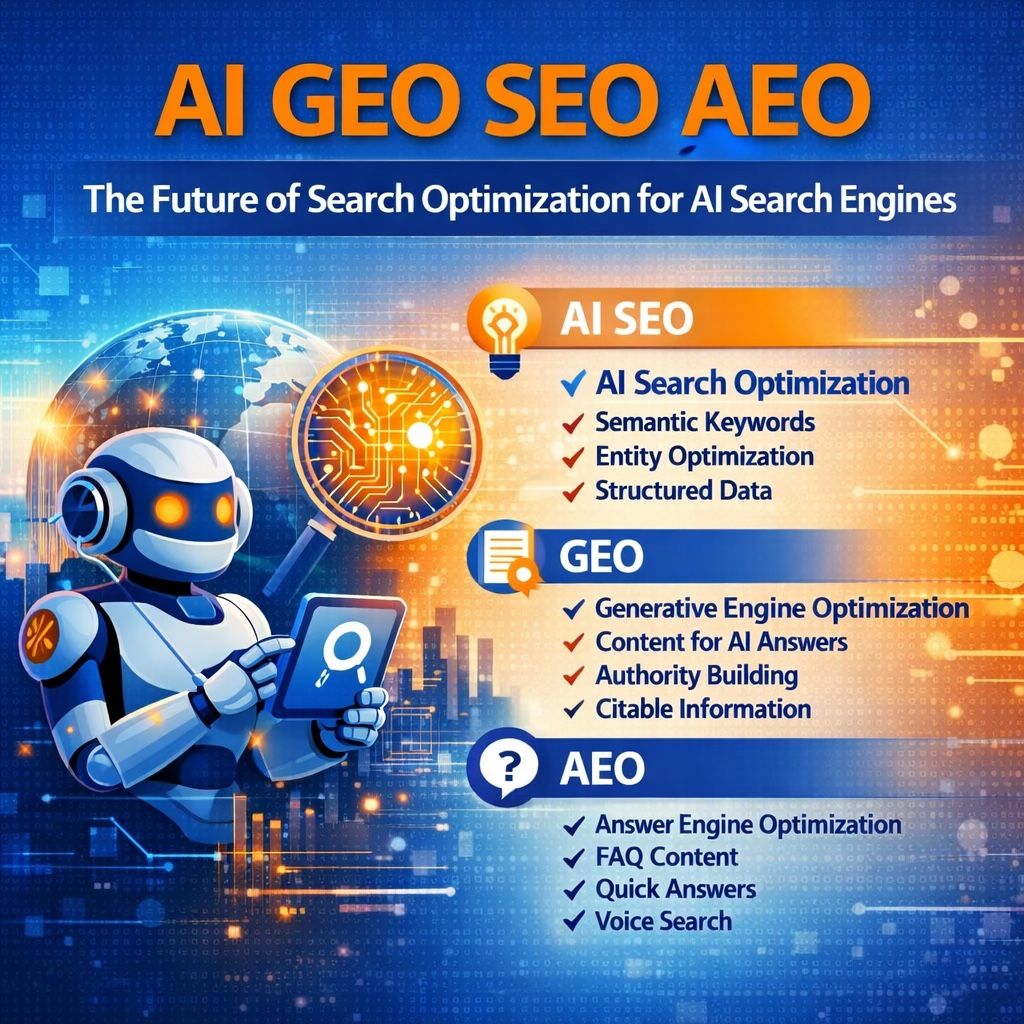
Let us walk through the process of creating a piece of content designed for generative search success. This is a step-by-step guide that you can apply to your own workflow.
- Keyword Research with AI Intent: Use tools like Google’s “People Also Ask” and AI chatbots themselves to find questions your audience is asking. Look for long-tail keywords that are phrased as questions.
- Outline for Answers: Structure your article with H2 and H3 headings that directly mirror these questions. Each section should provide a complete, self-contained answer.
- Write the Summary Paragraph: At the very beginning of your article, write a summary paragraph that answers the main query in 40-60 words. This acts as a “TL;DR” that the AI can easily pull for its overview.
- Use Data and Statistics: AI models love concrete data. Include statistics, studies, and specific numbers to back up your claims. This adds a layer of trust and authority that the AI recognizes.
- Cite Your Sources: If you are referencing external data, link to the original source. This helps the AI verify your information and understand the context of your claims.
- Optimize for Readability: Use short paragraphs, transition words, and a clear logical flow. The easier your content is for a human to read, the easier it is for an AI to parse.
Common Mistakes in AI SEO and How to Avoid Them
Many marketers are making critical errors as they adapt to this new landscape. Understanding these pitfalls is the first step to avoiding them.
Mistake 1: Relying on Outdated Keyword Stuffing
Stuffing your content with exact-match keywords is a relic of the past. Generative AI models are sophisticated enough to understand context and synonyms. Focus on semantic relevance and natural language. Write for a human expert, not a keyword counter.
Mistake 2: Ignoring the “Zero-Click” User
If you are only measuring success by clicks, you will be disappointed. You must accept that a large portion of your value will come from impressions in AI Overviews. Track your brand visibility in these overviews using tools like Semrush or Ahrefs, which now offer AI Overview tracking features.
Mistake 3: Creating Thin, Generic Content
AI models are trained on the best content on the web. If your content is generic and provides no unique value, it will be ignored. You must bring a unique perspective, original data, or a personal experience to the table. This is where E-E-A-T becomes crucial. Content that demonstrates first-hand experience is weighted heavily.
Benefits and Limitations of AI Generative Search Content
To implement this strategy effectively, you must have a balanced view of its potential and its constraints.
| Benefits | Limitations |
|---|---|
| Increased brand visibility in high-traffic AI boxes. | Lower direct click-through rates to your website. |
| Establishes your brand as an authoritative source. | Difficult to measure direct ROI from AI citations. |
| Captures users in the early stages of the buying journey. | Requires a significant investment in high-quality, structured content. |
| Future-proofs your SEO strategy against algorithm updates. | AI models can sometimes misinterpret context or cite incorrect sources. |
Important Notes on E-E-A-T and Trust
Generative AI is designed to prioritize trustworthy information. This makes E-E-A-T more important than ever. You cannot fake expertise. You must demonstrate it through your content.
- Experience: Show that you have first-hand experience with the topic. Use case studies, personal anecdotes, and original research.
- Expertise: Ensure your content is factually accurate and written by someone with genuine knowledge. Author bios and credentials matter.
- Authoritativeness: Build your brand’s reputation through consistent, high-quality output and earning mentions from other authoritative sites.
- Trustworthiness: Be transparent about your sources. Link to reputable studies and avoid making unsubstantiated claims.
Frequently Asked Questions (FAQ)
What is the difference between traditional SEO and AI SEO?
Traditional SEO focuses on ranking in the classic blue-link results. AI SEO focuses on being cited as a source within AI-generated answers. Traditional SEO prioritizes click-through rate, while AI SEO prioritizes visibility and brand association within the AI’s summary.
Will AI Overviews kill organic traffic?
It will not kill it, but it will change it. For informational queries, traffic may decline. However, for transactional and commercial queries, users still click through to compare prices and make purchases. The key is to optimize for both types of queries and capture the visibility in the AI box.
How do I track my performance in AI search?
You can use tools like Semrush, Ahrefs, and Ranktracker, which have added features to track your domain’s presence in AI Overviews. You can also manually check your target keywords in a browser where SGE is enabled. Tracking brand mentions in these overviews is the new KPI.
Is it necessary to use Schema Markup for AI SEO?
While not strictly mandatory, it is highly recommended. Schema markup helps search engines understand the context of your content. It is a clear signal that you are a technical, well-structured source. It significantly improves your chances of being parsed correctly by the AI.
What is the ideal content length for AI search?
T A comprehensive guide of 2000 words or more that covers a topic thoroughly is more likely to be considered authoritative than a 500-word summary. However, the content must be valuable and not padded with fluff. Focus on covering all subtopics and answering all related questions.
Conclusion: The Future of Search is Generative
The era of AI SEO generative search content is not coming; it is already here. The way users discover information has changed permanently. By adopting the strategies outlined in this guide, you can position your brand at the forefront of this revolution. The focus must shift from chasing clicks to building a digital footprint that is so clear, authoritative, and well-structured that AI models cannot ignore it.
This is a continuous process of adaptation. The algorithms will evolve, but the core principles will remain: provide genuine value, structure your data, and demonstrate expertise. By committing to these principles, you ensure that your content remains relevant and visible, regardless of how the search engine results page changes. The brands that thrive will be those that see AI not as a threat, but as a powerful new channel for reaching their audience.
Xem thêm:
- AI SEO LLM Referral Traffic: The Complete Guide to Winning AI Search Visibility
- AI SEO KPIs: The Definitive Guide to Measuring the Impact of Artificial Intelligence on Search Visibility
- AI SEO AI Referral Traffic: The Complete Guide to Winning Algorithmic Referrals in 2025
- AI SEO for Travel Websites: The Complete Guide to Dominating Search in 2025
- How to Optimize for AI Search: A Comprehensive Guide to Generative Engine Optimization
Bài viết cùng chủ đề:

AI SEO SEO Automation with Make: The Complete Workflow Guide

AI SEO SEO Automation with Zapier: The Complete Workflow Guide

AI SEO SEO Automation with n8n: The Complete Workflow Guide
AI SEO SEO Automation with Gemini: The Complete Guide to Scaling Organic Growth

AI SEO SEO Automation with Claude: The Complete Guide to Scaling Content in 2025

AI SEO SEO Automation with ChatGPT: The Complete Playbook for 2025

AI SEO & SEO Automation for Affiliate Sites: The 2025 Playbook for Passive Income Growth
AI SEO & SEO Automation for Bloggers: The Complete Guide to Scaling Your Content

AI SEO & SEO Automation for Agencies: The Complete 2025 Playbook

AI SEO and SEO Automation for Ecommerce: The Complete Playbook for 2025

AI SEO & SEO Automation for WordPress: The Complete Playbook for 2025
AI SEO SEO Automation Strategy: The Complete Playbook for 2025

Mastering the AI SEO SEO Automation Process: A Complete Guide to Scaling Organic Growth
AI SEO SEO Automation System: The Complete Guide to Scaling Organic Growth in 2025
AI SEO SEO Automation Platform: The Complete Guide to Scaling Organic Growth in 2025
AI SEO SEO Automation Software: The Complete Guide to Scaling Organic Growth in 2025















