
No products in the cart.
AI SEO for Google Business Profile: The Complete Guide to Ranking in 2025
31
Jul
Jul
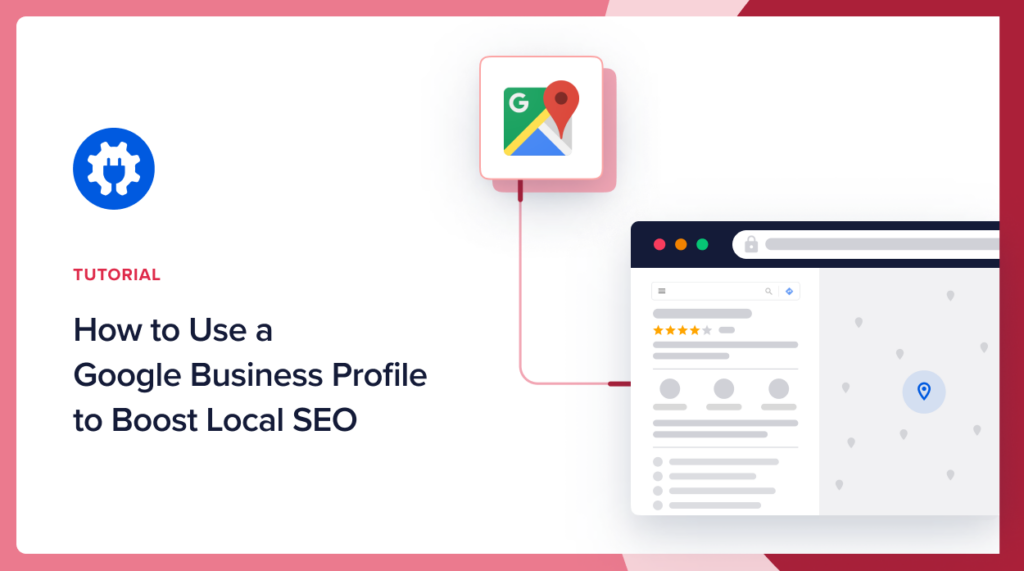
AI SEO for Google Business Profile has transformed how local businesses attract customers. The days of simply filling out a form and hoping for the best are over. Today, Google’s AI algorithms, including the Search Generative Experience (SGE) and machine learning models, analyze every aspect of your profile to determine local relevance. This guide explains exactly how artificial intelligence impacts your local rankings and provides a step-by-step action plan to dominate the map pack.
What Is AI SEO for Google Business Profile?
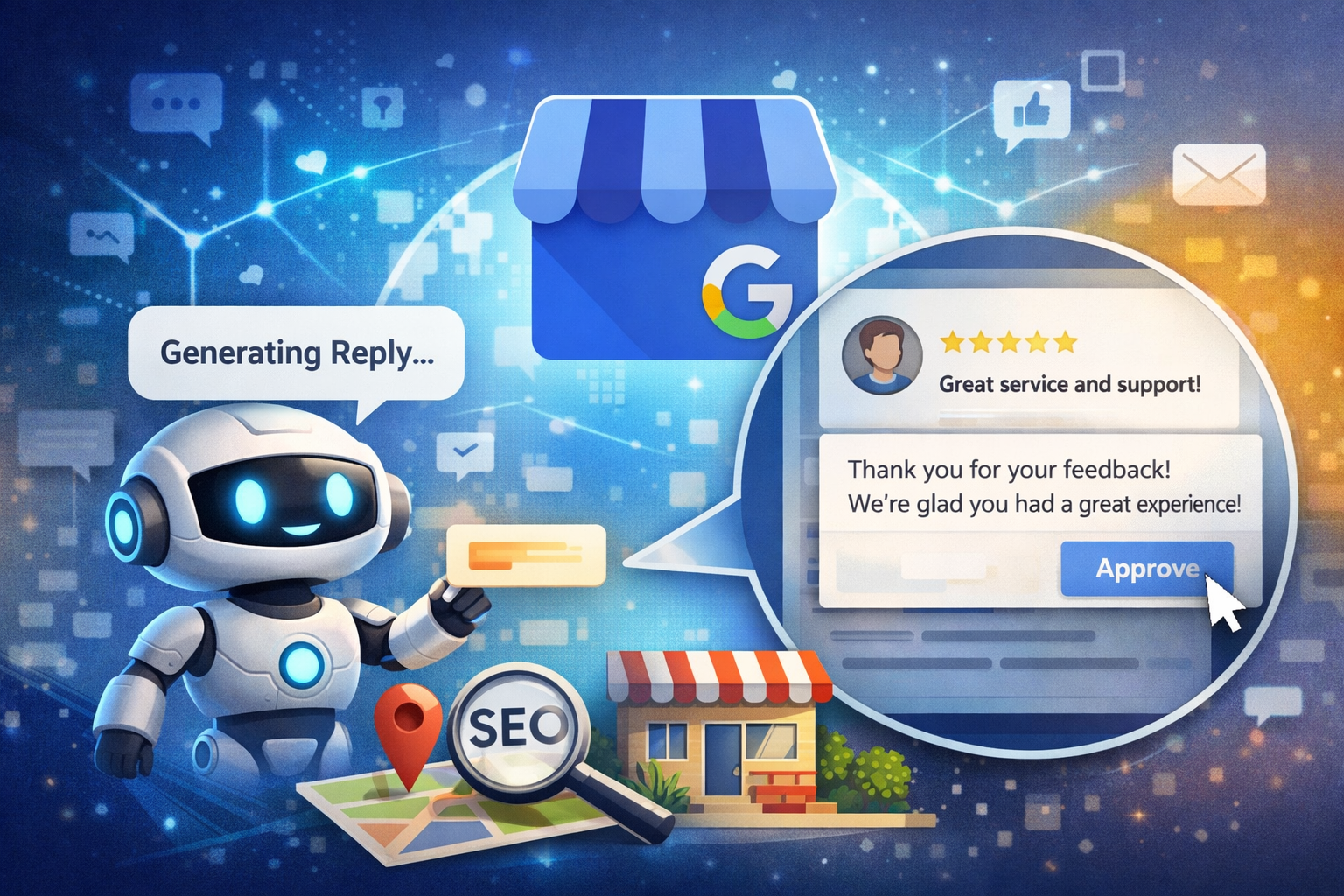
AI SEO for Google Business Profile refers to the practice of optimizing your business listing to align with how Google’s artificial intelligence systems interpret search queries, user behavior, and business data. Unlike traditional SEO that focuses on keywords, AI-driven local SEO focuses on semantic relevance, user intent, and data consistency.
Google’s ranking algorithm for local results uses neural matching and RankBrain to understand the relationship between search terms and business attributes. When a user searches for “best pizza near me,” the AI does not just look for the word “pizza.” It analyzes reviews, photos, Q&A sections, and even the proximity of the business to the searcher. This means your profile must be structured in a way that machine learning models can easily parse and understand.
How Google’s AI Algorithms Read Your Business Profile
Google processes billions of local searches daily. The AI behind this system evaluates three primary categories: relevance, distance, and prominence. However, the way AI measures these factors has evolved significantly.
Neural Matching and Semantic Search
Neural matching allows Google to connect concepts rather than just words. If your profile mentions “artisanal sourdough,” the AI can link that to a search for “fresh bread bakery.” This means you should use descriptive, natural language in your business description and services list, not just a string of keywords.
Machine Learning for Review Sentiment
Google’s AI now performs sentiment analysis on your reviews. It does not just count the stars; it reads the text. A profile with 50 reviews that mention “friendly staff” and “clean environment” will rank higher than a profile with 100 reviews that mention “slow service” and “rude employees.” The AI extracts specific keywords from review text and uses them to match with user queries.
Photo Recognition and Visual Signals
Google’s Vision AI scans the photos you upload to your profile. It identifies objects, logos, menus, and even the interior of your business. Profiles with high-quality, relevant photos receive a boost because the AI can confirm the business type and quality. Uploading photos of your storefront, products, and team helps the AI build a complete picture of your operations.
Core Components of an AI-Optimized Google Business Profile
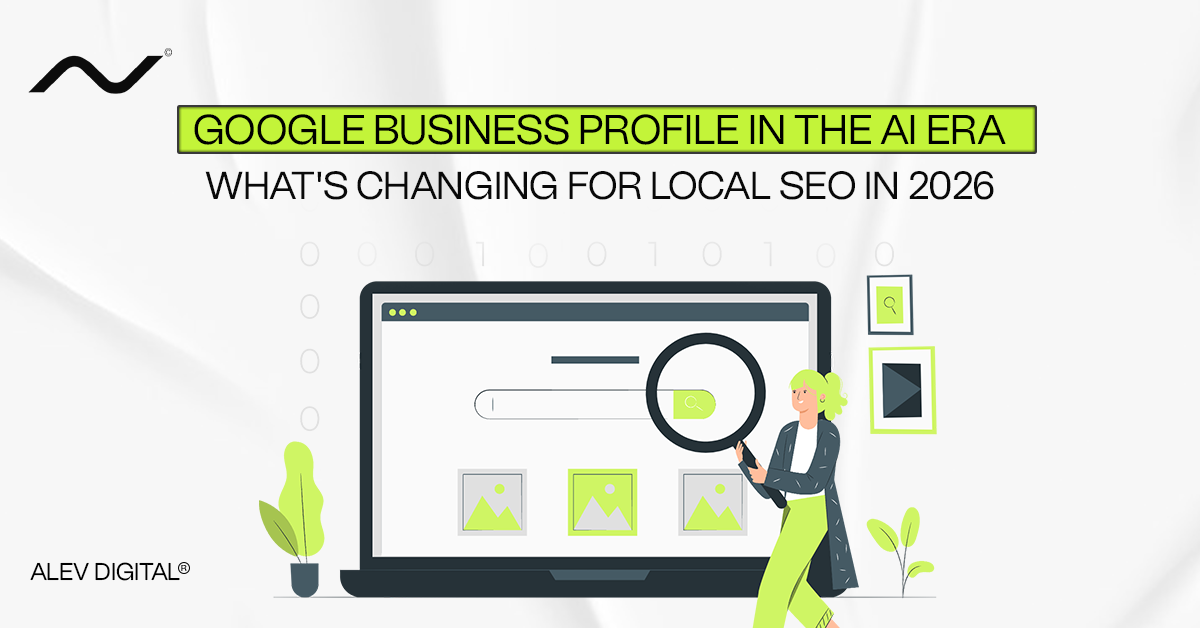
To succeed with AI SEO for Google Business Profile, you must treat every field as a data point for machine learning. Here are the critical components and how to optimize each one.
Business Category Selection
Your primary category is the single most powerful signal for relevance. Choose the most specific category that describes your core service. A “Pizza Restaurant” is better than just “Restaurant.” The AI uses this to filter your business for relevant queries. You can add up to ten secondary categories, but they should be used strategically to cover related services without confusing the algorithm.
Business Description with Semantic Richness
Write a description that answers potential questions. Include your unique selling points, service areas, and operational details. The AI looks for entities like “family-owned,” “organic ingredients,” or “24-hour emergency service.” Use natural paragraphs that read well for humans but are packed with descriptive entities that the AI can extract.
Services and Products Attributes
Google allows you to list specific services and products. Each one should have a detailed description. If you are a salon, list “Hair Coloring” and describe the types of coloring you offer. The AI uses these attributes to match long-tail search queries. This is where you can capture high-intent searches like “balayage specialist in downtown Austin.”
Practical Steps to Implement AI SEO for Google Business Profile
Optimizing for AI requires a systematic approach. Follow these steps to ensure your profile is fully indexed and understood by Google’s machine learning systems.
Step 1: Audit Your NAP Consistency
Your Name, Address, and Phone number must be identical across your website, social media, and all directories. The AI cross-references this data to verify legitimacy. Any inconsistency confuses the algorithm and reduces trust. Use a tool like BrightLocal or Whitespark to audit your citations and fix discrepancies.
Step 2: Leverage the Q&A Section
The Q&A section is a goldmine for AI optimization. Google’s AI reads these questions and answers to understand common customer concerns. Proactively add questions and answers that cover your hours, parking, menu options, and policies. Use natural language that mirrors how people actually speak. For example, “Do you have gluten-free options?” is better than “Gluten-free availability.”
Step 3: Generate Consistent Review Signals
Encourage reviews that include specific keywords. When asking for a review, guide customers to mention the service they received. A review that says “The team at Smith’s Auto Repair fixed my transmission quickly” provides more AI signal than “Great place.” You can create a simple QR code that links directly to your review form with a pre-filled prompt.
Step 4: Post Regular Updates
Google Posts are indexed by the AI and appear in your profile. Share weekly updates about promotions, new products, or events. These posts keep your profile active and give the AI fresh content to analyze. Use relevant keywords in the post text, but ensure the content is genuinely useful for the reader.
Benefits of AI-Driven Local SEO
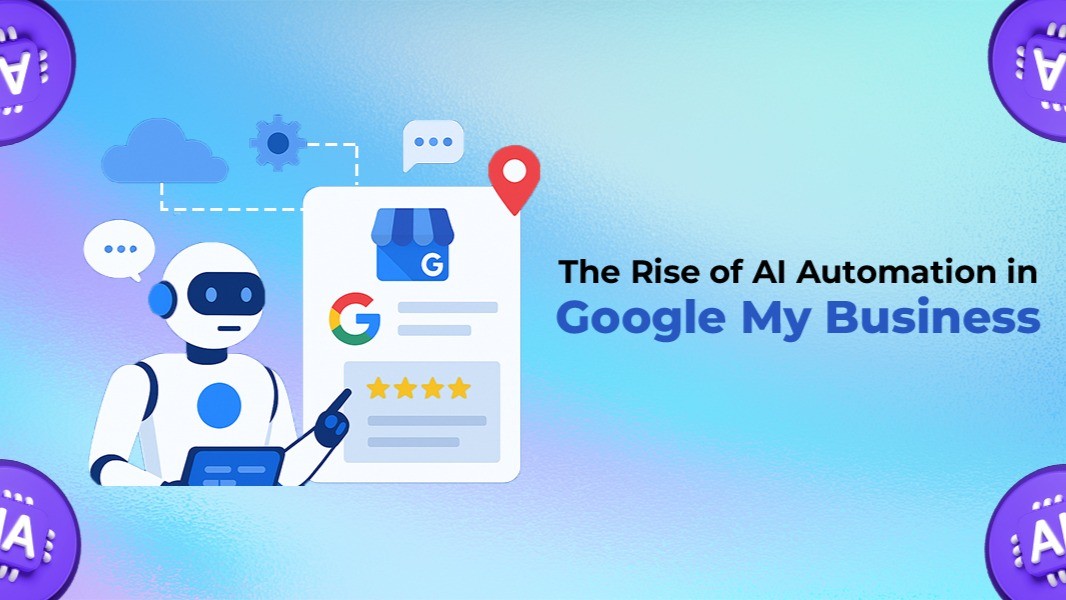
Implementing AI SEO for Google Business Profile offers several distinct advantages over traditional methods.
- Higher Click-Through Rates: Profiles that align with AI preferences appear higher in the map pack, leading to more organic clicks.
- Better Voice Search Compatibility: AI optimization focuses on conversational phrases, which directly improves your visibility for voice searches like “Siri, find a plumber near me.”
- Improved Local Pack Rankings: The local pack (the top three results) is determined by AI scoring. Optimized profiles consistently outrank competitors with more reviews but weaker semantic signals.
- Enhanced Customer Insights: The AI provides analytics on how customers find you, which queries trigger your profile, and what actions they take. This data helps refine your strategy.
Limitations and Challenges of AI SEO for Google Business Profile
While the benefits are clear, there are limitations that business owners must understand.
Lack of Transparency: Google does not publish the exact algorithm for local rankings. You must rely on testing and industry research to understand what works. What works today may change tomorrow as the AI updates.
Data Overload: The AI processes massive amounts of data. If your profile has conflicting information or outdated photos, the AI may deprioritize your listing. Maintaining consistency requires ongoing effort.
Dependency on User-Generated Content: Reviews and Q&A are largely controlled by customers. You cannot fully control what they write. Negative reviews with strong language can hurt your AI sentiment score, even if they are isolated incidents.
Comparison: Traditional Local SEO vs. AI SEO for Google Business Profile
| Aspect | Traditional Local SEO | AI SEO for Google Business Profile |
|---|---|---|
| Primary Focus | Keyword stuffing and link building | Semantic relevance and user intent |
| Review Strategy | Quantity of reviews | Quality and sentiment of review text |
| Content Approach | Static descriptions with exact-match keywords | Dynamic posts and descriptive entities |
| Data Consistency | Manual citation building | AI-driven verification and cross-referencing |
| Measurement | Ranking for specific keywords | Visibility for conversational and voice queries |
Common Mistakes That Hurt Your AI Ranking
Many business owners unknowingly sabotage their AI SEO for Google Business Profile efforts. Avoid these critical errors.
Using a Keyword-Stuffed Business Name
Google’s AI penalizes businesses that add keywords to their name to game the system. If your business is “Joe’s Bakery,” do not change it to “Joe’s Bakery Best Cupcakes in Chicago.” This violates Google’s guidelines and triggers a manual action that can suspend your profile.
Ignoring Negative Review Responses
How you respond to negative reviews matters to the AI. The algorithm analyzes your response tone. A defensive or rude reply lowers your trust score. Always respond professionally, apologize if necessary, and offer a solution. This shows the AI that you value customer feedback.
Failing to Update Hours for Holidays
If your profile shows incorrect hours during a holiday, the AI registers this as a poor user experience. Customers who visit and find you closed will leave negative reviews and mark the business as closed. This creates a negative feedback loop that is hard to break.
Using Generic Stock Photos
Google’s Vision AI can detect if photos are stock images or real photos of your location. Profiles with real, unique photos receive higher engagement and trust signals. Replace stock photos with images of your actual storefront, team, and products.
Important Notes on AI and Local Search Behavior
Understanding how users interact with AI-generated search results is crucial. Google’s SGE (Search Generative Experience) provides AI-generated summaries at the top of search results. These summaries often pull information directly from Google Business Profiles. If your profile is not optimized, the AI may generate a summary based on a competitor’s information.
Additionally, the rise of AI chatbots like ChatGPT and Google Bard has changed how people search. Users now ask complete questions rather than typing short keywords. Your profile must answer these questions directly in the description, Q&A, and posts. For example, a query like “What is the best time to visit the dentist to avoid waiting?” requires your profile to mention early morning or weekday appointments.
Advanced Tactics for 2025 and Beyond
Staying ahead of the curve requires adopting advanced tactics that align with AI development.
Utilize the “Updates” Feature for Micro-Moments
Google allows you to post short updates that appear in your profile. Use these for time-sensitive information like “Today’s special: 20% off all haircuts until 2 PM.” The AI indexes these updates and can show them in response to real-time queries.
Implement Structured Data on Your Website
Your Google Business Profile does not exist in a vacuum. The AI connects your profile to your website. Implement LocalBusiness schema markup on your site to reinforce the data in your profile. This creates a strong signal of legitimacy and relevance.
Monitor Your Profile Insights
Google provides insights on how customers find your profile. Pay attention to the “Search Queries” report. This shows you the exact terms users typed to find you. Use this data to refine your services list and posts. If you see a query like “affordable wedding photographer,” create a post or service description that specifically addresses that need.
Frequently Asked Questions
How does AI affect my Google Business Profile ranking?
AI affects your ranking by analyzing the semantic meaning of your profile content, review sentiment, and user interaction patterns. It moves beyond simple keyword matching to understand the context and quality of your business. Profiles that provide clear, consistent, and detailed information are favored by the AI algorithm.
What is the best way to get more reviews for AI SEO?
The best way is to ask customers at the moment of peak satisfaction. Send a text or email with a direct link to your review page. Personalize the request by mentioning the specific service they received. Do not offer incentives for reviews, as this violates Google’s policies and can result in penalties.
Can AI replace traditional local SEO practices?
AI does not replace traditional practices; it enhances them. You still need a good website, quality backlinks, and accurate citations. However, AI adds a layer of complexity by requiring you to optimize for user intent and semantic relevance. The two approaches work together to build a strong local presence.
How often should I update my Google Business Profile for AI?
You should update your profile at least weekly. Post a new update, add fresh photos, or respond to new reviews. Regular activity signals to the AI that your business is active and engaged. A dormant profile is seen as less relevant than an active one.
Does the length of my business description matter for AI?
Yes, but quality matters more than length. Google allows up to 750 characters. Use all of it, but ensure every sentence provides value. Describe your unique process, your team’s expertise, and your commitment to customer service. Avoid fluff and generic statements.
Conclusion
AI SEO for Google Business Profile is no longer optional for local businesses that want to compete. The algorithm has evolved to understand nuance, sentiment, and context. By optimizing your profile for machine learning, you position your business to appear in front of high-intent customers who are ready to buy.
The key takeaway is to focus on providing clear, consistent, and comprehensive information. Let the AI understand who you are, what you offer, and why customers should choose you. Monitor your insights, respond to reviews thoughtfully, and keep your profile active. These actions will build a strong foundation that withstands algorithm updates and delivers sustainable local visibility.
Start implementing these strategies today. Audit your profile, rewrite your description, and plan your weekly posts. The businesses that adapt to AI-driven search will dominate their local markets for years to come.
Xem thêm:
- Mastering the AI SEO SEO Automation Process: A Complete Guide to Scaling Organic Growth
- AI SEO Link Building Strategy: The Complete Guide to Automated Authority in 2025
- AI Keyword Research: The New Standard for Search Intent Discovery and Content Strategy
- AI SEO FAQ Schema: The Complete Guide to Smart Structured Data
- AI SEO Generative Search Optimization Tools: The Complete Guide to Winning SGE in 2025
Bài viết cùng chủ đề:

AI SEO SEO Automation with Make: The Complete Workflow Guide

AI SEO SEO Automation with Zapier: The Complete Workflow Guide

AI SEO SEO Automation with n8n: The Complete Workflow Guide
AI SEO SEO Automation with Gemini: The Complete Guide to Scaling Organic Growth

AI SEO SEO Automation with Claude: The Complete Guide to Scaling Content in 2025

AI SEO SEO Automation with ChatGPT: The Complete Playbook for 2025

AI SEO & SEO Automation for Affiliate Sites: The 2025 Playbook for Passive Income Growth
AI SEO & SEO Automation for Bloggers: The Complete Guide to Scaling Your Content

AI SEO & SEO Automation for Agencies: The Complete 2025 Playbook

AI SEO and SEO Automation for Ecommerce: The Complete Playbook for 2025

AI SEO & SEO Automation for WordPress: The Complete Playbook for 2025
AI SEO SEO Automation Strategy: The Complete Playbook for 2025

Mastering the AI SEO SEO Automation Process: A Complete Guide to Scaling Organic Growth
AI SEO SEO Automation System: The Complete Guide to Scaling Organic Growth in 2025
AI SEO SEO Automation Platform: The Complete Guide to Scaling Organic Growth in 2025
AI SEO SEO Automation Software: The Complete Guide to Scaling Organic Growth in 2025















