
No products in the cart.
AI SEO FAQ Schema: The Complete Guide to Smart Structured Data
10
Aug
Aug
AI SEO FAQ Schema represents the intersection of artificial intelligence and structured data markup, designed to help search engines understand and display frequently asked questions more effectively. As search engines increasingly rely on machine learning algorithms to interpret content, implementing AI SEO FAQ Schema has become essential for websites aiming to capture featured snippets and voice search queries. This comprehensive guide explores how AI-powered FAQ schema works, why it matters for modern search optimization, and how to implement it correctly to maximize visibility in search results.
Understanding AI SEO FAQ Schema and Its Evolution
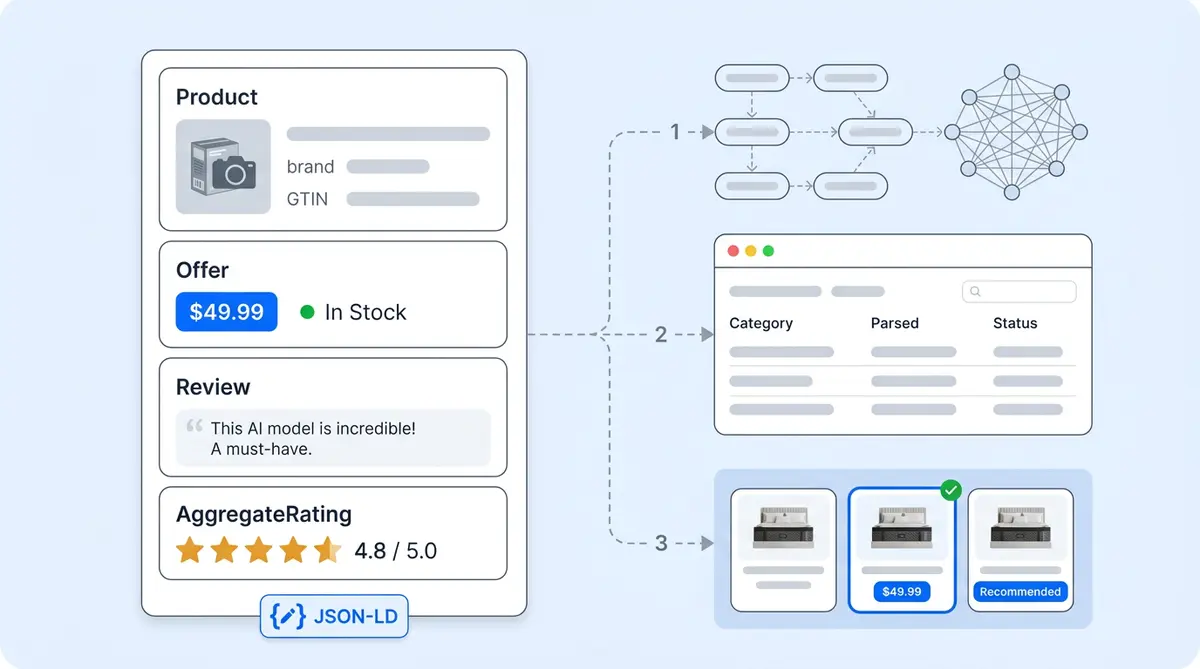
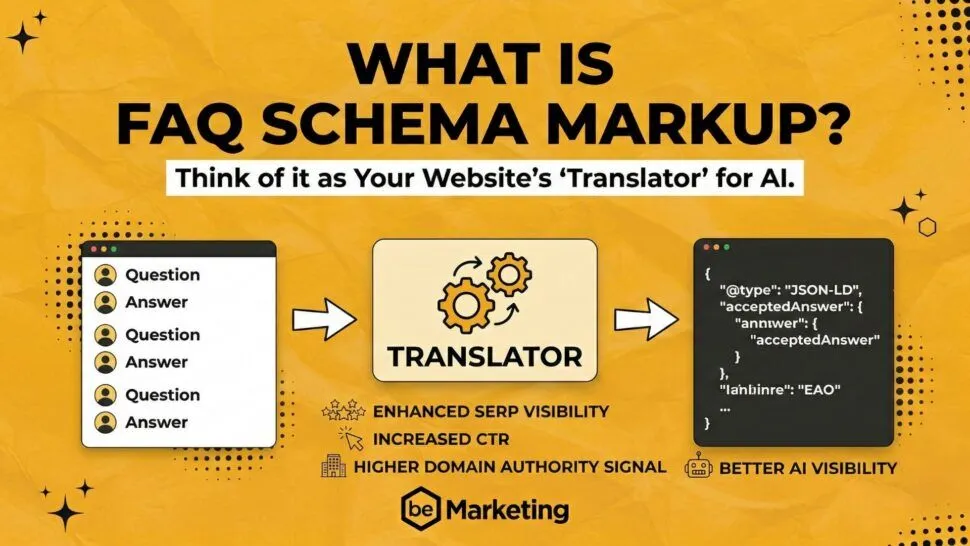
FAQ schema is a form of structured data markup that uses schema.org vocabulary to mark up question-and-answer pairs on web pages. The AI component refers to how search engines use artificial intelligence and natural language processing to interpret, rank, and display this structured data. Google’s algorithms analyze FAQ schema to determine whether content genuinely answers user questions and whether it deserves enhanced display in search results.
The evolution of FAQ schema has been significant. Initially introduced as a way to display expandable FAQ sections in search results, Google restricted FAQ rich results to authoritative health and government websites in August 2023. This change highlighted the importance of using AI SEO FAQ Schema strategically rather than as a blanket tactic across all pages.
How AI Processes FAQ Schema Data
Search engines employ sophisticated AI models to evaluate FAQ schema markup. These models assess the relevance of questions to the page content, the quality of answers provided, and the overall user experience. Natural language processing algorithms compare the marked-up questions with actual search queries to determine semantic relevance, while machine learning systems analyze click-through rates and user engagement to refine how FAQ results are displayed.
The AI-driven evaluation process considers multiple factors including question clarity, answer comprehensiveness, and the logical structure of the FAQ section. Pages with well-organized FAQ schema that directly addresses user intent tend to perform better in both traditional and AI-powered search results.
Why AI SEO FAQ Schema Matters for Search Rankings
Implementing AI SEO FAQ Schema offers substantial benefits for websites seeking to improve their search presence. The structured data provides explicit signals to search engines about the content’s purpose and relevance, which helps AI algorithms categorize and rank pages more accurately.
Enhanced Search Result Appearance
When properly implemented, FAQ schema can enable rich results that display questions and answers directly in search engine results pages. These enhanced listings occupy more visual space, attract higher click-through rates, and establish authority for the website. Even with Google’s restrictions on FAQ rich results, the schema still helps AI systems understand content structure and may influence how information appears in AI-generated answers and featured snippets.
Voice Search Optimization
Voice search queries typically take the form of natural language questions. AI SEO FAQ Schema aligns perfectly with this pattern by providing clear, concise answers to specific questions. As voice assistants like Siri, Alexa, and Google Assistant rely on structured data to source answers, FAQ schema increases the likelihood of your content being selected for voice responses.
AI Search Engine Preparedness
With the rise of AI-powered search experiences like Google’s Search Generative Experience and Bing Chat, structured data has become even more critical. These AI systems use FAQ schema to extract relevant information quickly and accurately. Websites with comprehensive FAQ schema are better positioned to be cited as sources in AI-generated answers, driving referral traffic and brand visibility.
Technical Implementation of AI SEO FAQ Schema
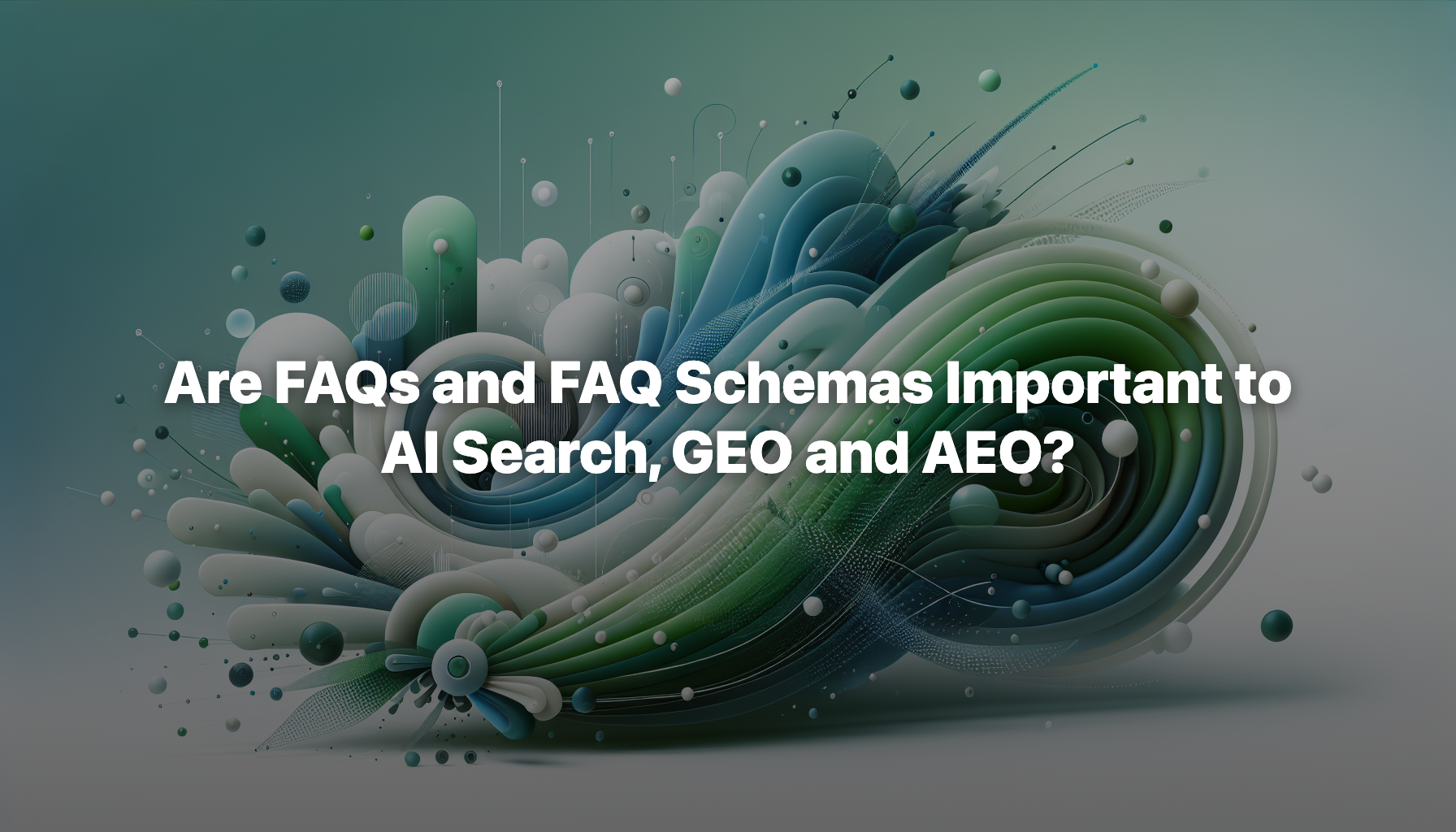
Implementing AI SEO FAQ Schema requires careful attention to technical details and adherence to search engine guidelines. The process involves adding specific JSON-LD markup to your web pages that defines the questions and answers in a machine-readable format.
JSON-LD Format for FAQ Schema
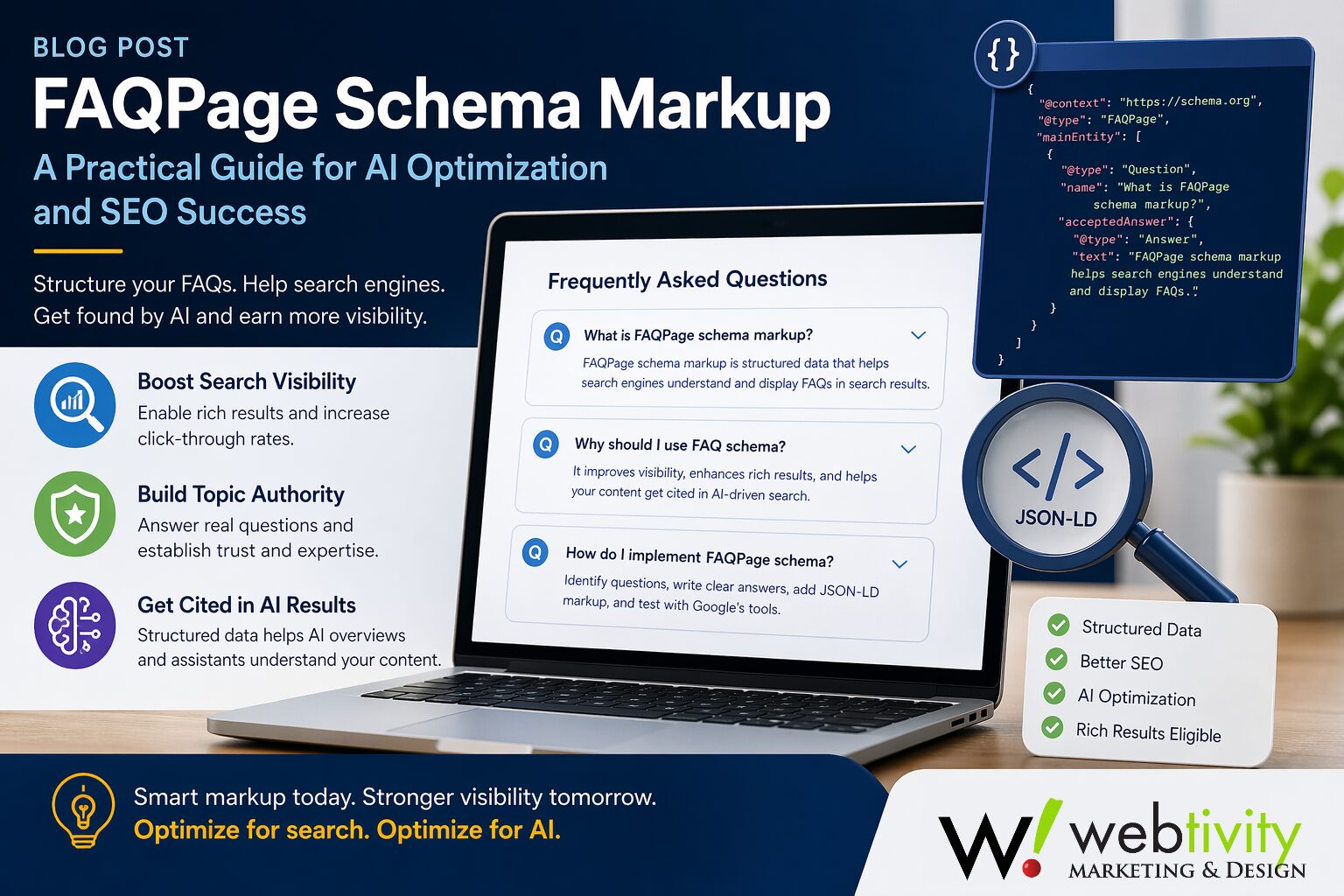
JSON-LD (JavaScript Object Notation for Linked Data) is the recommended format for implementing FAQ schema. This format allows search engines to parse the structured data without interfering with the visible content of the page. The basic structure includes a main entity of type FAQPage, containing individual Question entities with accepted answers.
Each Question object requires a name property for the question text and an acceptedAnswer property containing an Answer object with the text property for the answer content. Additional properties like datePublished and author can enhance the schema’s completeness.
Placement and Testing
FAQ schema should be placed in the head section of the HTML document or injected via JavaScript. The markup must correspond to visible content on the page, meaning the questions and answers in the schema should match what users can actually read. After implementation, testing tools like Google’s Rich Results Test and Schema Markup Validator should be used to verify the markup is correctly parsed and free of errors.
AI-Powered FAQ Schema Generation Tools
Creating FAQ schema manually can be time-consuming, especially for large websites. AI-powered tools have emerged to streamline this process, using natural language processing to analyze existing content and generate relevant questions and answers automatically.
Popular AI FAQ Schema Tools
Several platforms offer AI-driven FAQ generation capabilities. These tools analyze page content, identify common user queries, and generate schema markup that aligns with search intent. Some popular options include:
- Surfer SEO’s Content Editor with FAQ schema suggestions
- Rank Math’s FAQ block with automatic schema generation
- Yoast SEO’s FAQ block for WordPress sites
- Custom AI writing tools that generate FAQ content based on page topics
- Schema generators that use AI to extract questions from existing content
- Rich results appearance in search engine results pages
- Click-through rates for pages with FAQ schema
- Organic traffic to FAQ-containing pages
- Keyword rankings for question-based queries
- Voice search referral traffic
- Featured snippet acquisition rates
These tools vary in their sophistication, with some offering basic template-based generation while others use advanced machine learning to understand context and user intent. The most effective tools allow for manual review and editing to ensure accuracy and relevance.
Manual vs. AI-Generated FAQ Schema
While AI tools can accelerate the process, manual creation often produces higher quality results. AI-generated questions may miss nuanced aspects of your content or include irrelevant queries. A hybrid approach, using AI to generate initial drafts and then refining them manually, often yields the best outcomes.
Best Practices for AI SEO FAQ Schema Implementation
Following established best practices ensures your FAQ schema provides maximum SEO value while avoiding potential penalties or issues.
Content Quality Requirements
Each question in your FAQ schema must have a substantive, accurate answer. Thin or superficial answers that simply repeat the question or provide minimal information do not meet quality standards. Answers should be comprehensive enough to fully address the question without requiring users to visit additional pages.
The questions themselves should reflect genuine user queries. Analyzing search query data, customer support tickets, and social media mentions can reveal the actual questions your audience asks. This approach ensures your FAQ schema aligns with real search intent rather than assumptions about what users want to know.
Schema Scope and Page Relevance
FAQ schema should only be applied to pages where the content genuinely addresses the questions being marked up. Adding FAQ schema to pages with tangential or unrelated content can confuse search engines and harm your site’s credibility. Each page’s FAQ section should directly relate to the page’s primary topic and provide value beyond what is already covered in the main content.
Regular Updates and Maintenance
FAQ content should be reviewed and updated regularly to ensure accuracy and relevance. As products, services, and industry information evolve, outdated FAQ answers can damage user trust and search performance. Implementing a schedule for FAQ review, perhaps quarterly or bi-annually, helps maintain the quality of your structured data.
Common Mistakes in AI SEO FAQ Schema Implementation
Avoiding common pitfalls is essential for successful FAQ schema implementation. Many websites make errors that either prevent rich results or lead to manual actions from search engines.
Mismatched Content and Schema
One of the most frequent mistakes is marking up FAQ schema for content that is not visible on the page. Search engines require that structured data accurately reflects the page’s visible content. If the schema includes questions that users cannot see when visiting the page, this constitutes deceptive markup and can result in penalties.
Excessive or Duplicate FAQ Schema
Applying FAQ schema to every page on a website, regardless of relevance, dilutes the value of structured data. Similarly, duplicating the same FAQ schema across multiple pages creates thin content issues. FAQ schema should be reserved for pages where it genuinely enhances the user experience and provides unique value.
Ignoring Search Engine Guidelines
Search engines provide specific guidelines for FAQ schema implementation. Ignoring these guidelines, such as marking up content that violates quality guidelines or using FAQ schema for advertising purposes, can lead to manual penalties. Staying informed about policy updates is crucial for maintaining compliance.
Measuring the Impact of AI SEO FAQ Schema
Tracking the performance of your FAQ schema implementation helps determine its effectiveness and identify areas for improvement.
Key Metrics to Monitor
Several metrics provide insight into how well your FAQ schema is performing:
Google Search Console provides specific reports for structured data, showing impressions, clicks, and errors related to your FAQ schema. Monitoring these reports helps identify technical issues and opportunities for optimization.
Attribution and Analysis
Determining the direct impact of FAQ schema on overall SEO performance can be challenging due to the many factors that influence search rankings. Comparing pages with FAQ schema against similar pages without it, while controlling for other variables, provides a reasonable estimate of the schema’s contribution to performance.
AI SEO FAQ Schema and Featured Snippets
FAQ schema and featured snippets share a close relationship, as both aim to provide direct answers to user questions in search results. While they are technically separate features, well-implemented FAQ schema can increase the likelihood of earning featured snippet positions.
Optimizing for Featured Snippet Selection
To increase the chances of your FAQ content being selected for featured snippets, structure answers to be concise yet comprehensive. The ideal answer length varies by query type, but generally ranges from 40 to 60 words for direct answers. Including the question in the answer text, using natural language, and formatting answers with clear paragraphs or lists can improve snippet eligibility.
AI algorithms that select featured snippets evaluate the clarity, authority, and relevance of content. FAQ schema helps these algorithms quickly identify the most relevant sections of your page, potentially increasing the likelihood of snippet selection.
Future Trends in AI SEO FAQ Schema
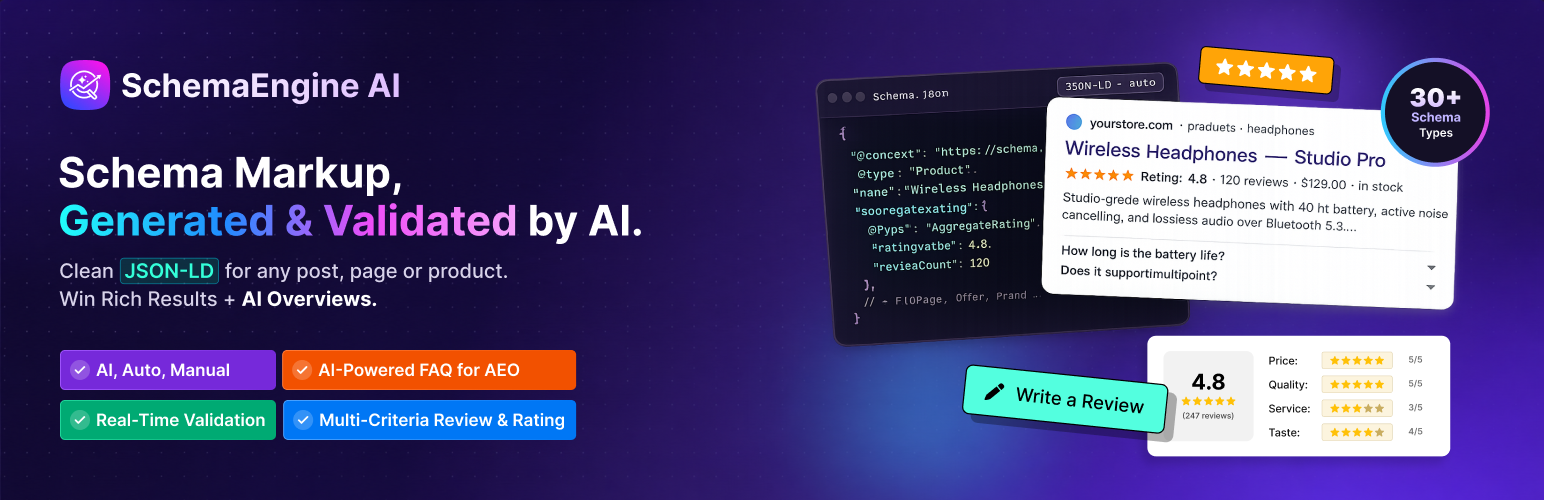
The landscape of structured data and AI search continues to evolve rapidly. Understanding emerging trends helps future-proof your FAQ schema strategy.
Integration with Generative AI Search
As generative AI becomes more integrated into search experiences, FAQ schema will play a crucial role in helping AI systems source accurate information. AI search engines may use FAQ schema to identify authoritative answers and cite sources in their responses. Websites with comprehensive, well-structured FAQ content are positioned to benefit from this trend.
Multimodal and Multilingual FAQ Schema
Future developments may include enhanced support for multilingual FAQ schema and integration with visual search. As AI systems become more sophisticated, they may be able to process FAQ schema in multiple languages and formats, expanding the reach of structured data.
Practical Guide to Creating AI SEO FAQ Schema
Implementing AI SEO FAQ Schema involves a systematic approach that combines content strategy with technical execution.
Step-by-Step Implementation Process
Begin by identifying the most valuable questions for your target audience. Use keyword research tools, analyze search query data, and review customer feedback to compile a list of relevant questions. Prioritize questions that align with your business goals and have sufficient search volume.
Next, write comprehensive answers for each question. Ensure answers are accurate, up-to-date, and provide genuine value beyond what is commonly available. Structure answers with clear language and consider including supplementary information like statistics, examples, or links to related resources.
Then, implement the schema markup using JSON-LD format. Add the markup to the relevant pages, ensuring it matches the visible content. Test the implementation using validation tools to confirm there are no errors.
Finally, monitor performance and make adjustments as needed. Track rich result appearance, user engagement, and search rankings to assess the effectiveness of your FAQ schema.
Important Notes on AI SEO FAQ Schema Compliance
Maintaining compliance with search engine guidelines is essential for long-term success with FAQ schema. Google’s spam policies explicitly prohibit marking up content that is not visible to users, hiding content behind tabs or accordions for the purpose of schema manipulation, and using FAQ schema for pages that do not genuinely contain FAQ content.
Additionally, the August 2023 update that restricted FAQ rich results to authoritative health and government websites does not mean FAQ schema is useless for other sites. The schema still provides valuable signals to AI systems and may influence how content appears in AI-generated search results, even if traditional rich results are not displayed.
Regularly reviewing search engine guidelines and staying informed about policy updates helps ensure your FAQ schema remains compliant and effective.
Frequently Asked Questions
What is AI SEO FAQ Schema?
AI SEO FAQ Schema is structured data markup that uses schema.org vocabulary to mark up question-and-answer pairs on web pages. The AI component refers to how search engines use artificial intelligence and natural language processing to interpret, rank, and display this structured data in search results, voice search responses, and AI-generated answers.
Does FAQ schema help with SEO?
Yes, FAQ schema helps with SEO by providing explicit signals to search engines about content structure and relevance. It can enable rich results, improve click-through rates, enhance voice search visibility, and increase the likelihood of being cited in AI-generated search responses. However, its direct impact on rankings is indirect, as it improves content understanding and user engagement metrics.
Is FAQ schema still relevant after Google’s 2023 update?
Yes, FAQ schema remains relevant after Google’s August 2023 update that restricted FAQ rich results to authoritative health and government websites. The schema still helps AI systems understand content structure, may influence featured snippet selection, and prepares websites for AI-powered search experiences. Websites should continue implementing FAQ schema for its broader SEO benefits.
How many questions should I include in FAQ schema?
T The optimal number depends on your content and audience needs. Generally, including 5 to 10 high-quality, relevant questions per page provides good coverage without overwhelming the content. Focus on quality over quantity, ensuring each question addresses genuine user intent.
Can I use FAQ schema on product pages?
Yes, FAQ schema can be used on product pages to address common questions about features, shipping, returns, and usage. This helps users make informed purchasing decisions and can improve conversion rates. Ensure the questions are directly relevant to the specific product and provide accurate, helpful answers.
What is the difference between FAQ schema and Q&A schema?
FAQ schema is used for static lists of questions and answers that the page author creates and controls. Q&A schema is designed for user-generated questions and answers, such as those found on forums or community platforms. The two schema types have different requirements and are evaluated differently by search engines.
How do I test my FAQ schema implementation?
Use Google’s Rich Results Test to verify that your FAQ schema is correctly implemented and eligible for rich results. The Schema Markup Validator from schema.org provides additional validation. These tools identify errors, warnings, and opportunities for improvement in your structured data.
Conclusion
AI SEO FAQ Schema represents a powerful tool for improving search visibility, enhancing user experience, and preparing for the AI-driven future of search. By implementing structured data that clearly communicates questions and answers, websites can help search engines understand their content more deeply and deliver it to users in more accessible formats.
The key to successful FAQ schema implementation lies in quality and relevance. Creating genuine, helpful FAQ content that addresses real user questions, implementing the schema correctly, and maintaining compliance with search engine guidelines ensures long-term benefits. As AI continues to transform the search landscape, websites that embrace structured data and AI-ready content will maintain a competitive advantage.
Regular monitoring, testing, and updating of your FAQ schema ensures it continues to deliver value as search algorithms evolve. By following the best practices outlined in this guide, you can leverage AI SEO FAQ Schema to improve your search performance and position your website for success in the era of AI-powered search.
Xem thêm:
- AI SERP Analysis: Unleashing the Power of Artificial Intelligence to Decode Search Results
- AI SEO Examples: Proven Ways to Automate and Optimize Your Search Strategy
- GEO SEO: The Definitive Guide to Generative Engine Optimization in 2025
- AI SEO Lead Generation: The Complete Playbook for 2025
- AI SEO Blogger Outreach: The Complete Guide to Scaling Digital PR in 2025
Bài viết cùng chủ đề:

AI SEO SEO Automation with Make: The Complete Workflow Guide

AI SEO SEO Automation with Zapier: The Complete Workflow Guide

AI SEO SEO Automation with n8n: The Complete Workflow Guide
AI SEO SEO Automation with Gemini: The Complete Guide to Scaling Organic Growth

AI SEO SEO Automation with Claude: The Complete Guide to Scaling Content in 2025

AI SEO SEO Automation with ChatGPT: The Complete Playbook for 2025

AI SEO & SEO Automation for Affiliate Sites: The 2025 Playbook for Passive Income Growth
AI SEO & SEO Automation for Bloggers: The Complete Guide to Scaling Your Content

AI SEO & SEO Automation for Agencies: The Complete 2025 Playbook

AI SEO and SEO Automation for Ecommerce: The Complete Playbook for 2025

AI SEO & SEO Automation for WordPress: The Complete Playbook for 2025
AI SEO SEO Automation Strategy: The Complete Playbook for 2025

Mastering the AI SEO SEO Automation Process: A Complete Guide to Scaling Organic Growth
AI SEO SEO Automation System: The Complete Guide to Scaling Organic Growth in 2025
AI SEO SEO Automation Platform: The Complete Guide to Scaling Organic Growth in 2025
AI SEO SEO Automation Software: The Complete Guide to Scaling Organic Growth in 2025















