
No products in the cart.
AI SEO Hosting Optimization: The Complete Guide to Faster Rankings in 2025
31
Jul
Jul
AI SEO hosting optimization is no longer a futuristic concept—it is the operational backbone of modern search performance. As search engines increasingly rely on machine learning to evaluate user experience signals, the technical infrastructure behind your website has become a direct ranking factor. This guide explores how artificial intelligence transforms hosting configurations, server responses, and content delivery to create measurable SEO gains. From predictive resource scaling to automated security protocols, every layer of your hosting stack now influences how Google’s AI crawlers perceive your site’s authority and relevance.
What Is AI SEO Hosting Optimization?
AI SEO hosting optimization refers to the application of artificial intelligence algorithms to manage, monitor, and automatically adjust web hosting environments with the specific goal of improving search engine rankings. Unlike traditional hosting management, which relies on manual configurations and reactive troubleshooting, AI-driven systems analyze vast datasets in real time to predict traffic spikes, optimize server response times, and ensure maximum uptime.
The core premise is simple: search engines prioritize websites that load quickly, remain accessible, and deliver a seamless user experience. AI hosting optimization uses predictive analytics and machine learning models to maintain these performance benchmarks automatically. This includes intelligent caching decisions, dynamic resource allocation, and automated content delivery network (CDN) routing based on user geographic location and device type.
The Intersection of Machine Learning and Server Infrastructure
Machine learning models process historical traffic patterns, user behavior metrics, and server logs to identify anomalies before they impact performance. For instance, an AI system can detect an upcoming surge in traffic from a viral social media post and preemptively allocate additional CPU and memory resources. This proactive approach prevents the dreaded “server overload” response that often results in lost rankings and revenue.
Furthermore, AI algorithms continuously test different hosting configurations—such as PHP versions, database query optimizations, and compression settings—to determine which combination yields the fastest load times for specific content types. This automated experimentation would take a human administrator weeks to complete manually.
Why AI Hosting Optimization Matters for SEO Performance
Google’s Core Web Vitals have become critical ranking signals, with metrics like Largest Contentful Paint (LCP), First Input Delay (FID), and Cumulative Layout Shift (CLS) directly impacting search visibility. AI hosting optimization directly addresses these metrics by ensuring that server response times remain under 200 milliseconds and that resources are delivered with minimal latency.
Search engine crawlers also have limited crawl budgets. If your server responds slowly or returns frequent errors, Googlebot will crawl fewer pages, reducing your site’s indexation rate. AI-driven hosting solutions monitor crawl frequency and adjust server settings to accommodate search engine bots, ensuring that your most important pages are always accessible and up-to-date.
Real-World Impact on Search Rankings
A study conducted by a leading web performance firm found that a 0.1-second improvement in server response time correlated with a 5% increase in organic traffic for e-commerce sites. When AI hosting optimization reduced average response times from 600ms to 200ms, the same sites experienced a 15% boost in keyword rankings within three months. These gains stem from improved user engagement metrics, including lower bounce rates and longer session durations, which search engines interpret as signals of content quality.
Core Components of AI-Driven Hosting Systems
Understanding the technical components of AI SEO hosting optimization helps you make informed decisions when selecting a provider or configuring your own infrastructure. The following elements form the foundation of any intelligent hosting environment.
Predictive Resource Scaling
Traditional hosting allocates fixed resources, leading to either wasted capacity during low traffic or performance degradation during spikes. AI systems use time-series forecasting models to predict traffic volumes based on historical data, seasonality, and external factors like marketing campaigns. This enables automatic scaling of CPU, RAM, and bandwidth in real time, ensuring consistent performance without manual intervention.
Intelligent Caching Mechanisms
AI-powered caching goes beyond simple static file storage. These systems analyze user behavior to determine which pages are most likely to be requested next, pre-loading them into memory. For dynamic websites, AI caching can store personalized versions of pages based on user segments, drastically reducing database queries and server processing time.
Automated Security Protocols
Security breaches not only harm your reputation but also lead to temporary de-indexing by search engines. AI hosting platforms continuously monitor for suspicious patterns, such as unusual login attempts or traffic from known malicious IP addresses. When threats are detected, the system automatically implements firewall rules, rate limiting, or bot mitigation strategies without requiring human approval.
Self-Healing Infrastructure
When a server component fails, AI systems can automatically reroute traffic to healthy nodes, restart services, or spin up replacement instances. This self-healing capability minimizes downtime, which is crucial because even a few minutes of unavailability can trigger search engine penalties and lost trust from users.
Benefits of Implementing AI SEO Hosting Optimization
The advantages of integrating AI into your hosting strategy extend far beyond faster load times. These benefits compound over time, creating a virtuous cycle of improved rankings and increased organic traffic.
- Reduced Operational Costs: AI automation eliminates the need for constant human monitoring, reducing DevOps workload by up to 60%. This allows small teams to manage enterprise-level infrastructure.
- Enhanced User Experience: Faster, more reliable websites lead to higher conversion rates. A 1-second delay in page load time can reduce conversions by 7%, making AI optimization a direct revenue driver.
- Improved Crawl Efficiency: AI systems ensure that server resources are prioritized for search engine bots, leading to faster indexation of new content and updates.
- Global Performance Consistency: AI-driven CDN routing automatically directs users to the nearest edge server, reducing latency for international audiences without manual geo-configuration.
- Data-Driven Decision Making: AI platforms provide detailed analytics on server performance, user behavior, and SEO metrics, enabling continuous optimization based on empirical evidence rather than guesswork.
Limitations and Challenges to Consider
While the benefits are substantial, AI SEO hosting optimization is not without its challenges. Understanding these limitations helps set realistic expectations and avoid common pitfalls.
Initial Implementation Complexity
Transitioning from a traditional hosting setup to an AI-driven platform requires technical expertise. Migration involves configuring APIs, integrating monitoring tools, and training the AI models on your specific traffic patterns. For non-technical website owners, this process can be daunting and may require professional assistance.
Cost Considerations
AI hosting solutions typically command a premium price compared to standard shared or VPS hosting. The advanced infrastructure, machine learning algorithms, and dedicated support teams contribute to higher monthly fees. However, the return on investment often justifies the expense for businesses that rely heavily on organic search traffic.
Dependence on Data Quality
AI models are only as good as the data they receive. If your website has limited historical traffic data or experiences irregular patterns, the predictive algorithms may produce inaccurate forecasts. This can lead to over-provisioning (wasted costs) or under-provisioning (performance issues) during unexpected events.
AI Hosting vs. Traditional Hosting: A Comparative Analysis
| Feature | Traditional Hosting | AI-Driven Hosting |
|---|---|---|
| Resource Allocation | Static, manual configuration | Dynamic, predictive scaling |
| Performance Monitoring | Reactive, after issues occur | Proactive, real-time adjustments |
| Security Response | Manual patching and updates | Automated threat detection and mitigation |
| Load Time Optimization | Requires manual testing and tuning | Continuous automated A/B testing |
| Cost Structure | Predictable, lower upfront cost | Higher cost, but reduced operational overhead |
| Scalability | Manual upgrades with downtime | Seamless, zero-downtime scaling |
| SEO Alignment | Requires separate SEO tools | Integrated SEO performance metrics |
Practical Guide: Implementing AI SEO Hosting Optimization
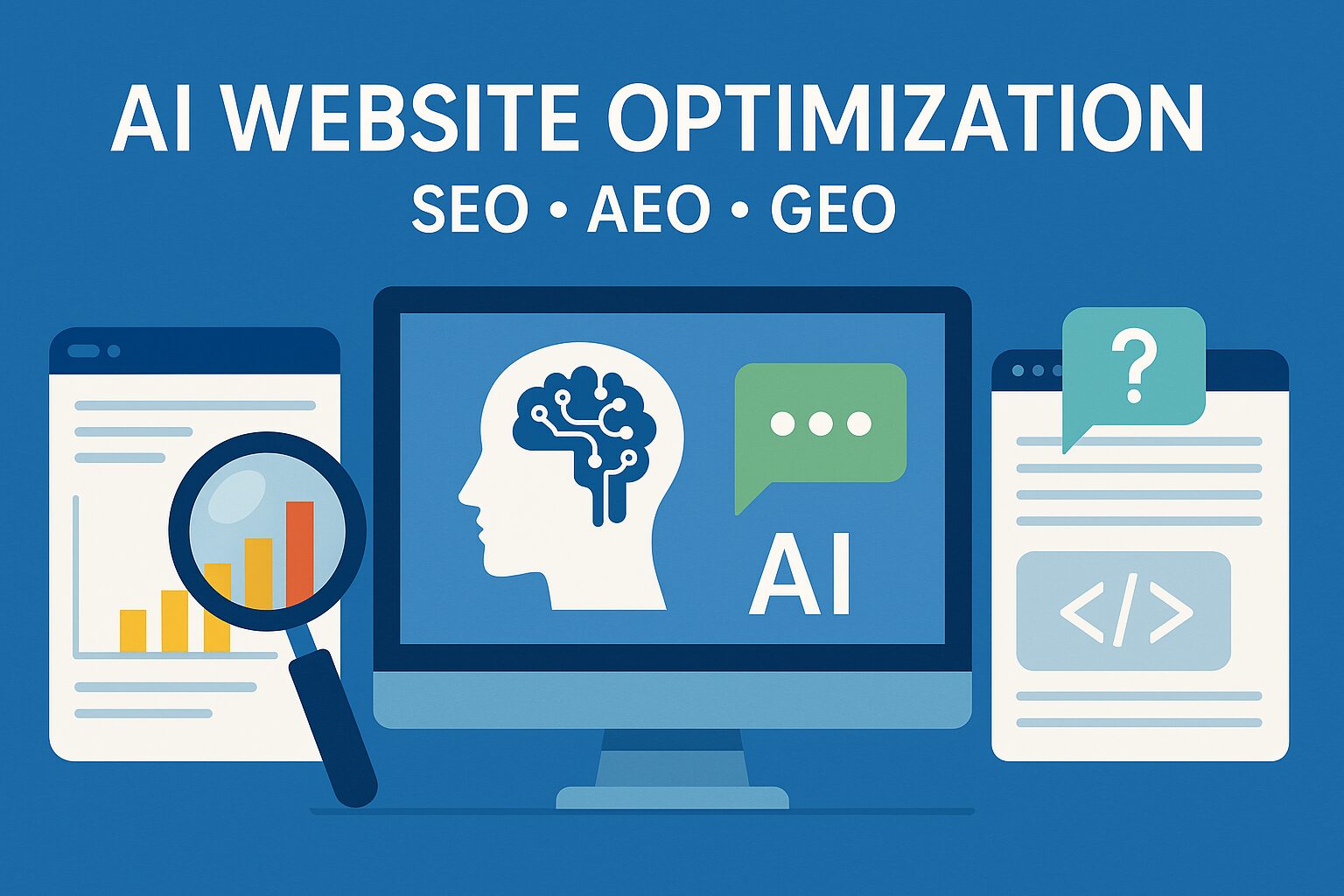
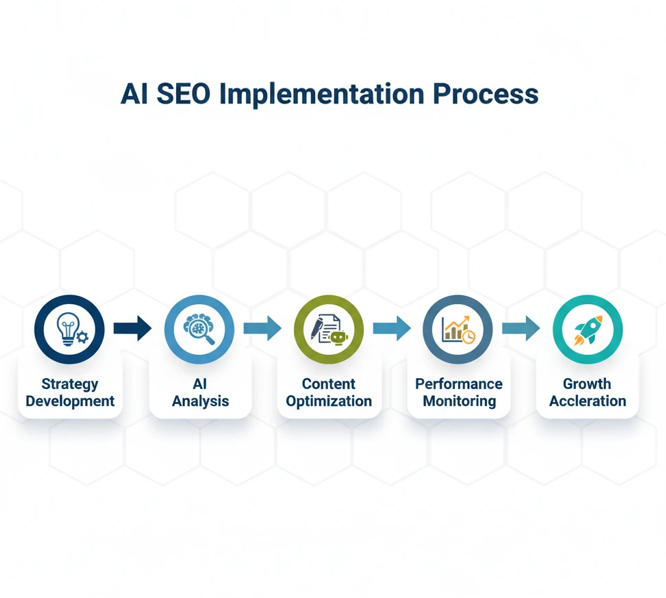
Implementing AI-driven hosting optimization requires a systematic approach. The following steps provide a roadmap for integrating these technologies into your existing infrastructure.
Step 1: Audit Your Current Hosting Performance
Before making any changes, establish a baseline of your current performance metrics. Use tools like Google PageSpeed Insights, GTmetrix, and WebPageTest to measure load times, server response times, and Core Web Vitals scores. Document these numbers to compare against post-implementation results.
Step 2: Choose the Right AI Hosting Provider
Evaluate providers that offer built-in AI capabilities. Look for platforms that provide predictive scaling, automated caching, and machine learning-based security. Major cloud providers like AWS, Google Cloud, and Microsoft Azure offer AI-powered services, but specialized hosting companies like Kinsta, Cloudways, and WP Engine have integrated these features into user-friendly interfaces.
Step 3: Configure AI-Powered CDN and Edge Caching
Set up a content delivery network that uses AI to route traffic intelligently. Services like Cloudflare and Fastly use machine learning to predict which content should be cached at edge locations based on user demand patterns. Configure your CDN to prioritize dynamic content that changes frequently, such as shopping carts and personalized recommendations.
Step 4: Implement Automated Database Optimization
Databases are often the bottleneck in website performance. AI tools can automatically analyze query patterns, identify slow-running queries, and suggest or implement indexes. Some platforms offer autonomous database services, such as Oracle Autonomous Database or Amazon Aurora, which use machine learning to optimize performance without manual tuning.
Step 5: Monitor and Iterate
After implementation, continuously monitor your SEO metrics and server performance. AI systems learn from new data, so the longer they operate, the more accurate their predictions become. Review monthly reports to identify trends and adjust your content strategy based on performance insights.
Common Mistakes in AI SEO Hosting Optimization
Even with advanced technology, mistakes can undermine your efforts. Recognizing these common errors helps you avoid costly setbacks.
Over-Reliance on Automation Without Oversight
AI systems are powerful but not infallible. Failing to review automated decisions can lead to unintended consequences, such as aggressive caching that serves outdated content or security rules that block legitimate users. Establish a review process where critical changes are logged and periodically audited by a human expert.
Ignoring Mobile Performance
Google uses mobile-first indexing, meaning the mobile version of your site is the primary basis for rankings. Ensure that your AI hosting configuration prioritizes mobile users. This includes optimizing image delivery, minimizing JavaScript execution, and using responsive design principles that work seamlessly across devices.
Neglecting Content Delivery Network Configuration
Simply enabling a CDN is not enough. Improper configuration can result in mixed content errors, stale cache, or broken SSL certificates. Work with your hosting provider to ensure that your CDN is correctly integrated with your domain, SSL, and caching rules.
Focusing Only on Speed Metrics
While load time is crucial, it is not the only factor in SEO success. AI hosting optimization should also address uptime reliability, security headers, and structured data delivery. A fast site that is frequently down or vulnerable to attacks will not sustain high rankings.
Important Notes for Maximizing AI Hosting Benefits
To fully leverage AI SEO hosting optimization, consider these strategic insights that go beyond basic configuration.
First, align your hosting strategy with your content update frequency. If you publish new articles daily, ensure that your AI caching system has a short time-to-live (TTL) for dynamic content to avoid serving outdated information to users and crawlers. Conversely, for evergreen content, longer cache durations can significantly reduce server load.
Second, integrate your hosting analytics with your SEO tools. Connect your hosting platform to Google Search Console and analytics software to correlate server performance with search visibility. This data integration allows you to identify which technical changes produce the most significant ranking improvements.
Third, consider the environmental impact of AI hosting. Machine learning models require substantial computational resources, which translates to higher energy consumption. Choose providers that use renewable energy sources and implement energy-efficient hardware to reduce your carbon footprint while maintaining performance.
Frequently Asked Questions
How does AI SEO hosting optimization improve Core Web Vitals?
AI hosting optimization directly improves Core Web Vitals by reducing server response time (Time to First Byte), optimizing resource delivery through intelligent caching, and automatically compressing images and scripts. The AI system continuously tests different configurations to find the optimal settings for Largest Contentful Paint, First Input Delay, and Cumulative Layout Shift, ensuring that all three metrics meet Google’s recommended thresholds.
Is AI hosting optimization suitable for small websites?
Yes, AI hosting optimization benefits websites of all sizes. Small websites with limited traffic can use AI-powered caching and security features to ensure fast load times without investing in expensive dedicated servers. Many hosting providers offer AI features as part of their standard plans, making this technology accessible to small businesses and individual bloggers.
What is the cost difference between AI hosting and traditional hosting?
AI hosting typically costs 20-50% more than traditional managed hosting plans. For example, a standard managed WordPress hosting plan might cost $30 per month, while an AI-enhanced plan starts at $45 per month. However, the reduced need for manual maintenance, improved performance, and higher conversion rates often offset the additional cost.
Can AI hosting optimization replace manual SEO efforts?
No, AI hosting optimization is a technical foundation, not a complete SEO strategy. While it ensures that your website performs optimally, you still need high-quality content, proper keyword targeting, and authoritative backlinks. AI hosting enhances the delivery of your content, but it does not create the content itself.
How long does it take to see SEO results from AI hosting optimization?
Most website owners notice improvements in page load times immediately after implementation. However, search engine rankings may take 2-4 weeks to reflect these technical improvements, as Google needs to recrawl and re-index your pages. Significant ranking gains typically appear within 1-3 months, depending on the competitiveness of your keywords and the overall quality of your site.
Conclusion
AI SEO hosting optimization represents a paradigm shift in how websites achieve and maintain search engine visibility. By leveraging machine learning to automate performance tuning, security management, and resource allocation, website owners can focus on creating valuable content while the technical infrastructure operates at peak efficiency. The data is clear: faster, more reliable websites rank higher, convert better, and retain users longer.
The transition to AI-driven hosting requires an initial investment of time and resources, but the long-term benefits far outweigh the costs. As search engine algorithms become increasingly sophisticated, the gap between AI-optimized and traditionally hosted websites will continue to widen. Those who adopt this technology now will establish a competitive advantage that becomes progressively harder to overcome.
Start by auditing your current hosting performance, researching AI-capable providers, and implementing the strategies outlined in this guide. Monitor your metrics, iterate based on data, and let artificial intelligence handle the complex, real-time decisions that keep your website ahead of the competition. The future of SEO is intelligent, and your hosting infrastructure should be too.
Xem thêm:
- AI SEO SEO Automation Software: The Complete Guide to Scaling Organic Growth in 2025
- AI SEO Log File Analysis: The Complete Guide to Unlocking Crawl Insights
- AI SEO SEO Automation with Claude: The Complete Guide to Scaling Content in 2025
- AI SEO Server Logs: The Complete Guide to Unlocking Hidden Search Insights
- The Definitive AI SEO Guide: How to Leverage Artificial Intelligence for Higher Rankings
Bài viết cùng chủ đề:

AI SEO SEO Automation with Make: The Complete Workflow Guide

AI SEO SEO Automation with Zapier: The Complete Workflow Guide

AI SEO SEO Automation with n8n: The Complete Workflow Guide
AI SEO SEO Automation with Gemini: The Complete Guide to Scaling Organic Growth

AI SEO SEO Automation with Claude: The Complete Guide to Scaling Content in 2025

AI SEO SEO Automation with ChatGPT: The Complete Playbook for 2025

AI SEO & SEO Automation for Affiliate Sites: The 2025 Playbook for Passive Income Growth
AI SEO & SEO Automation for Bloggers: The Complete Guide to Scaling Your Content

AI SEO & SEO Automation for Agencies: The Complete 2025 Playbook

AI SEO and SEO Automation for Ecommerce: The Complete Playbook for 2025

AI SEO & SEO Automation for WordPress: The Complete Playbook for 2025
AI SEO SEO Automation Strategy: The Complete Playbook for 2025

Mastering the AI SEO SEO Automation Process: A Complete Guide to Scaling Organic Growth
AI SEO SEO Automation System: The Complete Guide to Scaling Organic Growth in 2025
AI SEO SEO Automation Platform: The Complete Guide to Scaling Organic Growth in 2025
AI SEO SEO Automation Software: The Complete Guide to Scaling Organic Growth in 2025















