
No products in the cart.
AI SEO Informational Intent: The Complete Guide to Winning Search Visibility
10
Aug
Aug
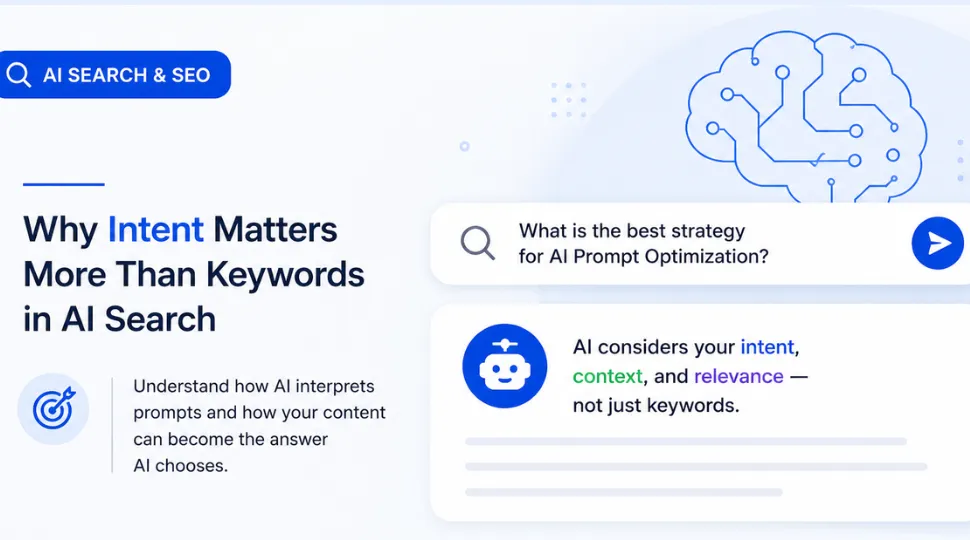
AI SEO informational intent represents the intersection of artificial intelligence and the user’s quest for knowledge. In today’s digital landscape, search engines have evolved beyond simple keyword matching. They now interpret the deeper meaning behind queries, particularly when users seek to learn, understand, or solve a problem. This guide explores how AI transforms the way content creators and marketers approach informational searches, offering a roadmap to capture high-quality organic traffic in an increasingly competitive environment.
Understanding AI SEO Informational Intent
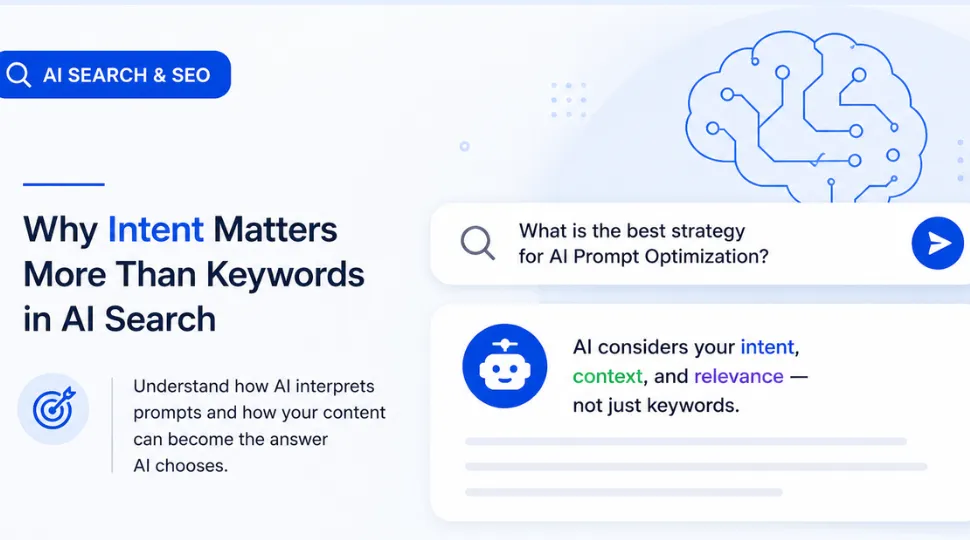
Informational intent describes searches where users want to learn something rather than make a purchase or find a specific website. These queries often begin with words like “how to,” “what is,” “why does,” or “guide to.” When AI enters the equation, it changes how search engines process these queries and how content gets ranked.
AI algorithms like Google’s RankBrain and BERT analyze the context and semantics of search queries. They understand synonyms, related concepts, and user behavior patterns. This means content that genuinely answers questions with depth and clarity outperforms content that merely stuffs keywords into paragraphs.
The Role of Machine Learning in Search Intent Classification
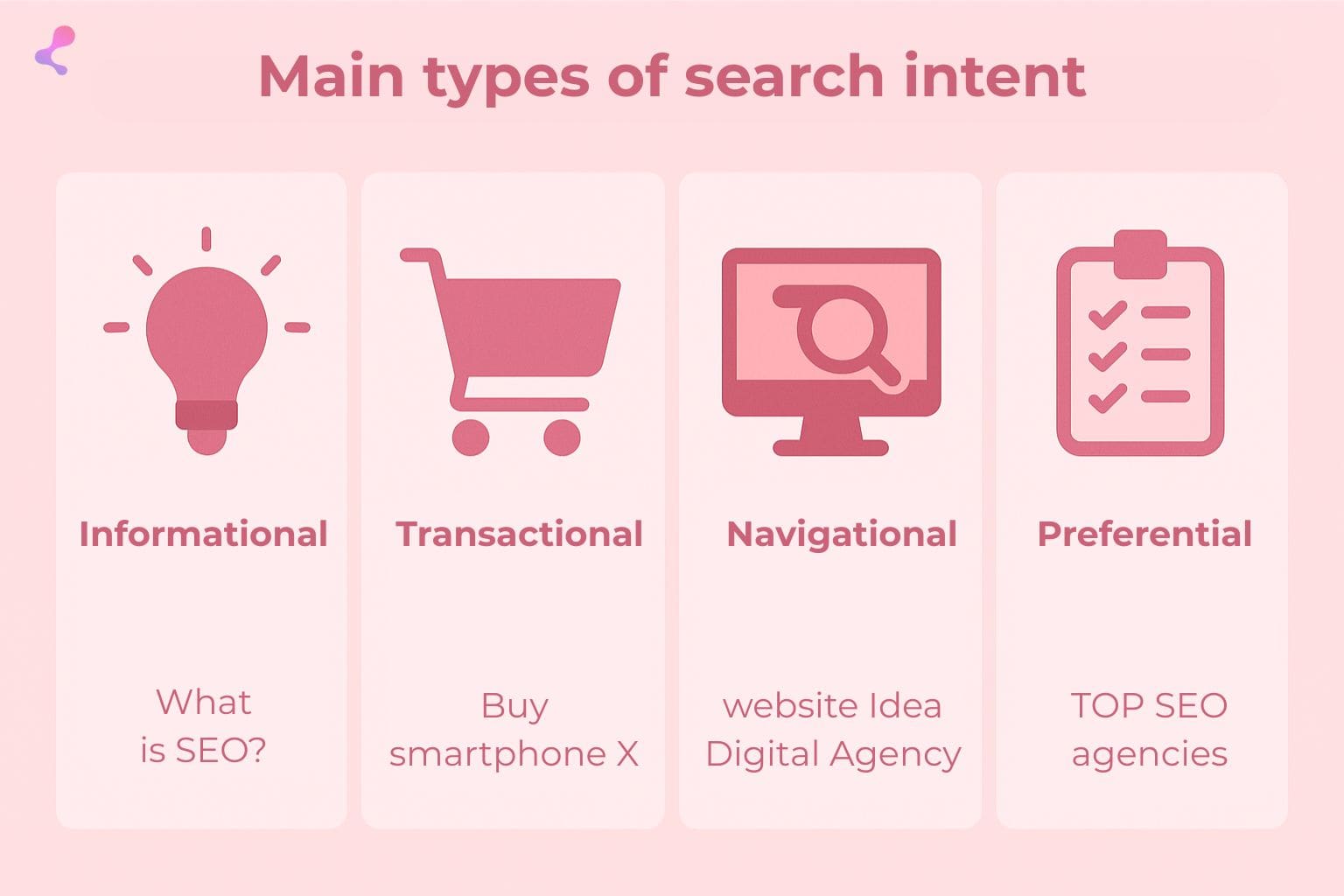
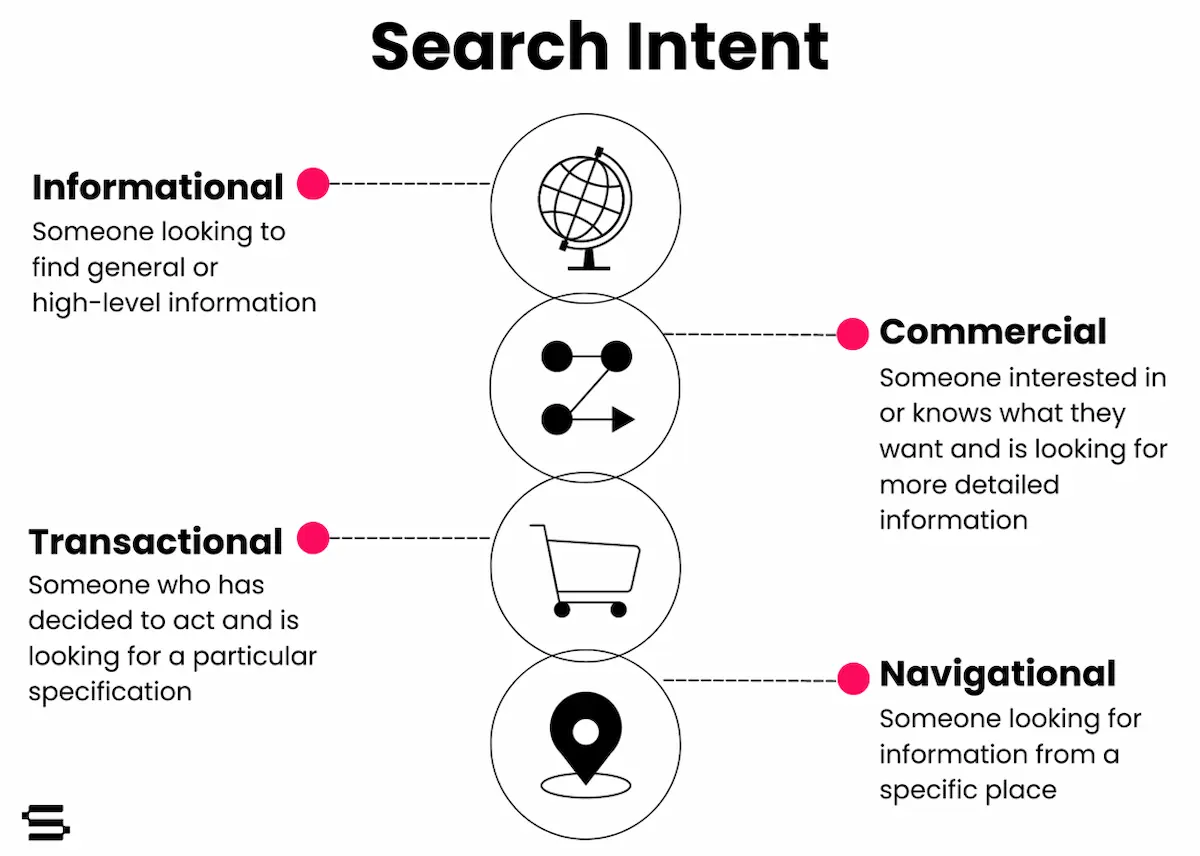
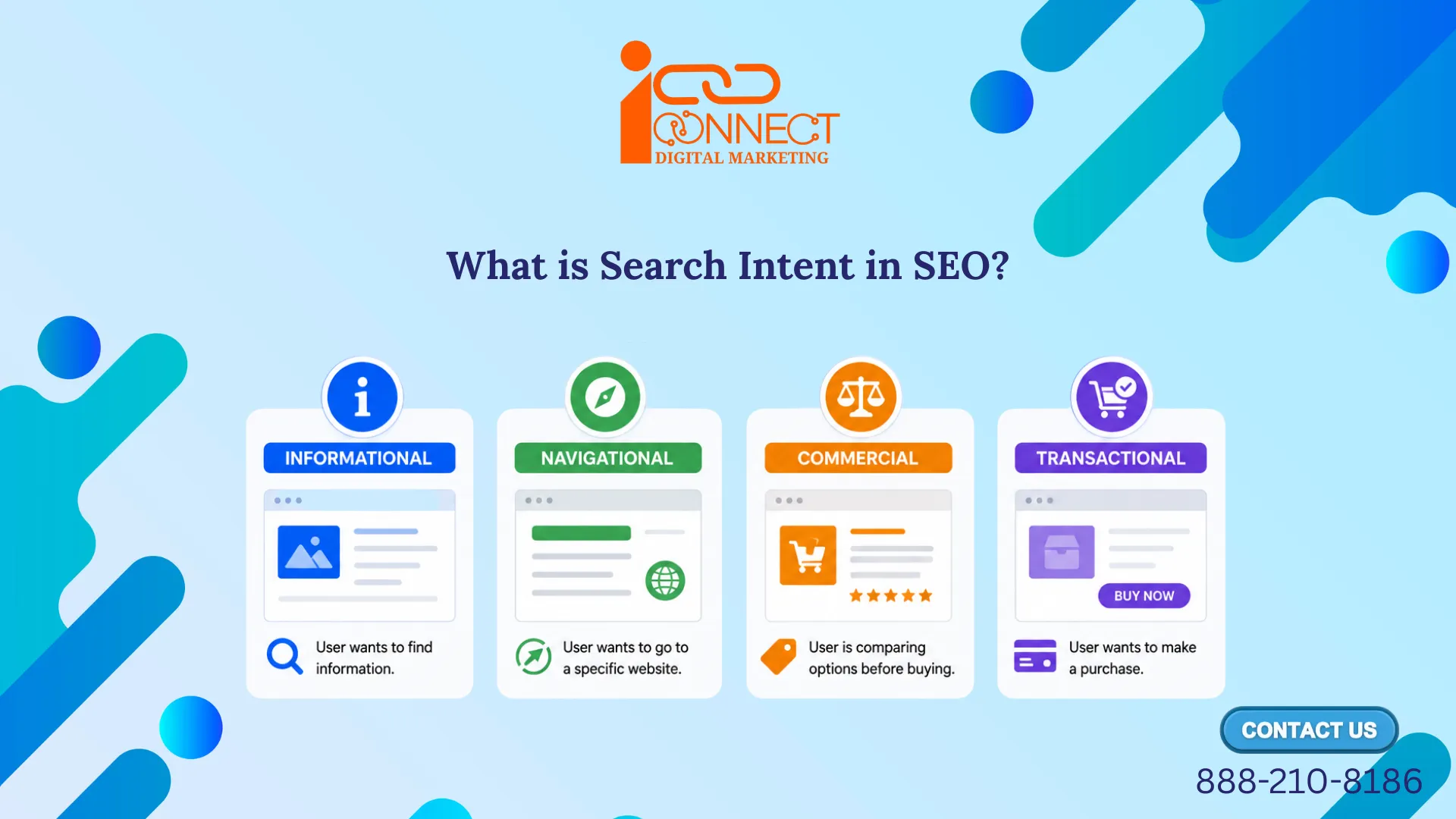
Machine learning models classify search queries into distinct categories: informational, navigational, commercial, and transactional. For informational intent specifically, AI examines several signals:
- Query length and structure
- User engagement metrics like dwell time and bounce rate
- Content relevance across multiple language models
- Historical click patterns for similar queries
- Contextual clues from previous searches in the session
- Coverage of subtopics related to the main query
- Use of natural language that mirrors how people speak
- Presence of structured data like schema markup
- Readability and clarity of the content
- Expertise signals from the author or website
- Question-based queries (how, what, why, when)
- Comparison queries (X vs Y)
- Definition queries (what is…)
- Tutorial queries (step-by-step guides)
- Research queries (studies, statistics, data)
These signals help search engines determine whether a user wants a quick answer, a comprehensive guide, or a comparison of concepts. Content that matches the specific subtype of informational intent performs better in rankings.
Why AI SEO Informational Intent Matters for Content Strategy
The shift toward AI-driven search has fundamentally altered content marketing strategies. Traditional SEO focused on matching exact keywords. Modern AI SEO informational intent focuses on satisfying user needs comprehensively.
Consider the query “how does solar energy work.” A decade ago, a page with that exact phrase in the title and repeated throughout the body might rank well. Today, search engines expect content that explains photovoltaic cells, inverters, net metering, and real-world efficiency data. The AI evaluates whether the content truly educates the reader.
Key Differences Between Traditional SEO and AI-Driven SEO
| Aspect | Traditional SEO | AI SEO Informational Intent |
|---|---|---|
| Keyword focus | Exact match phrases | Semantic topics and entities |
| Content length | Short, keyword-dense | Comprehensive, structured |
| User signals | Minimal consideration | Dwell time, engagement, satisfaction |
| Content format | Text-heavy paragraphs | Mixed media, lists, tables, FAQs |
| Ranking factor | Backlinks and exact keywords | Topical authority and user value |
This evolution means content creators must think like educators, not just writers. The goal is to provide complete, accurate, and accessible information that leaves no question unanswered.
How AI Search Engines Process Informational Queries
Modern search engines use a multi-stage process to handle informational queries. Understanding this process helps content creators optimize effectively.
Query Understanding and Intent Prediction
When a user types “best way to learn piano,” the AI first identifies the core entities: piano, learning, methods. It then predicts whether the user wants beginner tips, advanced techniques, or product recommendations. The algorithm analyzes the query against billions of similar searches to determine the most likely intent.
Content Matching and Relevance Scoring
After classifying the intent, the search engine scans its index for content that addresses the topic comprehensively. The AI evaluates:
Content that covers multiple angles of a topic scores higher for informational queries. For example, a guide on “mediterranean diet” should include meal plans, scientific research, potential risks, and practical shopping lists.
Ranking and Feature Snippet Selection
For informational queries, Google often displays featured snippets, also known as position zero. These are direct answers pulled from high-ranking pages. AI selects these snippets based on how well a page answers the specific question in a concise, extractable format.
To win featured snippets, structure content with clear headings, bullet points, and short paragraphs that directly answer common questions. Tables and lists also increase the chances of snippet selection.
Practical Applications of AI SEO Informational Intent
Applying AI SEO informational intent principles requires a systematic approach to content creation and optimization. Here are actionable strategies that produce measurable results.
Conducting AI-Enhanced Keyword Research
Traditional keyword tools provide search volume and difficulty scores. AI-powered tools go further by analyzing the intent behind each keyword and suggesting related topics that users also search for.
When researching keywords for informational content, focus on:
Tools like Clearscope, Surfer SEO, and MarketMuse use AI to analyze top-ranking pages and recommend related terms and subtopics. This ensures your content covers the full semantic landscape of the topic.
Creating Content That Satisfies AI Algorithms
AI algorithms reward content that demonstrates depth, accuracy, and user engagement. Here are the key elements of AI-optimized informational content:
Comprehensive Coverage: Address every aspect of the topic. If writing about “remote work productivity,” include sections on home office setup, time management techniques, communication tools, mental health considerations, and performance metrics.
Clear Structure: Use descriptive headings that mirror the questions users ask. Each H2 and H3 should represent a distinct subtopic that adds value.
Natural Language: Write conversationally, as if explaining the concept to a colleague. Avoid robotic phrasing and keyword stuffing.
Multimedia Elements: Include images, videos, infographics, and charts where they enhance understanding. AI systems recognize and index these elements.
Internal Linking: Link to related content on your site to establish topical authority and help AI understand your site’s structure.
Optimizing for Voice Search and Conversational Queries
Voice search has grown exponentially with smart speakers and mobile assistants. Voice queries tend to be longer and more conversational than typed searches. For example, a typed query might be “solar panel efficiency,” while a voice query might be “what is the average efficiency of solar panels in 2024.”
To optimize for voice search, include natural language variations of your target keywords. Write full sentences that answer questions directly. Use FAQ sections to capture long-tail voice queries.
Benefits of Targeting AI SEO Informational Intent
Investing in informational content optimized for AI search delivers substantial long-term benefits.
Sustainable Organic Traffic Growth
Informational content attracts users at the top of the marketing funnel. While these users may not convert immediately, they build brand awareness and trust. Over time, they return when ready to make purchasing decisions.
Comprehensive guides and tutorials continue to attract traffic for years after publication. Unlike news articles or trending topics, evergreen informational content maintains relevance and ranking stability.
Enhanced Brand Authority and Trust
When your content consistently provides accurate, helpful information, search engines and users view your brand as an authority. This trust translates to higher click-through rates, more backlinks, and improved rankings across all your content.
Google’s E-E-A-T framework (Experience, Expertise, Authoritativeness, Trustworthiness) heavily influences rankings for informational queries. Demonstrating these qualities through well-researched, cited content positions your brand as a reliable source.
Improved User Engagement Metrics
Content that satisfies informational intent keeps users on your page longer. They read, scroll, and explore related links. These positive engagement signals tell AI algorithms that your content is valuable, leading to higher rankings.
Limitations and Challenges of AI SEO Informational Intent
While the benefits are significant, targeting informational intent with AI-driven SEO presents several challenges.
High Competition for Broad Topics
Popular informational topics like “how to lose weight” or “what is cryptocurrency” have thousands of competing pages. Breaking through requires either exceptional content quality or a unique angle that differentiates your page.
Focus on long-tail variations and specific subtopics where competition is lower. For example, instead of “what is cryptocurrency,” target “how does proof-of-stake consensus work in Ethereum.”
Difficulty Measuring Direct ROI
Informational content rarely generates immediate sales. Measuring the return on investment requires tracking assisted conversions, brand searches, and email signups over extended periods. This makes it challenging to justify content budgets to stakeholders focused on short-term revenue.
Implement robust analytics to track the full customer journey. Use UTM parameters, goal tracking, and marketing attribution models to demonstrate how informational content contributes to conversions.
Constant Algorithm Updates
Search engines continuously refine their AI algorithms. What works today may lose effectiveness tomorrow. Staying current requires ongoing education, testing, and adaptation.
Follow reputable SEO publications, participate in industry forums, and monitor your analytics for sudden ranking changes. Diversify your traffic sources to reduce dependence on any single algorithm.
Common Mistakes in AI SEO Informational Intent Optimization
Many content creators make avoidable errors when targeting informational queries. Recognizing these mistakes helps you refine your strategy.
Superficial Content That Skims the Surface
Publishing a 500-word article on a complex topic signals low quality to AI algorithms. Users quickly bounce back to search results, telling Google your content failed to satisfy their intent.
Commit to comprehensive coverage. If the topic requires 2,000 words to explain properly, write 2,000 words. Depth beats brevity for informational queries.
Ignoring User Experience Signals
Slow page load times, intrusive pop-ups, and cluttered layouts harm your rankings regardless of content quality. AI algorithms track user behavior and penalize pages that frustrate visitors.
Optimize your site’s technical performance. Ensure mobile responsiveness, fast loading, and clean navigation. Remove anything that distracts from the content itself.
Keyword Stuffing and Artificial Language
Repeating the target keyword unnaturally throughout the content triggers AI spam detectors. Modern algorithms recognize when content is written for machines rather than humans.
Use your target keyword naturally in the title, first paragraph, and a few headings. Otherwise, write freely using synonyms and related terms.
Neglecting Content Freshness
Informational topics evolve. Statistics change, new research emerges, and best practices shift. Content that was accurate two years ago may now contain outdated information that harms your credibility.
Schedule regular content audits. Update statistics, refresh examples, and add new sections addressing recent developments in your field.
Important Notes for AI SEO Informational Intent Success
Several critical factors separate successful informational content from content that fails to rank.
Search Intent Verification: Before writing, verify that the query truly has informational intent. Some queries that appear informational actually have commercial intent. For example, “best running shoes” seems informational but often signals purchase readiness.
Content Format Matching: Different informational queries prefer different formats. Some users want step-by-step tutorials, others want comparison tables, and others want in-depth research papers. Analyze the current top-ranking pages to understand the expected format.
Entity Optimization: Use structured data markup to help AI understand your content’s entities. Schema types like Article, FAQPage, and HowTo provide explicit signals about your content’s purpose.
Regular Monitoring: Track your rankings, organic traffic, and engagement metrics for informational content. Identify patterns in what works and double down on successful formats and topics.
Frequently Asked Questions
What is the difference between informational and transactional intent?
Informational intent describes searches where users want to learn or understand something. Transactional intent describes searches where users want to complete a purchase or action. Informational queries often use words like “how,” “what,” and “why,” while transactional queries use words like “buy,” “order,” or “purchase.”
How does AI change SEO for informational queries?
AI enables search engines to understand the meaning behind queries rather than just matching keywords. This means content must comprehensively answer user questions with depth and clarity. AI also evaluates user engagement signals to determine content quality, rewarding pages that satisfy user needs.
What tools help with AI SEO informational intent optimization?
Several AI-powered tools assist with informational content optimization. Clearscope and Surfer SEO analyze top-ranking pages and recommend related terms. MarketMuse provides content briefs based on semantic analysis. Google’s Natural Language API helps understand how your content is interpreted by AI systems.
How long should informational content be?
T The appropriate length depends on the topic’s complexity and what competing pages provide. Generally, comprehensive coverage matters more than hitting a specific word count. Some topics require 1,000 words, while others need 5,000 or more.
Can AI-generated content rank for informational queries?
AI-generated content can rank if it is accurate, comprehensive, and genuinely helpful. However, search engines increasingly detect low-quality AI content and may penalize it. The best approach combines AI assistance for research and drafting with human editing for accuracy, nuance, and originality.
How do I measure success for informational content?
Track organic traffic, keyword rankings, dwell time, bounce rate, and featured snippet presence. Also monitor secondary metrics like backlinks, social shares, and email signups. For business impact, use attribution modeling to understand how informational content influences conversions over time.
Conclusion
AI SEO informational intent represents the new standard for content that educates and engages. Search engines now possess the intelligence to distinguish between content written for humans and content written solely for algorithms. The winners in this landscape are those who prioritize genuine value, comprehensive coverage, and user satisfaction.
Success requires a strategic shift from keyword-centric thinking to topic-centric thinking. Research your audience’s questions deeply, create content that answers every angle, and structure it for maximum readability. Monitor your performance, adapt to algorithm changes, and continuously refine your approach.
The future of search belongs to content creators who embrace AI as a tool for understanding user needs rather than a shortcut for producing mediocre content. By focusing on informational intent with the right strategies, you build lasting organic visibility that withstands algorithm updates and delivers sustainable growth.
Xem thêm:
- AI SEO AI Search Analytics: The Complete Guide to Modern Search Intelligence
- AI SEO Content Decay: The Hidden Threat to Your Search Rankings and How to Fix It
- AI SEO BI Reports: The Complete Guide to Data-Driven Search Optimization
- AI SEO for Agencies: The Complete Blueprint to Scale, Automate, and Dominate Search Rankings
- AI SEO Search Visibility: The Complete Playbook for Ranking in the Age of Machine Learning
Bài viết cùng chủ đề:

AI SEO SEO Automation with Make: The Complete Workflow Guide

AI SEO SEO Automation with Zapier: The Complete Workflow Guide

AI SEO SEO Automation with n8n: The Complete Workflow Guide
AI SEO SEO Automation with Gemini: The Complete Guide to Scaling Organic Growth

AI SEO SEO Automation with Claude: The Complete Guide to Scaling Content in 2025

AI SEO SEO Automation with ChatGPT: The Complete Playbook for 2025

AI SEO & SEO Automation for Affiliate Sites: The 2025 Playbook for Passive Income Growth
AI SEO & SEO Automation for Bloggers: The Complete Guide to Scaling Your Content

AI SEO & SEO Automation for Agencies: The Complete 2025 Playbook

AI SEO and SEO Automation for Ecommerce: The Complete Playbook for 2025

AI SEO & SEO Automation for WordPress: The Complete Playbook for 2025
AI SEO SEO Automation Strategy: The Complete Playbook for 2025

Mastering the AI SEO SEO Automation Process: A Complete Guide to Scaling Organic Growth
AI SEO SEO Automation System: The Complete Guide to Scaling Organic Growth in 2025
AI SEO SEO Automation Platform: The Complete Guide to Scaling Organic Growth in 2025
AI SEO SEO Automation Software: The Complete Guide to Scaling Organic Growth in 2025















