
No products in the cart.
AI SEO Search Visibility: The Complete Playbook for Ranking in the Age of Machine Learning
10
Aug
Aug
AI SEO Search Visibility has become the defining metric for digital success in 2025. As search engines shift from simple keyword matching to complex neural networks that understand user intent, brands must adapt their strategies or risk disappearing from page one. This comprehensive guide breaks down how artificial intelligence is reshaping search rankings and provides actionable steps to maintain and grow your organic presence. From understanding how Google’s RankBrain and MUM work to implementing AI-powered content strategies, you will learn exactly what it takes to stay visible in an algorithm-driven world.
Understanding AI SEO Search Visibility
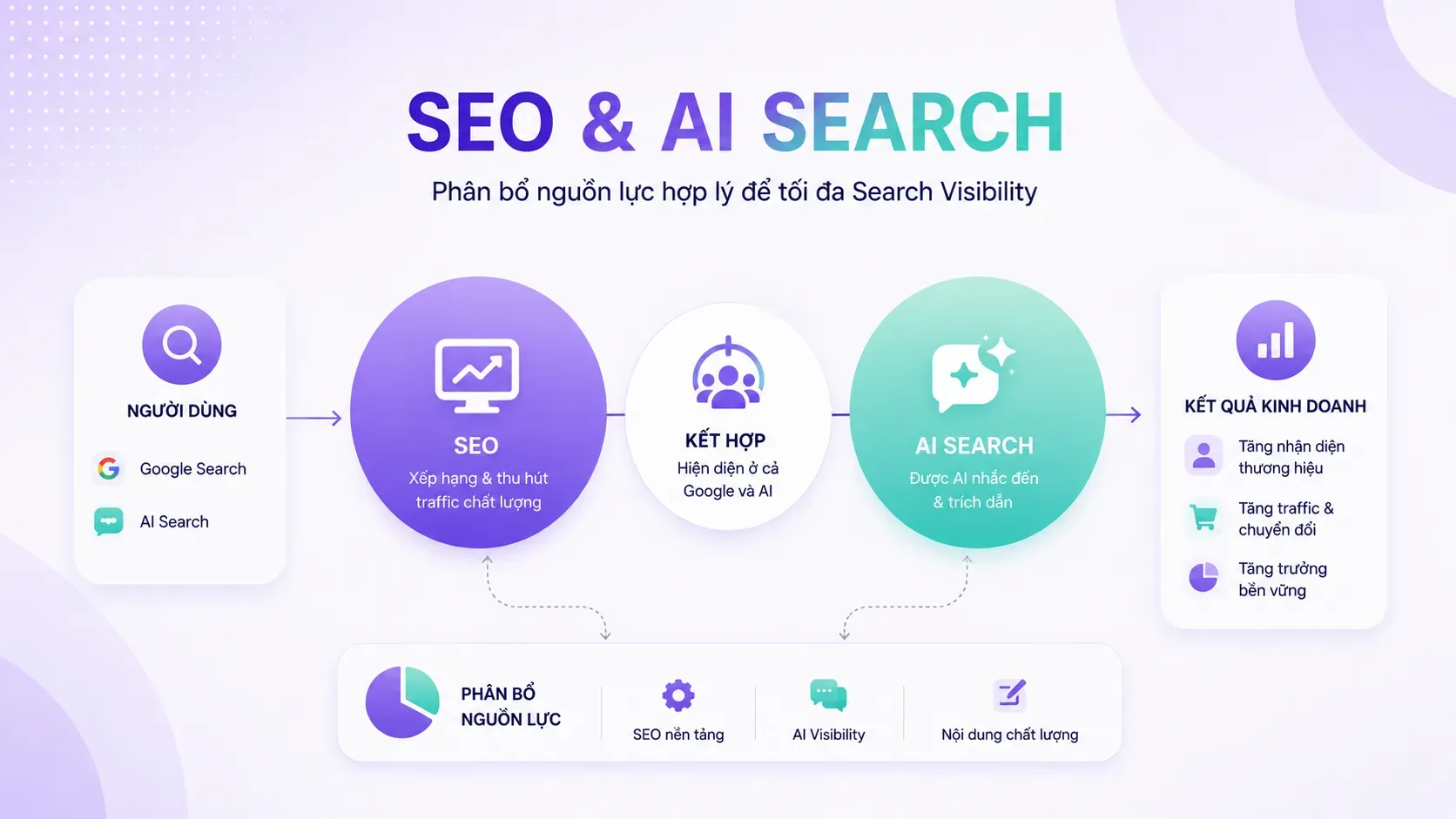
AI SEO Search Visibility refers to the measure of how prominently your website appears in search engine results when artificial intelligence systems determine relevance. Unlike traditional SEO metrics that focused on backlinks and exact-match keywords, modern visibility depends on how well your content aligns with semantic understanding and user satisfaction signals.
Search engines now use machine learning models to evaluate hundreds of ranking factors simultaneously. These systems analyze user behavior patterns, content depth, and contextual relevance in milliseconds. The result is a dynamic ranking environment where static optimization tactics no longer suffice.
The Evolution from Keyword-Based to Intent-Based Rankings
Early search engines relied on literal keyword matching. If a user searched for “best running shoes,” pages containing those exact words ranked highest. Today, AI systems like Google’s BERT and MUM understand that the same query might mean different things to different users. A beginner looking for affordable options versus a marathon runner seeking performance gear will see different results for the same search term.
This shift means AI SEO Search Visibility now depends on creating content that answers questions comprehensively rather than simply repeating phrases. Search engines evaluate whether your page satisfies the full spectrum of user needs, including related topics, comparison tables, and practical examples.
Core Components of AI-Driven Search Algorithms
To improve your AI SEO Search Visibility, you must understand the key machine learning systems that determine rankings. Each component plays a distinct role in evaluating your website’s relevance and authority.
RankBrain and Query Interpretation
RankBrain was Google’s first AI system deployed at scale. It processes unfamiliar queries by mapping them to known concepts. When users search for something never seen before, RankBrain identifies patterns and connects the query to pages that address the underlying intent. This system learns from user interactions, meaning pages that satisfy searchers gain visibility while those that miss the mark decline.
BERT and Natural Language Understanding
Bidirectional Encoder Representations from Transformers, or BERT, allows search engines to understand the context of words in relation to all other words in a sentence. Prepositions like “for” and “without” now carry significant weight. For example, the query “cars without a sunroof” returns different results than “cars with a sunroof.” BERT ensures your content is evaluated on how well it matches these nuanced meanings.
MUM and Multimodal Understanding
Multitask Unified Model, or MUM, represents the next generation of search AI. It can process text, images, and video simultaneously to generate comprehensive answers. MUM can transfer knowledge across languages and formats, meaning your content might be used to answer queries in different regions or through different media types. Optimizing for MUM requires creating rich, multimedia content that covers topics from multiple angles.
How AI Evaluates Content Quality and Relevance
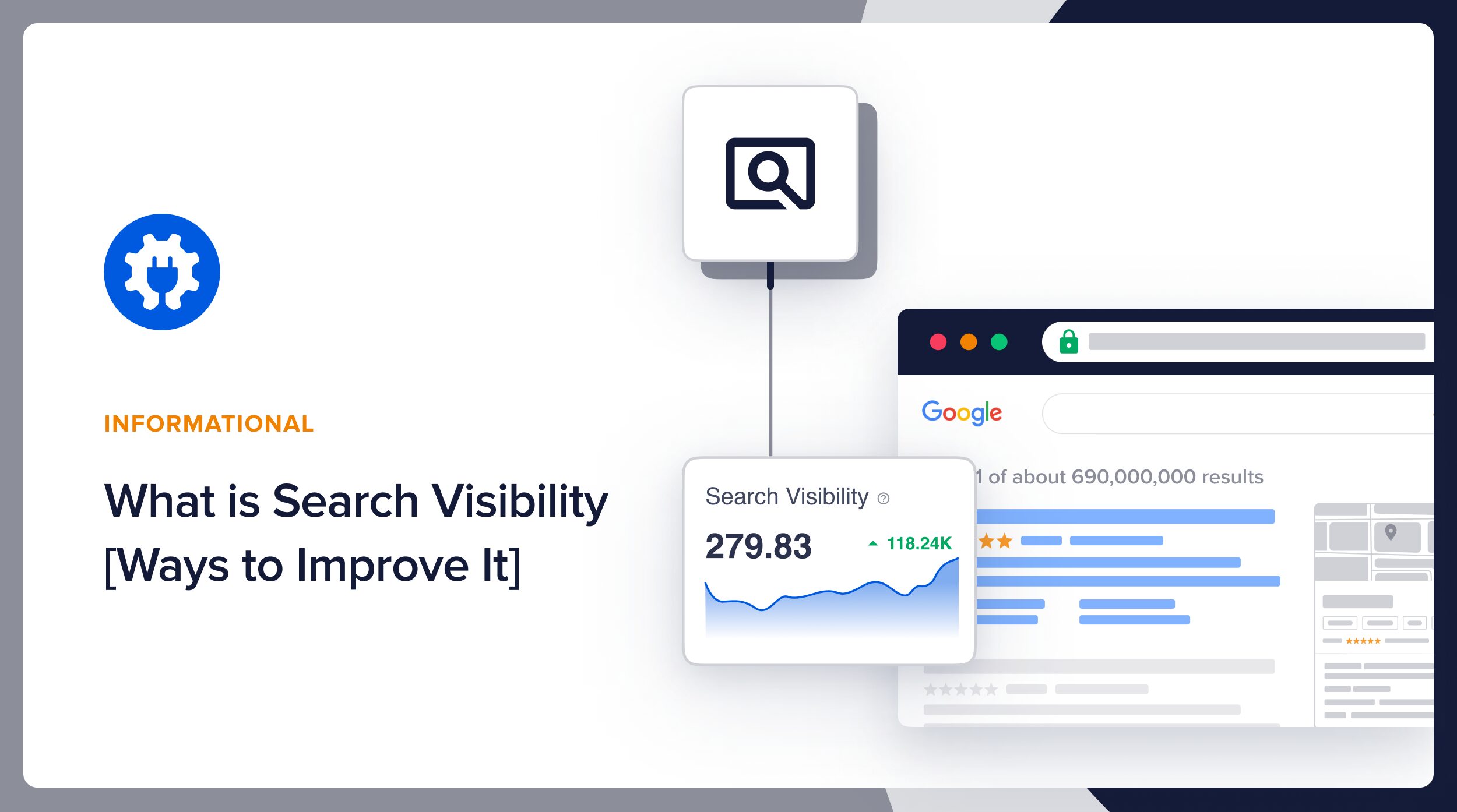
AI SEO Search Visibility hinges on how well your content meets the quality standards that machine learning models are trained to recognize. These systems analyze patterns from millions of high-ranking pages to identify common characteristics.
Semantic Depth and Topic Coverage
Search engines now evaluate whether your content covers a topic comprehensively. Thin content that only scratches the surface ranks poorly because AI systems recognize it does not fully satisfy user needs. Comprehensive guides that address related subtopics, answer follow-up questions, and provide unique insights perform significantly better.
For instance, a page about “content marketing” that only defines the term will struggle. A page that covers strategy development, measurement metrics, tool comparisons, case studies, and common pitfalls will achieve higher AI SEO Search Visibility because it addresses the full scope of user intent.
User Engagement Signals as Ranking Factors
AI systems monitor how users interact with your pages. Click-through rate, dwell time, bounce rate, and return-to-search behavior all feed into visibility calculations. When users click your result and stay engaged, search engines interpret this as a positive signal. When they quickly return to search results, the system learns your page does not match expectations.
Improving these signals requires attention to both title tags and content quality. Your title must accurately represent the content while compelling users to click. Your content must then deliver on that promise immediately, providing value within the first few paragraphs.
Practical Strategies to Boost AI SEO Search Visibility
Implementing AI-aware optimization techniques requires a systematic approach. The following strategies have proven effective for websites across various industries and competitive levels.
Create Entity-Based Content Structures
Search engines build knowledge graphs that connect entities, which are distinct concepts or objects. Your content should clearly identify the main entities and their relationships. Use consistent terminology, define key terms, and link related concepts naturally within your text.
For example, if your article discusses “machine learning,” you should also mention related entities like “neural networks,” “training data,” and “algorithms.” This helps AI systems understand your content’s context and associate it with relevant queries.
Optimize for Passage Ranking
Google’s passage ranking system allows individual sections of your content to rank independently. This means a well-structured paragraph buried deep in a long article can appear in search results for specific queries. Break your content into clearly defined sections with descriptive headings that can stand alone as answers.
Each H2 and H3 section should be self-contained, providing complete information on its subtopic. This approach increases your chances of appearing in featured snippets and position zero results, dramatically improving AI SEO Search Visibility.
Leverage Structured Data for AI Understanding
Schema markup provides explicit signals to search engines about your content’s meaning. Implementing structured data for articles, FAQs, products, and reviews helps AI systems categorize your pages accurately. This technical foundation supports better visibility by removing ambiguity about your content’s purpose.
Focus on implementing FAQ schema for question-based content, Article schema for blog posts, and Product schema for e-commerce pages. These markup types directly influence how AI systems display your content in rich results.
Technical SEO Factors That Influence AI Rankings
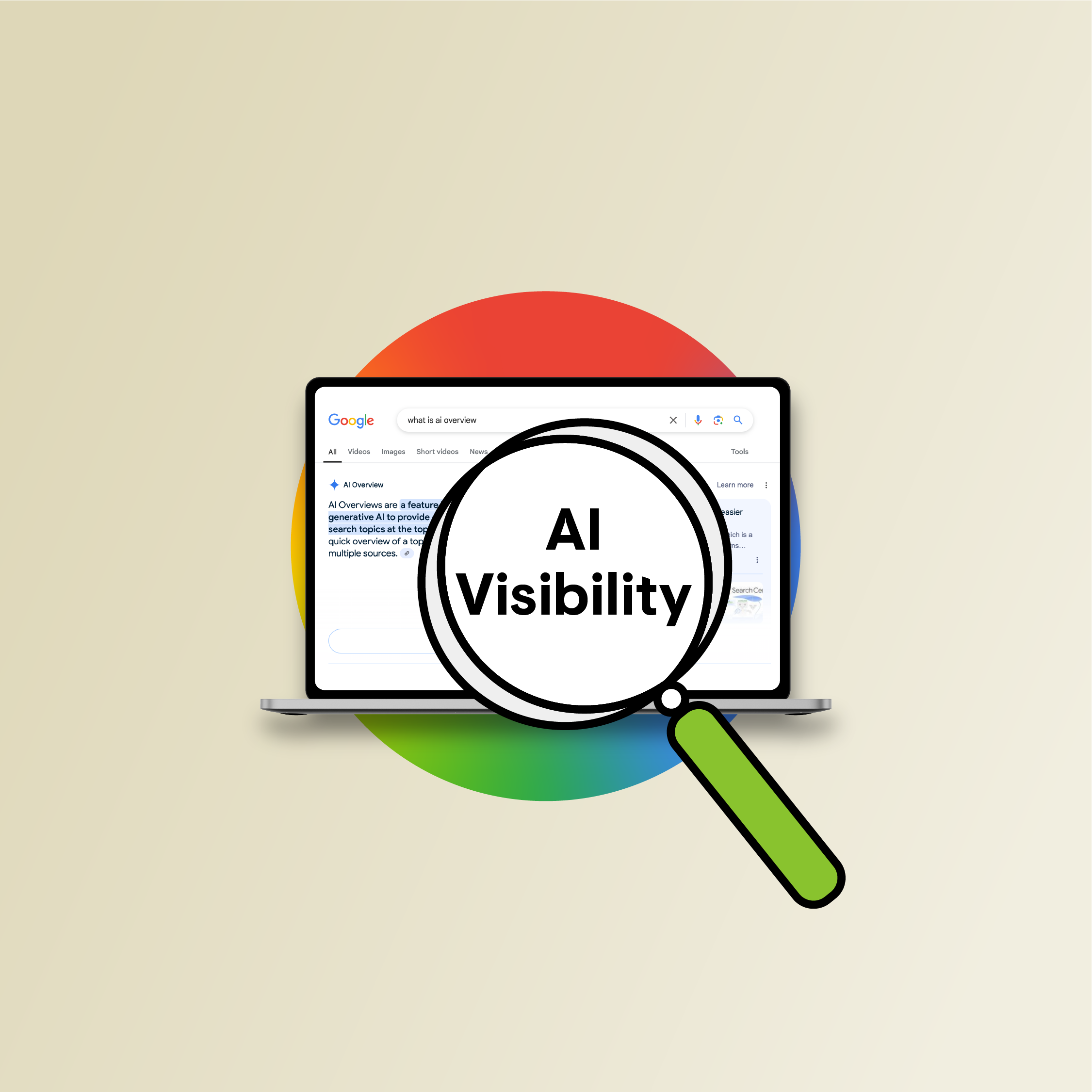
While content quality dominates AI SEO Search Visibility discussions, technical elements remain crucial. Machine learning models evaluate your site’s crawlability, speed, and mobile experience as part of the ranking calculation.
Core Web Vitals and User Experience Metrics
Google’s Core Web Vitals measure loading performance, interactivity, and visual stability. These metrics directly impact rankings because they reflect user experience quality. AI systems correlate fast, stable pages with higher satisfaction levels.
Optimize Largest Contentful Paint to under 2.5 seconds, First Input Delay to under 100 milliseconds, and Cumulative Layout Shift to under 0.1. These targets require efficient coding, optimized images, and minimal third-party scripts.
Site Architecture and Internal Linking
AI crawlers use link structures to understand your site’s hierarchy and content relationships. A logical architecture with clear category pages and contextual internal links helps machine learning models map your site’s expertise. Ensure important pages receive sufficient internal link equity and that anchor text accurately describes the target content.
Measuring and Monitoring AI SEO Search Visibility
Tracking your progress requires moving beyond traditional ranking reports. AI-driven search results vary by user, location, and search history, making position tracking less reliable than in the past.
Key Performance Indicators for AI Visibility
Focus on metrics that reflect actual user behavior rather than static rankings. Organic traffic growth, keyword impressions, average position, and conversion rates provide a more accurate picture of your AI SEO Search Visibility.
Monitor your performance in Google Search Console, paying attention to queries where you appear in positions 1-10 versus those where you rank lower. Analyze which content types generate the most impressions and clicks to identify patterns that AI systems favor.
Tools for AI-Driven SEO Analysis
Modern SEO platforms incorporate AI to provide deeper insights into visibility trends. Tools like Semrush, Ahrefs, and Clearscope use machine learning to analyze content gaps, competitor strategies, and semantic relevance. These platforms help you identify opportunities that align with AI ranking criteria.
Common Mistakes That Hurt AI SEO Search Visibility
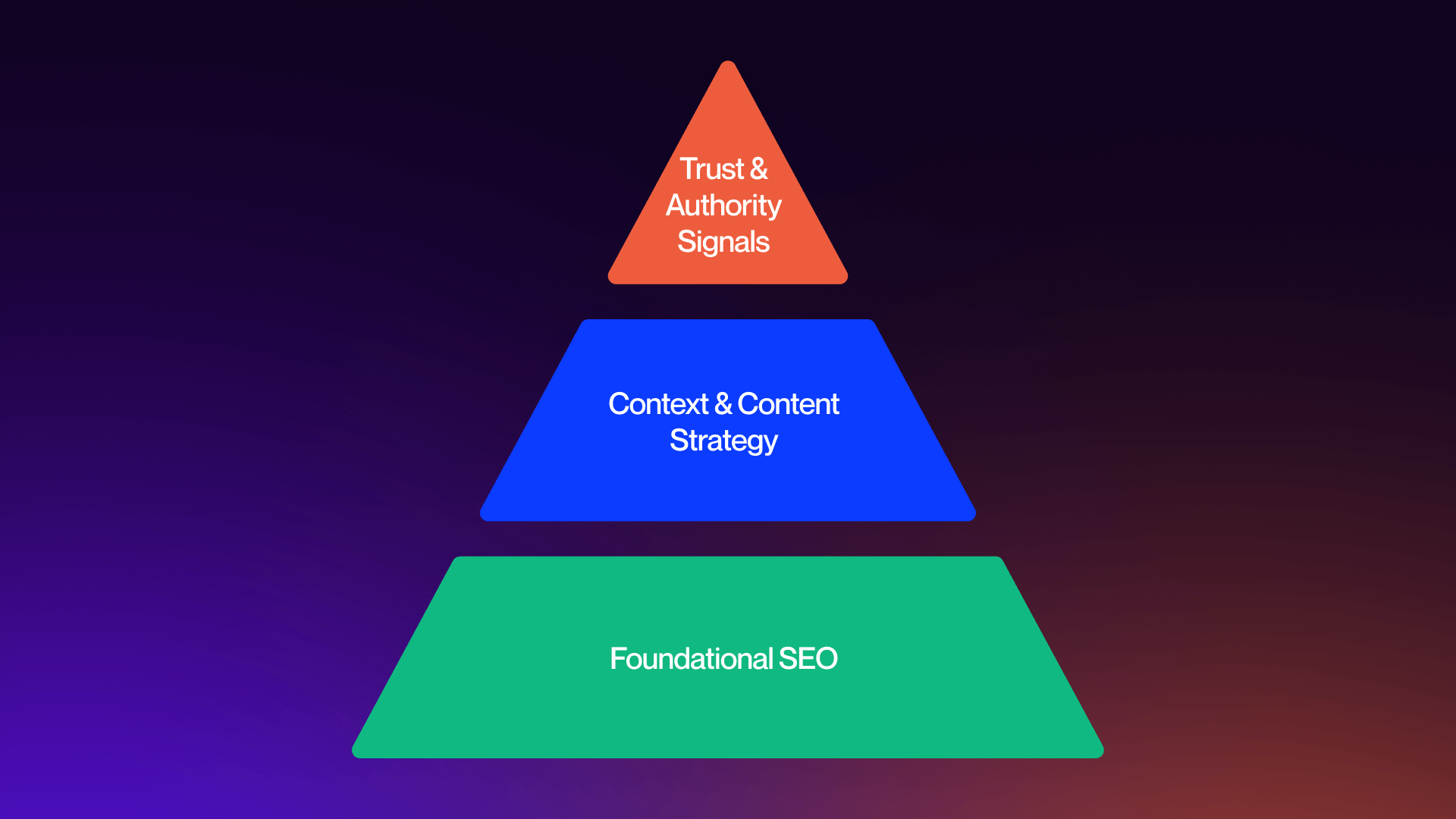
Many websites inadvertently sabotage their rankings by using outdated tactics that conflict with AI evaluation methods. Recognizing these errors is the first step toward correction.
Keyword Stuffing and Over-Optimization
Repeating your target keyword excessively signals low-quality content to AI systems. Modern algorithms detect unnatural language patterns and penalize pages that prioritize search engines over readers. Write naturally, using synonyms and related terms instead of forcing the same phrase repeatedly.
Ignoring Search Intent Variations
AI systems recognize that queries have different intents, including informational, navigational, transactional, and commercial investigation. Creating content that targets the wrong intent for your audience reduces visibility. Research the specific questions and needs behind your target keywords and tailor your content accordingly.
Neglecting Content Freshness
AI algorithms favor recently updated content for many queries, especially in fast-moving industries. Stale pages lose visibility as machine learning models detect outdated information. Regularly review and update your cornerstone content to maintain relevance and signal freshness to search engines.
Comparison: Traditional SEO vs AI-Driven SEO
| Aspect | Traditional SEO | AI-Driven SEO |
|---|---|---|
| Keyword Approach | Exact match phrases | Semantic topics and entities |
| Content Focus | Word count and density | Comprehensive coverage and depth |
| Ranking Signals | Backlinks and domain authority | User engagement and satisfaction |
| Measurement | Keyword position tracking | Visibility metrics and organic traffic |
| Update Frequency | Periodic optimization | Continuous refinement based on AI insights |
| Technical Factors | Meta tags and sitemaps | Core Web Vitals and structured data |
Future Trends in AI SEO Search Visibility
Staying ahead of AI developments requires anticipating how search technology will evolve. Several trends will shape visibility strategies in the coming years.
Generative AI and Search Experience
Google’s Search Generative Experience and similar tools provide AI-generated summaries at the top of results pages. These overviews answer queries directly, potentially reducing clicks to traditional listings. To maintain visibility, create content that is structured to be cited in these AI summaries. Clear definitions, step-by-step instructions, and concise answers increase your chances of being referenced.
Voice Search and Conversational Queries
Voice assistants generate longer, more conversational queries. Optimizing for these requires content that answers questions naturally and directly. Include FAQ sections that address common spoken queries related to your topic. Use natural language patterns that mirror how people speak rather than how they type.
Important Notes for Sustainable AI Visibility
Building lasting AI SEO Search Visibility requires a commitment to quality and adaptability. Search algorithms will continue to evolve, but the principles of creating valuable, user-focused content remain constant.
Focus on becoming the authoritative source in your niche. Publish original research, share unique experiences, and provide perspectives that cannot be found elsewhere. AI systems prioritize content that demonstrates expertise, experience, authoritativeness, and trustworthiness. These E-E-A-T signals have become central to visibility calculations.
Regularly audit your content performance and adapt to changing user behavior. What works today may not work tomorrow as AI systems learn and refine their understanding. Stay informed about algorithm updates and industry research to maintain your competitive edge.
Frequently Asked Questions
What is AI SEO Search Visibility?
AI SEO Search Visibility measures how prominently your website appears in search results when artificial intelligence systems determine relevance. It reflects how well your content aligns with machine learning algorithms that evaluate user intent, content quality, and engagement signals rather than just keyword matching.
How does Google’s AI affect my search rankings?
Google’s AI systems like RankBrain, BERT, and MUM analyze user behavior, content semantics, and contextual relevance to determine rankings. These systems prioritize pages that comprehensively answer queries and provide positive user experiences over those that simply repeat keywords.
What are the most important factors for AI SEO visibility?
The most critical factors include content depth and comprehensiveness, user engagement metrics like dwell time and click-through rate, technical performance measured by Core Web Vitals, structured data implementation, and consistent content freshness. Semantic relevance and entity coverage also play significant roles.
How can I improve my AI SEO Search Visibility quickly?
Start by auditing your existing content for gaps in topic coverage. Update thin pages with comprehensive information, add structured data markup, improve page speed, and ensure your content directly answers the questions your target audience asks. Monitor user engagement metrics and refine content that shows high bounce rates.
Is traditional keyword optimization still important?
Keywords remain important as signals of topic relevance, but the approach has changed. Instead of exact-match repetition, focus on using your primary keyword naturally while incorporating related terms and synonyms. AI systems understand semantic relationships, so comprehensive topic coverage matters more than keyword density.
How often should I update my content for AI visibility?
T Evergreen content can be updated annually. Monitor your organic traffic and rankings for declines, which often indicate that AI systems have determined your content is outdated or less relevant than competitors.
Conclusion
AI SEO Search Visibility represents the new standard for organic search success. The days of gaming algorithms with keyword stuffing and low-quality backlinks are over. Modern search engines employ sophisticated machine learning that rewards content creators who genuinely serve their audience with comprehensive, accurate, and engaging information.
To thrive in this environment, embrace the principles outlined in this guide. Create content that demonstrates real expertise, structure it for easy understanding by both humans and AI systems, and continuously measure your performance against user engagement metrics. The brands that adapt to AI-driven search will capture significant market share, while those that resist will watch their visibility decline.
Start implementing these strategies today. Audit your current content, identify gaps in topic coverage, and commit to producing resources that answer questions better than anything else available. Your AI SEO Search Visibility will improve as a direct result of providing genuine value to searchers.
Xem thêm:
- AI SEO for Events: The Complete Guide to Boosting Attendance in 2025
- AI SEO Automated SEO Monitoring: The Complete Guide to 24/7 Rank Tracking
- AI SEO GEO Citations: The Complete Guide to Future-Proofing Your Local Search Strategy
- AI SEO Evergreen Content: The Complete Playbook for Sustainable Rankings
- Mastering AI SEO Automation Tools: The Ultimate Guide to Scaling Organic Growth Without Burning Out
Bài viết cùng chủ đề:

AI SEO SEO Automation with Make: The Complete Workflow Guide

AI SEO SEO Automation with Zapier: The Complete Workflow Guide

AI SEO SEO Automation with n8n: The Complete Workflow Guide
AI SEO SEO Automation with Gemini: The Complete Guide to Scaling Organic Growth

AI SEO SEO Automation with Claude: The Complete Guide to Scaling Content in 2025

AI SEO SEO Automation with ChatGPT: The Complete Playbook for 2025

AI SEO & SEO Automation for Affiliate Sites: The 2025 Playbook for Passive Income Growth
AI SEO & SEO Automation for Bloggers: The Complete Guide to Scaling Your Content

AI SEO & SEO Automation for Agencies: The Complete 2025 Playbook

AI SEO and SEO Automation for Ecommerce: The Complete Playbook for 2025

AI SEO & SEO Automation for WordPress: The Complete Playbook for 2025
AI SEO SEO Automation Strategy: The Complete Playbook for 2025

Mastering the AI SEO SEO Automation Process: A Complete Guide to Scaling Organic Growth
AI SEO SEO Automation System: The Complete Guide to Scaling Organic Growth in 2025
AI SEO SEO Automation Platform: The Complete Guide to Scaling Organic Growth in 2025
AI SEO SEO Automation Software: The Complete Guide to Scaling Organic Growth in 2025















