
No products in the cart.
AI SEO Intent Detection: The Complete Guide to Understanding Search Intent at Scale
10
Aug
Aug
AI SEO Intent Detection is transforming how digital marketers understand and respond to user behavior. Instead of guessing what a searcher wants based on a few keywords, modern tools analyze context, phrasing, and behavioral signals to classify the true purpose behind a query. This technology moves beyond simple keyword matching to interpret whether a user is looking to buy, learn, navigate, or compare. For businesses, mastering this approach means creating content that aligns perfectly with what the audience expects, leading to higher rankings, better click-through rates, and improved conversion metrics.
What is AI SEO Intent Detection?
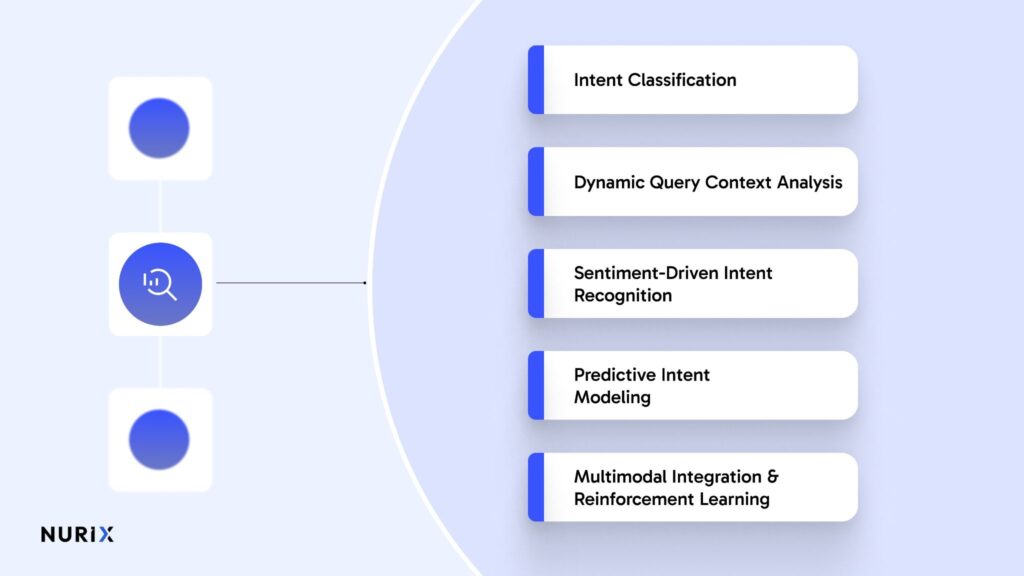
AI SEO Intent Detection refers to the application of machine learning algorithms and natural language processing (NLP) to automatically classify the underlying goal of a search query. Traditional SEO relies on keyword volume and difficulty scores. AI-driven intent detection goes deeper by analyzing the semantics of the query, the user’s search history, and the context of the surrounding words to determine if the user is in the research phase, the consideration phase, or ready to make a purchase.
This process involves training models on vast datasets of search queries and their corresponding outcomes. The AI learns patterns that distinguish a query like “best running shoes” from “buy Nike Air Zoom Pegasus.” The first suggests a comparison or research intent, while the second indicates transactional intent. By automating this classification, SEO professionals can segment their content strategy with unprecedented accuracy.
The Core Difference Between Keywords and Intent
Keywords are the raw material of search. Intent is the meaning behind those words. For example, the keyword “coffee” could mean a user wants to learn about the history of coffee, find a nearby café, or purchase beans online. Without intent detection, an e-commerce site might create a generic page about coffee that fails to satisfy any of these specific needs. AI SEO Intent Detection solves this by tagging each query with a specific intent category, allowing marketers to tailor their on-page content, meta descriptions, and internal linking structure to match the user’s stage in the buying journey.
Why AI SEO Intent Detection Matters in 2025
Search engines are becoming increasingly sophisticated at understanding user satisfaction. Google’s algorithms, particularly with the integration of machine learning models like RankBrain and BERT, prioritize content that matches the searcher’s intent rather than just the exact keyword phrase. If your content does not align with the dominant intent for a query, your rankings will suffer, regardless of how well-optimized your page is technically.
Furthermore, the rise of voice search and conversational queries has made intent detection more complex. People speak differently than they type. A voice query like “where can I fix my iPhone screen near me” is highly transactional and local, but it contains no specific product keywords. AI SEO Intent Detection tools can parse this natural language and identify the urgent, local, and transactional nature of the query, enabling businesses to optimize for these long-tail conversational phrases effectively.
How AI SEO Intent Detection Works
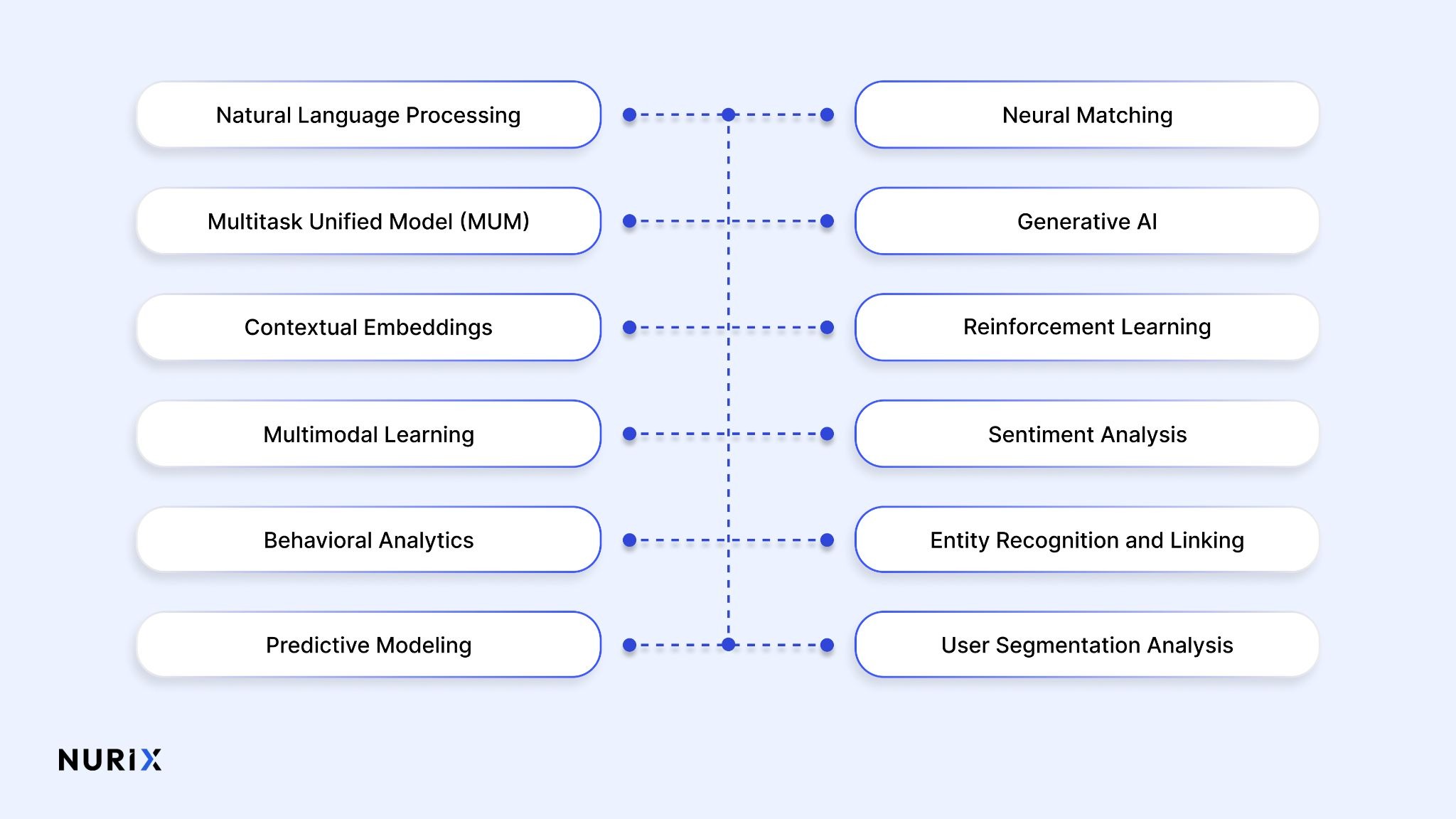
Understanding the mechanics behind this technology helps in leveraging it effectively. The process generally involves several layers of analysis that work together to build a comprehensive picture of user behavior.
Natural Language Processing (NLP)
NLP is the foundation. It breaks down the query into its grammatical components, identifies the subject, the action, and the object. It also recognizes synonyms and related concepts. For instance, NLP understands that “cheap” and “affordable” are semantically similar in the context of shopping, even if they are different words.
Machine Learning Classification Models
These models are trained on labeled datasets where human editors have manually classified thousands of queries into categories like Informational, Navigational, Commercial, and Transactional. The AI learns the linguistic patterns associated with each category. Once trained, the model can classify new, unseen queries with high accuracy.
Behavioral Data Integration
Advanced AI SEO Intent Detection tools do not rely solely on the query text. They also analyze click-through rates, dwell time, and bounce rates for existing search results. If a page ranks for a query but users quickly return to the search results, the AI learns that the page does not satisfy the intent. This feedback loop helps refine the classification over time.
Contextual and Temporal Signals
Intent can change based on the time of day, the device used, and the user’s location. A search for “pizza” on a mobile device at 7 PM is likely transactional, indicating a desire to order food. The same search on a desktop at 2 PM might be informational, perhaps looking for recipes. AI models incorporate these contextual signals to make more accurate predictions.
Classification of Search Intent Types
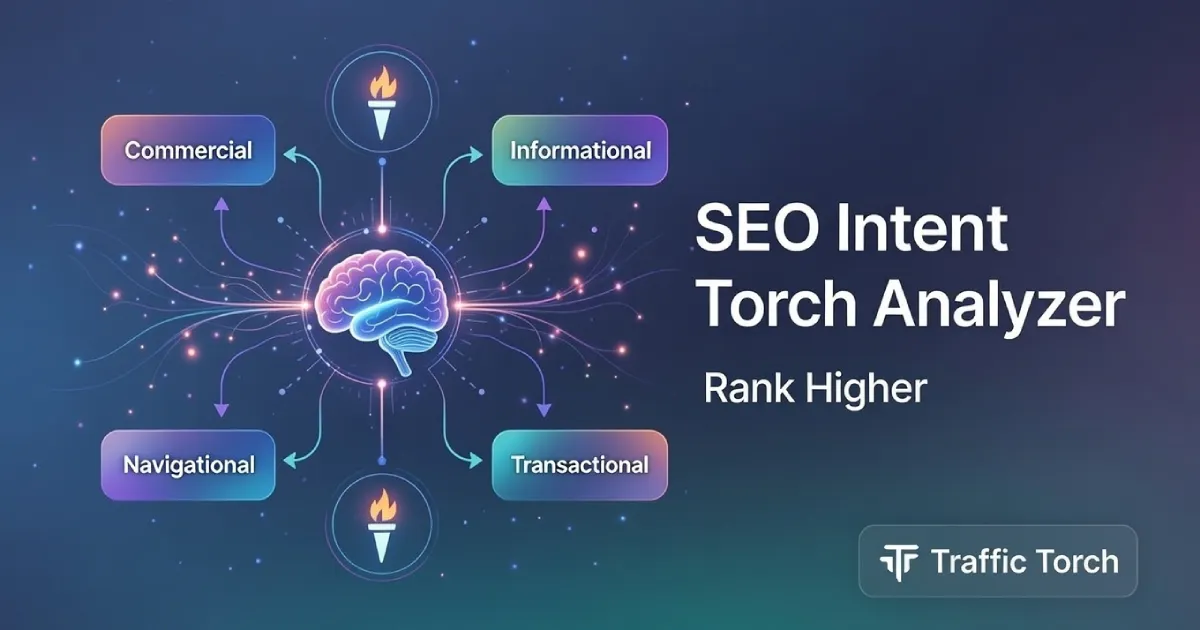
To effectively use AI SEO Intent Detection, it is crucial to understand the four primary categories that most models use. Each category requires a different content strategy and conversion goal.
| Intent Type | User Goal | Content Strategy | Example Query |
|---|---|---|---|
| Informational | To learn or answer a question | Blog posts, guides, tutorials, how-to articles | “How to bake sourdough bread” |
| Navigational | To find a specific website or page | Brand pages, optimized homepage, clear site structure | “Facebook login” |
| Commercial | To research products before a purchase | Comparison posts, reviews, best-of lists, buying guides | “Best budget laptops 2025” |
| Transactional | To complete a purchase or sign-up | Product pages, pricing pages, landing pages with clear CTAs | “Buy iPhone 15 Pro Max 256GB” |
Informational Intent
This is the largest category of search queries. Users are looking for answers, facts, or instructions. They are not ready to buy. Content targeting this intent should be educational, well-structured, and easy to scan. Using AI SEO Intent Detection helps identify subtopics that users frequently ask about, allowing you to create comprehensive pillar pages that cover a topic in depth.
Commercial Investigation Intent
This is where the money is often made. Users have a problem and are evaluating solutions. They are comparing features, prices, and reviews. Content here needs to build trust. Detailed comparisons, pros and cons lists, and honest reviews perform well. AI tools can identify the specific features that users compare most often, ensuring your content addresses those exact points.
Transactional Intent
Users with transactional intent are ready to act. They might be ready to buy, download, or subscribe. The search query often includes words like “buy,” “order,” “discount,” or “price.” The landing page must be optimized for conversion, with fast loading times, clear calls to action, and minimal distractions. AI SEO Intent Detection ensures that your transactional keywords are not wasted on informational blog posts.
Benefits of Using AI SEO Intent Detection
Implementing this technology offers tangible advantages that go beyond simple ranking improvements. It fundamentally changes the efficiency and effectiveness of your entire SEO operation.
- Improved Content Relevance: By knowing exactly what the user wants, you can create content that directly answers their question or solves their problem, reducing bounce rates and increasing dwell time.
- Higher Conversion Rates: Traffic that matches intent is more likely to convert. A user who clicks on a transactional page is already in a buying mindset, leading to better ROI from your organic traffic.
- Better Keyword Clustering: AI can group thousands of keywords by intent, allowing you to create a single, comprehensive page that targets an entire cluster of related queries instead of creating thin content for each one.
- Competitive Advantage: Most websites still rely on outdated keyword volume metrics. Using AI intent detection gives you a data-driven edge that competitors are likely missing.
- Scalability: For large websites with thousands of pages, manually analyzing intent is impossible. AI automates this process, allowing you to audit and optimize your entire site quickly.
- Enhanced User Experience: When users find exactly what they are looking for, they trust your site more. This positive experience leads to repeat visits, brand loyalty, and natural backlinks.
- Top of Funnel (Informational): Blog posts, infographics, educational videos.
- Middle of Funnel (Commercial): Case studies, comparison guides, webinars.
- Bottom of Funnel (Transactional): Product demos, free trials, pricing pages, testimonials.
Limitations and Challenges
While powerful, AI SEO Intent Detection is not a magic bullet. Understanding its limitations is essential for setting realistic expectations and avoiding costly mistakes.
Data Dependency: The accuracy of the AI model depends heavily on the quality and quantity of the training data. If the data is biased or outdated, the predictions will be flawed. It is important to use tools that continuously update their models with fresh search data.
Ambiguity in Queries: Some queries are genuinely ambiguous. A search for “Apple” could refer to the fruit or the technology company. While AI uses context to guess, it is not always correct. This is why human oversight is still necessary for high-stakes content.
Over-Reliance on Automation: T AI can tell you the intent, but it cannot tell you the emotional tone or the cultural nuances that might be relevant to your specific audience.
Cost of Advanced Tools: High-quality AI SEO platforms with intent detection features are often subscription-based and can be expensive for small businesses or freelancers. However, the ROI often justifies the cost if used correctly.
Practical Applications: How to Use AI SEO Intent Detection
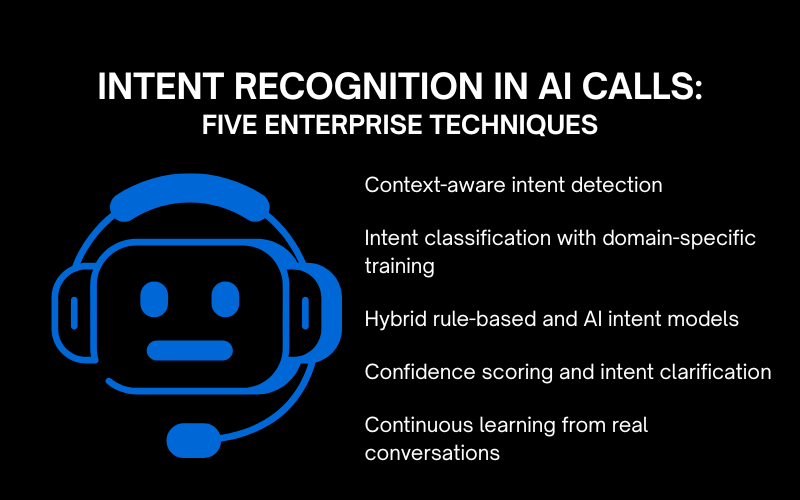
Knowing the theory is one thing; applying it is another.
Step 1: Audit Your Existing Content
Use an AI SEO tool to analyze your current top-ranking pages. Check if the intent of the page matches the intent of the keywords it is ranking for. You will often find that a transactional product page is ranking for informational keywords, or vice versa. This mismatch is a missed opportunity. Decide whether to rewrite the page or create a new page specifically for the mismatched intent.
Step 2: Refine Your Keyword Research
Instead of just looking at search volume, filter your keyword list by intent. For your money pages (product and service pages), focus on transactional and commercial keywords. For your blog and resource center, focus on informational keywords. This separation ensures that your link building and internal linking strategies are targeted correctly.
Step 3: Map Content to the User Journey
Create a content matrix that maps different intent types to different stages of the funnel. For example:
AI SEO Intent Detection helps you populate each stage with the right keywords and content formats.
Step 4: Optimize On-Page Elements
Once you know the intent, optimize your title tags and meta descriptions to reflect it. For transactional pages, include price, availability, and a strong call to action. For informational pages, include the year, the format (guide, checklist), and the core promise. The title tag is your first chance to signal relevance to both the user and the search engine.
Step 5: Improve Internal Linking
Use intent data to improve your site architecture. Link from informational blog posts to relevant commercial and transactional pages. This passes link equity and guides users naturally down the funnel. For example, a blog post about “how to choose a running shoe” should link to a “best running shoes for marathons” comparison page, which then links to the specific product pages.
Common Mistakes and How to Avoid Them
Even with the best tools, mistakes happen. Here are the most common pitfalls when working with AI SEO Intent Detection and how to sidestep them.
Mistake 1: Ignoring the “Zero-Click” Reality. Many informational queries now result in zero clicks because the answer is displayed directly in the search results. If you target these keywords, your goal should be to win the featured snippet, not just to get a click. Structure your content with clear, concise answers at the top of the page.
Mistake 2: Creating Content for Bots, Not Humans. AI tools can tell you the intent, but they cannot tell you how to write compellingly. Do not produce robotic, keyword-stuffed content just because the AI says the intent is “informational.” Write for a human reader who is looking for a clear, engaging answer.
Mistake 3: Treating Intent as Static. User intent can change over time, especially with seasonal trends or new product releases. A query that was purely informational six months ago might now have a strong commercial angle. Regularly re-run your intent analysis to stay current.
Mistake 4: Neglecting the SERP Features. AI SEO Intent Detection should also analyze the search engine results page (SERP) itself. If the SERP for your target keyword shows a lot of video results, the intent likely favors video content. If it shows a featured snippet, the intent favors a concise answer. Use the SERP layout as a direct signal of what Google thinks the intent is.
Important Notes for Implementation
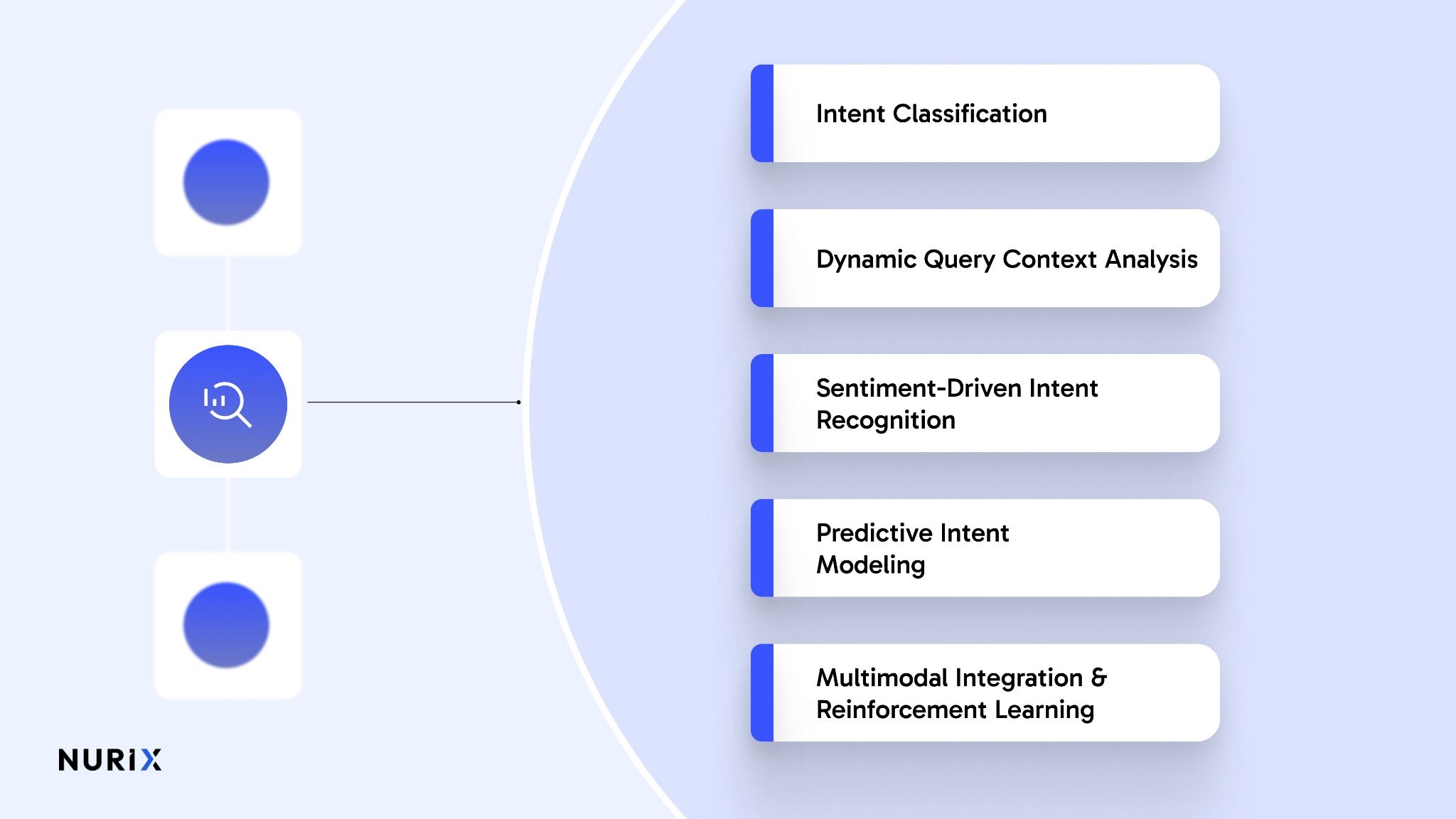
Before you start, consider these critical points to ensure your strategy is sound and ethical.
Data Privacy: Ensure that any AI tool you use complies with data privacy regulations like GDPR and CCPA. You are analyzing user behavior, and you must handle that data responsibly.
Human Oversight is Non-Negotiable: AI provides recommendations, but a skilled SEO professional must make the final judgment. The AI might classify a query as “transactional” when it is actually “commercial investigation.” A human with industry knowledge can catch these nuances.
Integration with Other Tools: AI SEO Intent Detection works best when integrated with your broader SEO stack, including rank tracking, site auditing, and analytics platforms. This creates a unified view of performance.
Focus on Quality Signals: Remember that intent detection is a means to an end. The ultimate goal is to satisfy the user. Monitor your Core Web Vitals, mobile-friendliness, and content quality alongside your intent targeting. A perfect intent match on a slow, broken page will still fail.
Frequently Asked Questions (FAQ)
What is the difference between search intent and user intent?
Search intent refers specifically to the goal behind a query typed into a search engine. User intent is a broader concept that encompasses the user’s overall goal across all digital touchpoints, including social media, email, and direct website visits. AI SEO Intent Detection focuses primarily on search intent, but advanced tools are starting to incorporate cross-channel user behavior data to build a more complete profile.
Can AI SEO Intent Detection predict future trends?
AI can identify emerging patterns by analyzing the velocity of new queries and the shift in language over time. If a new term starts appearing frequently with commercial modifiers like “best” or “review,” the AI can flag it as a rising commercial opportunity. However, it is predictive, not deterministic. It cannot guarantee future performance, but it provides a strong data-backed forecast.
How does AI SEO Intent Detection handle multiple intents in one query?
Some queries are mixed. For example, “best running shoes for flat feet and high arches” contains elements of both commercial and informational intent. Modern AI models use multi-label classification, meaning they can assign multiple intent scores to a single query. The content strategy then involves creating a page that primarily targets the dominant intent (commercial) while thoroughly addressing the secondary intent (informational) within the body copy.
Is AI SEO Intent Detection suitable for local SEO?
Yes, it is highly effective for local SEO. AI models can detect the local intent behind queries by analyzing location modifiers, map pack presence in the SERP, and the use of phrases like “near me” or “open now.” This allows local businesses to optimize their Google Business Profile and local landing pages to match the specific transactional or navigational intent of local searchers.
What are the best metrics to measure the success of intent-based SEO?
Beyond rankings, focus on engagement and conversion metrics. Track the bounce rate, average time on page, and pages per session for your intent-targeted pages. Most importantly, track the conversion rate for transactional and commercial pages. An increase in conversions, even with a decrease in overall traffic, is a strong indicator that your intent detection strategy is working correctly.
Conclusion
AI SEO Intent Detection is no longer a futuristic concept; it is a practical necessity for any serious digital marketing strategy. The days of optimizing for keywords in isolation are over. Search engines have evolved to understand the human behind the query, and your content must evolve to meet that understanding. By leveraging AI to classify and analyze search intent, you can create content that is not only highly relevant but also perfectly aligned with the user’s stage in the buying journey. This leads to better user satisfaction, stronger search rankings, and a significant improvement in return on investment. The tools are available, the data is accessible, and the methodology is clear. The only question is whether you will integrate this powerful approach into your workflow before your competitors do. Start auditing your content with an intent-focused lens today, and you will quickly see the difference it makes in your organic performance.
Xem thêm:
- WP Trove Content AI Review: The Ultimate WordPress Content Creation Tool in 2025
- AI SEO Traffic Prediction: The Complete Guide to Forecasting Organic Growth
- AI SEO LLM Optimization: The Complete Guide to Ranking in Generative Search
- AI SEO SEO Automation with Claude: The Complete Guide to Scaling Content in 2025
- AI SEO Organic Search: The Complete Playbook for Sustainable Growth in 2025
Bài viết cùng chủ đề:

AI SEO SEO Automation with Make: The Complete Workflow Guide

AI SEO SEO Automation with Zapier: The Complete Workflow Guide

AI SEO SEO Automation with n8n: The Complete Workflow Guide
AI SEO SEO Automation with Gemini: The Complete Guide to Scaling Organic Growth

AI SEO SEO Automation with Claude: The Complete Guide to Scaling Content in 2025

AI SEO SEO Automation with ChatGPT: The Complete Playbook for 2025

AI SEO & SEO Automation for Affiliate Sites: The 2025 Playbook for Passive Income Growth
AI SEO & SEO Automation for Bloggers: The Complete Guide to Scaling Your Content

AI SEO & SEO Automation for Agencies: The Complete 2025 Playbook

AI SEO and SEO Automation for Ecommerce: The Complete Playbook for 2025

AI SEO & SEO Automation for WordPress: The Complete Playbook for 2025
AI SEO SEO Automation Strategy: The Complete Playbook for 2025

Mastering the AI SEO SEO Automation Process: A Complete Guide to Scaling Organic Growth
AI SEO SEO Automation System: The Complete Guide to Scaling Organic Growth in 2025
AI SEO SEO Automation Platform: The Complete Guide to Scaling Organic Growth in 2025
AI SEO SEO Automation Software: The Complete Guide to Scaling Organic Growth in 2025















