
No products in the cart.
AI SEO Organic Search: The Complete Playbook for Sustainable Growth in 2025
10
Aug
Aug
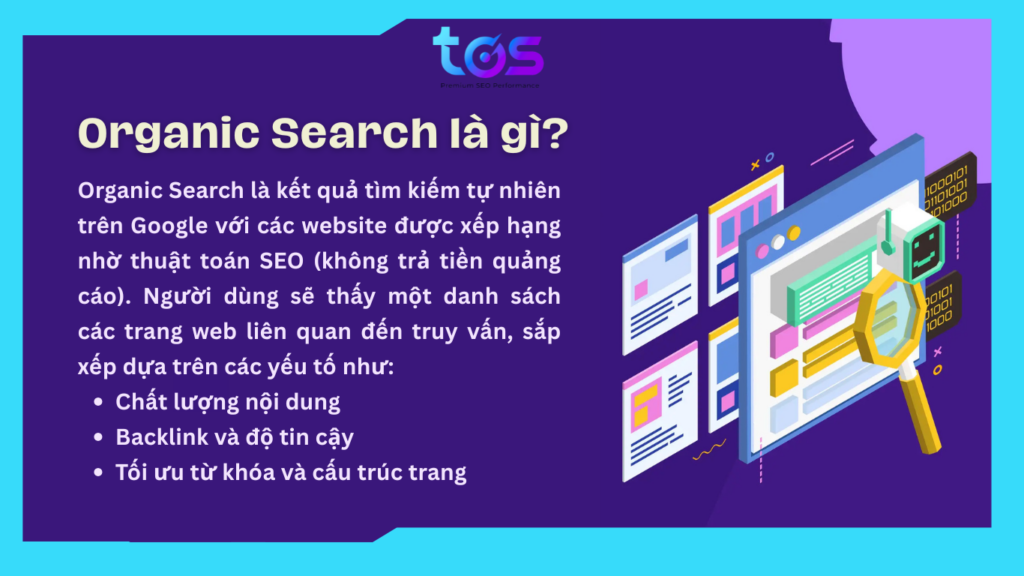
The landscape of digital marketing has shifted dramatically. The term AI SEO organic search no longer refers to a futuristic concept; it is the current operational standard for brands that want to dominate search engine results pages (SERPs). With Google processing billions of queries daily and AI Overviews now occupying prime real estate, relying on traditional link-building tactics alone is a losing strategy. This comprehensive guide breaks down how artificial intelligence is reshaping organic visibility, offering a step-by-step framework to future-proof your content pipeline and outperform competitors who are still stuck in the keyword-stuffing era.
Understanding AI SEO Organic Search: A New Paradigm
At its core, AI SEO organic search refers to the practice of using machine learning algorithms and natural language processing (NLP) to optimize website content for both users and search engine crawlers. Unlike traditional SEO, which focused on exact-match keywords and backlink quantity, AI-driven SEO prioritizes semantic relevance, user intent, and content depth. Google’s RankBrain and the more recent MUM (Multitask Unified Model) are designed to understand the context behind a query, not just the literal words typed into the search bar.
This shift means that organic search success now hinges on how well your content aligns with the “why” behind a search. For example, a query like “best running shoes” could mean someone wants a listicle, a comparison, or a buying guide. AI algorithms analyze past user behavior to determine which format serves the searcher best. Consequently, your SEO strategy must move from “writing for bots” to “writing for human comprehension with machine-readable structure.”
The Role of Generative AI in Content Creation
Generative AI tools like ChatGPT and Claude have become indispensable for scaling content operations. However, the key to leveraging them for AI SEO organic search is not to publish raw, unedited output. Instead, these tools serve as research assistants and drafting partners. They can analyze top-ranking pages, identify content gaps, and generate outlines that cover subtopics your competitors missed. The human editor’s role is to inject unique data points, personal experience, and brand-specific insights that AI cannot fabricate.
Google’s spam policies are explicit: content created primarily for search engines, regardless of whether AI or humans produce it, violates guidelines. The winning formula involves using AI to handle the heavy lifting of data synthesis while humans focus on adding original quotes, case studies, and actionable advice. This hybrid approach ensures your content demonstrates E-E-A-T (Experience, Expertise, Authoritativeness, Trustworthiness), a critical ranking factor in the AI era.
How AI Algorithms Impact Organic Search Rankings
To master AI SEO organic search, you must understand the specific algorithms at play. Google’s core updates increasingly rely on neural matching to map queries to concepts. This means your page needs to cover a topic comprehensively, not just target one phrase. The introduction of the Helpful Content System further reinforces this, rewarding sites that provide a satisfying user experience over those that simply aggregate information.
AI also impacts how search results are displayed. Featured snippets, “People Also Ask” boxes, and AI Overviews are all generated by machine learning models. To capture these zero-click search features, your content must be structured with clear headings, concise paragraphs, and direct answers to common questions. If your page is not formatted for easy extraction, the A
Entity-Based Optimization vs. Keyword-Based Optimization
Traditional SEO focused on keywords. Modern AI SEO organic search focuses on entities. An entity is a distinct object, concept, or person. Google builds a knowledge graph of entities and their relationships. For instance, if you write about “content marketing,” the AI expects to see related entities like “SEO,” “copywriting,” “audience engagement,” and “ROI.” By explicitly connecting these entities in your copy, you help the algorithm understand your page’s relevance to a broader topic cluster.
This shift requires a change in how you conduct keyword research. Instead of looking for high-volume phrases, you should map out the entire semantic field of your niche. Tools like Surfer SEO and Clearscope use AI to analyze the top 20 results for a keyword and suggest related terms and concepts. Using these suggestions naturally in your headings and body text signals topical authority to Google, boosting your chances of ranking for long-tail variations.
Practical Applications: Using AI Tools for Organic Growth
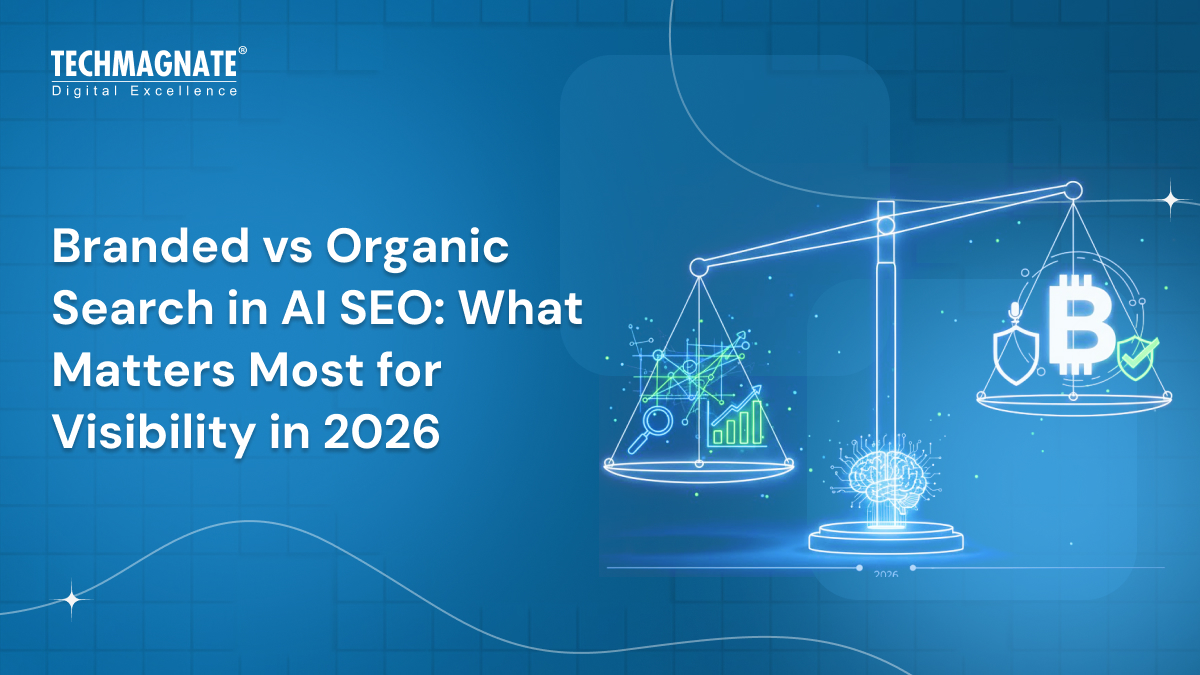
Implementing AI SEO organic search is not about replacing your team; it is about augmenting their capabilities. Below is a practical workflow for integrating AI into your daily SEO tasks, from ideation to technical audits.
1. AI-Powered Keyword Clustering and Gap Analysis
Manual keyword grouping is time-consuming and often inaccurate. AI tools can analyze thousands of keywords and cluster them by search intent and topical relevance. For example, an AI tool might group “how to fix a leaky faucet,” “plumbing repair costs,” and “best pipe sealant” into a single “DIY plumbing” cluster. This allows you to create one comprehensive pillar page instead of three thin articles. Additionally, AI can crawl competitor sites to identify keywords they rank for that you do not, revealing immediate opportunities for content creation.
2. Content Optimization and Brief Generation
Once you have a keyword cluster, AI can generate a detailed content brief. This brief includes the target word count, suggested headings (H2s and H3s), and a list of questions that users frequently ask. By feeding this brief to a writer, you ensure the content covers all necessary subtopics. This process directly aligns with how Google’s NLP models assess content comprehensiveness. The result is a piece that satisfies both the user and the algorithm, increasing the likelihood of earning a featured snippet.
3. Technical SEO Audits and Log File Analysis
AI excels at pattern recognition, making it perfect for technical audits. Machine learning algorithms can crawl your site and identify issues like broken internal links, slow-loading pages, or orphaned content. More advanced AI tools can analyze server log files to see how Googlebot actually crawls your site. This reveals crawl budget waste—pages that are being crawled but not indexed, or critical pages that are being ignored. Fixing these issues ensures that your best content gets the attention it deserves in AI SEO organic search.
Benefits and Limitations of AI in Organic Search
Adopting AI for organic search offers significant advantages, but it is not a silver bullet. Understanding the pros and cons helps you set realistic expectations and allocate resources effectively.
| Benefits | Limitations |
|---|---|
| Scalability: Produce high-volume content without sacrificing quality. | Data Dependency: AI models are only as good as the data they are trained on; outdated data leads to poor insights. |
| Speed: Analyze thousands of data points in seconds, accelerating research. | Lack of Creativity: AI cannot replicate human intuition, humor, or unique storytelling. |
| Predictive Analysis: Forecast trends and user behavior shifts. | Generic Output: Without human editing, AI content often sounds robotic and repetitive. |
| Improved ROI: Target high-intent keywords with precision, reducing wasted ad spend. | Algorithm Updates: Google’s guidelines change frequently, requiring constant recalibration of AI prompts. |
The most significant limitation is the risk of “AI homogenization.” If every site uses the same AI tools to write about the same topics, the internet becomes a sea of sameness. Google’s algorithms are designed to reward diversity and originality. Therefore, the human element—your unique perspective, proprietary research, and real-world experience—becomes the differentiator that pushes your content to the top of the organic results.
Common Mistakes in AI SEO Organic Search and How to Avoid Them
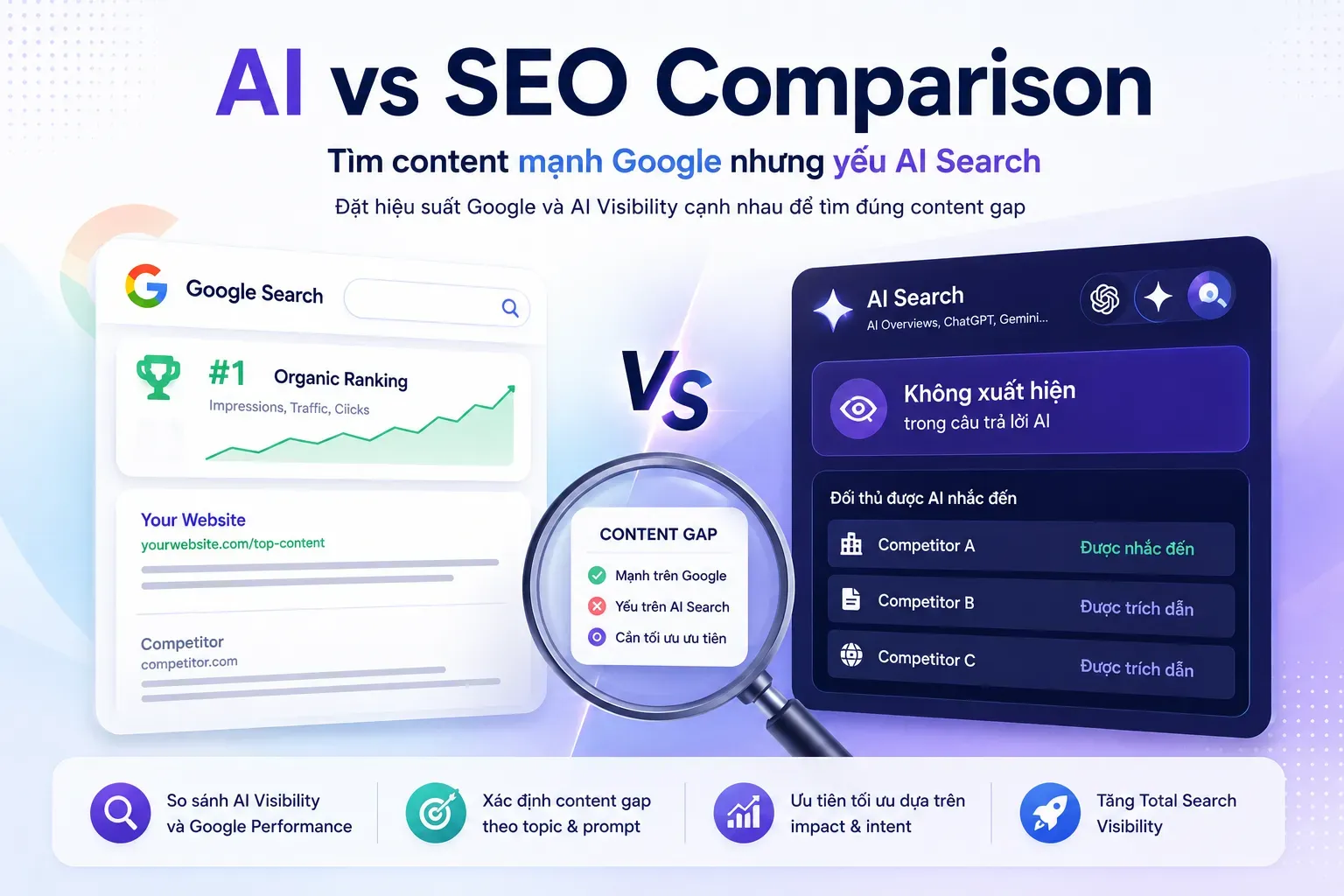
Many businesses jump into AI SEO without a clear strategy, leading to wasted effort and potential penalties. Here are the most frequent pitfalls and the strategies to avoid them.
Mistake 1: Publishing Unedited AI Content
The fastest way to lose rankings is to publish raw AI output. This content is often factually incorrect, lacks nuance, and fails to provide a unique perspective. To avoid this, implement a strict editorial process. Every AI-generated draft must pass through a human editor who verifies facts, adds internal links, and inserts original quotes or data. Treat AI as a junior writer, not a senior strategist.
Mistake 2: Ignoring Search Intent for Volume
Targeting high-volume keywords that do not match your business goals is a classic error. For example, ranking for “free SEO tools” might drive traffic, but if you sell enterprise software, those visitors will not convert. Use AI to analyze the “intent” behind keywords. Look at the current SERP: if the top results are listicles, you need a listicle; if they are product pages, you need a product page. Matching intent is more critical than matching volume.
Mistake 3: Neglecting Entity Optimization
Focusing solely on keywords while ignoring entities is a missed opportunity. Ensure your content includes clear definitions, synonyms, and related concepts. Use schema markup (specifically Article and FAQPage) to help the AI understand the structure of your page. This technical implementation tells Google exactly what your content is about, increasing your chances of being featured in rich results.
Important Notes on Google’s Guidelines for AI Content
Google’s official stance is that it does not care who writes content—human or machine—as long as it is helpful and original. The 2024 and 2025 updates have reinforced this, focusing on “scaled content abuse.” This means using automation to produce content at scale without adding value is a violation. To stay compliant, focus on the concept of “E-E-A-T.” Demonstrate first-hand experience by including screenshots, personal anecdotes, or original research. Cite credible sources for statistics. Most importantly, ensure your content has a clear purpose beyond ranking.
Another critical note is the importance of brand mentions. In the AI era, Google uses brand signals to determine authority. If your brand is not mentioned on reputable forums, news sites, or industry blogs, the algorithm may not consider you a trustworthy source. While this is not strictly “on-page” SEO, it directly impacts your ability to rank for competitive terms. Invest in digital PR and thought leadership to build these off-page signals.
Practical Guide: Building an AI SEO Workflow
To put this theory into practice, follow this step-by-step guide to integrate AI into your organic search strategy.
- Audit Existing Content: Use AI tools to analyze your current top 50 pages. Identify which ones are underperforming and why. Look for gaps in coverage compared to competitors.
- Generate a Topic Cluster: Use an AI keyword tool to build a map of your niche. Identify one “pillar” topic and 5-10 “cluster” topics that support it.
- Create Detailed Briefs: For each cluster topic, use AI to generate a brief that includes target questions, related entities, and suggested word count.
- Draft with AI, Edit with Humans: Have AI generate the first draft. Then, rewrite the introduction and conclusion manually. Add unique examples and remove any fluff.
- Optimize for Entities: Ensure your content includes schema markup. Use a tool to check that your headings are logically structured and that you have answered the “People Also Ask” questions.
- Monitor and Iterate: After publishing, track your rankings. Use AI to analyze which pages are moving up and which are stagnant. Update underperforming pages with new data and insights.
Frequently Asked Questions (FAQ)
What is the difference between traditional SEO and AI SEO organic search?
Traditional SEO relies on manual keyword research, backlink building, and on-page tweaks. AI SEO uses machine learning to automate data analysis, predict algorithm changes, and optimize for semantic relevance. The core difference is the approach: traditional SEO is reactive, while AI SEO is predictive and proactive.
Will AI replace SEO professionals?
No, A Routine tasks like keyword research and meta tag generation will be automated. However, strategic thinking, creative storytelling, and relationship building for backlinks remain uniquely human skills. SEO experts who leverage A
How do AI Overviews affect organic click-through rates?
AI Overviews (formerly Search Generative Experience) provide direct answers at the top of the SERP, which can reduce clicks for simple queries. However, for complex, high-value queries, users still click through to websites for detailed information. To win clicks, your content must be more comprehensive than the AI summary, offering unique data or actionable steps that the overview lacks.
Is it safe to use ChatGPT for SEO content?
Yes, it is safe if you follow Google’s guidelines. Do not publish AI output verbatim. Use it as a research tool and a drafting assistant. Always fact-check, add original insights, and ensure the content serves the user’s intent. Content that is purely AI-generated and adds no value is considered spam and will be penalized.
What are the best AI tools for organic search in 2025?
The best tools depend on your needs. For content optimization, tools like Surfer SEO and Frase are excellent. For technical audits, Screaming Frog with AI add-ons works well. For keyword clustering, tools like Ahrefs and Semrush have integrated AI features. For generative writing, ChatGPT and Claude are the most popular. The key is to integrate these tools into a cohesive workflow rather than relying on a single solution.
Conclusion: The Future of Organic Search is Intelligent
The era of manual, guesswork-driven SEO is over. AI SEO organic search is the new standard, demanding a blend of technical proficiency, data analysis, and human creativity. The brands that will succeed are those that view AI as a collaborative partner, not a replacement for expertise. By focusing on entity optimization, user intent, and E-E-A-T, you can build a resilient organic presence that withstands algorithm updates and delivers sustainable traffic growth.
Start small. Implement one AI tool into your workflow this week. Analyze the results, refine your process, and scale. The algorithms are learning every day; your strategy must evolve just as quickly. The opportunity for organic visibility has never been greater for those willing to adapt to the intelligent search landscape.
Xem thêm:
- AI SEO for Nonprofits: The Complete Guide to Boosting Visibility and Donations
- AI SEO Lead Generation: The Complete Playbook for 2025
- WP Trove AI Writer Review: The Ultimate AI Content Tool for WordPress
- AI Voice Search SEO: The Ultimate Guide to Dominating Spoken Queries in 2025
- AI SEO Competitor Research: The Complete Guide to Outranking Your Rivals in 2025
Bài viết cùng chủ đề:

AI SEO SEO Automation with Make: The Complete Workflow Guide

AI SEO SEO Automation with Zapier: The Complete Workflow Guide

AI SEO SEO Automation with n8n: The Complete Workflow Guide
AI SEO SEO Automation with Gemini: The Complete Guide to Scaling Organic Growth

AI SEO SEO Automation with Claude: The Complete Guide to Scaling Content in 2025

AI SEO SEO Automation with ChatGPT: The Complete Playbook for 2025

AI SEO & SEO Automation for Affiliate Sites: The 2025 Playbook for Passive Income Growth
AI SEO & SEO Automation for Bloggers: The Complete Guide to Scaling Your Content

AI SEO & SEO Automation for Agencies: The Complete 2025 Playbook

AI SEO and SEO Automation for Ecommerce: The Complete Playbook for 2025

AI SEO & SEO Automation for WordPress: The Complete Playbook for 2025
AI SEO SEO Automation Strategy: The Complete Playbook for 2025

Mastering the AI SEO SEO Automation Process: A Complete Guide to Scaling Organic Growth
AI SEO SEO Automation System: The Complete Guide to Scaling Organic Growth in 2025
AI SEO SEO Automation Platform: The Complete Guide to Scaling Organic Growth in 2025
AI SEO SEO Automation Software: The Complete Guide to Scaling Organic Growth in 2025















