
No products in the cart.
AI SEO Keyword Trends: The Complete Guide to Future-Proof Search Strategy
10
Aug
Aug
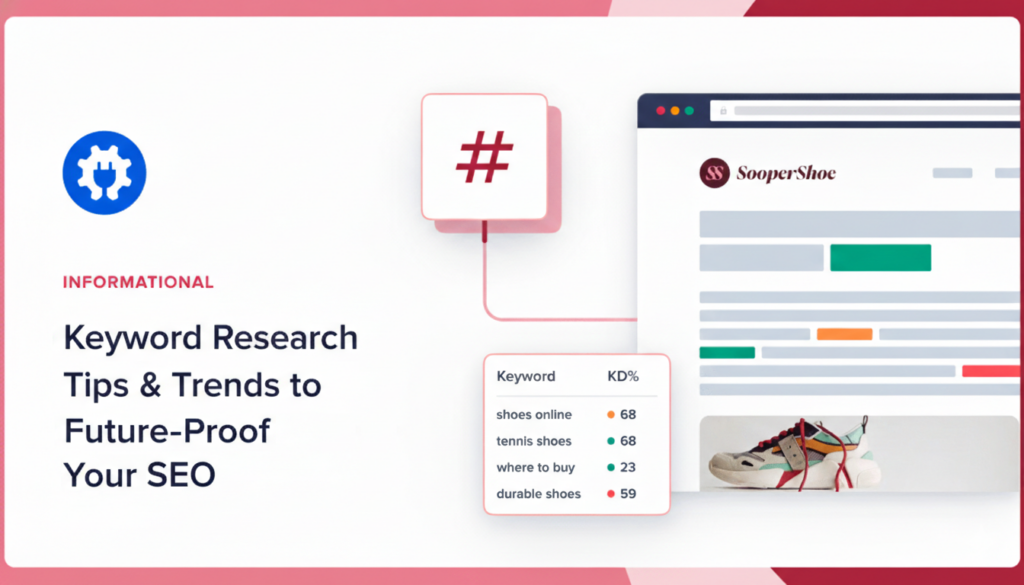
The landscape of search engine optimization shifts rapidly, but the emergence of artificial intelligence has accelerated change like never before. Understanding AI SEO keyword trends is no longer optional for marketers, content creators, or business owners. The days of simply stuffing a phrase into a page and hoping for rankings are long gone. Search engines now interpret intent, context, and conversational language with remarkable precision. This guide breaks down the most significant shifts in keyword strategy driven by AI, offering a clear roadmap for adapting your approach to remain visible and relevant in an increasingly competitive digital environment.
What Are AI SEO Keyword Trends?

AI SEO keyword trends refer to the evolving patterns in how users search and how search engines process those queries, influenced heavily by machine learning algorithms. These trends move beyond simple word matching. They focus on semantic relevance, user intent, and the natural language patterns people use when speaking to digital assistants or typing into search bars. The core shift involves moving from targeting isolated keywords to understanding entire topics and the relationships between concepts.
Modern algorithms like Google’s RankBrain and BERT use artificial intelligence to decipher the nuances of language. They analyze the context surrounding a keyword, the searcher’s location, search history, and the specific phrasing used. This means that two searches with the same words can yield different results based on who is asking and why. For SEO professionals, this signals a fundamental change: optimizing for machines requires thinking like a human first.
The Shift from Exact Match to Semantic Search
Historically, SEO relied heavily on exact match keywords. If a user searched for “best running shoes,” a page needed that exact phrase repeated multiple times to rank. AI has dismantled this approach. Semantic search understands that “best running shoes,” “top trainers for jogging,” and “recommended footwear for marathons” all reflect similar user needs. The algorithm connects these concepts through entities and relationships.
This trend forces content creators to write comprehensively. Instead of targeting one phrase, you must cover a topic cluster. Include related terms, synonyms, and variations naturally within the text. For example, an article about “AI SEO keyword trends” should also discuss machine learning, search intent, natural language processing, and content optimization. This breadth signals authority and relevance to the algorithm, improving visibility for a wider range of related queries.
Entity-Based Optimization
Search engines now build knowledge graphs filled with entities—people, places, objects, and concepts—and the connections between them. Optimizing for entities means ensuring your content clearly identifies the subject matter. Use structured data markup like Schema.org to help search engines understand your content’s context. When you mention a brand, product, or person, provide clear, unambiguous information. This helps the AI connect your page to the broader knowledge graph, increasing your chances of appearing in rich results and answer boxes.
Rise of Conversational and Long-Tail Keywords
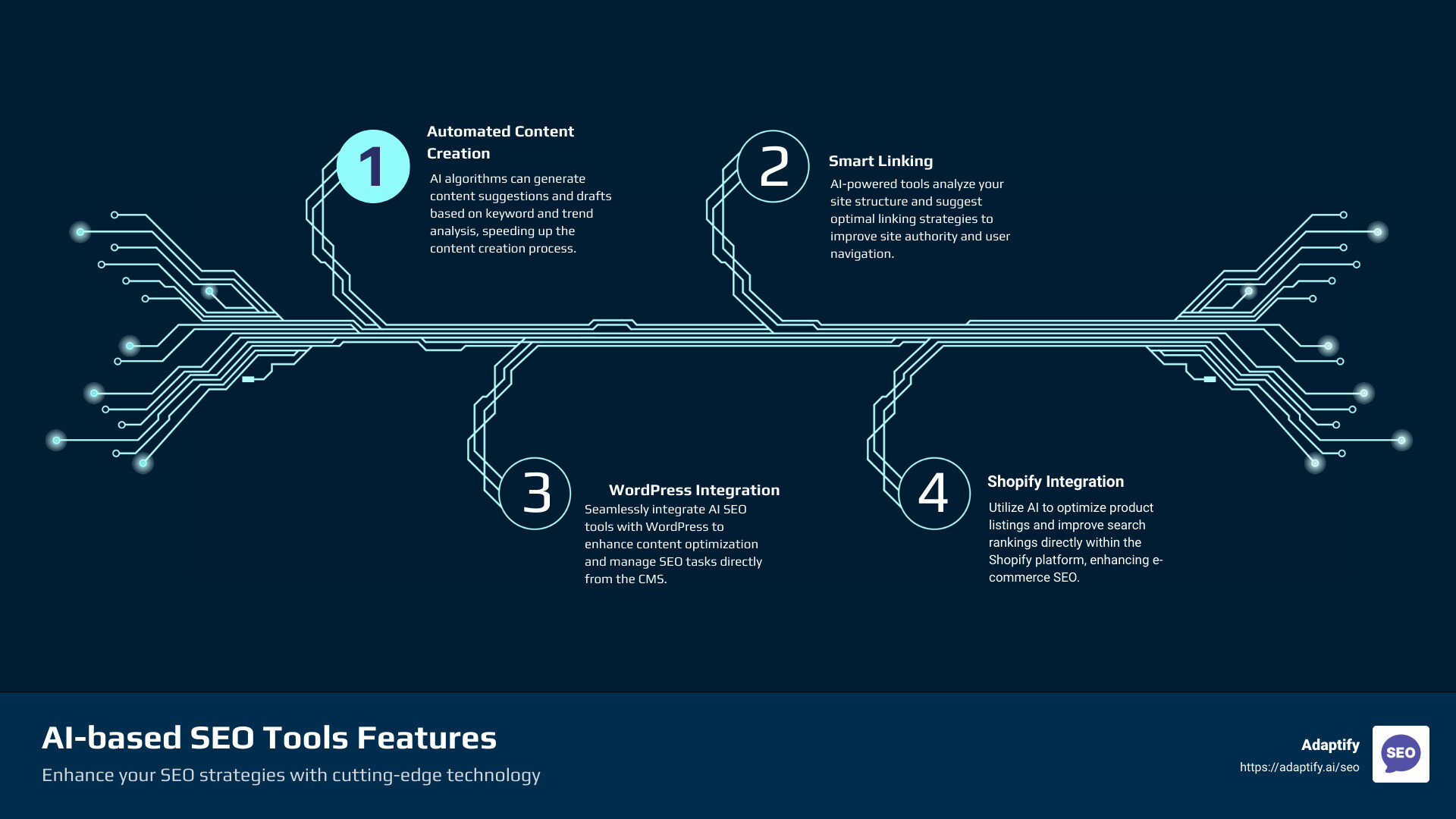
Voice search has exploded with the popularity of smart speakers and mobile assistants. People speak differently than they type. A typed query might be “weather New York,” while a voice query is “What is the weather going to be like in New York this weekend?” This conversational tone is longer, more specific, and often phrased as a complete question. AI SEO keyword trends show a massive surge in these long-tail, question-based queries.
Targeting these phrases requires a shift in content format. Create dedicated FAQ sections, write full paragraphs that answer specific questions directly, and structure headings as natural queries. The goal is to match the user’s spoken language pattern. This approach not only captures voice search traffic but also aligns with how featured snippets are selected. Google often pulls the answer from a page that directly addresses the question in a clear, concise manner.
Understanding Search Intent at a Deeper Level
AI algorithms are exceptionally good at classifying search intent into four primary categories: informational, navigational, commercial, and transactional. The trend now involves micro-intent, which looks at the specific stage of the user’s journey. Someone searching “best SEO tools” might be in the research phase, while “buy SEO tool subscription” indicates readiness to purchase. Your keyword strategy must align with these nuanced intents.
To leverage this, analyze the current top-ranking pages for your target keywords. Examine their format, depth, and angle. If all top results are listicles, the intent is likely informational. If they are product pages, the intent is transactional. Create content that matches the dominant format but offers superior value. This alignment signals to the AI that your page satisfies the user’s underlying need, not just the literal query.
Predictive Search and Autocomplete Optimization
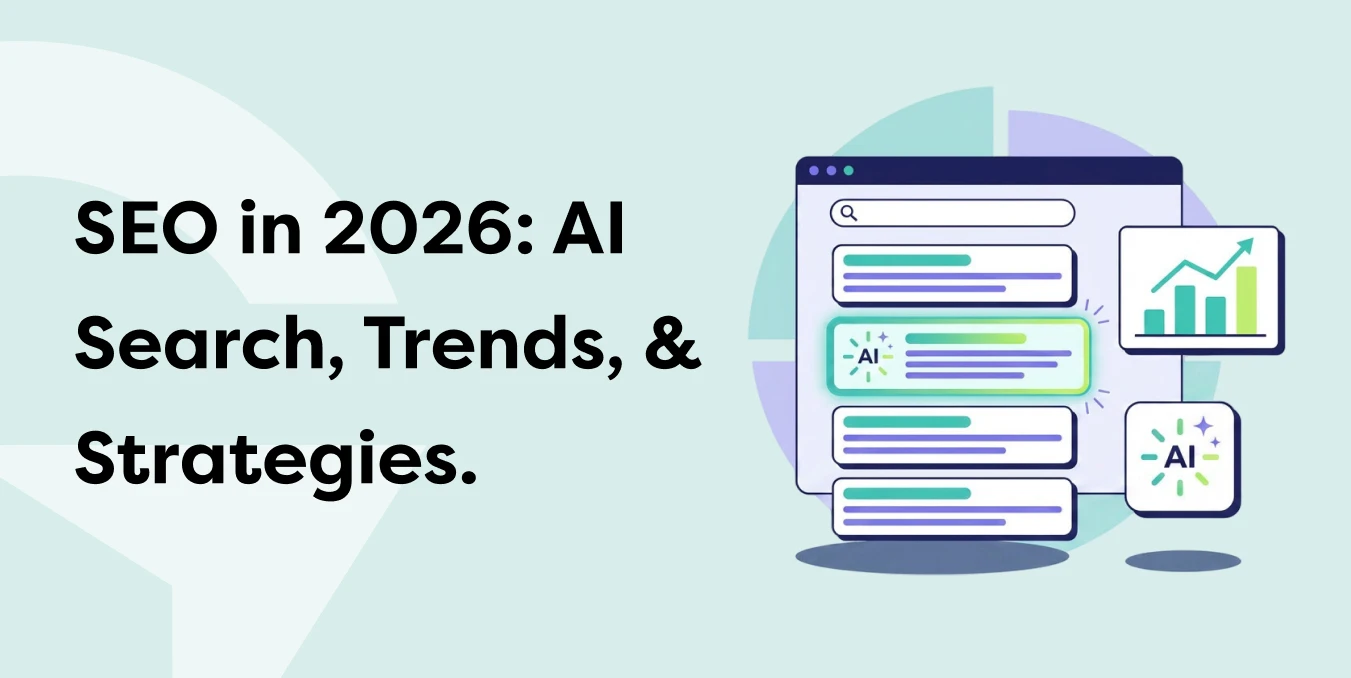
Google’s autocomplete feature uses AI to predict what a user is going to type next. These predictions are based on aggregated search data and trending topics. Optimizing for these predictive suggestions is a powerful tactic. Tools like Google Trends and “People Also Ask” boxes provide direct insight into these patterns. By incorporating these predicted phrases into your content, you increase the likelihood of matching the user’s final query.
This trend requires constant monitoring. Search predictions change based on seasonality, news events, and cultural shifts. Set up alerts for your primary keywords and analyze the autocomplete dropdown regularly. Create content that addresses these emerging sub-topics quickly. Being an early mover on a rising prediction can capture significant traffic before competitors catch on.
AI-Powered Keyword Research Tools
The process of finding keywords has been transformed by AI-powered software. Tools like Clearscope, Surfer SEO, and MarketMuse use machine learning to analyze top-ranking pages and suggest relevant terms, semantic keywords, and content structure. These tools go beyond simple volume data. They provide a blueprint for topical authority, showing you exactly what the algorithm expects to see on a comprehensive page.
Using these tools effectively involves more than copying their suggestions. Analyze the clusters they generate. Understand why certain terms are related. Use the data to inform your content outline, ensuring you cover all subtopics thoroughly. This approach reduces guesswork and aligns your content creation process with the algorithmic expectations of modern search engines.
Analyzing Competitor Keyword Gaps
AI tools excel at identifying gaps in your content strategy compared to competitors. They can crawl entire domains and map out which keywords competitors rank for that you do not. This analysis reveals untapped opportunities. It might show that your competitors rank for “AI SEO keyword trends for e-commerce” but not “AI SEO keyword trends for local businesses.” This insight allows you to create targeted content that fills a specific niche demand.
Content Clusters and Topic Authority
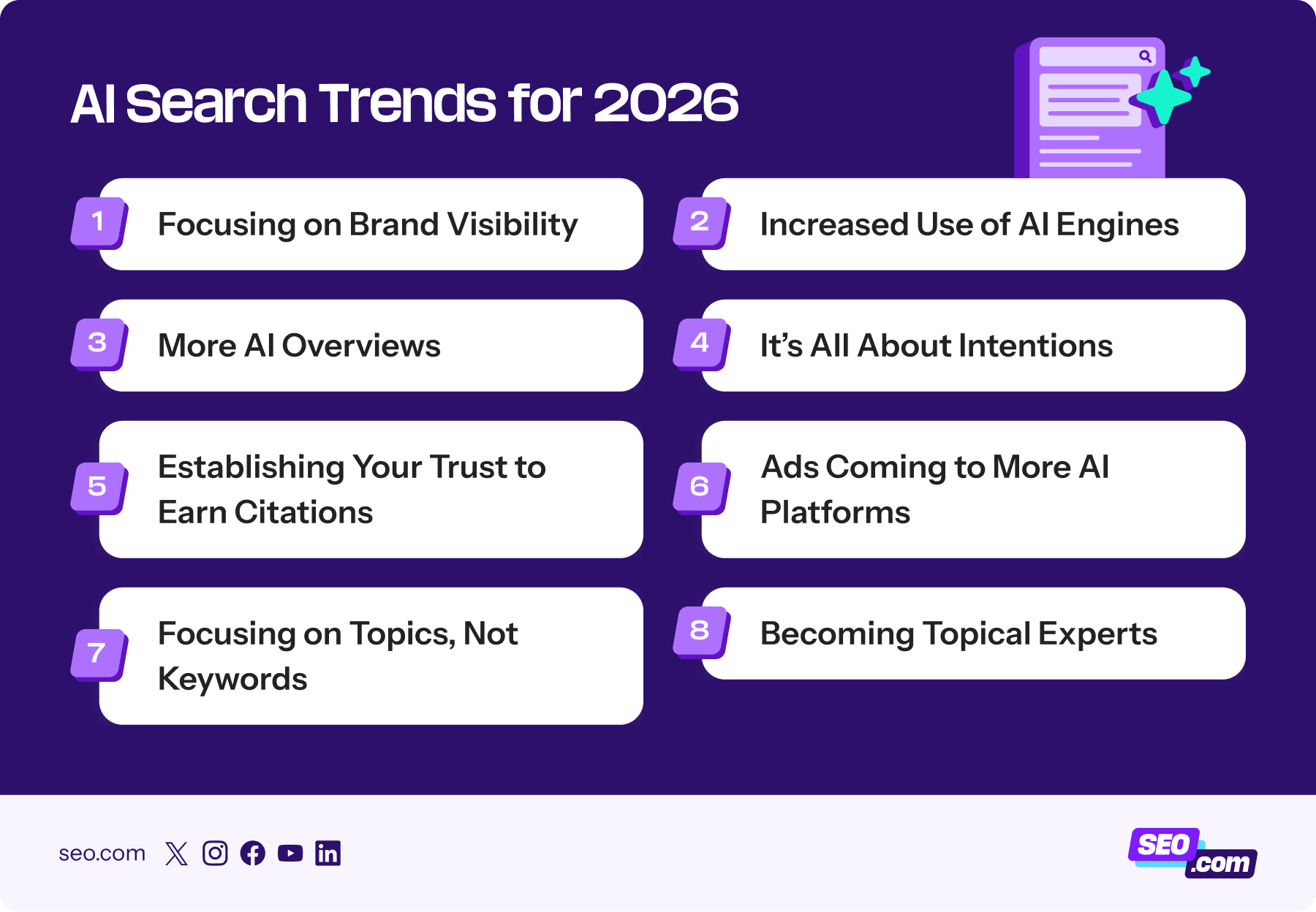
The concept of the single keyword page is obsolete. AI SEO keyword trends emphasize the importance of topic clusters. This strategy involves creating a single “pillar” page that provides a broad overview of a core topic, then linking out to multiple “cluster” pages that dive deep into specific subtopics. For example, a pillar page on “SEO” would link to cluster pages on “link building,” “technical SEO,” and “keyword research.”
This structure creates a web of interconnected content that demonstrates deep expertise to search engines. It allows the AI to understand the relationship between your pages and recognize your domain as an authoritative source on the broader subject. This authority boosts the ranking potential of all pages within the cluster, not just the pillar. Internal linking is the critical component that binds this structure together.
Generative Engine Optimization (GEO)
With the rise of AI chatbots and generative search experiences, a new discipline called Generative Engine Optimization has emerged. This involves optimizing content to be cited by AI models like ChatGPT, Perplexity, or Google’s Search Generative Experience (SGE). The goal is to become a primary source that these systems reference when generating answers. This requires a different approach than traditional SEO.
To optimize for generative engines, focus on clarity, structure, and verifiability. Use clear headings, bullet points, and concise summaries. Include statistics, quotes from experts, and citations to authoritative sources. AI models are trained to favor content that is well-structured and factually grounded. Content that is easily parsed and extracted will be more likely to appear in AI-generated responses.
Practical Application: Building an AI-Ready Keyword Strategy
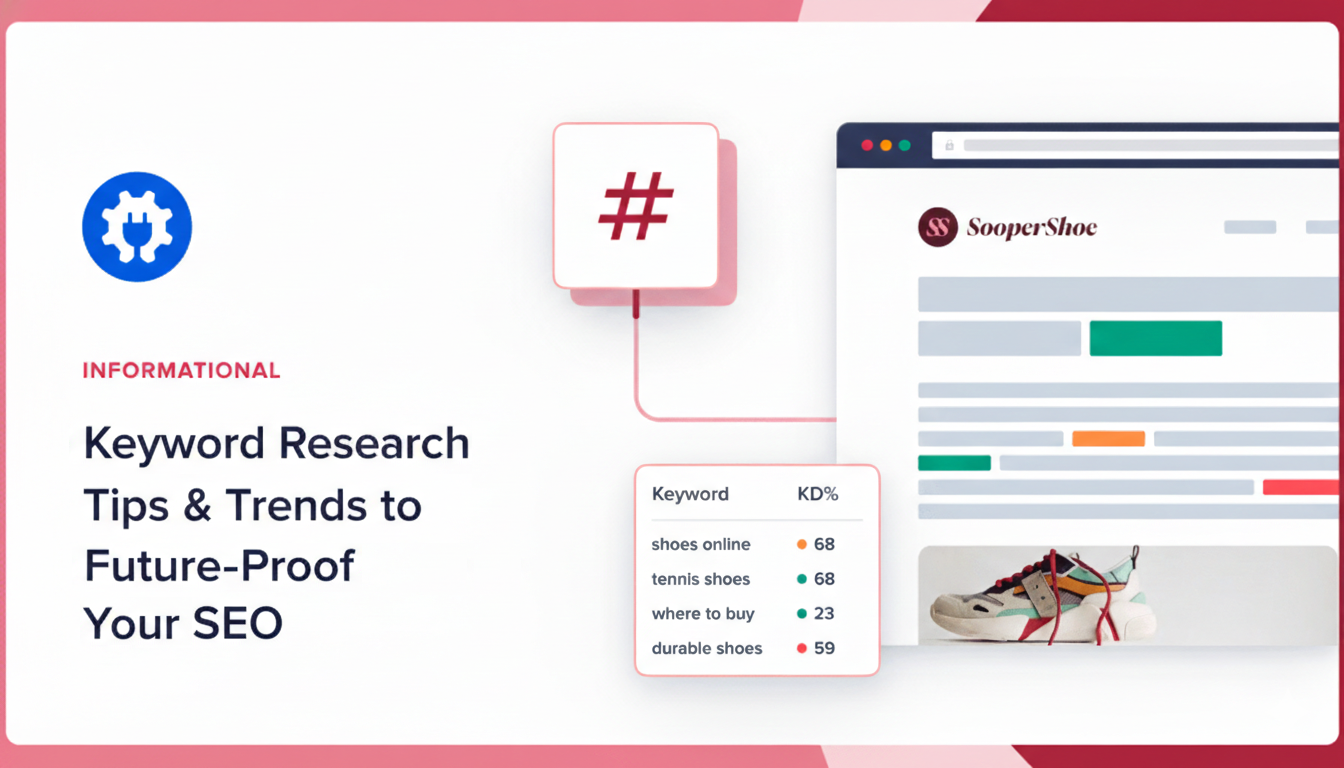
Implementing these trends requires a systematic approach.
- Audit Your Current Content: Use AI tools to analyze your existing pages. Identify which ones are underperforming and why. Look for gaps in topical coverage.
- Build Topic Clusters: Map out your core business topics. Create a pillar page for each and plan cluster content that addresses specific subtopics and long-tail queries.
- Focus on Intent: For each keyword, define the dominant search intent. Tailor your content format and call-to-action to match that intent precisely.
- Optimize for Voice and Questions: Incorporate natural language phrases and direct questions into your headings and body text. Create a dedicated FAQ section for each page.
- Implement Structured Data: Use Schema markup to help search engines understand your content’s entities and relationships. This improves your chances of earning rich snippets.
- Monitor and Adapt: AI trends evolve constantly. Review your analytics and search console data monthly. Look for new query patterns and adjust your content accordingly.
Benefits and Limitations of AI-Driven Keyword Strategies
Adopting these trends offers significant advantages. It leads to higher-quality content that genuinely satisfies user needs, which improves engagement metrics like time-on-page and bounce rate. It future-proofs your strategy against algorithm updates, as semantic relevance is a core ranking factor. It also opens up new traffic channels, such as voice search and AI assistant citations.
However, there are limitations. AI tools can be expensive, and the data they provide requires human interpretation. Over-reliance on automation can lead to generic, soulless content that fails to connect with readers. Additionally, the rapid pace of change means strategies can become outdated quickly. A balance between AI-driven data and human creativity is essential for long-term success.
Common Mistakes and How to Avoid Them
Many professionals stumble when adapting to these new trends. One common error is keyword cannibalization, where multiple pages target the same or very similar keywords, causing them to compete against each other. Avoid this by ensuring each page has a distinct primary keyword and clear intent.
Another mistake is ignoring user experience. AI algorithms prioritize pages that are fast, mobile-friendly, and easy to navigate. A page with excellent keyword optimization but poor UX will not rank well. Focus on Core Web Vitals and intuitive site architecture. Finally, do not neglect the human element. Content written solely for algorithms often lacks the nuance, storytelling, and emotional resonance that builds brand loyalty. Write for people first, then optimize for machines.
Important Notes for Long-Term Success
Staying ahead in this field requires continuous learning. The algorithms are not static; they are constantly being refined. Subscribe to reputable SEO publications, follow industry experts on social media, and participate in professional communities. Testing is also critical. What works for one niche may not work for another. Run A/B tests on your headlines, content formats, and keyword targeting to see what resonates with your specific audience.
Data privacy is another growing concern. As third-party cookies are phased out, search engines will rely more on contextual signals and first-party data. Building a strong email list and fostering a loyal community around your brand will become increasingly important. This direct relationship provides data that algorithms cannot, giving you a competitive edge.
Frequently Asked Questions
How is AI changing keyword research?
AI is shifting keyword research from simple volume and difficulty metrics to a deeper analysis of semantic relevance and search intent. Tools now use machine learning to analyze top-ranking pages and suggest related concepts, entities, and questions that should be covered to build topical authority. This moves the focus from individual keywords to comprehensive topic clusters.
What is the difference between semantic search and traditional keyword matching?
Traditional keyword matching looks for the exact words or phrases in a query on a webpage. Semantic search uses AI to understand the meaning and context behind the query. It considers synonyms, related concepts, user location, and search history to deliver results that match the user’s intent, even if the exact keywords are not present on the page.
Are long-tail keywords still important for SEO?
Yes, long-tail keywords are more important than ever. They are highly specific, often phrased as questions, and have lower competition. They align perfectly with voice search and conversational queries. While they have lower individual search volume, they often convert at a higher rate because they capture users with a very clear intent.
How do I optimize for Google’s AI features like SGE?
To optimize for Search Generative Experience, focus on creating clear, well-structured, and authoritative content. Use concise summaries, bullet points, and direct answers to common questions. Ensure your content is easily parseable by AI models. Cite credible sources and include unique data or insights that an AI would want to reference.
What tools are best for AI-driven keyword analysis?
Several tools excel in this area. Clearscope and MarketMuse are excellent for content optimization and semantic keyword suggestions. Surfer SEO provides detailed on-page optimization guidelines based on AI analysis of top-ranking pages. For broader research, Ahrefs and Semrush have integrated AI features that help identify topic clusters and content gaps.
Conclusion
The era of AI-driven search demands a sophisticated approach to keyword strategy. The trends are clear: semantic relevance, user intent, conversational language, and topical authority now outweigh simple keyword density. By embracing these AI SEO keyword trends, you can create content that not only ranks well but also genuinely serves your audience. The future belongs to those who can blend the analytical power of AI with the irreplaceable creativity of human insight. Start by auditing your current strategy, building robust topic clusters, and focusing on the intent behind every query. This proactive approach will ensure your digital presence remains strong and visible, regardless of how the algorithms evolve.
Xem thêm:
- AI SEO for WordPress: A Complete Strategy to Automate and Dominate Search Rankings
- AI SEO Ahrefs: The Complete Guide to Smarter Search Optimization
- AI SEO for Beginners: A Practical Guide to Boosting Your Rankings with Artificial Intelligence
- Mastering AI SEO Keyword Variations: The Complete Guide to Smarter Search Rankings
- AI SEO Team Workflow: The Complete Guide to Scaling Organic Growth in 2025
Bài viết cùng chủ đề:

AI SEO SEO Automation with Make: The Complete Workflow Guide

AI SEO SEO Automation with Zapier: The Complete Workflow Guide

AI SEO SEO Automation with n8n: The Complete Workflow Guide
AI SEO SEO Automation with Gemini: The Complete Guide to Scaling Organic Growth

AI SEO SEO Automation with Claude: The Complete Guide to Scaling Content in 2025

AI SEO SEO Automation with ChatGPT: The Complete Playbook for 2025

AI SEO & SEO Automation for Affiliate Sites: The 2025 Playbook for Passive Income Growth
AI SEO & SEO Automation for Bloggers: The Complete Guide to Scaling Your Content

AI SEO & SEO Automation for Agencies: The Complete 2025 Playbook

AI SEO and SEO Automation for Ecommerce: The Complete Playbook for 2025

AI SEO & SEO Automation for WordPress: The Complete Playbook for 2025
AI SEO SEO Automation Strategy: The Complete Playbook for 2025

Mastering the AI SEO SEO Automation Process: A Complete Guide to Scaling Organic Growth
AI SEO SEO Automation System: The Complete Guide to Scaling Organic Growth in 2025
AI SEO SEO Automation Platform: The Complete Guide to Scaling Organic Growth in 2025
AI SEO SEO Automation Software: The Complete Guide to Scaling Organic Growth in 2025















