
No products in the cart.
AI SEO LLM Search: The Complete Guide to Optimizing for AI-Driven Discovery
10
Aug
Aug
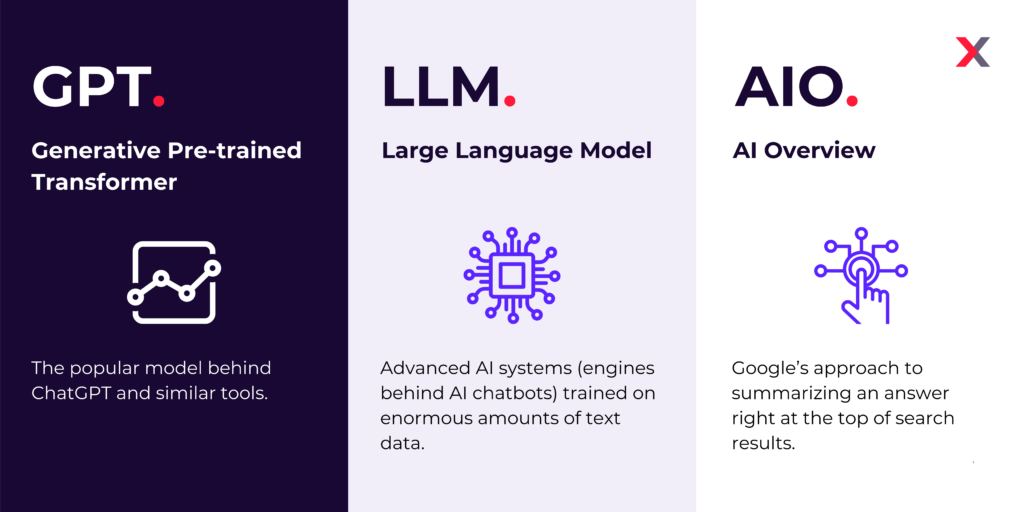
The digital landscape is shifting beneath our feet. Traditional search engine optimization focused on ranking in a list of blue links. Today, a new paradigm is emerging, driven by artificial intelligence. This is the world of AI SEO LLM Search, where Large Language Models (LLMs) like ChatGPT, Google Gemini, and Perplexity AI are becoming the primary gateways to information. Understanding how to optimize for these AI systems is no longer optional; it is essential for maintaining online visibility. This guide provides a deep dive into what AI SEO LLM Search means, how it works, and the actionable strategies you need to thrive in this new era of discovery.
What is AI SEO LLM Search?
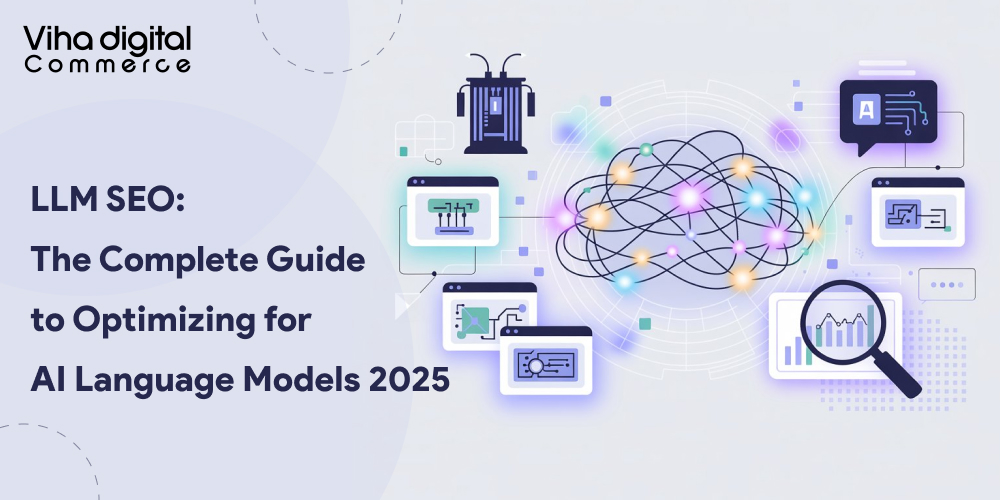
AI SEO LLM Search refers to the practice of optimizing digital content to be accurately cited, referenced, and recommended by Large Language Models. Unlike traditional search engines that crawl and index web pages based on keywords and backlinks, LLMs generate answers by synthesizing information from their training data and, increasingly, from real-time web retrieval. This shift means your content must be structured and written in a way that these AI systems can easily parse, understand, and trust.
The core difference lies in the user interface. Instead of a list of links, users receive a conversational, synthesized answer. If your brand is not part of that answer, you are invisible. AI SEO LLM Search is about ensuring your expertise is the source that powers these AI-generated responses. It is a move from optimizing for crawlers to optimizing for comprehension and semantic relevance.
The Evolution from Traditional SEO to AI-Driven Discovery
To understand the importance of AI SEO LLM Search, it helps to look at the evolution of search. The journey from keyword stuffing to semantic entities provides the foundation for today’s AI-driven landscape.
The Era of Keywords and Links
Early SEO was a technical game. It involved matching exact keywords and building as many backlinks as possible. Search engines were relatively simple pattern matchers. Content that repeated a phrase often ranked well, regardless of its actual value to the reader. This led to a web filled with low-quality, keyword-stuffed articles designed to game the system.
The Rise of Semantic Search and User Intent
Google’s Hummingbird update and the subsequent RankBrain algorithm marked a significant shift. The focus moved from individual keywords to understanding the context and intent behind a query. Search engines became better at understanding synonyms, related concepts, and the overall meaning of a page. This was the beginning of entity-based optimization, where the goal was to become the authoritative source on a topic, not just a page with a specific phrase.
The Age of Generative AI and LLMs
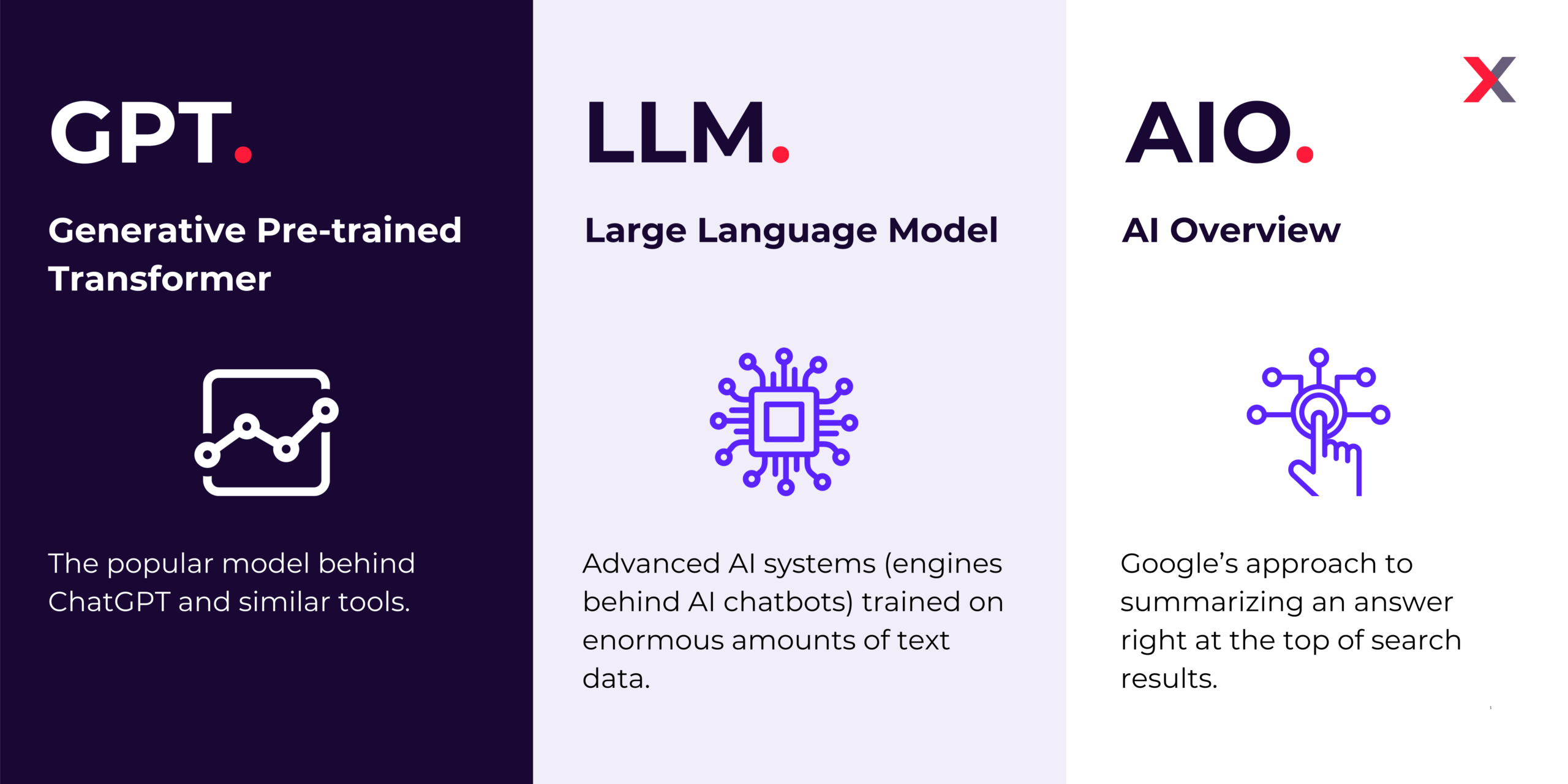
We are now entering the third phase. Generative AI models like GPT-4 and Gemini are not just finding information; they are creating it. They read vast amounts of data, understand complex relationships, and generate new, human-like text. AI SEO LLM Search is the discipline of making sure your content is the “source material” for this generation process. It is about being the authoritative entity that an LLM trusts to answer a user’s question.
How LLMs Find and Use Information

Understanding how LLMs process information is critical to mastering AI SEO LLM Search. These models do not “browse” the web in the same way a human does. Their process involves several distinct stages.
Training Data and Knowledge Cutoffs
LLMs are initially trained on massive datasets of text and code from the public internet. This gives them a broad base of knowledge, but it has a cutoff date. They do not inherently know about events or information created after that date. This is a major reason why real-time retrieval is becoming so important.
Retrieval-Augmented Generation (RAG)
To overcome knowledge cutoffs and provide up-to-date answers, many modern LLMs use a technique called Retrieval-Augmented Generation (RAG). When a user asks a question, the system first performs a real-time search of the web. It retrieves relevant documents, processes them, and then uses that new information to formulate its answer. This is where your SEO efforts directly influence AI output. If your content is not retrievable and understandable, it will not be used in this process.
Citation and Source Attribution
In the RAG process, LLMs are often designed to cite their sources. They will link to the web pages that provided the information for their answer. This is a golden opportunity for visibility. Being cited by an AI is akin to earning a featured snippet in traditional search, but with potentially higher engagement. The goal of AI SEO LLM Search is to be the primary source that the AI chooses to cite.
Key Strategies for Optimizing Content for AI SEO LLM Search
Optimizing for LLMs requires a blend of traditional SEO best practices and new, AI-specific considerations. The following strategies form the core of a successful AI SEO LLM Search campaign.
1. Prioritize Entity-Based Optimization
Instead of focusing solely on keywords, you must build a clear picture of entities and their relationships. An entity is a specific person, place, organization, or concept. For example, if you are writing about “digital marketing,” the entities involved might include “SEO,” “content marketing,” “social media,” and “Google.” Your content should clearly define these entities and explain how they relate to one another. Use consistent names and descriptions throughout your content to help the LLM build a knowledge graph.
2. Structure Content for Machine Readability
LLMs are excellent at parsing structured data. Use clear headings (H2, H3) to break your content into logical sections. Use bullet points and numbered lists to present information in a digestible format. A well-structured article is easier for an AI to understand and extract key facts from. Think of your content as a database entry that needs to be clean and organized.
3. Write for Direct Answers
Users interacting with LLMs often ask direct questions. Your content should provide direct, concise answers. Use the “inverted pyramid” style, putting the most important information at the beginning of a section or paragraph. If a user asks “What is AI SEO?”, the first sentence of your relevant section should provide a clear, definitive answer. This increases the chances of your content being used for a featured snippet or an AI-generated response.
4. Build Topical Authority
LLMs favor sources that demonstrate deep, comprehensive knowledge on a subject. This is known as topical authority. Instead of writing one-off articles on random topics, create content clusters. Have a central “pillar” page that covers a broad topic in depth, and then create multiple “cluster” pages that dive into specific subtopics. Interlink these pages to create a web of related information. This signals to the AI that you are a reliable, comprehensive resource.
5. Leverage Structured Data and Schema Markup
While LLMs can read plain text, structured data like Schema.org markup provides explicit clues about the meaning of your content. Implementing schema for articles, FAQs, products, and organizations helps AI systems understand your content with greater certainty. This is a direct way to communicate with the machine and improve your chances of being correctly interpreted and cited.
6. Optimize for Conversational and Long-Tail Queries
People use natural language when talking to an AI. They ask full questions like “What are the best strategies for AI SEO LLM Search?” rather than typing “AI SEO strategies.” Your content should naturally incorporate these conversational, long-tail phrases. Use a natural, human tone that mirrors how people actually speak and ask questions.
Technical SEO in the Age of LLMs
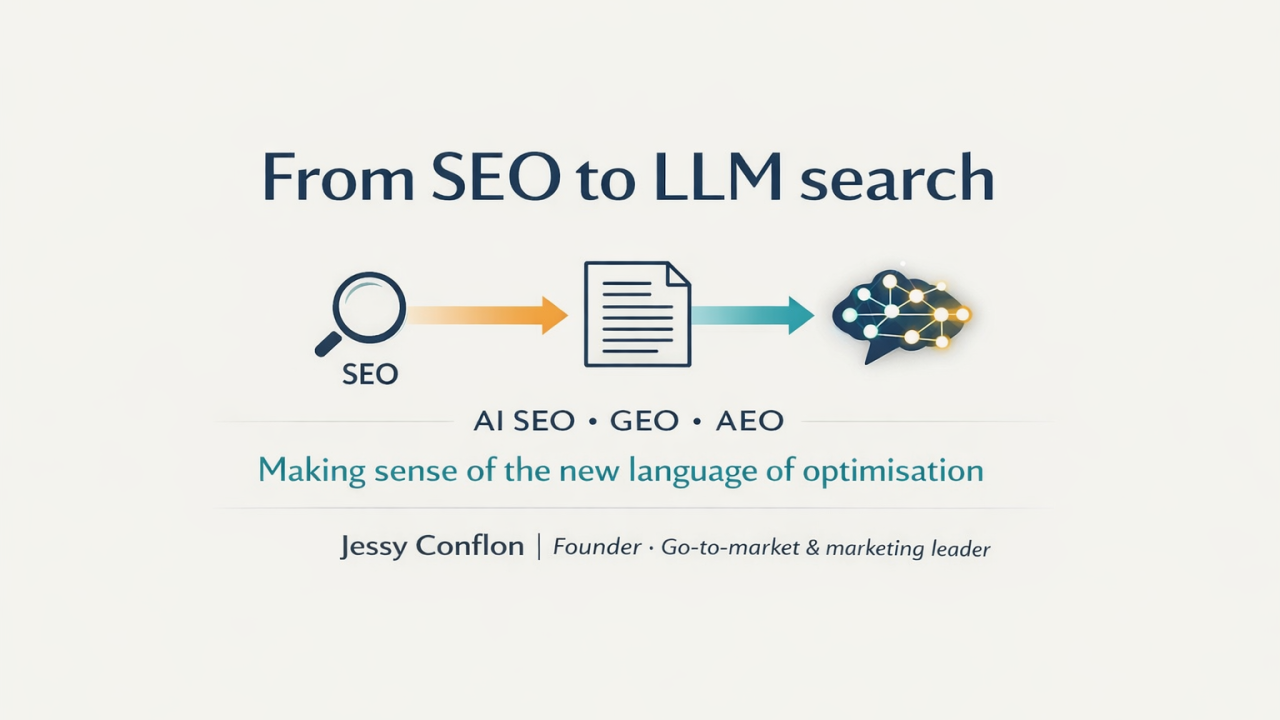
The technical foundation of your website is just as important for AI SEO LLM Search as it is for traditional SEO. If a crawler cannot access your content, an LLM cannot use it.
Site Architecture and Crawlability
Ensure your website has a clear, logical hierarchy. A well-structured sitemap helps AI crawlers discover and index your most important pages. Avoid orphan pages (pages with no internal links pointing to them). A clean, crawlable site ensures your content is available for retrieval.
Page Speed and Core Web Vitals
While LLMs are not as sensitive to page speed as human users, a fast-loading site is still a signal of quality and reliability. It also improves the user experience for those who click through from an AI-generated answer. A positive user experience on your site reinforces its authority and trustworthiness.
Content Freshness and Updates
LLMs with real-time retrieval capabilities are more likely to cite recent, updated information. Regularly review and update your cornerstone content to ensure it remains accurate and current. Add new data, examples, and insights to show that your content is actively maintained and not stale.
Measuring Success in AI SEO LLM Search
Measuring the impact of your AI SEO efforts is different from traditional analytics. You cannot simply look at clicks and impressions in Google Search Console. You need to track new metrics.
| Metric | Traditional SEO | AI SEO LLM Search |
|---|---|---|
| Primary Goal | Rank for keywords | Be cited as a source |
| Key Metric | Organic Traffic & CTR | Brand Mentions in AI Output |
| User Behavior | Clicks on a link | Conversations with an AI |
| Optimization Focus | Keywords & Backlinks | Entities & Structured Data |
| Content Style | Scannable with headings | Direct, definitive answers |
Tracking Brand Mentions in AI Output
Manually testing your brand and key topics in different LLMs is a good starting point. Ask questions related to your industry and see if your brand is mentioned or cited. There are also emerging tools that specialize in monitoring AI search results and tracking your visibility across multiple platforms like ChatGPT, Perplexity, and Gemini.
Analyzing Referral Traffic from AI Platforms
As LLMs begin to cite sources with links, you will see referral traffic in your analytics from domains like chat.openai.com or perplexity.ai. Monitoring this traffic gives you a direct measure of how often users are clicking through from AI-generated answers. An increase in this traffic is a strong signal that your AI SEO LLM Search strategy is working.
Common Mistakes to Avoid in AI SEO LLM Search

As with any new discipline, there are pitfalls to avoid. Understanding these common mistakes can save you time and effort.
- Ignoring User Intent: Creating content that is technically optimized but fails to answer the user’s actual question will not be used by an LLM. Focus on providing genuine value.
- Keyword Stuffing: This is an outdated tactic that harms readability and trust. LLMs are sophisticated enough to detect and penalize unnatural language.
- Neglecting Content Updates: Relying on old, outdated content will cause LLMs to choose more recent and relevant sources. Continuous updates are crucial.
- Focusing Only on Text: While text is primary, structured data and other forms of content like video transcripts and image alt text also contribute to your overall entity understanding.
- Not Building a Knowledge Graph: Failing to connect your content through internal links and consistent entity usage makes it harder for AI to understand your site’s overall expertise.
Important Notes on Brand Trust and Authority
In the world of AI SEO LLM Search, trust is the ultimate currency. LLMs are programmed to avoid spreading misinformation. They will favor sources that are considered authoritative and reliable. This means building a strong brand reputation is more important than ever.
Focus on creating content that demonstrates Experience, Expertise, Authoritativeness, and Trustworthiness (E-E-A-T). Showcase author credentials, cite reputable sources, and ensure your factual claims are accurate. A strong digital PR strategy that earns mentions from other authoritative sites will also boost your standing in the eyes of AI systems. The more your brand is referenced as a trusted source across the web, the more likely an LLM is to consider you a primary source.
Frequently Asked Questions (FAQ)
What is the difference between traditional SEO and AI SEO LLM Search?
Traditional SEO focuses on ranking web pages in a list of search results for specific keywords. AI SEO LLM Search focuses on making your content the source of information that AI models use to generate conversational answers. It involves optimizing for entities, direct answers, and machine readability rather than just keywords and backlinks.
How do I optimize my content for ChatGPT and other LLMs?
To optimize for LLMs, you should focus on creating comprehensive, well-structured content that directly answers user questions. Use clear headings, bullet points, and schema markup. Build topical authority by creating content clusters and ensure your site is technically sound and easy to crawl.
Will AI search replace traditional search engines?
It is unlikely that AI search will completely replace traditional search engines in the near future. Instead, we are seeing a convergence. Search engines like Google are integrating AI features into their results, while standalone AI chatbots are adding web search capabilities. The future is a hybrid model where both forms of discovery coexist.
Is link building still important for AI SEO?
Yes, link building remains important, but its role is evolving. Backlinks are still a strong signal of authority and trust. In the context of AI SEO LLM Search, earning links from reputable sources helps establish your brand as a credible entity, making it more likely that an LLM will cite you as a source.
What is the best way to track AI search visibility?
The best way to track AI search visibility is a combination of manual testing and specialized tools. Regularly ask questions to different LLMs and note if your brand appears. Also, monitor your referral traffic from AI platform domains and use emerging SEO tools that are beginning to track AI search mentions.
Conclusion
The rise of AI SEO LLM Search represents a fundamental shift in how information is discovered and consumed. It is a move from a keyword-centric to an entity-centric and trust-centric world. By understanding how Large Language Models process information and by implementing the strategies outlined in this guide, you can position your brand at the forefront of this new era. The focus must be on creating high-quality, authoritative, and well-structured content that serves as the definitive source for AI systems. This is not about chasing an algorithm; it is about establishing your expertise in a way that machines and humans can both trust. The future of search is conversational, and the brands that adapt will be the ones that are heard.
Xem thêm:
- AI SEO LLM Referral Traffic: The Complete Guide to Winning AI Search Visibility
- AI Editorial Calendar: Revolutionize Your Content Planning with Smart Automation
- AI SEO BI Reports: The Complete Guide to Data-Driven Search Optimization
- AI SEO HARO Alternatives: 10 Powerful Platforms to Secure High-Authority Backlinks in 2025
- AI SEO for Healthcare: The Complete Guide to Dominating Medical Search in 2025
Bài viết cùng chủ đề:

AI SEO SEO Automation with Make: The Complete Workflow Guide

AI SEO SEO Automation with Zapier: The Complete Workflow Guide

AI SEO SEO Automation with n8n: The Complete Workflow Guide
AI SEO SEO Automation with Gemini: The Complete Guide to Scaling Organic Growth

AI SEO SEO Automation with Claude: The Complete Guide to Scaling Content in 2025

AI SEO SEO Automation with ChatGPT: The Complete Playbook for 2025

AI SEO & SEO Automation for Affiliate Sites: The 2025 Playbook for Passive Income Growth
AI SEO & SEO Automation for Bloggers: The Complete Guide to Scaling Your Content

AI SEO & SEO Automation for Agencies: The Complete 2025 Playbook

AI SEO and SEO Automation for Ecommerce: The Complete Playbook for 2025

AI SEO & SEO Automation for WordPress: The Complete Playbook for 2025
AI SEO SEO Automation Strategy: The Complete Playbook for 2025

Mastering the AI SEO SEO Automation Process: A Complete Guide to Scaling Organic Growth
AI SEO SEO Automation System: The Complete Guide to Scaling Organic Growth in 2025
AI SEO SEO Automation Platform: The Complete Guide to Scaling Organic Growth in 2025
AI SEO SEO Automation Software: The Complete Guide to Scaling Organic Growth in 2025















