
No products in the cart.
AI SEO Online Reviews: The Complete Guide to Leveraging Artificial Intelligence for Reputation Management

31
Jul
Jul
The digital landscape has transformed how businesses manage their online presence, and AI SEO online reviews have emerged as a game-changing force in reputation management. Search engines now prioritize businesses with consistent, high-quality reviews, and artificial intelligence has made it possible to analyze, respond to, and leverage these reviews at scale. This comprehensive guide explores how AI-powered tools are reshaping review management strategies, improving local search rankings, and driving customer trust in ways that were impossible just a few years ago.
Understanding AI SEO Online Reviews and Their Impact on Search Rankings
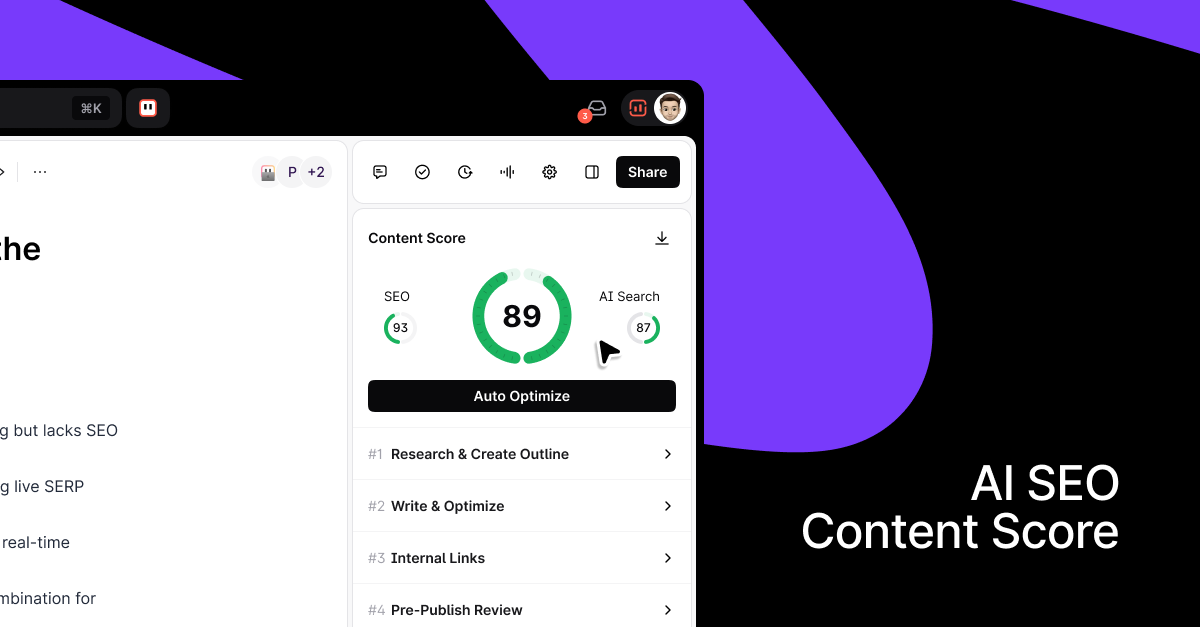
AI SEO online reviews refer to the intersection of artificial intelligence technology with the collection, analysis, and optimization of customer feedback for search engine purposes. When customers leave reviews on platforms like Google, Yelp, or Trustpilot, these reviews contain valuable data points that search engines use to determine local relevance and business authority. AI systems can now process thousands of reviews to extract sentiment patterns, identify common themes, and even predict how new reviews might impact search performance.
The relationship between reviews and SEO has grown increasingly sophisticated. Google’s local algorithm considers review quantity, velocity, diversity, and sentiment when ranking businesses in map packs and local search results. AI tools can monitor these factors in real-time, providing actionable insights that help businesses maintain competitive advantage. Studies indicate that businesses with an average rating above 4.0 stars receive significantly more clicks than those with lower ratings, making review optimization a critical component of any SEO strategy.
The Evolution of Review Management: From Manual to AI-Powered
Traditional review management involved manually checking multiple platforms, responding to each review individually, and attempting to identify trends through spreadsheets. This approach was time-consuming and often resulted in delayed responses that frustrated customers. AI-powered systems have revolutionized this process by automating response generation, categorizing reviews by sentiment and topic, and providing predictive analytics about potential reputation risks.
Modern AI review platforms can detect fake reviews with remarkable accuracy, flagging suspicious patterns that might indicate fraudulent activity. They can also identify when a review mentions specific keywords relevant to your business, allowing you to optimize your SEO strategy around the language your customers actually use. This creates a feedback loop where customer reviews directly inform content creation and keyword targeting.
How AI Transforms Online Review Analysis for SEO Professionals
AI SEO online reviews analysis goes far beyond simple star rating calculations. Natural language processing (NLP) algorithms can now understand context, sarcasm, and nuanced sentiment in ways that were previously impossible. For example, a review that says “The service was surprisingly fast” might be positive, while “The service was surprisingly fast, but the quality suffered” carries mixed sentiment that requires sophisticated analysis to interpret correctly.
These AI systems can also identify emerging issues before they become widespread problems. If multiple reviews mention a specific product defect or customer service issue, the AI can flag this trend immediately, allowing businesses to address the root cause proactively. This predictive capability is invaluable for maintaining high ratings and preventing negative review cascades that could damage search rankings.
Key Components of AI Review Analysis Systems
Several core technologies power modern AI review analysis platforms. Sentiment analysis algorithms determine whether reviews are positive, negative, or neutral, while aspect-based sentiment analysis goes deeper to identify specific features mentioned in each review. Topic modeling groups reviews by common themes, such as pricing, customer service, or product quality, providing a comprehensive view of business strengths and weaknesses.
Entity recognition helps AI systems understand which specific products, services, or locations are being discussed in reviews. This allows businesses to track performance across different offerings and locations separately. Additionally, temporal analysis examines how sentiment changes over time, revealing whether recent improvements or changes have positively impacted customer perception.
Benefits of Implementing AI for Online Review SEO
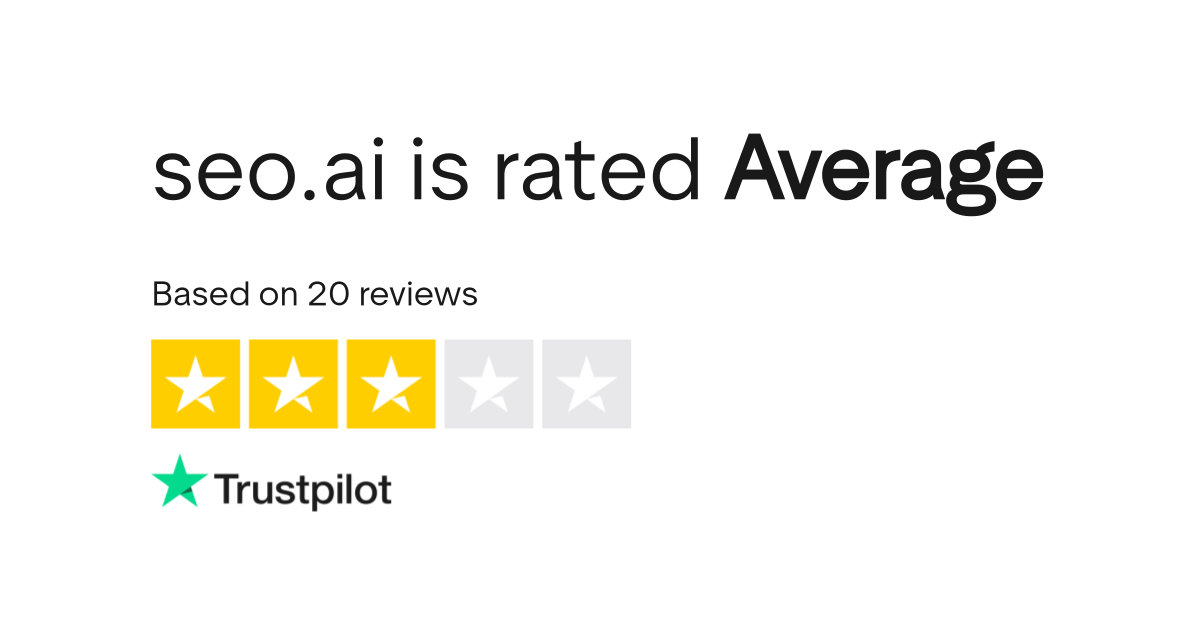
The advantages of using AI for review management extend far beyond simple time savings. Businesses that implement AI-powered review systems typically see measurable improvements in search visibility, customer engagement, and operational efficiency. Here are the primary benefits that make AI SEO online reviews an essential investment:
- Rapid Response Times: AI can generate personalized responses to reviews within seconds, ensuring customers feel heard and valued. Google considers response rate and speed when ranking businesses, making this a direct SEO benefit.
- Consistent Brand Voice: AI systems can be trained to respond in your brand’s tone, maintaining consistency across thousands of reviews without requiring manual oversight.
- Comprehensive Monitoring: AI tools monitor dozens of review platforms simultaneously, alerting you to new reviews and significant sentiment shifts in real-time.
- Actionable Insights: Advanced analytics reveal patterns in customer feedback that inform product development, staff training, and marketing strategies.
- Competitive Intelligence: AI can analyze competitor reviews to identify gaps in their service that you can exploit, or successful strategies worth emulating.
- Scalability: Whether you have 50 reviews or 50,000, AI systems handle the volume without degradation in analysis quality.
- Ignoring Negative Reviews: Some businesses delete or ignore negative reviews, hoping they will disappear. This damages trust and signals to search engines that you are not transparent. Instead, use AI to craft thoughtful responses that address concerns and demonstrate accountability.
- Over-Automating Responses: Relying entirely on AI-generated responses without human oversight can result in tone-deaf replies that alienate customers. Always review AI-generated responses periodically and adjust the system’s parameters as needed.
- Purchasing Fake Reviews: Buying reviews or generating fake positive feedback violates platform policies and can result in severe penalties, including removal from search results entirely. AI tools can actually help detect fake reviews, so use them to maintain authenticity.
- Neglecting Review Velocity: Focusing only on rating scores while ignoring review frequency can hurt your SEO. Search engines favor businesses with consistent review activity, so implement systems that encourage regular customer feedback.
- Failing to Act on Insights: Collecting review data without acting on the insights is a wasted opportunity. Use AI analytics to drive real improvements in your products, services, and customer experience.
Measurable SEO Improvements from AI Review Management
Businesses using AI review tools often report significant improvements in local search rankings within three to six months. The consistent generation of new reviews, combined with prompt responses, signals to search engines that the business is active and engaged with its customer base. This engagement metric has become increasingly important in local search algorithms.
Data from various SEO studies suggests that businesses responding to reviews see up to 35% more customer engagement than those that ignore reviews. Furthermore, the keyword-rich content found in both reviews and responses provides additional ranking opportunities for long-tail search queries that might not be covered by traditional website content.
Limitations and Challenges of AI in Review Management
While AI SEO online reviews offer tremendous benefits, understanding their limitations is crucial for realistic expectations. AI systems are not perfect and can sometimes misinterpret context or cultural nuances in reviews. Sarcasm, regional dialects, and industry-specific jargon can confuse even the most advanced NLP algorithms, potentially leading to incorrect sentiment classification.
Another significant challenge is the risk of over-automation. Customers can often tell when a response has been generated by AI, and generic responses can damage trust rather than build it. The most effective approach combines AI efficiency with human oversight, ensuring that responses feel authentic and personalized while still benefiting from automation’s speed.
Privacy and Ethical Considerations
AI review systems must comply with data protection regulations like GDPR and CCPA. Review platforms contain personal data, and AI processing must ensure this information is handled securely and ethically. Additionally, there are concerns about AI being used to generate fake reviews or manipulate review systems, which violates platform policies and can result in severe penalties.
Businesses must use AI review tools responsibly, focusing on legitimate review generation and management rather than attempting to game the system. Search engines are becoming increasingly sophisticated at detecting review manipulation, and the consequences of being caught can be devastating for both rankings and reputation.
Comparing AI Review Tools: Features and Capabilities
The market for AI review management tools has expanded rapidly, with platforms offering varying levels of sophistication. Understanding the differences helps businesses choose the right solution for their needs and budget.
| Feature | Basic Tools | Advanced AI Platforms |
|---|---|---|
| Sentiment Analysis | Simple positive/negative classification | Nuanced sentiment with aspect detection |
| Response Generation | Template-based responses | Context-aware personalized responses |
| Review Monitoring | Single platform focus | Multi-platform aggregation |
| Predictive Analytics | Not available | Trend prediction and risk alerts |
| Competitor Analysis | Limited or absent | Comprehensive competitive intelligence |
| Integration Capabilities | Basic CRM integration | Full API access and workflow automation |
When selecting an AI review tool, consider factors such as the platforms your customers use most, the volume of reviews you receive, and your budget for automation. Enterprise-level solutions offer the most comprehensive features but may be overkill for small businesses with modest review volumes.
Practical Guide: Implementing AI SEO Online Reviews Strategy
Implementing an AI-powered review strategy requires careful planning and execution. The following step-by-step approach helps businesses maximize the SEO benefits of their review management efforts while maintaining authenticity and customer trust.
Step 1: Audit Your Current Review Landscape
Begin by assessing your current review presence across all major platforms. Use AI tools to analyze existing reviews, identifying sentiment trends, common complaints, and areas where you excel. This baseline analysis informs your strategy and helps set realistic improvement targets.
Pay special attention to review velocity and consistency. If your reviews come in sporadic bursts, search engines may interpret this as unnatural activity. AI tools can help you develop a steady stream of review requests that maintains consistent momentum.
Step 2: Configure AI Response Systems
Set up automated response systems that generate personalized replies to every review. Configure the AI to recognize your brand voice and incorporate relevant keywords naturally. Ensure that responses address specific points mentioned in each review rather than using generic templates.
Establish escalation protocols for negative reviews that require human intervention. While AI can handle most responses, certain situations demand empathy and problem-solving that only humans can provide. The best systems flag these cases automatically for team review.
Step 3: Integrate Review Insights into SEO Strategy
Use the insights from AI review analysis to inform your broader SEO strategy. Identify keywords and phrases customers use when describing your business and incorporate these into your website content, meta descriptions, and local SEO efforts. Reviews often contain natural language that differs from your marketing copy, providing valuable keyword expansion opportunities.
Monitor review sentiment alongside your other SEO metrics to identify correlations between customer satisfaction and search performance. This data helps you understand which improvements have the greatest impact on both reputation and rankings.
Common Mistakes in AI Review Management and How to Avoid Them

Even with advanced AI tools, businesses frequently make errors that undermine their review SEO efforts. Recognizing these pitfalls helps you avoid them and maintain a strong online reputation.
Best Practices for Sustainable AI Review SEO
Successful AI review management requires a balanced approach that combines technology with human judgment. Establish clear guidelines for when AI handles responses autonomously and when human intervention is necessary. Regularly review your AI system’s performance and refine its parameters based on outcomes.
Maintain transparency with customers about how you use their feedback. Many customers appreciate knowing that their reviews directly influence business improvements. This transparency builds trust and encourages more detailed, valuable reviews that benefit your SEO efforts.
Important Notes on AI SEO Online Reviews for Different Business Types
The optimal approach to AI review management varies significantly across industries. Local businesses like restaurants and retail stores benefit most from review volume and response speed, as these factors heavily influence map pack rankings. Professional service providers such as law firms and medical practices must prioritize trust and authority, making response quality more important than quantity.
E-commerce businesses face unique challenges with product reviews across multiple platforms. AI tools that can aggregate reviews from various sources and identify product-specific trends are particularly valuable in this sector. B2B companies often have fewer reviews but higher stakes, requiring more nuanced analysis of detailed feedback from business customers.
Industry-Specific AI Review Strategies
Healthcare providers must navigate strict regulations regarding patient privacy when using AI review tools. Hospitality businesses benefit from real-time sentiment monitoring to address guest concerns before they escalate. Financial services firms need AI systems that can detect compliance issues within customer feedback.
Regardless of industry, the fundamental principle remains the same: AI should enhance, not replace, genuine customer relationships. The most effective strategies use AI to handle the scale of review management while preserving the human touch that builds lasting customer loyalty.
Frequently Asked Questions About AI SEO Online Reviews

How do AI SEO online reviews improve search rankings?
AI tools help businesses generate more reviews, respond faster, and maintain higher ratings, all of which are ranking factors for local search. The consistent activity signals to search engines that your business is engaged with customers, while the keyword-rich content in reviews and responses provides additional ranking opportunities.
Can AI detect fake reviews?
Yes, advanced AI systems can identify patterns indicative of fake reviews, including unusual posting times, similar language across multiple reviews, and accounts with suspicious activity. These systems help businesses protect their reputation and maintain compliance with platform policies.
What is the ideal review response time for SEO?
Responding to reviews within 24 hours is generally recommended, with faster responses being better. AI systems can respond within minutes, which signals high engagement to search engines and customers alike.
How many reviews do I need to see SEO benefits?
T Consistency matters more than volume, so focus on generating a steady stream of reviews over time.
Are AI-generated review responses acceptable to customers?
Customers generally accept AI-generated responses when they are personalized and address specific points in the review. Generic, obviously automated responses can damage trust. The best approach combines AI efficiency with human oversight for quality control.
What happens if I ignore negative reviews?
Ignoring negative reviews can harm your search rankings and reputation. Search engines may interpret lack of responses as disengagement, and potential customers may view unaddressed complaints as a red flag. AI tools make it easy to respond promptly and professionally to all reviews.
Conclusion: The Future of AI SEO Online Reviews
AI SEO online reviews represent a fundamental shift in how businesses manage their online reputation and search visibility. The integration of artificial intelligence into review management has made it possible to handle massive volumes of customer feedback while maintaining quality and personalization that was previously impossible at scale. As search engines continue to refine their algorithms, the importance of authentic, consistent, and well-managed reviews will only grow.
Businesses that embrace AI-powered review management position themselves for sustained competitive advantage. The insights gained from AI analysis inform not just SEO strategy but broader business decisions about product development, customer service, and operational improvements. This holistic approach creates a virtuous cycle where better customer experiences lead to better reviews, which in turn drive more customers to your business.
The key to success lies in using AI as a tool to enhance human capabilities rather than replace them. The most effective strategies combine the speed and scale of AI with the empathy and judgment of human team members. By striking this balance, businesses can build review profiles that satisfy both search engine algorithms and the real people who read them when making purchasing decisions.
As AI technology continues to evolve, expect even more sophisticated capabilities in review analysis, predictive modeling, and automated response generation. Staying informed about these developments and adapting your strategies accordingly will ensure your business remains at the forefront of AI SEO online reviews and the search visibility they drive.
Xem thêm:
- AI SEO AI Brand Monitoring: The Complete Guide to Protecting Your Digital Reputation
- AI SEO LLM Visibility: The Complete Guide to Ranking in ChatGPT, Perplexity, and AI Overviews
- AI Writing Assistants: The Complete 2025 Guide to Smarter, Faster Content Creation
- AI SEO Unlinked Mentions: The Complete Guide to Turning Brand Mentions into Backlinks
- AI SEO Citation Building: The Complete Guide to Automated Local Search Dominance
Bài viết cùng chủ đề:

AI SEO SEO Automation with Make: The Complete Workflow Guide

AI SEO SEO Automation with Zapier: The Complete Workflow Guide

AI SEO SEO Automation with n8n: The Complete Workflow Guide
AI SEO SEO Automation with Gemini: The Complete Guide to Scaling Organic Growth

AI SEO SEO Automation with Claude: The Complete Guide to Scaling Content in 2025

AI SEO SEO Automation with ChatGPT: The Complete Playbook for 2025

AI SEO & SEO Automation for Affiliate Sites: The 2025 Playbook for Passive Income Growth
AI SEO & SEO Automation for Bloggers: The Complete Guide to Scaling Your Content

AI SEO & SEO Automation for Agencies: The Complete 2025 Playbook

AI SEO and SEO Automation for Ecommerce: The Complete Playbook for 2025

AI SEO & SEO Automation for WordPress: The Complete Playbook for 2025
AI SEO SEO Automation Strategy: The Complete Playbook for 2025

Mastering the AI SEO SEO Automation Process: A Complete Guide to Scaling Organic Growth
AI SEO SEO Automation System: The Complete Guide to Scaling Organic Growth in 2025
AI SEO SEO Automation Platform: The Complete Guide to Scaling Organic Growth in 2025
AI SEO SEO Automation Software: The Complete Guide to Scaling Organic Growth in 2025















