
No products in the cart.
AI SEO Citation Building: The Complete Guide to Automated Local Search Dominance
31
Jul
Jul
AI SEO citation building has emerged as the most transformative force in local search optimization since the advent of mobile-first indexing. Businesses that once spent dozens of hours manually submitting their name, address, and phone number (NAP) across hundreds of directories now leverage machine learning algorithms to automate, verify, and optimize their digital footprint. This comprehensive guide explores how artificial intelligence is reshaping citation management, why consistency remains the cornerstone of local rankings, and how you can deploy these tools to outperform competitors in Google Maps and local pack results.
What Is AI SEO Citation Building?
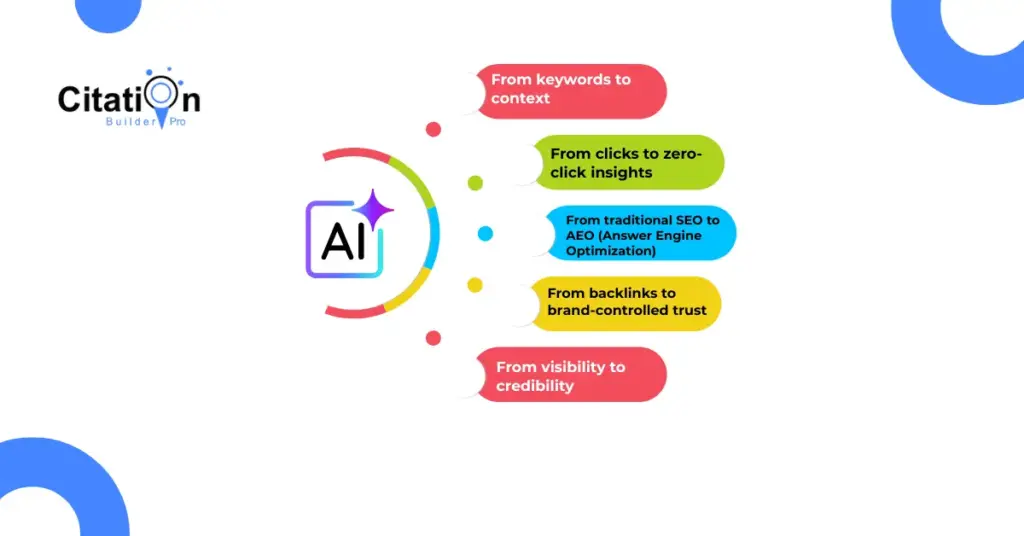
AI SEO citation building refers to the use of artificial intelligence and machine learning algorithms to create, manage, and optimize business citations across the web. A citation is any online mention of your business’s NAP data, whether on a structured directory like Yelp, a niche industry platform, or an unstructured mention in a blog post. Traditional citation building required manual submission, spreadsheet tracking, and painstaking consistency checks. AI-powered platforms now automate these workflows, using natural language processing to extract NAP data from websites, identify citation opportunities, and monitor for inconsistencies in real time.
The core difference between manual and AI-driven citation building lies in scale and accuracy. A human marketer might submit your business to 50 directories in a week. An AI system can scan millions of web pages, identify every existing mention of your brand, flag discrepancies, and push corrections to hundreds of platforms simultaneously. This capability transforms citation building from a tedious administrative task into a strategic, data-driven growth channel.
Why Citations Matter for Local SEO in 2025
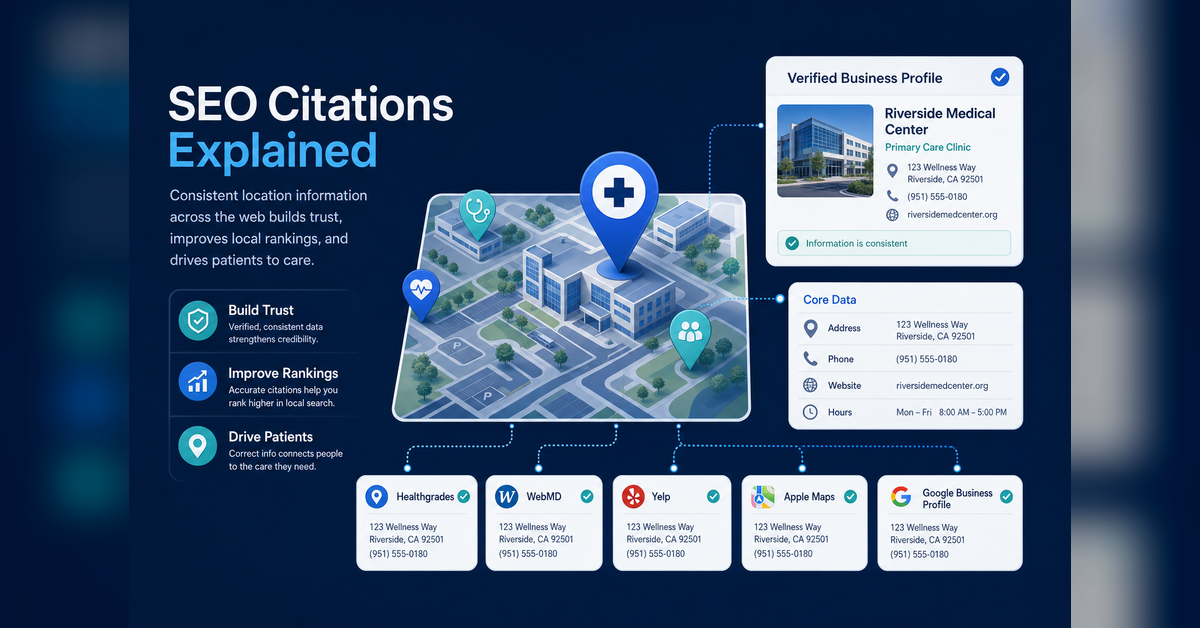
Google’s local search algorithm relies heavily on three pillars: relevance, distance, and prominence. Citations directly influence the prominence factor, serving as third-party validation that your business is real, established, and consistent with the information on your Google Business Profile. When Google’s crawlers find matching NAP data across authoritative directories, they gain confidence in your business’s legitimacy, which translates to higher rankings in local pack results.
The impact of citations extends beyond rankings. Consistent citations build trust with potential customers who verify your business across multiple platforms before making a purchase decision. A study by BrightLocal found that 88% of consumers trust online reviews as much as personal recommendations, and citations serve as the foundational trust signals that support those reviews. In competitive local markets, a business with 50 high-quality citations will almost always outrank a competitor with only 10, assuming other ranking factors are equal.
How AI Transforms the Citation Building Process

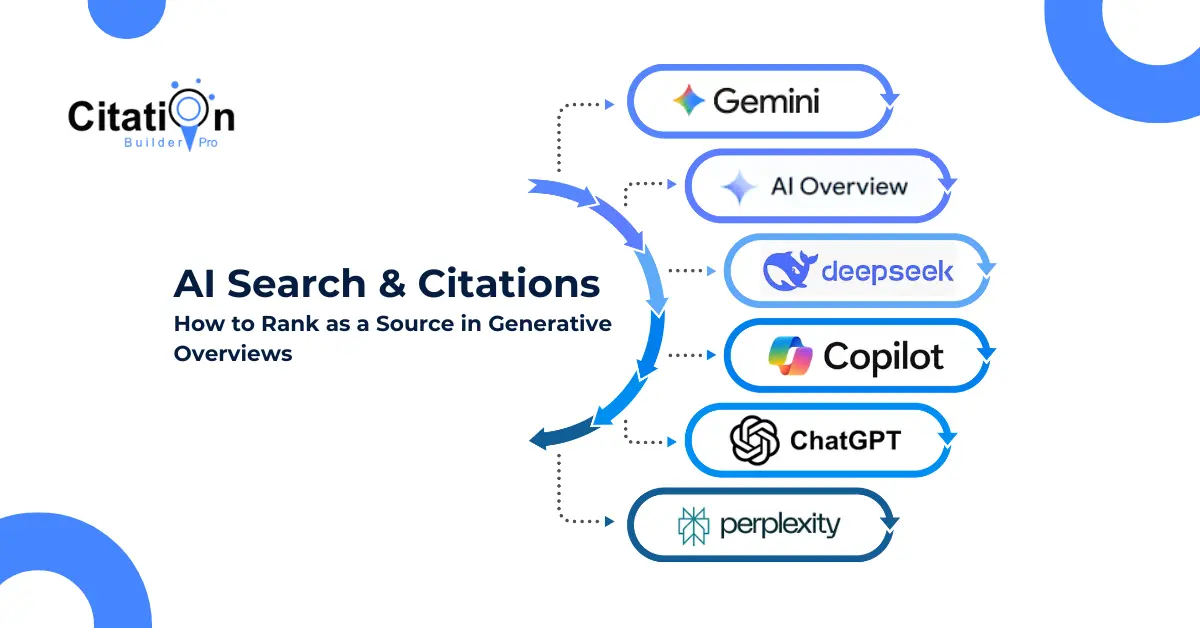
Artificial intelligence has revolutionized citation building through several distinct capabilities that were impossible with manual methods. Understanding these capabilities helps you choose the right tools and set realistic expectations for your local SEO campaigns.
Automated Citation Discovery
AI algorithms continuously crawl the web, identifying new citation opportunities based on your industry, location, and competitor analysis. These systems detect emerging directories, local blogs, and niche platforms that your competitors may have overlooked. The discovery process considers domain authority, relevance to your business category, and geographic targeting to prioritize opportunities that will deliver the highest SEO value.
Intelligent NAP Extraction and Normalization
Natural language processing enables AI systems to read unstructured web content and extract business information with remarkable accuracy. When your business is mentioned in a local news article, a supplier’s website, or a community event listing, the AI identifies the NAP data, compares it against your authoritative source, and flags any variations. This capability catches citations that manual tracking would miss entirely.
Real-Time Consistency Monitoring
Citation consistency is not a one-time achievement but an ongoing requirement. Businesses move, change phone numbers, or rebrand, and old citations remain stale across the web. AI monitoring tools scan your entire citation portfolio daily, detecting new inconsistencies the moment they appear. This real-time monitoring prevents the gradual erosion of your local search authority that occurs when outdated information accumulates.
Predictive Ranking Analysis
Advanced AI citation platforms analyze the correlation between citation quality, quantity, and your current rankings. These systems identify which citation sources are moving the needle for your specific business category and geographic area, allowing you to focus resources on high-impact opportunities rather than spreading efforts thinly across hundreds of low-value directories.
Key Components of an AI Citation Building Strategy
Implementing AI citation building requires understanding the ecosystem of tools, data sources, and processes that work together to improve local search visibility. A complete strategy encompasses several critical components.
Data Aggregation Platforms
Data aggregators like Data Axle, Neustar Localeze, and Foursquare serve as the foundation of citation distribution. These platforms license business data to thousands of downstream directories, apps, and navigation systems. AI citation tools connect directly to these aggregators, ensuring your core NAP data is accurate before it propagates across the web. A single correction at the aggregator level can fix hundreds of downstream citations automatically.
Citation Management Software
Platforms like BrightLocal, Whitespark, and Moz Local have integrated AI capabilities into their citation management workflows. These tools automate submission processes, track approval status across directories, and provide dashboards showing your citation health score. The AI components analyze your citation portfolio against competitors, identify gaps, and suggest priority actions based on potential ranking impact.
Schema Markup Integration
Structured data markup using LocalBusiness schema helps search engines understand your business information with precision. AI citation tools generate and implement schema markup across your website and associated properties, creating a structured data layer that reinforces the information found in external citations. This technical SEO component ensures that Google can confidently associate your website with your citation profile.
Review Signal Amplification
Citations and reviews work synergistically in local search algorithms. AI systems now monitor review platforms alongside citation directories, identifying new reviews and ensuring that your business information is consistent across review sites. Some platforms automatically generate review response drafts using AI, helping you maintain an active review profile that further strengthens your local authority.
Benefits of AI-Powered Citation Management
The advantages of deploying AI for citation building extend far beyond time savings. Businesses that embrace this technology gain measurable improvements in search visibility, operational efficiency, and competitive intelligence.
- Time efficiency: What took 40 hours of manual work per month now takes under two hours of oversight, freeing marketing teams for strategic initiatives.
- Accuracy improvement: AI systems maintain 99.9% NAP consistency across thousands of citations, compared to the 70-80% consistency typical of manual management.
- Scalability: Multi-location businesses can manage thousands of citations across hundreds of locations without proportional increases in staffing.
- Competitive insights: AI analytics reveal your competitors’ citation strategies, showing which directories they target and where your gaps exist.
- Rapid response: When your business information changes, AI tools propagate updates across the entire citation ecosystem within days rather than months.
- Cost efficiency: The ROI of AI citation tools typically exceeds manual outsourcing costs within the first quarter of implementation.
Limitations and Challenges of AI Citation Building
While AI has transformed citation management, understanding its limitations prevents unrealistic expectations and poor implementation decisions. The technology is powerful but not infallible.
AI systems cannot fully replicate human judgment when evaluating the quality and relevance of niche citation sources. A local business association’s website might have low domain authority but high relevance for a specific community, and AI algorithms may undervalue such opportunities. Additionally, some directories require manual verification steps, such as phone calls or postcard confirmations, that AI cannot complete autonomously. The human oversight component remains essential for final quality control.
Another challenge involves the accuracy of AI extraction from unstructured sources. While natural language processing has improved dramatically, complex web pages with dynamic content or unusual formatting can still produce extraction errors. Regular human audits of AI-generated citations catch these edge cases before they damage your consistency scores.
AI Citation Building vs. Traditional Methods: A Comparison
| Aspect | Traditional Citation Building | AI Citation Building |
|---|---|---|
| Time per citation | 15-30 minutes | Under 1 minute |
| Monthly volume capacity | 50-100 citations | 500-5,000 citations |
| Consistency rate | 70-85% | 95-99.9% |
| Error detection speed | Weekly or monthly audits | Real-time monitoring |
| Cost per citation | $5-$20 | $0.50-$2 |
| Competitor analysis | Manual research | Automated benchmarking |
| Scalability | Limited by staffing | Virtually unlimited |
Practical Guide: Implementing AI Citation Building for Your Business
Deploying AI citation building requires a structured approach that combines technology adoption with strategic oversight. Follow this step-by-step framework to maximize your results.
Step 1: Audit Your Current Citation Profile
Before introducing AI tools, establish your baseline. Use a citation audit tool to identify all existing mentions of your business across the web. Document your current NAP consistency rate, the number of citations you hold, and the authority of the directories where you appear. This baseline data helps you measure the impact of AI implementation and identify immediate correction priorities.
Step 2: Select the Right AI Citation Platform
Evaluate platforms based on your business size, industry, and geographic scope. Local businesses with a single location may find BrightLocal sufficient, while national chains require enterprise solutions like Yext or Uberall. Request demos and trial periods to test the AI capabilities against your specific citation portfolio. Pay attention to the platform’s directory coverage, especially for industry-specific and local directories relevant to your niche.
Step 3: Clean Your Core Data First
AI tools amplify whatever data you provide. If your Google Business Profile contains errors, those errors will propagate across every citation the AI creates. Before launching automated campaigns, verify that your business name, address, phone number, website URL, and business hours are 100% accurate on your primary platforms. Establish a single source of truth for your NAP data that all AI processes reference.
Step 4: Configure AI Monitoring and Alerts
Set up automated monitoring that scans your citation portfolio daily. Configure alerts for new citations, inconsistencies, duplicate listings, and negative review signals. Determine which team members receive these alerts and establish response protocols. The speed of your response to citation issues directly impacts how quickly Google recalculates your local ranking signals.
Step 5: Launch Citation Building Campaigns
Use the AI platform’s discovery features to identify high-priority citation opportunities. Prioritize authoritative directories in your industry, local chambers of commerce, and geographic-specific platforms. Let the AI handle submissions to directories with automated processes, while you manually manage the high-value sources that require human verification. Track approval rates and follow up on pending submissions.
Step 6: Integrate with Your Broader Local SEO Strategy
Citation building does not operate in isolation. Connect your citation management with your content marketing, link building, and review generation efforts. Ensure that your website’s schema markup aligns with your citation data. Create location pages that reinforce your NAP information. The synergy between these elements compounds your local search authority.
Common Mistakes in AI Citation Building and How to Avoid Them
Even with advanced technology, businesses frequently undermine their citation building efforts through avoidable errors. Recognizing these pitfalls helps you maintain a healthy citation profile.
Ignoring Citation Quality for Quantity
Submitting to hundreds of low-quality directories can harm your local SEO more than having no citations at all. Spammy directories with thin content and no real traffic signal low quality to Google. Focus on authoritative platforms with genuine user engagement. A portfolio of 50 high-quality citations outperforms 500 low-quality ones every time.
Neglecting Unstructured Citations
AI tools excel at structured directory submissions, but unstructured citations on blogs, news sites, and social media require different handling. These mentions carry significant trust signals because they occur naturally. Use AI monitoring to detect unstructured citations, then manually verify their accuracy and request corrections when needed.
Failing to Maintain Consistency During Business Changes
When you move locations or change phone numbers, the speed of your citation updates determines how much ranking damage you experience. AI tools accelerate this process, but only if you update your source data immediately. Delaying the update by even a week creates a window of inconsistency that Google’s algorithms may penalize.
Overlooking International Citation Sources
Businesses targeting multiple countries need citations on country-specific directories that AI platforms may not cover comprehensively. Research the dominant citation sources in each target market and verify that your AI tool includes them. Supplement automated submissions with manual outreach to international platforms.
Setting and Forgetting
Citation building requires ongoing attention. New directories launch regularly, existing directories change their data requirements, and your business information evolves. Schedule monthly reviews of your citation health scores and quarterly audits of your full citation portfolio. The AI handles the heavy lifting, but strategic oversight remains your responsibility.
Important Notes for Maximizing AI Citation ROI
Several operational considerations determine whether your AI citation investment delivers meaningful returns. Keep these factors in mind as you scale your efforts.
Your Google Business Profile remains the most critical local ranking factor, and citations support it rather than replace it. Maintain an active profile with regular posts, accurate categories, and responsive customer engagement. The citation signals you build amplify the authority of your Google presence.
Industry-specific directories often carry more weight than general directories. A restaurant benefits more from citations on OpenTable and TripAdvisor than from generic business directories. Configure your AI platform to prioritize niche sources that align with your business category.
Monitor your competitors’ citation growth to identify emerging opportunities. When a competitor gains citations on a new platform, investigate that platform’s relevance and consider adding it to your portfolio. Competitive intelligence transforms citation building from a defensive necessity into an offensive strategy.
Frequently Asked Questions About AI SEO Citation Building
How long does it take for AI citation building to improve local rankings?
Most businesses see measurable ranking improvements within 4 to 8 weeks of consistent AI citation building. The timeline depends on your starting point, the competitiveness of your local market, and the quality of citations you build. New businesses with no existing citations may see faster gains, while established businesses correcting years of inconsistency may need 2 to 3 months to fully recover their authority.
What is the ideal number of citations for local SEO success?
T The quality and consistency of citations matter more than raw quantity. A business with 50 consistent, authoritative citations will outrank a competitor with 200 inconsistent, low-quality citations.
Can AI citation building replace manual citation submission entirely?
AI handles the majority of citation submissions, but some directories require manual verification steps that technology cannot complete. Phone verification, postcard confirmation, and in-person validation remain manual processes. Additionally, high-value niche directories may require personalized outreach that AI cannot replicate. The most effective approach combines AI automation with targeted manual efforts for premium citation sources.
How does AI detect and fix inconsistent citations?
AI platforms use natural language processing to scan web pages and extract business information. The system compares extracted data against your authoritative source and flags any discrepancies in name, address, phone number, or website URL. Once flagged, the AI generates correction requests to the directory owner or automatically updates the listing if the platform has API access. This process runs continuously, catching new inconsistencies as they appear.
What is the cost of AI citation building tools?
Pricing varies widely based on features and business size. Entry-level tools start around $30 per month for single-location businesses, while enterprise platforms for multi-location chains can cost $500 to $2,000 per month. Most platforms offer tiered pricing based on the number of locations and the depth of monitoring features. The ROI typically justifies the cost when you consider the labor savings and ranking improvements.
Do AI citation tools work for all business types?
AI citation tools work best for businesses with a physical location that serves a local geographic area. Restaurants, retail stores, healthcare providers, professional services, and home service companies benefit most. Purely online businesses without a physical address have limited citation opportunities and should focus on other SEO strategies. The technology adapts to any industry, but the citation landscape varies significantly by sector.
Conclusion
AI SEO citation building represents the convergence of automation technology and local search optimization, delivering unprecedented efficiency and accuracy in managing your digital business footprint. The businesses that thrive in local search over the coming years will be those that embrace these intelligent tools while maintaining strategic oversight of their citation quality and consistency.
The transition from manual citation management to AI-powered systems is not merely a technological upgrade but a fundamental shift in how local businesses approach their online presence. By implementing the strategies outlined in this guide, you position your business to capture more local search visibility, build lasting trust with customers, and outperform competitors who remain tethered to outdated manual processes. Start with a comprehensive audit, select the right AI platform, and commit to ongoing monitoring and optimization to unlock the full potential of your local search presence.
Xem thêm:
- AI Search Optimization: The Ultimate Guide to Ranking in LLMs and Generative Engines
- AI SEO Analytics: Turning Raw Search Data Into Unstoppable Organic Growth
- AI Grammar Checker: Transform Your Writing with Intelligent Error Detection
- AI SEO Content Structure: The Blueprint for Ranking in 2025
- AI SEO H3 Optimization: The Complete Guide to Structuring Content for AI Search
Bài viết cùng chủ đề:

AI SEO SEO Automation with Make: The Complete Workflow Guide

AI SEO SEO Automation with Zapier: The Complete Workflow Guide

AI SEO SEO Automation with n8n: The Complete Workflow Guide
AI SEO SEO Automation with Gemini: The Complete Guide to Scaling Organic Growth

AI SEO SEO Automation with Claude: The Complete Guide to Scaling Content in 2025

AI SEO SEO Automation with ChatGPT: The Complete Playbook for 2025

AI SEO & SEO Automation for Affiliate Sites: The 2025 Playbook for Passive Income Growth
AI SEO & SEO Automation for Bloggers: The Complete Guide to Scaling Your Content

AI SEO & SEO Automation for Agencies: The Complete 2025 Playbook

AI SEO and SEO Automation for Ecommerce: The Complete Playbook for 2025

AI SEO & SEO Automation for WordPress: The Complete Playbook for 2025
AI SEO SEO Automation Strategy: The Complete Playbook for 2025

Mastering the AI SEO SEO Automation Process: A Complete Guide to Scaling Organic Growth
AI SEO SEO Automation System: The Complete Guide to Scaling Organic Growth in 2025
AI SEO SEO Automation Platform: The Complete Guide to Scaling Organic Growth in 2025
AI SEO SEO Automation Software: The Complete Guide to Scaling Organic Growth in 2025















