
No products in the cart.
AI SEO Product Reviews: The Complete Guide to Smarter Buying Decisions
10
Aug
Aug
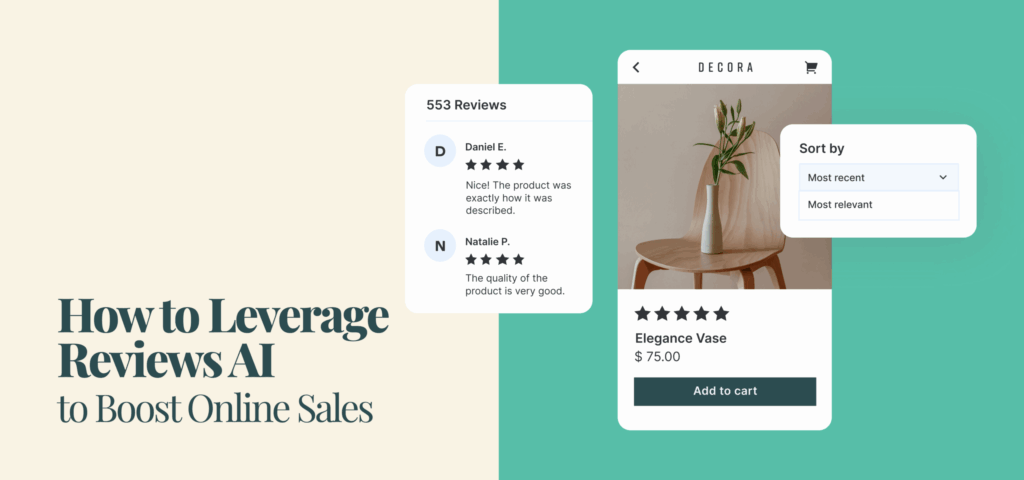
The digital marketplace is flooded with tools that promise to automate your search rankings. Sorting through the noise requires a new approach. AI SEO product reviews have become the essential filter for marketers, agencies, and business owners who need to separate genuine value from overhyped software. These reviews go beyond basic feature lists, analyzing how machine learning, natural language processing, and predictive analytics actually perform in real-world campaigns. This guide breaks down everything you need to know about evaluating these powerful tools, from understanding core algorithms to measuring true return on investment.
Understanding AI SEO Product Reviews
AI SEO product reviews are detailed evaluations of software platforms that use artificial intelligence to improve search engine optimization. Unlike traditional SEO tools that simply report data, AI-powered platforms interpret that data, predict outcomes, and automate complex tasks. A proper review examines the underlying technology, user experience, pricing structure, and measurable results.
The market has grown exponentially. Industry analysts estimate that the AI SEO software sector now generates over $2 billion in annual revenue. This growth attracts both innovative startups and established players, making independent analysis more valuable than ever. Reviews help buyers navigate a landscape where every vendor claims to have the “smartest” algorithm.
How AI Transforms Traditional SEO Tools
Traditional tools like basic rank trackers and keyword density checkers have evolved. Modern AI SEO platforms perform semantic analysis, understand search intent, and generate content briefs that match human expertise. They analyze competitor backlink profiles and predict which links will move the needle. They even automate technical audits, crawling thousands of pages and prioritizing fixes based on potential traffic impact.
This shift means that AI SEO product reviews must evaluate different criteria than older software comparisons. Reviewers now test machine learning models, prompt engineering capabilities, and integration with large language models. They measure how quickly a tool adapts to Google algorithm updates and whether its recommendations actually align with current ranking factors.
Key Features Evaluated in AI SEO Product Reviews
When reading or writing AI SEO product reviews, certain features consistently determine whether a tool delivers value. Understanding these components helps you filter through marketing jargon and focus on what matters for your specific workflow.
Content Generation and Optimization
The most scrutinized feature is AI content generation. Reviews test whether the tool produces original, factually accurate, and engaging copy. They check for plagiarism, readability scores, and alignment with brand voice. Advanced platforms offer real-time optimization, suggesting keyword variations and internal linking opportunities as you write.
Optimization features go beyond simple keyword insertion. Modern tools analyze top-ranking pages, extract entity relationships, and recommend topical coverage. They assess readability for both humans and search engine crawlers, balancing semantic richness with natural language flow.
Predictive Analytics and Forecasting
Predictive capabilities separate basic tools from true AI platforms. Reviews examine how accurately a tool forecasts traffic changes based on content updates, backlink acquisition, or technical fixes. Some platforms use historical data to model potential ranking improvements, helping you prioritize tasks with the highest expected return.
These models are not perfect. Reviews should honestly discuss the limitations of prediction, including variance across niches and the impact of external factors like competitor activity or algorithm updates. A good review tests predictions against actual outcomes over several months.
Automated Technical Audits
Technical SEO remains a foundation for success. AI-powered audit tools crawl websites and identify issues like broken links, slow page speeds, and indexing errors. The best platforms go further, using machine learning to prioritize issues based on their potential impact on revenue-generating pages.
Reviews evaluate the accuracy of these audits, comparing findings against manual checks by experienced SEO professionals. They also assess the clarity of recommendations. A tool that says “fix your site speed” is less helpful than one that identifies specific images to compress or scripts to defer.
Benefits of Using AI SEO Product Reviews
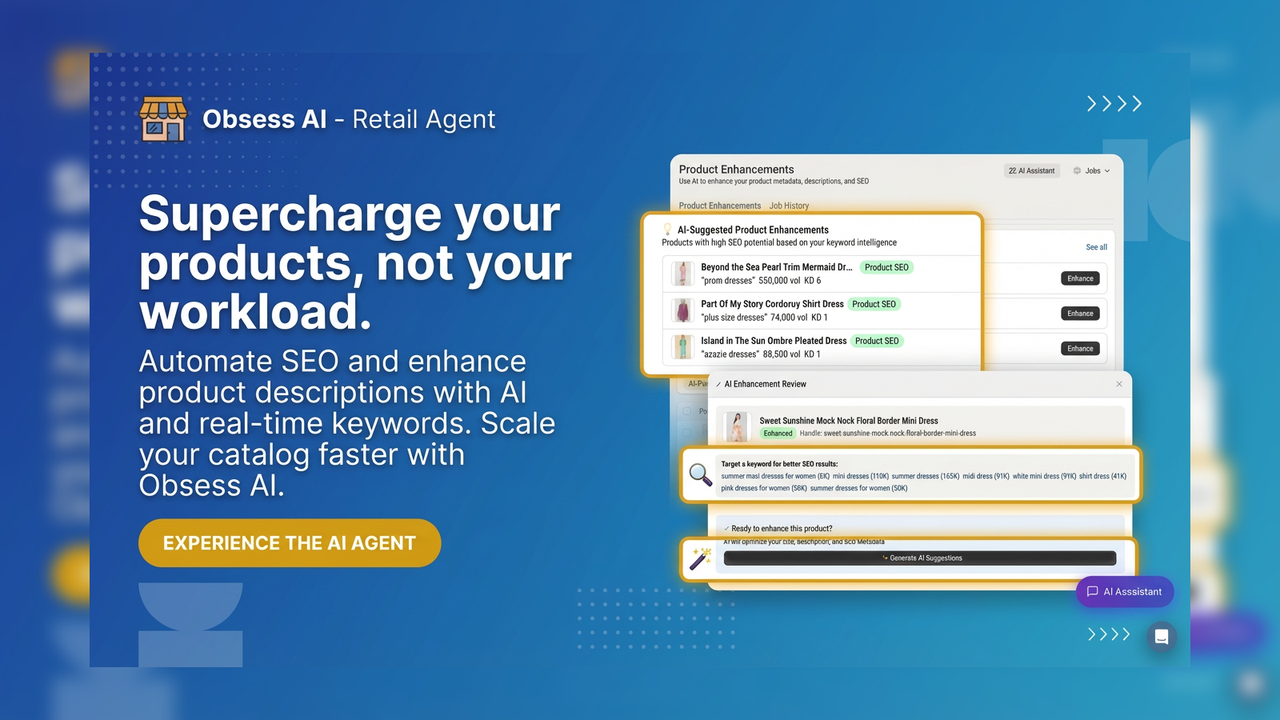
Leveraging comprehensive reviews saves time, reduces financial risk, and improves strategic decision-making. The benefits extend beyond simply picking a tool, influencing how your entire SEO operation functions.
- Time efficiency: Reviews condense weeks of trial-and-error testing into a focused analysis, allowing you to shortlist tools that match your needs within hours.
- Cost avoidance: Enterprise AI SEO tools often cost thousands of dollars monthly. A thorough review prevents expensive mistakes from purchasing the wrong platform.
- Feature discovery: Reviews highlight capabilities you might not have considered, such as competitor gap analysis or automated schema markup generation.
- Benchmarking: Detailed reviews provide performance benchmarks, helping you set realistic expectations for your own campaigns.
- Risk mitigation: Understanding a tool’s limitations prevents over-reliance on automation, which can lead to penalties if used incorrectly.
- Ignoring your niche: A tool that works well for e-commerce may not suit a local service business. Reviews often generalize across niches, so filter recommendations through your specific industry lens.
- Overvaluing feature quantity: A platform with 50 features may be less effective than one with 10 well-executed capabilities. Focus on the quality and accuracy of the core functions you will use daily.
- Neglecting the learning curve: A powerful tool is useless if your team cannot learn it. Consider the onboarding time and whether the interface is intuitive. Factor training costs into your budget.
- Chasing the newest trend: AI SEO evolves quickly, but you do not need every new feature. Stick to tools that solve current problems rather than speculative future needs.
- Skipping the fine print: Review pricing tiers carefully. Some platforms charge extra for API access, additional users, or advanced reporting. These hidden costs can double your monthly bill.
Limitations and Considerations
AI SEO product reviews have their own limitations. The landscape changes rapidly, and a review from six months ago may be outdated. Algorithm updates can render certain features less effective. Additionally, most reviews are based on specific use cases, and your niche may have unique requirements that the reviewer did not test.
Bias is another concern. Some reviews are sponsored or use affiliate links, which can influence recommendations. Look for reviews that disclose their relationships and provide both positive and negative findings. Cross-reference multiple sources to get a balanced perspective.
Comparison of Leading AI SEO Platforms
To illustrate how AI SEO product reviews work in practice, consider a comparison of four major platforms. This table highlights key differences that reviewers typically analyze.
| Platform | Core AI Strength | Best For | Pricing Model | Key Limitation |
|---|---|---|---|---|
| Surfer SEO | Content optimization based on SERP analysis | Bloggers and content teams | Tiered subscription | Limited backlink analysis |
| Semrush | Comprehensive suite with AI writing assistant | Agencies and enterprises | Subscription with add-ons | Steep learning curve |
| Frase | Content brief generation and AI writing | Freelancers and small teams | Flat monthly fee | Less robust for technical audits |
| Clearscope | Content relevance scoring | Enterprise marketing teams | High-end subscription | Expensive for small businesses |
This comparison shows that no single tool excels at everything. A thorough AI SEO product review would dive deeper into each platform, testing the accuracy of content scores, the quality of generated text, and the usability of the interface. It would also examine customer support responsiveness and the frequency of feature updates.
Practical Guide to Evaluating AI SEO Tools
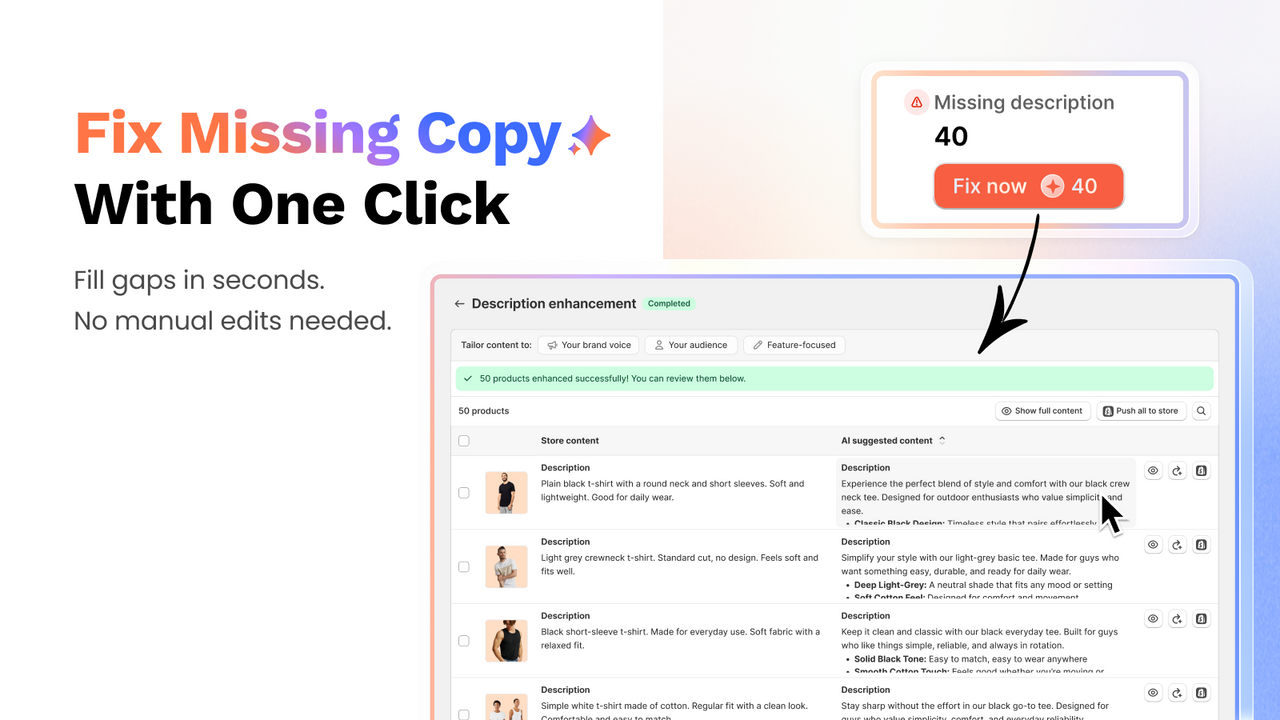
Reading reviews is a starting point, but your own evaluation process is critical. A structured approach ensures you select a tool that aligns with your specific goals, team skills, and budget.
Step 1: Define Your Requirements
Before exploring options, list your primary pain points. Are you struggling with content production speed? Do you need better keyword clustering? Is technical audit automation your priority? Write down your top three challenges. This clarity prevents you from being swayed by flashy features that do not address your core needs.
Step 2: Analyze Review Credibility
Not all reviews are equal. Look for reviewers with demonstrated SEO experience, such as practitioners who share their own campaign data. Check if the review includes specific test cases with measurable outcomes. Be wary of reviews that only praise a product without mentioning any drawbacks.
Step 3: Utilize Free Trials Effectively
Most platforms offer free trials or limited free tiers. Use this time to run your own tests. Create a sample content piece and compare the AI suggestions against your own expertise. Run a technical audit on a test site and verify the findings manually. This hands-on experience is more valuable than any review.
Step 4: Evaluate Integration Capabilities
Your SEO tool should integrate with your existing stack. Check for connections with Google Search Console, Google Analytics, WordPress, and popular project management platforms. Review the API documentation if you have development resources. Poor integration leads to manual data transfer, which wastes time and introduces errors.
Step 5: Assess Customer Support and Community
AI tools are complex, and questions will arise. Evaluate the quality of customer support during your trial. How quickly do they respond? Are their answers helpful? Also, check for an active user community or knowledge base. A strong community indicates a healthy product with continuous improvement.
Common Mistakes When Using AI SEO Product Reviews
Even experienced marketers make errors when relying on reviews. Avoiding these common pitfalls improves your chances of selecting the right tool.
Important Notes on Data Privacy and Ethics
AI SEO tools process significant amounts of data, including your website content, competitor analysis, and potentially user behavior. Before committing to a platform, review its data privacy policy. Understand where your data is stored, whether it is used to train models, and how it is protected.
Ethical considerations also matter. Some AI content generators produce text that may violate Google’s spam policies if used without human editing. Reviews should address the ethical use of AI, emphasizing that these tools augment human expertise rather than replace it. Always review and fact-check AI-generated content before publication.
Frequently Asked Questions
What is the difference between AI SEO tools and traditional SEO software?
Traditional SEO software primarily reports data, such as keyword rankings, backlinks, and site speed metrics. AI SEO tools interpret that data, make predictions, and automate tasks like content generation, technical issue prioritization, and competitor analysis. AI tools learn from patterns and improve recommendations over time, while traditional tools require manual analysis and interpretation.
How accurate are AI content optimization scores?
AI content optimization scores are based on statistical analysis of top-ranking pages. They provide a useful benchmark, but they are not a guarantee of rankings. Scores typically measure keyword usage, semantic relevance, and content structure. Accuracy varies by niche and the quality of the underlying data. Use scores as a guide, not an absolute rule, and always prioritize user experience.
Can AI SEO tools replace human SEO experts?
No, AI SEO tools cannot fully replace human expertise. These tools excel at data processing, pattern recognition, and repetitive tasks. However, they lack strategic judgment, creative problem-solving, and understanding of nuanced brand voice. The most effective approach combines AI efficiency with human oversight, where experts interpret AI recommendations and make final decisions.
How often should I re-evaluate my AI SEO tool choice?
Re-evaluate your tool choice at least annually or when your business needs change significantly. The AI SEO landscape evolves rapidly, with new features and competitors emerging regularly. Also, reassess if you notice declining performance or if your team consistently bypasses the tool in favor of manual processes. Regular evaluation ensures you continue to get value for your investment.
Are expensive AI SEO tools always better than budget options?
Price does not always correlate with quality. Expensive tools often offer more features, better support, and more robust data. However, budget tools can be highly effective for specific use cases, such as basic content optimization or keyword research. Evaluate tools based on your specific requirements and the return on investment they can generate, rather than price alone.
Conclusion
AI SEO product reviews serve as a critical navigation tool in a crowded and complex market. They distill vast amounts of technical information into actionable insights, helping you choose platforms that genuinely improve your search performance. The key is to approach these reviews with a critical eye, understanding your own needs, verifying claims through hands-on testing, and staying aware of the rapid evolution of AI technology.
The future of SEO is undeniably intertwined with artificial intelligence. Tools that leverage machine learning for content, analytics, and automation will continue to dominate. By mastering the art of evaluating these tools through comprehensive reviews and personal testing, you position your business to capitalize on these advancements. Invest the time in proper evaluation, and your SEO strategy will benefit from the precision and efficiency that AI brings to the table.
Xem thêm:
- AI Rich Snippets: What They Are, Why They’re Taking Over Search, and How to Win Them
- AI Citation SEO: The Complete Guide to Earning and Optimizing AI-Generated Citations in Search
- AI SEO Alt Text Generator: The Complete Guide to Automated Image Optimization
- AI SEO Blog Outline Generator: The Complete Guide to Faster, Smarter Content Planning
- AI SEO Content Outreach: The Complete Strategy Guide for 2025
Bài viết cùng chủ đề:

AI SEO SEO Automation with Make: The Complete Workflow Guide

AI SEO SEO Automation with Zapier: The Complete Workflow Guide

AI SEO SEO Automation with n8n: The Complete Workflow Guide
AI SEO SEO Automation with Gemini: The Complete Guide to Scaling Organic Growth

AI SEO SEO Automation with Claude: The Complete Guide to Scaling Content in 2025

AI SEO SEO Automation with ChatGPT: The Complete Playbook for 2025

AI SEO & SEO Automation for Affiliate Sites: The 2025 Playbook for Passive Income Growth
AI SEO & SEO Automation for Bloggers: The Complete Guide to Scaling Your Content

AI SEO & SEO Automation for Agencies: The Complete 2025 Playbook

AI SEO and SEO Automation for Ecommerce: The Complete Playbook for 2025

AI SEO & SEO Automation for WordPress: The Complete Playbook for 2025
AI SEO SEO Automation Strategy: The Complete Playbook for 2025

Mastering the AI SEO SEO Automation Process: A Complete Guide to Scaling Organic Growth
AI SEO SEO Automation System: The Complete Guide to Scaling Organic Growth in 2025
AI SEO SEO Automation Platform: The Complete Guide to Scaling Organic Growth in 2025
AI SEO SEO Automation Software: The Complete Guide to Scaling Organic Growth in 2025















