
No products in the cart.
AI Rich Snippets: What They Are, Why They’re Taking Over Search, and How to Win Them
29
Jul
Jul
Introduction: A New Kind of Search Result Is Already Here
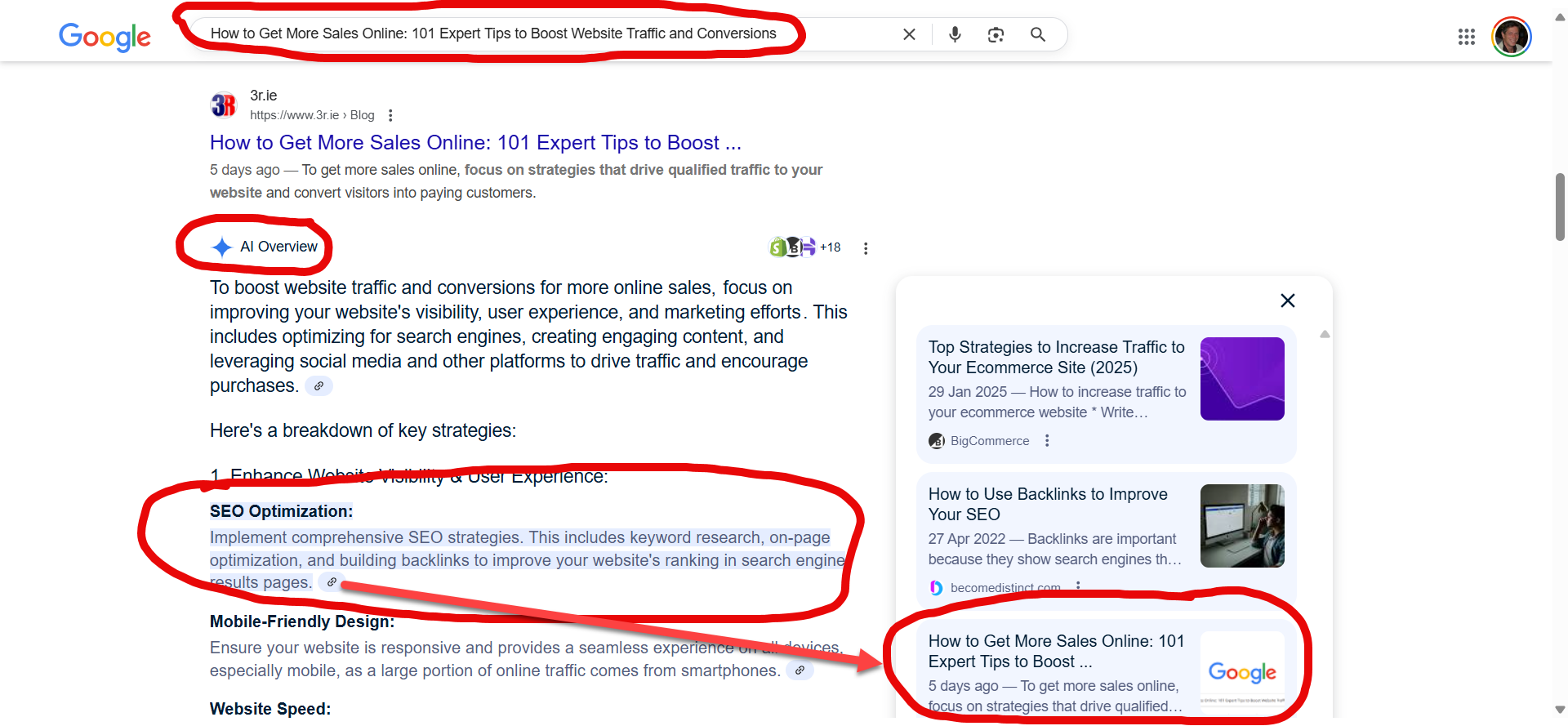
In the last two years, the search results page has undergone its most radical transformation in two decades. Traditional blue links are losing ground to dynamic, answer‑oriented boxes that summarize content instantly. At the heart of this shift are AI Rich Snippets – search result features powered by large language models and generative AI that deliver a concise, visually enhanced answer directly on the results page. They go far beyond the classic rich snippet you built with structured data. They pull information from multiple sources, blend it into a natural‑language summary, and often make a click‑through unnecessary.
For anyone responsible for organic visibility, understanding AI rich snippets is no longer optional. Google’s Search Generative Experience (SGE), now called AI Overviews, and Microsoft’s Copilot in Bing have already deployed these AI‑driven answer boxes at scale. Websites that once enjoyed steady traffic from long‑tail keywords are seeing impressions without clicks, while others are discovering a new zero‑click reality. This article decodes what AI rich snippets are, how they work, the real data behind their adoption, and a step‑by‑step framework to optimize for them.
What Are AI Rich Snippets?
An AI rich snippet is an automatically generated search result feature that uses generative AI to present a complete, context‑aware answer inside the search results interface. Unlike a traditional rich snippet that enhances a single web listing with star ratings, cooking times, or FAQ accordions, the AI version aggregates and synthesizes information from multiple pages to produce a standalone summary. Google’s AI Overviews, for example, display a paragraph of text, sometimes with images, product lists, or pros‑and‑cons tables, all generated in real time by Gemini, its multimodal model.
The core distinction lies in how the answer is built. Traditional rich snippets depend entirely on the structured data a webmaster adds to a page. Google pulls that data and renders it around the snippet. AI rich snippets, by contrast, interpret the query, read across the open web, and compose a new piece of content that may not exist verbatim on any single source. They appear most often for informational queries, comparison searches, and how‑to questions. The phrase “AI rich snippet” is an industry term that captures both the generative nature of the result and its visual richness, even though Google often refers to them as AI‑powered overviews.
The Evolution from Traditional Rich Snippets to AI‑Powered Overviews
To appreciate where we are, a quick look backward helps. Rich snippets first appeared in 2009, when Google began supporting author markup, reviews, and breadcrumbs. By 2013, the Knowledge Graph was feeding factual answers, and by 2016, Featured Snippets lifted a block of text from a top‑ranking page. All of these drew from a single source or a curated knowledge base. The webmaster had strong control through Schema.org markup and content formatting.
AI rich snippets broke that one‑to‑one relationship. In May 2023, Google announced the Search Generative Experience, an opt‑in experiment that later became AI Overviews, launched for all U.S. searchers by May 2024. A similar story played out with Bing’s AI‑powered answers. These features use large language models to understand the question’s nuance, rewrite a multi‑source answer, and often include carousels of products, locations, or follow‑up queries. The shift is not just cosmetic. A study by Authoritas tracking over 90,000 keywords found that AI Overviews appeared for 84% of queries by early 2025, though the most prominent expansions happened in healthcare, finance, and e‑commerce. Traditional rich snippets haven’t disappeared, but they now compete for real estate with AI‑generated content that behaves like a mini‑article.
How AI Generates Rich Snippets: The Technology Under the Hood
When a user types a query, the search engine’s ranking system identifies the most reliable sources. In parallel, the AI model – for Google, that’s Gemini – reads those pages, extracts claims, statistics, and opinions, and cross‑checks them for factual consistency. It then performs a retrieval‑augmented generation (RAG) step, grounding the output in the retrieved documents. The result is a coherent paragraph that can be released only when a confidence threshold is met. If the model is uncertain, no AI overview shows; the standard results remain.
This process is qualitative and probabilistic. It means that the same query run two days apart can produce a slightly different AI rich snippet because Google re‑evaluates source quality and fresh content. Bing’s Copilot works similarly, using a custom variant of the Prometheus model that sometimes cites its sources inline, which Google’s overviews began doing more prominently in 2024 with expandable attribution links.
The visual layer is just as critical. AI rich snippets may include an image carousel from Google Images, a “pros and cons” table, a product comparison grid, or a list of popular stores. These are not hand‑coded; the AI decides which modules best answer the query intent. For example, a search for “best coffee maker 2025” regularly yields an AI overview with a key takeaway paragraph, numbered product picks, and expandable pros‑and‑cons for each model, all generated from product review sites and test results.
Key Components That Shape an AI Rich Snippet
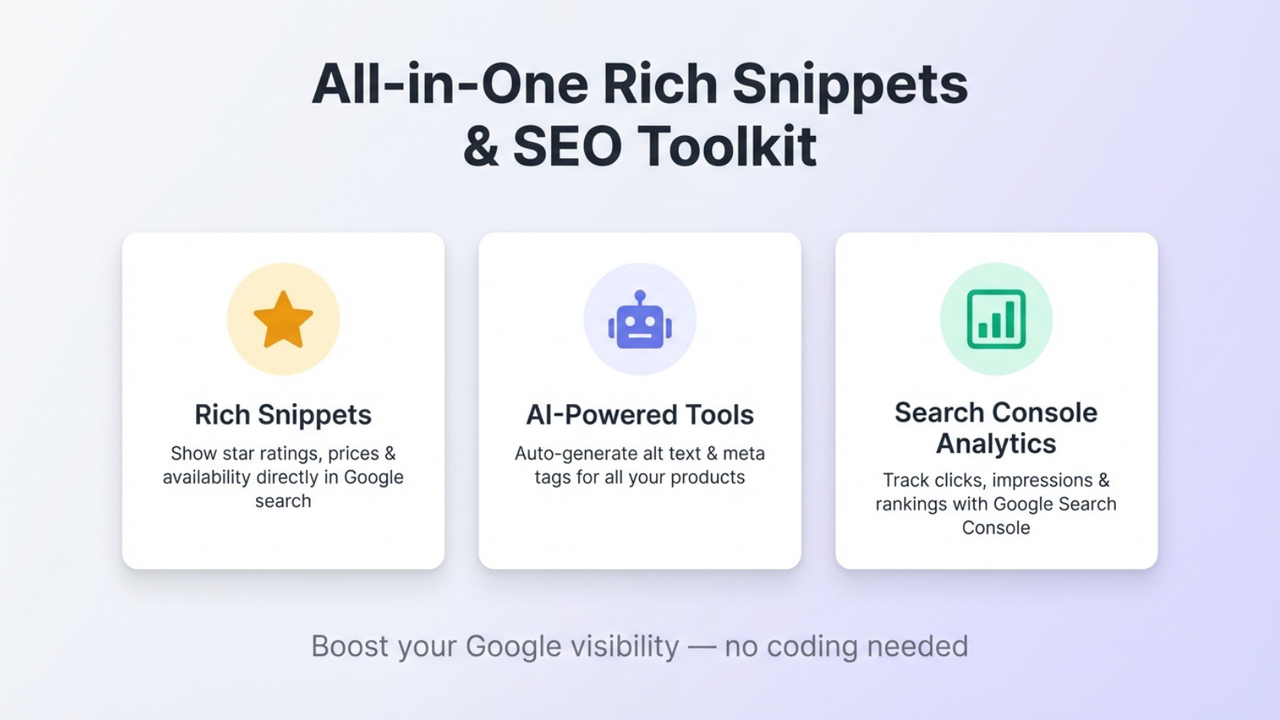
Every AI rich snippet blends several elements dynamically. Recognizing them helps you plan your content strategy. The most common components include:
- Generative text summary: A three‑ to six‑sentence paragraph written in a confident, magazine‑style tone that synthesizes the query’s core answer.
- Attribution list: Clickable links to the sources the AI used, often displayed as a horizontal “sources” carousel or numbered footnotes within the text.
- Visual modules: Images, product thumbnails, map cards, or rating stars pulled from authoritative product pages.
- Follow‑up queries: Suggested questions that, when tapped, open a new AI overview without navigating to a website.
- Structured comparison tables: AI‑generated tables showing specifications, prices, or feature comparisons, especially for versus‑style searches.
- List‑style recommendations: “Top picks” or “buying guide”‑style bullet lists, common for affiliate‑heavy verticals like tech and home appliances.
- Ignoring fact‑checking and currency: The AI discards outdated or contradictory pages quickly. Always include a publication date and update content as underlying data changes.
- Chasing clicks over clarity: Over‑optimizing with keyword‑stuffed intros backfires. The AI wants a crisp, direct answer, not a promotional hook.
- Neglecting mobile and speed: Even though the AI reads your source code, a heavily cluttered, slow page often correlates with lower authority signals. Google’s core ranking systems still influence which pages are considered for summarization.
- Copying the snippet verbatim on your page: Some marketers try to duplicate the AI overview’s exact text. That rarely works because the AI rewrites the content. Instead, be the original source that the AI paraphrases.
- Overlooking video and image search: AI rich snippets frequently pull images from Google Images. Optimize your alt text, file names, and surround media with relevant textual context, as Gemini can parse multimodal inputs.
These components vary by intent. A broad informational query might trigger a simple paragraph and source list. A transactional query, such as “best budget noise‑canceling headphones,” will almost always pull in product cards and a mini‑comparison table. Marketers who treat these modules as separate SEO targets gain a significant advantage.
The Role of Structured Data in an AI‑Driven Search World
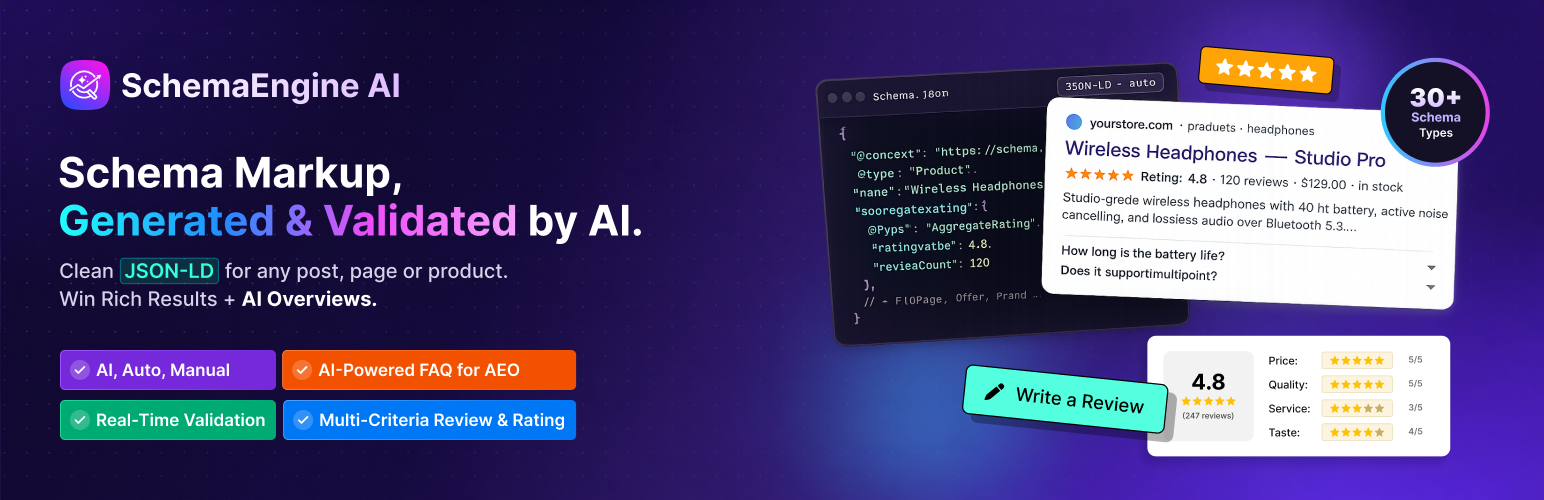
Schema markup is not obsolete, but its function has changed. In the old paradigm, structured data was the ticket to a review star snippet or an FAQ accordion. Today, it feeds the AI’s understanding of your entity, product, or article. Google’s documentation confirms that while AI Overviews do not require structured data to appear, good markup significantly improves a page’s eligibility as a source. When Google’s Gemini model reads your page, it can more confidently extract the price, availability, review count, or ingredient list if that information is tagged with proper Schema types such as Product, Article, Recipe, FAQ, or HowTo.
Practically, this means you should still implement all relevant schemas. A comprehensive review of domains appearing in AI Overviews by ZipTie.dev showed that 79% of cited pages used at least one Schema type, with Article and Product being the most common. Structured data acts as a reinforcement signal that helps the AI parse your content correctly, especially when the same text could be interpreted in multiple ways. It is no longer a direct guarantee of a visual enhancement, but it remains a building block for your page’s machine‑readable authority.
Benefits of AI Rich Snippets for Users and Businesses
For users, the value is speed and reduced friction. A shopper comparing two cameras gets a side‑by‑side breakdown without opening five tabs. Someone researching a health symptom sees a vetted, multi‑source summary with links to medical associations. Studies indicate that AI overviews reduce the average number of clicks needed to complete a task by up to 30%, boosting user satisfaction and retention.
For brands, AI rich snippets create a new form of digital shelf space. Appearing as a cited source in an AI overview can drive brand authority even when clicks remain moderate. In the Authoritas dataset, pages that were cited in an AI overview saw a 12% increase in branded searches within the following seven days, suggesting a halo effect. Furthermore, the snippet itself may feature your product image or review verdict, giving instant visual endorsement. E‑commerce sites that structure comparison content well have started to see their products listed inside the AI‑generated “top picks” modules, a placement that previously required paid listings or hard‑won organic positions.
However, the benefit is concentrated. The AI cites, on average, only three to five domains for a given snippet. If you are not among them, you might be entirely invisible for that query. This dynamic rewards deep, trustworthy content rather than breadth‑for‑breadth’s sake.
Limitations and Challenges That Cannot Be Ignored
AI rich snippets are far from perfect. Their probabilistic nature means they sometimes combine accurate data with outdated or contradictory information. In early 2025, a widely circulated error had an AI overview recommending a glue‑based pizza topping recipe pulled from a satirical Reddit thread. Google quickly patched the behavior, but the incident underscored a core weakness: the model can struggle with nuance, satire, and rapidly changing factual landscapes.
Another challenge is attribution inequality. AI overviews tend to favor large, established publishers that already have high domain authority. Smaller sites with original research can find their data summarized without a click, while the traffic reward goes to the already dominant players. Google has introduced a “sources” carousel, but click‑through rates on those attribution links remain low, often between 1% and 3%, according to third‑party dashboard providers like Semrush and Advanced Web Ranking.
There are also measurement headaches. Impression counts from AI snippets are often bundled with standard search traffic in Google Search Console, making it difficult to isolate the true impact. Marketers must rely on segmented reporting, event tracking, and careful before‑after analysis to understand the AI snippet’s role.
Comparison: Traditional Rich Snippets vs. AI‑Generated Rich Snippets
The table below highlights the fundamental differences. Understanding the gap helps you allocate your SEO efforts effectively.
| Feature | Traditional Rich Snippet | AI Rich Snippet (Overview) |
|---|---|---|
| Source of content | Single webpage | Multiple webpages, synthesized |
| Control by webmaster | High (via structured data) | Low (AI determines relevance) |
| Typical format | Stars, bullet lists, images, FAQ accordion | Paragraphs, product carousels, pros‑and‑cons, tables |
| Triggering mechanism | Schema markup + high relevance | Query intent, content quality, and authority signals |
| Visual presence | Highlights around one listing | Dominant, multi‑module block above blue links |
| Click behavior | Moderate to high click‑through | Low direct click‑through, but high brand recall |
Practical Guide: How to Optimize for AI Rich Snippets
Securing a place in an AI‑generated overview requires a shift from classic keyword‑to‑URL mapping toward entity‑based optimization. Use the following five‑step framework to increase your odds:
1. Map Your Content to High‑Snippet Triggers
Not all keywords trigger AI rich snippets. Use tools such as Semrush’s AI Overviews tracker or ZipTide’s SERP analyzer to identify which queries in your niche show an AI overview. Prioritize those where your domain already ranks in the top 10. Creating a dedicated “snippet‑bait” page that directly answers the query in a clear, structured manner can push your content into the citation set.
2. Write Answer‑First Content That AI Can Digest
AI models favor content that front‑loads the answer in a straightforward, authoritative paragraph. Think inverted pyramid. Place a succinct, factual summary in the first 150 words, free of fluff. Use objective language and cite primary sources. For instance, a page targeting “how long does bread last in the freezer” should say immediately: “Bread stays fresh in the freezer for up to three months when stored in airtight packaging, according to the USDA.” Follow with the how‑and‑why details. This structure aligns with the way Gemini and Copilot extract key claims.
3. Double Down on Entity‑Rich, Fact‑Based Content
Mentioning recognized entities – brands, scientific concepts, official statistics – boosts your content’s factual grounding signals. The AI cross‑checks claims against trusted knowledge bases. Use terminology consistently, link to authoritative references (even if they are not directly competing), and make it easy for the machine to verify each claim. Google’s AI Overviews documentation highlights that they look for “widely corroborated” information, so don’t rely on a single source.
4. Leverage Structured Data as a Reinforcement Layer
Implement all relevant Schema types. For a recipe, that means Recipe, NutritionInformation, and HowTo. For an article, use Article, Author, and Organization. For product comparisons, consider using the new ProductGroups schema. Treat structured data as a second language that tells the model exactly what each piece of text represents. Use Google’s Rich Results Test to validate implementation, but remember your goal is not to earn a star snippet; it’s to feed the AI’s knowledge graph with high‑fidelity data.
5. Build Topic Monuments, Not Just Pages
The AI looks across the web for the most complete, reliable answer. A single thin page rarely makes the cut. Develop a content cluster around each target topic, linking supporting articles, data studies, and glossary definitions. Interlinking with descriptive anchor text helps the AI understand the relationship between your pages. When your cluster becomes the de facto information hub, you become the go‑to source for the snippet’s citations.
Common Mistakes and How to Avoid Them
Even experienced teams stumble when optimizing for AI rich snippets. The most damaging errors include:
Important Notes for Long‑Term Success
AI rich snippets are not static. Google has announced a gradual rollout in Europe after testing in over 120 countries, and Bing continues to iterate its Deep Search feature. The underlying models are updated monthly, meaning the content that gets cited today may not be the content cited next quarter. Treat AI snippet optimization as an ongoing practice of keeping information fresh, expanding topical depth, and continually reinforcing your entity authority.
A vital note about E‑E‑A‑T (Experience, Expertise, Authoritativeness, Trustworthiness): Google’s Search Quality Rater Guidelines still heavily weight these signals, and the AI inherits those preferences. Content that demonstrates first‑hand experience – real photos taken by the author, honest testing insights, genuine patient stories – is more likely to be selected for an AI overview than generic, outsourced articles. Append your author bios with real credentials and link to authoritative profiles.
Finally, do not abandon traditional SEO. AI rich snippets exist alongside classic organic results. Many searches still show a mix of AI overviews and standard links, and on some intents, Google chooses not to trigger an AI snippet at all. A balanced strategy that captures both worlds will insulate your traffic from sudden algorithmic changes.
Frequently Asked Questions
What exactly is an AI Rich Snippet and how is it different from a normal Featured Snippet?
An AI rich snippet is a generative search result produced by an AI model that synthesizes information from multiple sources into a single comprehensive answer. A traditional Featured Snippet, on the other hand, pulls a block of text directly from one ranking page. The AI version can include tables, product lists, and comparison modules, while Featured Snippets are typically a paragraph, list, or table sourced from a single URL.
How do I know if my page has appeared in an AI Overview?
Google Search Console does not yet offer a dedicated AI Overviews report, but you can monitor it indirectly. Look for sudden fluctuations in clicks for informational long‑tail queries. When an AI overview launches for a keyword, click‑through rates often drop for standard results below it. Third‑party platforms like Semrush, ZipTie, and Advanced Web Ranking now include AI overview visibility metrics that show whether your domain was cited in the sources carousel.
Can I block Google from showing my content in an AI Rich Snippet?
T Using the nosnippet tag will prevent all text snippets, which removes your page from AI overviews but also from regular snippets, significantly harming visibility. The safest approach is to serve your content digitally and allow fair use while focusing on driving down‑funnel engagement for those who click through. Some publishers experiment with paywalled content, but that requires a robust business model.
Will AI Rich Snippets make traditional schema markup useless?
No. Schema markup remains a foundational signal that helps search engines interpret your content accurately. AI models read raw text but also consume structured data to resolve ambiguity. For maximum eligibility in both AI overviews and visual rich results, continue to deploy thorough, error‑free Schema across your site. It is a support layer, not a replacement for high‑quality prose.
How often do AI Rich Snippets change, and can I influence them in real time?
AI rich snippets can update within minutes if fresh content appears on a trending topic. For evergreen head terms, the snippet might remain stable for weeks. You can influence it by publishing updated pages, gaining fresh backlinks from authoritative sources, and signaling changes through the Google Search URL submission tool. However, t
Conclusion
AI rich snippets represent a fundamental restructuring of the search experience. They compress the discovery journey into a single, dense information panel that reshapes how trust, traffic, and authority flow on the open web. For brands and creators, these snippets are simultaneously a threat to old click‑reliant models and an opportunity to establish thought leadership at the very top of the results page.
The path forward is not about gaming the AI but about building the most authoritative, clearly structured, entity‑rich content ecosystem in your niche. When your pages become the definitive source that the generative model relies on, you win visibility that no amount of paid advertising can buy. Embrace the shift, refine your data, and treat every query as a chance to be the answer – not just a link.
Xem thêm:
- AI SEO Content Research: The Complete Guide to Data-Driven Content That Ranks
- AI SEO Keyword Prioritization: The Complete Guide to Smarter Content Planning
- AI SEO Playbook: The Complete Guide to Ranking in the Age of Machine Learning
- AI SEO Informational Intent: The Complete Guide to Winning Search Visibility
- AI SEO Contextual Internal Links: The Complete Guide to Smarter Site Architecture
Bài viết cùng chủ đề:

AI SEO SEO Automation with Make: The Complete Workflow Guide

AI SEO SEO Automation with Zapier: The Complete Workflow Guide

AI SEO SEO Automation with n8n: The Complete Workflow Guide
AI SEO SEO Automation with Gemini: The Complete Guide to Scaling Organic Growth

AI SEO SEO Automation with Claude: The Complete Guide to Scaling Content in 2025

AI SEO SEO Automation with ChatGPT: The Complete Playbook for 2025

AI SEO & SEO Automation for Affiliate Sites: The 2025 Playbook for Passive Income Growth
AI SEO & SEO Automation for Bloggers: The Complete Guide to Scaling Your Content

AI SEO & SEO Automation for Agencies: The Complete 2025 Playbook

AI SEO and SEO Automation for Ecommerce: The Complete Playbook for 2025

AI SEO & SEO Automation for WordPress: The Complete Playbook for 2025
AI SEO SEO Automation Strategy: The Complete Playbook for 2025

Mastering the AI SEO SEO Automation Process: A Complete Guide to Scaling Organic Growth
AI SEO SEO Automation System: The Complete Guide to Scaling Organic Growth in 2025
AI SEO SEO Automation Platform: The Complete Guide to Scaling Organic Growth in 2025
AI SEO SEO Automation Software: The Complete Guide to Scaling Organic Growth in 2025















