
No products in the cart.
AI SEO Revenue Growth: The Complete Playbook for Scaling Organic Income in 2025
31
Jul
Jul
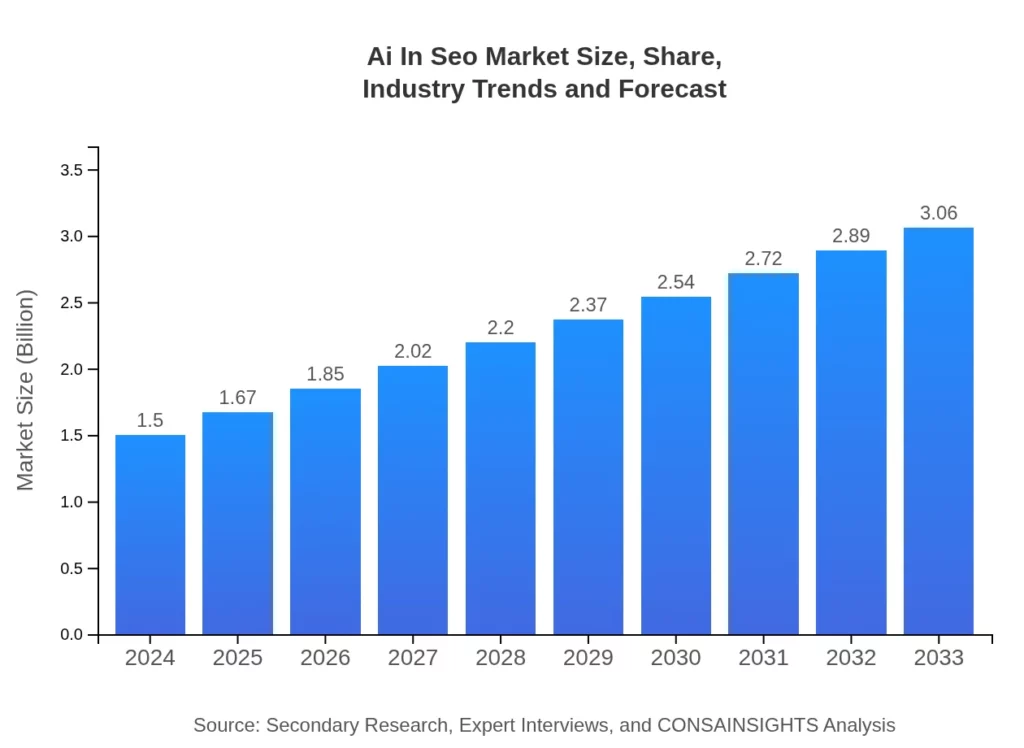
The intersection of artificial intelligence and search engine optimization has fundamentally altered how businesses generate organic revenue. AI SEO revenue growth is no longer a futuristic concept; it is the operational reality for companies that want to dominate search results while maintaining healthy profit margins. As search engines evolve to prioritize user intent and content quality, leveraging AI tools for keyword research, content optimization, and technical audits has become the primary differentiator between brands that scale and those that stagnate. This comprehensive guide explores the strategies, tools, and frameworks that turn AI-powered SEO into measurable revenue generation.
Understanding the Core of AI SEO Revenue Growth
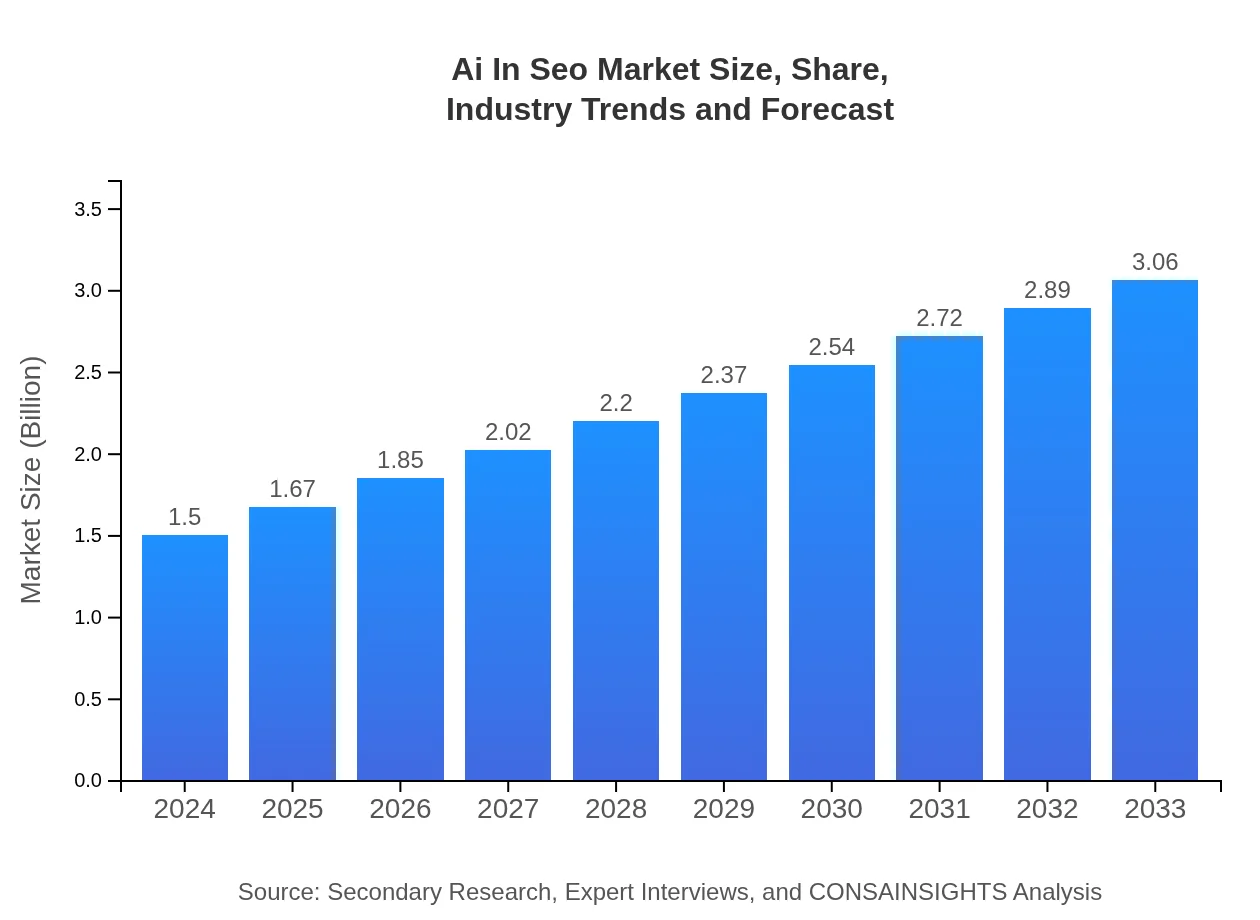
AI SEO revenue growth refers to the systematic use of machine learning algorithms, natural language processing, and predictive analytics to increase organic search traffic and convert that traffic into tangible revenue. Unlike traditional SEO, which relies heavily on manual analysis and historical data, AI-driven approaches process vast datasets in real-time, identifying patterns that human analysts might miss. The result is a more agile, data-backed strategy that adapts to algorithm updates and shifting consumer behavior almost instantly.
The economic impact is substantial. Businesses that integrate AI into their SEO workflows report up to 30% faster ranking improvements and a 20% reduction in customer acquisition costs compared to manual methods. This efficiency stems from AI’s ability to automate repetitive tasks like competitor gap analysis, content clustering, and schema markup implementation, freeing marketing teams to focus on creative strategy and conversion rate optimization.
The Shift from Keyword Matching to Intent Prediction
Modern search engines, powered by AI models like Google’s RankBrain and MUM, no longer simply match keywords. They interpret the semantic meaning behind queries, understanding context, user location, and search history. For revenue growth, this means targeting topics and entities rather than isolated keywords. AI tools like Clearscope and Surfer SEO analyze top-ranking pages to identify semantic keywords, related questions, and content depth requirements, enabling marketers to create comprehensive resources that satisfy both users and algorithms.
This shift directly impacts revenue because content that answers user intent comprehensively tends to earn higher click-through rates and lower bounce rates. When a page keeps visitors engaged and provides clear pathways to conversion, whether through product links, newsletter signups, or direct sales, the organic traffic becomes a reliable revenue stream.
Key Components of a Successful AI SEO Revenue Strategy
Building a robust AI SEO revenue system requires integrating several components that work in harmony. Each element addresses a specific stage of the organic search funnel, from discovery to conversion.
AI-Powered Keyword and Topic Research
Traditional keyword tools provide search volume and difficulty scores, but AI-enhanced platforms go further by predicting future trends and identifying emerging topics before they peak. Tools like Ahrefs and Semrush now incorporate machine learning to suggest keyword clusters based on topical authority, helping you build content silos that signal expertise to search engines. For revenue growth, prioritize keywords with high commercial intent, such as “best for [specific use case]” or “ pricing alternatives,” as these attract users closer to the point of purchase.
AI also assists in analyzing search engine results pages (SERPs) to determine the content format most likely to rank. If the top results for a target keyword are listicles, videos, or comparison tables, the AI flags this, allowing you to create content in the optimal format from the start.
Automated Content Creation and Optimization
Generative AI tools like ChatGPT and Jasper can produce draft content at scale, but the real revenue impact comes from using AI to optimize existing content. AI-driven optimization tools analyze your page against the top 10 competitors, providing specific recommendations for heading structure, keyword density, internal linking, and readability. This continuous optimization loop ensures your pages remain competitive as search algorithms evolve.
For revenue, content optimization should focus on conversion elements. AI can suggest where to place calls-to-action, how to structure product comparisons, and which customer pain points to address based on sentiment analysis of reviews and forum discussions. This data-driven approach to copywriting increases the likelihood that organic visitors will take desired actions.
Technical SEO Audits and Predictive Maintenance
Technical issues like slow page speed, broken links, and crawl errors silently erode revenue by preventing search engines from indexing your most valuable pages. AI-powered crawlers like Sitebulb and Lumar simulate Googlebot behavior, identifying issues that impact rendering and indexation. More importantly, AI can predict which technical fixes will have the highest impact on revenue by correlating crawl errors with pages that historically generate conversions.
Automated monitoring systems alert you to sudden drops in crawl frequency or Core Web Vitals scores, allowing you to address issues before they impact rankings. This proactive approach minimizes revenue loss from technical downtime.
Practical Applications: Turning AI Insights into Revenue
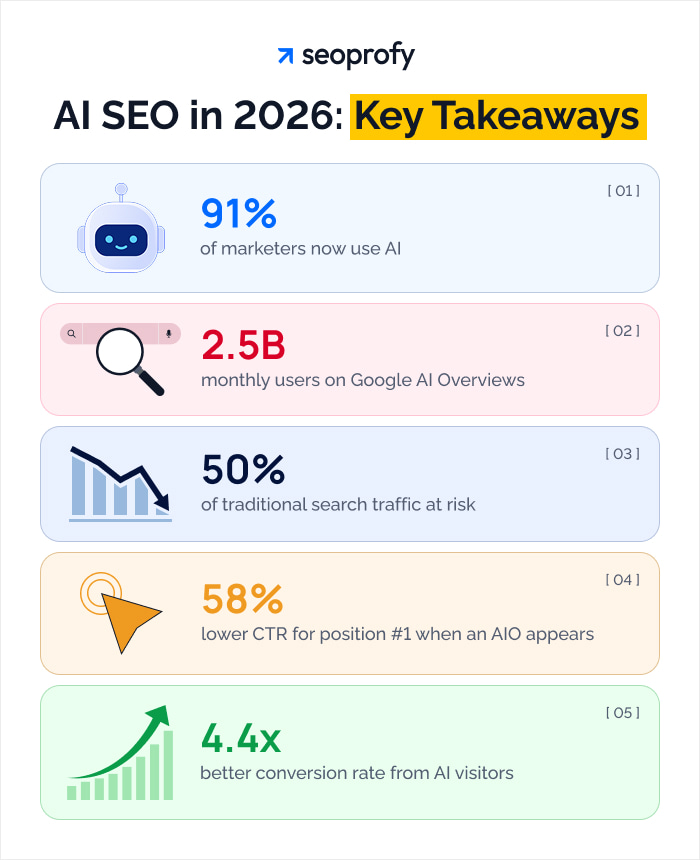
Understanding the theory is one thing; implementing a system that generates measurable revenue is another. The following applications represent proven methods for monetizing AI SEO efforts.
Dynamic Content Personalization for Higher Conversion Rates
AI can analyze user behavior on your site in real-time, adjusting content elements to match visitor preferences. For example, if a returning visitor previously clicked on pricing pages, the AI can dynamically reorder on-page elements to highlight pricing information and promotional offers. This personalization increases the relevance of your content, directly boosting conversion rates and average order value.
E-commerce sites benefit significantly from AI-driven product recommendations within blog content. By analyzing which products a user views and cross-referencing that with their search query, AI can insert contextual product links that feel natural rather than forced. This approach turns informational content into a direct sales channel.
Predictive Analytics for Content Investment Decisions
Not all content is created equal in terms of revenue potential. AI predictive analytics tools can forecast the expected traffic and conversion value of a potential article before you invest time and resources in writing it. By analyzing historical performance data, search trends, and competitor activity, these models provide a projected return on investment (ROI) for each content idea.
This allows marketing leaders to prioritize high-value topics, allocate budgets more effectively, and justify SEO spending to stakeholders with concrete revenue projections. For example, a B2B software company might use predictive analytics to determine that a comprehensive guide on “API integration best practices” is projected to generate 500 qualified leads per quarter, making it a higher priority than a generic blog post about industry news.
Automated Internal Linking for Improved Crawlability and Revenue
Internal links distribute page authority and guide users toward conversion pages. AI tools can automatically identify opportunities to add contextual internal links within your content, using natural language processing to match anchor text with relevant pages. This not only improves SEO but also increases the average pages per session, giving you more opportunities to present offers and capture leads.
For revenue growth, prioritize internal links that point to high-margin products or high-value lead magnets. AI can track which internal links generate the most clicks and conversions, allowing you to optimize your link strategy continuously.
Comparison: Traditional SEO vs. AI-Driven SEO
To fully appreciate the revenue potential of AI SEO, it is helpful to compare it directly with traditional methods. The differences extend beyond speed and efficiency; they impact the fundamental approach to organic growth.
| Aspect | Traditional SEO | AI-Driven SEO |
|---|---|---|
| Keyword Research | Manual analysis of search volume and difficulty | Predictive modeling and semantic clustering |
| Content Creation | Human writers relying on experience and guesswork | AI-assisted drafting and data-backed optimization |
| Technical Audits | Periodic manual checks using various tools | Continuous automated monitoring and predictive fixes |
| Adaptation to Algorithm Updates | Reactive, often weeks behind | Proactive, using machine learning to anticipate changes |
| Personalization | Static content for all users | Dynamic content adjusted in real-time |
| Revenue Attribution | Difficult to tie specific content to sales | Predictive analytics linking content to conversion value |
The table illustrates that AI-driven SEO is not merely a faster version of traditional SEO; it is a fundamentally different discipline that prioritizes revenue outcomes over vanity metrics like page views and keyword rankings.
Common Mistakes That Hinder AI SEO Revenue Growth
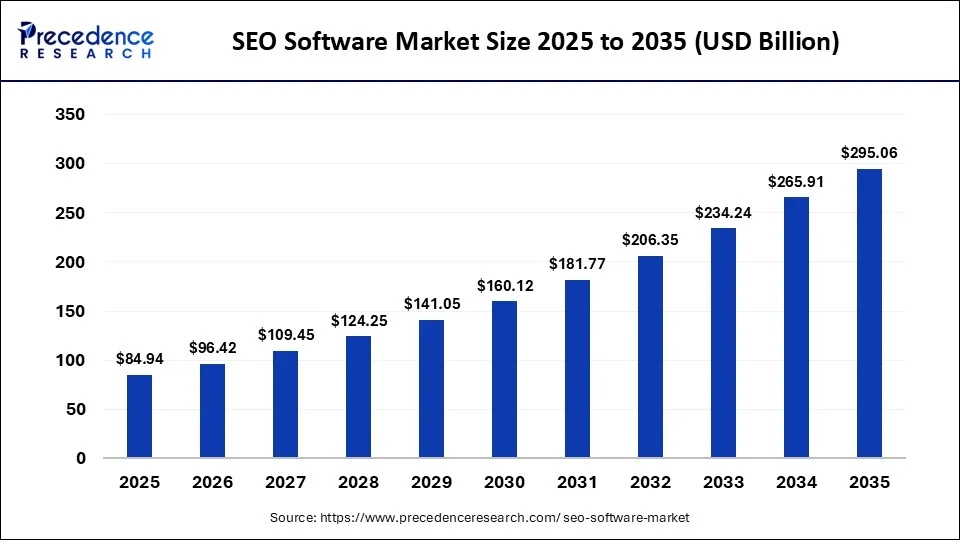
Even with advanced tools, many businesses fail to see significant revenue growth from their AI SEO efforts. Understanding these common pitfalls is essential for avoiding wasted time and budget.
Over-Reliance on AI Without Human Oversight
AI generates content and recommendations based on patterns in existing data. Without human oversight, this can lead to generic, unoriginal content that fails to differentiate your brand. Search engines are increasingly sophisticated at detecting AI-generated content that lacks unique insights or first-hand experience. Google’s helpful content update specifically targets pages that offer no added value beyond what is readily available elsewhere.
To avoid this, use AI as a starting point, then inject your unique expertise, proprietary data, and real-world examples. Human editors must review all AI-generated content for accuracy, brand voice, and factual correctness.
Focusing on Rankings Instead of Revenue
Ranking for a high-volume keyword does not guarantee revenue. Many businesses celebrate reaching the top of the SERP only to find that the traffic does not convert. This often happens when targeting informational keywords that attract users in the research phase, not the purchase phase. AI tools can help you identify the commercial intent behind keywords, but you must actively filter your strategy to prioritize terms that lead to sales.
Implement conversion tracking on all organic landing pages. Use AI analytics to identify which pages contribute to revenue, not just traffic. Shift your content strategy to double down on pages that generate sales and prune or optimize those that do not.
Ignoring User Experience Signals
AI SEO is not just about pleasing algorithms; it is about satisfying users. Search engines use engagement metrics like dwell time, bounce rate, and pages per session as ranking signals. If your AI-optimized content is stuffed with keywords but difficult to read or slow to load, users will leave quickly, signaling to search engines that your page is low quality.
Prioritize Core Web Vitals, mobile responsiveness, and readability. Use AI tools to analyze user behavior on your pages, identifying where users drop off and making data-driven adjustments to improve engagement.
Important Notes for Sustainable AI SEO Revenue Growth
As you implement AI strategies, keep these critical considerations in mind to ensure long-term success and avoid penalties.
- Data Privacy Compliance: AI tools often require access to user data for personalization. Ensure your data collection and usage comply with GDPR, CCPA, and other relevant regulations. Transparency with users about data usage builds trust and avoids legal issues.
- Algorithm Volatility: Search engine algorithms change frequently. An AI model trained on last year’s data may not be effective today. Regularly retrain your models and stay updated on SEO industry news to adapt quickly.
- Content Quality Standards: Google’s guidelines emphasize E-E-A-T (Experience, Expertise, Authoritativeness, Trustworthiness). AI-generated content must be fact-checked and enhanced with human expertise to meet these standards. Publish author bios, cite credible sources, and update content regularly to maintain freshness.
- Integration with Other Channels: AI SEO does not operate in a vacuum. Integrate your organic search data with paid advertising, social media, and email marketing insights to create a unified view of customer behavior. This holistic approach maximizes the ROI of all marketing efforts.
- Budget Allocation: High-quality AI tools can be expensive. Prioritize spending on tools that directly impact revenue, such as predictive analytics and conversion optimization platforms, rather than vanity tools that only track rankings.
Frequently Asked Questions
How quickly can AI SEO generate revenue growth?
The timeline varies based on your current domain authority, content quality, and market competition. Typically, businesses see initial improvements in organic traffic within 3 to 6 months of implementing AI-driven strategies. However, significant revenue growth often takes 6 to 12 months as new content matures and gains backlinks. AI accelerates the process by identifying high-potential opportunities faster, but it does not eliminate the inherent time required for search engines to crawl, index, and rank pages.
What is the best AI tool for SEO revenue growth?
T For comprehensive keyword research and competitor analysis, Semrush and Ahrefs offer robust AI features. For content optimization, Clearscope and Surfer SEO are industry standards. For predictive analytics and revenue forecasting, platforms like BrightEdge and Conductor provide enterprise-level insights. A combination of tools often yields the best results, with each serving a distinct purpose in your workflow.
Can small businesses benefit from AI SEO, or is it only for large enterprises?
Small businesses can benefit significantly from AI SEO, often more so than large enterprises, because they can move faster and implement changes without bureaucratic delays. Many AI tools offer tiered pricing, making them accessible to smaller budgets. For example, a small e-commerce store can use AI to identify long-tail keywords with high purchase intent, creating targeted content that competes effectively against larger brands. The key is to start with a focused strategy, using AI to automate the most time-consuming tasks like keyword clustering and technical audits.
Does Google penalize AI-generated content?
Google does not penalize AI-generated content per se; it penalizes low-quality content regardless of how it is produced. The search engine’s spam policies target content created primarily to manipulate rankings, not content that provides genuine value to users. If you use AI to generate content that is informative, accurate, and enhanced with human expertise, it can rank well. However, if you publish mass-produced, unedited AI content that offers no unique value, you risk losing rankings. Always review and refine AI output to ensure it meets your quality standards.
How do I measure the ROI of AI SEO investments?
Measure ROI by tracking the revenue generated from organic traffic against the total cost of your AI tools, personnel, and content production. Use analytics platforms to attribute conversions to specific organic landing pages. Calculate metrics like organic revenue per visitor, conversion rate by page, and customer lifetime value of organic leads. Compare these figures to your baseline before implementing AI strategies to quantify the improvement. Regularly review these metrics to optimize your budget allocation.
Conclusion
AI SEO revenue growth represents a paradigm shift in how businesses approach organic search. By leveraging machine learning for predictive analysis, content optimization, and user personalization, companies can transform their SEO efforts from a cost center into a predictable revenue engine. The key to success lies not in adopting every available tool, but in strategically integrating AI into your existing workflows, maintaining high content standards, and continuously measuring outcomes against revenue goals. As search technology advances, the gap between businesses that embrace AI and those that rely on traditional methods will widen. Those who act now, building robust AI-driven systems and avoiding common pitfalls, will secure a significant competitive advantage in the digital marketplace. The future of organic growth is intelligent, data-driven, and undeniably tied to the effective application of artificial intelligence.
Xem thêm:
- AI SEO Automated Competitor Analysis: The Complete Guide to Outranking Your Rivals in 2025
- AI Conversion Optimization: Harnessing Machine Learning to Turn Browsers into Buyers
- AI SEO SE Ranking: The Complete Guide to Dominating Search in 2025
- Best AI SEO Software: The Ultimate Guide to Automating Your Search Growth in 2025
- AI SEO Platform: The Definitive Guide to Automating Search Dominance
Bài viết cùng chủ đề:

AI SEO SEO Automation with Make: The Complete Workflow Guide

AI SEO SEO Automation with Zapier: The Complete Workflow Guide

AI SEO SEO Automation with n8n: The Complete Workflow Guide
AI SEO SEO Automation with Gemini: The Complete Guide to Scaling Organic Growth

AI SEO SEO Automation with Claude: The Complete Guide to Scaling Content in 2025

AI SEO SEO Automation with ChatGPT: The Complete Playbook for 2025

AI SEO & SEO Automation for Affiliate Sites: The 2025 Playbook for Passive Income Growth
AI SEO & SEO Automation for Bloggers: The Complete Guide to Scaling Your Content

AI SEO & SEO Automation for Agencies: The Complete 2025 Playbook

AI SEO and SEO Automation for Ecommerce: The Complete Playbook for 2025

AI SEO & SEO Automation for WordPress: The Complete Playbook for 2025
AI SEO SEO Automation Strategy: The Complete Playbook for 2025

Mastering the AI SEO SEO Automation Process: A Complete Guide to Scaling Organic Growth
AI SEO SEO Automation System: The Complete Guide to Scaling Organic Growth in 2025
AI SEO SEO Automation Platform: The Complete Guide to Scaling Organic Growth in 2025
AI SEO SEO Automation Software: The Complete Guide to Scaling Organic Growth in 2025















