
No products in the cart.
AI SEO Automated Competitor Analysis: The Complete Guide to Outranking Your Rivals in 2025
10
Aug
Aug
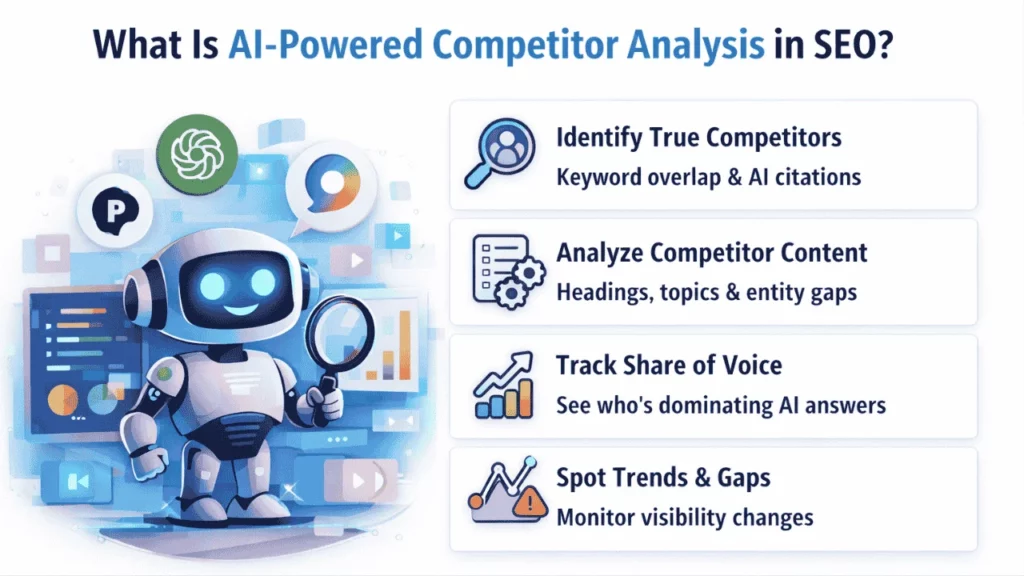
In the fast-paced world of digital marketing, staying ahead of the competition requires more than just publishing great content. The modern approach leverages AI SEO automated competitor analysis to uncover gaps, track shifts, and predict algorithm updates before they impact rankings. This technology transforms raw data into actionable intelligence, allowing marketers to make decisions based on real-time insights rather than guesswork. By integrating machine learning with search engine optimization, businesses can now monitor thousands of data points simultaneously, ensuring their strategy remains agile and data-driven.
What is AI SEO Automated Competitor Analysis?
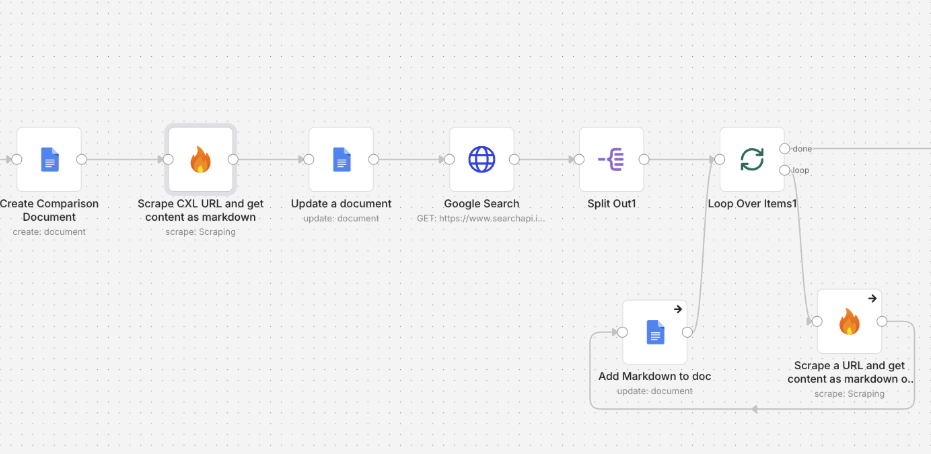
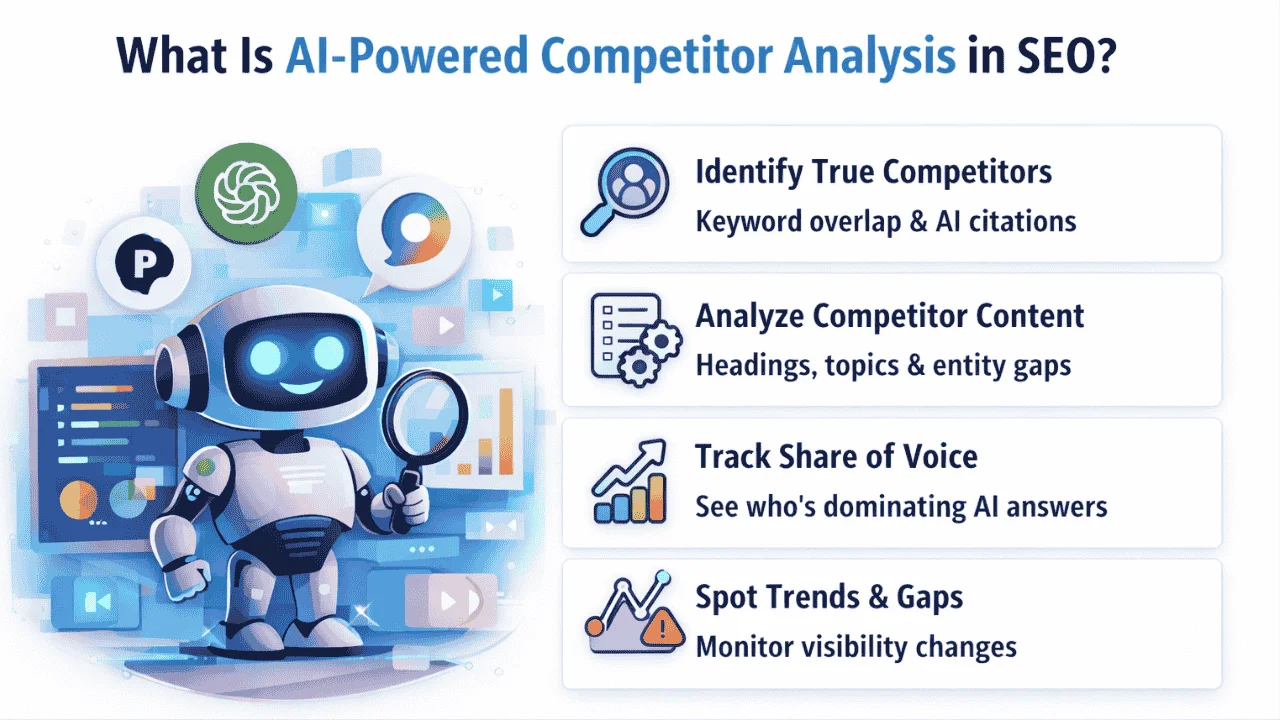
AI SEO automated competitor analysis refers to the use of artificial intelligence and machine learning algorithms to continuously monitor, evaluate, and benchmark your website against your direct and indirect competitors. Unlike traditional manual audits that take days or weeks, this automated approach processes vast datasets—including keyword rankings, backlink profiles, content gaps, and on-page elements—in a fraction of the time. The system identifies patterns, predicts competitor moves, and flags emerging threats or opportunities, all without requiring constant human intervention.
The core difference lies in the speed and depth of analysis. A human analyst might review a competitor’s top 50 pages, while an AI system can analyze every single URL, every backlink, and every keyword variation across multiple search engines. This comprehensive coverage ensures that no competitive signal goes unnoticed, from a sudden spike in referring domains to a subtle shift in title tag optimization.
Why Traditional Competitor Analysis Falls Short
Manual competitor analysis has been a staple of SEO for years, but it suffers from critical limitations. First, it is inherently reactive. By the time you manually identify a competitor’s new content strategy or backlink acquisition campaign, they have already gained significant traction. Second, the scale is simply unmanageable. Tracking even ten competitors across five keyword clusters requires hundreds of hours of spreadsheet work, which quickly becomes outdated.
Traditional methods also struggle with data silos. Keyword data lives in one tool, backlink data in another, and social signals in a third. Synthesizing these disparate sources into a coherent strategy is time-consuming and prone to error. AI SEO automated competitor analysis solves this by unifying all data streams into a single, predictive dashboard that highlights correlations and causations that humans might miss.
Core Components of an AI-Driven Competitive Intelligence System
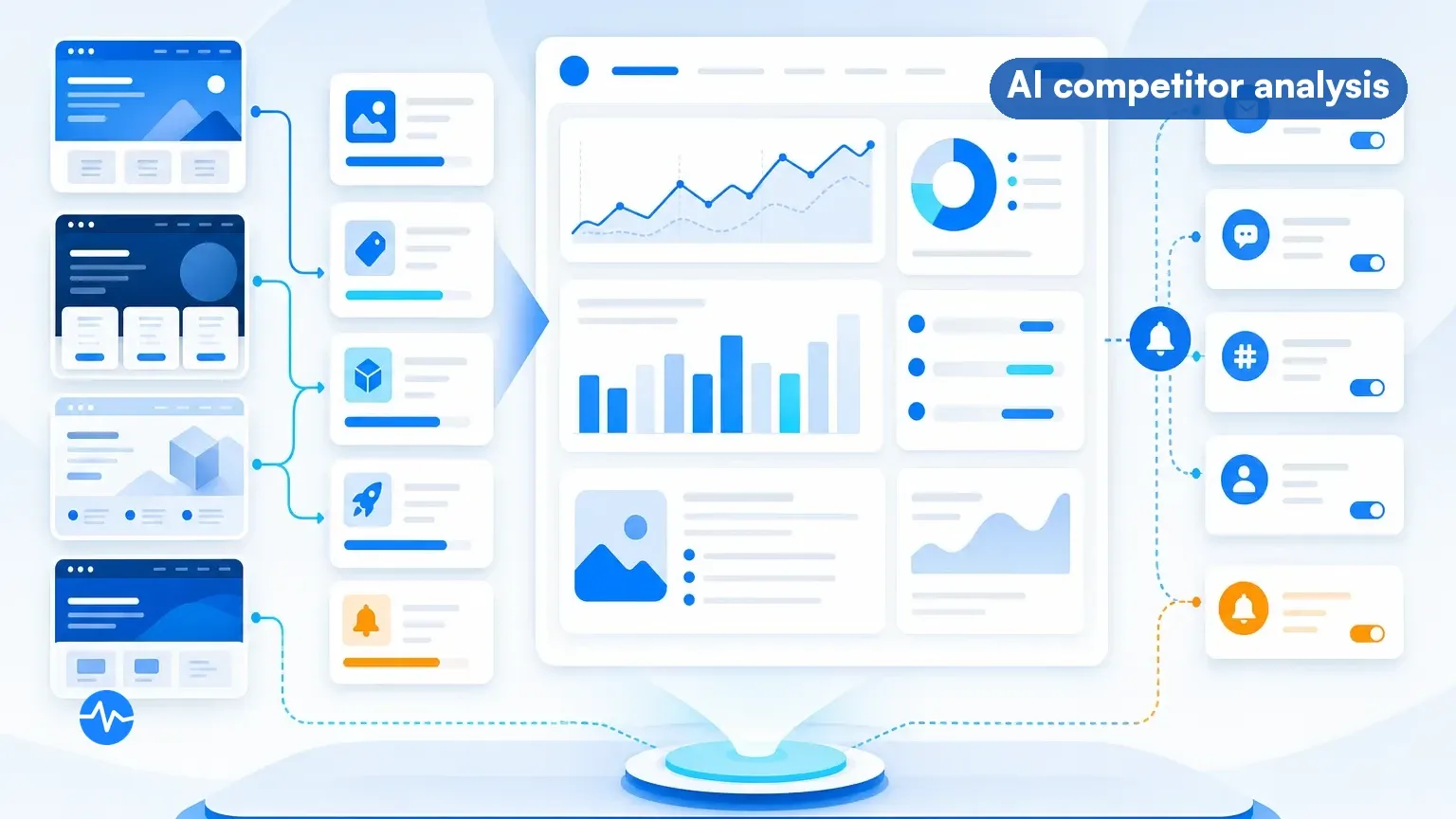
To fully understand how this technology works, it is essential to break down its core components. Each module plays a specific role in building a complete picture of the competitive landscape.
1. Automated Keyword Gap Detection
This component scans the search engine results pages (SERPs) for thousands of keywords and identifies which terms your competitors rank for that you do not. The AI goes beyond simple presence or absence; it evaluates search intent, seasonality, and difficulty scores. It then prioritizes these gaps based on your current domain authority and the likelihood of ranking success. This is not a one-time audit but a continuous process that alerts you to new keyword opportunities as soon as they emerge.
2. Real-Time Backlink Monitoring
Backlinks remain a dominant ranking factor, and AI systems now track every new link pointing to competitor domains. The analysis includes the quality of the referring domain, the anchor text distribution, and the context of the link placement. More importantly, the AI predicts the potential impact of these links on rankings. If a competitor gains a high-authority link from a major news site, the system immediately flags this as a threat and suggests counter-strategies, such as digital PR outreach to similar publications.
3. Content Gap and Topic Clustering Analysis
AI algorithms parse competitor content to identify subtopics, questions, and semantic entities they cover. Using natural language processing (NLP), the system maps out topic clusters and identifies areas where your content is thinner or less comprehensive. It also analyzes content freshness, word count trends, and multimedia usage. This allows you to create superior content that fills the gaps, targets long-tail variations, and addresses user queries more thoroughly than your rivals.
4. SERP Feature and Position Tracking
Modern search results are crowded with features like featured snippets, people-also-ask boxes, and image carousels. AI SEO automated competitor analysis tracks which competitors own these features for specific queries. It monitors changes in ownership, helping you understand the exact algorithm triggers for winning these rich results. The system then provides optimization recommendations, such as restructuring your headings or adding FAQ schema, to capture these high-visibility placements.
5. Predictive Algorithm Change Detection
One of the most advanced features is the ability to detect algorithm updates before they are officially announced. By monitoring volatility scores across thousands of SERPs, the AI identifies unusual ranking fluctuations. It correlates these shifts with specific on-page or off-page factors, giving you a hypothesis about what the new algorithm favors. This early warning system allows you to adjust your strategy proactively rather than reactively recovering after a penalty.
Key Benefits of Implementing Automated Competitive Intelligence
The advantages of moving to an AI-driven approach extend far beyond saving time. They fundamentally change how a business approaches its SEO strategy.
- Speed of Execution: Insights are generated in real-time, allowing you to act on opportunities within hours rather than weeks.
- Comprehensive Data Coverage: The system monitors thousands of competitors, not just your top five, providing a holistic view of your market.
- Reduced Human Error: Automation eliminates the bias and oversight that come with manual data collection.
- Resource Optimization: Your team focuses on strategy and creative execution, not on pulling reports and cleaning spreadsheets.
- Proactive Strategy: Instead of copying what competitors did last month, you can anticipate their next moves and counter them in advance.
- Budget Efficiency: By identifying the highest-ROI opportunities, you avoid wasting budget on keywords or content that will never outrank a dominant competitor.
- Mistake 1: Tracking Too Many Competitors. Monitoring 500 domains dilutes your focus. Avoid this by segmenting competitors into tiers and only running deep analysis on the top 10-15.
- Mistake 2: Ignoring the “Why” Behind the Data. The AI tells you what changed, but you must investigate why. Avoid blindly following recommendations without understanding the underlying user behavior.
- Mistake 3: Focusing Only on Rankings. Rankings are a vanity metric if they do not lead to revenue. Avoid this by integrating conversion data into your analysis to prioritize keywords that drive sales, not just traffic.
- Mistake 4: Neglecting Competitor UX. The AI analyzes content and links, but it may not fully grasp user experience. Avoid this by manually visiting competitor sites to assess page speed, mobile usability, and navigation.
- Mistake 5: Failing to Act Quickly. An insight is only valuable if acted upon. Avoid analysis paralysis by setting a 48-hour window to implement critical changes.
Limitations and Challenges to Consider

While the benefits are substantial, it is crucial to acknowledge the limitations. AI models are only as good as the data they are trained on. If the underlying data sources have biases or gaps, the analysis will reflect those flaws. Additionally, the cost of premium AI SEO tools can be prohibitive for small businesses or freelancers. Most advanced platforms operate on subscription models that scale with the number of tracked keywords and competitors, which can quickly become expensive.
Another challenge is the “black box” problem. Some AI systems provide recommendations without explaining the reasoning behind them. This lack of transparency can make it difficult to trust the output, especially when the AI suggests drastic changes to a well-performing page. Finally, over-reliance on automation can lead to a homogenization of strategy. If every competitor uses the same AI tool, they will all receive the same recommendations, leading to a zero-sum game where no one gains a distinct edge.
AI SEO Automated Competitor Analysis vs. Manual Analysis: A Comparison
To illustrate the practical differences, consider the following comparison across critical dimensions.
| Dimension | Manual Analysis | AI Automated Analysis |
|---|---|---|
| Data Collection Speed | Days to weeks | Minutes to hours |
| Scale of Monitoring | 5-10 competitors | Hundreds of competitors |
| Frequency of Updates | Monthly or quarterly | Daily or real-time |
| Predictive Capabilities | None | High (algorithm change prediction) |
| Cost | Low (labor-intensive) | High (subscription fees) |
| Error Rate | High (human oversight) | Low (but requires data quality checks) |
| Actionable Insights | Descriptive (what happened) | Prescriptive (what to do next) |
Practical Implementation: A Step-by-Step Guide
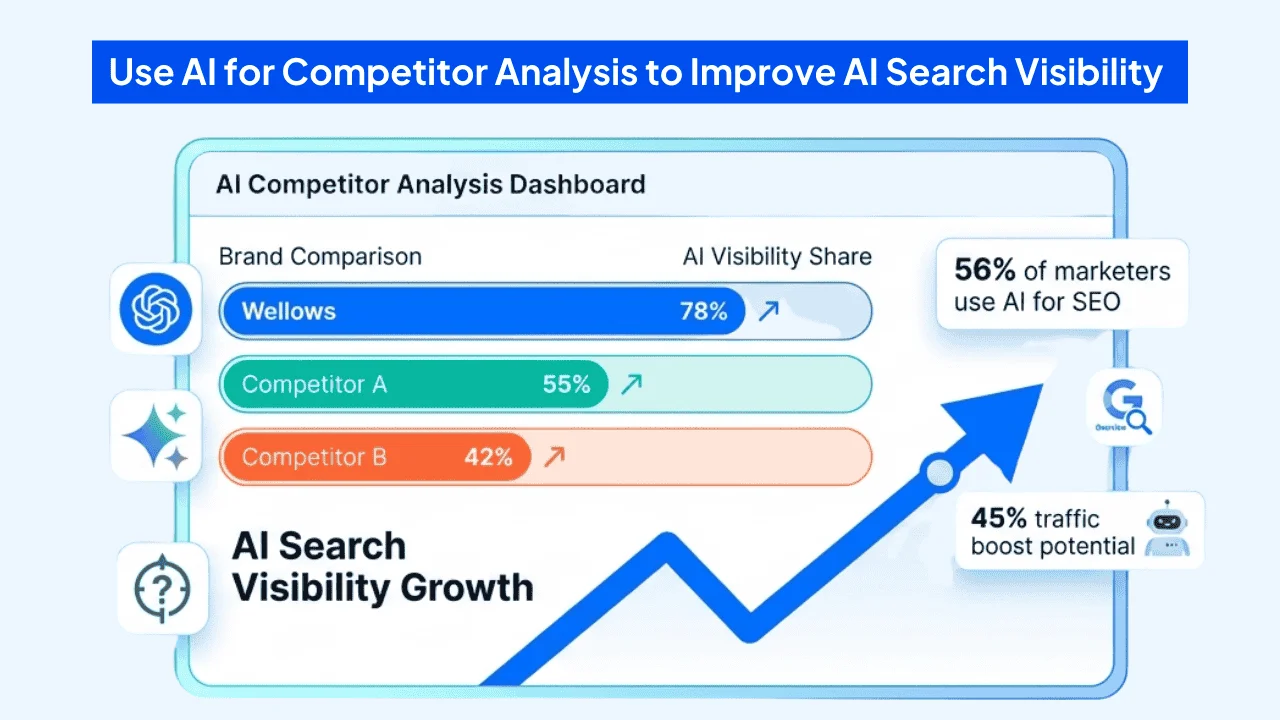
Implementing this technology requires a structured approach to ensure you extract maximum value from the investment. The following steps outline a proven methodology for deployment.
Step 1: Define Your Competitive Set
Start by identifying your true competitors. These are not just businesses selling similar products; they are websites that rank for your target keywords. Use your AI tool to generate a list of domains that consistently appear in your SERPs. Segment them into “direct” (same products, same audience) and “indirect” (different products, same audience) competitors. Assign priority levels based on their market share and ranking strength.
Step 2: Configure Tracking Parameters
Set up your tracking to include specific keyword clusters, geographic locations, and device types. The AI should monitor both branded and non-branded terms. Configure alerts for significant changes, such as a competitor entering a new market or a sudden drop in their rankings. Establish a baseline by running a full historical analysis for the past 12 months to understand seasonal trends.
Step 3: Integrate with Your SEO Stack
Your AI analysis tool should not operate in isolation. Integrate it with your Google Search Console, Google Analytics, and your CMS. This integration allows the AI to correlate competitor movements with your own site performance. For example, if a competitor gains rankings for a keyword you also target, the system can show you the exact impact on your organic traffic and conversion rates.
Step 4: Establish a Weekly Action Workflow
Automation does not mean “set and forget.” Create a weekly ritual where you review the AI-generated reports. The workflow should include: (1) reviewing new keyword gap opportunities, (2) analyzing competitor backlink wins, (3) checking for content freshness updates, and (4) validating any algorithm change alerts. Assign ownership for each action item to a specific team member to ensure accountability.
Step 5: Validate AI Recommendations
Before implementing major changes, manually validate the AI’s suggestions. Check the search results yourself to confirm the intent behind a keyword. Review the competitor’s page to see if their ranking is due to a specific technical advantage or just a temporary anomaly. This human-in-the-loop approach ensures that you maintain quality control while benefiting from the speed of automation.
Common Mistakes and How to Avoid Them
Many businesses fail to realize the full potential of AI SEO automated competitor analysis due to avoidable errors. Understanding these pitfalls is the first step to mitigating them.
Important Notes on Data Privacy and Ethical Use
When using automated tools to scrape or analyze competitor data, it is vital to operate within legal and ethical boundaries. Publicly available data, such as search results and published content, is generally fair game. However, you must not attempt to access password-protected areas, purchase stolen data, or use bots that violate a website’s terms of service. Always respect robots.txt files and rate limits. Additionally, be transparent with your own team about how data is collected and stored, ensuring compliance with GDPR or CCPA if you handle personal data.
Frequently Asked Questions
How often should I run an AI competitor analysis?
For most businesses, a daily automated scan is ideal, but the frequency depends on your industry’s volatility. In fast-moving niches like technology or finance, daily monitoring is essential. In more stable industries, a weekly or bi-weekly analysis may suffice. The key is to let the AI alert you to anomalies rather than forcing a rigid schedule.
Can AI SEO automated competitor analysis replace human SEO experts?
No. The technology excels at data processing and pattern recognition, but it lacks the creative intuition, strategic vision, and understanding of brand voice that a human expert provides. The best results come from a partnership where AI handles the heavy lifting of data collection and the human interprets the insights to craft a unique strategy.
What is the typical ROI for investing in these tools?
ROI varies widely based on your current market position. A site that is currently ranking on page two can see a significant jump in traffic by identifying and filling content gaps. A site that is already a market leader may use the tool defensively to protect its share. Most agencies report a 2-3x return on investment within the first six months, primarily through reduced labor costs and improved targeting.
How do I choose the right AI competitor analysis tool?
Evaluate tools based on three criteria: data accuracy, ease of use, and integration capabilities. Request a trial period and test the tool against a competitor you know well. Check if the data matches your manual observations. Also, consider the quality of the customer support and whether the tool offers API access for custom reporting.
Does this analysis work for local SEO?
Yes. AI tools can track local pack rankings, Google Business Profile performance, and local citation gaps. The system can monitor competitors’ review velocity and sentiment, helping you adjust your local reputation management strategy. This is particularly useful for multi-location businesses that need to track performance across different geographic regions.
Conclusion
AI SEO automated competitor analysis is no longer a luxury for enterprise brands; it is a necessity for any business serious about organic growth. The shift from manual, reactive analysis to automated, predictive intelligence allows marketers to operate with unprecedented precision and speed. By implementing the strategies outlined in this guide, you can transform raw competitive data into a decisive advantage. The future of SEO belongs to those who can harness the power of machine learning to see around corners and act before the competition even knows what hit them. Start by auditing your current workflow, select a tool that fits your scale, and commit to a data-driven culture that values speed and accuracy above all else.
Xem thêm:
- AI SEO LLM Brand Visibility: The Complete Playbook for the Generative Search Era
- AI SEO HTTP Status Codes: The Complete Guide to Automated Crawl Management
- AI SEO Blueprint: The Complete Guide to Ranking in the Age of Machine Learning
- AI Translation SEO: Mastering Multilingual Content for Global Search Dominance
- AI SEO SOP: The Definitive Guide to Systemizing Your Search Growth Workflow
Bài viết cùng chủ đề:

AI SEO SEO Automation with Make: The Complete Workflow Guide

AI SEO SEO Automation with Zapier: The Complete Workflow Guide

AI SEO SEO Automation with n8n: The Complete Workflow Guide
AI SEO SEO Automation with Gemini: The Complete Guide to Scaling Organic Growth

AI SEO SEO Automation with Claude: The Complete Guide to Scaling Content in 2025

AI SEO SEO Automation with ChatGPT: The Complete Playbook for 2025

AI SEO & SEO Automation for Affiliate Sites: The 2025 Playbook for Passive Income Growth
AI SEO & SEO Automation for Bloggers: The Complete Guide to Scaling Your Content

AI SEO & SEO Automation for Agencies: The Complete 2025 Playbook

AI SEO and SEO Automation for Ecommerce: The Complete Playbook for 2025

AI SEO & SEO Automation for WordPress: The Complete Playbook for 2025
AI SEO SEO Automation Strategy: The Complete Playbook for 2025

Mastering the AI SEO SEO Automation Process: A Complete Guide to Scaling Organic Growth
AI SEO SEO Automation System: The Complete Guide to Scaling Organic Growth in 2025
AI SEO SEO Automation Platform: The Complete Guide to Scaling Organic Growth in 2025
AI SEO SEO Automation Software: The Complete Guide to Scaling Organic Growth in 2025















