
No products in the cart.
AI SEO SE Ranking: The Complete Guide to Dominating Search in 2025
31
Jul
Jul
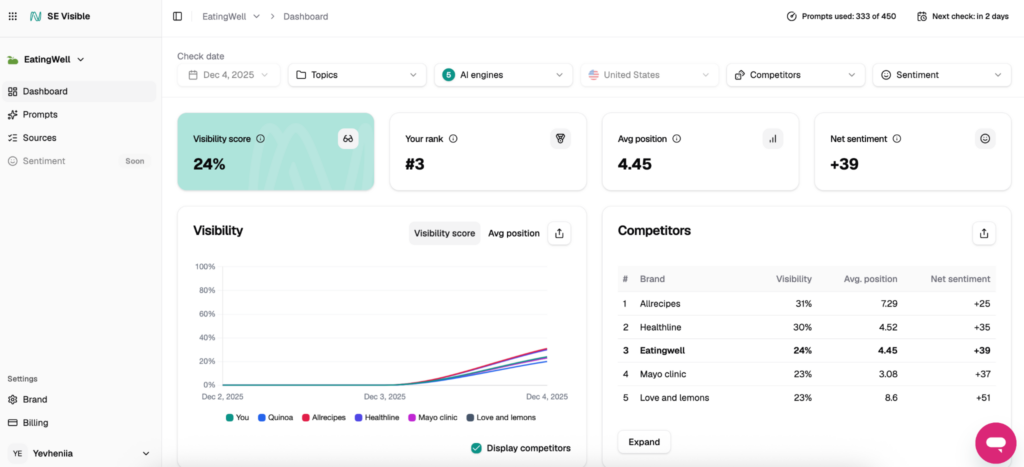
The landscape of search engine optimization has shifted dramatically. Traditional methods of keyword stuffing and link building are no longer sufficient. Enter AI SEO SE Ranking, a powerful convergence of artificial intelligence and advanced rank tracking that is reshaping how businesses approach organic visibility. This comprehensive guide explores how AI-powered tools are transforming SEO workflows, providing actionable insights that go beyond simple position checks to deliver predictive analytics, content optimization, and competitive intelligence. Understanding this evolution is no longer optional for marketers who want to stay ahead of algorithm updates and user behavior shifts.
What Exactly is AI SEO SE Ranking?
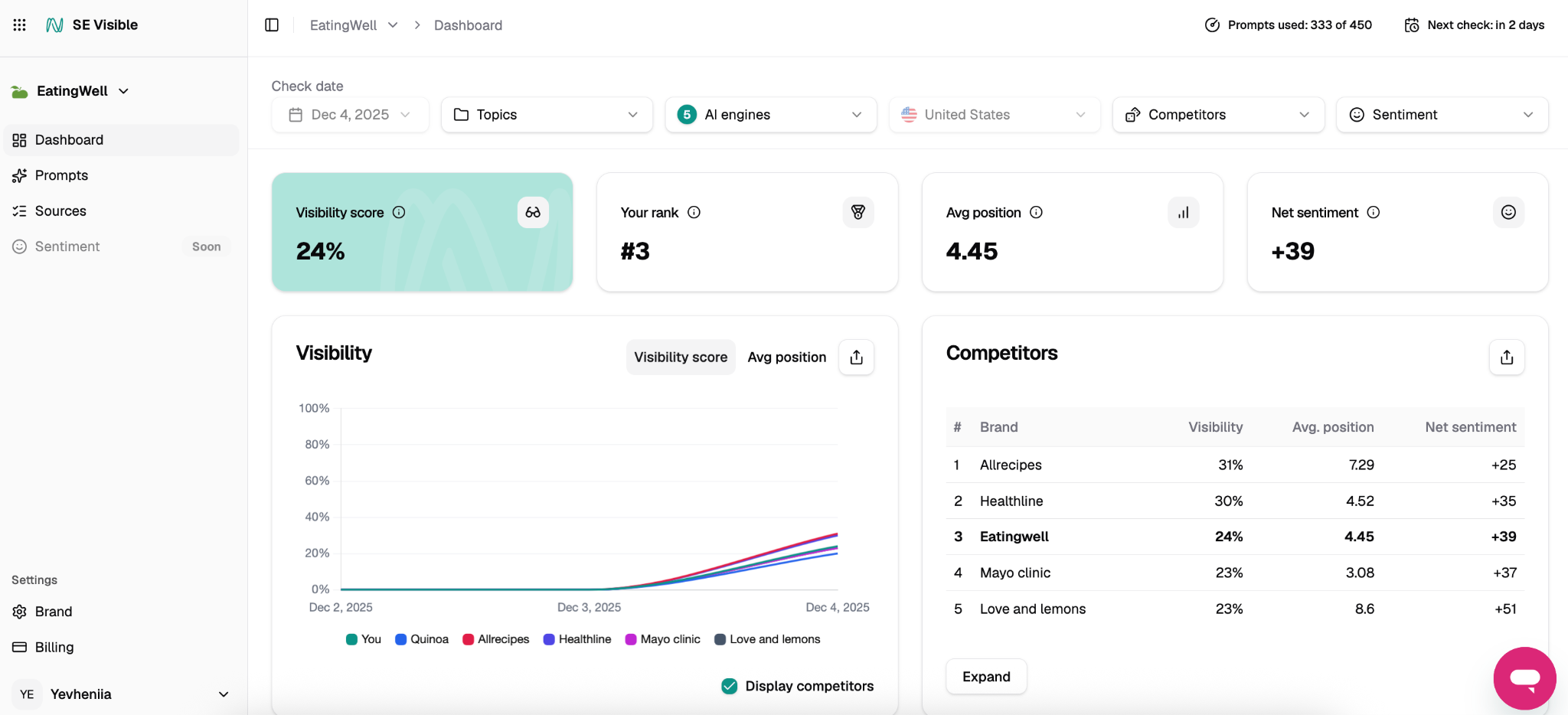
AI SEO SE Ranking refers to the integration of artificial intelligence technologies within search engine ranking platforms, particularly those like SE Ranking, to automate, predict, and enhance the process of tracking and improving website positions. It represents a shift from reactive reporting to proactive strategy. Instead of merely showing where a keyword ranks on a given day, AI-driven systems analyze patterns, forecast potential drops or gains, and recommend specific actions to improve visibility.
The core value lies in the ability to process vast datasets—including search volume fluctuations, competitor movements, and SERP feature changes—at a speed impossible for human analysts. This allows SEO professionals to focus on strategic decision-making rather than manual data aggregation. The technology leverages machine learning models that continuously refine their predictions based on new data, making the insights more accurate over time.
The Evolution from Manual Tracking to AI-Powered Insights
Early SEO tools provided static snapshots. You would check a keyword, see position 15, and manually decide what to do. The process was time-consuming and often reactive. The introduction of AI changed this dynamic entirely. Modern platforms like SE Ranking now incorporate AI to analyze the ‘why’ behind ranking fluctuations. They examine on-page elements, backlink profiles, and user engagement metrics simultaneously to diagnose issues before they become critical.
This evolution means that rank tracking is no longer just about numbers. It is about understanding the intent behind searches and aligning content to match that intent precisely. AI algorithms can now categorize keywords by search intent—informational, transactional, or navigational—and suggest content structures that are more likely to satisfy users and, consequently, rank higher.
Core Components of an AI-Driven SEO Platform
To fully leverage AI SEO SE Ranking, it is essential to understand the key modules that constitute these advanced systems. These components work in synergy to provide a holistic view of your online presence.
- Predictive Rank Tracking: Uses historical data to forecast future ranking positions based on current optimization efforts and algorithm volatility.
- AI Content Generation & Optimization: Tools that analyze top-performing pages and generate briefs or full drafts that match the semantic depth required for featured snippets.
- Competitor Analysis Automation: Continuously monitors competitor keyword strategies and backlink acquisition, alerting you to new opportunities or threats.
- Natural Language Processing (NLP): Helps understand the context and entities within your content, ensuring it aligns with Google’s understanding of topic relevance.
- Automated Reporting: Generates client-ready reports that translate complex data into understandable narratives, highlighting wins and areas for improvement.
- Audit Your Current Baseline: Before using AI, establish where you currently stand. Use the tool to export your top 100 keywords and their current positions.
- Set Up Predictive Alerts: Configure the system to monitor for volatility. Set thresholds for position changes that trigger an alert, such as a drop of more than 3 positions in 24 hours.
- Leverage AI Content Briefs: When creating new content, use the AI to analyze the top 10 competitors for your target keyword. Generate a brief that includes semantic keywords, entity mentions, and suggested word count.
- Implement Changes and Monitor: Publish the optimized content. Use the rank tracking dashboard to monitor how the page moves over the next 14 days. Compare the actual trajectory against the AI’s forecast.
- Iterate Based on Data: If the page underperforms against the forecast, use the AI’s on-page audit tool to identify technical issues like slow load speed or missing schema markup.
- Blindly Following AI Recommendations: The AI suggests, but you must validate. If the AI recommends a title tag change that removes your brand name, consider whether brand recognition is more important for that specific query.
- Ignoring the ‘Why’ Behind Data: Do not just look at the position number. Investigate the SERP features. If a featured snippet appears above you, your click-through rate will drop even if your position improves.
- Neglecting Human Oversight: AI cannot understand your company’s unique value proposition or tone of voice. Always review AI-generated content for factual accuracy and brand alignment.
- Focusing Only on Rankings, Not Revenue: A keyword might rank #1 but drive zero conversions. Use AI to track conversion data alongside rankings to ensure you are targeting profitable terms.
- Failing to Update the AI Model: Some tools allow you to feed back data to improve the model. If you do not mark which recommendations led to wins, the AI cannot learn from your specific market.
How Predictive Analytics Changes the Game
Predictive analytics is perhaps the most valuable feature of AI SEO SE Ranking. By analyzing historical ranking data alongside Google algorithm update timelines, the AI can identify patterns that precede a significant drop. For example, if a page’s average position has been slipping by 0.5 positions per week for a month, the system flags this as a risk and recommends a content refresh or technical audit.
This proactive approach saves weeks of lost traffic. Instead of discovering a problem after a major algorithm update, you are alerted to the underlying issues early. The AI models also factor in seasonality, meaning a predicted drop during a holiday season might be flagged as normal, preventing unnecessary panic and wasted resources on fixes that are not needed.
Practical Benefits of Using AI for Rank Tracking
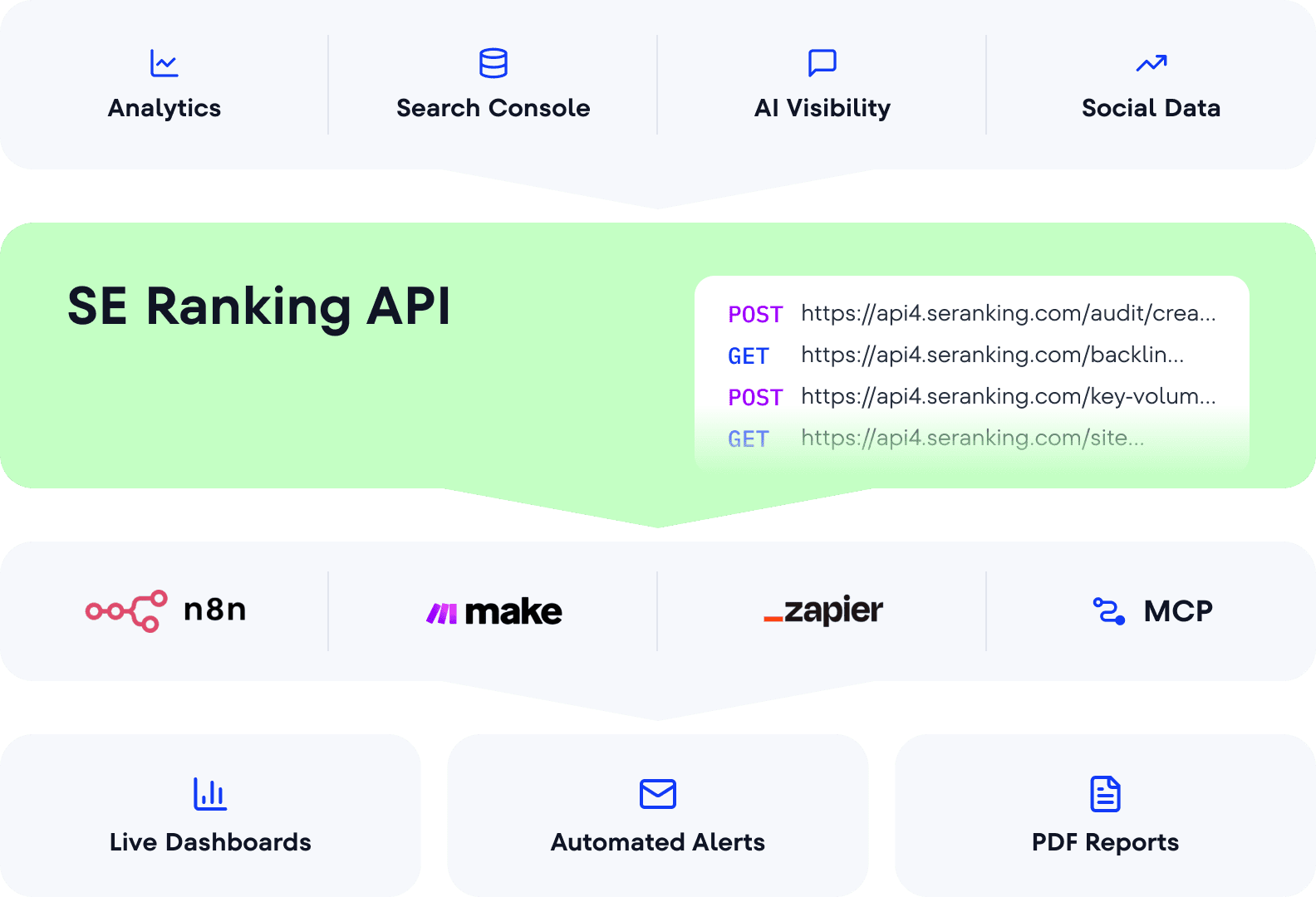
Adopting an AI-powered approach to rank tracking offers tangible benefits that directly impact the bottom line. These advantages extend beyond simple time savings, affecting the quality and effectiveness of your entire SEO strategy.
| Benefit | Traditional SEO | AI SEO SE Ranking |
|---|---|---|
| Data Processing Speed | Manual analysis of spreadsheets | Real-time analysis of millions of data points |
| Issue Detection | Reactive (after traffic drops) | Proactive (predictive alerts) |
| Content Strategy | Based on keyword volume only | Based on intent, entity relevance, and gap analysis |
| Reporting Accuracy | Static snapshots | Dynamic insights with actionable recommendations |
| Scalability | Limited by team capacity | Unlimited, automated processes |
Enhanced Accuracy and Data Granularity
Traditional rank tracking often suffered from location-based discrepancies. A keyword might rank #3 in New York but #15 in London. AI systems aggregate this data to provide a weighted average that reflects your target audience more accurately. They also track local pack results, image results, and video carousels separately, giving you a complete picture of your SERP real estate.
Furthermore, AI algorithms can detect anomalies in data that might indicate a tracking error versus a genuine ranking change. This reduces the noise that often leads to misguided strategy shifts. You trust the data because the system has learned to distinguish between a Google data center update and a true penalty.
Limitations and Challenges of AI in SEO
While the benefits are substantial, it is critical to acknowledge the limitations. AI is a tool, not a replacement for human expertise. Over-reliance on automation can lead to generic strategies that lack the nuance of a brand’s unique voice or industry-specific knowledge.
One significant challenge is the ‘black box’ problem. Sometimes, the AI provides a recommendation without explaining the underlying reasoning. This can be frustrating for experienced SEOs who need to justify decisions to stakeholders. Additionally, AI models are trained on historical data, meaning they may not always anticipate unprecedented shifts in user behavior or Google’s algorithm.
Another limitation involves data privacy and security. Feeding sensitive business data into third-party AI platforms requires careful vetting of their security protocols. You must ensure that your proprietary keyword research and strategic plans are not exposed to competitors through shared data pools.
Comparing AI SEO Tools: SE Ranking vs. Competitors
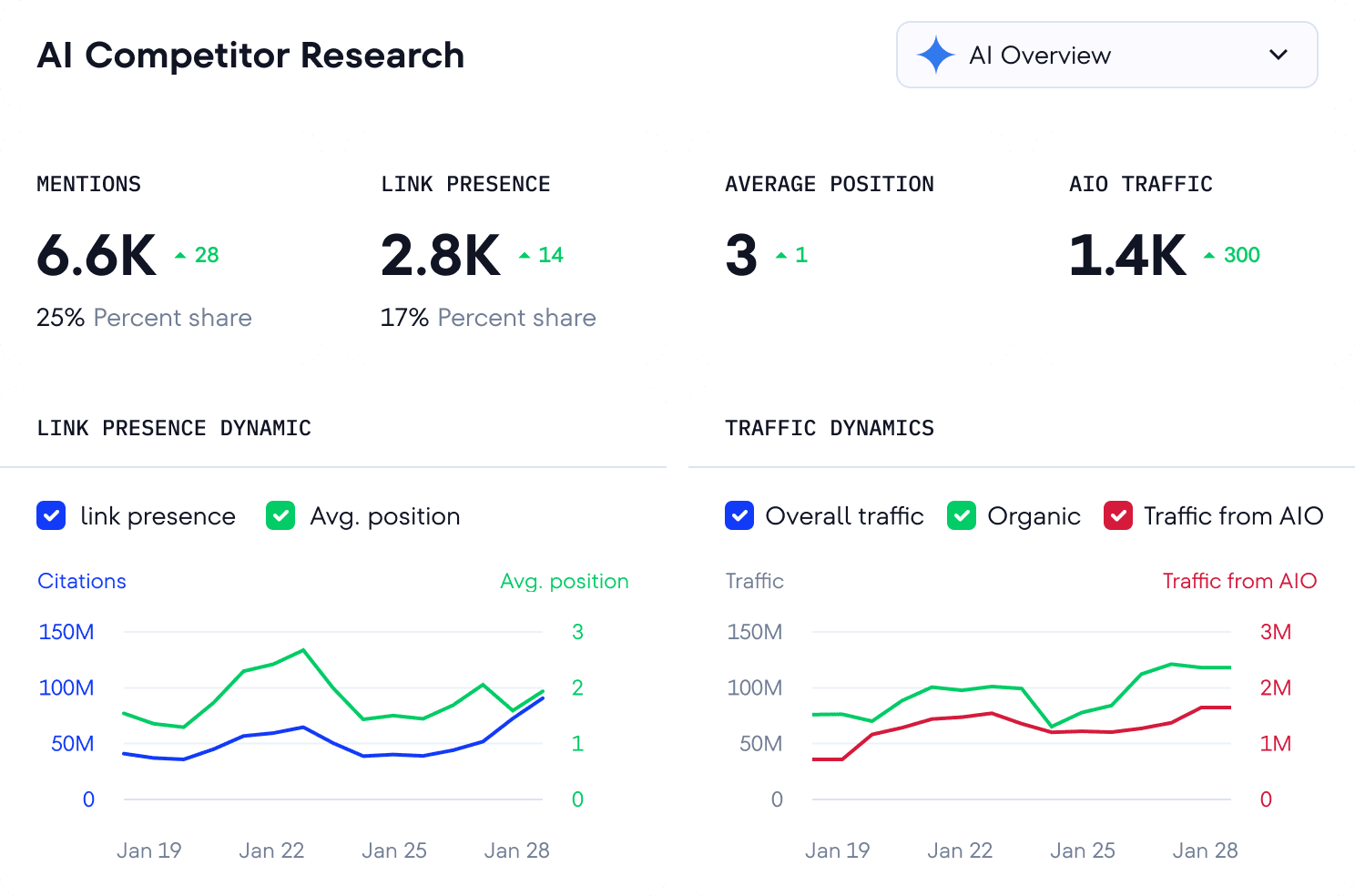
When evaluating AI SEO SE Ranking solutions, it is helpful to compare the leading platforms. SE Ranking has positioned itself as a comprehensive, user-friendly option, but other tools like Semrush and Ahrefs have also integrated AI features. The choice depends on your specific needs, budget, and technical proficiency.
| Feature | SE Ranking | Semrush | Ahrefs |
|---|---|---|---|
| AI Content Tools | Yes (Content Editor, AI Writer) | Yes (ContentShake AI) | Yes (AI Content Helper) |
| Predictive Rankings | Yes (Forecast feature) | Limited | No |
| User Interface | Intuitive, beginner-friendly | Complex, feature-rich | Clean, data-focused |
| Pricing | Competitive, tiered plans | Higher cost for full features | Premium pricing |
| Keyword Database Size | Large (20+ billion) | Very Large (25+ billion) | Very Large (27+ billion) |
Why SE Ranking Stands Out for AI Integration
SE Ranking’s distinct advantage lies in its ‘Forecast’ feature, which uses machine learning to predict how changes to your content or backlinks will affect rankings before you implement them. This is a unique value proposition that saves significant time in A/B testing. Their AI writing assistant is also integrated directly into the rank tracking interface, allowing you to optimize a page and immediately see the projected impact on its position.
For agencies managing multiple clients, SE Ranking offers white-label reports that leverage AI to generate executive summaries. This reduces the time spent on manual reporting and allows consultants to focus on strategy. The platform’s API also allows for custom integrations, enabling you to build your own AI workflows on top of their data.
Step-by-Step Guide to Implementing AI SEO SE Ranking
Implementing an AI-driven SEO strategy requires a structured approach.
Using AI for Local SEO and Voice Search
AI SEO SE Ranking is particularly effective for local businesses. The tools can track ‘near me’ searches and map pack positions with high accuracy. AI algorithms analyze review sentiment and local citations to recommend specific actions to improve local pack visibility. For voice search, AI helps identify long-tail conversational queries that are often missed by traditional keyword tools. By optimizing content for these natural language patterns, you capture traffic from smart speakers and mobile voice assistants.
Common Mistakes to Avoid with AI SEO Tools
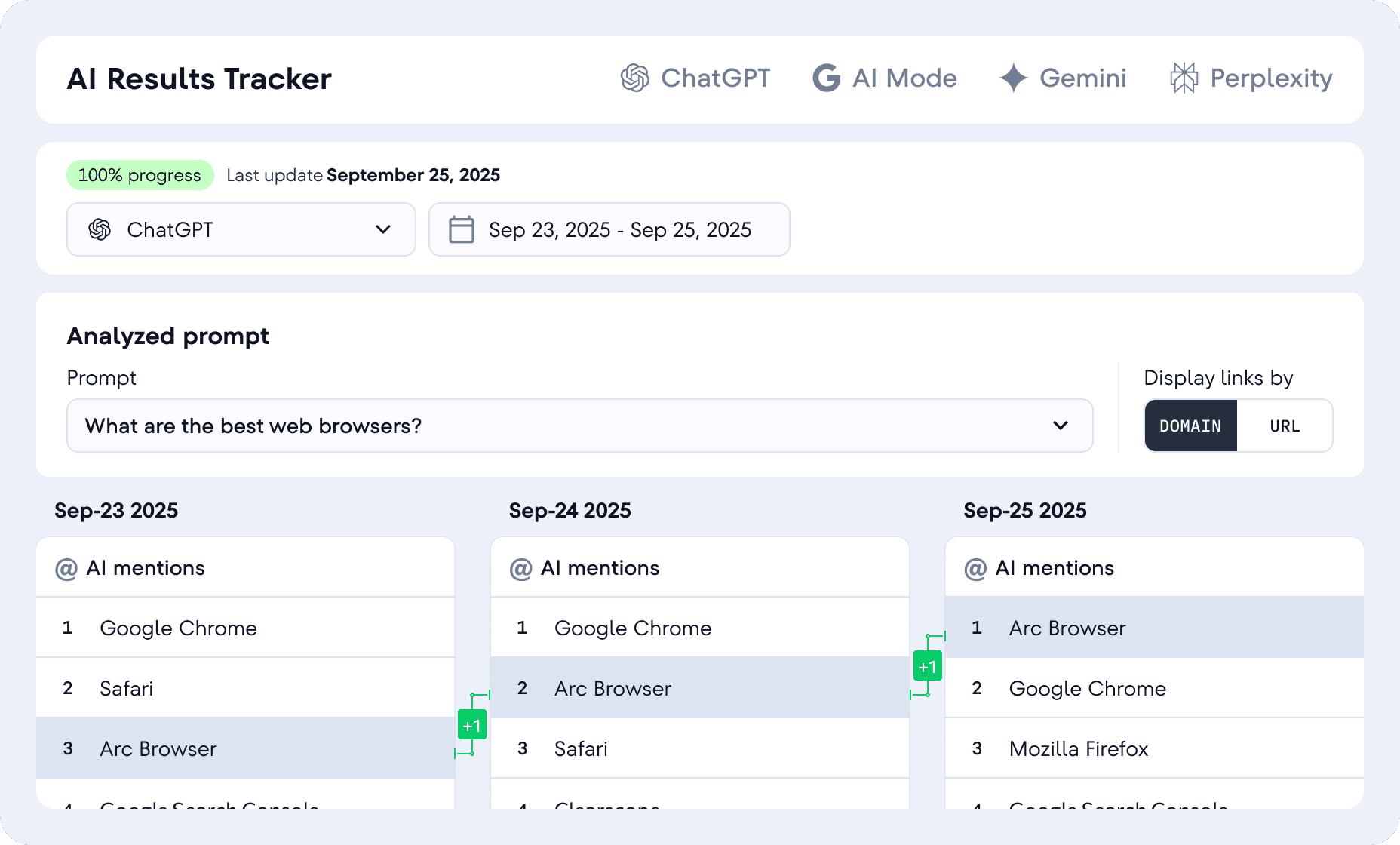
Adopting new technology often comes with a learning curve. Avoiding these common pitfalls will help you maximize the return on your investment in AI SEO SE Ranking.
Important Notes on Data Privacy and Ethics
When using AI SEO SE Ranking, you must consider the ethical implications. Google’s guidelines prohibit manipulative link schemes and content automation that lacks value. Using AI to generate thousands of low-quality pages is a violation and will result in penalties. The correct use of AI is to enhance the quality of your content, not to replace the need for genuine expertise.
Data privacy is another concern. Ensure that your chosen platform is GDPR compliant and that you have the right to export your data at any time. Avoid tools that lock you into long-term contracts without data portability. Your SEO data is a strategic asset; you must retain full ownership and control over it.
Frequently Asked Questions (FAQ)
Is AI SEO SE Ranking suitable for small businesses?
Yes, most platforms offer tiered pricing that makes AI features accessible to small businesses. The key is to start with the core rank tracking and predictive alerts, which provide immediate value without requiring a large budget. As the business grows, you can unlock more advanced AI features like content generation and competitor gap analysis.
How accurate are AI predictions for keyword rankings?
Accuracy depends on the stability of the niche and the amount of historical data available. In stable niches with low algorithm volatility, predictions can be up to 90% accurate. In highly competitive or rapidly changing niches, accuracy drops to around 70%. The AI improves over time as it learns the specific patterns of your industry.
Will AI replace the need for human SEO experts?
No, A Experts will shift from manual data collection to strategic interpretation and creative problem-solving. AI handles the heavy lifting of data processing, but human judgment is still required to understand business context, brand voice, and user psychology. The most successful SEOs will be those who can effectively collaborate with AI tools.
How does AI handle algorithm updates like Google’s core updates?
AI tools monitor the web for mentions of algorithm updates and correlate them with ranking fluctuations in your account. When a core update rolls out, the AI analyzes which pages were affected and identifies common patterns, such as thin content or excessive ads. This allows you to prioritize fixes that align with the update’s likely focus areas.
What is the difference between AI SEO and traditional SEO?
Traditional SEO relies on manual analysis of keywords, backlinks, and on-page elements. AI SEO automates these processes and adds a predictive layer. Traditional SEO tells you what happened; AI SEO tells you what will happen and what to do next. The core principles of providing value to users remain the same, but the efficiency and depth of analysis are vastly improved with AI.
Conclusion: The Future of Search is Intelligent
AI SEO SE Ranking represents the new standard for digital marketing professionals. The ability to predict, adapt, and automate is no longer a luxury but a necessity in a landscape where Google processes billions of searches daily. By integrating AI into your rank tracking and content strategy, you move from a reactive position to a proactive one, anticipating changes before they impact your traffic.
The tools are available, and the data is waiting. The key is to start small, validate the AI’s recommendations against your own expertise, and gradually expand your reliance on these intelligent systems. Those who embrace this technology will find themselves with a significant competitive advantage, able to allocate more time to creative strategy and less to tedious data wrangling. The future of search is not just about being found; it is about being understood, and AI is the bridge to that understanding.
Xem thêm:
- AI SEO APIs: The Ultimate Guide to Automating Search Optimization with Artificial Intelligence
- Perplexity vs Google Search: Which One Truly Understands Your Questions in 2025?
- Can AI Replace SEO? Why Human Strategy Still Dominates the Future of Search
- AI SEO Content Silos: The Complete Guide to Building Topical Authority in 2025
- AI SEO Transactional Intent: The Complete Guide to Converting Search Traffic
Bài viết cùng chủ đề:

AI SEO SEO Automation with Make: The Complete Workflow Guide

AI SEO SEO Automation with Zapier: The Complete Workflow Guide

AI SEO SEO Automation with n8n: The Complete Workflow Guide
AI SEO SEO Automation with Gemini: The Complete Guide to Scaling Organic Growth

AI SEO SEO Automation with Claude: The Complete Guide to Scaling Content in 2025

AI SEO SEO Automation with ChatGPT: The Complete Playbook for 2025

AI SEO & SEO Automation for Affiliate Sites: The 2025 Playbook for Passive Income Growth
AI SEO & SEO Automation for Bloggers: The Complete Guide to Scaling Your Content

AI SEO & SEO Automation for Agencies: The Complete 2025 Playbook

AI SEO and SEO Automation for Ecommerce: The Complete Playbook for 2025

AI SEO & SEO Automation for WordPress: The Complete Playbook for 2025
AI SEO SEO Automation Strategy: The Complete Playbook for 2025

Mastering the AI SEO SEO Automation Process: A Complete Guide to Scaling Organic Growth
AI SEO SEO Automation System: The Complete Guide to Scaling Organic Growth in 2025
AI SEO SEO Automation Platform: The Complete Guide to Scaling Organic Growth in 2025
AI SEO SEO Automation Software: The Complete Guide to Scaling Organic Growth in 2025















