
No products in the cart.
AI SEO Strategy 2026: The Complete Blueprint for Search Dominance
31
Jul
Jul
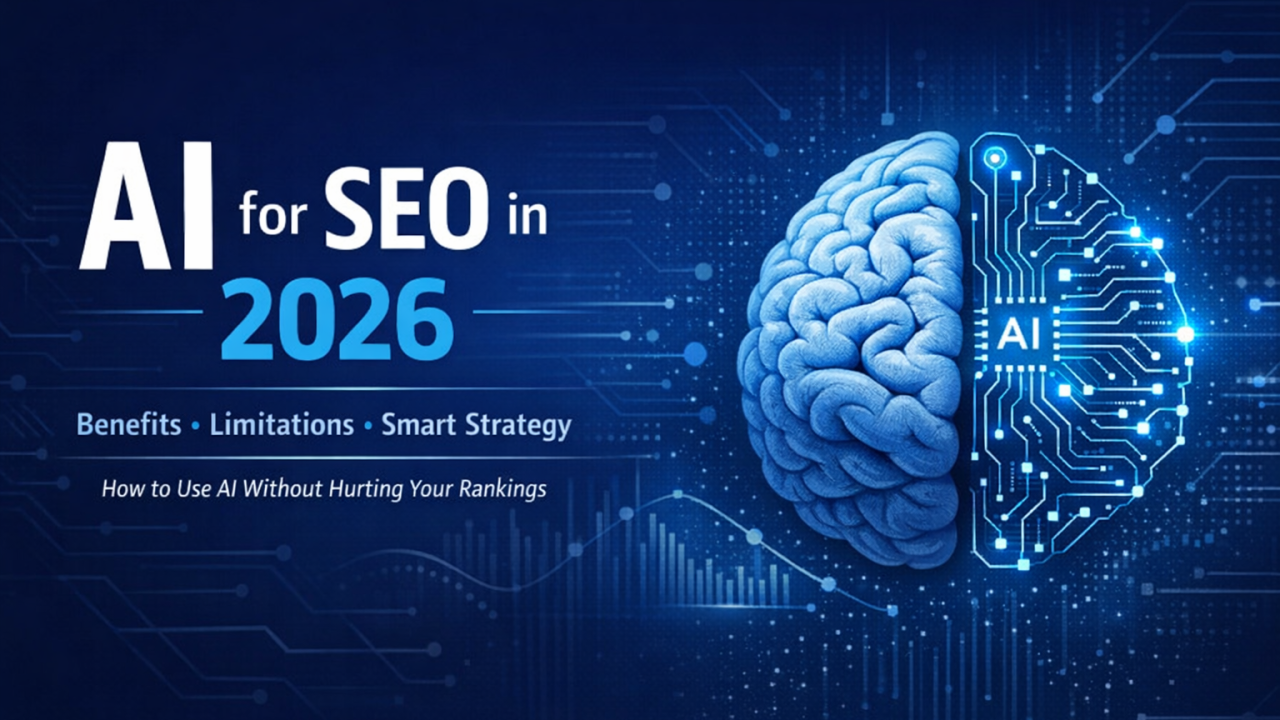
The digital landscape is shifting at a pace that feels almost seismic. Search engines are no longer simple crawlers matching keywords; they are predictive, generative, and deeply integrated into user behavior. An effective AI SEO Strategy 2026 requires a fundamental departure from the tactics of the past decade. It is no longer about tricking algorithms but about aligning your entire digital footprint with the way machine learning models understand, rank, and serve information. This guide provides a comprehensive, actionable framework to build a resilient organic growth engine in an era defined by artificial intelligence.
Understanding the Core of AI SEO Strategy 2026
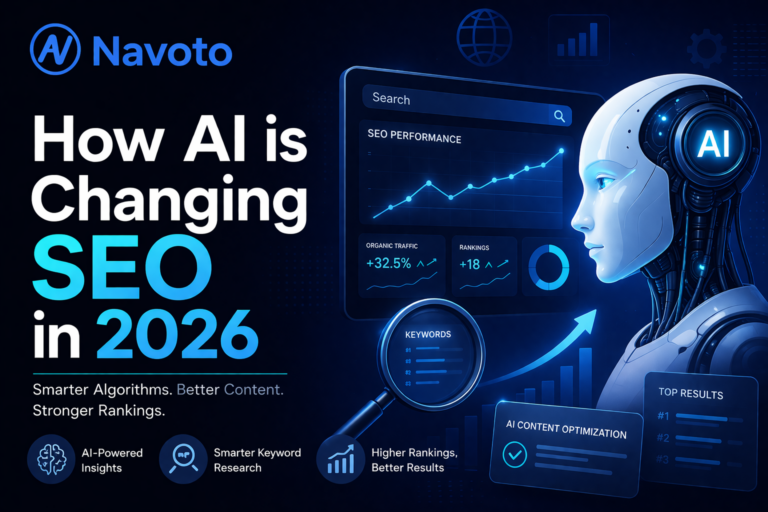
To master this new era, you must first understand what has changed. The traditional SEO model was based on a “crawl-index-rank” paradigm. Google and Bing now operate on a “comprehend-context-generate” model. Large Language Models (LLMs) and ranking systems like Google’s RankBrain and MUM (Multitask Unified Model) process queries by understanding the searcher’s intent, the relationships between entities, and the semantic depth of content.
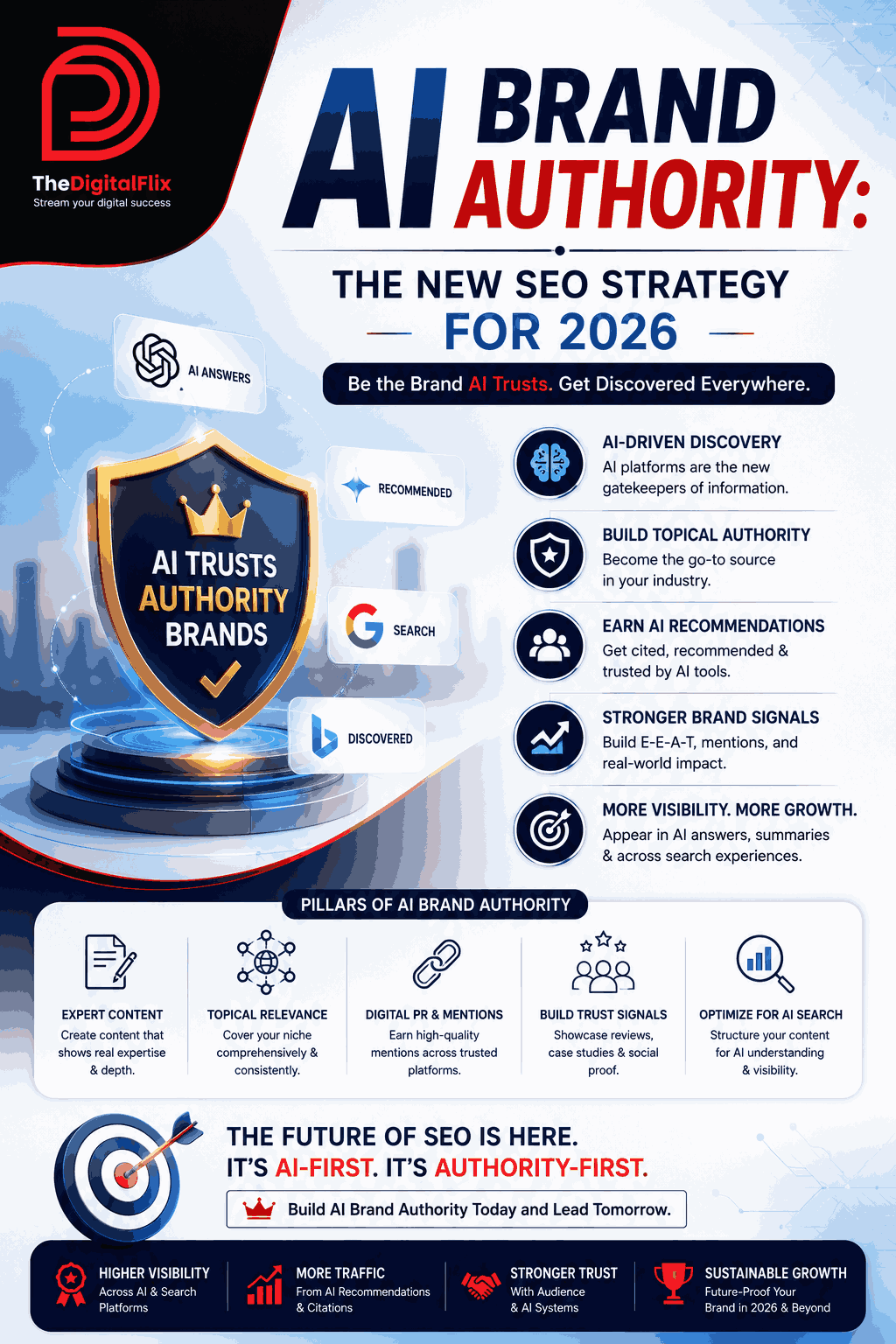
An AI SEO Strategy 2026 is a holistic approach that optimizes for both traditional search engine result pages (SERPs) and the emerging generative engine optimization (GEO) landscape. It involves structuring data so that AI models can easily parse it, creating content that answers questions with authority, and building a digital ecosystem that signals trustworthiness to automated systems. The goal is to become the definitive source of truth for your niche, whether that means appearing in a classic blue link or being cited as the source in an AI-generated summary.
The Shift from Keywords to Entities and Topics
Keywords are still relevant, but they are the entry point, not the destination. In 2026, search engines map keywords to entities—people, places, concepts, and things—and understand the relationships between them. Your strategy must focus on topical authority. This means creating comprehensive content clusters that cover every facet of a subject, not just isolated blog posts targeting specific phrases. You need to build a knowledge graph within your own website.
For example, if you sell running shoes, you do not just write about “best running shoes.” You create content about biomechanics, foot strike patterns, marathon training, shoe materials, and injury prevention. This interconnected web of content helps AI understand that your site is an authority on the entire ecosystem of running, not just a single product page.
Core Components of a Winning AI SEO Strategy 2026
Implementing this strategy requires a multi-faceted approach. You cannot rely on a single tactic. The following components form the foundation of a robust plan that will withstand algorithm updates and the rise of AI search interfaces.
1. Generative Engine Optimization (GEO)
GEO is the practice of optimizing content to be selected and cited by AI chatbots and answer engines like Google’s AI Overviews, Perplexity, and ChatGPT. This is a distinct discipline from traditional SEO. While SEO focuses on ranking in a list of links, GEO focuses on being the primary source of information for a synthesized answer.
To optimize for GEO, your content must be highly structured, factual, and quotable. Use clear headings, bullet points, and tables. Include specific data points, statistics, and expert quotes. AI models are more likely to cite content that is easy to extract and verify. The “People Also Ask” boxes are a precursor to this; now, the entire SERP is becoming an answer box.
2. Technical AI Readiness
Your website’s technical health is more critical than ever. AI crawlers are sophisticated, but they still rely on clean code and clear signals. This involves ensuring your site is fully indexable, has a logical internal linking structure, and loads quickly on all devices. Core Web Vitals remain a ranking factor, but in 2026, they are also a trust signal for AI systems evaluating user experience.
Structured data (Schema.org markup) is non-negotiable. You must implement schema for articles, products, FAQs, and organization details. This provides explicit context to search engines, reducing the guesswork for AI models trying to understand your content. Think of it as providing a cheat sheet to the machines that decide your visibility.
3. Content Depth and Experience (E-E-A-T)
Experience, Expertise, Authoritativeness, and Trustworthiness (E-E-A-T) are the pillars of quality assessment. In an AI-driven world, these signals are weighted heavily. AI models are trained to prefer content that demonstrates first-hand experience. This means adding original research, case studies, unique insights, and author bios with verifiable credentials.
Generic, AI-generated content that simply rephrases existing articles will be filtered out. The algorithm can detect a lack of originality. Your content must offer a unique perspective that cannot be found elsewhere. This is the “Experience” component of E-E-A-T, and it is the primary differentiator in a sea of sameness.
4. Brand Search and Digital PR
AI models are increasingly using brand mentions as a proxy for authority. If people are searching for your brand by name, it signals to the algorithm that you are a recognized entity. This is known as “branded search volume.” A strong AI SEO Strategy 2026 includes a digital PR component to earn mentions from reputable sources, industry publications, and influencers.
These mentions, even without links, help build the entity graph around your brand. They tell AI systems that you are a legitimate player in your industry. This is a long-term play that compounds over time, creating a moat that is difficult for competitors to cross.
Practical Implementation: A Step-by-Step Guide
Knowing the components is one thing; implementing them is another.
Step 1: Audit Your Current Entity Footprint
Start by analyzing how search engines currently perceive your brand. Search for your brand name and see what related entities appear. Use tools like Google’s Natural Language API to analyze your top pages and see what entities they are associated with. Identify gaps between your desired positioning and your current reality.
Step 2: Restructure Content into Topic Clusters
Map out your core business topics. For each topic, create a “pillar” page that covers the subject broadly. Then, create “cluster” content that dives deep into specific subtopics. Interlink these pages using descriptive anchor text. This architecture helps AI understand the hierarchy and relationship of your content.
Step 3: Implement Advanced Schema Markup
Go beyond basic Article schema. Implement FAQPage schema for common questions, HowTo schema for tutorials, and Product schema for e-commerce. Use the “speakable” schema to mark sections of text that are suitable for voice assistants. This granular level of detail provides AI with the exact context it needs to serve your content in rich formats.
Step 4: Optimize for AI Answer Engines
Create a dedicated section on your site for “Definition” or “Quick Answers.” Write concise, 40-60 word paragraphs that directly answer a specific question. Place these at the top of your content, followed by more detailed analysis. This makes it easy for AI to extract the answer without having to parse through fluff.
Step 5: Build a Data-Driven Content Pipeline
Use tools like Google Search Console and AI-powered analytics platforms to identify “information gaps.” Look for queries where your site appears on page 2 or 3, or where the current top results are weak. Create content that is demonstrably better—more detailed, more current, and more authoritative. This is where you win the “quality race.”
Benefits and Limitations of AI SEO Strategy 2026
Like any major shift, this new strategy brings significant advantages and some inherent challenges. Understanding both sides is crucial for setting realistic expectations.
The Advantages of an AI-First Approach
- Higher Quality Traffic: By targeting intent and entities, you attract users who are genuinely interested in your content, leading to lower bounce rates and higher conversion rates.
- Future-Proofing: This strategy is designed for the current trajectory of search. It will remain effective as AI becomes more integrated into every aspect of the browsing experience.
- Brand Authority: Being cited by AI engines positions your brand as a thought leader, creating a halo effect that benefits all marketing channels.
- Reduced Volatility: Sites with strong topical authority and entity clarity are less susceptible to minor algorithm fluctuations.
- Higher Barrier to Entry: This is not a “quick win” strategy. It requires significant investment in content creation, technical development, and digital PR.
- Attribution Difficulty: It is harder to track conversions from AI chat interfaces. You may see a rise in brand searches, but direct attribution to a specific AI prompt is complex.
- Data Dependency: The strategy relies heavily on data analysis and interpretation. Without the right tools and skills, you are operating in the dark.
- Monitor AI Overviews: Regularly check how your keywords appear in Google’s AI Overviews. If you are not being cited, analyze the content that is and adjust your format to match.
- Invest in Analytics: Standard analytics tools are insufficient. You need tools that can track visibility in LLMs and AI chat platforms. This is a growing market, and investing early will give you a data advantage.
- Prioritize User Experience: AI is optimizing for user satisfaction. If your site is difficult to navigate or your content is boring, your rankings will suffer. Focus on creating a delightful, frictionless experience.
- Stay Updated: The AI landscape changes monthly. Follow reputable SEO news sources and Google’s official announcements to stay ahead of the curve.
The Challenges and Limitations
AI SEO Strategy 2026 vs. Traditional SEO: A Comparison
To fully grasp the magnitude of the change, it is helpful to see the old and new approaches side-by-side. The table below highlights the key differences in focus and execution.
| Aspect | Traditional SEO (Pre-2024) | AI SEO Strategy 2026 |
|---|---|---|
| Primary Focus | Keyword rankings and backlinks | Entity authority and information extraction |
| Content Creation | Long-form articles targeting specific phrases | Structured, data-rich content designed for AI citation |
| User Intent | Matching keywords to search queries | Understanding the context and semantic meaning behind queries |
| Technical SEO | Site speed and mobile-friendliness | Schema markup, entity mapping, and AI crawler accessibility |
| Success Metrics | Organic sessions and keyword positions | Brand mentions, AI citations, and share of voice in answer engines |
| Link Building | Quantity of backlinks | Quality of entity associations and digital PR mentions |
Common Mistakes and How to Avoid Them
As you pivot to this new strategy, be wary of common pitfalls that can derail your progress. Avoiding these errors will save you time and resources.
Mistake 1: Relying on Mass-Produced AI Content
Using AI to generate hundreds of low-value articles is a fast track to obscurity. Search engines are adept at detecting this. The solution is to use AI as a research and drafting assistant, but to always inject human expertise, original data, and a unique voice. The final output must pass the “so what?” test—does it offer value that a machine could not have produced alone?
Mistake 2: Ignoring the “Answer Box” Format
If you write a 2,000-word article but bury the answer to the main question in the middle, A Structure your content with the “inverted pyramid” style. Put the answer in the first paragraph, then expand. Use bullet points and tables for scannability. Make it effortless for the machine to find the key takeaway.
Mistake 3: Obsessing Over Keyword Density
Keyword stuffing is a relic of the past. In 2026, it is about semantic relevance. Use synonyms, related terms, and natural language variations. Write for a human expert, not a robot. The A
Mistake 4: Neglecting the “Experience” Signal
You cannot fake experience. If you are writing about a topic you have no practical knowledge of, it will show. The solution is to collaborate with subject matter experts (SMEs) or rely on original case studies and data from your own business. This is the most difficult signal to replicate, making it your strongest competitive advantage.
Important Notes for Long-Term Success
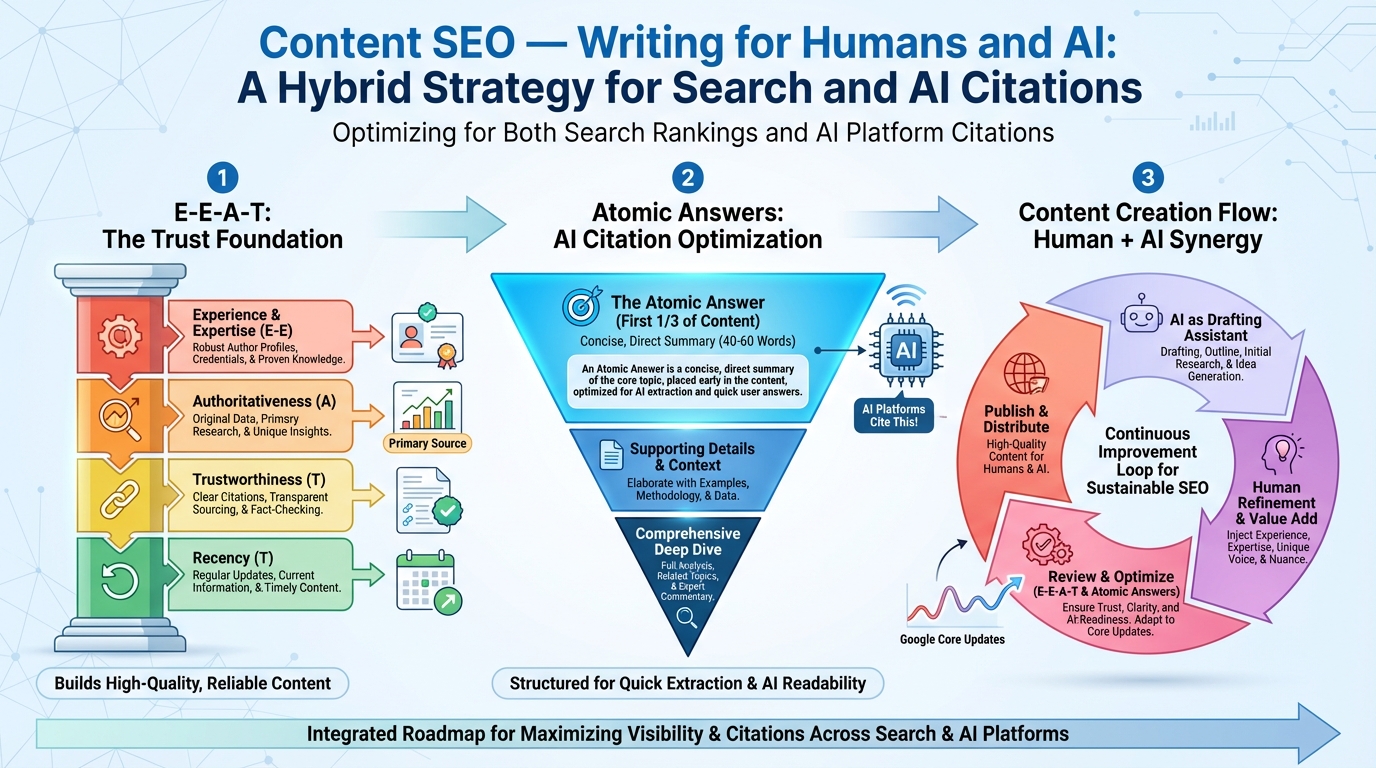
This strategy is not a one-time project; it is a continuous cycle of analysis, creation, and optimization. Here are some critical notes to keep in mind as you move forward.
Frequently Asked Questions (FAQ)
What is the difference between SEO and GEO?
SEO (Search Engine Optimization) focuses on ranking in traditional organic search results (the blue links). GEO (Generative Engine Optimization) focuses on being cited as a source in AI-generated answers. While they share tactics, GEO requires a greater emphasis on structured data, concise answers, and content that is easily extractable by LLMs.
Will AI replace the need for human writers?
No, it will elevate the role of human writers. AI can handle research and drafting, but it cannot replicate human experience, critical thinking, and unique storytelling. The demand for high-quality, expert-level content will increase, while the demand for generic, filler content will disappear.
How long does it take to see results from an AI SEO Strategy?
This is a long-term strategy. While some technical fixes can yield results in weeks, building topical authority and entity recognition takes 6-12 months or more. The compounding effect of this approach means that the results will continue to grow over time, unlike the short-lived spikes of traditional tactics.
Is backlinking still important in 2026?
Yes, but the quality bar is higher. A backlink from a high-authority, relevant site is still a powerful trust signal. However, the focus has shifted from “link quantity” to “entity association.” A mention from a major industry publication, even without a link, can be more valuable than a link from a low-quality directory.
What is the most important metric to track?
Branded search volume is a critical metric. An increase in branded searches indicates that users are recognizing your brand as a result of seeing your content in AI summaries or other channels. This is a strong indicator of growing authority and mindshare.
Conclusion: The Future is Contextual
The era of manipulating algorithms is over. The AI SEO Strategy 2026 is about building a digital presence that is so clear, so authoritative, and so genuinely useful that both search engines and AI models have no choice but to recognize you as a leader. It demands a shift in mindset from chasing rankings to building a brand that machines trust and humans love. By focusing on entity clarity, content depth, and technical precision, you can secure your place in the search results of tomorrow. The time to start is now, as the algorithms are already learning from the content you publish today. Build your digital authority with intention, and the traffic will follow.
Xem thêm:
- 10 Best AI Research Tools Revolutionizing Academic Discovery in 2025
- AI Outreach: The Ultimate Guide to Automating and Personalizing Your Sales Engagement
- OpenAI SEO: The Ultimate Guide to AI-Powered Search Optimization
- AI SEO Brand Signals: The Complete Guide to Building a Future-Proof Digital Presence
- AI SEO Search Results Analysis: The Complete Guide to Understanding SERP Intelligence
Bài viết cùng chủ đề:

AI SEO SEO Automation with Make: The Complete Workflow Guide

AI SEO SEO Automation with Zapier: The Complete Workflow Guide

AI SEO SEO Automation with n8n: The Complete Workflow Guide
AI SEO SEO Automation with Gemini: The Complete Guide to Scaling Organic Growth

AI SEO SEO Automation with Claude: The Complete Guide to Scaling Content in 2025

AI SEO SEO Automation with ChatGPT: The Complete Playbook for 2025

AI SEO & SEO Automation for Affiliate Sites: The 2025 Playbook for Passive Income Growth
AI SEO & SEO Automation for Bloggers: The Complete Guide to Scaling Your Content

AI SEO & SEO Automation for Agencies: The Complete 2025 Playbook

AI SEO and SEO Automation for Ecommerce: The Complete Playbook for 2025

AI SEO & SEO Automation for WordPress: The Complete Playbook for 2025
AI SEO SEO Automation Strategy: The Complete Playbook for 2025

Mastering the AI SEO SEO Automation Process: A Complete Guide to Scaling Organic Growth
AI SEO SEO Automation System: The Complete Guide to Scaling Organic Growth in 2025
AI SEO SEO Automation Platform: The Complete Guide to Scaling Organic Growth in 2025
AI SEO SEO Automation Software: The Complete Guide to Scaling Organic Growth in 2025















