No products in the cart.
AI SEO Search Results Analysis: The Complete Guide to Understanding SERP Intelligence
10
Aug
Aug
AI SEO search results analysis has transformed how digital marketers understand and optimize for search engines. This comprehensive approach combines artificial intelligence with traditional search engine optimization to decode the complex patterns, ranking factors, and user behaviors that determine online visibility. As search engines evolve with machine learning algorithms, the ability to analyze search results through AI-powered tools has become essential for businesses seeking sustainable organic growth.
Understanding AI SEO Search Results Analysis
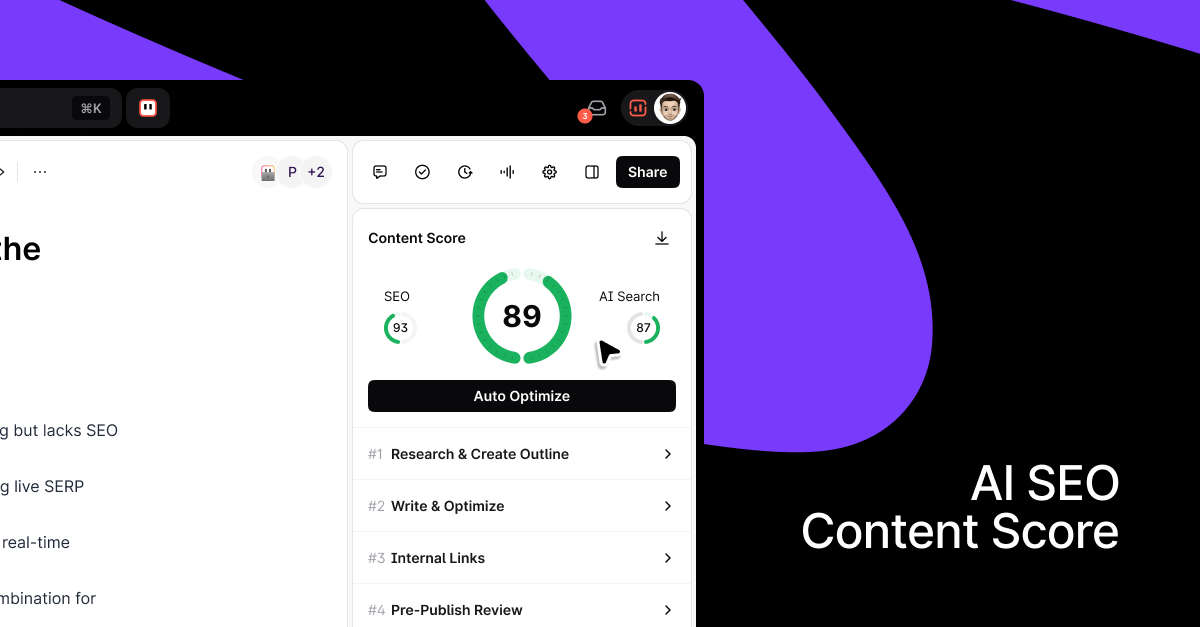
AI SEO search results analysis refers to the systematic process of using artificial intelligence technologies to examine, interpret, and derive actionable insights from search engine results pages (SERPs). This methodology goes beyond traditional keyword tracking by analyzing patterns in rankings, content structure, user engagement metrics, and competitor strategies at scale.
The core principle involves training machine learning models to recognize what makes certain pages rank higher than others. These models process thousands of data points including backlink profiles, content relevance, page speed, user experience signals, and semantic relationships between queries and content. The result is a predictive understanding of search algorithms that enables more precise optimization strategies.
The Evolution from Traditional SEO Analysis to AI-Powered Insights
Traditional SEO analysis relied heavily on manual audits, basic rank tracking, and historical data comparison. Marketers would check keyword positions weekly, review backlinks manually, and make educated guesses about algorithm changes. This approach was time-consuming and often reactive rather than proactive.
AI-powered analysis changed this dynamic entirely. Modern systems continuously monitor SERP fluctuations, identify pattern shifts in real-time, and automatically adjust recommendations based on emerging trends. Natural language processing (NLP) allows these tools to understand content semantics, while predictive analytics forecast potential ranking changes before they occur.
Core Components of AI SEO Search Results Analysis
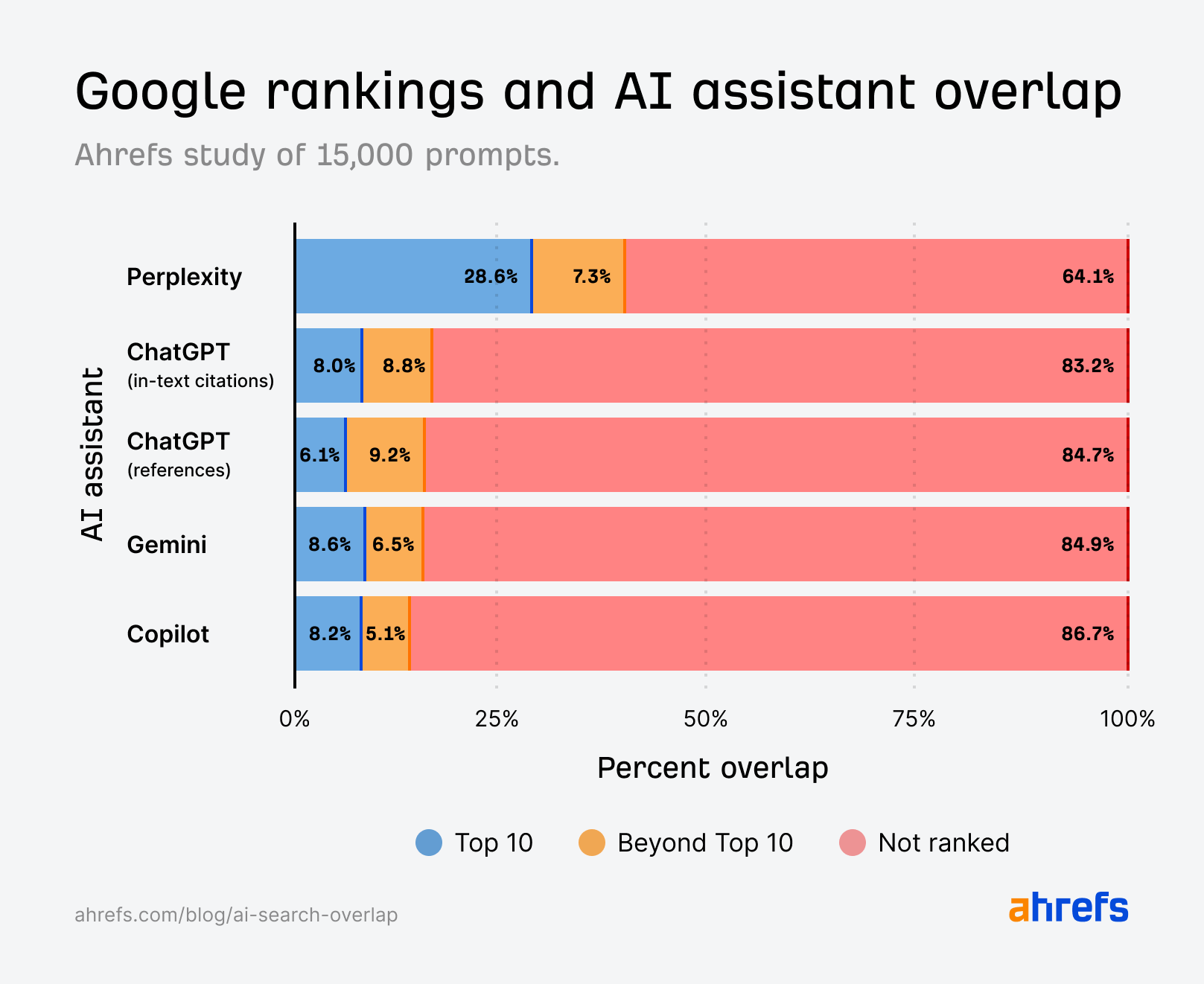
Effective AI SEO search results analysis comprises several interconnected components that work together to provide a complete picture of search performance. Each element contributes unique insights that inform different aspects of optimization strategy.
1. SERP Feature Detection and Classification
Modern search results contain numerous features beyond traditional organic listings. AI systems identify and categorize these elements including featured snippets, knowledge panels, local packs, image carousels, video results, and people-also-ask boxes. Understanding which features appear for specific queries helps marketers target the right opportunities.
For example, a query like “best project management software” might trigger a comparison table snippet, while “how to create a budget” often displays a step-by-step featured snippet. AI analysis detects these patterns and recommends content formats most likely to earn prominent placements.
2. Competitive Gap Analysis
AI algorithms compare your content against top-ranking competitors across multiple dimensions. This includes content length, readability scores, keyword density, internal linking structure, multimedia usage, and schema markup implementation. The analysis reveals specific gaps that prevent your pages from outperforming competitors.
Advanced systems also track competitor content updates, new backlinks, and social signals to identify what actions contributed to their ranking improvements. This intelligence allows for strategic counter-moves rather than blind imitation.
3. User Intent Mapping
Understanding the underlying intent behind search queries is crucial for content optimization. AI SEO search results analysis classifies queries into informational, navigational, commercial, and transactional categories. It then evaluates whether existing content properly addresses each intent type.
Machine learning models analyze click-through rates, dwell time, and bounce rates to determine if users find the content satisfying. Pages that consistently fail to meet user expectations get flagged for improvement, even if they rank well initially.
4. Predictive Ranking Factors
Rather than relying on known ranking factors, AI systems identify emerging patterns that correlate with high rankings. These might include specific content structures, technical implementations, or engagement metrics that are gaining importance in current algorithm versions.
For instance, recent analysis might reveal that pages with interactive elements like calculators or quizzes are outperforming static content for certain query types. This predictive capability gives early adopters a competitive advantage.
Benefits of Implementing AI SEO Search Results Analysis
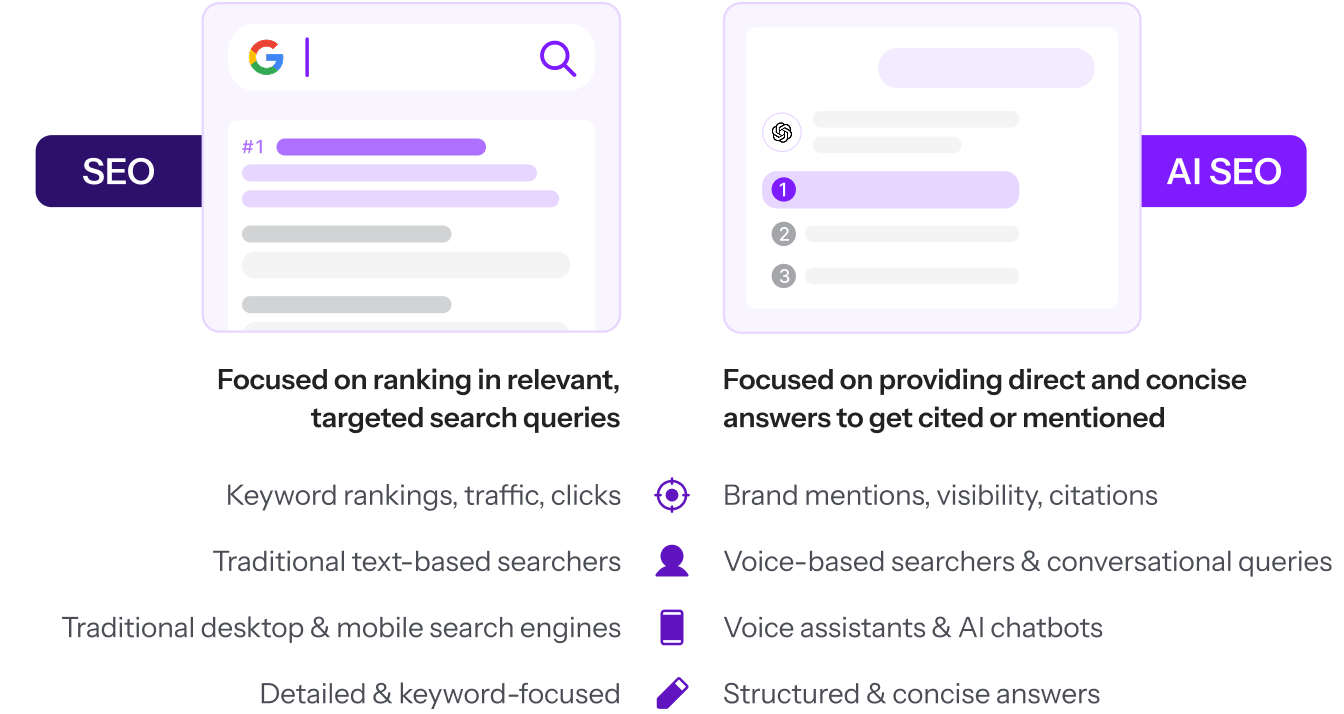
The advantages of adopting AI-powered analysis extend far beyond simple rank tracking. Organizations that embrace this technology gain significant strategic and operational benefits.
| Benefit | Traditional Approach | AI-Powered Approach |
|---|---|---|
| Data Processing Speed | Manual review of hundreds of pages | Analyzes millions of data points instantly |
| Accuracy | Subject to human error and bias | Consistent, data-driven decisions |
| Scalability | Limited by team capacity | Unlimited concurrent analysis |
| Predictive Power | Reactive to past performance | Forecasts future algorithm changes |
| Content Optimization | Generic recommendations | Query-specific, intent-based guidance |
Time and Resource Efficiency
Automated analysis eliminates countless hours of manual data collection and spreadsheet management. Marketing teams can redirect their efforts toward creative strategy, content production, and relationship building instead of routine monitoring tasks.
Enhanced Decision-Making Accuracy
AI systems remove emotional bias from optimization decisions. Instead of guessing which changes might improve rankings, marketers receive data-backed recommendations with projected impact estimates. This precision reduces wasted effort on ineffective tactics.
Real-Time Adaptation to Algorithm Updates
Search engines constantly refine their algorithms. AI analysis detects ranking fluctuations immediately after updates, identifies affected pages, and suggests corrective actions within hours rather than weeks. This agility prevents significant traffic losses during transition periods.
Practical Applications and Implementation Guide
Implementing AI SEO search results analysis requires a structured approach that integrates technology, process, and expertise. The following framework provides a roadmap for successful adoption.
Step 1: Select Appropriate AI SEO Tools
The market offers various AI-powered SEO platforms with different strengths. Evaluate tools based on your specific needs, team capabilities, and budget constraints. Popular options include comprehensive suites that combine rank tracking, content analysis, and competitor intelligence in one dashboard.
Consider tools that offer API access for custom integrations, as this allows you to build tailored analysis pipelines that match your unique business requirements.
Step 2: Define Key Performance Indicators
Establish clear metrics that align with business objectives. Beyond basic rankings, track featured snippet ownership, visibility scores, click-through rates, and conversion rates from organic traffic. These KPIs provide a holistic view of search performance.
Step 3: Conduct Baseline Analysis
Before making changes, capture a complete snapshot of your current search presence. This includes all tracked keywords, current rankings, competitor positions, and content performance metrics. This baseline serves as the reference point for measuring improvement.
Step 4: Implement Continuous Monitoring
Set up automated daily monitoring of target keywords and competitor activities. Configure alerts for significant ranking changes, new competitor entries, or SERP feature modifications. Regular monitoring ensures you never miss critical shifts in the search landscape.
Step 5: Translate Insights into Action
The final step involves converting analysis findings into concrete optimization tasks. Prioritize actions based on potential impact and resource requirements. Create a content calendar that addresses identified gaps and technical fixes that improve crawlability and indexation.
Common Mistakes in AI SEO Search Results Analysis
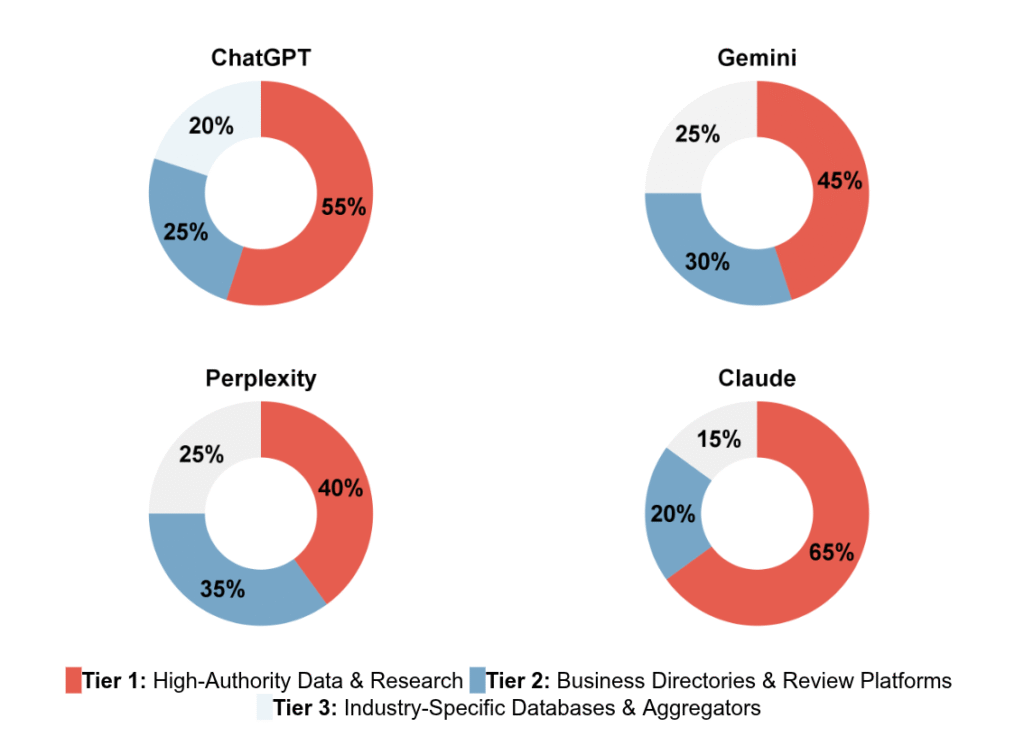
Even with advanced technology, organizations often make errors that undermine their analysis efforts. Recognizing these pitfalls helps avoid costly missteps.
Over-Reliance on Automation Without Human Oversight
AI systems provide recommendations, but they lack business context and strategic judgment. Blindly implementing every suggestion without human review can lead to misguided optimizations that harm brand positioning or user experience.
Ignoring Qualitative User Feedback
Quantitative data from AI analysis must be complemented with qualitative insights from user surveys, customer support interactions, and usability testing. Numbers alone cannot capture the nuances of user satisfaction and content relevance.
Focusing Exclusively on Rankings
High rankings do not guarantee business success. Analysis must extend to measuring actual user engagement, lead generation, and revenue attribution. Optimizing for rankings without considering conversion metrics creates hollow victories.
Neglecting Mobile and Voice Search Patterns
AI analysis must account for the growing share of mobile and voice searches. These queries often have different characteristics than desktop searches, requiring separate analysis tracks and optimization strategies.
Important Considerations for Successful Implementation
Several factors determine whether AI SEO search results analysis delivers meaningful value. Pay attention to these critical elements throughout your implementation journey.
- Data quality and cleanliness directly impact analysis accuracy; ensure your tracking systems capture reliable, consistent data
- Cross-functional collaboration between SEO, content, and development teams maximizes the value of insights
- Regular model retraining keeps AI systems aligned with current search engine behavior
- Documentation of analysis methodologies ensures reproducibility and institutional knowledge retention
- Integration with other marketing analytics platforms provides a unified view of performance
Frequently Asked Questions
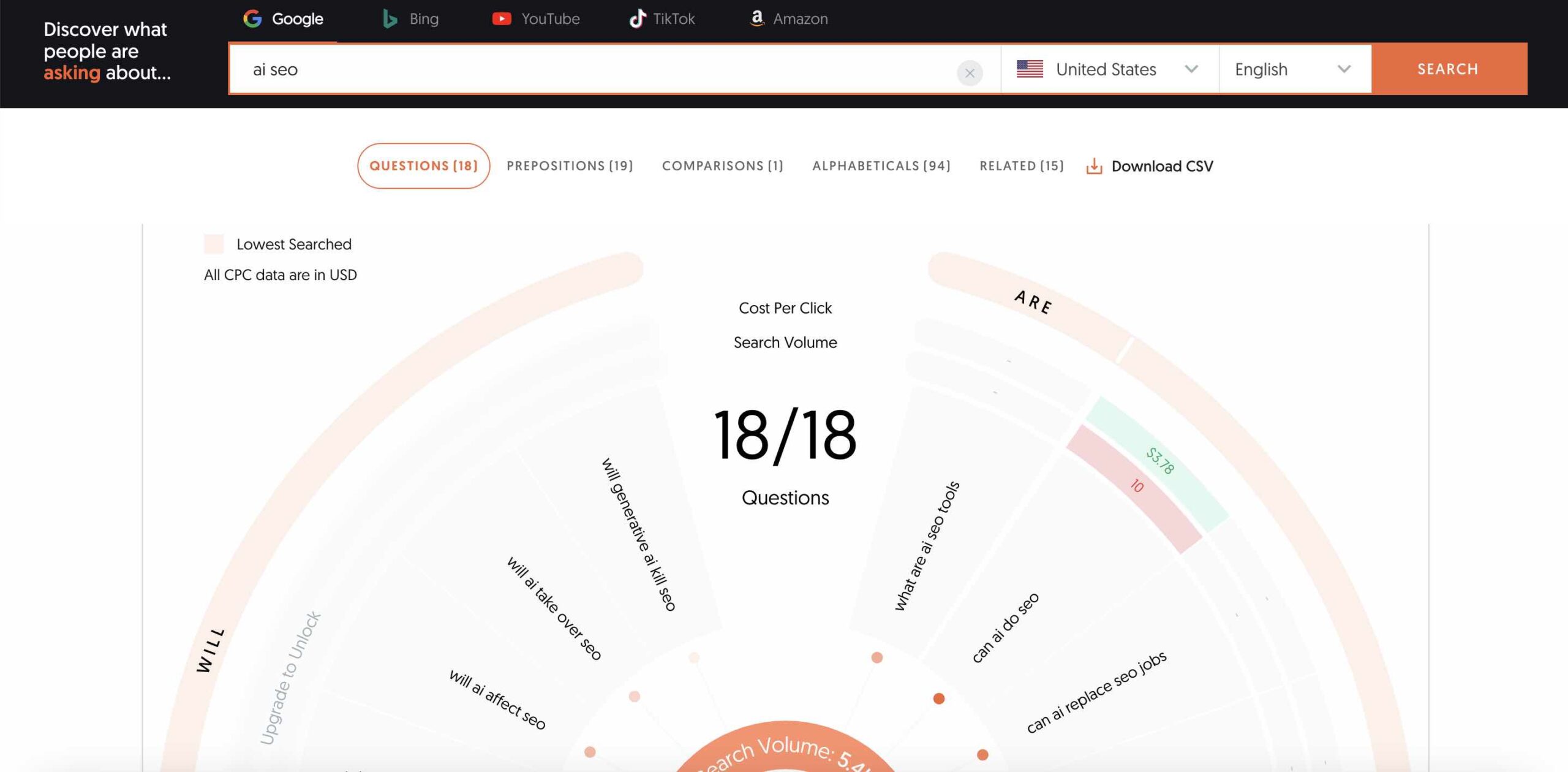
What is the difference between traditional SEO analysis and AI SEO search results analysis?
Traditional analysis relies on manual data collection, historical comparisons, and human interpretation of ranking patterns. AI SEO search results analysis uses machine learning algorithms to process vast datasets, identify complex patterns, predict future changes, and provide automated recommendations at scale. The key difference lies in the depth, speed, and predictive capability of the analysis.
How much does AI SEO analysis cost?
Costs vary widely depending on the tool sophistication, data volume, and feature requirements. Entry-level AI-powered SEO tools start around $99 per month, while enterprise solutions with advanced predictive analytics and custom integrations can exceed $2,000 monthly. Many platforms offer tiered pricing based on keyword volume and user seats.
Can small businesses benefit from AI SEO search results analysis?
Yes, small businesses can benefit significantly. Many affordable tools offer essential AI features like competitor analysis, content optimization suggestions, and SERP feature tracking. These capabilities level the playing field, allowing smaller organizations to compete effectively against larger competitors with bigger SEO teams.
How often should AI SEO analysis be performed?
Continuous monitoring is ideal, but at minimum, weekly analysis of key performance indicators is recommended. Daily automated tracking handles routine monitoring, while deeper strategic analysis can be conducted monthly or quarterly. The frequency should align with your content update cadence and competitive intensity in your market.
Will AI replace human SEO professionals?
AI enhances rather than replaces human expertise. While automation handles data processing and pattern recognition, human judgment remains essential for strategy development, creative content production, relationship building, and interpreting insights within business context. The most successful organizations combine AI capabilities with experienced SEO professionals.
Conclusion
AI SEO search results analysis represents a fundamental shift in how organizations approach search engine optimization. The ability to process massive datasets, identify emerging patterns, and predict algorithm changes provides a significant competitive advantage in increasingly crowded digital markets. By understanding the core components, implementing structured processes, and avoiding common pitfalls, businesses can harness this technology to achieve sustainable search visibility and meaningful business growth.
The future of SEO belongs to those who embrace data-driven intelligence while maintaining the human creativity and strategic thinking that machines cannot replicate. Organizations that successfully integrate AI analysis into their optimization workflows will be best positioned to adapt to evolving search landscapes and capture the attention of their target audiences. Start implementing these practices today to build a resilient, high-performing search presence that withstands algorithm updates and delivers lasting results.
Xem thêm:
- AI SEO Outranking: The Complete Playbook for Dominating Search in 2025
- AI SEO AI Search Reputation: The Complete Playbook for 2025
- AI SEO AI Search Optimization Strategy: The 2025 Playbook for Dominating Generative Engines
- AI SEO Content Silos: The Complete Guide to Building Topical Authority in 2025
- AI SEO Content Clusters: The Complete Strategy for Dominating Search Rankings in 2025
Bài viết cùng chủ đề:

AI SEO SEO Automation with Make: The Complete Workflow Guide

AI SEO SEO Automation with Zapier: The Complete Workflow Guide

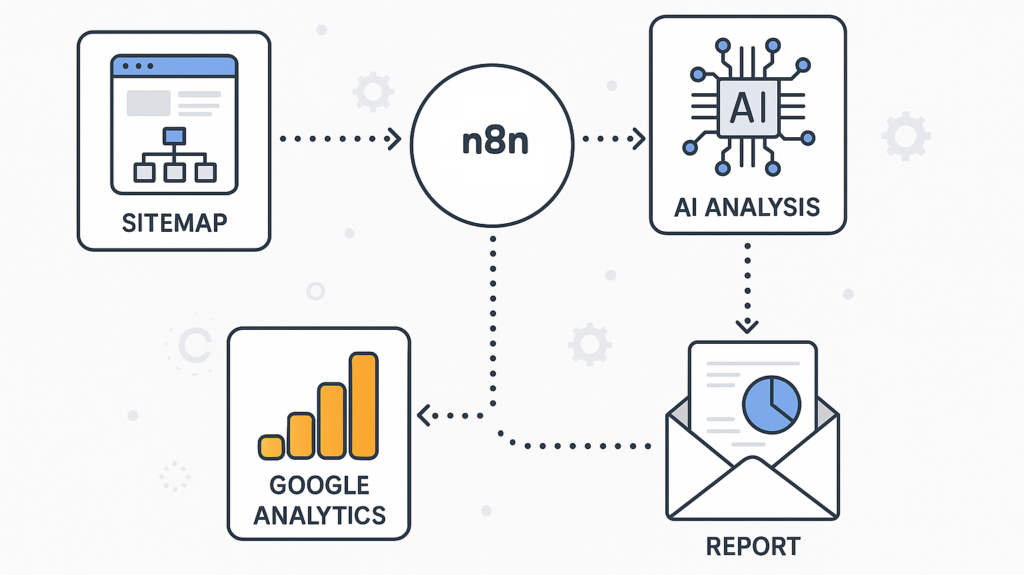
AI SEO SEO Automation with n8n: The Complete Workflow Guide
AI SEO SEO Automation with Gemini: The Complete Guide to Scaling Organic Growth

AI SEO SEO Automation with Claude: The Complete Guide to Scaling Content in 2025

AI SEO SEO Automation with ChatGPT: The Complete Playbook for 2025

AI SEO & SEO Automation for Affiliate Sites: The 2025 Playbook for Passive Income Growth
AI SEO & SEO Automation for Bloggers: The Complete Guide to Scaling Your Content

AI SEO & SEO Automation for Agencies: The Complete 2025 Playbook

AI SEO and SEO Automation for Ecommerce: The Complete Playbook for 2025

AI SEO & SEO Automation for WordPress: The Complete Playbook for 2025
AI SEO SEO Automation Strategy: The Complete Playbook for 2025

Mastering the AI SEO SEO Automation Process: A Complete Guide to Scaling Organic Growth
AI SEO SEO Automation System: The Complete Guide to Scaling Organic Growth in 2025
AI SEO SEO Automation Platform: The Complete Guide to Scaling Organic Growth in 2025
AI SEO SEO Automation Software: The Complete Guide to Scaling Organic Growth in 2025