
No products in the cart.
AI SEO Brand Signals: The Complete Guide to Building a Future-Proof Digital Presence
31
Jul
Jul
Search engines have undergone a fundamental transformation. The days of keyword stuffing and link farms are long gone. Today, Google’s AI-powered algorithms, like RankBrain and the Knowledge Graph, evaluate websites based on a complex web of trust, relevance, and authority. This is where the concept of AI SEO Brand Signals comes into play. These signals are the digital footprints that tell search engines your brand is real, credible, and worthy of top rankings. Understanding and optimizing these signals is no longer optional; it is the core of sustainable organic growth.
What Are AI SEO Brand Signals?
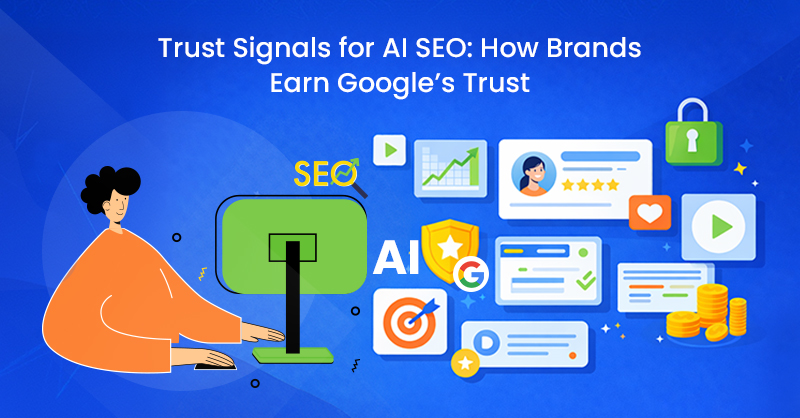
AI SEO Brand Signals are the collective data points and behavioral indicators that artificial intelligence systems use to determine the strength, legitimacy, and authority of a brand. Unlike traditional SEO metrics like backlinks or keyword density, these signals focus on how the world perceives and interacts with your brand across the entire digital ecosystem. They bridge the gap between pure technical optimization and genuine brand building.
When a user searches for a product or service, the AI doesn’t just look at the text on your page. It analyzes your brand’s presence across news sites, social platforms, review portals, and industry directories. It assesses the sentiment of mentions, the consistency of your NAP (Name, Address, Phone number) data, and the volume of branded search queries. These signals help the algorithm answer a critical question: “Is this a brand people know, trust, and talk about?”
Why Brand Signals Matter More Than Ever in AI-Driven Search
The shift toward AI-driven search has made brand signals the new currency of SEO. In the past, a website with aggressive link building could outrank an established brand. Now, the AI is trained to prioritize entities that demonstrate real-world authority. This is a direct response to the proliferation of low-quality, spammy content that plagued the early internet.
Google’s algorithms are designed to mimic human behavior. Just as a consumer is more likely to buy from a company they recognize, the AI is more likely to rank a brand it recognizes. This recognition is built through a combination of digital PR, social proof, and consistent user engagement. Without these signals, even the most technically perfect website will struggle to achieve high visibility for competitive keywords.
The Core Components of AI SEO Brand Signals

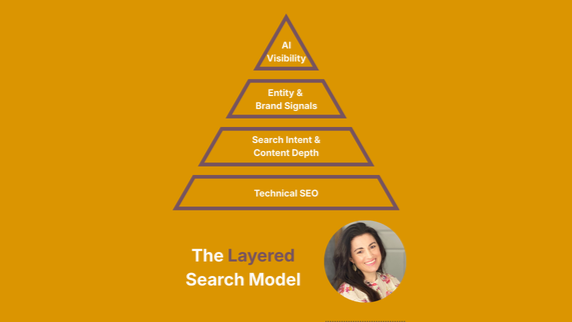
To effectively optimize for AI, you must understand the specific components that feed into the algorithm’s decision-making process. These components can be broken down into three primary categories: Entity Recognition, Sentiment Analysis, and Behavioral Metrics.
1. Entity Recognition and Knowledge Graph Presence
Google’s Knowledge Graph is a massive database of entities—people, places, and things—and the relationships between them. For a brand, being recognized as a distinct entity is the first step. This requires a strong Wikipedia page, a verified Google Business Profile, and consistent structured data markup (Schema.org) across your website.
When the AI can clearly identify your brand as an entity, it can associate you with specific attributes, such as your industry, your founders, and your products. This allows the search engine to display your brand for a wider range of queries, even those that don’t explicitly mention your name. Without this entity clarity, you are just a collection of pages, not a brand.
2. Sentiment Analysis and Brand Mentions
AI tools are now sophisticated enough to analyze the sentiment of online conversations. A mention of your brand on a popular forum is good, but a positive mention is exponentially better. The algorithm looks at the context of these mentions to determine if the public perception of your brand is favorable.
Unlinked brand mentions are particularly valuable. These are instances where your brand is mentioned but no hyperlink is provided. Historically, these were seen as missed opportunities. Today, they are powerful signals of authority because they indicate genuine, organic discussion. Tools like Google Alerts and Mention can help you track these conversations and understand the sentiment behind them.
3. Behavioral Signals and User Engagement
How users interact with your site in the search results is a direct signal to the AI. Click-through rate (CTR), dwell time, and bounce rate are all scrutinized. If users consistently click on your result and stay on your page for a long time, the AI interprets this as a sign of high relevance and quality.
Branded search volume is another critical behavioral signal. When users search for your specific brand name, it indicates strong top-of-mind awareness. A steady increase in branded searches is one of the most reliable indicators that your brand signals are working. This is often driven by offline marketing, PR, and social media presence.
Practical Application: How to Build and Optimize Your Brand Signals
Building strong AI SEO Brand Signals requires a strategic, multi-channel approach. It is not a quick fix but a long-term investment in your digital reputation.
Step 1: Establish a Consistent Digital Footprint
Your brand must look the same everywhere it appears. This starts with your NAP data. Ensure your business name, address, and phone number are identical across your website, social profiles, and local directories. Inconsistencies confuse the AI and dilute your entity recognition.
Create profiles on major platforms like LinkedIn, Twitter, Facebook, and Instagram. Even if you don’t post frequently, having a complete profile with a logo, description, and link to your website establishes a baseline presence. This consistency helps the AI connect all these disparate pages to a single, unified entity.
Step 2: Leverage Digital PR and Earned Media
Earned media is the gold standard for brand signals. Getting featured in reputable industry publications, news outlets, and podcasts generates high-quality mentions and backlinks. This is not just about link building; it is about associating your brand with trusted sources.
Develop a PR strategy that focuses on providing value to journalists and bloggers. Offer expert commentary on industry trends, publish original research, or create shareable infographics. The goal is to become a go-to resource in your niche, which naturally leads to positive brand mentions and increased visibility.
Step 3: Cultivate a Strong Review Profile
Online reviews are a direct reflection of your brand’s reputation. Google My Business reviews, Yelp, and industry-specific review sites are all scanned by AI. A high volume of positive reviews signals trust and reliability. Respond to all reviews, both positive and negative, to show that you value customer feedback.
Actively encourage satisfied customers to leave reviews. You can do this through post-purchase emails, in-store signage, or follow-up SMS messages. A steady stream of new reviews is more powerful than a static collection, as it shows ongoing engagement and customer satisfaction.
Step 4: Optimize for Branded Search Queries
Your website should be the primary destination for users who search for your brand. Ensure that your homepage is fully optimized for your brand name and that your title tags and meta descriptions are compelling. This improves your CTR for branded searches, which reinforces the signal that your brand is relevant.
Create dedicated landing pages for your products or services that are optimized for “Brand + Product” keywords. For example, if your brand is “Acme” and you sell “Widgets,” create a page optimized for “Acme Widgets.” This captures users who are further down the funnel and increases the likelihood of conversion.
Common Mistakes That Dilute Your Brand Signals
Many businesses inadvertently weaken their brand signals through common oversights. Avoiding these mistakes is just as important as implementing the right strategies.
- Ignoring Negative Sentiment: Failing to address negative reviews or complaints on social media can amplify the damage. The AI sees the negative sentiment and the lack of response, which compounds the issue.
- Inconsistent Branding: Using different logos, taglines, or color schemes across different platforms confuses the AI and prevents it from forming a clear picture of your brand.
- Purchasing Low-Quality Links: Buying links from spammy directories or link farms sends a negative signal. The AI is adept at identifying unnatural link patterns, which can lead to a manual penalty.
- Neglecting Social Media: A dormant social media profile is worse than none at all. It signals that the brand is inactive or potentially out of business.
- Duplicate Content: Publishing the same content across multiple domains or pages dilutes your authority. The AI struggles to determine which version is the original, splitting your brand signals.
- Branded Search Volume: Use Google Search Console to track the number of queries that include your brand name. A steady upward trend is a positive sign.
- Direct Traffic: An increase in direct traffic (users typing your URL directly) indicates strong brand recall and offline marketing effectiveness.
- Share of Voice: Use social listening tools to measure how often your brand is mentioned compared to your competitors. This gives you a relative measure of brand awareness.
- Sentiment Score: Track the ratio of positive to negative mentions. This helps you gauge the health of your brand reputation in real-time.
- Knowledge Panel Visibility: Check if your brand has a Google Knowledge Panel and whether it is accurate and up-to-date. This is a direct indicator of entity recognition.
Comparing Traditional SEO vs. AI SEO Brand Signals
To fully grasp the importance of brand signals, it is helpful to compare them with traditional SEO tactics. The table below highlights the key differences in focus and execution.
| Aspect | Traditional SEO | AI SEO Brand Signals |
|---|---|---|
| Primary Focus | Keywords and backlinks | Entity recognition and trust |
| Content Strategy | Targeting specific keyword phrases | Building topical authority and thought leadership |
| Link Building | Quantity of links | Quality of mentions and context |
| User Interaction | Page views and sessions | Dwell time and engagement depth |
| Measurement | Rankings for specific terms | Branded search volume and share of voice |
| Time Horizon | Short-term wins | Long-term brand equity |
The table illustrates a clear evolution. Traditional SEO is about gaming the system, while AI-driven brand signals are about becoming the system. The latter is more sustainable and resilient to algorithm updates.
Measuring the Success of Your Brand Signal Strategy
You cannot manage what you do not measure. Tracking the right metrics is essential to understanding whether your brand signal strategy is working. While rankings are important, they are a lagging indicator. You need to focus on leading indicators that predict future success.
Important Notes for Long-Term Success
Building AI SEO Brand Signals is a marathon, not a sprint. There are several important considerations to keep in mind as you develop your strategy. Patience is critical; these signals take time to accumulate and be recognized by the AI.
Authenticity is non-negotiable. Attempting to fake brand signals through automated mentions or fake reviews will eventually be detected and severely punished. The AI is becoming increasingly sophisticated at identifying inauthentic behavior. Focus on delivering genuine value to your customers and industry, and the signals will follow naturally.
Integration is key. Your SEO team, PR team, and social media team must work in unison. A disjointed strategy where one team is building links while another is ignoring negative sentiment will undermine your overall efforts. Brand signals are a company-wide responsibility, not just a marketing department task.
Frequently Asked Questions
What is the difference between a backlink and a brand mention?
A backlink is a hyperlink from another website to yours, which passes link equity. A brand mention is any reference to your brand name, with or without a link. In AI SEO, unlinked brand mentions are highly valuable because they indicate organic, natural conversation about your brand, which is a strong trust signal.
How long does it take to see results from brand signal optimization?
T However, significant improvements in rankings for competitive non-branded keywords can take 6 to 12 months or longer, as the AI needs time to fully recognize and trust your brand entity.
Can small businesses compete with large brands on AI SEO Brand Signals?
Yes, but the strategy differs. Small businesses can compete by focusing on hyper-local brand signals, such as local reviews, community involvement, and local press mentions. While you cannot outspend a large corporation on national PR, you can build a powerful, loyal local following that generates strong, relevant signals.
Do social media signals directly impact search rankings?
Social media signals are not a direct ranking factor. However, they are a powerful indirect factor. A strong social presence drives brand awareness, which leads to more branded searches and direct traffic. It also increases the likelihood of your content being shared and linked to by other websites, which are direct ranking factors.
How does Google’s AI use sentiment analysis in ranking?
Google’s AI uses sentiment analysis to understand the context of mentions. If your brand is frequently mentioned in a positive context on reputable sites, it reinforces a positive brand image. Conversely, a high volume of negative sentiment can signal poor quality, which may lead to a reduction in rankings for your brand name and related terms.
Conclusion
The landscape of search engine optimization has been permanently altered by artificial intelligence. The era of manipulating algorithms with technical tricks is over. The new era is defined by building a genuine, authoritative, and trustworthy brand. AI SEO Brand Signals are the bridge between your brand’s real-world reputation and its digital visibility. By focusing on entity recognition, sentiment, and user behavior, you align your strategy with the very principles that guide modern search engines.
Investing in digital PR, maintaining a consistent footprint, and delivering exceptional customer experiences are no longer just marketing best practices; they are the core of your SEO strategy. As AI continues to evolve, the importance of these human-centric signals will only grow. Brands that embrace this shift now will build a durable competitive advantage that is immune to algorithmic volatility. The future of search belongs to brands that are not just optimized, but truly trusted.
Xem thêm:
- AI SEO Experience Optimization: The Complete Guide to Boosting Engagement and Rankings
- AI SEO for Automotive: The Complete Guide to Dominating Search in 2025
- AI SEO SEO Automation with Gemini: The Complete Guide to Scaling Organic Growth
- AI SEO Predictions: How Artificial Intelligence Will Reshape Search in 2025 and Beyond
- AI SEO vs Surfer SEO: The Complete Guide to AI-Powered Search Optimization
Bài viết cùng chủ đề:

AI SEO SEO Automation with Make: The Complete Workflow Guide

AI SEO SEO Automation with Zapier: The Complete Workflow Guide

AI SEO SEO Automation with n8n: The Complete Workflow Guide
AI SEO SEO Automation with Gemini: The Complete Guide to Scaling Organic Growth

AI SEO SEO Automation with Claude: The Complete Guide to Scaling Content in 2025

AI SEO SEO Automation with ChatGPT: The Complete Playbook for 2025

AI SEO & SEO Automation for Affiliate Sites: The 2025 Playbook for Passive Income Growth
AI SEO & SEO Automation for Bloggers: The Complete Guide to Scaling Your Content

AI SEO & SEO Automation for Agencies: The Complete 2025 Playbook

AI SEO and SEO Automation for Ecommerce: The Complete Playbook for 2025

AI SEO & SEO Automation for WordPress: The Complete Playbook for 2025
AI SEO SEO Automation Strategy: The Complete Playbook for 2025

Mastering the AI SEO SEO Automation Process: A Complete Guide to Scaling Organic Growth
AI SEO SEO Automation System: The Complete Guide to Scaling Organic Growth in 2025
AI SEO SEO Automation Platform: The Complete Guide to Scaling Organic Growth in 2025
AI SEO SEO Automation Software: The Complete Guide to Scaling Organic Growth in 2025















