
No products in the cart.
10 Best AI Research Tools Revolutionizing Academic Discovery in 2025
29
Jul
Jul
The modern research landscape demands speed, precision, and the ability to synthesize knowledge from millions of publications. Traditional manual methods simply cannot keep up with the exponential growth of scientific literature. This is where AI research tools step in, fundamentally altering how scholars, R&D teams, and analysts approach discovery. By leveraging large language models, natural language processing, and advanced graph databases, these platforms drastically reduce the time required for literature reviews, help formulate sharper research questions, and even spot connections invisible to the human eye. In this comprehensive guide, we will explore the most impactful AI research tools on the market, break down their core mechanisms, and provide a practical roadmap for integrating them into your workflow without sacrificing rigor or integrity.
What Are AI Research Tools?
AI research tools are software platforms that harness artificial intelligence to automate or augment various stages of the research process. Unlike generic search engines, these solutions are designed specifically to understand academic language, parse complex datasets, and generate evidence-based insights. They can ingest a paper and instantly extract key findings, methodologies, and citation contexts. More advanced tools predict emerging research trends, cluster similar studies to reveal gaps, and even draft structured summaries.
At their core, these tools function by training machine learning models on vast corpora of scholarly articles, patents, and clinical trial records. A literature mapping tool uses semantic search to find papers that are conceptually related, not just keyword-matched. An AI writing assistant ensures a manuscript follows disciplinary conventions while verifying factual claims against a curated database. The defining characteristic is that they do not merely retrieve information—they synthesize and contextualize it, acting as a cognitive partner rather than a passive database.
The Core Components of Modern AI Research Tools
To understand how an AI research tool creates value, it helps to look under the hood. Most platforms share several key components, though their implementation varies greatly.
Semantic Search and Natural Language Understanding
Traditional search relies on matching character strings. AI research tools employ transformer-based models that understand the intent behind a query. Type a research question like “How does intermittent fasting affect neuroplasticity in aging?” and the tool scans for articles that address the biological mechanism, not just the presence of the exact words. This semantic layer drastically reduces false positives and surfaces relevant interdisciplinary work.
Automated Summarization and Key Point Extraction
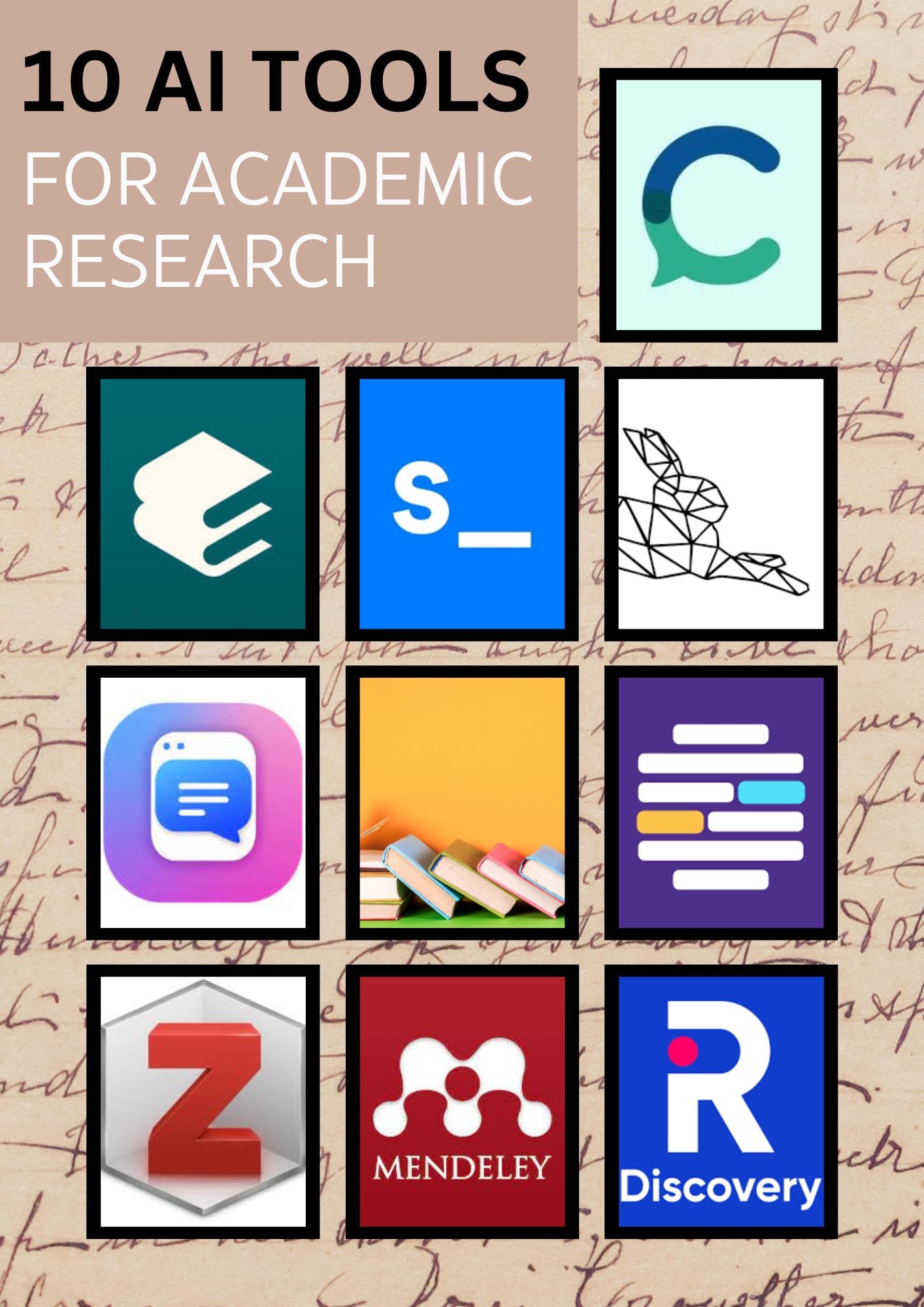
Reading an entire paper to determine relevance is a major bottleneck. AI summarization engines distill a 30-page article into a concise, structured summary covering the objective, methodology, results, and conclusion. Some tools, like Elicit and Paper Digest, output these summaries in a matter of seconds, allowing a researcher to screen hundreds of abstracts without mental fatigue.
Citation Graph and Network Analysis
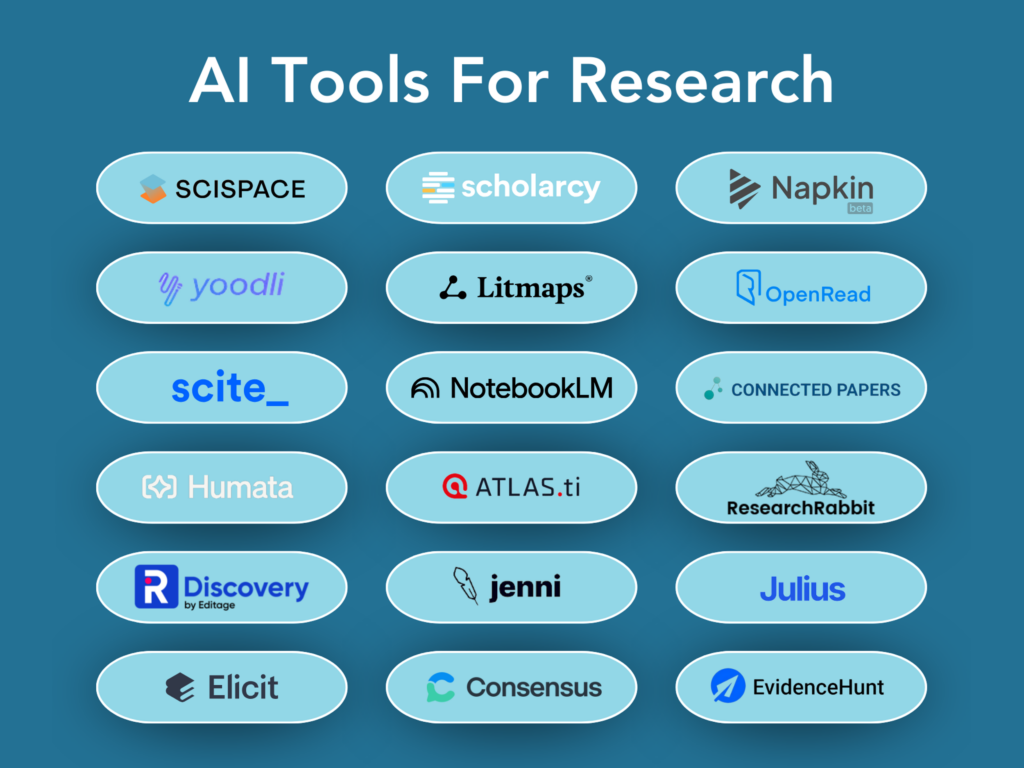
Innovative platforms build knowledge graphs by analyzing citation networks, author affiliations, and funding sources. This reveals the most influential papers, identifies cliques of thought, and traces how an idea evolved over time. Tools like Research Rabbit and Connected Papers turn these graphs into interactive visual maps, making it easy to discover seminal works and “hidden gem” studies.
Data Extraction and Synthesis
For systematic reviews and meta-analyses, extracting quantitative data from hundreds of PDFs is excruciating. AI research tools with data extraction capabilities can pull sample sizes, effect estimates, confidence intervals, and statistical models from tables and text, populating a structured spreadsheet automatically. This reduces human error and frees up countless hours.
Types of AI Research Tools
The ecosystem is diverse. Categorizing AI research tools by function helps you select the right technology for each phase of your project.
Literature Discovery and Mapping Tools
These platforms excel at helping you find relevant literature you might otherwise miss. They move beyond keyword search and use embeddings to cluster papers by topic. Semantic Scholar provides TLDR summaries, while Research Rabbit creates a “rabbit hole” of citations. Connected Papers generates a similarity graph, and Litmaps visualizes the evolution of a research field over time. If your primary challenge is keeping up with a rapidly expanding area, this category is your entry point.
Evidence Synthesis and Review Tools
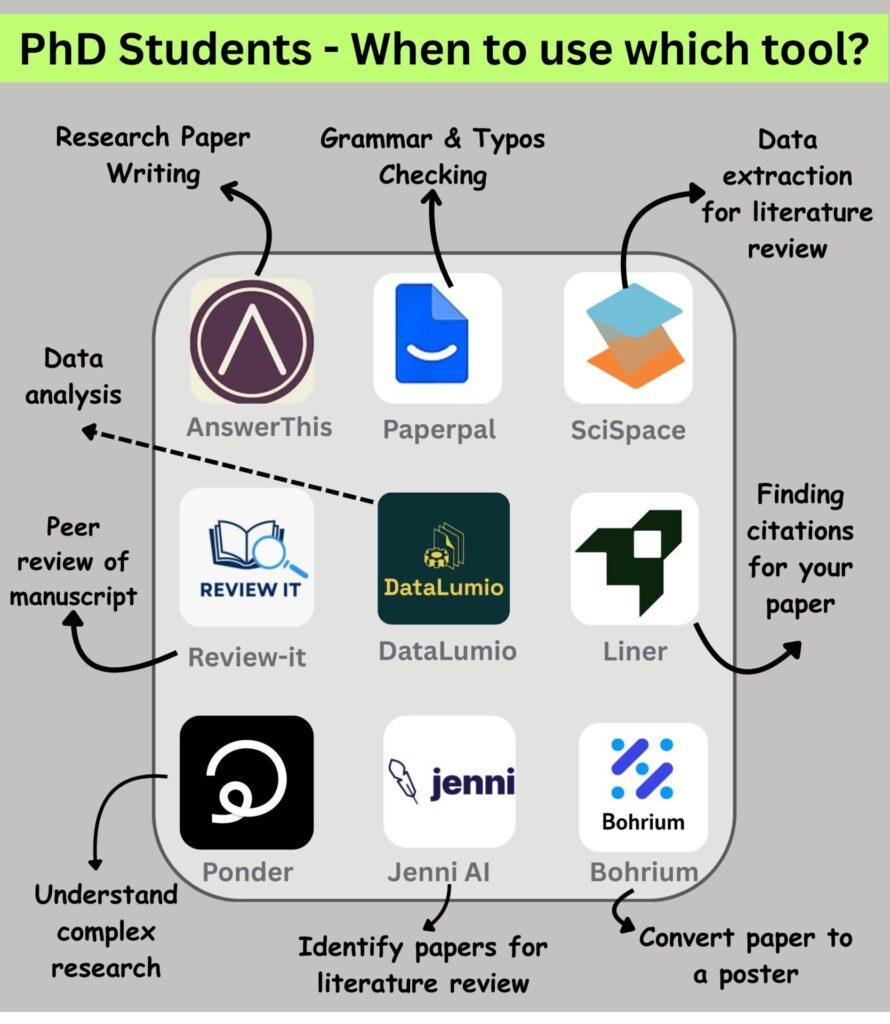
When you need to answer a specific, testable question with existing evidence, tools like Elicit and DistillerSR automate large portions of a systematic review. They can import search results, screen titles and abstracts using customizable machine learning classifiers, and extract predefined data points. This streamlines the most laborious stages of evidence-based medicine, social science meta-analyses, and policy briefs.
AI Writing and Manuscript Preparation Assistants
Writing a research paper demands adherence to strict formatting, clarity, and logical flow. AI writing assistants like SciSpace (formerly Typeset), Writefull, and Paperpal check your grammar within an academic context, suggest more precise phrasing, and ensure your manuscript meets journal submission guidelines. Some can even generate a draft of the methods section or an abstract based on your data inputs, though human oversight remains essential.
Data Analysis and Prediction Platforms
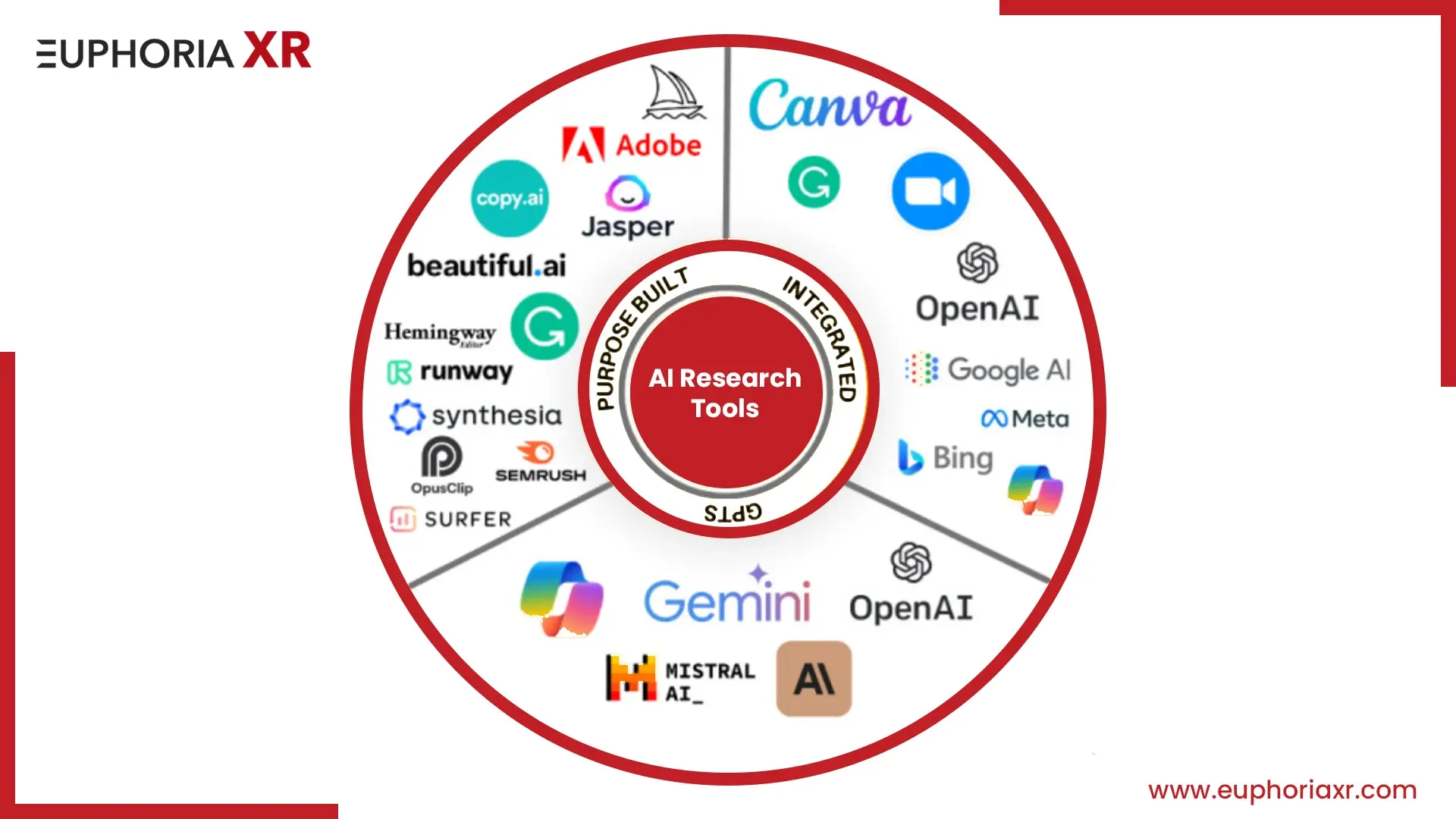
For researchers dealing with large numerical datasets, tools like DataRobot, H2O.ai, and increasingly, custom GPT-4 and Claude integrations are being used to build predictive models, cluster data, and identify significant variables without writing code. While not exclusively academic, these platforms serve as powerful AI research tools in fields like genomics, environmental science, and economics, accelerating the analytical phase.
Reference and Knowledge Management
A scattered library of PDFs and disorganized notes hampers productivity. AI-enhanced reference managers like Zotero (with integrated AI plugins) and Notion AI help you tag, summarize, and retrieve information from your personal collection. They can generate a literature matrix, connect concepts across stored papers, and even suggest related articles to add, transforming your workflow into a dynamic knowledge system.
Benefits of Using AI in Research
The adoption of AI research tools yields benefits that go far beyond merely saving time. The core value lies in raising the ceiling of what a research team can achieve.
- Accelerated Discovery Cycles: What once took a trained researcher six months of full-time manual screening can now be completed in weeks. This compression is critical in fast-moving fields like AI safety, pandemic research, and climate science.
- Reduction of Human Bias: Every researcher has cognitive biases that influence which papers they read and cite. AI tools that map the entire citation landscape can surface contradictory evidence or overlooked studies, forcing a more balanced perspective.
- Interdisciplinary Connection: Semantic search breaks down silos. A cancer researcher might accidentally discover a relevant insight from plant biology because the AI identifies conceptual similarity, not just shared terminology.
- Improved Reproducibility: By systematically extracting methods and statistical information, these tools make it easier to verify findings and detect p-hacking or questionable research practices. Scite.ai, for instance, provides Smart Citations that classify whether a paper supports, contradicts, or merely mentions a claim.
- Democratization of Expertise: Junior researchers and those in low-resource settings can access the same sophisticated filtering and summarization capabilities, leveling the playing field in global science.
- Blindly Trusting Generated Summaries: AI summaries can omit critical methodological flaws or context. Always open the full-text for papers central to your argument. Use the summary as a triage, not a substitute.
- Using Only One Tool: No single platform excels at everything. Combining Semantic Scholar for broad search, Scite for citation validation, and Elicit for data extraction creates a robust pipeline. Relying on a single tool may leave significant evidence gaps.
- Ignoring Publication Date Filters: In fields like AI itself, research from 2020 may already be obsolete. Always set appropriate date ranges. Failing to do so can lead to outdated recommendations in your review.
- Neglecting Transparency in Methodology: When writing your paper, describe exactly which AI tools were used, for what purpose, and on which date. This transparency allows readers to replicate or scrutinize your process and aligns with COPE (Committee on Publication Ethics) guidelines.
- Over-Automating the Screening Process: Automated classifiers improve with labeled data but can miss novel or conflicting studies. Always manually screen at least a random sample or those marked “low confidence” by the algorithm to prevent excluding important outliers.
Limitations and Ethical Considerations
Despite the hype, no AI research tool is infallible. Understanding the boundaries prevents misuse and maintains the trustworthiness of your work.
First, generative models can hallucinate references, conjure plausible-sounding but nonexistent studies, or fabricate data. Always verify outputs against the original source. Second, these tools inherit biases from their training data; if a corpus underrepresents Global South research or non-English publications, the tool’s recommendations will be skewed. Third, over-reliance can erode deep reading skills and critical appraisal. An AI-generated summary is no substitute for grappling with a paper’s nuance. Institutions must also address data privacy—when uploading unpublished data to cloud-based platforms, the confidentiality of sensitive findings is at risk. Transparent disclosure when AI assistance has been used in a publication is fast becoming a scholarly norm.
Top AI Research Tools Comparison
The market is crowded, but a few platforms have emerged as leaders in specific niches. The table below compares features, pricing, and best use cases to help you decide where to start.
| Tool | Primary Function | Key Features | Free Tier | Ideal For |
|---|---|---|---|---|
| Elicit | Evidence synthesis & literature review | Automated data extraction, custom table views, research question answering | Yes (limited credits) | Systematic reviews, meta-analyses, policy research |
| Scite.ai | Citation analysis & credibility checking | Smart Citations (supporting/contradicting), reference checking, retraction monitoring | Yes (limited) | Vetting references, replicability checks, finding contrasting evidence |
| Semantic Scholar | Literature discovery | TLDR summaries, citation graph, AI-powered search, alerting | Fully free | Initial exploration, staying current, broad interdisciplinary searches |
| Research Rabbit | Literature mapping & collection | Citation network visualization, collaborative collections, personalized recommendations | Fully free | Building a research landscape, identifying seminal papers, discovery sprints |
| SciSpace | Writing & comprehension | Copilot (explain math/tables), citation extraction, journal formatting | Yes (limited AI chats) | Writing assistance, reading complex papers, journal submission readiness |
| Paper Digest | Summarization & review | 3-minute paper summaries, track latest papers, custom digest | Yes (limited) | Quick screening of large volumes, staying on top of a field |
| Connected Papers | Visual literature mapping | Similarity graphs, prior works, derivative works | Free (limited graphs per month) | Exploring a new topic, finding related and prior art for grants |
Practical Applications Across Disciplines
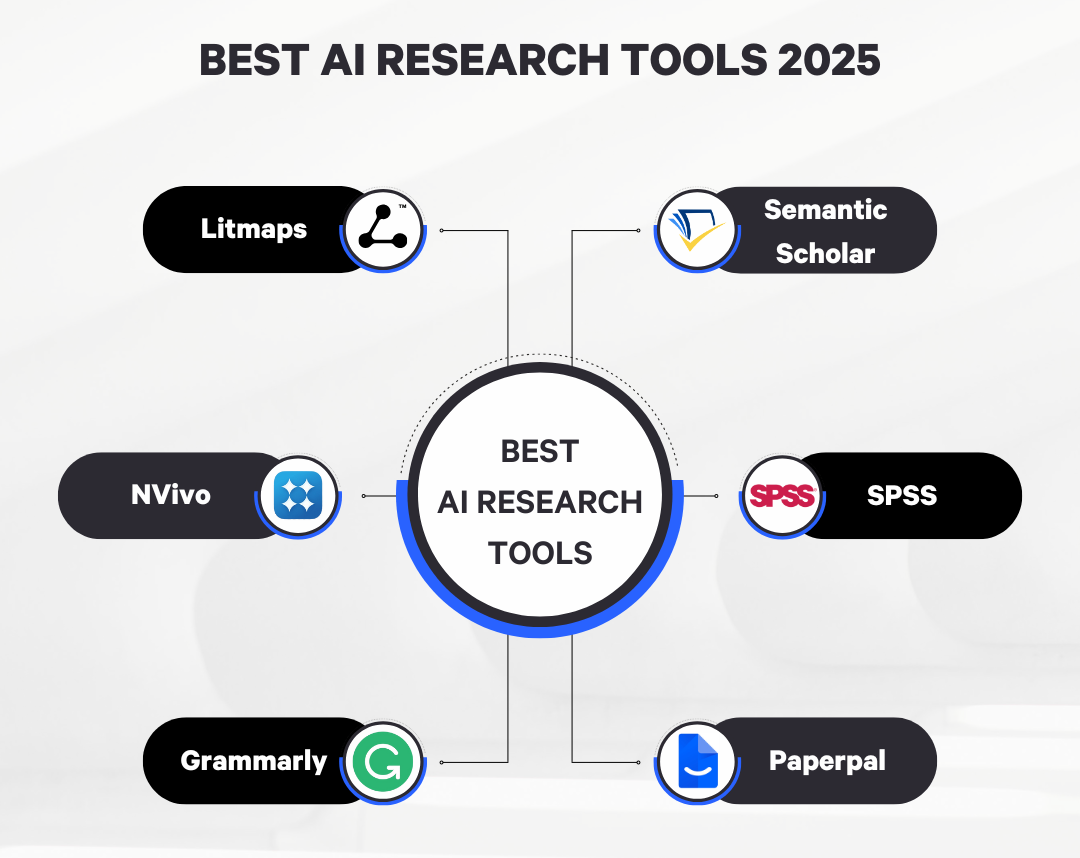
The versatility of AI research tools means they are being adopted well beyond computer science. Here are a few concrete examples of disciplinary use.
In biomedical research, teams use Elicit to screen thousands of abstracts for systematic reviews on drug repurposing. A geneticist might feed raw variant data into a specialized AI platform to predict pathogenicity and link to functional studies automatically. In the social sciences, qualitative researchers are experimenting with tools that code interview transcripts thematically, identifying patterns without preconceived frameworks.
Legal scholars use AI-powered databases to trace how a precedent evolved across jurisdictions, while engineers incorporate Semantic Scholar into early-stage patent landscaping to avoid reinventing solutions. In education research, literature mapping tools rapidly inform meta-analyses on intervention effectiveness. The common thread: each domain uses AI not to replace expert judgment, but to dramatically expand the evidence surface area a human can reasonably assess.
Step-by-Step Guide to Integrating AI into Your Research Workflow
Transitioning from a traditional workflow to one augmented by AI research tools requires deliberate planning. The following steps minimize friction and maximize return on effort.
1. Define Your Research Question with Precision
AI performs best when queries are specific. Instead of “impacts of social media on mental health,” refine the question using frameworks like PICO (Population, Intervention, Comparison, Outcome). For instance, “Among adolescents (13-18), does daily TikTok use exceeding 2 hours increase anxiety scores compared to non-users?” Feed this structured question into the tool’s specialized search interface to get highly relevant initial results.
2. Conduct a Recursive Literature Search and Map
Start with one seminal paper you already trust. Plug its DOI into Research Rabbit or Connected Papers. Examine the prior works (what the paper cited) and derivative works (papers that later cited it). Build a collection as you go, then use the tool’s “recommend similar” feature to let the AI suggest papers you haven’t found yet. This snowballing method uncovers both foundational and cutting-edge research simultaneously.
3. Screen Using AI-Assisted Filtering
Export your gathered references into a tool with automated screening, like Elicit or Rayyan (if doing a systematic review). Create inclusion/exclusion criteria, and let the machine learning algorithm learn from your decisions after you label a random subset. The A
4. Extract and Synthesize Data
For each included study, use the platform’s extraction feature to pull out sample size, study design, key findings, and limitations. Review the extractions for accuracy, correcting any hallucinated numbers. Assemble the data into a matrix. At this stage, some researchers augment the process with an LLM like Claude to draft a thematic synthesis while they verify each claim against the matrix.
5. Draft and Fact-Check with AI Writing Assistants
In your manuscript, use a writing assistant like Writefull or SciSpace’s Copilot to rephrase dense paragraphs, check for structural clarity, and ensure your citations are formatted correctly. Crucially, never let the AI generate the reference list from scratch; always cross-check each citation with your curated library. The tool should help articulate your ideas, not invent them.
Common Mistakes When Using AI Research Tools and How to Avoid Them
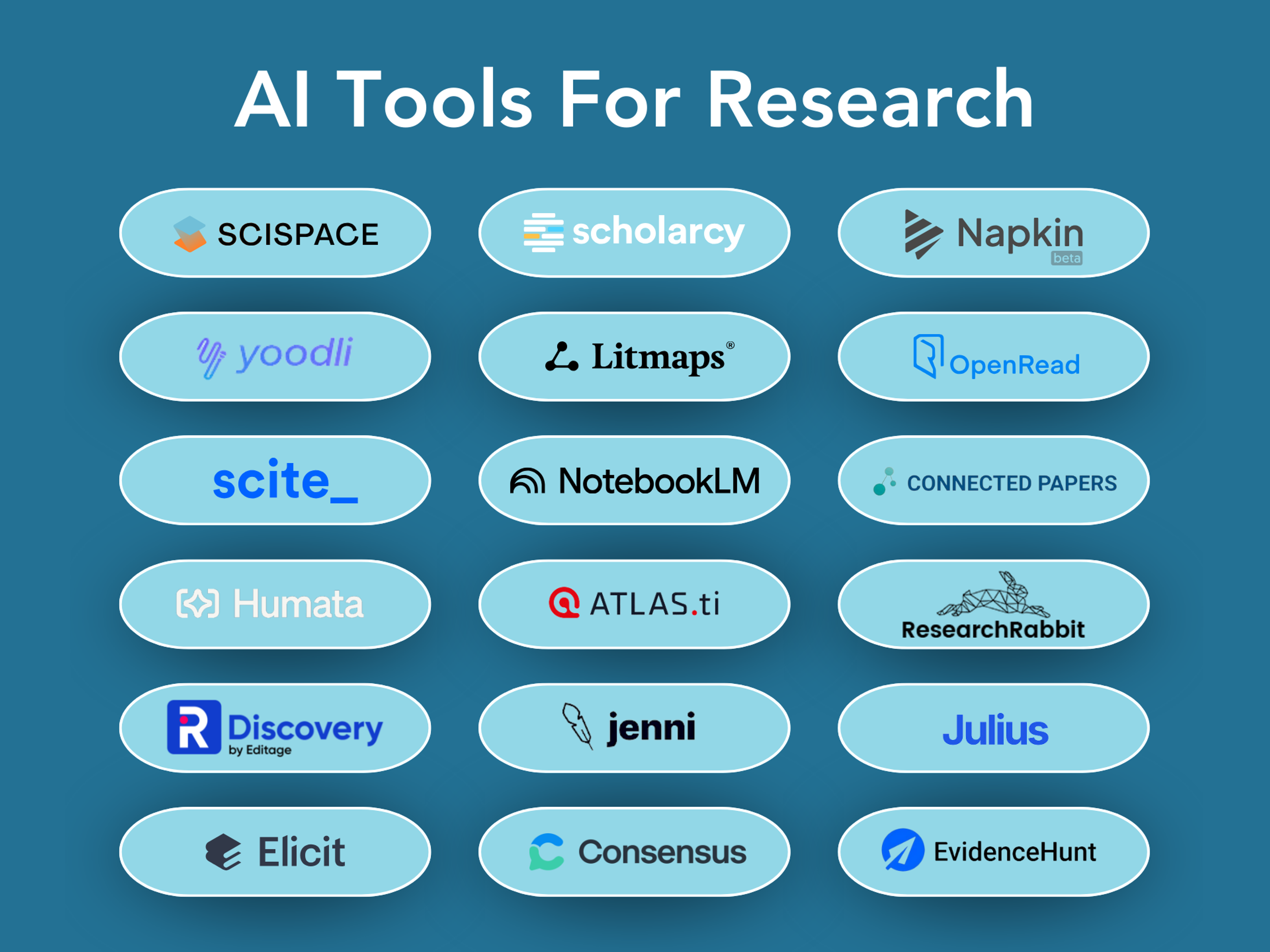
Even experienced researchers stumble when first adopting these technologies. Recognizing the pitfalls in advance preserves the quality of your output.
Important Notes for Maintaining Research Integrity
Incorporating AI research tools demands ethical vigilance. These are not neutral technologies; they reflect the biases of their training sets and the design choices of their creators. If you are conducting a global health review, a tool trained predominantly on English-language, high-income country journals will systematically overlook perspectives from the Global South. Counteract this by supplementing with regional databases and manual searches in local languages where possible.
Additionally, be extremely cautious with “AI-generated insights” that sound authoritative but lack a verifiable source. Any finding that will influence policy, patient care, or a core scientific claim must be traced back to a human-verifiable reference. The culture of responsible AI use in research also requires that you never input personally identifiable patient data or proprietary industry secrets into a public-facing, cloud-hosted tool that uses inputs to retrain its models. Review the privacy policy meticulously.
Frequently Asked Questions
What is the best free AI research tool for literature reviews?
For comprehensive free capabilities, Semantic Scholar and Research Rabbit offer robust literature discovery without cost. Semantic Scholar provides AI-generated TLDR summaries and a citation graph, while Research Rabbit creates interactive visual maps of related papers. Combined, they can handle the initial literature scoping for most projects without a paid subscription.
Can AI research tools replace human researchers?
No. AI research tools are designed to augment, not replace, human judgment. They excel at processing vast amounts of information and identifying patterns, but they cannot design an experiment, interpret nuance, detect methodological flaws with certainty, or understand the broader societal context of a finding. The final synthesis, critical appraisal, and creative leaps remain exclusively human domains.
How accurate are AI-generated article summaries?
State-of-the-art models produce summaries that capture the main findings of a paper with surprising accuracy, often matching what a human would include. However, they can miss secondary objectives, overstate conclusions, or omit crucial limitations. Always treat an AI summary as an initial screen and refer to the original abstract and full text for papers that will form the backbone of your argument.
Are AI research tools suitable for writing a thesis or dissertation?
They can be immensely helpful for the literature review, reference management, and language polishing stages. However, you must not use an AI writing tool to generate substantial portions of text that you claim as your own. Most universities have policies requiring that the use of AI be disclosed and that the intellectual contribution remains yours. Use these tools to refine your own writing, check grammar, and format citations, not to bypass the learning and synthesis that a thesis demands.
Which AI tool is best for checking if a research claim has been contradicted?
Scite.ai is purpose-built for this task. Its Smart Citations technology classifies each citing paper as supporting, contrasting, or merely mentioning the referenced claim. Researchers can immediately see if later studies failed to replicate a result or provided contradictory evidence, making it an indispensable audit tool for high-stakes writing.
Conclusion
The rise of AI research tools marks a paradigm shift, not a passing trend. They empower researchers to navigate the overwhelming tide of published knowledge with unprecedented speed and insight. From the initial spark of an idea to the final polished manuscript, an integrated suite of AI assistants can sharpen every stage of the process. Yet the technology’s power is directly proportional to the user’s critical engagement. Using a mapping tool to stumble upon a novel cross-disciplinary link, leveraging extraction algorithms to build a bulwark of evidence, and then employing a writing assistant to communicate findings clearly—these are the hallmarks of a modern, efficient, and rigorous researcher. Adopt these tools thoughtfully, verify relentlessly, and remember that your expertise provides the irreplaceable context that no algorithm can replicate. The future of research is not human versus machine; it is human and machine, working in concert to accelerate meaningful discovery.
Xem thêm:
- AI SEO Dynamic Content: The Complete Guide to Automated Personalization That Ranks
- AI SEO AI Search Mentions: The Complete Guide to Winning Brand Visibility in Generative Search
- AI SEO Content Repurposing Tool: The Complete Guide to Scaling Your Content Strategy
- AI SEO Keyword Forecasting: The Complete Guide to Predicting Search Trends
- AI SEO Knowledge Base: The Complete Guide to Building and Using One in 2025
Bài viết cùng chủ đề:

AI SEO SEO Automation with Make: The Complete Workflow Guide

AI SEO SEO Automation with Zapier: The Complete Workflow Guide

AI SEO SEO Automation with n8n: The Complete Workflow Guide
AI SEO SEO Automation with Gemini: The Complete Guide to Scaling Organic Growth

AI SEO SEO Automation with Claude: The Complete Guide to Scaling Content in 2025

AI SEO SEO Automation with ChatGPT: The Complete Playbook for 2025

AI SEO & SEO Automation for Affiliate Sites: The 2025 Playbook for Passive Income Growth
AI SEO & SEO Automation for Bloggers: The Complete Guide to Scaling Your Content

AI SEO & SEO Automation for Agencies: The Complete 2025 Playbook

AI SEO and SEO Automation for Ecommerce: The Complete Playbook for 2025

AI SEO & SEO Automation for WordPress: The Complete Playbook for 2025
AI SEO SEO Automation Strategy: The Complete Playbook for 2025

Mastering the AI SEO SEO Automation Process: A Complete Guide to Scaling Organic Growth
AI SEO SEO Automation System: The Complete Guide to Scaling Organic Growth in 2025
AI SEO SEO Automation Platform: The Complete Guide to Scaling Organic Growth in 2025
AI SEO SEO Automation Software: The Complete Guide to Scaling Organic Growth in 2025















