
No products in the cart.
AI SEO Writing: The Complete Guide to Ranking Smarter with Machine Assistance
29
Jul
Jul
The search landscape transformed irreversibly the moment language models learned to string sentences together with startling coherence. AI SEO writing now sits at the center of that shift, reshaping how content teams research, draft, optimize, and publish. This is not about handing the keys to a robot and walking away. It is about understanding where artificial intelligence strengthens SEO workflows, where it fails, and how experienced writers blend algorithmic output with the nuance that search engines and human readers demand.
In the last two years, Google has clarified repeatedly that AI-generated content is not penalized simply because a machine wrote it. The emphasis falls on quality, originality, and the demonstration of first-hand experience. That nuance changes everything. The goal of AI SEO writing is no longer to churn out passable articles at scale but to accelerate the parts of content creation that drain time and inject the human layer that machines cannot replicate. The difference between a page that ranks and one that disappears lies in how intelligently that partnership is managed.
What Is AI SEO Writing?
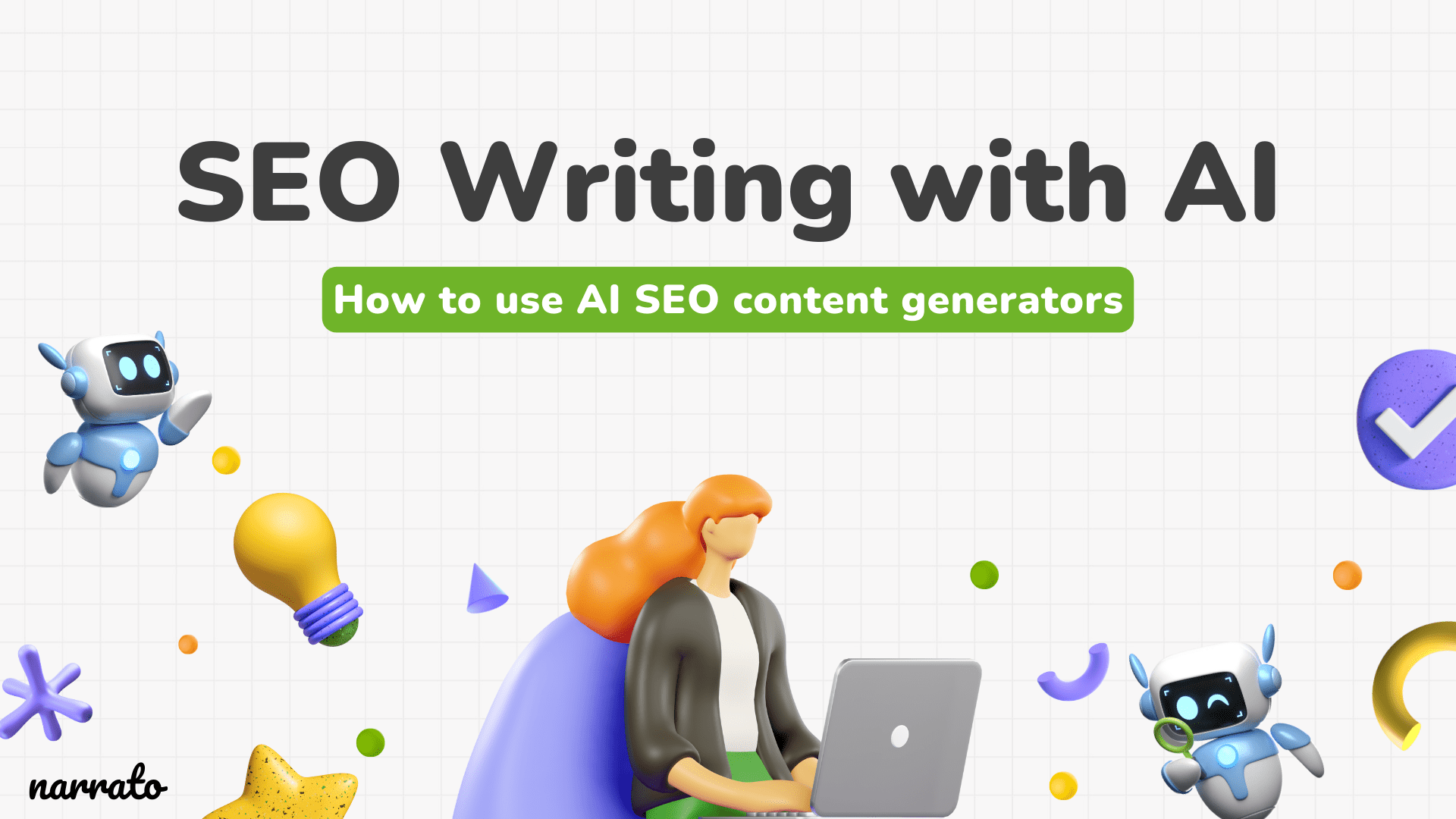
AI SEO writing refers to the use of artificial intelligence tools—primarily large language models—to assist in creating content that is optimized for search engines. This covers everything from topic ideation and keyword clustering to generating full drafts, meta descriptions, and content briefs. The core promise is speed. Tasks that once took five hours of manual research, outlining, and writing can be compressed into thirty minutes of guided prompting and rigorous editing.
However, the definition has evolved beyond simple text generation. Modern AI SEO writing now integrates semantic search principles, entity recognition, and on-page optimization suggestions directly into the drafting process. Tools analyze top-ranking pages for a given query and propose structure, word count, and related questions to cover. The output is not just text; it is a data-informed foundation that still requires a human to verify facts, add original insights, and smooth the prose.
The Core Components of AI-Driven SEO Content
Effective AI SEO writing breaks down into four interconnected components. First, research and clustering: the machine scans SERP landscapes, identifies content gaps, and groups semantically related keywords. Second, drafting: the language model produces text based on prompts that include the target keyword, tone, and structure. Third, optimization: built-in algorithms check for keyword density, readability, internal linking opportunities, and schema markup suggestions. Fourth, quality assurance: the human editor verifies accuracy, injects unique examples, and ensures the final piece aligns with the brand’s voice and E-E-A-T signals.
Why AI SEO Writing Matters for Modern Search Performance
Search engine algorithms have grown sophisticated enough to recognize topical depth, information gain, and content usefulness beyond simple keyword matching. AI tools can process this complexity at scale. They can instantly surface subtopics that a single writer might overlook, ensuring a blog post covers a subject from the angles that matter to searchers. This directly impacts rankings because pages that comprehensively answer a query, along with its latent questions, tend to cluster in top positions.
The speed advantage also enables content teams to respond to algorithm updates and competitor movements faster. When a new trend emerges or Google releases a core update, the window for capturing traffic narrows. AI-assisted drafting means reaction time shrinks from weeks to days without sacrificing the editorial standards needed to earn long-term trust.
| Traditional SEO Writing | AI-Assisted SEO Writing |
|---|---|
| Manual keyword research and clustering | Automated topic modeling and SERP gap analysis |
| Hours spent on first drafts | Drafts generated in minutes, ready for editing |
| Optimization as a separate post-writing step | Real-time optimization guidance during drafting |
| Scalability limited by human bandwidth | Scalable output with human oversight as the control layer |
How Search Engines Evaluate AI-Generated Content
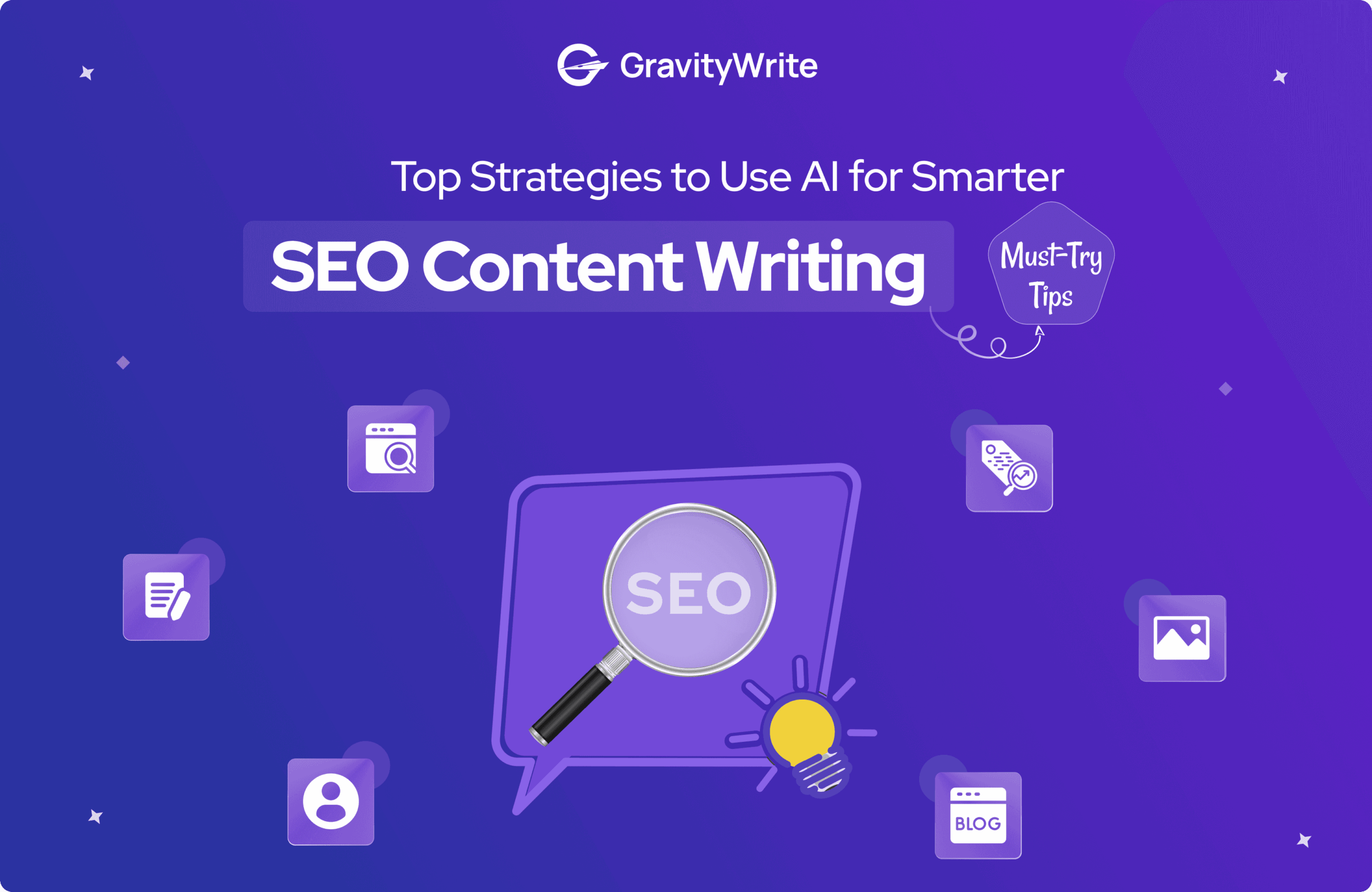
Google’s official stance, updated repeatedly through 2023 and 2024, clarifies that content quality, not the method of production, determines ranking. The search engine assesses helpfulness, expertise, experience, authoritativeness, and trustworthiness regardless of whether a human or an algorithm wrote the first version. This means a poorly edited AI article stuffed with generic statements will still fail, just as a poorly researched human-written piece would.
The real risk lies in scaled content abuse. Sites that publish hundreds of AI-written pages without any human review, fact-checking, or original value face manual actions and algorithmic demotions. Google’s systems are trained to detect patterns like repetitive phrasing, lack of depth, and absence of unique data points. Successful AI SEO writing, therefore, hinges on treating the machine as a capable junior writer whose work always passes through a senior editor before publication.
E-E-A-T Signals and Machine Content
Experience and trustworthiness are the hardest signals for AI to fabricate. A language model cannot have personal experience with a product, visit a location, or conduct original research. That limitation is precisely where the human writer must step in. Adding case studies, proprietary data, screenshots, author bios with real credentials, and first-person anecdotes transforms a generic AI draft into a page that meets the strictest quality thresholds. The machine provides the skeleton; the human adds the connective tissue that builds authority.
The Step-by-Step Process of AI SEO Writing
Adopting AI tools without a structured process leads to average content at best and harmful output at worst. The following workflow balances efficiency with the editorial rigor required to compete in high-stakes SERPs.
1. Strategic Keyword and Topic Research
Begin by feeding the AI tool a seed keyword and instructing it to generate a content map. Modern platforms analyze the top twenty results for that query and return a list of subtopics, related questions, and content formats that are performing well. The human then refines this output, removing irrelevant suggestions and adding angles based on internal data or audience knowledge. The result is a highly focused topic cluster that covers informational, commercial, and transactional intents where appropriate.
2. Crafting a Detailed Content Brief with AI Assistance
Instead of asking the AI to simply “write an article about X,” the most effective approach involves building a structured brief. The brief specifies the primary keyword, secondary keywords, recommended headings, word count, tone, target audience, and any statistics or examples to include. AI can generate a first version of this brief by analyzing competitor structure, but the SEO strategist must add specific instructions that differentiate the piece. This step prevents the final output from sounding like a reworded version of existing pages.
3. Assisted Drafting with Real-Time Optimization
With a strong brief, the AI produces a draft section by section. Some writers prefer to generate one heading at a time, editing each block immediately to maintain control. This incremental approach allows for real-time fact-checking, style adjustments, and the insertion of unique insights. The alternative—asking for a 2,000-word draft in one go—often results in repetitive structures and filler content that requires heavy rewriting. The iterative method consistently yields higher-quality final pieces.
4. Human Editing and the Injection of Original Value
Editing is never optional. An AI draft must be examined for factual accuracy, logical flow, and brand alignment. The editor should replace generic statements with specific examples, add internal links to relevant resources, and ensure every claim is verifiable. This stage also involves optimizing for featured snippets by crafting concise definitions, bulleted lists, and clear answer paragraphs. The goal is to make the page the most useful resource for the query, a task that requires human judgment no algorithm can replicate yet.
5. Technical SEO and On-Page Finalization
Before publishing, the piece undergoes a technical polish. This includes crafting a compelling title tag that incorporates the primary keyword naturally, writing a meta description that entices clicks, ensuring proper heading hierarchy, and adding alt text to images. AI tools can suggest these elements, but final approval should come from someone who understands the brand’s click-through rate goals. Schema markup, such as FAQ or How-To schema, must also be correctly implemented if applicable.
Common Mistakes in AI SEO Writing and How to Avoid Them
The friction between quick output and lasting quality creates a predictable set of errors. Recognizing them early prevents wasted publishing effort and potential ranking drops.
- Publishing raw AI output without editing. This leads to factual errors, robotic tone, and a lack of original perspective. Always treat the first draft as a starting point.
- Ignoring search intent. AI can produce text that matches keywords but misses the deeper need behind a query. Verify that the content format and angle align with what users actually want to accomplish.
- Over-optimizing for keywords. Forcing a keyword into every paragraph signals poor quality to both readers and search engines. Prioritize natural language and topic coverage.
- Neglecting information gain. If the article says nothing that the top five ranking pages do not already cover, it adds no value. Use AI to identify gaps, then fill them with unique data or insights.
- Failing to disclose AI involvement where appropriate. Transparency builds trust. Depending on the publication, a brief note about the AI-assisted process can align with Google’s guidelines on content integrity.
Selecting the Right AI SEO Writing Tools
The market now offers dozens of platforms, each with distinct strengths. The right choice depends on the specific workflow needs: some tools excel at research and content briefs, others at generating long-form drafts, and a third category focuses on optimization and scoring.
| Tool Category | Primary Function | Best For |
|---|---|---|
| Research and SEO analytics | Keyword clustering, SERP analysis, competitor content gaps | Building data-backed content strategies |
| AI content generators | Long-form draft creation, paraphrasing, summarization | Producing first drafts at scale with guided prompts |
| On-page optimization suites | Content scoring, internal linking suggestions, NLP analysis | Refining existing drafts for higher rankings |
| All-in-one platforms | End-to-end workflow from research to optimization | Teams wanting a single unified environment |
Why the Human-Machine Collaboration Outperforms Either Alone
Testing consistently shows that purely human writing can lack the comprehensiveness that AI topic modeling provides, while purely AI writing lacks the trust signals that only human experience can supply. The highest-performing content blends both. An AI might suggest covering seven subtopics that a writer initially missed. The writer then adds a firsthand example, a unique statistic from a company survey, and a conversational tone that matches the brand. This combination produces pages that earn dwell time, backlinks, and strong rankings over the long term.
Measuring the Success of AI SEO Writing Efforts
Vanity metrics like word count or hours saved are misleading. True performance indicators tie back to business outcomes. Track organic traffic trends for AI-assisted pages versus purely human ones over a 90-day period. Monitor rankings for target keywords, but also watch for the number of keywords a page ranks for in positions 4-15, which indicates topical authority growth. Engagement metrics like bounce rate, time on page, and conversion rate reveal whether the content satisfies user intent. A page that ranks well but drives no conversions fails its ultimate purpose.
Practical Applications Across Different Content Types
AI SEO writing adapts to various formats beyond standard blog posts. For product pages, AI can generate dozens of unique descriptions enriched with features and specifications, saving e-commerce teams enormous time. Each description still requires a human touch to ensure accuracy and brand voice. For local SEO, AI crafts location-specific landing pages that incorporate neighborhood landmarks, service details, and FAQs, all while the editor verifies every local claim. For news content, AI assists with summarization and fact aggregation, though the speed of verification and journalistic integrity remain human responsibilities.
Scaling Content Without Losing Authority
Organizations often fear that using A The antidote is a strong editorial guideline that dictates where and how AI is used. This guideline mandates that every piece receives a minimum of one full editorial pass focused on adding empirical data, customer stories, and expert quotes. AI scales the groundwork; the human touch scales the differentiation. Sites that follow this approach see steady organic growth without the volatility that often accompanies purely automated publishing.
Important Considerations Before Embedding AI into Your SEO Workflow
Legal and ethical dimensions require attention. Copyright law regarding AI-generated works remains fluid in many jurisdictions, so consulting legal counsel is wise. Additionally, some industries—medical, financial, legal—demand extreme caution. Stakes are high when inaccuracies can cause real harm. In these verticals, AI can assist with research and outlining, but subject-matter experts must author and validate the final content. Transparency with readers, through clear author attribution and disclosed credentials, further fortifies the trust that search engines prioritize.
Frequently Asked Questions About AI SEO Writing
Does Google penalize AI-written content?
Google does not penalize content simply because AI created it. The search engine’s systems evaluate quality, helpfulness, and adherence to E-E-A-T principles regardless of the production method. Content that is unoriginal, factually incorrect, or created solely to manipulate rankings will be demoted, whether written by a person or a machine. The key is rigorous human editing and the addition of unique value.
Can AI SEO writing replace human writers entirely?
No. AI lacks the lived experience, critical reasoning, and emotional intelligence required to produce truly authoritative and relatable content. It excels as an assistant that handles research, structure, and initial drafts, but the final layer of creativity, accuracy verification, and brand personality must come from a human. The most effective teams treat AI as a force multiplier, not a replacement.
What is the best way to detect if content was written by AI?
Reliable detection is increasingly difficult. AI-generated text can sound natural, and detection tools produce high rates of false positives and negatives. Instead of trying to detect AI use, focus on evaluating content quality: check for original insights, specific examples, logical flow, and verifiable facts. Content that passes these human quality checks will perform well regardless of its origin.
How do I maintain brand voice when using AI writers?
Maintaining brand voice requires detailed prompting that includes tone guidelines, example paragraphs, and explicit vocabulary preferences. The editing stage then reinforces this voice, adjusting word choices and sentence rhythms to match the brand’s established style. Over time, feeding examples of approved content back into the AI’s prompt context improves consistency in future outputs.
Is AI SEO writing suitable for YMYL (Your Money or Your Life) topics?
Extreme caution is necessary. YMYL topics—health, finance, legal—demand the highest levels of accuracy and trust. AI can assist with background research and structure, but every statement must be verified by a qualified expert. The final published content should prominently feature author credentials, clear sourcing, and a rigorous fact-checking process to meet Google’s elevated standards for these queries.
The Future of AI SEO Writing
The trajectory points toward more integrated, real-time collaboration. Search engines will likely continue refining their ability to surface content that exhibits genuine experience, meaning the gap between pure AI output and human-led content will widen. Tools will evolve to better incorporate first-party data, user feedback, and performance analytics into the drafting process, making the loop from research to optimization tighter. For writers and strategists who adapt, the future holds less time spent on mechanical tasks and more time dedicated to the creative and analytical work that actually moves rankings.
The brands that win will not be the ones that publish the most AI content fastest. They will be the ones that use AI to deeply understand what their audience needs to know and then deliver that knowledge with a clarity and authority that machines alone cannot replicate. AI SEO writing, practiced with discipline, makes that goal attainable.
Xem thêm:
- AI SEO Entity Relationships: The Complete Guide to Semantic Search Dominance
- AI SEO Blueprint: The Complete Guide to Ranking in the Age of Machine Learning
- AI SEO for Ecommerce: The Complete Guide to Outranking Competitors in 2025
- AI SEO Review Content: The Complete Guide to Automated Reviews That Rank
- AI SEO for Finance: The Complete Guide to Dominating Financial Search in 2025
Bài viết cùng chủ đề:

AI SEO SEO Automation with Make: The Complete Workflow Guide

AI SEO SEO Automation with Zapier: The Complete Workflow Guide

AI SEO SEO Automation with n8n: The Complete Workflow Guide
AI SEO SEO Automation with Gemini: The Complete Guide to Scaling Organic Growth

AI SEO SEO Automation with Claude: The Complete Guide to Scaling Content in 2025

AI SEO SEO Automation with ChatGPT: The Complete Playbook for 2025

AI SEO & SEO Automation for Affiliate Sites: The 2025 Playbook for Passive Income Growth
AI SEO & SEO Automation for Bloggers: The Complete Guide to Scaling Your Content

AI SEO & SEO Automation for Agencies: The Complete 2025 Playbook

AI SEO and SEO Automation for Ecommerce: The Complete Playbook for 2025

AI SEO & SEO Automation for WordPress: The Complete Playbook for 2025
AI SEO SEO Automation Strategy: The Complete Playbook for 2025

Mastering the AI SEO SEO Automation Process: A Complete Guide to Scaling Organic Growth
AI SEO SEO Automation System: The Complete Guide to Scaling Organic Growth in 2025
AI SEO SEO Automation Platform: The Complete Guide to Scaling Organic Growth in 2025
AI SEO SEO Automation Software: The Complete Guide to Scaling Organic Growth in 2025















