
No products in the cart.
AI B2C SEO: Mastering Consumer Search with Artificial Intelligence for Unmatched Growth
29
Jul
Jul
The Foundation of AI-Driven Consumer Discovery
The modern consumer journey begins with a search query, often typed, spoken, or even captured through an image. Artificial intelligence has fundamentally altered how those queries are interpreted and how results are ranked. AI B2C SEO is the strategic integration of machine learning algorithms, natural language processing, and predictive analytics to optimize business-to-consumer digital assets. It moves beyond simple keyword matching into the realm of understanding intent, context, and user behavior at scale.
Search engines like Google have been deploying AI for years through systems such as RankBrain, BERT, and the Multitask Unified Model (MUM). These frameworks analyze the relationships between words, concepts, and user satisfaction signals. For consumer brands, ignoring this shift means losing visibility in the moments that matter most. AI B2C SEO empowers teams to decode complex search patterns and deliver exactly what a potential buyer needs before they express it directly.
At its core, this approach treats every search interaction as a data point that feeds a continuous optimization loop. Instead of reacting to algorithm updates after traffic drops, practitioners use AI to forecast changes and adapt proactively. The result is a resilient online presence that aligns with how real people search for products, services, and information today.
What Exactly Is AI B2C SEO and How Does It Work?
AI B2C SEO is a specialized discipline that leverages artificial intelligence tools to enhance visibility, engagement, and conversion rates in consumer-facing markets. It encompasses everything from automated keyword research and content generation to real-time personalization and voice search optimization. The foundation rests on training models to recognize patterns in massive datasets—search queries, click-through rates, dwell time, and purchase history—that a human could never process manually.
The operational mechanics involve several layers. Natural language processing (NLP) deciphers the nuance behind “near me” searches, long-tail conversational phrases, and semantic relationships. Machine learning clusters user segments and predicts which content types will satisfy their specific needs. Computer vision interprets image and video assets, contributing to visual search rankings. Finally, automation layers execute technical SEO audits, canonical fixes, and internal linking adjustments without constant manual intervention.
What truly separates AI B2C SEO from traditional methods is its feedback loop. When a user clicks a product page but bounces back to the search results, that signal is processed instantly. The AI system can then suggest a title tag revision, a meta description tweak, or an entirely new content angle for that query. This dynamic responsiveness turns SEO into a living strategy that evolves alongside consumer expectations.
Core Components and Classification of AI-Driven B2C SEO
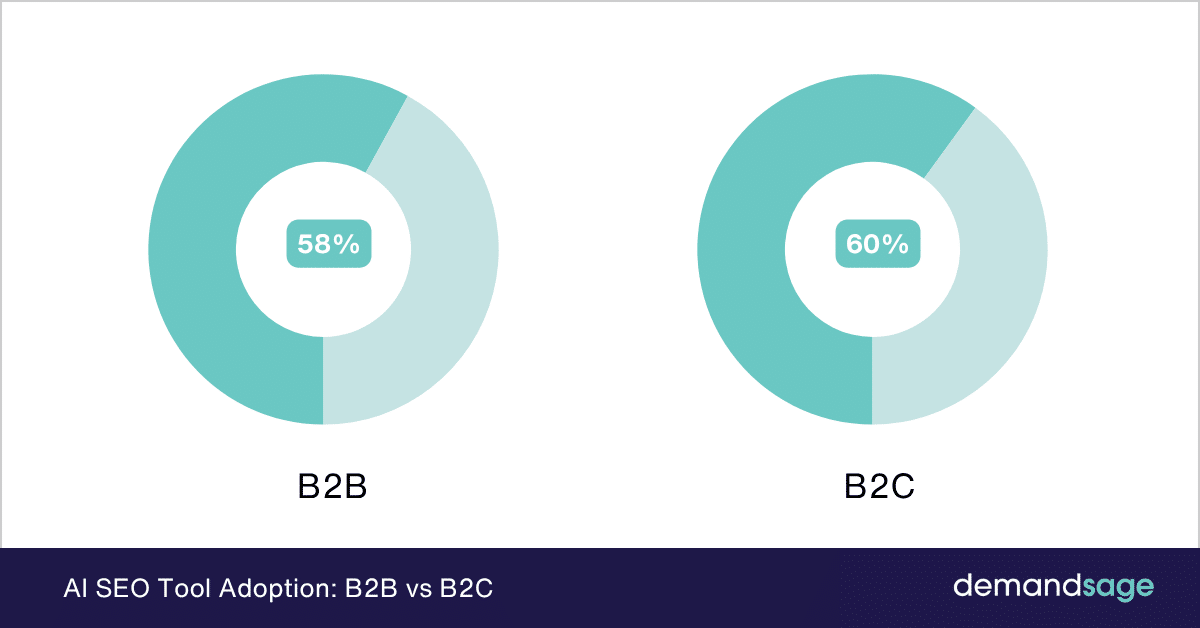
Breaking down AI B2C SEO into distinct components clarifies where to invest resources for maximum impact. These elements work in concert, not isolation, to create a seamless discovery experience.
Intelligent Keyword and Intent Clustering
Traditional keyword research often treated each phrase as a separate target. AI transforms this by grouping thousands of related terms based on user intent. For a fashion retailer, queries like “running shoes for flat feet,” “best cushioned trainers,” and “stability running shoes sale” are semantically connected. An AI model clusters them and reveals that a single comprehensive guide with dedicated sections can serve them all, consolidating authority and reducing cannibalization.
Automated Content Optimization and Generation
Content creation with AI goes far beyond simple text spinning. Modern platforms analyze top-ranking pages, extract the entities they cover, and identify gaps in your own content. They can then draft full article outlines, write SEO-friendly product descriptions at scale, and generate localized landing pages for hundreds of cities—all while maintaining a brand’s voice. This is particularly vital for B2C e‑commerce, where refreshing thousands of product detail pages manually is impossible.
Predictive Analytics for Demand Forecasting
AI B2C SEO uses historical search trend data combined with external factors like seasonality, social media buzz, and economic indicators to predict upcoming surges. A home decor site might receive an alert that searches for “biophilic design office” will peak in three months, giving the content team time to build a resource hub and earn early backlinks before competitors react.
Visual and Voice Search Optimization
Consumer behavior is increasingly camera- and microphone-oriented. AI-powered image recognition ensures product photos appear in Google Lens searches. For voice search, NLP models optimize content for question‑answer formats, featured snippets, and conversational long-tail phrases that dominate smart speaker queries. A recipe blog using structured data and natural language in headings will capture the “Hey Google, how do I make vegan brownies?” crowd more effectively.
Personalization at Scale
Dynamic content personalization, driven by AI, shows different landing page variants to different user signals. Returning customers might see a loyalty discount message, while first‑time visitors from a social media campaign see user‑generated testimonials. This real‑time adaptation improves engagement metrics—dwell time, pages per session, bounce rate—which directly influence organic rankings in modern algorithms.
Benefits and Limitations Every Marketer Must Understand
Adopting AI B2C SEO delivers transformative advantages but also comes with constraints that demand careful management. A balanced view prevents unrealistic expectations and guides smarter investments.
| Key Benefits | Notable Limitations |
|---|---|
| Unmatched Scalability: AI can analyze millions of data points and generate content briefs overnight, letting small teams compete with enterprise brands. | Data Dependency: Models are only as good as the training data. Incomplete or biased datasets produce flawed insights, potentially harming rankings. |
| Superior User Intent Interpretation: Machine learning identifies micro-intents, enabling content that answers questions before they are fully articulated. | Loss of Nuance: Over-reliance on automation can strip content of emotional brand storytelling, making copy sound generic and untrustworthy. |
| Continuous Optimization: Systems learn from every user interaction, automatically refining meta data, internal links, and content freshness. | High Initial Investment: Enterprise-grade AI SEO platforms require significant budget, and custom solutions demand data science expertise often missing in-house. |
| Competitive Gap Analysis: AI instantly reveals content weaknesses across an entire competitor landscape, not just a handful of tracked keywords. | Algorithm Opacity: Search engines guard their ranking signals. An AI tool might optimize for a factor that a core update deprecates weeks later. |
| Enhanced E-E-A-T Signals: When used to surface expert quotes, verified statistics, and author credentials, AI can strengthen trustworthiness. | Privacy and Compliance Risks: Personalization must adhere to GDPR and CCPA. Mishandling user data for SEO purposes invites legal and reputational damage. |
A Practical Comparison: Traditional B2C SEO Versus AI-Powered B2C SEO
Understanding the shift requires a direct side-by‑side look at workflows, thinking models, and outcomes. The table below highlights the operational chasm between the old manual guardrails and the AI‑infused reality.
| Aspect | Traditional B2C SEO | AI B2C SEO |
|---|---|---|
| Keyword Research | Relies on volume and difficulty metrics; often isolated single‑keyword focus. | Uses topic clustering, sentiment analysis, and real‑time search trend prediction. |
| Content Strategy | Editorial calendars built manually; gaps identified through intuition and sporadic audits. | AI gap analysis scans thousands of SERPs, prioritizes content by opportunity score and revenue potential. |
| On‑Page Optimization | Manual checks for title tags, header hierarchy, and keyword density. | Continuous automatic audits; NLP‑driven suggestions for entity inclusion and readability improvements. |
| Technical SEO | Periodic crawls with desktop tools; manual log file analysis. | Real‑time monitoring with anomaly detection; AI‑driven prioritization of crawl budget on revenue‑critical pages. |
| User Experience Signals | Guesswork around bounce rate; A/B testing on limited pages. | Predictive personalization; dynamic content adaptation based on user cohort behavior and device type. |
| Link Building | Reactive outreach based on backlink gap tools; high manual effort. | AI identifies link‑worthy assets proactively; predicts which publishers will accept guest contributions based on historical patterns. |
| Reporting | Dashboards showing traffic and rankings with manual interpretation. | Prescriptive analytics: the system not only reports a drop but also suggests the exact fix with estimated impact. |
How to Apply AI B2C SEO in a Real Consumer Brand Environment
Moving from theory to execution requires a phased roadmap. Rushing to automate everything at once typically fails. The most successful consumer brands follow a structured, data‑first sequence.
Phase One: Audit and Centralize Your Data
AI thrives on clean, connected information. Collate data from Google Search Console, web analytics, CRM, point‑of‑sale systems, and customer support tickets. Break down silos so the model can connect a product’s organic traffic to its offline sales lift. Implement a consumer data platform if needed. Without a single source of truth, AI recommendations will be fragmented and misleading.
Phase Two: Deploy AI for Technical Foundation
Start with the backbone. Use AI-powered crawlers like those integrated into enterprise SEO suites to detect rendering issues, orphan pages, slow load times from Core Web Vitals, and structured data errors across tens of thousands of URLs. Automate the fix for hreflang tags on multi‑region consumer sites. This phase delivers quick wins and builds stakeholder confidence.
Phase Three: Shift Content Workflows to AI Assistance
Integrate a natural language generation (NLG) tool that is fine‑tuned on your brand’s top‑performing content. Use it to create product description templates, FAQ pages, and local landing pages at scale. For editorial content, rely on AI for topic modeling and outline creation, but maintain human oversight for storytelling and emotional connection. Train the AI model on your customer reviews and social listening data to mirror authentic consumer language.
Phase Four: Activate Personalization and Predictive Search
Connect your AI SEO tool to your web personalization engine. When organic visitors arrive from a high‑intent commercial query, the page automatically highlights the best‑selling product, regional availability, and current promotion. Use predictive analytics to spot seasonal spikes for terms like “back‑to‑school laptop deals” and pre‑publish optimized content six weeks ahead, securing early indexing and backlinks.
Phase Five: Build a Continuous Learning Loop
Set up automated anomaly alerts. If the AI detects a sudden drop in click‑through rate for a category page, it should instantly analyze competitor SERP changes and propose a title tag revision or a new snippet‑optimized answer. Run weekly experiments where AI suggests small meta description tweaks, measures the impact on CTR, and keeps the winners. This turns the site into a self‑improving organic growth machine.
Common Mistakes When Implementing AI B2C SEO and How to Avoid Them
Despite the promise, many brands stumble because they treat AI as a magic wand rather than a precision instrument. Recognizing these pitfalls early preserves both rankings and budget.
- Publishing Unguarded AI Content: Tools like ChatGPT can generate massive volumes of text rapidly, but raw output often contains factual errors, shallow insights, or repetitive phrasing. Always have subject matter experts review, verify, and inject unique perspectives before publishing. Google’s helpful content system explicitly penalizes content created primarily for search engines.
- Ignoring the Human Element of E-E-A-T: AI cannot replicate genuine experience. Consumer health, finance, and safety content requires real expert authorship. Relying solely on AI to write medical advice or product safety warnings destroys trust and invites manual actions. Show author bios, cite original research, and include verified customer stories.
- Over‑Automating Based on Incomplete Data: If your AI model doesn’t have access to offline conversion data or full customer lifetime value, it may optimize for vanity metrics like traffic instead of revenue. Align KPIs within the tool to measure the metrics that truly move the business.
- Neglecting Mobile and Core Web Vitals: AI can produce wonderfully optimized content, but if the page loads slowly on a consumer’s smartphone, the ranking will still suffer. Use AI performance monitoring to link content suggestions with technical speed improvements simultaneously.
- Chasing Every AI Trend Without Strategy: Jumping from one AI tool to another fragments data. Choose a core platform that integrates with your existing stack and commit to a 12‑month learning curve. Consistency yields better models and more accurate predictions.
Important Notes for Sustained AI B2C SEO Success
Several principles govern long‑term effectiveness in this dynamic field. First, treat AI as a co‑pilot, not an autopilot. The final editorial and strategic decisions must rest with experienced SEO professionals who understand the brand’s voice and audience deeply. Second, prioritize first‑party data collection through newsletters, loyalty programs, and interactive tools. As third‑party cookies phase out, the AI models that train on your own customer data will have an immense competitive advantage.
Third, integrate AI B2C SEO with broader marketing automation. When an organic visitor downloads a seasonal guide, the AI should trigger a remarketing email sequence that complements the search journey. This omnichannel reinforcement boosts lifetime value and sends positive engagement signals back to the search engine. Fourth, conduct quarterly content audits using AI to identify pages with declining freshness. Refresh statistics, update outdated advice, and merge thin posts to concentrate authority. This proactive maintenance prevents slow, silent ranking erosion.
Finally, stay informed on AI regulation. Governments worldwide are crafting laws around AI‑generated content disclosure and consumer data usage. Transparent labeling and ethical data practices are not just legal safeguards; they also align with Google’s emphasis on content trustworthiness.
Frequently Asked Questions About AI B2C SEO
What is AI B2C SEO and why does it matter for consumer brands?
AI B2C SEO is the application of artificial intelligence technologies to improve search visibility and user experience for business‑to‑consumer companies. It matters because consumer search behavior has evolved to be conversational, intent‑rich, and multi‑modal. AI processes these complex signals at scale, enabling brands to appear in the right moments and deliver personalized experiences that convert casual browsers into loyal customers.
How does artificial intelligence improve keyword research for B2C websites?
AI improves keyword research by clustering thousands of related terms based on shared intent rather than just lexical similarity. It analyzes competitor content, user questions, and trending topics to identify gaps humans might miss. This results in a comprehensive content strategy that covers an entire topic cluster, boosting topical authority and reducing the need for hundreds of separate pages.
Can AI completely replace human SEO specialists in consumer markets?
No. AI excels at data processing, pattern recognition, and automation, but it cannot replicate strategic creativity, genuine empathy, or ethical judgment. Human oversight is essential to maintain brand voice, verify factual accuracy, and build authentic E-E-A-T signals. The most effective approach is a collaboration where AI handles scalability and analytics while humans focus on storytelling and relationship building.
Which AI tools are most effective for B2C SEO campaigns?
Effective tools range from integrated enterprise platforms like BrightEdge and MarketMuse, which use AI for content planning and performance prediction, to specialized solutions like Surfer SEO for on‑page optimization and Frase for content brief creation. For technical SEO, tools like Botify and Deepcrawl employ machine learning to manage crawl budget and detect issues. The right choice depends on your site’s size and specific consumer behavior patterns.
Is there a risk of Google penalizing AI-generated content in B2C SEO?
Google does not penalize content simply because it was assisted by AI. The risk arises when content is created solely to manipulate rankings, lacks originality, or fails to demonstrate experience and expertise. If AI-generated text is extensively reviewed, edited by humans, and provides genuine value, it can rank well. The key is to focus on helpfulness, not just automation.
How can small B2C businesses start using AI for SEO without a large budget?
Small businesses can start with affordable, self‑service AI tools. Use ChatGPT or Claude for content outline generation and idea brainstorming, but always refine the output manually. Platforms like NeuronWriter or LowFruits offer budget‑friendly AI keyword clustering and content scoring. Implement Google’s free AI‑driven tools like Search Console Insights and Google Analytics anomaly detection. Focus first on creating one exceptional AI‑assisted resource page rather than dozens of thin articles.
Where AI B2C SEO Is Headed Next
The integration of artificial intelligence into consumer search strategy is not a passing trend—it is the new operating system for digital visibility. Brands that embrace AI as a core component of their SEO efforts will continue to outpace competitors still clinging to manual, reactive methods. The real winners will be those who use technology to amplify human creativity, not replace it.
The future points toward even deeper personalization, predictive search that understands needs before a query is typed, and seamless multi‑modal experiences connecting voice, image, and text. By embedding AI B2C SEO into their operations today, consumer companies build a resilient, insights‑driven foundation that turns search engines into long‑term growth partners, not just traffic sources.
Xem thêm:
- AI SEO Long Tail Keyword Research: The Complete Guide to Smarter Rankings
- AI SEO SERP Competitor Analysis: The Complete Playbook for 2025
- AI SEO Maps Optimization: The Complete Guide to Dominating Local Search in 2025
- AI Semantic SEO: Mastering the Next Evolution of Search Engine Optimization
- AI SEO Sales Funnel: The Complete Guide to Automating Leads and Revenue in 2025
Bài viết cùng chủ đề:

AI SEO SEO Automation with Make: The Complete Workflow Guide

AI SEO SEO Automation with Zapier: The Complete Workflow Guide

AI SEO SEO Automation with n8n: The Complete Workflow Guide
AI SEO SEO Automation with Gemini: The Complete Guide to Scaling Organic Growth

AI SEO SEO Automation with Claude: The Complete Guide to Scaling Content in 2025

AI SEO SEO Automation with ChatGPT: The Complete Playbook for 2025

AI SEO & SEO Automation for Affiliate Sites: The 2025 Playbook for Passive Income Growth
AI SEO & SEO Automation for Bloggers: The Complete Guide to Scaling Your Content

AI SEO & SEO Automation for Agencies: The Complete 2025 Playbook

AI SEO and SEO Automation for Ecommerce: The Complete Playbook for 2025

AI SEO & SEO Automation for WordPress: The Complete Playbook for 2025
AI SEO SEO Automation Strategy: The Complete Playbook for 2025

Mastering the AI SEO SEO Automation Process: A Complete Guide to Scaling Organic Growth
AI SEO SEO Automation System: The Complete Guide to Scaling Organic Growth in 2025
AI SEO SEO Automation Platform: The Complete Guide to Scaling Organic Growth in 2025
AI SEO SEO Automation Software: The Complete Guide to Scaling Organic Growth in 2025















