
No products in the cart.
AI SEO SERP Competitor Analysis: The Complete Playbook for 2025

10
Aug
Aug
Search engine results pages have transformed into dynamic, AI-driven ecosystems where traditional ranking tactics no longer guarantee visibility. An AI SEO SERP Competitor Analysis is the process of using machine learning tools and predictive algorithms to dissect why competitors rank, what content gaps exist, and how search features are shifting. This approach moves beyond manual spreadsheet tracking into real-time, predictive intelligence. For digital marketers and business owners, mastering this analysis is no longer optional; it is the core difference between being visible and being obsolete.
What is AI SEO SERP Competitor Analysis?
AI SEO SERP Competitor Analysis refers to the systematic use of artificial intelligence to evaluate search engine results pages, identify competitor strategies, and extract actionable insights that human analysis might miss. Traditional competitor analysis involves manually checking rankings, backlinks, and content. AI-powered analysis automates this process, processing thousands of data points across multiple SERP features simultaneously.
The core difference lies in the depth of insight. Standard tools tell you who ranks. AI tools tell you why they rank, predict what will rank next, and recommend specific content adjustments. This includes analyzing entity relationships, semantic relevance, and user intent patterns that are invisible to the naked eye.
The Evolution from Manual to AI-Driven Analysis
Five years ago, competitor analysis meant exporting keyword lists and comparing meta tags. Today, AI systems analyze the entire SERP landscape, including AI Overviews, featured snippets, People Also Ask boxes, and video carousels. These systems learn from every algorithm update, adjusting their predictive models in real time.
Modern AI SEO platforms use natural language processing to understand the topical authority of competing pages. They measure not just keyword presence but the completeness of topic coverage. This allows for a level of competitive intelligence that directly correlates with Google’s ranking systems, which prioritize comprehensive, authoritative content.
Why AI-Powered SERP Analysis Matters for Your Rankings
The search landscape has become too complex for manual tracking. Google’s algorithms now consider hundreds of ranking factors, many of which are dynamic and context-dependent. AI SEO SERP Competitor Analysis provides the computational power needed to keep pace with these changes.
Consider the rise of AI Overviews. These generated summaries occupy prime real estate at the top of the SERP, pushing traditional organic results down. An AI-driven analysis can identify which queries trigger these overviews, what sources they cite, and how to optimize content to become a cited source. This level of insight is impossible to achieve through manual observation alone.
Furthermore, AI analysis reveals the relationship between SERP features and user behavior. It can show how click-through rates change when a featured snippet appears, or how the presence of a video carousel affects text-based rankings. These behavioral insights allow for more strategic content planning and resource allocation.
Core Components of an AI SEO SERP Competitor Analysis
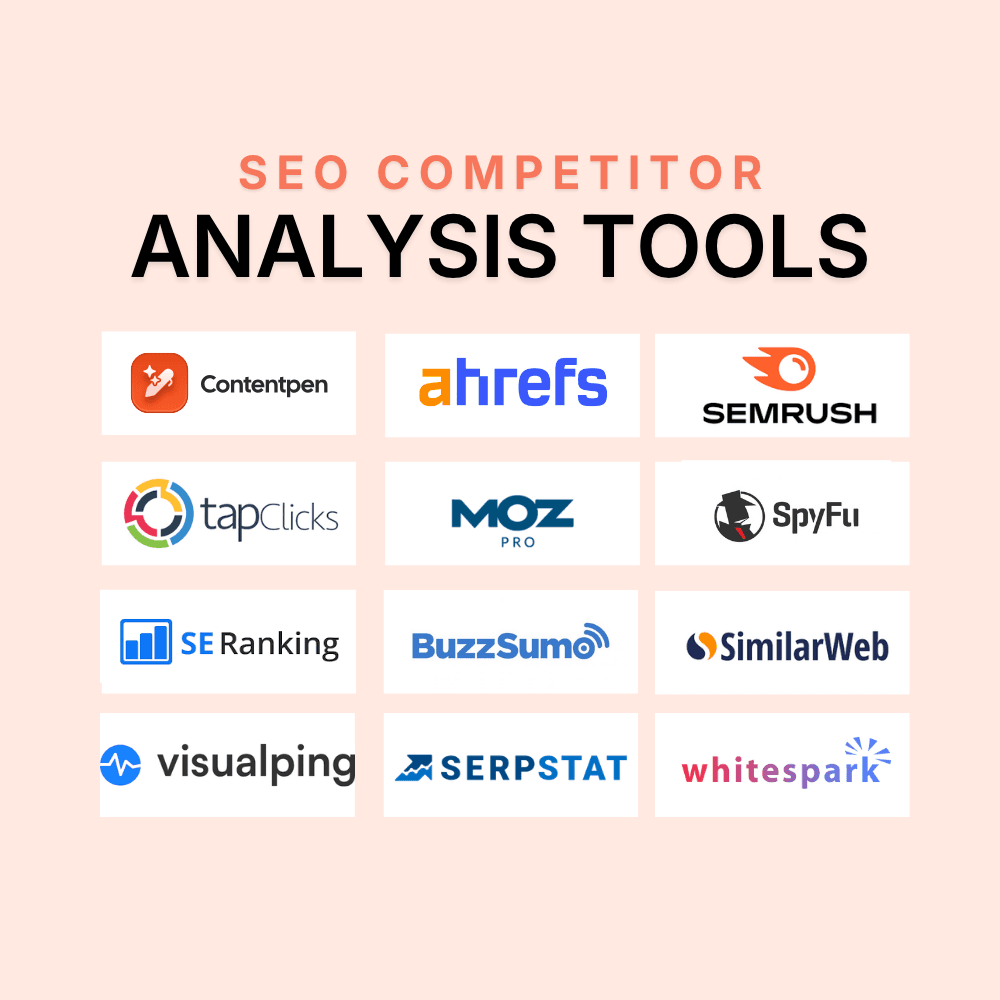
To conduct a thorough analysis, you need to understand the key components that AI systems evaluate. Each component provides a different lens through which to view the competitive landscape.
1. SERP Feature Detection and Tracking
AI tools continuously monitor which features appear for target keywords. This includes tracking the presence of image packs, local packs, news boxes, and AI Overviews. The system records not just the presence of these features but their position and content. This data reveals which competitors are winning multiple SERP real estate areas and which are only ranking in standard organic results.
2. Content Gap and Semantic Analysis
Using natural language processing, AI systems compare the semantic structure of your content against top-ranking pages. This goes beyond keyword density to analyze entity usage, related concepts, and topical depth. The analysis identifies missing subtopics that competitors cover, providing a clear roadmap for content expansion.
3. Backlink Profile Intelligence
AI algorithms analyze the backlink profiles of ranking competitors, identifying patterns in link acquisition that correlate with higher positions. This includes analyzing the authority of linking domains, the anchor text distribution, and the topical relevance of linking pages. The system can predict which types of links are most likely to move the needle for specific keywords.
4. User Intent Classification
Understanding whether a query is informational, transactional, or navigational is crucial. AI systems classify intent with high accuracy by analyzing search patterns, SERP features, and content types that rank. This classification drives content format recommendations, whether that means creating a comparison table, a step-by-step guide, or a product review.
5. Real-Time Rank Tracking with Predictive Modeling
Instead of daily rank checks, AI systems provide predictive modeling that forecasts ranking changes based on algorithm updates and competitor actions. This allows for proactive adjustments rather than reactive responses. The system can simulate how a content update might affect rankings before you publish it.
How to Perform an AI SEO SERP Competitor Analysis: Step-by-Step Guide
Executing a successful analysis requires a structured approach.
Step 1: Define Your Competitive Set
Start by identifying who you are actually competing against. Use AI tools to analyze the SERP for your primary keywords and group the ranking domains. You will often find that your competitors are not just direct business rivals but also authoritative content sites, forums, and aggregators. Create a list of 10-15 domains that consistently appear for your target queries.
Step 2: Analyze SERP Feature Ownership
Use an AI-powered SERP analysis tool to map which features appear for each keyword cluster. Document which competitors own the featured snippets, which appear in the top video carousel, and which are cited in AI Overviews. This ownership map highlights where the visibility opportunities are and who currently controls them.
Step 3: Conduct a Deep Content Audit
For each top-ranking competitor page, use AI content analysis tools to evaluate the following:
- Word count and readability scores
- Entity coverage and semantic richness
- Use of multimedia elements (images, videos, infographics)
- Internal linking structure and anchor text
- Schema markup implementation
This audit reveals the structural elements that contribute to high rankings. You can then compare these findings against your own content to identify specific weaknesses.
Step 4: Evaluate the Backlink Landscape
Run a backlink analysis on your top competitors using AI-powered link intelligence tools. Look for patterns in the types of domains linking to them. Are they getting links from news sites, industry blogs, or educational resources? Identify the content assets that are earning these links, as this tells you what type of content attracts authority.
Step 5: Map Intent to Content Format
Use AI intent classification to determine the dominant user intent for each keyword cluster. Then, analyze the content formats that rank for each intent type. For informational queries, listicles and guides may dominate. For transactional queries, product comparison pages may rank. Align your content strategy with these format preferences.
Step 6: Generate Actionable Recommendations
The final step is synthesizing all the data into a clear action plan. AI tools can generate specific recommendations, such as “add a comparison table to your existing guide” or “create a video tutorial to target the video carousel.” Prioritize these recommendations based on the potential impact on visibility and the effort required.
Top AI Tools for SERP Competitor Analysis in 2025
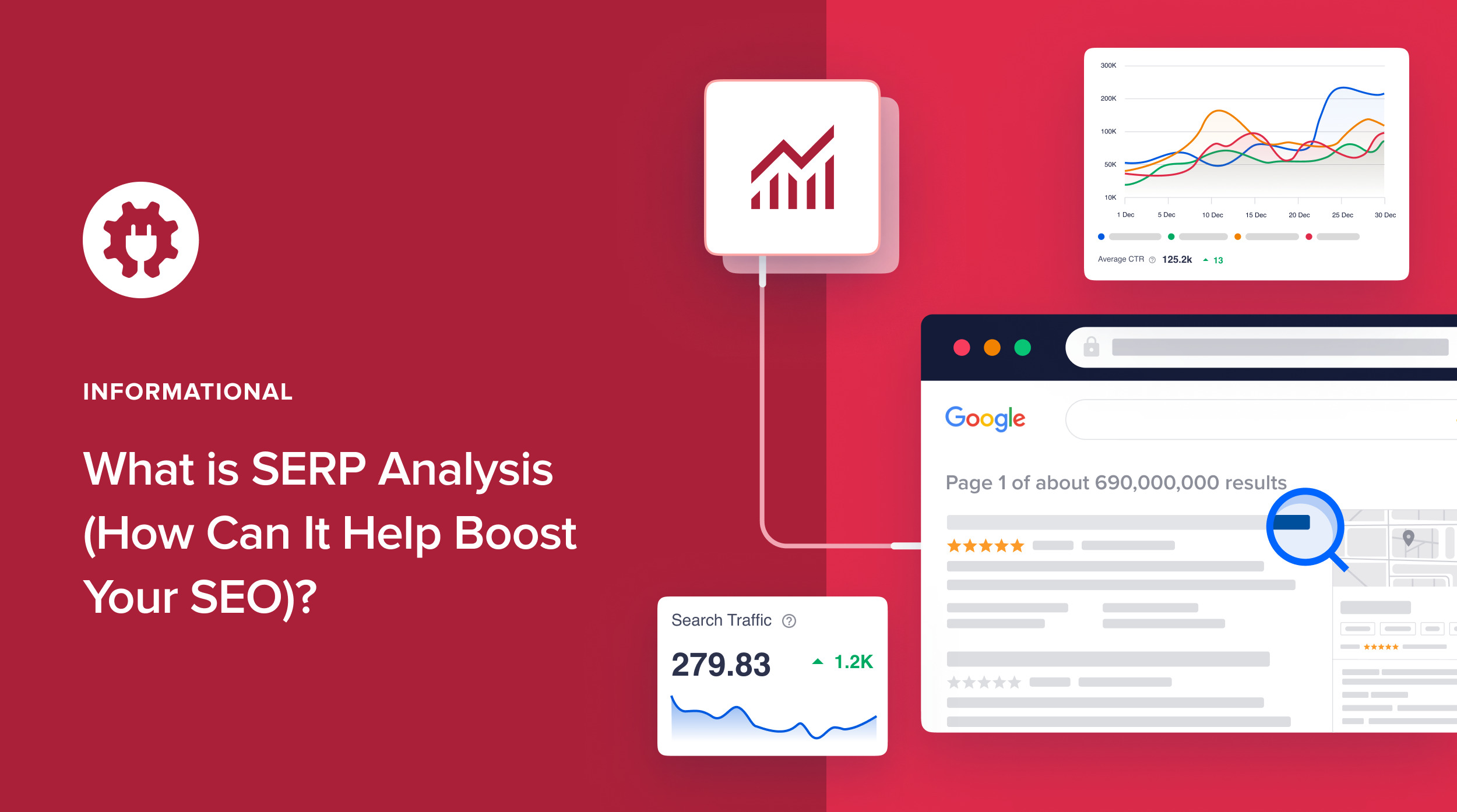
Several platforms have emerged as leaders in AI-powered competitive intelligence. Each offers unique strengths that cater to different aspects of the analysis process.
| Tool | Core AI Capabilities | Best For |
|---|---|---|
| Semrush (with AI features) | Content gap analysis, SERP feature tracking, predictive rank tracking | Comprehensive SEO campaigns |
| Ahrefs (with AI enhancements) | Backlink pattern recognition, keyword difficulty prediction, content entity analysis | Link building and content strategy |
| Surfer SEO | Real-time content optimization, SERP structure analysis, NLP-based recommendations | On-page content optimization |
| Clearscope | Semantic relevance scoring, entity extraction, content brief generation | Topical authority building |
| MarketMuse | Content inventory analysis, competitive topical mapping, AI-driven prioritization | Enterprise content strategy |
These tools are not mutually exclusive. Many advanced SEO teams combine multiple platforms to get a complete picture. The key is to use the AI capabilities to automate data collection and pattern recognition, freeing up time for strategic interpretation.
Benefits of Using AI for SERP Competitor Analysis
The advantages of AI-driven analysis over traditional methods are substantial and measurable.
Speed and Scale
AI systems can analyze thousands of keywords and millions of data points in minutes. A task that would take a team of analysts weeks to complete manually is done in a fraction of the time. This speed allows for more frequent analysis and faster response to market changes.
Pattern Recognition Beyond Human Capability
AI excels at identifying non-obvious patterns in data. It can detect correlations between specific content elements and ranking success that would be impossible to spot manually. For example, AI might discover that pages with a specific type of schema markup and a certain reading level consistently outperform others for a particular query type.
Predictive Insights
Instead of telling you what happened, AI tells you what is likely to happen. Predictive models can forecast the impact of algorithm updates on your rankings, the potential success of a content piece before publication, and the likelihood of a competitor losing rankings. This forward-looking perspective is invaluable for strategic planning.
Continuous Learning
AI systems improve over time. As they process more data and receive feedback on their predictions, their accuracy increases. This means your competitive analysis becomes more precise and valuable the longer you use it.
Limitations and Challenges of AI-Driven Analysis
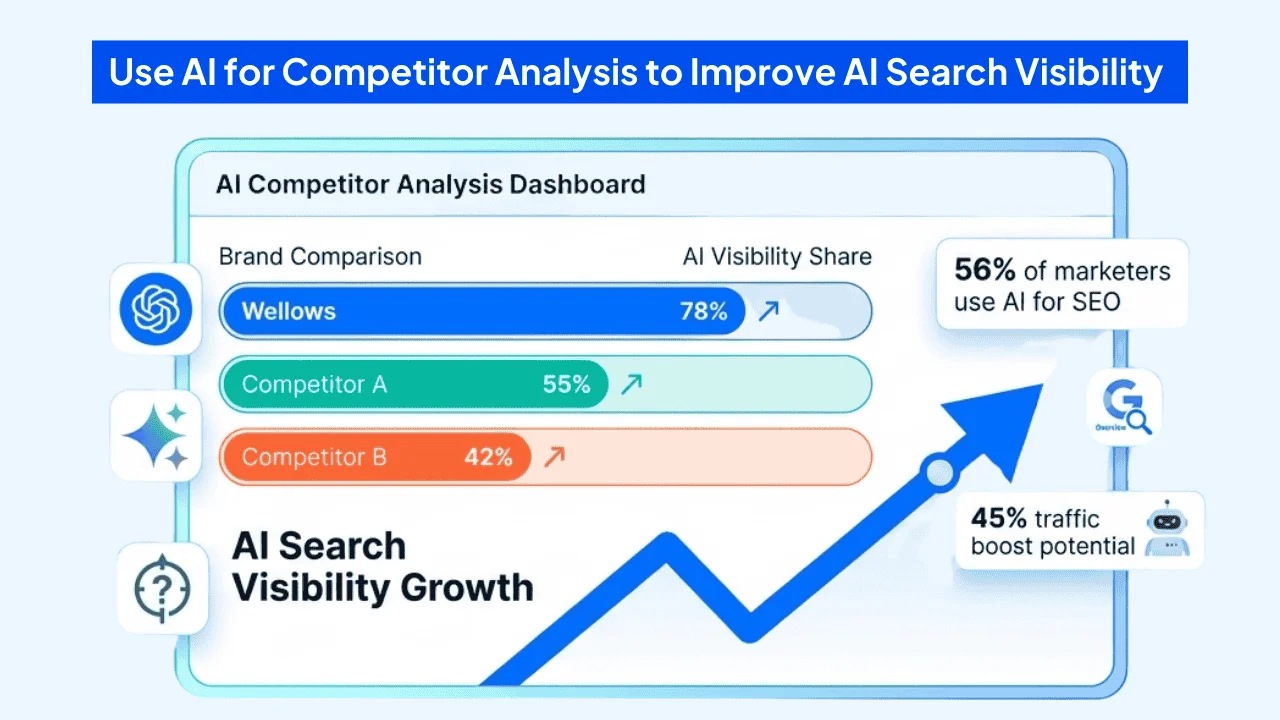
While powerful, AI SEO SERP Competitor Analysis is not without its challenges. Understanding these limitations is crucial for setting realistic expectations.
Data Quality Dependency
AI models are only as good as the data they are trained on. If the underlying data is incomplete, outdated, or biased, the insights will be flawed. It is essential to use tools with high-quality data sources and to validate AI recommendations against real-world results.
Lack of Contextual Understanding
AI can identify patterns but often struggles with the “why” behind those patterns. It might tell you that a competitor’s page ranks well because of its word count, but it cannot explain that the page ranks well because it was written by a recognized industry expert with a strong personal brand. Human judgment is still required to interpret AI insights correctly.
Over-Reliance on Automation
T AI should be a tool to enhance human expertise, not replace it.
Cost and Complexity
Advanced AI SEO tools are expensive, and they require a certain level of technical expertise to use effectively. Small businesses and individual content creators may find the cost prohibitive and the learning curve steep.
Common Mistakes in AI SEO SERP Competitor Analysis
Many marketers make critical errors when implementing AI-driven competitive analysis. Avoiding these mistakes will significantly improve your results.
Mistake 1: Ignoring the “Why” Behind the Data
Focusing solely on metrics like word count or keyword density without understanding the underlying user experience is a common pitfall. AI might suggest adding more words, but if the content is repetitive and low-value, it will not help. Always interpret AI recommendations through the lens of user value and search intent.
Mistake 2: Copying Competitors Instead of Outperforming Them
Using AI to replicate exactly what top-ranking competitors do will only result in you becoming a copycat. The goal is to identify gaps and weaknesses in their content and exploit them. If competitors have thin content, create comprehensive guides. If they lack video, add high-quality video. Differentiation is key.
Mistake 3: Neglecting SERP Feature Optimization
Many analyses focus exclusively on organic rankings and ignore the growing importance of SERP features. Failing to optimize for featured snippets, AI Overviews, and People Also Ask boxes means missing out on significant visibility opportunities. Your analysis must include a detailed assessment of these features.
Mistake 4: Treating Analysis as a One-Time Event
The SERP is constantly changing. Competitors publish new content, algorithms update, and user behavior shifts. A single analysis provides only a snapshot in time. Continuous, automated monitoring is essential for staying ahead.
Mistake 5: Using Too Many Tools Without a Clear Strategy
Subscribing to every AI SEO tool available creates data overload and analysis paralysis. It is better to master one or two tools and integrate them into a clear workflow than to have access to ten tools and not know how to use them effectively.
Important Notes for Maximizing Your Analysis Value

To get the most out of your AI SEO SERP Competitor Analysis, keep these critical points in mind.
First, always combine quantitative AI data with qualitative human insight. Use AI to surface patterns and opportunities, but rely on your experience and understanding of your audience to make final decisions. The best results come from a human-AI partnership.
Second, focus on the SERP features that matter most for your specific industry. A local business will prioritize the local pack and Google Maps optimization. An e-commerce site will focus on product carousels and review snippets. Tailor your analysis to your business context.
Third, track your own performance over time. The value of competitive analysis is only realized when you measure the impact of the changes you make based on the insights. Set up clear KPIs and monitor how your rankings, traffic, and conversions evolve after implementing recommendations.
Finally, stay updated on AI capabilities. The field is evolving rapidly, and new features are constantly being added to SEO tools. Regularly review your toolset to ensure you are leveraging the latest AI advancements.
Frequently Asked Questions
What is the difference between traditional SEO competitor analysis and AI SEO SERP Competitor Analysis?
Traditional analysis relies on manual data collection and interpretation, focusing on historical rankings and backlinks. AI SEO SERP Competitor Analysis uses machine learning to automate data processing, identify complex patterns, and provide predictive insights. It analyzes a broader range of SERP features and offers real-time, actionable recommendations based on continuous learning.
How often should I run an AI SEO SERP Competitor Analysis?
For active campaigns, a comprehensive analysis should be run at least monthly. However, continuous automated monitoring is recommended. AI tools can track changes in real time and alert you to significant shifts in the competitive landscape, such as a competitor publishing a major new piece of content or a sudden change in SERP features.
Can AI SEO SERP Competitor Analysis help with local SEO?
Yes, absolutely. AI tools can analyze local SERP features such as the local pack, Google Maps results, and local reviews. They can identify which competitors dominate local searches, what factors contribute to their local rankings, and how to optimize your Google Business Profile and local content to compete effectively.
Is AI SEO SERP Competitor Analysis suitable for small businesses?
While advanced enterprise tools can be expensive, there are affordable AI-powered SEO tools designed for small businesses and freelancers. These tools offer scaled-down versions of the same analysis capabilities. Even a basic AI-driven analysis provides significant value over manual methods, helping small businesses compete more effectively against larger competitors.
Will AI replace the need for human SEO experts?
No. AI enhances the capabilities of SEO professionals but does not replace them. AI provides data, patterns, and predictions, but human experts are needed to interpret this information, understand the nuances of the brand and audience, and make strategic decisions. The most successful SEO strategies will combine the analytical power of AI with the creative and strategic thinking of experienced humans.
Conclusion
AI SEO SERP Competitor Analysis represents a fundamental shift in how digital marketers approach search visibility. The days of manual rank tracking and guesswork are over. The modern search landscape, dominated by AI Overviews, dynamic SERP features, and complex ranking algorithms, demands a more intelligent and predictive approach. By leveraging AI to analyze competitor strategies, identify content gaps, and predict ranking changes, you gain a significant competitive advantage.
The key to success lies in integrating AI tools into a broader strategic framework. Use AI for what it does best: processing vast amounts of data, recognizing patterns, and generating predictive insights. Then, apply human judgment to interpret these insights, craft compelling content, and build a brand that resonates with your audience. The future of SEO belongs to those who can effectively combine the power of artificial intelligence with the irreplaceable value of human expertise. Start implementing an AI-driven competitive analysis today to secure your visibility in the search results of tomorrow.
Xem thêm:
- AI SEO Workflow for Bloggers: Streamline Your Content Strategy and Rank Faster
- AI NLP SEO: The Complete Guide to Optimizing Content for the Age of Intelligent Search
- AI SEO Fundamentals: The Complete Guide to Mastering Search in the Age of Artificial Intelligence
- Does AI Content Rank in Google? The Real Truth About AI-Generated SEO (2025 Update)
- AI SEO Automated SEO Audit: The Complete Guide to Continuous Optimization
Bài viết cùng chủ đề:

AI SEO SEO Automation with Make: The Complete Workflow Guide

AI SEO SEO Automation with Zapier: The Complete Workflow Guide

AI SEO SEO Automation with n8n: The Complete Workflow Guide
AI SEO SEO Automation with Gemini: The Complete Guide to Scaling Organic Growth

AI SEO SEO Automation with Claude: The Complete Guide to Scaling Content in 2025

AI SEO SEO Automation with ChatGPT: The Complete Playbook for 2025

AI SEO & SEO Automation for Affiliate Sites: The 2025 Playbook for Passive Income Growth
AI SEO & SEO Automation for Bloggers: The Complete Guide to Scaling Your Content

AI SEO & SEO Automation for Agencies: The Complete 2025 Playbook

AI SEO and SEO Automation for Ecommerce: The Complete Playbook for 2025

AI SEO & SEO Automation for WordPress: The Complete Playbook for 2025
AI SEO SEO Automation Strategy: The Complete Playbook for 2025

Mastering the AI SEO SEO Automation Process: A Complete Guide to Scaling Organic Growth
AI SEO SEO Automation System: The Complete Guide to Scaling Organic Growth in 2025
AI SEO SEO Automation Platform: The Complete Guide to Scaling Organic Growth in 2025
AI SEO SEO Automation Software: The Complete Guide to Scaling Organic Growth in 2025















