
No products in the cart.
AI Ecommerce Content: The Complete Guide to Scaling Product Copy, SEO, and Sales
29
Jul
Jul
AI ecommerce content is no longer a futuristic concept. It has become a daily reality for forward-thinking online retailers, marketing teams, and dropshipping entrepreneurs who want to publish hundreds of unique product descriptions, fine-tune SEO meta tags, and personalize shopping experiences without burning out their copywriters. In an industry where speed to market directly impacts revenue, AI-driven content tools help businesses generate on-brand, conversion-optimized copy in minutes rather than weeks. This comprehensive guide explains what AI ecommerce content truly means, how it works under the hood, the types of content you can automate, and a step-by-step approach to weaving it into your ecommerce operations without losing the human touch that builds trust.
What Is AI Ecommerce Content?
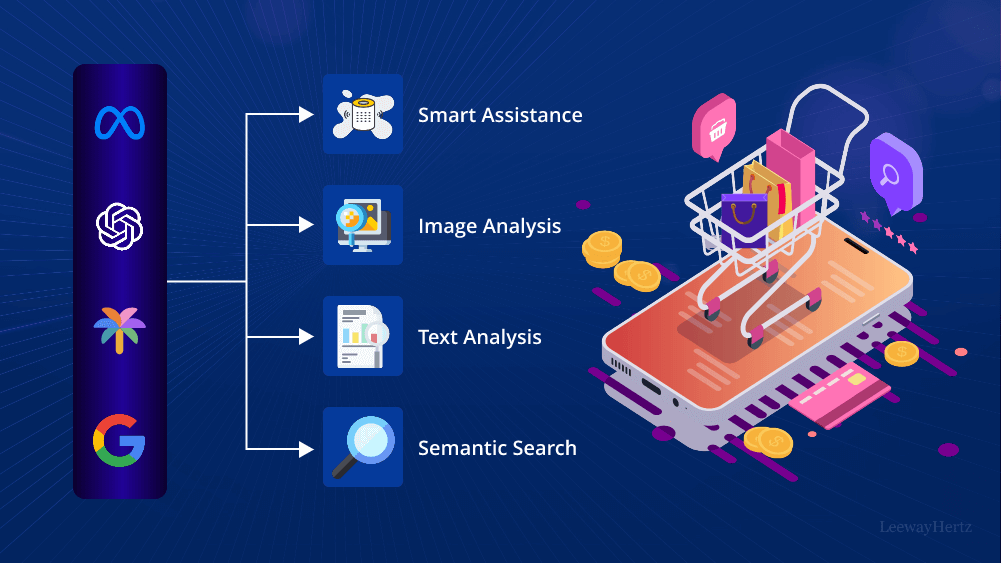
AI ecommerce content refers to any text, product description, headline, email, or metadata generated or refined by artificial intelligence for online stores and marketplaces. These AI systems use large language models (LLMs) trained on vast amounts of web text to understand context, tone, and product attributes. By feeding the AI specific product details—such as material, dimensions, benefits, and target audience—the model produces coherent, persuasive copy that mimics human writing.
The technology behind these tools isn’t simply a rule-based template filler. Modern AI ecommerce content platforms analyze hundreds of successful product pages and SEO patterns to craft descriptions that rank well and convert. They can adjust style from luxury minimalism to playful streetwear, all while maintaining keyword density and natural readability. Retailers on Shopify, Amazon, Magento, and WooCommerce now routinely rely on AI to populate their catalogs without sacrificing quality or brand consistency.
Why AI Is Reshaping Ecommerce Content Creation
Ecommerce has moved beyond a few flagship products. The average mid-size store carries thousands of SKUs, each demanding a unique description, title tag, and meta description to avoid duplicate content penalties and to capture long-tail search traffic. Manual creation at this scale is prohibitively expensive and slow. AI ecommerce content solves that bottleneck by generating unique variants for every product variant—color, size, material—in bulk, while maintaining SEO best practices like structured data hints and emotional triggers.
Beyond simple volume, personalization has become a non-negotiable expectation. Shoppers respond to content that speaks directly to their needs. AI tools can dynamically tailor product descriptions on the fly based on user behavior, location, or purchase history. When integrated with a customer data platform, these systems serve up landing page copy that highlights benefits relevant to a returning visitor versus a first-time browser, significantly lifting engagement metrics.
Types of AI Ecommerce Content You Can Automate Today
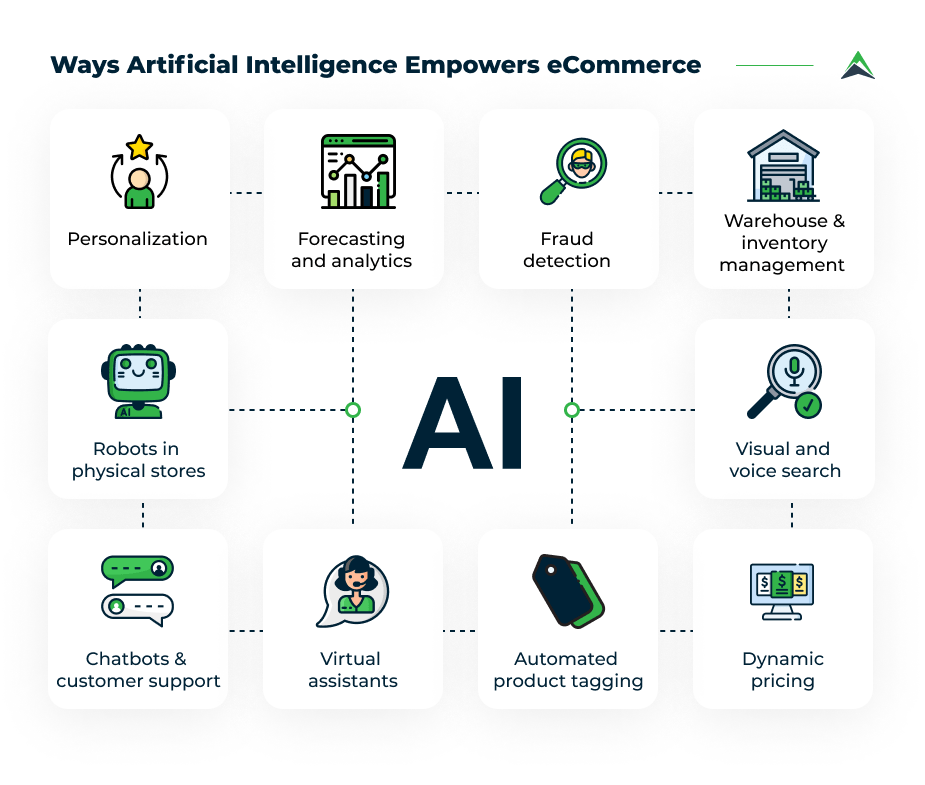
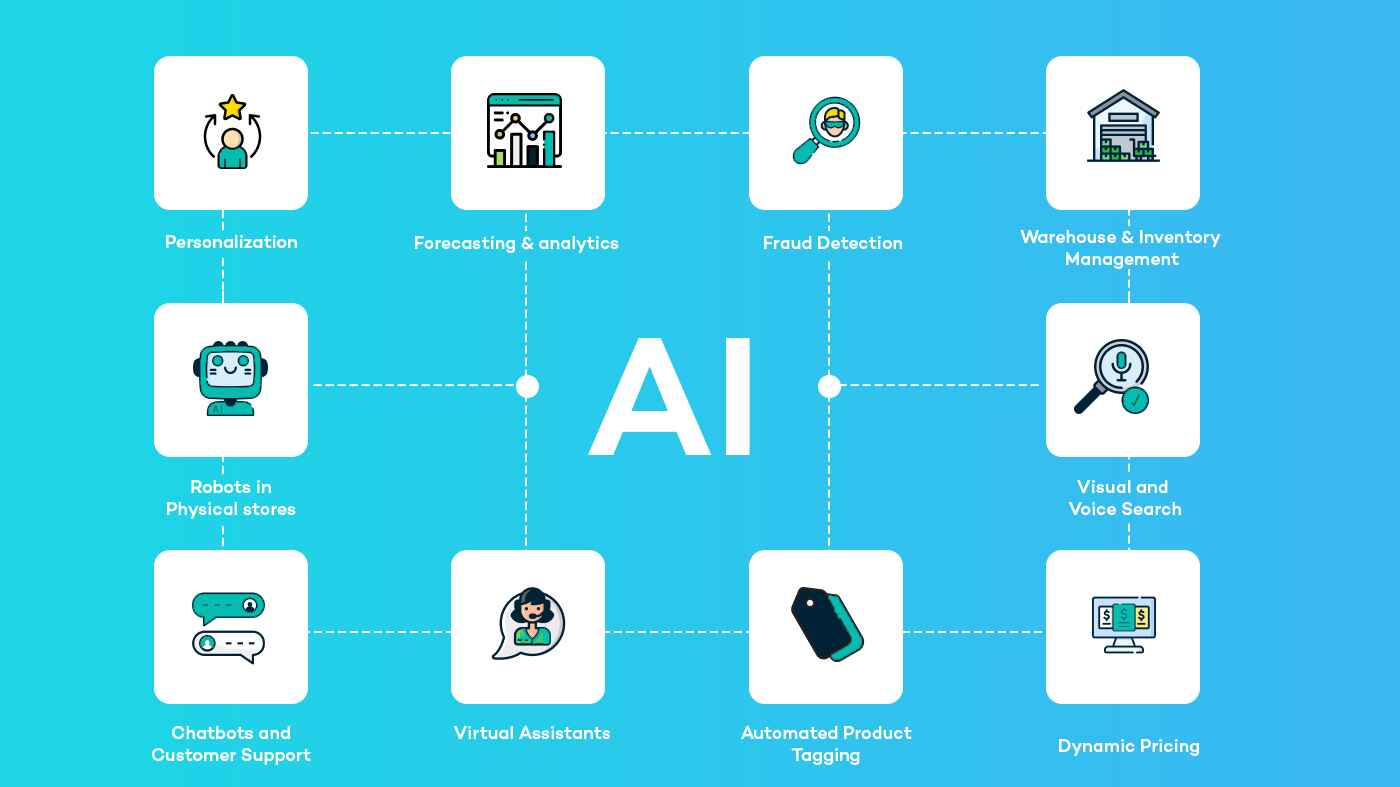
AI isn’t limited to product descriptions. The technology now spans the entire customer journey, from discovery to post-purchase follow-up. The most productive ecommerce teams adopt AI for multiple content types simultaneously, creating a unified brand voice across every touchpoint.
- Product descriptions: The core use case. AI generates SEO-rich, feature-benefit copy that differentiates items in crowded categories. It can output short snippets for grid views, long-form pages for high-consideration products, and truncated versions for mobile.
- Category and collection page content: Unique headlines and introductory paragraphs for each collection help avoid boilerplate text that Google may devalue, and they improve internal linking structure.
- Meta titles and meta descriptions: AI crafts compelling search snippets that include primary keywords, adhere to pixel limits, and boost click-through rates from SERPs.
- Blog and buying guide articles: Ecommerce blogs fueled by AI can answer common customer questions, link to products naturally, and attract top-of-funnel traffic without a full editorial team.
- Ad copy and social captions: Platforms like Google Ads and Meta require frequent creative refreshes. AI generates dozens of headline-body combinations tailored to different audiences and formats.
- Email marketing sequences: From abandoned cart reminders to post-purchase cross-sells, AI drafts personalized email copy that adapts tone based on customer segmentation.
- FAQ and knowledge base content: AI can analyze support tickets and customer queries to produce comprehensive FAQ pages that reduce support costs and improve on-site SEO.
- Alt text and image descriptions: Automatically generated alt text not only improves accessibility but also contributes to image search visibility when crafted with descriptive, keyword-aware language.
- Exponential speed and scale: A single copywriter might produce 10–15 product descriptions per day. AI can generate 1,000 unique, high-quality variations in the same timeframe, allowing stores to launch new lines or seasonal collections overnight.
- SEO performance gains: AI tools can be instructed to follow specific keyword strategies, include semantic variations, and structure content for featured snippets. This leads to higher organic rankings, longer dwell time, and improved product page authority.
- Consistent brand voice at every level: When properly trained on a brand guide, AI never deviates into off-tone language. Consistency across product pages, emails, and ads creates a seamless customer experience that fosters trust and recall.
- Dynamic personalization: By connecting AI to user data, you can display content that shifts based on the visitor’s location, weather, browsing history, or loyalty status—turning a static product page into a tailored sales conversation.
- Cost efficiency: The reduction in freelance or in-house copywriting costs can be substantial, especially for catalog-heavy businesses. These savings can be reinvested into strategy, editing, or creative storytelling where human nuance is irreplaceable.
- Multilingual expansion: AI ecommerce content platforms provide native-quality translations and transcreation for dozens of languages, helping brands enter new markets without building separate content teams.
- Hallucinations and factual inaccuracies: AI can confidently state a product contains silk when it’s polyester, or claim a warranty that doesn’t exist. Every AI-generated fact must be verified, especially for regulated industries like health supplements or electronics.
- Generic, flavorless writing: Without meticulous prompting and fine-tuning, AI tends to produce bland, overly safe copy that lacks the unique spark of a brand’s true personality. The result can sound like every other store using the same tool.
- SEO risks of duplicate or low-value content: If the AI merely spins the same handful of templates or relies solely on generic prompts, the output may trigger duplicate content flags or fail to meet Google’s Helpful Content standards. Content must be substantially unique and useful.
- Loss of nuanced product storytelling: Certain products—handcrafted jewelry, heritage furniture, artisanal foods—require deep emotional narratives that AI cannot fully construct without expert human guidance. Over-automation can flatten the very stories that differentiate a brand.
- Ethical and copyright gray areas: The training data of large language models includes copyrighted material. While output is generally transformative, brands should ensure their final content doesn’t inadvertently mimic a competitor’s distinctive phrasing.
- Publishing raw AI output without review: AI can invent specs, include competitor brand names, or use phrases that trigger spam filters. Always pass every description through a human reviewer who understands the product intimately.
- Ignoring on-page SEO nuances: AI may neglect internal linking opportunities, fail to include structured data hints, or over-optimize by keyword stuffing. Use a checklist to manually verify header tag hierarchy, image alt attributes, and internal links.
- Using identical prompts across all products: If every description follows the same cookie-cutter structure, users will bounce and search engines may deem the content thin. Vary the prompt instruction for each category to introduce narrative variety—for example, storytelling format for apparel, technical breakdown for electronics.
- Neglecting mobile readability: AI might produce excessively long paragraphs that look dense on a smartphone screen. Format descriptions with short paragraphs, strategic white space, and scannable bullet points specifically for mobile users.
- Over-relying on a single tone: A luxury watch brand using the same casual, emoji-filled tone as a streetwear store erodes perceived value. Train separate AI tone profiles for different sub-brands or product lines within your catalog.
- Forgetting legal and compliance checks: If you sell supplements, cosmetics, or electronics, AI-generated claims must be verified against advertising standards and platform policies. A misleading phrase like “guaranteed results” can trigger regulatory issues or Amazon listing removals.
How AI Generates Ecommerce Content: A Look at the Technology
Understanding the machinery behind AI ecommerce content demystifies its capabilities and limitations. Most modern tools are built on transformer-based architectures—the same family that powers GPT-4, Claude, and open-source alternatives. These models are pre-trained on diverse internet text, then fine-tuned or prompted with ecommerce-specific examples to deliver on-brand output.
When a user inputs product attributes like “organic cotton hoodie, unisex, relaxed fit, eight colors, sustainable packaging,” the AI employs natural language processing to map those attributes onto patterns it has observed in high-performing ecommerce pages. It structures the description with a hook, sensory details, a benefits section, and a call to action, often incorporating latent SEO signals such as related keywords and question-based phrasing that matches voice search queries.
Context windows in current models allow the AI to maintain consistency across an entire catalog—if a brand’s style guide dictates a friendly, minimalist tone with a certain sentence cadence, the system applies that across thousands of products. Some platforms also allow you to upload a CSV with product data and receive fully formatted HTML descriptions, title tags, and bullet points in a single batch, drastically cutting down manual data entry.
Key Benefits of Using AI for Ecommerce Content
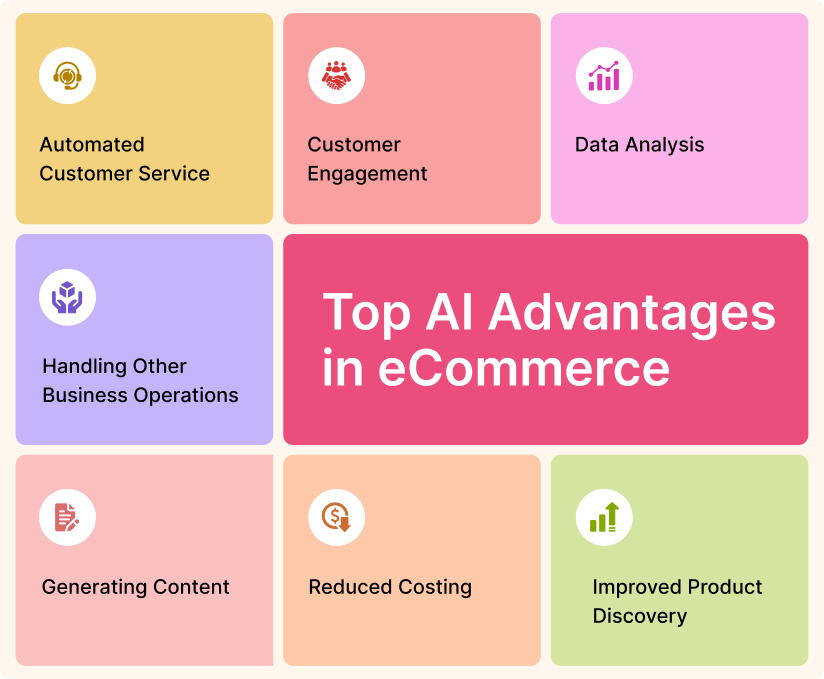
The shift toward AI ecommerce content is driven by measurable gains in efficiency, revenue, and search visibility. Brands that integrate AI thoughtfully see a compounding effect on their content operations.
Limitations and Challenges to Consider
While the benefits are clear, AI ecommerce content is not a set-it-and-forget-it solution. Blindly publishing machine output without human oversight invites brand damage, factual errors, and even search penalties.
Comparison: Manual vs. AI-Generated Ecommerce Content
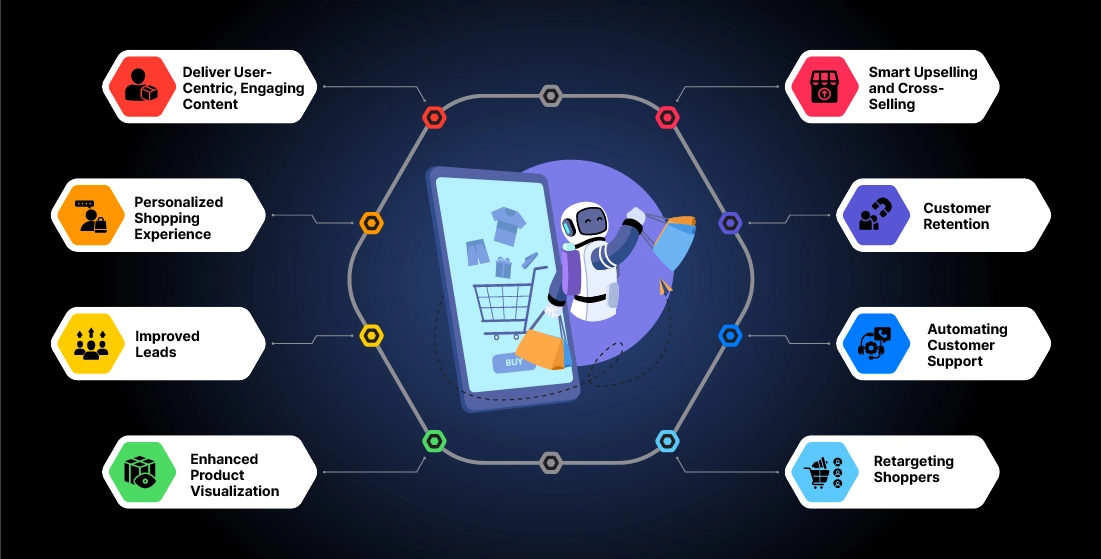
The decision to incorporate AI isn’t all-or-nothing. Smart ecommerce teams blend both approaches depending on product value, brand sensitivity, and scale requirements. The following table highlights the core differences.
| Factor | Manual Content Creation | AI Ecommerce Content |
|---|---|---|
| Speed per 100 products | 40–60 hours | 2–4 hours (including editing) |
| Scalability | Limited by headcount | Virtually unlimited |
| Cost for 10,000 SKUs | $15,000–$50,000+ | $500–$3,000 (tool + editing time) |
| Brand voice consistency | Variable; depends on writer skill | Highly consistent when trained on guidelines |
| Creative nuance and storytelling | Excellent; deep human empathy | Good but requires human layering for complex narratives |
| SEO best-practice compliance | Requires trained SEO writer | Built-in; you define keyword priorities and structure |
| Personalization capability | Manual A/B copy variation | Real-time dynamic variations based on user data |
| Error risk | Typos and omissions | Factual hallucinations; needs human fact-check |
Step-by-Step Guide to Implementing AI Ecommerce Content Effectively
Adopting AI ecommerce content without a clear workflow leads to wasted budgets and messy product pages. This phased approach from tool selection to review cadence keeps quality high while capturing efficiency gains.
Step 1: Audit Your Existing Content and Define Goals
Catalog your current product pages, identify gaps where descriptions are missing or underperforming, and set measurable targets. Whether the goal is to increase organic traffic by 30% or reduce per-product copy cost by 60%, clear KPIs guide tool configuration and make the ROI obvious. Tag which products require high-touch human writing versus those that can thrive with AI and light editing.
Step 2: Choose the Right AI Ecommerce Content Tool
Not all AI writing platforms are built for ecommerce. Look for solutions that integrate directly with your ecommerce platform like Shopify, WooCommerce, or BigCommerce, support bulk CSV imports, and offer SEO optimization features. Key platforms include Jasper (with its ecommerce templates), Copy.ai, Writesonic, and specialized tools like Describely or Hypotenuse AI. Evaluate each based on token limits, language support, and the ability to train on your brand voice examples.
Step 3: Build a Detailed Brand and Product Brief
The quality of AI output correlates directly with input quality. Create a master document that includes your brand tone, forbidden words, sentence length preference, target audience persona, and a product data schema. For each product, provide the AI with attributes like material, color, size, key benefits, care instructions, USPs, and primary/secondary keywords. The more context you give, the less editing you’ll need later.
Step 4: Generate and Structure Content Batches
Run a small test batch of 20 products and review the output for tone consistency and factual accuracy. Tweak prompts until the AI reliably hits your standards. Once satisfied, process larger batches. Structure the output to include an SEO title, meta description, short description (for category pages), full product description, and five bullet points. Always export with a unique product ID to simplify upload.
Step 5: Layer Human Editing and Strategic Storytelling
Even the best AI-generated copy benefits from an experienced editor who adds brand sparkle, inserts real customer quotes, refines the call to action, and double-checks specifications. Treat AI output as a highly competent first draft. For flagship products or luxury lines, inject original metaphors, founder anecdotes, or sensory details that only a human can shape organically.
Step 6: Publish, Track, and Iterate
After uploading content, monitor key metrics through Google Search Console and ecommerce analytics: organic impressions, click-through rate, conversion rate, and bounce rate for the updated pages. Identify top and bottom performers. Use insights to refine your product briefs and prompt instructions. This feedback loop allows the AI to continuously align with what actually converts your audience.
Common Mistakes When Using AI Ecommerce Content (And How to Avoid Them)
Even experienced marketers make missteps when they first adopt AI for ecommerce content. Recognizing these pitfalls upfront prevents costly cleanups and preserves brand credibility.
Real-World Examples of AI Ecommerce Content Success
Many retailers have publicly shared how AI transformed their content operations. An outdoor gear brand with 8,000 SKUs reduced product description turnaround from four months to under two weeks by using AI to draft copy, which their in-house team then infused with adventure-driven storytelling. Organic traffic to product pages rose by 27% within six months, driven by improved long-tail keyword coverage.
A fashion marketplace catering to multiple subcultures used AI to generate region-specific descriptions and size guides in five languages, cutting translation costs by 70% while international conversion rates improved by 18%. Because the AI handled the repetitive layout and sizing details, their creative team could focus on editorial-style lookbooks and video scripts that built a stronger community connection.
A large electronics reseller deployed AI to dynamically rewrite product descriptions based on user search queries, dynamically surfacing the features most relevant to “gaming laptop” versus “student laptop” for the same SKU. This personalization, tested through A/B experiments, lifted add-to-cart rates by 12% without any change to the underlying product data.
Important Notes for Long-Term Success
AI ecommerce content is a tool, not a strategy replacement. The brands that win with AI pair it with a deep understanding of their customer’s language, pain points, and desires. Regularly update your brand guide and prompt library as your product mix evolves. Conduct quarterly audits to ensure AI-generated pages haven’t become stale or fallen behind evolving search intent.
Stay informed about search engine guidelines regarding AI-generated content. Google’s current stance emphasizes helpful, people-first content regardless of how it’s produced. This means your AI output must demonstrate expertise and genuine usefulness. Avoid publishing content only for SEO; ensure every description serves the shopper’s decision-making process with accurate, detailed, and engaging information.
Finally, invest in the human-AI collaboration model. AI accelerates the grunt work of content production; humans provide the editorial judgment, emotional resonance, and strategic creativity that builds lasting brand equity. When this balance is right, ecommerce content becomes a powerful growth lever rather than a resource drain.
Frequently Asked Questions
What exactly is AI ecommerce content?
AI ecommerce content is product descriptions, category pages, blog posts, meta tags, and other text created or optimized by artificial intelligence tools. These systems use large language models to generate unique, SEO-friendly copy based on product data and brand guidelines.
Can AI write product descriptions that rank on Google?
Yes, AI can produce product descriptions optimized for search engines when provided with clear keyword and formatting instructions. The resulting content must still be original, helpful, and reviewed by a human to meet Google’s quality standards and avoid duplicate content issues.
How do I maintain brand voice with AI-generated content?
Maintain brand voice by creating a detailed style guide and feeding it into the AI as part of the prompt. Use consistent tone descriptors, example paragraphs, and a list of dos and don’ts. Human editors further refine the output to preserve personality and emotional nuance.
Is AI ecommerce content safe from a copyright perspective?
While AI writing tools generate original text based on patterns in training data, the output can occasionally resemble existing copy. To minimize risk, always run the final text through a plagiarism checker, add unique product-specific details, and avoid prompting the AI to mimic known brand taglines.
How much does AI ecommerce content cost compared to hiring copywriters?
AI ecommerce content tools typically charge subscription fees ranging from $30 to $500 per month, whereas a professional ecommerce copywriter may charge $100 to $300 per product description. For large catalogs, the cost-per-description with AI can plummet to under one dollar after adding editing time.
Will AI replace human ecommerce copywriters?
AI is unlikely to completely replace skilled copywriters but will shift their role toward strategy, editing, and high-level creative storytelling. Routine, high-volume content creation becomes automated, freeing humans to focus on brand-building narratives and conversion optimization that require deep customer empathy.
Conclusion
AI ecommerce content has moved from experimental to essential for retailers serious about scaling without sacrificing quality. By understanding its range of applications, the underlying technology, and the guardrails needed to avoid common pitfalls, you can build a content engine that speeds up time to market, dominates organic search, and speaks to customers in a personalized, persuasive voice. The winning formula isn’t full automation but a disciplined partnership where AI handles the heavy repetition and human creativity seals the connection that leads to a purchase. Embrace the tools, refine your workflows, and watch your product pages evolve from bare-bones listings into conversion-focused storefronts that never run out of breath.
Xem thêm:
- AI SEO Optimization Workflow: The Complete Guide to Scaling Organic Growth in 2025
- AI SEO Resources: The Ultimate Guide to AI-Powered Search Optimization
- How to Improve EEAT with AI: A Strategic Roadmap for Lasting Search Visibility
- Does AI Content Rank in Google? The Real Truth About AI-Generated SEO (2025 Update)
- AI SEO AI Citation Building: The Complete Guide to Automated Local Search Dominance
Bài viết cùng chủ đề:

AI SEO SEO Automation with Make: The Complete Workflow Guide

AI SEO SEO Automation with Zapier: The Complete Workflow Guide

AI SEO SEO Automation with n8n: The Complete Workflow Guide
AI SEO SEO Automation with Gemini: The Complete Guide to Scaling Organic Growth

AI SEO SEO Automation with Claude: The Complete Guide to Scaling Content in 2025

AI SEO SEO Automation with ChatGPT: The Complete Playbook for 2025

AI SEO & SEO Automation for Affiliate Sites: The 2025 Playbook for Passive Income Growth
AI SEO & SEO Automation for Bloggers: The Complete Guide to Scaling Your Content

AI SEO & SEO Automation for Agencies: The Complete 2025 Playbook

AI SEO and SEO Automation for Ecommerce: The Complete Playbook for 2025

AI SEO & SEO Automation for WordPress: The Complete Playbook for 2025
AI SEO SEO Automation Strategy: The Complete Playbook for 2025

Mastering the AI SEO SEO Automation Process: A Complete Guide to Scaling Organic Growth
AI SEO SEO Automation System: The Complete Guide to Scaling Organic Growth in 2025
AI SEO SEO Automation Platform: The Complete Guide to Scaling Organic Growth in 2025
AI SEO SEO Automation Software: The Complete Guide to Scaling Organic Growth in 2025















