
No products in the cart.
How to Improve EEAT with AI: A Strategic Roadmap for Lasting Search Visibility
29
Jul
Jul
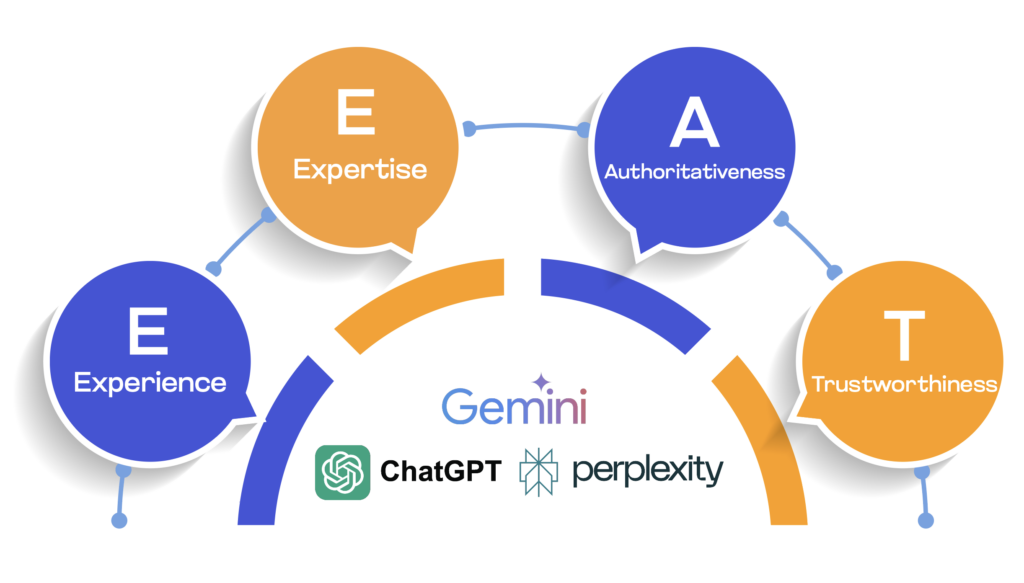
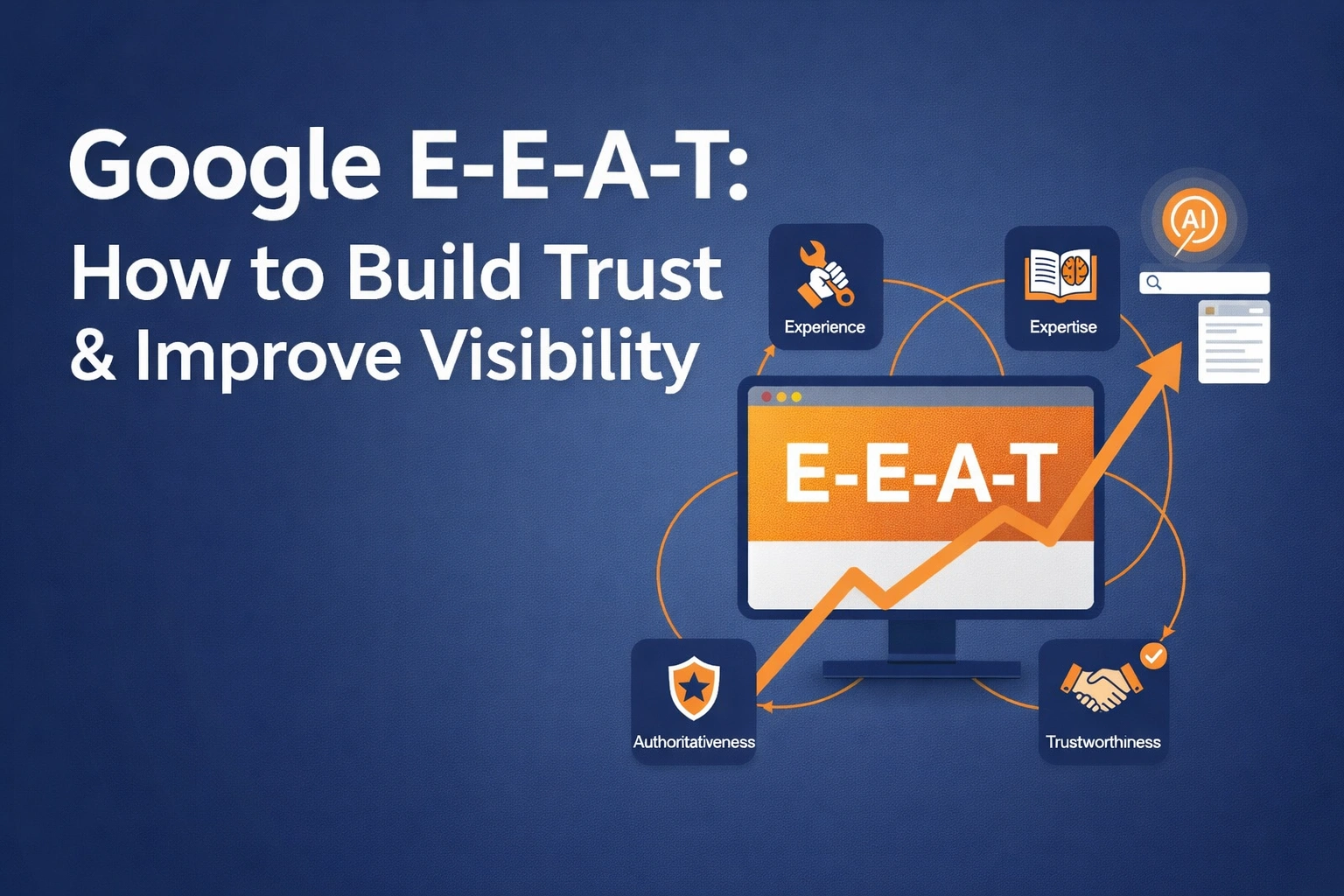
Search rankings today hinge on more than backlinks or keyword density. Google’s emphasis on EEAT—Experience, Expertise, Authoritativeness, and Trustworthiness—means every piece of content must prove its credibility at a granular level. Many site owners and marketers feel overwhelmed by the manual effort required to signal these qualities. That is where artificial intelligence steps in. When applied thoughtfully, AI can accelerate and deepen every pillar of EEAT without sacrificing the human touch that search engines demand. This guide unpacks exactly how to improve EEAT with AI, from auditing existing content weaknesses to scaling expert-backed narratives across your entire digital footprint.
Understanding EEAT and Where AI Fits In
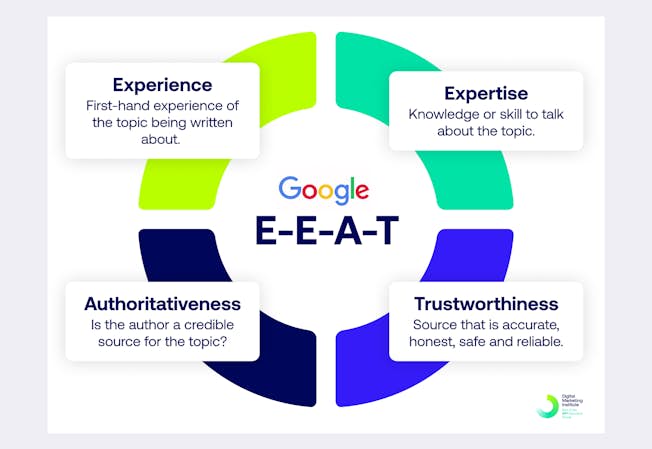
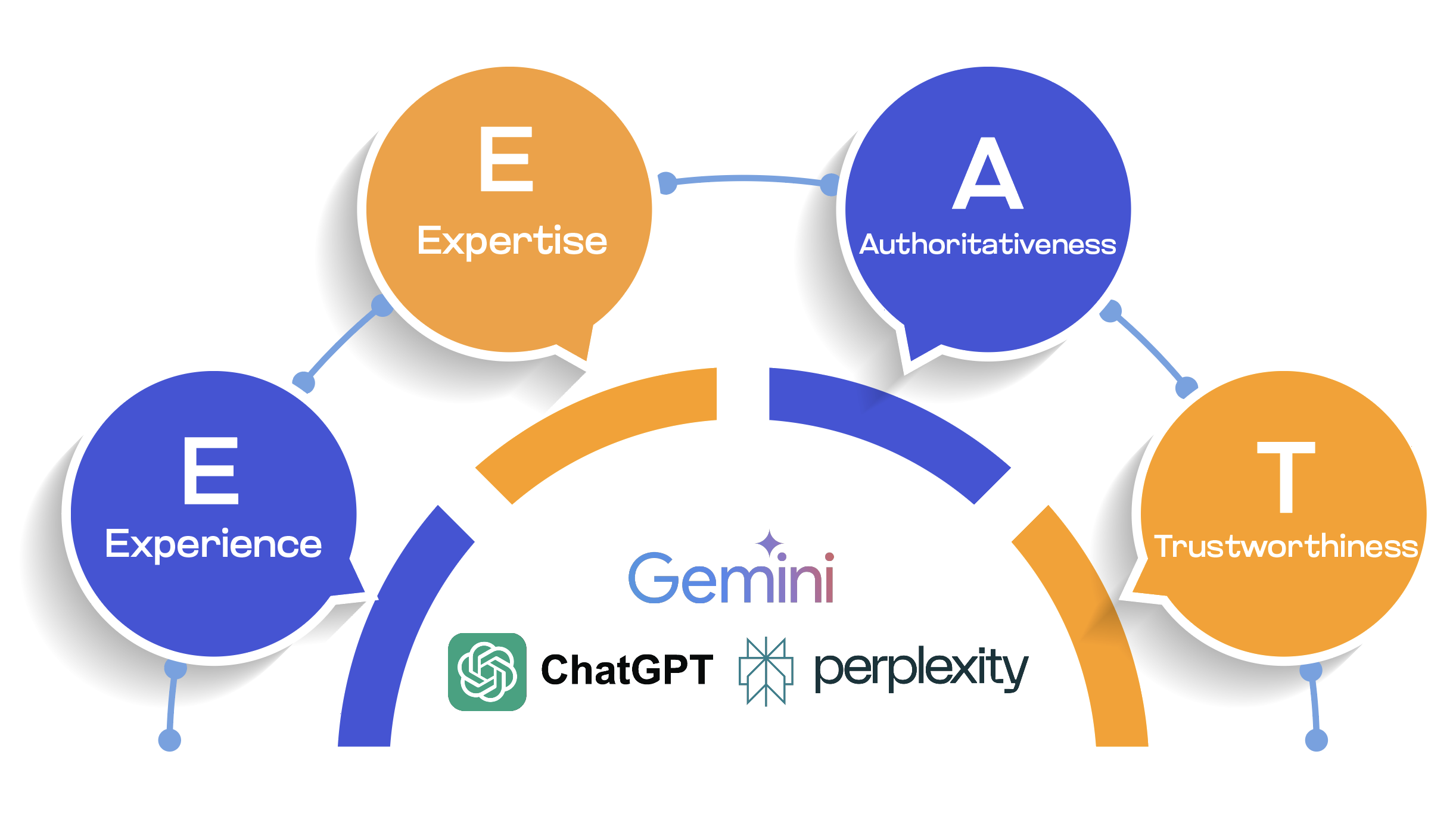
EEAT is not an algorithm but a framework used by Google’s human quality raters to evaluate content. Experience refers to the creator’s firsthand use or encounter with the topic. Expertise signals deep knowledge in a field. Authoritativeness measures how much the content creator or website is recognized as a go‑to source. Trustworthiness evaluates the overall honesty, safety, and reliability of the page. While AI cannot magically create genuine experience, it can help surface, structure, and present evidence of these traits far more efficiently than manual workflows.
AI’s role is that of an amplifier. It can analyze thousands of pages to find topical gaps where first‑hand insight is missing. It can draft author bios that highlight real credentials. It can even simulate audience questions that demand experience‑based answers, forcing you to fill those gaps with genuine human stories. The goal is never to replace human expertise but to use machine intelligence to organize, verify, and showcase what already exists in a way that search engines and readers trust.
Breaking Down the Core Components of EEAT with AI Support
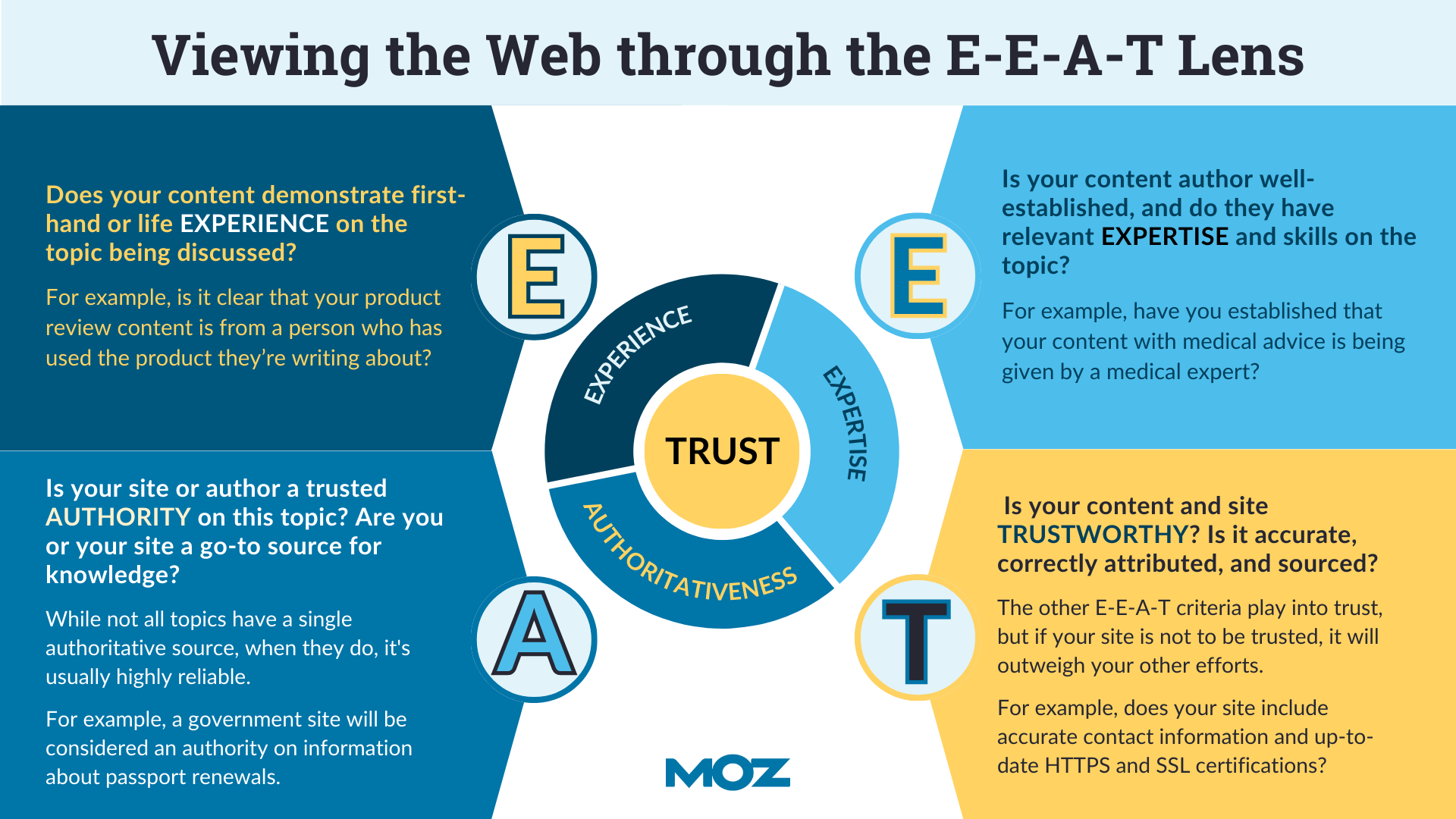
Experience: Turning Real‑World Encounters into Searchable Signals
Experience is often the hardest pillar to “optimize” because it can’t be faked. AI helps by analyzing your team’s collective knowledge. For example, you can feed transcripts of internal interviews, customer service logs, or product development notes into an AI summarizer to extract concrete, firsthand anecdotes that demonstrate trial, use, or testing. Those anecdotes become the raw material for content that oozes personal involvement. An AI content planner can then identify which pages are purely theoretical and flag them for injection of real use cases, photos, or step‑by‑step walkthroughs created by someone who actually did the task.
Expertise: Structuring Depth That Search Engines Recognize
Expertise isn’t about using big words; it’s about covering a topic with the nuance only a specialist would know. AI‑powered research assistants can scan academic journals, industry white papers, and public data sets to surface lesser‑known angles. A content writer then uses these insights to build out subtopics that competitors overlook. Furthermore, AI tools can run entity analysis on your draft, checking whether key people, methods, and technical terms are mentioned with proper context. This ensures your content aligns with the knowledge graph signals that Google uses to evaluate topical depth.
Authoritativeness: Scaling Credentials and Mentions That Matter
Authoritativeness grows when credible sources reference your work and when your authors are recognized as subject‑matter experts. AI can monitor brand mentions across the web, flagging unlinked citations for link reclamation, which indirectly boosts authority. It can also help craft detailed author pages by pulling together speaking engagements, published research, media appearances, and certifications from across the internet. When an author’s digital footprint is scattered, AI aggregates it into a compelling narrative that reinforces why this individual deserves to be trusted.
Trustworthiness: Automating Accuracy Checks and Transparency
Trust is fragile. A single outdated statistic or an unsubstantiated health claim can destroy it. AI fact‑checking layers can scan content against verified databases, highlight claims needing citation, and even suggest recent data sources. Additionally, AI can ensure your site’s security and accessibility metadata—like proper SSL configuration, clear privacy policies, and contact details—are always up to date. While these are technical, they feed directly into trustworthiness ratings. AI website scanners can run daily audits to catch broken trust signals before they impact rankings.
Comparing Manual EEAT Optimization vs. AI‑Assisted Workflows
Manual efforts remain essential for authentic storytelling, but AI drastically reduces the time spent on repetitive analysis and cross‑referencing. The table below contrasts typical tasks.
| EEAT Task | Manual Approach | AI‑Assisted Approach | Time Saved |
|---|---|---|---|
| Identifying content lacking first‑hand experience | Reading every page and guessing | AI scans for absence of personal pronouns, sensory details, case studies, then flags | 85% reduction in auditing time |
| Researching niche subtopics for expertise depth | Hours scanning journals and forums | AI semantic analysis generates a list of underexplored angles with sources | 70% faster outline creation |
| Building author authority profiles | Manually Googling and compiling bios | AI aggregates public mentions, credentials, and media into a structured document | 90% reduction in research hours |
| Fact‑checking existing posts | Line‑by‑line verification | AI cross‑references claims with trusted databases and flags discrepancies | 75% faster content refresh cycles |
A Practical 5‑Step Guide to Improving EEAT with AI
1. Audit Your Current EEAT Weaknesses Using AI Crawlers
Before you can fix anything, you need a clear picture of where your site underperforms. Use an AI‑powered SEO crawler that can read page content like a quality rater. Tools integrated with natural language processing can score pages on signals like author transparency, external references, and the presence of dated evidence. The output is a prioritized list of URLs that fail to meet EEAT benchmarks. A health blog, for instance, might discover that 40% of its medical articles lack an identifiable reviewer with credentials—a critical trust gap.
2. Layer AI‑Driven Research into Every Content Brief
Instead of having writers start from scratch, equip them with an AI‑generated research brief. This brief should include latent semantic keywords that experts would use, common counterarguments that need addressing, and links to high‑authority sources. By feeding the AI specific seed material—like internal data or interview notes—you ensure the output remains grounded in real experience. The brief becomes a launchpad, not a replacement for writer expertise. For a financial services article, the AI might highlight the need to reference current SEC rulings or quantitative analyses that only a CFP would know.
3. Enrich Author and Reviewer Entities with AI Assistance
Every piece of content should have a clear author and, where relevant, a reviewer. AI can draft robust author boxes by pulling from LinkedIn profiles, conference websites, and publication records. Make sure these bios include specific examples of hands‑on experience: “Jane has personally managed over 200 retirement portfolio transitions” is far stronger than “Jane is a finance expert.” An AI writing assistant can suggest such phrasing after analyzing the author’s career timeline. Then, have a human verify and tweak. The same goes for a medical reviewer—AI can highlight the reviewer’s specialization that matches the article’s topic, reinforcing expertise.
4. Automate the “Experience Injection” Process
Create a database of genuine experiences within your organization. Sales calls, customer success stories, product returns, and support tickets all contain raw experiential gold. Use AI speech‑to‑text and analysis to extract common pain points and specific verbatim quotes. Then, when a new article is being written, an AI recommendation engine suggests relevant anecdotes that can be inserted to demonstrate firsthand knowledge. This process ensures that even at scale, every guide or review feels lived‑in. For example, a SaaS company’s tutorial on fixing a billing error can include an actual customer support conversation snippet (anonymized) showing the exact moment the solution clicked.
5. Continuously Refresh Content with AI‑Powered Fact‑Checking
Trustworthiness decays over time. Set up an AI workflow that periodically scans your key money pages and YMYL (Your Money Your Life) content against live data sources. When a statistic changes or a new study contradicts a claim, the system alerts your editors. You can then use AI to suggest an updated paragraph, but always ensure a human expert reviews it. Additionally, add “last reviewed” dates and version history to pages using automated templates. Transparency signals like these are strong trustworthiness indicators in Google’s eyes, and AI can manage the repetitive formatting across thousands of URLs.
Common Mistakes When Using AI to Enhance EEAT—And How to Avoid Them
Mistake #1: Letting AI Write Entirely Without Human Oversight. AI can mimic expertise but cannot create genuine experience. If you publish purely AI‑generated articles, they will lack the specific, quirky details that signal a real person has lived through the subject. Always have a subject‑matter expert review, inject personal insights, and add qualitative depth that machines can’t fabricate.
Mistake #2: Fabricating Authors or Credentials. Some marketers use AI to create fictional expert personas with fake degrees. This is a direct violation of Google’s guidelines and can tank trust permanently. Instead, use AI to highlight the real qualifications of actual people on your team. If you lack internal experts, interview external ones and feature them honestly.
Mistake #3: Over‑Optimizing for Entities at the Expense of Readability. AI tools can generate a checklist of entities to mention. When you stuff these in awkwardly, the content becomes robotic. Use AI for awareness, but let a human writer weave terms naturally. The goal is to satisfy the knowledge graph without degrading the user experience.
Mistake #4: Ignoring the “Experience” of the End User. EEAT is not just about the creator; it’s also about the user’s experience on the page. AI can optimize layout and accessibility, but if you never test on real users, you might miss friction points. Integrate AI analytics with user testing feedback to balance data‑driven tweaks with human‑centered design.
Important Considerations for Long‑Term EEAT Success with AI
- AI is a force multiplier, not a replacement. The algorithms that evaluate EEAT are getting better at detecting synthetic content that lacks lived experience. Use AI to do the heavy lifting on research, structuring, and auditing, but ensure a human’s fingerprint remains evident.
- Update your EEAT strategy as AI models evolve. Tools that fact‑check or generate content today will be different a year from now. Stay informed about new capabilities, like AI that can analyze your own proprietary data sets to build truly unique content assets.
- Document your AI usage process. Being transparent internally about how AI was used can help in training quality raters if ever audited (while Google doesn’t look at internal docs, this discipline improves consistency). It also helps newer team members understand the blend of human and machine effort.
- Prioritize YMYL pages. If your site covers health, finance, or legal topics, the EEAT bar is much higher. AI can help you implement rigorous review workflows, such as mandatory sign‑off from certified professionals before publish, with automated checklists to ensure nothing slips through.
Frequently Asked Questions About Improving EEAT with AI
Can AI alone create content that satisfies EEAT requirements?
No. AI-generated content, without human input, typically lacks genuine experience and may contain factual errors. Google’s guidelines emphasize that content should demonstrate firsthand expertise. AI can help with research, structure, and drafting, but a knowledgeable human must inject real-world insights, verify accuracy, and refine the final output to meet EEAT standards.
What types of AI tools are most useful for improving EEAT?
Tools fall into several categories: natural language processing crawlers for auditing existing content, research assistants that surface authoritative sources, fact-checking APIs that cross-reference claims, and entity analyzers that ensure key concepts are properly covered. Conversational AI can also help generate potential reader questions that require experiential answers, guiding content strategy. However, all require human validation.
How can AI specifically help demonstrate “experience” in content?
AI can analyze internal company data like support chats, product team notes, and customer reviews to extract authentic anecdotes, specific use cases, and common user frustrations. These snippets, when integrated by a writer, show that the content is grounded in actual use. AI can also flag pages that read like generic textbook entries and suggest places to insert step-by-step walkthroughs or personal testimonials based on available real experiences.
Does using AI to generate author bios violate Google’s guidelines?
It does not, as long as the information is accurate and portrays real people. The risk is when AI is used to invent qualifications or create a non-existent expert persona. If you use AI to compile and draft a bio from a real person’s LinkedIn profile, media mentions, and verified achievements, and then that person approves it, you are simply using technology for efficiency. Transparency and truthfulness are the key principles.
How often should I use AI to re-audit content for EEAT signals?
For YMYL content, a quarterly audit with AI tools is advisable because information and guidelines change. For evergreen, non‑YMYL content, biannual checks often suffice. The AI can automatically compare your published content against updated databases and flag statistics that are no longer current, broken external links to credible sources, or missing author bios—all of which erode trust if left unaddressed.
Can AI detect whether my content already demonstrates EEAT well?
AI can provide indicators, not a definitive rating. It can scan for the presence of author credentials, external citation density, use of first‑person language, content freshness, and readability. Some enterprise SEO platforms offer an “EEAT score” based on these signals. While these scores are heuristic and not official Google metrics, they help pinpoint weak spots. Ultimately, human judgment aligned with the Quality Rater Guidelines remains essential.
Integrating AI and Human Intelligence for Maximum EEAT Impact
Improving EEAT with AI is not about tricking algorithms. It is about using technology to uncover your authentic expertise and present it with unforgeable clarity. When you automate the grunt work of research, fact‑verification, and content auditing, your human experts can focus on what they do best: sharing unique experiences, nuanced opinions, and the kind of deep insight that builds lasting trust. The websites that succeed will not be those that generate the most content, but those that use AI to polish their genuine authority until it shines through every heading, every anecdote, and every author bio.
Start by mapping your team’s real-world knowledge with AI analysis, then let that intelligence guide every content decision. Over time, you will see not just a ranking boost but a reputation strong enough to withstand every search engine update. In a digital landscape flooded with generic information, the blend of human experience and machine precision is the ultimate competitive advantage.
Xem thêm:
- AI SEO Topic Research: The Complete Guide to Data-Driven Content Planning
- AI SEO Session Recordings: The Complete Guide to Turning User Behavior into Rankings
- AI Topic Clusters: The Smarter Way to Build Authority and Rank Higher With Semantic SEO
- AI SEO GPT Tools: The Complete Guide to Automating Your Search Rankings in 2025
- AI Visual Search SEO: A Complete Guide to Ranking Images in the Visual Discovery Era
Bài viết cùng chủ đề:

AI SEO SEO Automation with Make: The Complete Workflow Guide

AI SEO SEO Automation with Zapier: The Complete Workflow Guide

AI SEO SEO Automation with n8n: The Complete Workflow Guide
AI SEO SEO Automation with Gemini: The Complete Guide to Scaling Organic Growth

AI SEO SEO Automation with Claude: The Complete Guide to Scaling Content in 2025

AI SEO SEO Automation with ChatGPT: The Complete Playbook for 2025

AI SEO & SEO Automation for Affiliate Sites: The 2025 Playbook for Passive Income Growth
AI SEO & SEO Automation for Bloggers: The Complete Guide to Scaling Your Content

AI SEO & SEO Automation for Agencies: The Complete 2025 Playbook

AI SEO and SEO Automation for Ecommerce: The Complete Playbook for 2025

AI SEO & SEO Automation for WordPress: The Complete Playbook for 2025
AI SEO SEO Automation Strategy: The Complete Playbook for 2025

Mastering the AI SEO SEO Automation Process: A Complete Guide to Scaling Organic Growth
AI SEO SEO Automation System: The Complete Guide to Scaling Organic Growth in 2025
AI SEO SEO Automation Platform: The Complete Guide to Scaling Organic Growth in 2025
AI SEO SEO Automation Software: The Complete Guide to Scaling Organic Growth in 2025















