
No products in the cart.
AI SEO Resources: The Ultimate Guide to AI-Powered Search Optimization
29
Jul
Jul
Search engine optimization has never been more complex or more data-driven. Marketers, agencies, and business owners are now turning to AI SEO resources to streamline workflows, uncover hidden opportunities, and scale content creation without sacrificing quality. These resources include tools that leverage machine learning, natural language processing, and predictive analytics to handle everything from keyword research and content generation to technical audits and rank tracking. By integrating these intelligent systems, professionals can free up strategic thinking time while algorithms handle the heavy computational lifting.
What Are AI SEO Resources?
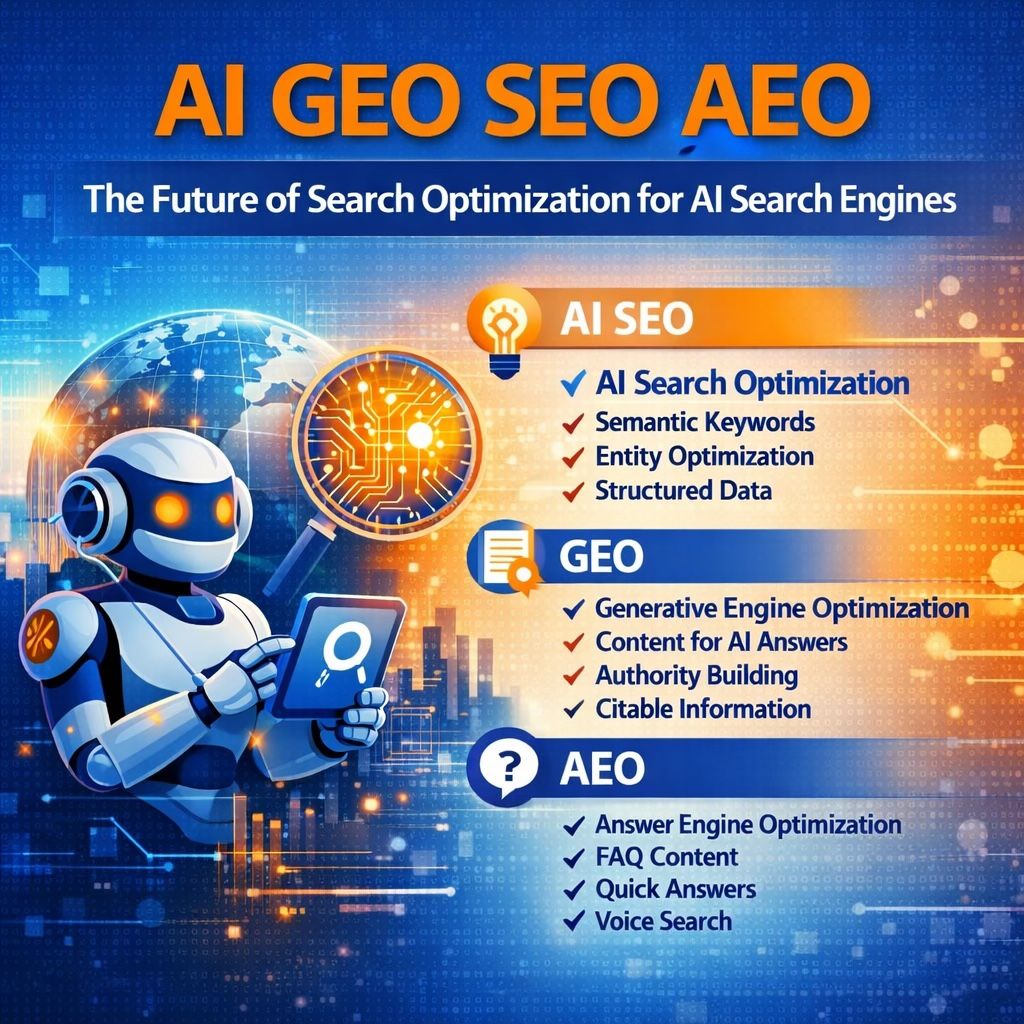
AI SEO resources are software applications, platforms, and frameworks that use artificial intelligence to perform or assist with search engine optimization tasks. Unlike traditional SEO tools that rely on static rules and manual data interpretation, AI-driven solutions continuously learn from vast datasets, adapting to search engine algorithm changes and user behavior patterns. They can analyze millions of data points in seconds, identify ranking factors correlations, and even predict future trends.
These resources span a wide spectrum. Some focus on content optimization by analyzing top-performing pages and suggesting semantic improvements. Others automate technical audits, scanning websites for crawl errors, page speed issues, and structured data gaps. The common thread is the use of advanced models to reduce guesswork and deliver actionable insights. In practice, an AI SEO resource might tell you exactly which keyword cluster to target, how to structure your content, and what internal linking strategy will lift a page from position seven to position three – all based on probabilistic models trained on real search engine results pages.
Types of AI SEO Resources: A Comprehensive Breakdown
The market is rich with specialized solutions. Understanding the different categories helps you build a complete AI-powered SEO stack that addresses every stage of the optimization lifecycle.
1. AI Content Optimization Platforms
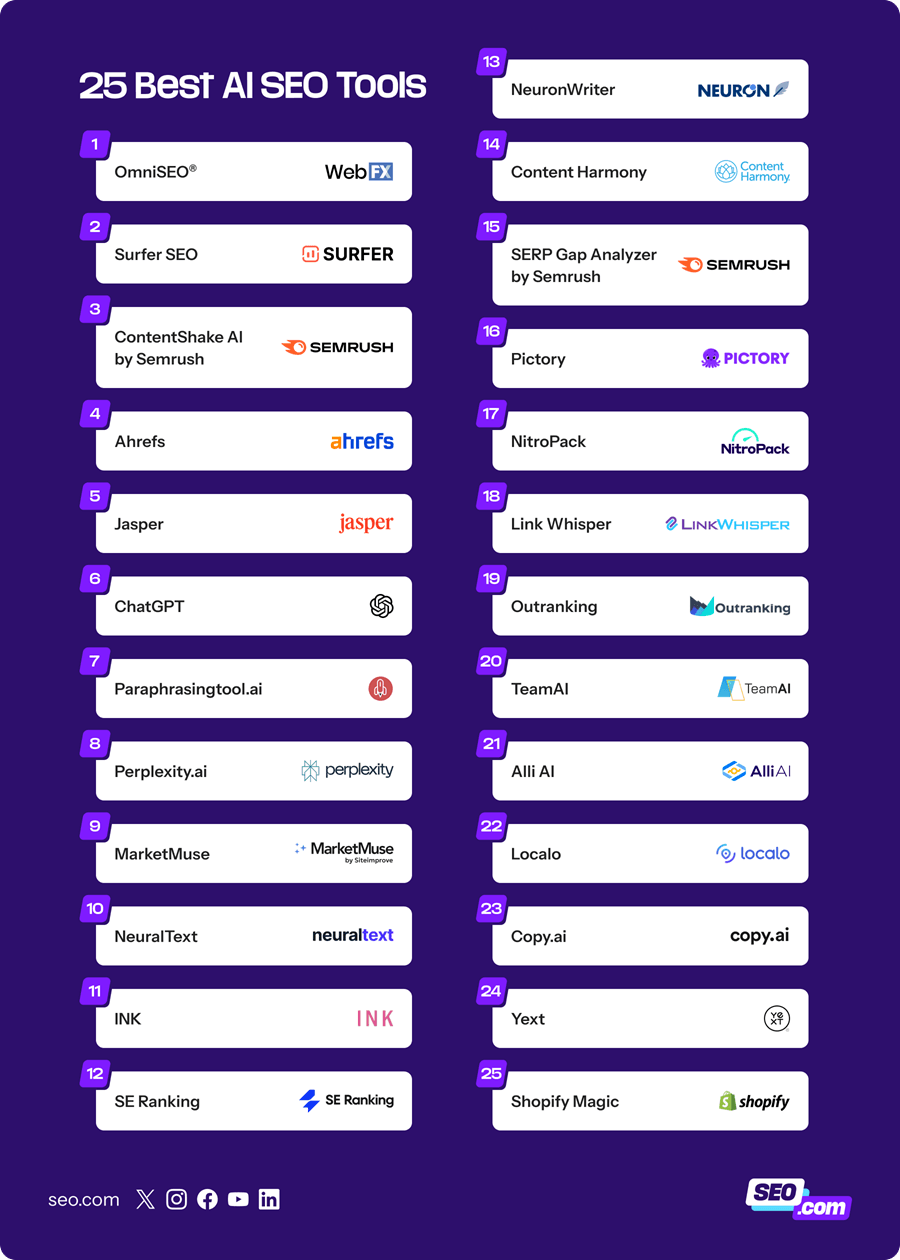
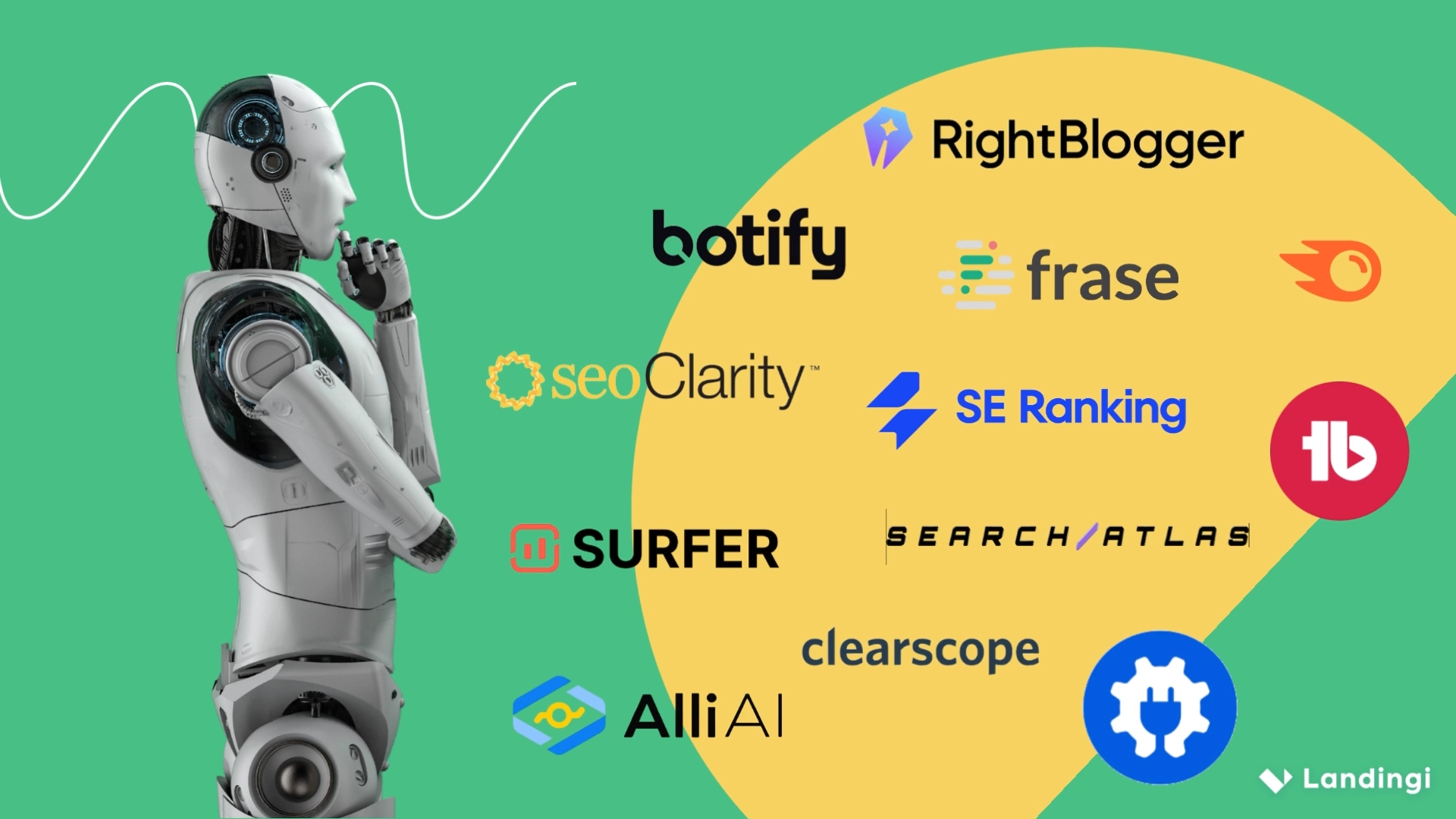
These tools analyze top-ranking content for a given query and provide recommendations on word count, heading structure, term frequency, and entity inclusion. They train models on search engine behavior to identify content gaps and semantic richness. Leading examples include Surfer SEO, Frase, and Clearscope. They help writers and strategists align content with user intent, ensuring every piece is competitive from the start.
2. Generative AI Writing Assistants
While not exclusively SEO tools, generative AI writers like Jasper, Copy.ai, and ChatGPT (when used with proper prompts) have become crucial AI SEO resources. They accelerate content production, generate meta descriptions, craft title tags, and build outlines in seconds. The key is to treat them as co-pilots rather than autopilots – human editing ensures brand voice and factual accuracy remain intact.
3. AI-Powered Keyword Research and Clustering
Traditional keyword research returns a list of terms. AI enhances this by understanding search intent, clustering semantically related keywords, and forecasting traffic potential. Tools like Semrush’s Keyword Magic Tool (with AI-powered intent metrics) and Ahrefs’ AI-driven Keyword Explorer move beyond simple volume data. They analyze SERP features, click-through probabilities, and competitive difficulty using machine learning models.
4. Technical SEO and Site Auditing Tools
Modern site auditors employ AI to prioritize issues based on potential impact on rankings. Instead of a flat list of warnings, they assign severity scores and suggest fixes. DeepCrawl (now part of Lumar) and Sitebulb use machine learning to understand isomorphic JavaScript rendering, evaluate Core Web Vitals patterns, and detect scalability problems across hundreds of thousands of pages. These AI SEO resources dramatically lower the time needed for enterprise-level technical health checks.
5. Rank Tracking and Predictive Analytics
Advanced rank trackers use AI to model ranking fluctuations and attribute them to algorithm updates, seasonality, or competitor moves. Tools like Nozzle (enterprise-focused) and AccuRanker’s AI-powered share-of-voice calculations help teams understand not just where they rank, but why. Predictive analytics features can even forecast how a new content piece or backlink acquisition will impact organic traffic before the investment is made.
6. Link Building and Outreach AI Tools
Identifying high-quality link prospects, creating personalized outreach emails, and monitoring backlink health are tasks well-suited to AI. Resources like Postaga and Respona use AI to find relevant websites, generate semi-personalized templates, and track follow-ups, dramatically increasing the efficiency of link builders.
Benefits of Leveraging AI SEO Resources

Integrating artificial intelligence into your SEO strategy delivers measurable advantages that compound over time. Teams that adopt these technologies early build significant competitive moats.
- Exponential Time Savings: Tasks that once took days – like manually clustering thousands of keywords or analyzing a site’s internal linking architecture – now complete in minutes. This shifts resources toward high-level strategy.
- Data-Driven Content Strategy at Scale: AI can process competitor content, user search intent, and trending topics to recommend entire content plans. The result is a roadmap grounded in actual market demand, not guesswork.
- Improved Content Quality and Relevance: Content graders measure semantic completeness, suggesting terms and entities that bridge the gap between your draft and what Google expects to see. This leads to higher dwell time and lower bounce rates.
- Real-Time Algorithm Adaptation: When Google rolls out a core update, traditional analysis takes weeks. AI-powered rank trackers and SERP monitors detect patterns immediately, allowing you to adjust tactics before losses compound.
- Enhanced Technical Health with Proactive Fixes: Crawling tools that learn your site’s normal behavior can spot anomalies – like a sudden spike in 404 errors or internal redirect chains – and alert you before they hurt rankings.
- Recommendations Are as Good as Their Training Data: Many AI tools base suggestions on correlations observed in SERPs. If an entire niche is using outdated practices, the model may inadvertently reinforce suboptimal tactics. Human oversight remains non-negotiable.
- Generative Content Can Dilute Brand Voice: Without careful prompt engineering and editing, AI-written copy feels generic. Readers detect the lack of unique perspective, which erodes trust and differentiation – both of which are increasingly vital for ranking.
- Black Box Decision Paralysis: Some enterprise AI SEO platforms provide scores and recommendations without transparent reasoning. Teams can end up chasing a number without understanding the underlying SEO principle, which stunts professional growth.
- Cost and Complexity Barriers: Advanced AI SEO resources, especially those tailored for enterprise, come with steep price tags and learning curves. Smaller businesses may find the ROI elusive if they don’t have the expertise to act on the insights.
- Potential for Over-Optimization: Content optimization tools that push for exact keyword densities or strict heading match ratios can produce unnatural copy that triggers quality evaluators. The goal is to assist, not to formulaically engineer text.
- Blindly Following Scores: Treating an AI content score as an absolute quality metric leads to writing for robots. A page can score 98/100 and still fail to convert users because it lacks persuasive elements or unique stories. Always prioritize human engagement.
- Neglecting First-Party Data Integration: AI SEO resources thrive on data. If you don’t connect your CRM, analytics, and sales data, the tool can’t learn what truly converts. Generic recommendations then miss the nuances of your audience.
- Over-Automating Content Production: Publishing dozens of AI-generated articles per week without editing leaves a massive footprint that search engines and readers reject. Google’s helpful content system specifically penalizes unoriginal, scaled content. Use AI for drafts, but infuse them with subject matter expert reviews.
- Ignoring Technical Debt: Investing heavily in AI content tools while ignoring a site’s poor mobile usability or slow server response is like painting a house with a crumbling foundation. AI cannot fix technical problems; it can only highlight them. Prioritize site health accordingly.
- Short-Term Thinking in Tool Adoption: Hopping on every new AI SEO tool with a flashy demo can fragment workflows and data. Before adopting, define the specific problem the tool solves and commit to learning it deeply. Consistency in usage yields far better long-term data and insights.
- Data Freshness Matters: Check how often the tool’s underlying search data is updated. An AI content optimizer using stale SERP data will give you recommendations based on what worked six months ago. Insist on weekly or even daily data refreshes for competitive niches.
- Workflow Integration Capabilities: Look for APIs and native integrations with your CMS, analytics suite, and project management tools. An AI SEO resource that lives in isolation creates friction rather than removing it.
- Transparency and Explainability: The best tools explain why they suggest a specific keyword or internal link. Avoid platforms that only give a black-box score. Understanding the logic strengthens your own SEO expertise and builds trust in the recommendations.
- Customization Depth: Enterprise users need the ability to train models on their own historical data. A tool that can learn your specific site’s ranking patterns offers a massive advantage over one that applies generic, one-size-fits-all models.
- Content Generation Guardrails: If the tool produces full articles, test it with factually demanding topics in your niche. Does it hallucinate? Does it cite sources? Reliable generative AI SEO resources have built-in fact-checking modules or clearly mark low-confidence sections.
Limitations and Risks of AI SEO Resources
For all their power, these tools are not magic. Understanding where they fall short prevents costly mistakes and over-reliance on automation.
Comparing Top AI SEO Resources Across Categories
Selecting the right tool suite requires mapping features to your specific workflow. The table below compares standout options for different core SEO functions.
| Category | Tool | Key AI Feature | Best For |
|---|---|---|---|
| Content Optimization | Surfer SEO | Real-time content score based on SERP analysis | Content teams wanting structural and semantic guidance |
| Generative Writing | Jasper | Brand voice customization and multi-template generation | Agencies producing high-volume, on-brand content |
| Keyword Research | Semrush | Personal Keyword Difficulty and intent classification | Full-stack SEOs who need integrated data |
| Technical Auditing | Sitebulb | Machine learning-based hints and JavaScript rendering analysis | Technical SEO specialists and consultants |
| Rank Tracking | AccuRanker | AI-powered Share of Voice and instant position updates | Enterprise teams monitoring thousands of keywords |
| Link Building | Respona | Automated prospect discovery and personalized email streams | Link builders focused on outreach efficiency |
Practical Application: Building an AI-Powered SEO Workflow
Success with AI SEO resources comes from stitching them into a coherent workflow, not just subscribing to random tools. The following step-by-step approach mirrors how advanced teams operate.
Step 1: AI-Enhanced Opportunity Discovery
Start with an AI keyword tool to generate a massive list of seed keywords. Use its clustering engine to group terms by intent and topic. Then apply predictive traffic models to identify clusters where your domain authority gives you a realistic chance. The AI ranks opportunities by effort-to-reward ratios, so you tackle the high-impact, low-competition keywords first.
Step 2: Intelligent Content Briefing
Plug the chosen keyword cluster into a content optimization platform. The tool analyzes the top 20 results and produces a brief that includes recommended headings, semantic terms, content length, and even image count. This brief becomes the blueprint for your writer or AI writing assistant. When using a generative AI tool, feed the brief as a structured prompt to maintain strategic direction while the AI handles first-draft speed.
Step 3: AI-Assisted Drafting and Editing
Use a generative writing assistant to create the initial content, ensuring it hits the critical entities identified in the brief. Then run the draft back through the content optimizer, tweaking until the score reaches the target range. Finally, a human editor reviews for brand voice, niche expertise, and original insights – elements no AI can fully replicate yet.
Step 4: Automated Publishing and Technical Checks
Before publishing, an AI technical crawler inspects the page for on-page SEO elements (title tag structure, meta description length, internal linking opportunities) and validates Core Web Vitals. This checkpoint prevents simple errors from slipping through. Some teams integrate this into a CI/CD-like pipeline where content is held until all checks pass.
Step 5: AI-Powered Monitoring and Continuous Improvement
After publication, set up an AI rank tracker to monitor the target keywords. Configure anomaly detection alerts – if rankings drop more than a specified percentage in a day, you get an automated notification. At the 90-day mark, run a content decay analysis using machine learning to identify pages that are losing impressions. The AI can then suggest updates, additional internal links, or content refreshes to recover lost ground.
Common Mistakes When Using AI SEO Resources
Well-intentioned teams often stumble into pitfalls that undermine the very efficiency these tools promise. Recognizing these patterns is the first step to avoiding them.
Important Notes for Selecting AI SEO Resources
The landscape is crowded, and marketing claims often outpace actual capabilities. Keep these practical considerations in mind when evaluating options.
Frequently Asked Questions About AI SEO Resources
What exactly are AI SEO resources?
AI SEO resources are software platforms and tools that apply artificial intelligence—such as machine learning and natural language processing—to perform, automate, or enhance search engine optimization tasks. They range from content writers and keyword analyzers to technical auditors and predictive rank trackers.
Can AI SEO tools replace human SEO specialists?
No. AI excels at processing data quickly and identifying patterns, but it lacks strategic intuition, deep brand understanding, and the ability to create truly original storytelling. Human expertise is essential for interpreting AI output, setting strategy, and ensuring content aligns with brand values and audience needs.
Are AI-generated articles penalized by Google?
Google does not penalize content simply because it was AI-generated. The focus is on content quality, originality, and helpfulness. If AI-generated content is purely scaled, lacks added value, or is factually incorrect, it may be demoted under the helpful content system. Properly edited and improved AI-assisted content can rank well.
Which free AI SEO resources are worth trying?
Several platforms offer free tiers or trials. ChatGPT (free tier) can assist with outlines and meta descriptions. Google’s own Search Console Insights uses machine learning to highlight content performance. Ubersuggest offers limited free AI keyword suggestions. Always evaluate data depth in free versions.
How do I measure the ROI of AI SEO tools?
Track the time savings on specific tasks before and after adoption. Then measure the organic traffic, keyword rankings, and conversions generated from content or technical fixes influenced by the AI tool. Compare these metrics against the tool’s subscription cost and the human hours redirected to strategic work.
Is it secure to share sensitive site data with AI SEO platforms?
Reputable AI SEO resources have robust data encryption and clear privacy policies. For enterprise users, on-premise deployment options or private cloud instances are often available. Always review the vendor’s data handling certifications (SOC 2, GDPR compliance) before integrating sensitive internal data.
Looking Ahead: The Future of AI SEO Resources
Artificial intelligence is not a passing trend in search optimization; it is fundamentally rewiring how the industry operates. The next generation of AI SEO resources will move beyond reactive analysis into proactive search experience orchestration. Large language models are already beginning to understand nuanced user journeys, and search engines themselves are integrating generative AI directly into results. This evolution demands that practitioners build symbiotic workflows where human creativity steers the strategy and AI handles execution at scale. The organizations that master this balance today are laying the groundwork for sustained organic dominance in an increasingly automated search landscape.
Xem thêm:
- AI SEO Link Building Campaign: The Complete Playbook for 2025
- AI SEO ROI: How to Measure and Maximize Your Return on Investment
- AI SEO Long Form Content: The Complete Guide to Scaling High-Ranking Articles
- AI Entity SEO: The Definitive Blueprint for Ranking in a Semantic Search World
- AI SEO Content Quality: The Complete Guide to Publishing Content That Ranks in 2025
Bài viết cùng chủ đề:

AI SEO SEO Automation with Make: The Complete Workflow Guide

AI SEO SEO Automation with Zapier: The Complete Workflow Guide

AI SEO SEO Automation with n8n: The Complete Workflow Guide
AI SEO SEO Automation with Gemini: The Complete Guide to Scaling Organic Growth

AI SEO SEO Automation with Claude: The Complete Guide to Scaling Content in 2025

AI SEO SEO Automation with ChatGPT: The Complete Playbook for 2025

AI SEO & SEO Automation for Affiliate Sites: The 2025 Playbook for Passive Income Growth
AI SEO & SEO Automation for Bloggers: The Complete Guide to Scaling Your Content

AI SEO & SEO Automation for Agencies: The Complete 2025 Playbook

AI SEO and SEO Automation for Ecommerce: The Complete Playbook for 2025

AI SEO & SEO Automation for WordPress: The Complete Playbook for 2025
AI SEO SEO Automation Strategy: The Complete Playbook for 2025

Mastering the AI SEO SEO Automation Process: A Complete Guide to Scaling Organic Growth
AI SEO SEO Automation System: The Complete Guide to Scaling Organic Growth in 2025
AI SEO SEO Automation Platform: The Complete Guide to Scaling Organic Growth in 2025
AI SEO SEO Automation Software: The Complete Guide to Scaling Organic Growth in 2025















