
No products in the cart.
AI Featured Snippets: How Artificial Intelligence Is Redefining Position Zero
29
Jul
Jul
Artificial intelligence has quietly transformed the way search engines deliver answers, and now An AI Featured Snippet is no longer a static block of text scraped from a webpage—it is a dynamically generated answer shaped by machine learning models that understand intent, context, and even the nuance of human language. As Google integrates models like BERT and MUM, the featured snippet has become smarter, more conversational, and fiercely competitive. Grasping how AI fuels these coveted position zero results is essential for any modern SEO strategy that aims to capture voice search traffic, zero-click answers, and the top of the search engine results page.
What Exactly Is an AI Featured Snippet?
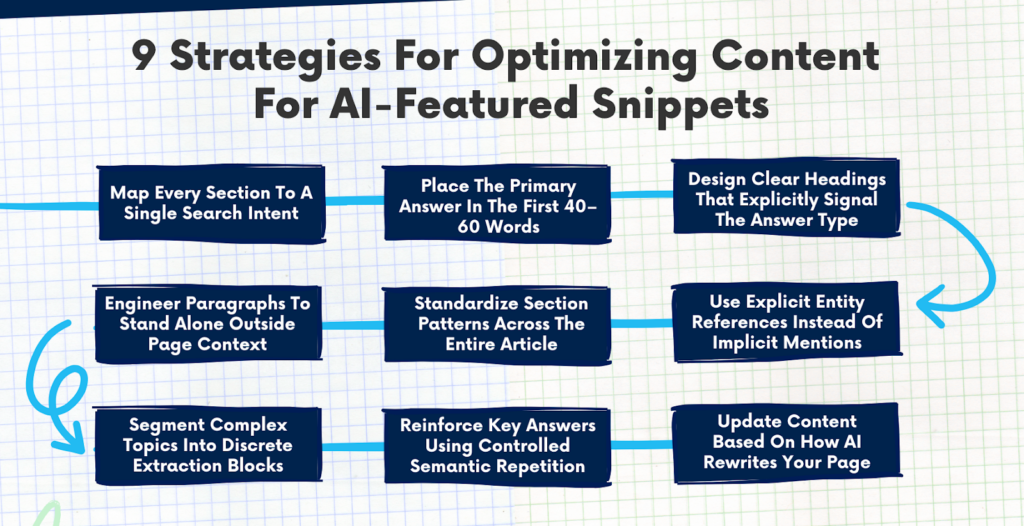
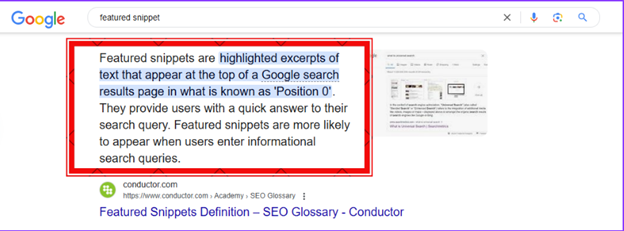
A featured snippet is the highlighted answer box that appears at the top of Google’s organic results, often called position zero. Traditionally, this box pulled an extract directly from a page that algorithmically matched the query. Today, that extraction process is deeply driven by artificial intelligence. An AI featured snippet uses natural language processing and deep learning to not just match keywords but to interpret the searcher’s true question and surface the most authoritative, contextually relevant passage from the entire web.
Google’s AI systems like RankBrain, BERT, and the Multitask Unified Model (MUM) work together to generate these snippets. They analyze the meaning behind a query, cross-reference it with the structure of top-ranking pages, and often synthesize an answer that might never appear verbatim on a single page. This means the snippet you see for “how to tie a tie” is now curated by AI that understands steps, visual hierarchy, and even the most beginner-friendly explanation. The shift is profound: we have moved from simple information retrieval to intelligent answer generation.
The Core AI Technologies Powering Featured Snippets
Understanding the engines under the hood helps demystify why some snippets rank while others vanish. Several key AI systems are at play.
BERT and Natural Language Understanding
Bidirectional Encoder Representations from Transformers (BERT) changed the game in 2019. It allows Google to grasp the full context of a word by looking at the words before and after it. For featured snippets, BERT means the algorithm can parse long-tail, conversational queries with prepositions that change meaning. A search like “can you get medicine for someone without them knowing” no longer confuses the parser—BERT unpacks the intent and finds a passage that directly addresses the ethical and practical nuances, often pulling it into a snippet.
MUM and Multimodal Information Synthesis
MUM is 1,000 times more powerful than BERT and can understand information across text, images, and eventually video. While not yet the sole driver of every snippet, MUM’s ability to synthesize answers from multiple pages in multiple languages hints at the future. An AI featured snippet powered by MUM could combine a French recipe’s technique with an English ingredient list to answer a complex cooking question, all displayed as a coherent paragraph. This cross-lingual, cross-modal capability means the snippet is no longer bound by the limitations of a single source.
Passage Ranking and Neural Matching
Google’s passage ranking algorithm can look at a specific passage within a page—not just the page as a whole—to determine relevance. AI featured snippets rely heavily on this: even if a page is not the top result for a broad topic, a single brilliant paragraph can get pulled into position zero. Neural matching further helps connect query concepts with relevant content, even when exact keywords are absent. Together, these AI layers ensure the snippet is both surgically precise and deeply relevant.
Types of AI-Driven Featured Snippets
AI has expanded the formats far beyond the classic paragraph. Recognising each type helps optimize content accordingly.
- Paragraph Snippets – The most common format, where AI extracts a concise text block answering a query directly. BERT ensures the answer matches the intent of interrogative phrases like “why does” or “what is.”
- List Snippets – Numbered or bulleted steps that AI identifies as procedural. MUM’s ability to understand sequences makes these particularly accurate for “how to” queries.
- Table Snippets – AI extracts comparative data or structured numerical values and displays them as a table. These often trigger for queries involving dimensions, pricing, or specifications.
- Video Snippets – With AI analyzing audio and visual content, Google can now surface a precise moment within a YouTube video as a featured snippet, complete with a timestamp. This is heavily driven by machine learning models that understand spoken text and frame context.
- Accordion and Multisnippet Results – AI can generate a carousel of related snippets for broad queries, pulling multiple answers from diverse sources and organizing them under subheadings.
- Vague or rambling introductory paragraphs – AI looks for the most concentrated answer. A fluffy 200-word introduction before the direct answer forces the algorithm to dig deeper, often causing it to skip your page entirely.
- Ignoring search intent variations – A page optimized for “best coffee beans” will not capture a snippet for “how to choose coffee beans” if the content does not include a clear, instructional passage. AI distinguishes between transactional and informational intent precisely.
- Using non-standard text formatting – Placing answer text inside images, JavaScript-loaded content, or complex non-semantic divs can prevent AI from parsing it. Always use clean HTML and ensure text is crawlable.
- Over-optimizing with keyword stuffing – AI models are trained to recognise unnaturally dense keywords. A snippet candidate that reads poorly will be downgraded in favor of more natural prose, even if it contains the exact keyword fewer times.
- Neglecting mobile readability – With mobile-first indexing, AI evaluates content layout for mobile screens. Large blocks of text without spacing or bullet points harm both user experience and snippet eligibility. Break up content with short paragraphs and clear visual hierarchy.
- Forgetting to update and audit snippet content regularly – A snippet can be lost when a competitor updates their page with fresher statistics or a clearer answer. AI favors current, well-maintained information. Set a schedule to refresh key statistics and re-verify snippet presence.
How AI Determines Which Content Gets the Snippet
The selection process is no longer a simple keyword match. An AI featured snippet emerges after a multi-layered evaluation that mimics human comprehension.
First, natural language processing (NLP) breaks down the query into entities, relationships, and search intent. Next, passage ranking scans millions of index entries for the most relevant passage, giving higher weight to pages with strong topical authority. AI then evaluates readability, factual accuracy (using Knowledge Graph and authoritative sources), and structural signals. For instance, content wrapped in clear heading tags, with concise definitions early in the text, and supported by schema markup, signals to the AI that the page is snippet-worthy. Finally, the model generates a syntactically clean excerpt, often rewriting the core sentence to fit the query more directly—this is the AI summarization at work.
User engagement signals also play a role. A snippet that receives high click-through rates or satisfies users quickly is more likely to be reinforced by the reinforcement learning algorithms that underpin RankBrain. This creates a feedback loop where the AI continuously refines which snippet format and source perform best for each query type.
Benefits and Opportunities of AI Featured Snippets
Capturing an AI featured snippet offers advantages that go far beyond traditional organic traffic. The rise of voice search makes these snippets the primary answer spoken by assistants like Google Assistant, Siri, and Alexa. With over 50% of all searches now zero-click, the snippet is often the only exposure your brand gets. Businesses that secure position zero see a significant increase in brand visibility, authority, and even in-store traffic for local intent queries.
AI-powered snippets also drive qualified traffic. Because they precisely match user intent, click-through rates can exceed 30% for certain informational queries when the snippet provides a partial answer that invites deeper reading. Moreover, as Google Search Generative Experience (SGE) rolls out, the AI featured snippet is evolving into a generative answer that cites multiple sources—making the ground for being cited even more competitive but also more rewarding. Earning a place as a primary source in AI-generated snapshots positions your site as a trusted authority in the eyes of both search engines and users.
Limitations and Challenges You Must Understand
While powerful, AI featured snippets are not without drawbacks for site owners. The zero-click phenomenon means that even if your content appears in the snippet, a user might get the complete answer without ever visiting your page. For queries like “current time in Tokyo” or “what is the capital of France,” the snippet cannibalizes traffic. Sophisticated publishers now strategically answer part of a query in the snippet but require a click for the full explanation, though this must be done carefully to avoid violating Google’s guidelines.
Another challenge is volatility. Because AI models continuously update, a snippet that contains your text today may be rewritten or replaced tomorrow as the algorithm finds a passage it deems more precise. The use of MUM to synthesize answers from multiple sources also means your unique content might be blended into an AI-generated answer that dilutes brand attribution. T
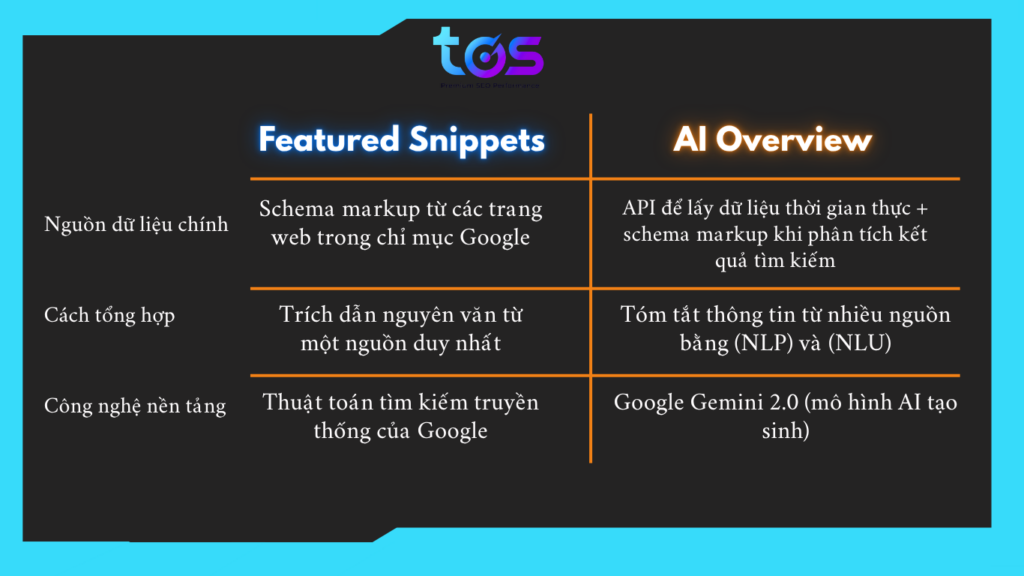
AI Featured Snippets vs. Traditional Featured Snippets: A Quick Comparison
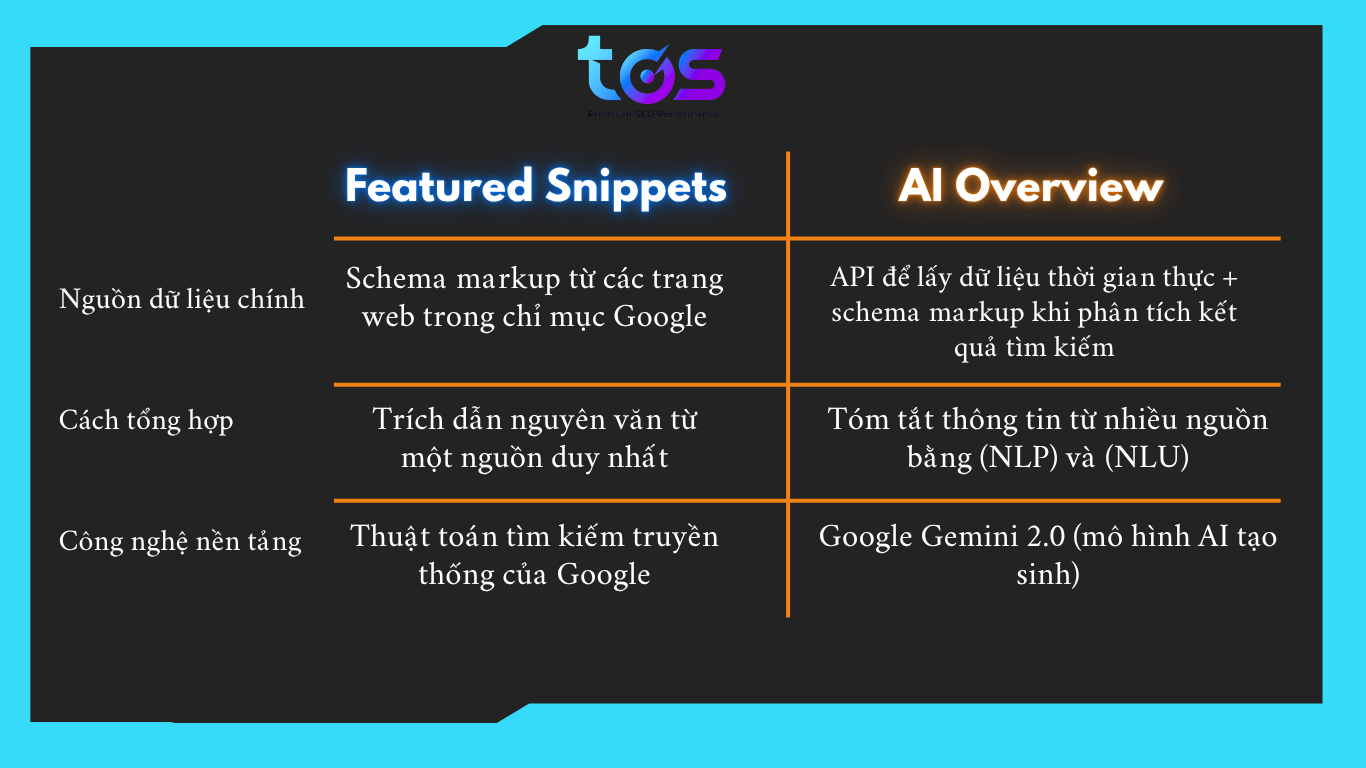
| Feature | Traditional Featured Snippet | AI Featured Snippet |
|---|---|---|
| Selection method | Keyword matching and basic relevance scoring | Deep learning, intent analysis, passage ranking, neural matching |
| Content source | Direct extraction from a single page | Single page extraction or AI-synthesized from multiple sources |
| Handling of complex queries | Often failed with prepositions and long-tail nuance | Excels due to BERT and MUM understanding of context |
| Multimodal capability | Text only or simple images | Integrates video, images, and cross-language information |
| Stability | Relatively stable once ranked | More dynamic, frequently refined by ongoing model updates |
| Voice search compatibility | Limited to clear, short answers | Highly optimized for natural language and spoken responses |
How to Optimize Content for AI Featured Snippets
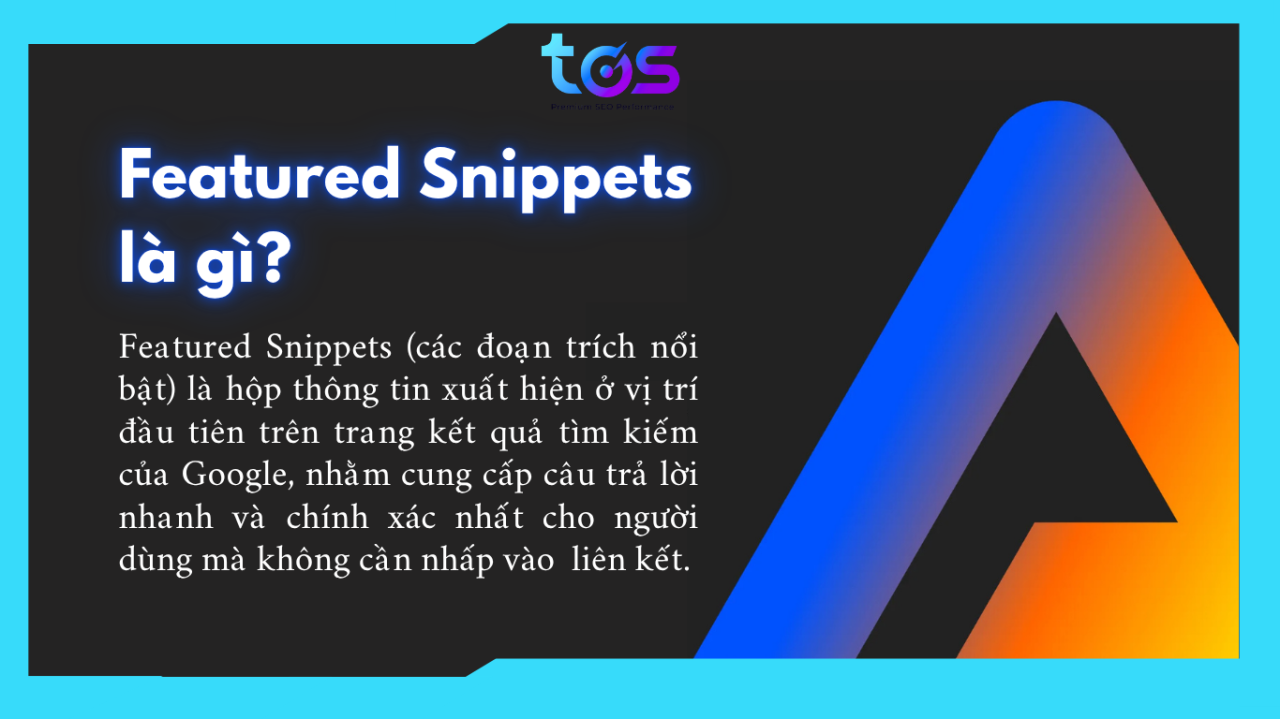
Securing an AI featured snippet demands a blend of traditional on-page SEO and an awareness of how machines read today. The following actionable strategies are designed to make your content the most attractive candidate for AI extraction.
Identify and Prioritize Snippet-Worthy Queries
Use tools like Ahrefs, SEMrush, or Google Search Console to find keywords where your site already ranks in the top 10 and a featured snippet exists. Queries starting with “how,” “what is,” “why does,” “step by step,” and comparisons are ripe for optimization. Focus on question-based keywords with clear informational intent. AI models favor queries that have a definite, concise answer.
Structure Content with Unambiguous Formatting
Search algorithms prize clarity. Place a succinct definition—ideally 40 to 60 words—immediately after the subheading that matches the query. For list snippets, use properly tagged
- or
- elements. For table snippets, build clean HTML tables with descriptive headers. Google’s AI identifies structured data easier when it is semantically marked up, so implement FAQ, HowTo, and Article schema where relevant. This structured approach sends strong signals that the passage is designed to be extracted.
Write for Natural Language and Conversational Queries
Since BERT analyzes surrounding words, write in complete, natural sentences. Avoid robotic, keyword-stuffed phrases. Answer the question directly but contextually. For example, for the query “how to make cold brew coffee,” instead of just listing steps, begin with: “To make cold brew coffee, coarsely grind fresh beans and steep them in cold water for 12 to 24 hours.” This direct, conversational response aligns perfectly with how AI expects answers to be framed.
Build Topical Authority Around Pillar Content
AI featured snippets increasingly favor sites that demonstrate comprehensive expertise on a subject. A single perfect paragraph is unlikely to win the snippet if the rest of the page or domain lacks topical depth. Create pillar pages surrounded by cluster content that covers every facet of the topic. Link internally with descriptive anchor text. When the AI scans the broader context, it sees a rich web of meaning, which boosts the trustworthiness of the passage.
Optimize for Multiple Intents and Multisnippet Opportunities
Modern AI can generate multisnippet results that show several answers at once. To capture these, structure your content to answer related questions under individual H2 or H3 headings. A page about “solar panel installation” might have clearly separated sections answering “How much does solar panel installation cost?” and “How long does solar panel installation take?” This tactic increases your surface area for a variety of snippet-triggering queries.
Common Mistakes That Prevent AI Featured Snippet Success
Many content creators unknowingly sabotage their chances. Avoiding these pitfalls is often the quickest path to winning position zero.
Important Notes on the Future of AI Featured Snippets
The landscape is accelerating. Google’s Search Generative Experience is actively blending AI-generated snapshots with featured snippets, and this hybrid model will likely become the standard. In these new results, a generative AI answer is displayed above all organic listings, with direct links to corroborating sources. The implications for SEO are significant: being one of those cited sources will be the new position zero. Optimizing for AI featured snippets today is essentially training your content to be the foundation of tomorrow’s AI-generated answers.
Furthermore, the rise of multimodal search—where users point a camera and ask a question—means AI featured snippets will need to understand not just text but images in real time. Google Lens already delivers snippet-like informational overlays. Content that includes high-quality, labeled images with descriptive alt text and surrounding context will be better positioned for these visual AI answers. Always remember that the core principle remains unchanged: provide genuine, expert-level value. AI can only surface what exists; it cannot create authoritative knowledge from thin air.
Frequently Asked Questions About AI Featured Snippets
What exactly is an AI featured snippet?
An AI featured snippet is a search result box at the top of Google that uses artificial intelligence, such as BERT and MUM, to extract or generate a direct answer. It analyzes the meaning, context, and intent of a query rather than just matching keywords, producing a more accurate and conversational response.
How does AI change the way featured snippets are selected?
AI selects snippets by understanding the whole query through natural language processing, scanning passages for relevance with passage ranking, and sometimes synthesizing answers from multiple sources. This goes beyond traditional keyword matching, allowing it to handle complex, long-tail questions with prepositions that alter meaning.
Can I optimize my content specifically for AI featured snippets?
Yes. Write clear, concise answers to common questions and place them immediately after relevant headings. Use structured data like FAQ and HowTo schema. Format lists and tables with proper HTML. Ensure your content is naturally written because BERT rewards conversational, context-rich language over keyword-stuffed text.
Why did my featured snippet disappear?
Featured snippets are dynamic. They can disappear due to algorithm updates, a competitor producing a more direct or authoritative answer, changes in search intent interpretation by AI, or your content becoming outdated. Regularly audit snippet-bearing pages and refresh them with current data, clearer structure, and deeper topical coverage.
Is there a risk that AI featured snippets steal my traffic?
Yes, the zero-click trend means users may get the full answer without clicking. To mitigate this, provide enough value in the snippet to build trust but structure content so the snippet answers a simplified part of the query while the page offers richer detail, visuals, or tools that require a visit. Never attempt to manipulate the snippet with incomplete information, as this violates Google’s guidelines.
How will AI like MUM affect featured snippets in the future?
MUM will enable featured snippets that combine information from text, images, and videos across languages. Instead of a paragraph from one page, you might see an AI-generated answer synthesizing a German research abstract, an English tutorial video, and a Japanese product manual—all merged into a single, seamless response. Preparing multimodal content now will be key.
Conclusion
AI featured snippets represent the intersection of search technology and human-centric content—a space where machine learning interprets, summarizes, and elevates the best answers the web has to offer. Winning these snippets requires more than quick tactics; it demands a deep commitment to clarity, authority, and a genuine understanding of user intent. By structuring content with AI in mind, using natural language, and continuously refining your expertise, you position your brand not just for a fleeting spot at the top of the page but as a foundational source in the rapidly approaching era of generative search. The opportunity is immense for those who treat AI not as a barrier but as a sophisticated reader that rewards the same qualities humans have always valued: trust, relevance, and exceptional clarity.
Xem thêm:
- AI SEO Search Results Analysis: The Complete Guide to Understanding SERP Intelligence
- AI SEO for Hotels: The Complete Guide to Dominating Search in 2025
- AI Featured Snippets: How Artificial Intelligence Is Redefining Position Zero
- AI SEO Keyword Expansion: The Complete Guide to Scaling Your Content Strategy
- AI Overview Optimization: Master Google’s Generative Search for Maximum Visibility
Bài viết cùng chủ đề:

AI SEO SEO Automation with Make: The Complete Workflow Guide

AI SEO SEO Automation with Zapier: The Complete Workflow Guide

AI SEO SEO Automation with n8n: The Complete Workflow Guide
AI SEO SEO Automation with Gemini: The Complete Guide to Scaling Organic Growth

AI SEO SEO Automation with Claude: The Complete Guide to Scaling Content in 2025

AI SEO SEO Automation with ChatGPT: The Complete Playbook for 2025

AI SEO & SEO Automation for Affiliate Sites: The 2025 Playbook for Passive Income Growth
AI SEO & SEO Automation for Bloggers: The Complete Guide to Scaling Your Content

AI SEO & SEO Automation for Agencies: The Complete 2025 Playbook

AI SEO and SEO Automation for Ecommerce: The Complete Playbook for 2025

AI SEO & SEO Automation for WordPress: The Complete Playbook for 2025
AI SEO SEO Automation Strategy: The Complete Playbook for 2025

Mastering the AI SEO SEO Automation Process: A Complete Guide to Scaling Organic Growth
AI SEO SEO Automation System: The Complete Guide to Scaling Organic Growth in 2025
AI SEO SEO Automation Platform: The Complete Guide to Scaling Organic Growth in 2025
AI SEO SEO Automation Software: The Complete Guide to Scaling Organic Growth in 2025















