
No products in the cart.
AI Overview Optimization: Master Google’s Generative Search for Maximum Visibility
29
Jul
Jul
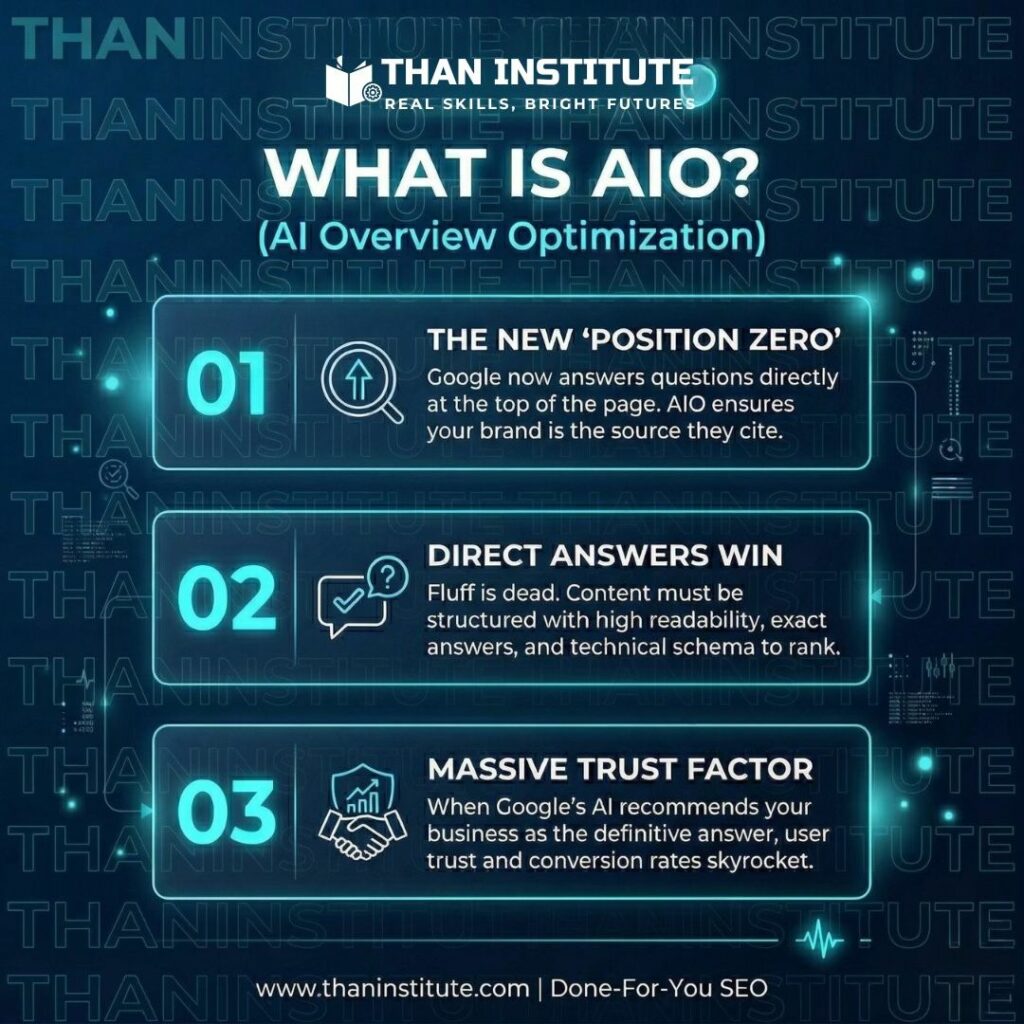
Ranking in Google no longer means just blue links and a featured snippet at the top. With the global rollout of AI Overviews, formerly known as Search Generative Experience, search results are transforming into dynamic, multi-source summaries generated by large language models. AI Overview Optimization is the practice of structuring and refining content so it gets surfaced inside these AI-generated snapshots. The shift is massive: early studies show AI Overviews appear in roughly 15–20% of queries in the US, and that number keeps climbing. If your content isn’t optimized for this new real estate, you’re leaving visibility, clicks, and authority on the table.
What Is AI Overview Optimization?
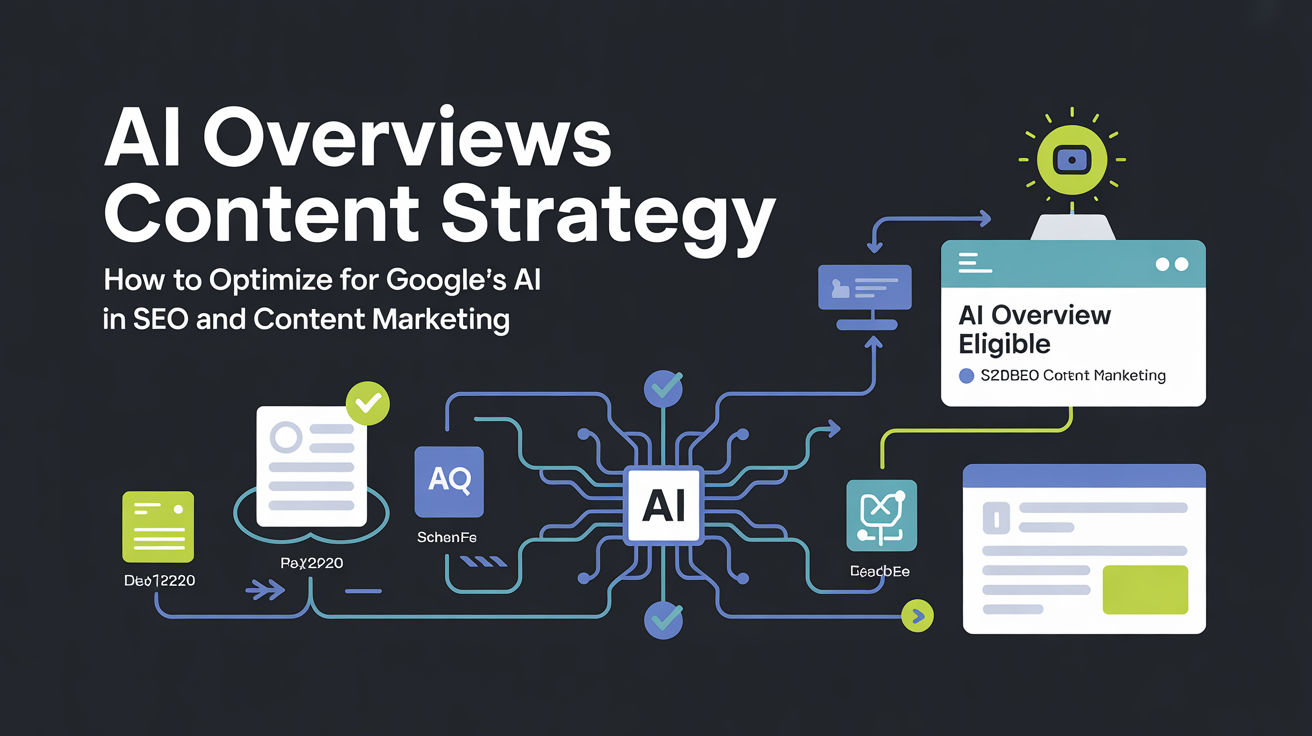
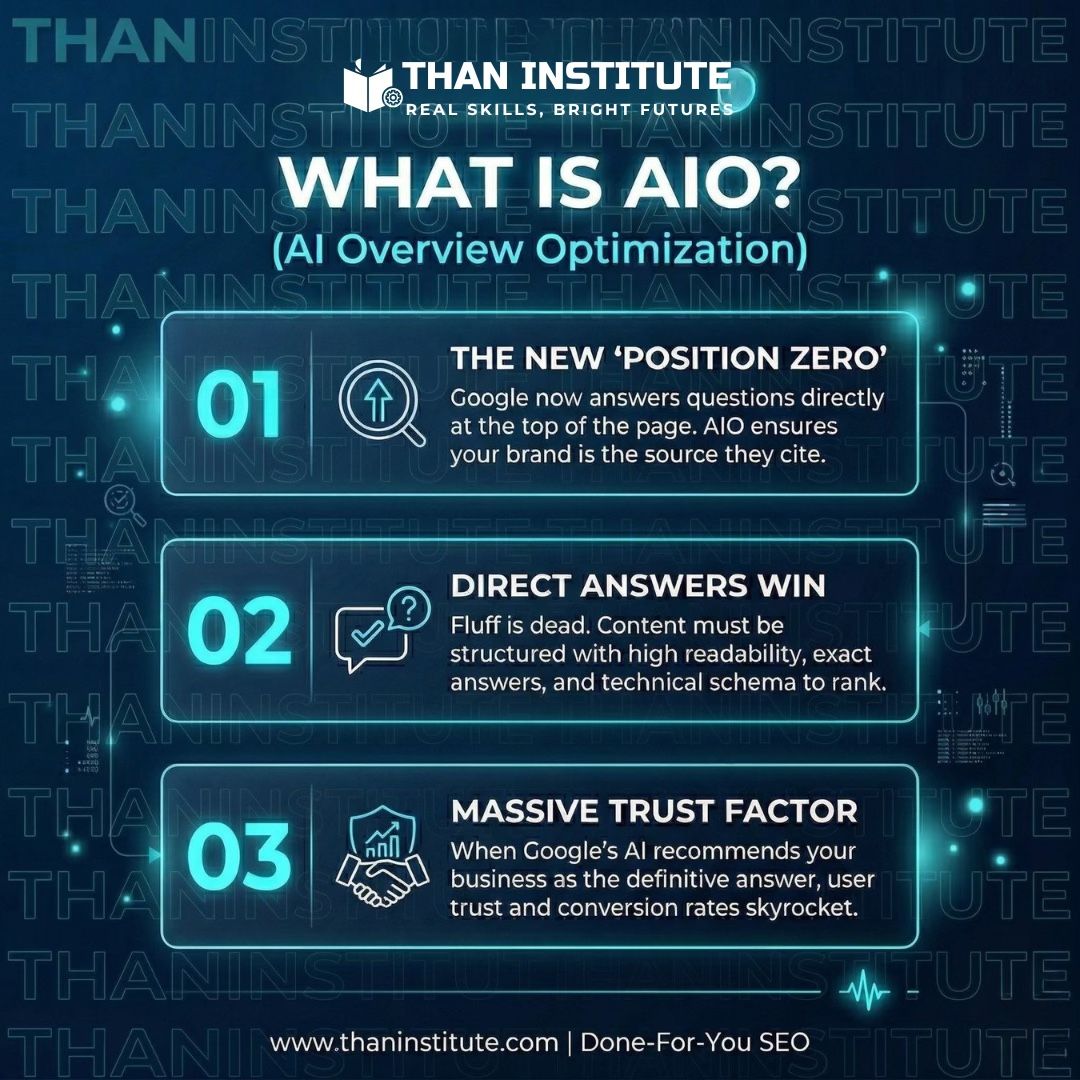
AI Overview Optimization refers to the set of strategies used to increase the likelihood that Google’s generative AI selects and cites your content within an AI Overview. Unlike traditional SEO that focuses on ranking in the ten blue links, AI Overview Optimization targets the AI-generated answer box that appears above or instead of standard organic results. Google’s AI synthesizes information from multiple high-quality sources, presenting users with a concise answer, bullet points, product comparisons, or step-by-step guidance, often without requiring a click. The optimization goal is to become one of the sources the AI pulls from, earning a linked citation that can drive high-intent traffic.
This practice blends classic on-page SEO, structured data, authoritative backlinks, and a deep understanding of how large language models parse and trust information. The main keyword here—AI Overview Optimization—encompasses everything from tuning your content to match user intent behind conversational queries to building the kind of original data that Google’s models recognize as uniquely valuable.
Why AI Overviews Are Reshaping Search Behavior
Google processes billions of queries daily, and the introduction of generative AI in search marks the most significant SERP change since mobile-first indexing. AI Overviews are designed to handle complex, multi-part questions that would normally require multiple searches. For example, a query like “best indoor plants for low light and pet-safe” now generates a synthesized panel with plant names, light requirements, safety notes, and links to sources.
Early data from Semrush and Authoritas suggests that AI Overviews appear most for informational and local queries, with strong presence in health, finance, technology, and e-commerce categories. The impact is tangible: pages cited in AI Overviews can see click-through rates rise significantly, while those not cited often experience a drop in organic traffic for that query. This makes AI Overview Optimization not just a nice-to-have but a necessary defense and growth channel.
How Google’s AI Decides Which Sources to Cite
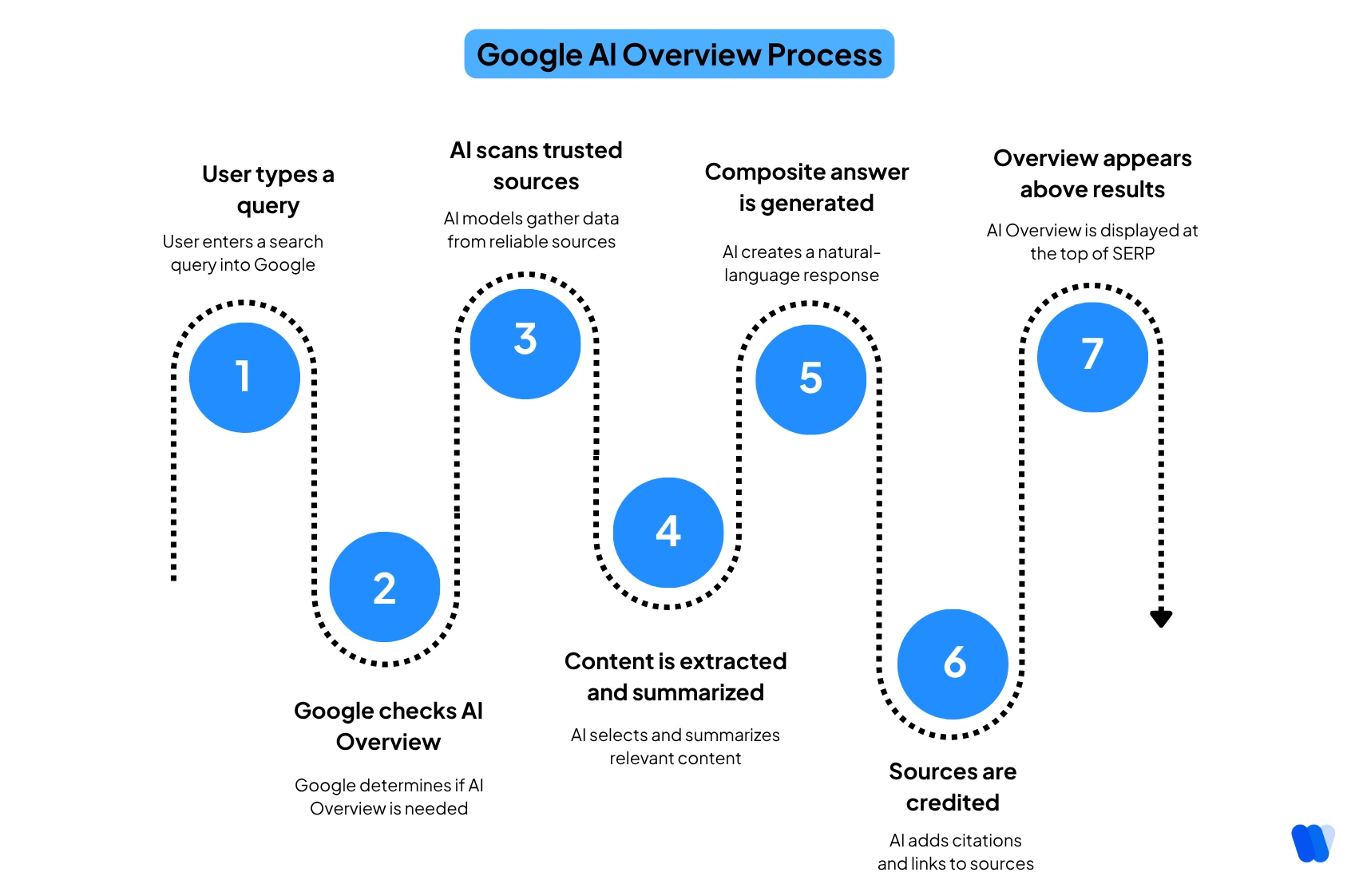
Understanding the citation mechanics is the cornerstone of AI Overview Optimization. Google’s AI model, likely a variant of Gemini, analyzes content across several dimensions. It doesn’t simply pick the top-ranking page; instead, it looks for topical authority, content completeness, factual accuracy, and format compatibility. The system cross-references information across multiple trusted sources to reduce hallucinations. If your content aligns with the consensus view from authoritative sites, your odds of being cited increase dramatically.
Key factors include:
- Topic authority – The depth and breadth of your site’s coverage on a subject cluster.
- Content structure – Clear headings, tables, lists, and concise definitions that the AI can easily extract and rephrase.
- External validation – Backlinks from entities Google considers high-quality in your niche.
- Uniqueness – Original research, proprietary data, or perspectives that go beyond generic rewrites.
- Entity alignment – Alignment with Google’s Knowledge Graph entities and semantic relationships.
- Ignoring conversational queries: AI Overviews thrive on natural language. Content written only for keyword‑dense, robotic phrasing fails to match the query patterns the AI processes.
- Thin, surface-level content: A 500-word article cannot compete in a multi-source synthesis. The AI demands depth and original insight.
- Over-optimized anchor text and internal linking: Google’s AI can detect manipulative linking. Keep internal links natural and contextually relevant.
- Neglecting mobile UX and page speed: AI Overviews appear heavily on mobile. Slow, clunky pages hurt your overall ranking signals, indirectly reducing citation chances.
- Duplicate or syndicated content: The AI prefers original sources. If you syndicate, use proper canonical tags and ensure the original has strong signals.
- Disallowing Googlebot from key resources: Some sites block CSS, JS, or image files. If the AI cannot crawl and render your page fully, you won’t be cited.
- Citation frequency: How often your domain appears as a source in AI Overview results over time.
- Organic traffic to cited pages: Use Google Search Console to filter queries containing question words (“how,” “what,” “why”) and compare traffic changes after you optimize.
- Click-through rate differences: Pages in AI Overviews may show a CTR uplift for long-tail queries even if the overall position for a broader term stays flat.
- Branded search lift: Being cited as an authority can drive more branded searches, a signal of growing topical authority.
Traditional ranking signals still matter, but the AI adds a layer of semantic understanding and synthesis. Pages that are thin, duplicate, or lack supporting evidence rarely make it into AI Overviews, even if they rank well in classic search.
Core Components of an AI Overview Optimization Strategy
Successful AI Overview Optimization weaves together multiple disciplines. Here are the pillars you cannot ignore:
1. Intent-centric Content Design
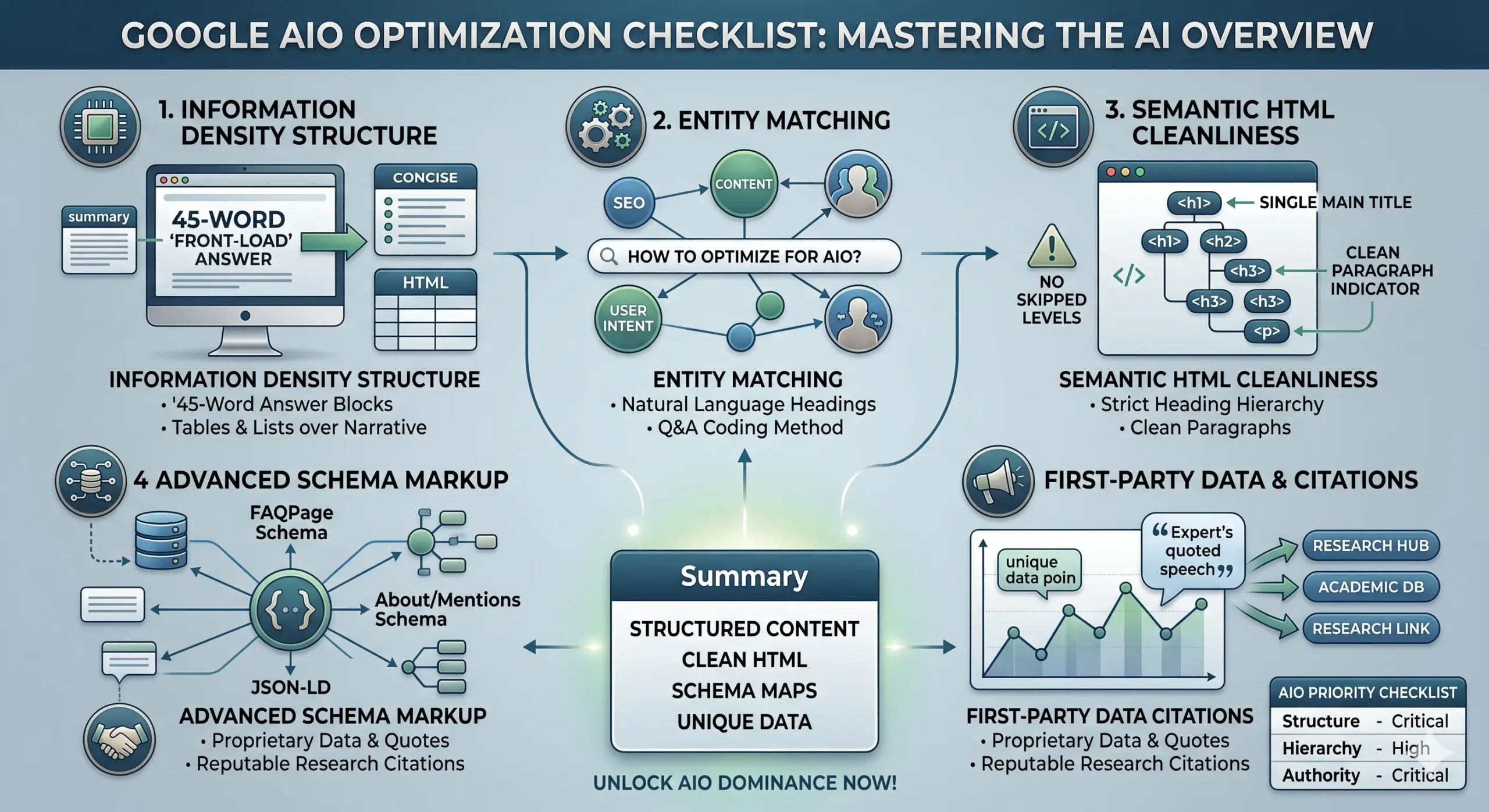
AI Overviews often trigger for queries with informational, comparative, or “how-to” intent. Your content must directly answer the question in the first few paragraphs, then expand with depth. Use the inverted pyramid: lead with the core answer, then provide supporting evidence, examples, and nuance. The AI rewards pages that match the exact query formulation, so incorporate long-tail conversational keywords naturally.
2. Structured Data and Schema Markup
While schema doesn’t guarantee inclusion, it helps Google parse your content’s meaning faster. For AI Overview Optimization, focus on FAQ, HowTo, Article, and Q&A schemas. When you clearly mark up questions and answers, the AI can extract them more easily. In one test by Search Engine Journal, pages with properly implemented FAQ schema saw a 12% higher chance of being cited in SGE-like snippets compared to those without.
3. Entity-rich, Semantically Connected Content
AI models thrive on entities—people, places, things, concepts. Instead of stuffing keywords, build content around clusters of semantically related entities. For a page about “best running shoes for flat feet,” mention brands, pronation types, cushioning technologies, podiatrist recommendations, and relevant anatomical terms. The AI recognizes topic depth through entity density and connectivity, boosting your AI Overview Optimization potential.
4. E-E-A-T Signals on Every Page
Experience, Expertise, Authoritativeness, and Trustworthiness are more critical than ever. Google’s AI uses these signals to filter out unreliable sources. Show author bios with credentials, cite peer-reviewed studies, link to official sources, and maintain transparent editorial policies. Sites with clear evidence of real-world experience—such as a fitness coach writing workout plans—outperform generic content farms.
5. Multimedia Integration with Descriptive Alt Text
AI Overviews occasionally pull images, videos, and product carousels. Optimize visual assets with descriptive filenames, alt text, and surrounding contextual text. When a user searches for “how to tie a Windsor knot,” an AI Overview might surface a step‑by‑step video thumbnail. Your video metadata and on-page description can help you win that citation.
Comparing Traditional Featured Snippets and AI Overviews
Many ask how AI Overview Optimization differs from optimizing for featured snippets. While both aim to capture SERP position zero, the mechanics differ sharply. The table below breaks down the key contrasts.
| Aspect | Featured Snippet | AI Overview (Generative) |
|---|---|---|
| Source selection | Usually a single page, extracted verbatim | Multiple sources, synthesized into new text |
| Content format | Paragraph, list, or table from one site | Combined answers, often with bullet points, pros/cons, steps |
| Citation style | One prominent link | Several clickable citations, sometimes with expandable carousels |
| Query complexity | Simple, fact-based queries | Complex, multi-intent, conversational queries |
| Optimization focus | Isolate snippet‑bait paragraphs | Holistic topical authority, entity relationships, source consensus |
| Risk of cannibalization | High for low‑click pages | Varies; citations can drive traffic if content goes beyond the overview |
Understanding these differences is fundamental for any modern AI Overview Optimization campaign. The generative model’s ability to blend information means you must compete not just on relevance but on being the most citable source among many.
Proven Tactics to Get Cited in AI Overviews
Moving from theory to practice, these actionable tactics directly improve your chances of appearing in AI Overviews.
Build Content That Serves as a Single Source of Truth
Create definitive guides that cover a topic exhaustively. Include statistics, original images, expert quotes, and step-by-step walkthroughs. The AI looks for sources that minimize its need to fetch additional data. A comprehensive resource reduces the model’s “work,” increasing your citation likelihood.
Use Clear, Scannable Headings and Bullet Points
AI Overviews often output bulleted lists or tables. When your content mirrors that structure with clean H2/H3 tags and ul elements, it becomes easier for the AI to extract and reformat. This doesn’t mean stuffing bullet points everywhere; it means breaking down complex processes into digestible, structured sections.
Target “People Also Ask” and Long-Tail Question Clusters
Many AI Overview queries stem from the “People Also Ask” box or conversational long-tails. Use tools like AlsoAsked.com or AnswerThePublic to map out question clusters. Create dedicated sections for each question, answering them directly and succinctly. The AI aggregates answers from pages that specifically address those sub-questions.
Maintain Freshness and Factual Accuracy
AI models are trained on static snapshots, but Google’s live system can prioritize freshly updated content. Regularly audit your key pages, update statistics, and replace broken links. Pages with “Last updated” timestamps within the last 6 months often get a recency boost.
Earn Links from Authoritative Domains in Your Niche
Backlinks remain a strong trust signal. The AI often correlates citation frequency with external validation. A study by ZipTie.dev analyzed 10,000 AI Overview queries and found that cited domains averaged 2.3x more referring domains than non-cited ones in the same SERP. Invest in digital PR, original research promotion, and guest posting on respected industry sites.
Leverage Video and YouTube Optimization
Google frequently pulls YouTube content into AI Overviews, especially for how-to and product review queries. Optimize your video titles, descriptions, and chapters with the same target keywords. Embedding that video on your blog post increases the page’s multimedia depth, a positive signal for AI Overview visibility.
Common Mistakes That Sabotage AI Overview Optimization
Even seasoned SEOs stumble when adapting to generative search. Avoid these pitfalls.
Measuring the Impact of AI Overview Optimization
Since AI Overviews are dynamic and personalized, direct “position” tracking is challenging. However, you can monitor success through several proxy metrics. Start by identifying queries where AI Overviews appear using tools like Semrush Sensor, ZipTie.dev, or manually checking for your target terms. Then track:
Reporting on AI Overview Optimization requires a blend of SERP feature tracking and traditional analytics. Set up a custom dashboard that logs AI Overview presence weekly so you can correlate content updates with citation gains.
The Future of Search and AI Overview Optimization
AI Overviews will continue expanding, likely integrating with Google Lens, Google Maps, and shopping results. Multimodal search—using images and voice—will make content structure even more crucial. The line between organic and paid blur as ads appear within AI Overviews, but the foundational principle of being the best answer remains.
As models improve, personalization based on user history will increase. This doesn’t change the core AI Overview Optimization playbook: build genuine authority, structure data flawlessly, and deliver exceptional fact-driven content. Sites that prioritize short‑term tricks will see diminishing returns, while those that invest in E-E-A-T and original research will cement their place in the generative future.
Important Notes for a Sustainable AI Overview Strategy
Remember that AI models are probabilistic, not deterministic. Even with perfect optimization, citation is never guaranteed. Avoid over-engineering content purely for machines; user satisfaction is still the ultimate signal. Google’s systems constantly evaluate whether users find the AI Overview helpful. If your page provides a superior experience post-click, the model’s learning loop will favor your domain over time.
Also, maintain robust technical foundations. Ensure your site uses HTTPS, has a logical URL structure, and serves content efficiently. Schema markup must be error‑free. Validate your structured data with Google’s Rich Results Test. A single critical error can hinder the AI from fully interpreting your content.
Finally, don’t abandon traditional SEO. AI Overview Optimization works best when layered on top of a solid organic search presence. High rankings for head terms increase your domain’s overall authority score, which the generative AI uses as a trust heuristic. Think of it as a symbiotic relationship.
Frequently Asked Questions About AI Overview Optimization
Is AI Overview Optimization the same as SGE optimization?
Yes. Google initially called the feature Search Generative Experience (SGE) during the Labs phase. After the official rollout, it was branded as AI Overview. The core optimization principles remain identical. When you see “SGE optimization,” it refers to the same set of practices as AI Overview Optimization.
Can I block Google from using my content in AI Overviews?
You cannot opt out of AI Overviews exclusively. Google treats AI Overviews as part of search, respecting the same robots.txt and noindex directives. If you block Googlebot entirely, your site will not appear in any search features. T
How long does it take to see results from AI Overview Optimization?
It varies. Some pages get cited within weeks of a significant content improvement if they already have topical authority. Newer domains may take 3–6 months of consistent E-E-A-T building before appearing in generative snippets. The AI model’s refresh cadence is not publicly fixed, but Google tends to recrawl high-authority pages faster.
Does word count matter for AI Overview citations?
Not directly, but depth matters. A 2,000‑word page that thoroughly covers a topic with supporting data is more citable than a 500‑word superficial post. The AI values completeness, not length alone. Focus on covering the topic from multiple angles, including user‑intent variations, before worrying about a specific word count.
Are backlinks still important for AI Overview Optimization?
Absolutely. Backlinks from relevant, authoritative sites remain one of the top signals for source selection. Google’s AI models treat external references as a proxy for trustworthiness. A robust link profile with high-quality, editorially earned links significantly boosts your chance of being cited.
Will AI Overviews reduce organic traffic to my site?
Not necessarily. For simple, low‑depth queries, users might get the answer directly in the overview, reducing clicks. However, for complex research‑oriented queries, being cited as a source often increases brand visibility and sends motivated traffic that digs deeper. The key is to create content that the overview can summarize while offering unique value on your site that encourages a click.
Conclusion
AI Overview Optimization isn’t a passing trend—it’s the new frontier of search visibility. As Google’s generative experience reshapes how information is consumed, marketers must evolve beyond traditional rank tracking and embrace entity‑rich, authoritative content strategies. By focusing on clear structure, proven expertise, and unwavering trust signals, you position your brand not just to survive the AI shift but to lead within it. Start auditing your content today for AI Overview readiness, build topical clusters that mirror real user journeys, and watch your citations—and qualified traffic—grow. The future belongs to those who understand that AI Overview Optimization is simply the next evolution of being the best answer on the web.
Xem thêm:
- AI SEO Generative Search Traffic: The Complete Playbook for 2025
- Perplexity vs Google Search: Which One Truly Understands Your Questions in 2025?
- AI SEO Predictions: How Artificial Intelligence Will Reshape Search in 2025 and Beyond
- AI SEO Google Search Console: The Complete Guide to Smarter Search Performance
- AI SEO Best Examples: How Leading Brands Use Artificial Intelligence to Conquer Search Rankings
Bài viết cùng chủ đề:

AI SEO SEO Automation with Make: The Complete Workflow Guide

AI SEO SEO Automation with Zapier: The Complete Workflow Guide

AI SEO SEO Automation with n8n: The Complete Workflow Guide
AI SEO SEO Automation with Gemini: The Complete Guide to Scaling Organic Growth

AI SEO SEO Automation with Claude: The Complete Guide to Scaling Content in 2025

AI SEO SEO Automation with ChatGPT: The Complete Playbook for 2025

AI SEO & SEO Automation for Affiliate Sites: The 2025 Playbook for Passive Income Growth
AI SEO & SEO Automation for Bloggers: The Complete Guide to Scaling Your Content

AI SEO & SEO Automation for Agencies: The Complete 2025 Playbook

AI SEO and SEO Automation for Ecommerce: The Complete Playbook for 2025

AI SEO & SEO Automation for WordPress: The Complete Playbook for 2025
AI SEO SEO Automation Strategy: The Complete Playbook for 2025

Mastering the AI SEO SEO Automation Process: A Complete Guide to Scaling Organic Growth
AI SEO SEO Automation System: The Complete Guide to Scaling Organic Growth in 2025
AI SEO SEO Automation Platform: The Complete Guide to Scaling Organic Growth in 2025
AI SEO SEO Automation Software: The Complete Guide to Scaling Organic Growth in 2025















