
No products in the cart.
AI Image SEO: The Definitive Guide to Ranking AI-Generated Visuals
29
Jul
Jul
The internet is witnessing an explosion of visuals created by generative AI tools like Midjourney, DALL‑E, and Stable Diffusion. As these synthetic images flood websites, blogs, and product pages, a new discipline has emerged: AI Image SEO. It is the art and science of making AI‑generated pictures discoverable, indexable, and competitive in search engines. Without deliberate optimization, even the most stunning machine‑made graphic will remain invisible on Google Images, costing you traffic, engagement, and authority. This guide walks you through every layer of AI image optimization, from file naming to structured data, and explains how to align your synthetic assets with Google’s ever‑evolving expectations.
What Is AI Image SEO?
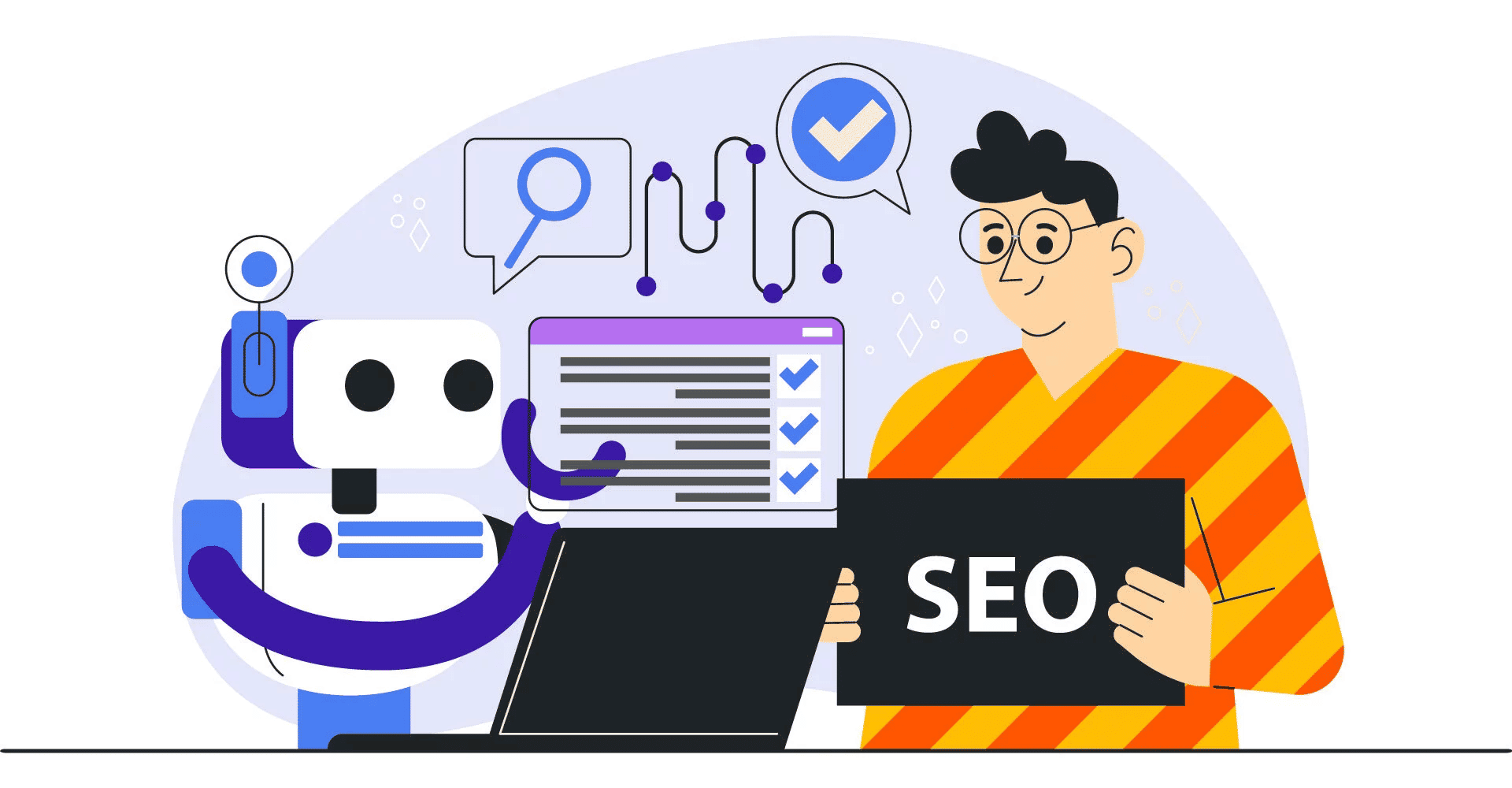
AI Image SEO is the process of preparing and promoting images created by artificial intelligence models so that they rank prominently in image search results and contribute positively to overall page rankings. It extends traditional image SEO by addressing the unique characteristics of synthetic visuals: uncertain originality signals, absence of EXIF data from a physical camera, and potential duplication across thousands of websites that used similar prompts. The practice involves not only the classic elements—alt attributes, file names, compression—but also transparency markers, structured data, and contextual relevance that signal to search engines that an AI‑generated asset is valuable, trustworthy, and unique in intent.
Why AI Image SEO Matters More Than Ever
Visual search is growing relentlessly. Google Lens is used over 12 billion times per month, and image packs appear in roughly 28% of desktop search queries. At the same time, the barrier to creating custom visuals has collapsed. Small teams can now generate blog headers, infographics, and product mockups in seconds.
This accessibility creates a paradox: while you can produce infinite original-looking images, every competitor can do the same with nearly identical prompts. Without careful AI Image SEO, your content risks being lost in a sea of look‑alike assets, never earning the click‑through or the ranking lift that a well‑optimized original image provides.
Moreover, properly optimized AI images signal to Google that you are using technology responsibly. Transparency tags and metadata can enhance your E‑E‑A‑T profile by demonstrating editorial integrity, which becomes a ranking factor for sites competing in YMYL (Your Money or Your Life) niches where trust is paramount.
How Google Views AI‑Generated Images

Google’s core guidance on AI content is clear: the search engine rewards high‑quality, people‑first content, regardless of the production method. The same principle applies to images. T However, Google expects website owners to provide appropriate context and transparency.
In 2023, Google began supporting the IPTC Digital Source Type metadata property, allowing publishers to mark an image as “created using computational models.” This metadata may trigger an “AI‑generated” label in search results, especially in Google Images, giving users essential context. Google also encourages marking images that have been altered by generative AI, such as expanded backgrounds or inpainted objects, using the IPTC “compositeWithTrainedAlgorithmicMedia” tag.
For news and sensitive topics, Google’s guidelines are stricter: AI‑generated visual media that could be mistaken for a real photograph must be clearly labeled. Failing to do so may result in manual actions or reduced visibility. For general commercial use, the absence of such labeling is not yet a direct ranking demotion, but it increasingly correlates with lower perceived trustworthiness.
Key Differences Between Traditional Image SEO and AI Image SEO
Traditional image SEO relies on signals such as focal‑length EXIF data, camera model information, and geographic coordinates that implicitly confirm an image’s provenance. AI Image SEO must build trust from scratch because synthetic images carry none of those biological fingerprints.
The table below summarizes the critical contrasts between the two disciplines.
| Element | Traditional Image SEO | AI Image SEO |
|---|---|---|
| Originality Signal | EXIF data, timestamp, geolocation | IPTC Digital Source Type, prompt documentation |
| Duplication Risk | Low (specific to photographer) | High (same prompt can generate near‑identical outputs across tools) |
| Alt Text Strategy | Describe what the camera captured | Describe the intent and meaning behind the generated scene, not the prompt |
| File Naming | Descriptive but often camera‑generated (IMG_001) | Must be rewritten from the default meaningless strings (e.g., “dalle‑img‑234.png”) |
| Metadata Support | Standard EXIF/IPTC | Standard EXIF/IPTC plus required AI‑specific tags |
| Copyright Nuance | Clear ownership by creator | Ambiguous; must verify terms of service of the AI model |
Step‑by‑Step Guide to Optimizing AI Images for SEO

1. Generate Unique, High‑Quality Visuals
Before any technical on‑page work, start with the prompt itself. Generic prompts output visuals that thousands of others have already published. Use elaborate, detailed prompts that combine specific subject matter, lighting styles, camera angles, and even color palettes to create genuinely distinctive assets. Even if the underlying model is the same, a complex seed and nuanced prompt dramatically reduce duplication. Aim for a minimum resolution that matches your content width needs—typically 1200px on the longest side for full‑width hero images—and produce images at 2x resolution for Retina displays.
2. Use Descriptive File Names That Include Keywords
AI generators typically assign meaningless names like “image_54389.png”. Rename every file before uploading. A descriptive, keyword‑rich file name helps search engines understand the subject. Instead of “ai‑pic‑01.webp”, use “ai‑generated‑modern‑living‑room‑interior‑design.webp”. Be concise, lowercase, and separate words with dashes. This simple act of AI Image SEO signals semantic relevance from the very first discovery crawl.
3. Craft Compelling Alt Text That Goes Beyond the Prompt
The alt attribute is not the place to paste your raw prompt. Instead, write a human‑readable description that reflects the content and function of the image within the page context. For an AI‑generated image of a woman working on a laptop in a café, the alt text could be “Young professional typing on silver laptop while seated at a sunlit café table with a cappuccino”. Never keyword‑stuff. Include the core topic naturally and ensure the text supports accessibility while reinforcing the page’s topical focus.
4. Add Structured Data with ImageObject Schema
Search engines increasingly rely on structured data to understand image content and licensing. Use the ImageObject schema type within your JSON‑LD markup. Specify properties such as “contentUrl”, “license”, “acquireLicensePage” (where applicable), and “creditText”. For AI images, it is especially valuable to populate “creator” with your brand name and “copyrightNotice” reflecting your terms. This not only improves your chances of appearing in image packs with a licensable badge but also clarifies the provenance of synthetic media.
5. Compress Images Without Sacrificing Quality
Page speed is a confirmed ranking factor, and heavy images drag down Core Web Vitals. Convert AI outputs to modern formats like WebP or AVIF. Use tools that perform lossless or near‑lossless compression, stripping unnecessary metadata while preserving visual fidelity. A well‑optimized AI‑generated hero image should stay under 100 KB for desktop and even smaller for mobile. Compression contributes directly to AI Image SEO by improving user experience signals that search engines measure.
6. Build a Dedicated Image XML Sitemap
An image sitemap helps Google discover all your visual assets, including those embedded via JavaScript or lazy loading. For each image entry, include the
7. Implement Responsive Images with srcset
Serve different image sizes based on the user’s viewport using the srcset attribute. Generate at least three sizes (small, medium, large) from your original AI visual. This practice, though universal, is non‑negotiable for AI assets because you control the entire generation pipeline and can output multiple resolutions natively without resampling degradation. Properly sized images improve page experience and lower bounce rates, indirectly boosting rankings.
8. Embed IPTC Metadata to Disclose AI Provenance
Open your image in an IPTC‑compatible editor and, under the “Digital Source Type” field, select “http://cv.iptc.org/newscodes/digitalsourcetype/trainedAlgorithmicMedia”. This tells platforms and future search crawlers that the image was created by a generative model. For hybrid images where an AI‑generated element was composited into a real photograph, use the “compositeWithTrainedAlgorithmicMedia” designation. This metadata is machine‑readable and future‑proofs your AI Image SEO as labeling regulations tighten.
9. Optimize Surrounding Content and Context
Search engines evaluate images within the page’s textual and structural context. Place AI images near highly relevant headings, descriptive captions, and body copy that elaborates on the visual’s theme. The captions themselves are prime real estate for explaining what the AI image depicts and why it matters, naturally weaving in related keywords. This synergy reinforces semantic signals and helps the image rank for long‑tail queries.
10. Track Performance in Google Search Console
After implementing these techniques, monitor the “Search results” report filtered by “Image” search type inside Google Search Console. Analyze clicks, impressions, and average position for your AI‑generated assets. Note which pages benefit most from the image inclusion and refine your optimization strategy accordingly. Regular tracking is the feedback loop that turns static AI Image SEO into an iterative growth engine.
Advanced AI Image SEO Strategies
Beyond the fundamentals, innovative tactics can push your synthetic visuals further. AI‑powered upscaling tools can enhance an image’s resolution without introducing artifacts, giving you a crisp, large‑format asset that can be licensed or used in high‑dpi contexts. Generating multiple variations of a single concept and A/B testing them in hero sections can yield engagement data that refines not just design but click‑through from image search snippets.
For sites in travel, interior design, or fashion, using AI to create whole “visual essays”—series of thematically linked images—can establish topical clusters. Each image targets a slightly different long‑tail query, collectively boosting the cluster’s authority. Additionally, leveraging generative AI to automatically draft initial alt text (and then human‑editing it) can scale your AI Image SEO for large catalogs, but quality control remains essential to avoid generic descriptions.
Common AI Image SEO Mistakes That Undermine Your Rankings

- Leaving default cryptic file names – Filenames like “DALLE®_2024‑07‑11_14‑56.png” tell Google nothing and waste a strong relevance signal.
- Ignoring image compression – Many AI images output as bloated PNGs; skipping compression leads to sluggish pages and higher abandonment.
- Using the prompt as alt text – A prompt like “sunlit café, 8k, cinematic lighting, ultra‑realistic” is not user‑friendly and may be flagged as spammy.
- Neglecting IPTC metadata – Without the digital source type tag, search engines may treat the image as if it is a real photograph, causing confusion if inconsistencies arise later.
- Generating images that are too similar to stock photography – If your AI image looks like a branded stock photo that exists elsewhere, even accidental similarity can trigger duplicate content filters.
- Embedding the same image across multiple pages – Repetition dilutes uniqueness and confuses crawlers about which page is the canonical source.
- Over‑optimizing alt text with keywords – Jamming terms degrades accessibility and attracts penalties.
AI Image SEO and E‑E‑A‑T: Building Trust with Synthetic Visuals
Experience, Expertise, Authoritativeness, and Trustworthiness apply to all content, including images. For AI‑generated assets used on medical advice pages or financial guides, transparency is not optional—it is a trust signal. Subtle but visible “AI‑generated” disclaimers near the image, coupled with the IPTC tag, tell users and search engines that you are not passing synthetic visuals as documentary evidence. This honest framing strengthens authoritativeness, especially when the images support editorial content created by verified human experts.
Conversely, using AI to create seemingly authentic “behind‑the‑scenes” photos of your team or office can backfire if discovered, damaging credibility. Stick to non‑deceptive applications: concept art, editorial illustrations, product mockups, and data visualizations where the synthetic origin is clear or irrelevant to the core claim.
The Future of AI Image SEO
Search is moving toward multimodal understanding. Google’s Search Generative Experience (SGE) and advancements in computer vision mean that image content will be “read” and understood with near‑textual depth. Images that are well‑described in surrounding text and carry clean metadata will be more likely to be surfaced in AI‑generated overviews. The introduction of Google’s “About this image” feature, which displays IPTC provenance data, makes metadata a direct vehicle for user transparency.
We can also expect tighter integration of AI image labeling in search results, with clear badges for algorithmic generation. Those who proactively adopt standardized labeling will avoid future penalties and may even benefit from preferential treatment in spaces where transparency is rewarded. As copyright precedents solidify, demonstrating that your AI output was generated under a permissible commercial license will become part of AI Image SEO best practice, possibly through structured data fields that denote license types.
Frequently Asked Questions
Does Google penalize websites that use AI‑generated images?
No, Google does not penalize sites solely for hosting AI‑generated images. The search engine’s focus remains on content quality and user value. However, using AI images to deceive users or misrepresent factual information can trigger manual actions, particularly in news or YMYL categories. Transparency and clear labeling are encouraged.
Should I add a visible watermark or “AI” badge to my images for SEO?
Visually labeling an image as AI‑generated is not a direct ranking factor, but it can improve user trust, which indirectly supports engagement metrics that influence SEO. More importantly, the invisible IPTC metadata tag is the machine‑readable signal that search engines currently rely on. A small, discreet “AI‑generated illustration” caption is a good UX practice on editorial or informational pages.
Can AI‑generated images rank in Google Images?
Absolutely. As long as they are optimized with proper file names, alt text, structured data, and high‑quality surrounding content, AI images can appear and rank well in Google Images. Several high‑profile websites now rank entirely synthetic hero images for competitive design‑related queries.
How do I prove that my AI image does not infringe on copyright?
Start by using AI models whose terms explicitly grant commercial usage rights for generated outputs. Document the prompt, the model version, and the date of generation. Add IPTC metadata that cites the AI tool and your ownership. While copyright law around AI is evolving, this documentation creates a defensible position. For additional safety, avoid generating recognizable likenesses of real people or trademarked characters without permission.
Is it mandatory to use IPTC metadata for AI images?
It is not a hard ranking requirement at this moment, but it is strongly recommended. Google’s own documentation encourages marking AI‑generated images with IPTC Digital Source Type tags. As the web moves toward greater content provenance standards, the absence of this metadata could become a negative signal. Forward‑looking SEO professionals treat it as a standard practice today.
Conclusion
AI Image SEO is the bridge between limitless creative production and meaningful visibility in search. Every AI-generated visual you publish is an opportunity to capture intent-driven traffic, but only if you treat it with the same meticulous optimization you would apply to a commissioned photograph. By renaming files intelligently, writing human-focused alt text, embedding transparency metadata, and surrounding images with semantically rich content, you transform ephemeral pixels into durable ranking assets. As search engines evolve to judge provenance and authenticity, the organizations that master these techniques now will be rewarded with higher trust, richer image search presence, and a measurable competitive advantage in the visual web.
Xem thêm:
- AI SEO Experience Optimization: The Complete Guide to Boosting Engagement and Rankings
- WP Trove SEO Plugin: The Complete Guide to Smarter WordPress Optimization
- AI SEO Content Generator: Elevate Your Rankings with Smart Automation
- AI SEO Schema Markup Optimization: The Complete Guide to Structured Data in 2025
- AI SEO Maps Optimization: The Complete Guide to Dominating Local Search in 2025
Bài viết cùng chủ đề:

AI SEO SEO Automation with Make: The Complete Workflow Guide

AI SEO SEO Automation with Zapier: The Complete Workflow Guide

AI SEO SEO Automation with n8n: The Complete Workflow Guide
AI SEO SEO Automation with Gemini: The Complete Guide to Scaling Organic Growth

AI SEO SEO Automation with Claude: The Complete Guide to Scaling Content in 2025

AI SEO SEO Automation with ChatGPT: The Complete Playbook for 2025

AI SEO & SEO Automation for Affiliate Sites: The 2025 Playbook for Passive Income Growth
AI SEO & SEO Automation for Bloggers: The Complete Guide to Scaling Your Content

AI SEO & SEO Automation for Agencies: The Complete 2025 Playbook

AI SEO and SEO Automation for Ecommerce: The Complete Playbook for 2025

AI SEO & SEO Automation for WordPress: The Complete Playbook for 2025
AI SEO SEO Automation Strategy: The Complete Playbook for 2025

Mastering the AI SEO SEO Automation Process: A Complete Guide to Scaling Organic Growth
AI SEO SEO Automation System: The Complete Guide to Scaling Organic Growth in 2025
AI SEO SEO Automation Platform: The Complete Guide to Scaling Organic Growth in 2025
AI SEO SEO Automation Software: The Complete Guide to Scaling Organic Growth in 2025















