
No products in the cart.
AI SEO Experience Optimization: The Complete Guide to Boosting Engagement and Rankings
31
Jul
Jul
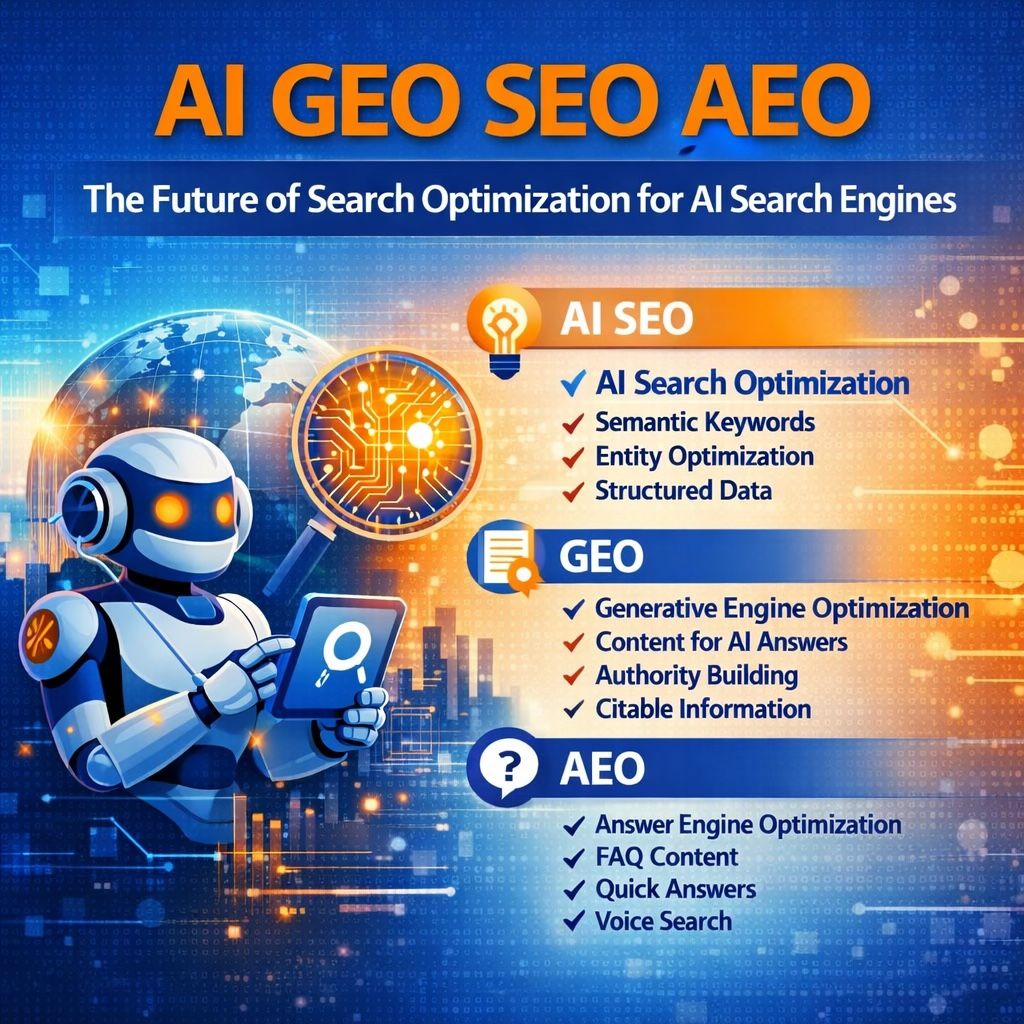
Search engines have evolved far beyond simple keyword matching. Today, artificial intelligence powers the algorithms that decide which content deserves top placement. This shift has created a new discipline known as AI SEO Experience Optimization. This approach focuses on crafting digital experiences that satisfy both human readers and AI-driven ranking systems. By understanding how machine learning models evaluate content, structure, and user interaction, brands can achieve sustainable visibility in an increasingly competitive landscape.
Understanding AI SEO Experience Optimization
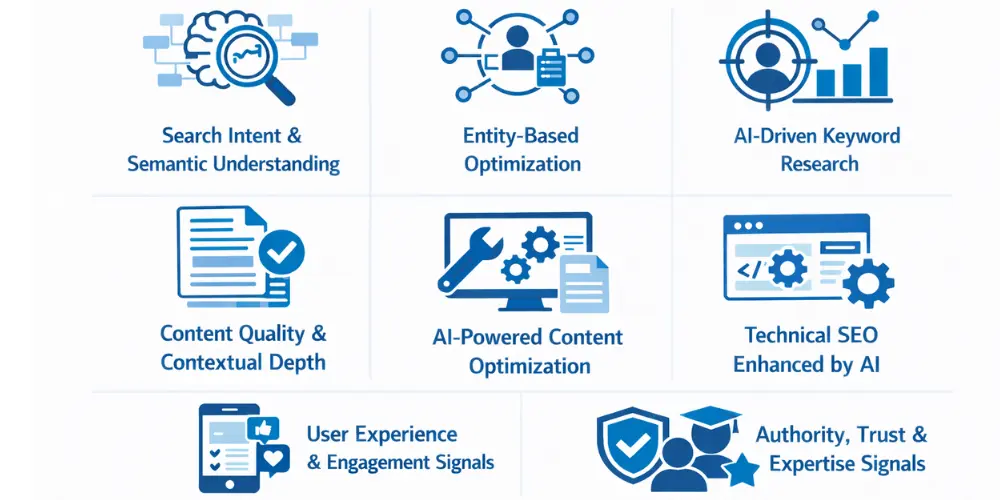
AI SEO Experience Optimization is the practice of using artificial intelligence tools and principles to enhance every touchpoint of the search journey. It goes beyond traditional on-page tactics. The goal is to create a seamless, informative, and engaging experience that signals quality to algorithms like Google’s RankBrain, BERT, and MUM. These systems analyze user behavior, content relevance, and semantic depth to determine rankings.
The core premise is that search engines now prioritize user satisfaction over simple keyword density. When a page answers a query thoroughly and keeps visitors engaged, AI models recognize these positive signals. This optimization strategy aligns business goals with the technical realities of modern search. It requires a holistic view that combines content strategy, technical SEO, and user experience design.
The Shift from Keywords to User Intent
Traditional SEO focused on identifying high-volume keywords and placing them strategically. AI-driven search understands context and intent. It differentiates between a user searching “best running shoes” and one searching “how to fix a broken shoelace.” Experience optimization ensures content matches the specific intent behind each query. This means creating distinct content for informational, navigational, and transactional searches.
AI models analyze the relationship between words in a query and the content on a page. They look for comprehensive coverage of subtopics. A page that only mentions the primary keyword without addressing related concepts will struggle. Experience optimization involves mapping out the full topic cluster and answering every potential follow-up question a user might have.
Core Components of AI SEO Experience Optimization
Implementing this strategy requires attention to several interconnected elements. Each component contributes to how AI perceives the value of your content. Ignoring one area can undermine the effectiveness of the others.
Content Depth and Semantic Relevance
AI algorithms use natural language processing (NLP) to understand the meaning behind words. Thin content that skims the surface fails to trigger relevance signals. In-depth articles that cover a topic from multiple angles perform better. This involves using related terms, synonyms, and latent semantic indexing (LSI) keywords naturally throughout the text.
For example, an article about “AI SEO Experience Optimization” should also discuss machine learning, user engagement metrics, content clustering, and algorithm updates. This semantic web helps AI connect your page to the broader topic landscape. The content must be structured logically, with clear headings that guide both readers and crawlers through the information.
User Engagement Metrics as Ranking Signals
Search engines pay close attention to how users interact with your page. Metrics like dwell time, bounce rate, and click-through rate provide indirect feedback on content quality. AI SEO Experience Optimization aims to improve these metrics by delivering immediate value. A page that loads instantly, presents information clearly, and keeps the reader scrolling signals high quality to the algorithm.
Engagement is not just about time on page. It also includes actions like scrolling depth, sharing the content, or clicking through to related articles. Designing for engagement means breaking up text with images, using short paragraphs, and providing clear navigation. Interactive elements like quizzes or calculators can significantly boost time spent on site.
Technical Performance and Core Web Vitals
AI systems penalize slow-loading pages and poor mobile experiences. Core Web Vitals are a set of specific factors that Google considers crucial for user experience. These include Largest Contentful Paint (LCP), which measures loading performance, and Cumulative Layout Shift (CLS), which measures visual stability. Optimizing these technical aspects is a fundamental part of experience optimization.
Beyond Core Web Vitals, technical SEO includes structured data markup. Schema.org vocabulary helps AI understand the context of your content. Implementing FAQ schema, Article schema, and Product schema can enhance your visibility in rich results. This structured approach makes it easier for AI to parse and display your information in featured snippets.
How AI Tools Transform SEO Workflows

Artificial intelligence is not just changing the algorithms; it is also changing the tools that SEO professionals use. AI-powered platforms can analyze vast amounts of data to identify patterns that humans might miss. These tools assist with keyword research, content generation, and performance forecasting.
Predictive Analytics for Content Strategy
AI tools can predict which topics are likely to gain traction based on historical data and current trends. They analyze search volume fluctuations, social media mentions, and competitor activity. This allows marketers to create content that addresses emerging demands before they become saturated. Predictive analytics reduces the guesswork in content planning.
These platforms also provide insights into content gaps. By analyzing the top-ranking pages for a keyword, AI can identify subtopics that are missing. This enables you to create a more comprehensive piece that outperforms existing content. The result is a data-driven approach to editorial calendars that maximizes resource allocation.
Automated Content Optimization and Auditing
AI-driven auditing tools can scan your entire website and identify pages that are underperforming. They check for issues like duplicate content, missing meta descriptions, and broken links. More advanced tools use NLP to assess the readability and sentiment of your content. They provide actionable recommendations to align your text with AI preferences.
Some platforms offer real-time content optimization suggestions. As you write, the tool analyzes the text against top-ranking competitors. It suggests adding specific terms, improving heading structure, or increasing word count. This immediate feedback loop accelerates the optimization process and ensures consistency across all published content.
Practical Guide to Implementing AI SEO Experience Optimization
Applying these principles requires a systematic approach. The following steps provide a roadmap for integrating AI-driven experience optimization into your existing SEO strategy.
Step 1: Conduct an AI-Powered Content Audit
Start by using AI tools to evaluate your current content inventory. Identify pages that have high impressions but low click-through rates. These pages may have a relevance problem. Also, look for pages with high bounce rates, which indicate a mismatch between the search query and the content provided. The audit should categorize content by topic cluster and user intent.
Use the audit results to prioritize updates. Focus on pages that are close to ranking on the first page. A small improvement in experience metrics can push them over the edge. For pages that are severely underperforming, consider consolidating them with other content or rewriting them entirely.
Step 2: Map User Intent to Content Formats
Different search queries require different content formats. A query like “how to optimize SEO” might be best served by a step-by-step guide. A query like “best SEO tools” might be better suited for a comparison table. AI experience optimization involves matching the format to the intent. Analyze the current top-ranking pages for your target keywords to understand what format is winning.
If the top results are listicles, create a listicle. If they are video tutorials, consider creating a video. The goal is to provide the most direct answer to the query. This alignment increases the likelihood of earning a featured snippet, which dramatically boosts visibility and click-through rates.
Step 3: Enhance Readability and Structure
AI models favor content that is easy to parse. Use short paragraphs, descriptive subheadings, and bullet points to break up large blocks of text. Ensure that your main keyword appears in the first 100 words and in at least one subheading. Use synonyms and related phrases to build semantic depth.
Implement a clear hierarchy with H1, H2, and H3 tags. This structure helps AI understand the relative importance of different sections. It also improves the user experience by allowing readers to scan the page quickly. A well-structured page reduces bounce rates and increases the time users spend consuming your content.
Step 4: Optimize for Voice Search and Conversational Queries
With the rise of digital assistants, voice search has become a significant traffic source. Voice queries are typically longer and more conversational. They often take the form of full questions. AI SEO Experience Optimization includes optimizing for these natural language patterns. Include a dedicated FAQ section that answers common questions directly.
Use the “People Also Ask” boxes on Google to identify relevant questions. Create content that provides concise, accurate answers to these queries. The answer should be within a paragraph that can be easily extracted for a featured snippet. This approach captures voice search traffic and positions your brand as an authority.
Benefits and Limitations of AI-Driven Optimization
Adopting this strategy offers significant advantages, but it is not without challenges. Understanding both sides helps set realistic expectations.
Key Benefits for Brands and Marketers
- Improved Search Visibility: By aligning with AI algorithms, your content is more likely to rank for relevant queries.
- Higher Engagement Rates: Content designed for user experience naturally leads to longer dwell times and lower bounce rates.
- Scalability: AI tools allow you to optimize large volumes of content efficiently, saving time and resources.
- Future-Proofing: As search engines continue to evolve, experience-focused content will remain a priority.
- Better Conversion Rates: Users who find your content helpful are more likely to trust your brand and take desired actions.
- Data Dependency: AI tools require high-quality data to provide accurate insights. Poor data leads to poor recommendations.
- Algorithm Volatility: Search algorithms change frequently. What works today may not work tomorrow, requiring constant adaptation.
- Over-Optimization Risk: Focusing too heavily on AI signals can lead to content that feels robotic and lacks human touch.
- Implementation Cost: Advanced AI tools often come with a significant subscription cost, which may be prohibitive for small businesses.
- Skill Gap: Effectively using AI tools requires a certain level of technical expertise and data literacy.
Potential Limitations and Challenges
Comparison: Traditional SEO vs. AI SEO Experience Optimization
Understanding the differences between these approaches clarifies the value of the newer methodology. The table below highlights key distinctions.
| Aspect | Traditional SEO | AI SEO Experience Optimization |
|---|---|---|
| Primary Focus | Keyword rankings | User satisfaction and engagement |
| Content Creation | Keyword-stuffed articles | Semantic, intent-based content |
| Technical Elements | Meta tags and backlinks | Core Web Vitals and structured data |
| Measurement | Rankings and traffic volume | Dwell time, CTR, and conversion rates |
| Adaptability | Reactive to algorithm updates | Proactive using predictive analytics |
| User Role | Passive recipient of content | Active participant in the experience |
The table illustrates a fundamental shift in philosophy. Traditional SEO treated search engines as the primary customer. AI SEO Experience Optimization recognizes that the human user is the ultimate judge of quality. Search engines are simply the intermediary that connects users to the best possible answer.
Common Mistakes in AI SEO Experience Optimization
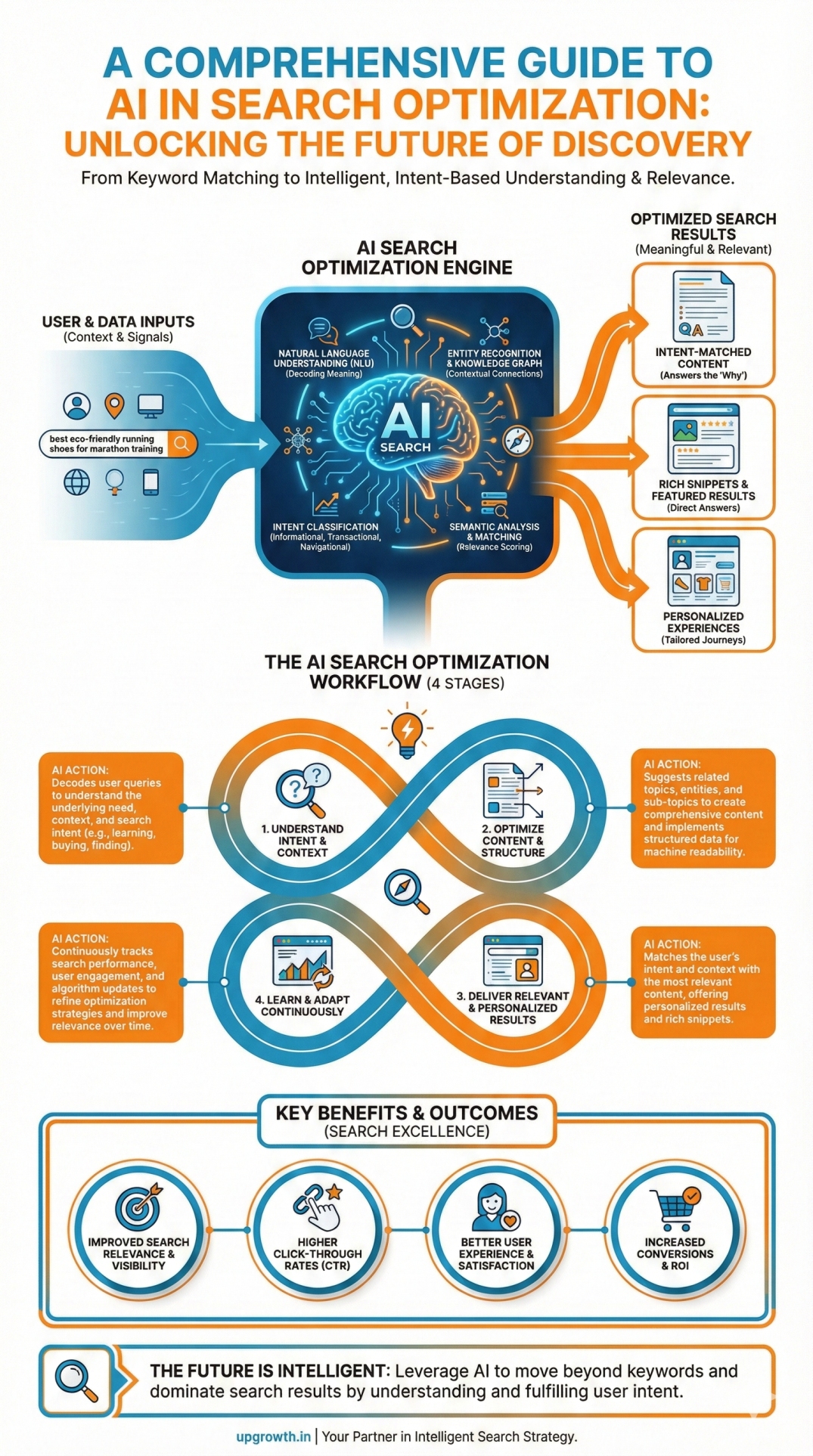
Many brands attempt to implement this strategy but make critical errors that undermine their efforts. Recognizing these pitfalls is the first step toward avoiding them.
Ignoring User Engagement Data
Some marketers still focus exclusively on keyword rankings and ignore what happens after a user clicks. High rankings with low engagement indicate a disconnect. If users immediately bounce back to the search results, the algorithm will eventually lower your ranking. Monitoring engagement data is essential for continuous improvement.
Use tools like Google Analytics and Search Console to track metrics like average session duration and pages per session. Set up event tracking for specific actions like video plays or form submissions. This data provides a clear picture of whether your content is truly meeting user needs.
Over-Reliance on AI-Generated Content
AI writing tools have improved significantly, but they cannot replace human expertise and creativity. Content that is entirely generated by AI often lacks unique insights and a genuine voice. Search engines are becoming adept at detecting low-quality automated content. Use AI as a helper for research and drafting, but always add a human layer of editing and personal experience.
Incorporate original data, case studies, and expert quotes to differentiate your content. These elements signal experience and authority to both users and search engines. The best approach is a hybrid model where AI handles the heavy lifting and humans provide the strategic direction.
Neglecting Mobile User Experience
Mobile devices account for the majority of web traffic. Yet many websites still provide a subpar mobile experience. AI algorithms prioritize mobile-first indexing, meaning they evaluate the mobile version of your site first. If your mobile pages are slow or difficult to navigate, your rankings will suffer.
Test your site on various mobile devices and screen sizes. Ensure that buttons are easily clickable, text is readable without zooming, and images are optimized for fast loading. A seamless mobile experience is a non-negotiable component of AI SEO Experience Optimization.
Important Notes for Long-Term Success
Implementing this strategy is not a one-time project. It requires ongoing commitment and adaptation. The following notes provide guidance for maintaining a competitive edge.
First, prioritize user feedback. Encourage comments, conduct surveys, and monitor social media mentions. Direct feedback from your audience provides invaluable insights that AI tools cannot capture. Use this qualitative data to refine your content strategy.
Second, stay updated on algorithm changes. Follow reputable SEO news sources and attend industry conferences. Understanding the rationale behind algorithm updates helps you anticipate future shifts. The core principle of user experience is unlikely to change, but the specific signals may evolve.
Third, invest in continuous learning. The field of AI is advancing rapidly. New tools and techniques emerge regularly. Dedicate time each week to experimenting with new technologies and analyzing their impact on your performance.
Frequently Asked Questions
What is AI SEO Experience Optimization?
AI SEO Experience Optimization is the process of using artificial intelligence tools and principles to enhance the user experience on a website in order to improve search engine rankings. It focuses on aligning content, technical performance, and user engagement with the signals that AI-driven algorithms use to evaluate page quality.
How does AI affect SEO?
AI affects SEO by enabling search engines to understand the context and intent behind queries rather than just matching keywords. AI algorithms like RankBrain and BERT analyze user behavior and semantic relationships to deliver more relevant results. This means SEO strategies must focus on comprehensive content and positive user experience.
What are the key metrics for measuring AI SEO experience?
Key metrics include dwell time, bounce rate, click-through rate, and Core Web Vitals. Dwell time measures how long a user stays on a page. Bounce rate indicates the percentage of users who leave without interacting. Core Web Vitals assess loading performance, interactivity, and visual stability. These metrics collectively signal content quality to AI algorithms.
Can AI tools replace human SEO experts?
AI tools cannot fully replace human SEO experts. While AI can automate data analysis and provide recommendations, it lacks the strategic thinking, creativity, and contextual understanding that humans bring. The most effective approach combines AI-driven insights with human expertise to create a comprehensive optimization strategy.
How long does it take to see results from AI SEO optimization?
Results typically appear within three to six months, depending on the current state of your website and the competitiveness of your industry. Improvements in user engagement metrics can be seen sooner, but ranking changes take time as search engines crawl and re-evaluate your pages. Consistency and patience are essential.
Conclusion
AI SEO Experience Optimization represents the new standard for digital visibility. The days of keyword stuffing and link manipulation are over. Modern search engines demand content that serves the user first. By embracing this philosophy, brands can build lasting relationships with their audience while achieving top rankings.
The journey begins with understanding the core components: semantic content, technical performance, and user engagement. Leveraging AI tools accelerates the process, providing data-driven insights that guide strategy. The benefits are clear: higher visibility, better engagement, and increased conversions.
However, success requires avoiding common pitfalls like ignoring user data or over-relying on automation. The human element remains crucial. Combining the analytical power of AI with human creativity and empathy creates an unbeatable formula. As search technology continues to evolve, those who prioritize the user experience will always stay ahead of the curve.
Xem thêm:
- AI SEO Content Writer: The Complete Guide to Automated SEO Copywriting
- The Ultimate AI SEO Checklist for WordPress: Boost Your Rankings with Smart Automation
- AI SEO SOP: The Definitive Guide to Systemizing Your Search Growth Workflow
- AI SEO Editorial Workflow: The Complete Guide to Scaling Content Production
- AI SEO GEO Audit: The Complete Guide to Future-Proofing Your Search Visibility
Bài viết cùng chủ đề:

AI SEO SEO Automation with Make: The Complete Workflow Guide

AI SEO SEO Automation with Zapier: The Complete Workflow Guide

AI SEO SEO Automation with n8n: The Complete Workflow Guide
AI SEO SEO Automation with Gemini: The Complete Guide to Scaling Organic Growth

AI SEO SEO Automation with Claude: The Complete Guide to Scaling Content in 2025

AI SEO SEO Automation with ChatGPT: The Complete Playbook for 2025

AI SEO & SEO Automation for Affiliate Sites: The 2025 Playbook for Passive Income Growth
AI SEO & SEO Automation for Bloggers: The Complete Guide to Scaling Your Content

AI SEO & SEO Automation for Agencies: The Complete 2025 Playbook

AI SEO and SEO Automation for Ecommerce: The Complete Playbook for 2025

AI SEO & SEO Automation for WordPress: The Complete Playbook for 2025
AI SEO SEO Automation Strategy: The Complete Playbook for 2025

Mastering the AI SEO SEO Automation Process: A Complete Guide to Scaling Organic Growth
AI SEO SEO Automation System: The Complete Guide to Scaling Organic Growth in 2025
AI SEO SEO Automation Platform: The Complete Guide to Scaling Organic Growth in 2025
AI SEO SEO Automation Software: The Complete Guide to Scaling Organic Growth in 2025















