
No products in the cart.
AI SEO Google Search Console: The Complete Guide to Smarter Search Performance
31
Jul
Jul
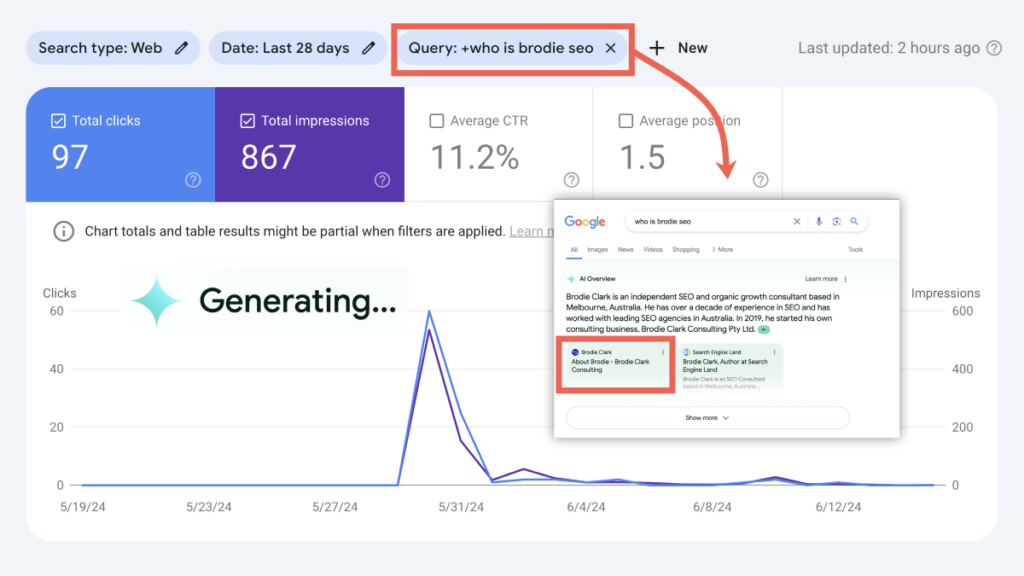
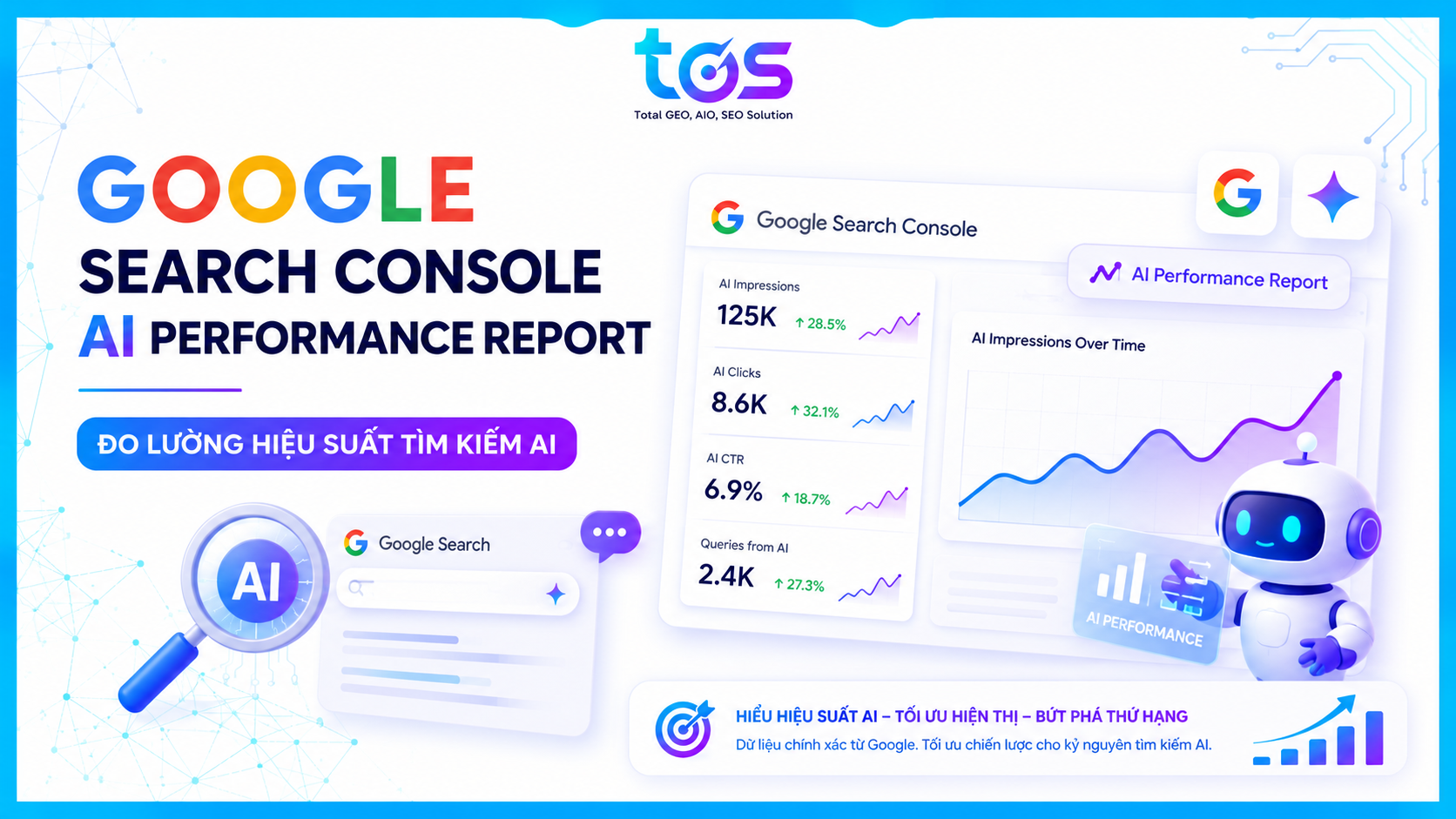
The intersection of artificial intelligence and search engine optimization has created a new paradigm for digital marketers. AI SEO Google Search Console represents the modern approach to analyzing search performance, identifying opportunities, and automating repetitive tasks that once consumed hours of manual work. This guide explores how AI tools integrate with Google Search Console data to deliver actionable insights, streamline reporting, and improve organic visibility. From understanding the fundamentals to implementing advanced workflows, this comprehensive resource covers everything needed to leverage AI for better search outcomes.
Understanding AI SEO Google Search Console Integration
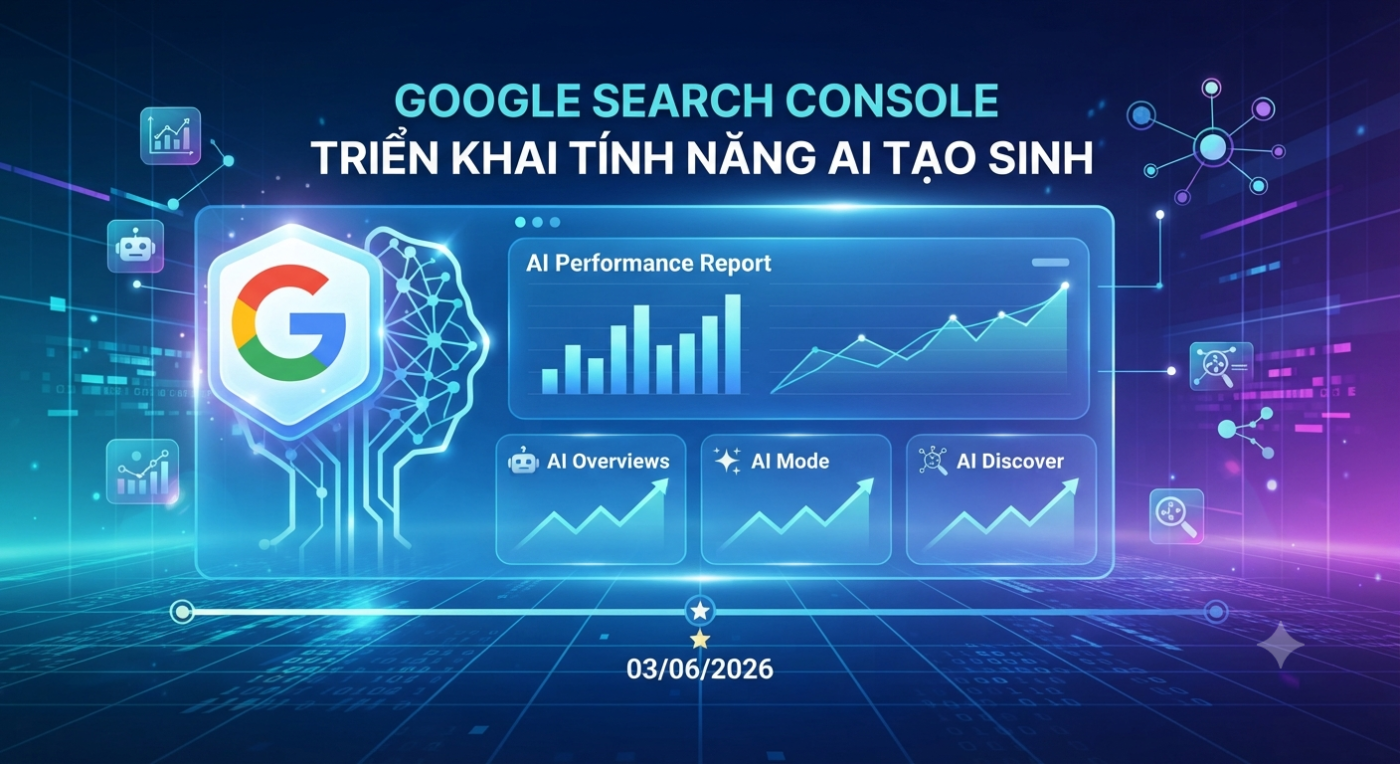
Google Search Console (GSC) provides raw data about how a website performs in Google search results. It shows queries, impressions, clicks, click-through rates, and average positions. However, the sheer volume of data can overwhelm even experienced SEO professionals. AI SEO Google Search Console integration solves this problem by applying machine learning algorithms to detect patterns, prioritize tasks, and generate recommendations that humans might miss.
The core value lies in automation. AI tools can pull data from GSC via APIs, analyze thousands of queries simultaneously, and categorize them into thematic clusters. This process transforms unstructured search data into structured intelligence that informs content strategy, technical fixes, and user experience improvements.
How AI Enhances Traditional Search Console Analysis
Traditional GSC analysis requires manual filtering, sorting, and interpretation. An SEO specialist might export data to spreadsheets, create pivot tables, and spend hours looking for anomalies. AI accelerates this process by automatically identifying significant changes in performance metrics. For example, an AI system can flag a sudden drop in impressions for a specific page group, correlate it with algorithm updates, and suggest corrective actions.
Natural language processing (NLP) allows AI tools to understand the semantic meaning behind search queries. Instead of treating “best running shoes” and “top running footwear” as separate keywords, AI recognizes them as related concepts. This clustering capability reveals content gaps and opportunities that keyword-matching tools overlook.
Key Features of AI-Powered Search Console Tools
Modern AI SEO Google Search Console tools offer several distinct capabilities that differentiate them from standard analytics platforms. These features address common pain points in SEO workflows and provide measurable efficiency gains.
Automated Query Classification
AI algorithms classify search queries into categories such as informational, transactional, navigational, and commercial investigation. This classification helps prioritize content creation efforts. A website selling software might discover that 60% of its impressions come from informational queries, indicating a need for more tutorial-style content to capture that demand.
Predictive Performance Modeling
Machine learning models trained on historical GSC data can forecast future performance based on current trends. These predictions account for seasonality, content velocity, and backlink growth. While not perfectly accurate, they provide valuable benchmarks for setting realistic SEO goals and budget allocations.
Anomaly Detection and Alerts
AI continuously monitors GSC metrics and alerts users when unusual patterns emerge. A sudden spike in impressions with a corresponding drop in CTR might indicate a rich results markup issue. An unexpected decline in indexed pages could signal a crawl budget problem. These alerts enable rapid response before minor issues escalate into major traffic losses.
Content Gap Identification
By analyzing which queries generate impressions but not clicks, AI identifies content gaps. These are opportunities where a website appears in search results but fails to attract engagement. The AI suggests improvements to titles, meta descriptions, or content depth to increase relevance and click-through rates.
Benefits of Using AI with Google Search Console
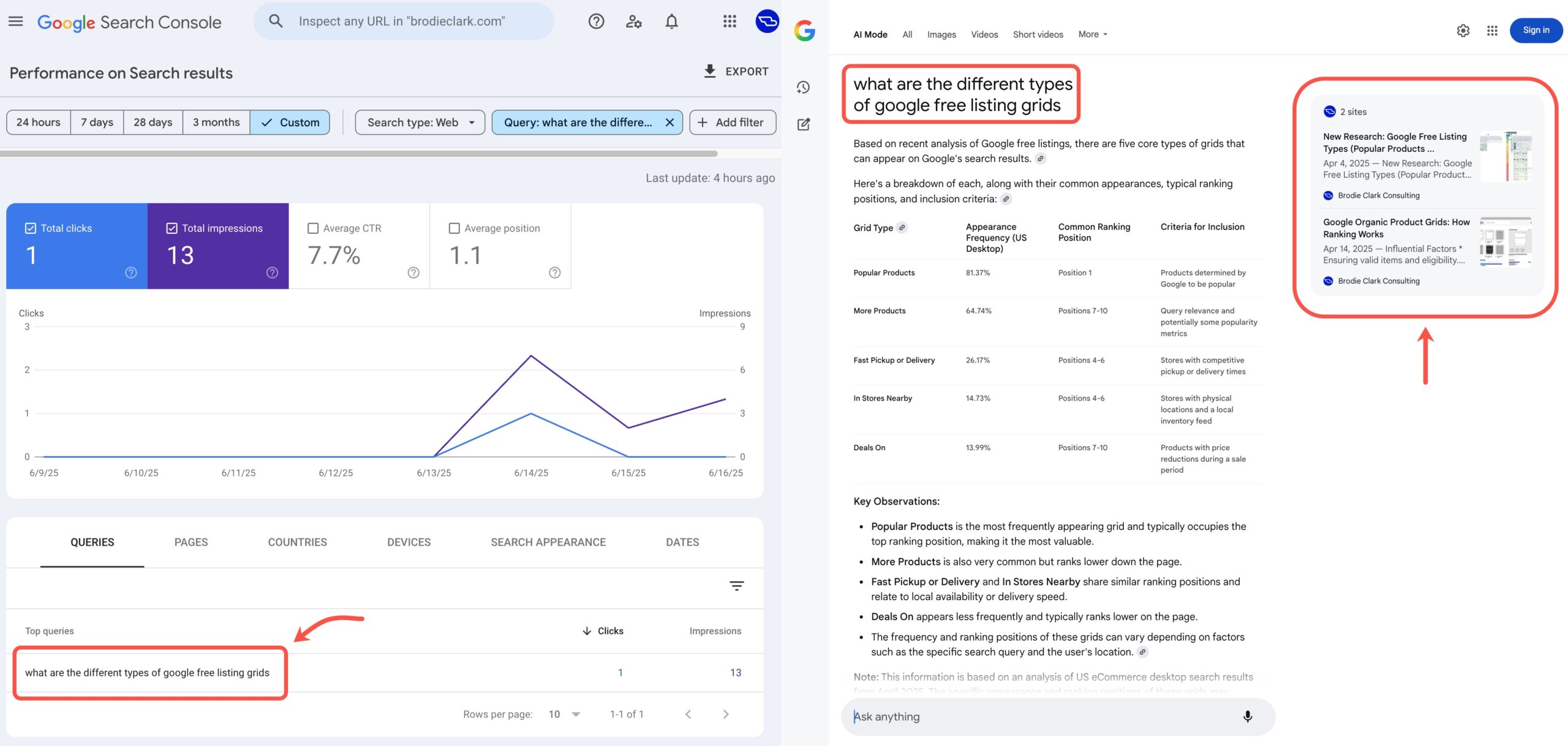
The advantages of combining AI with GSC data extend beyond time savings. Organizations that adopt this approach gain strategic insights that drive sustainable growth.
- Scalability: AI processes unlimited data volumes without fatigue, making it suitable for enterprise-level websites with millions of pages.
- Accuracy: Machine learning reduces human error in data interpretation, leading to more reliable conclusions.
- Speed: Real-time analysis enables immediate action on emerging trends rather than waiting for monthly reports.
- Competitive Intelligence: Some AI tools benchmark GSC data against industry averages, revealing relative strengths and weaknesses.
- Resource Optimization: Teams focus on high-impact tasks while AI handles routine monitoring and reporting.
- Data freshness: GSC data has a delay of up to 48 hours. AI predictions based on very recent data may be unreliable. Allow a buffer period before acting on new trends.
- Query intent shifts: Search behavior evolves. An AI model trained on last year’s data may not recognize emerging query patterns. Regularly retrain or update your AI tools.
- Cross-tool integration: Combine GSC data with backlink analysis, rank tracking, and on-page SEO tools for comprehensive insights. AI works best when fed diverse data sources.
- Documentation: Keep records of AI-generated recommendations and their outcomes. This creates a feedback loop that improves future suggestions.
- Team training: Ensure all team members understand how to interpret AI outputs. A tool is only useful if people know how to act on its insights.
Limitations and Considerations
AI SEO Google Search Console tools are not without limitations. They require quality data inputs, and GSC data itself has inherent sampling issues for high-traffic sites. Additionally, AI recommendations are only as good as the training data, which means niche industries with unusual search patterns may receive less accurate guidance.
Privacy and data security also matter. When using third-party AI tools, ensure they comply with GDPR and other regulations. Some organizations prefer on-premise AI solutions to maintain full control over sensitive search data.
Practical Applications: A Step-by-Step Guide
Implementing AI SEO Google Search Console workflows involves several stages. This practical guide outlines the process from setup to ongoing optimization.
Step 1: Connect GSC to an AI Platform
Most AI SEO tools offer direct integration with Google Search Console through OAuth authentication. Popular options include Semrush, Ahrefs, and specialized AI platforms like BrightEdge or Conductor. Choose a tool that aligns with your team’s technical expertise and budget.
Step 2: Define Performance Baselines
Before making changes, establish baseline metrics for key pages and query groups. AI tools typically calculate 30-day, 90-day, and 12-month averages to account for seasonal fluctuations. These baselines serve as reference points for measuring the impact of future optimizations.
Step 3: Run AI-Powered Audits
Execute automated audits that examine GSC data for technical issues, content relevance, and user engagement signals. The AI generates a prioritized list of actions based on potential impact and implementation effort. For example, it might recommend fixing 15 broken internal links before rewriting a low-performing product category page.
Step 4: Generate Content Recommendations
Use AI to identify topics that align with existing search demand. The system analyzes which queries have high impressions but low CTR, suggesting that improved titles or richer content could capture more clicks. It also detects queries where the website ranks on page two, indicating that slight optimization could push it to page one.
Step 5: Monitor and Iterate
After implementing changes, continue monitoring GSC data through the AI dashboard. Track whether the predicted improvements materialize. If not, adjust the strategy based on new data. This iterative loop ensures continuous refinement and adaptation to changing search algorithms.
Comparison: AI Tools vs. Manual GSC Analysis
| Aspect | Manual Analysis | AI-Powered Analysis |
|---|---|---|
| Time per audit | 4-8 hours | 15-30 minutes |
| Data coverage | Limited to exported samples | Full dataset processing |
| Pattern recognition | Relies on human intuition | Statistical and ML models |
| Actionable insights | Depends on analyst experience | Automated prioritization |
| Scalability | Difficult for large sites | Handles millions of pages |
| Cost | Labor-intensive | Software subscription |
The table illustrates that while manual analysis offers flexibility, AI provides consistency and speed. Most organizations benefit from a hybrid approach where AI handles routine monitoring and humans focus on strategic decisions.
Common Mistakes When Using AI with Search Console
Adopting AI SEO Google Search Console practices comes with pitfalls. Recognizing these mistakes helps avoid wasted effort and misguided optimizations.
Over-Reliance on AI Recommendations
AI tools provide suggestions based on historical data, but they cannot fully understand brand context, business goals, or user intent nuances. Blindly implementing every recommendation can harm performance. Always validate AI suggestions against domain knowledge and qualitative research.
Ignoring Data Sampling Issues
Google Search Console applies sampling for sites with high query volumes. AI tools may not always indicate when data is sampled. This can lead to inaccurate conclusions. Check the GSC interface for sampling indicators and consider using Search Analytics API for unsampled data when precision matters.
Neglecting Human Oversight
AI excels at pattern detection but struggles with creative problem-solving. A sudden drop in rankings might have a straightforward technical cause, but it could also stem from a brand reputation issue that AI cannot detect. Maintain human review of all major decisions.
Focusing Only on Clicks and Impressions
While clicks and impressions are primary GSC metrics, they do not tell the full story. AI tools that only analyze these numbers miss engagement signals like bounce rate, time on page, and conversion data. Integrate GSC data with analytics platforms for a holistic view.
Important Notes for Maximizing AI SEO Google Search Console Value
To get the most from this technology, consider these practical notes that experienced practitioners have learned through trial and error.
Frequently Asked Questions
What is AI SEO Google Search Console?
AI SEO Google Search Console refers to the use of artificial intelligence technologies to analyze, interpret, and act upon data from Google Search Console. This integration automates tasks like query classification, performance forecasting, and anomaly detection, enabling more efficient and effective SEO strategies.
How does AI improve Google Search Console data analysis?
AI improves analysis by processing large datasets quickly, identifying complex patterns, and generating prioritized recommendations. It reduces human bias and error, provides real-time monitoring, and scales to handle enterprise-level websites with millions of pages.
Which AI tools work with Google Search Console?
Several tools offer GSC integration, including Semrush, Ahrefs, Moz Pro, BrightEdge, Conductor, and Surfer SEO. Additionally, custom solutions can be built using Google’s Search Analytics API and machine learning frameworks like TensorFlow or scikit-learn.
Can AI replace human SEO experts?
No. AI enhances human capabilities but cannot replace strategic thinking, creative content development, or relationship building. The best results come from combining AI’s analytical power with human judgment and experience.
Is AI SEO Google Search Console suitable for small websites?
Yes. Even small websites benefit from automated reporting and anomaly detection. Many AI tools offer tiered pricing, making them accessible to small businesses and individual bloggers.
How often should I run AI-powered GSC audits?
For most websites, weekly audits strike a balance between responsiveness and data stability. High-traffic sites may benefit from daily monitoring, while smaller sites can operate effectively with monthly audits.
Conclusion
AI SEO Google Search Console represents a significant advancement in how digital marketers approach search performance. By automating data analysis, uncovering hidden patterns, and providing actionable recommendations, AI tools empower teams to achieve better results with fewer resources. The key to success lies in thoughtful implementation, continuous learning, and maintaining human oversight over automated insights.
Organizations that embrace this technology gain a competitive edge through faster decision-making and more precise optimization. However, the fundamentals of SEO remain unchanged: creating valuable content, building authoritative links, and providing excellent user experiences. AI serves as a powerful amplifier for these core principles, not a replacement for them.
Start small by connecting your GSC account to a reputable AI tool, run a baseline audit, and experiment with one or two recommendations. Measure the outcomes, refine your approach, and gradually expand your use of AI across all SEO activities. The future of search optimization belongs to those who can harness both human creativity and machine intelligence effectively.
Xem thêm:
- AI Long Tail Keywords: The Definitive Guide to Capturing High-Intent Traffic with Intelligent Search
- AI SEO Knowledge Panel Optimization: The Complete Guide to Dominating Search in 2025
- AI SEO LLM Brand Authority: The Complete Guide to Dominating Search in the Age of Generative Engines
- AI SEO Updates: Navigating the New Era of Search Engine Optimization
- AI Proofreading: The Complete Guide to Flawless, Professional Writing at Scale
Bài viết cùng chủ đề:

AI SEO SEO Automation with Make: The Complete Workflow Guide

AI SEO SEO Automation with Zapier: The Complete Workflow Guide

AI SEO SEO Automation with n8n: The Complete Workflow Guide
AI SEO SEO Automation with Gemini: The Complete Guide to Scaling Organic Growth

AI SEO SEO Automation with Claude: The Complete Guide to Scaling Content in 2025

AI SEO SEO Automation with ChatGPT: The Complete Playbook for 2025

AI SEO & SEO Automation for Affiliate Sites: The 2025 Playbook for Passive Income Growth
AI SEO & SEO Automation for Bloggers: The Complete Guide to Scaling Your Content

AI SEO & SEO Automation for Agencies: The Complete 2025 Playbook

AI SEO and SEO Automation for Ecommerce: The Complete Playbook for 2025

AI SEO & SEO Automation for WordPress: The Complete Playbook for 2025
AI SEO SEO Automation Strategy: The Complete Playbook for 2025

Mastering the AI SEO SEO Automation Process: A Complete Guide to Scaling Organic Growth
AI SEO SEO Automation System: The Complete Guide to Scaling Organic Growth in 2025
AI SEO SEO Automation Platform: The Complete Guide to Scaling Organic Growth in 2025
AI SEO SEO Automation Software: The Complete Guide to Scaling Organic Growth in 2025















