
No products in the cart.
AI Rank Tracking: How Artificial Intelligence Revolutionizes SERP Monitoring
29
Jul
Jul
In the fast-evolving landscape of search engine optimization, few tasks are as fundamental as monitoring keyword positions. Yet traditional rank tracking has long been plagued by inaccuracies, delayed data, and an inability to interpret the full context of search engine results pages. AI rank tracking changes that entirely. By integrating machine learning, natural language processing, and predictive analytics, AI-powered tools now deliver real-time, hyper-accurate position monitoring while uncovering actionable insights that manual checks simply cannot provide. This article explores every dimension of AI rank tracking—from how it works to practical implementation and common pitfalls—equipping you with a thorough understanding of why this technology is becoming indispensable for modern SEO professionals.
What Is AI Rank Tracking?
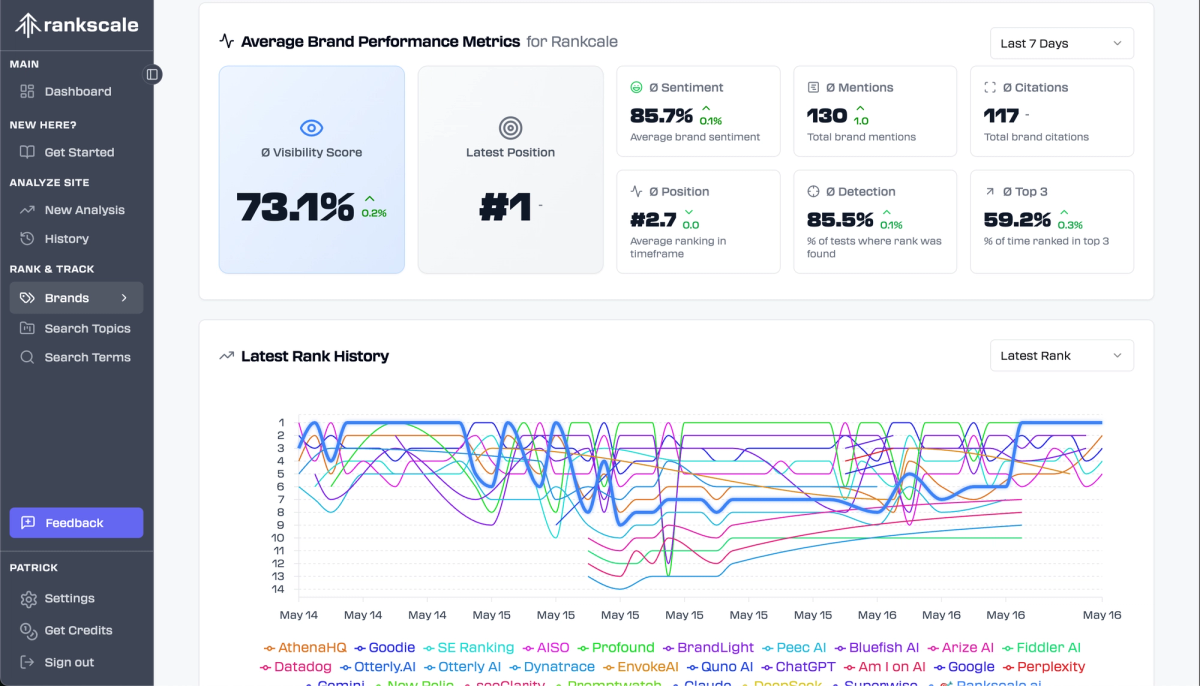
AI rank tracking is the practice of using artificial intelligence algorithms to monitor, analyze, and forecast a website’s keyword positions on search engine results pages. Unlike conventional tools that rely on scheduled, static queries, AI-driven platforms continuously learn from vast datasets—search behaviors, algorithm updates, competitor movements, and even user intent signals. The result is a dynamic system that not only tells you where you rank but also explains why and what might happen next.
At its core, AI rank tracking combines several technological layers. Data ingestion engines crawl SERPs at high frequency without triggering blocks. Machine learning models then process ranking fluctuations alongside external factors such as seasonality, location, device type, and personalization. Natural language understanding helps interpret featured snippets, knowledge panels, local packs, and other rich results. The output is a comprehensive view of your organic visibility that goes far beyond a simple number in a spreadsheet.
How AI-Powered Rank Tracking Works
Traditional rank checkers send a query to a search engine, capture the result, and store the position. AI rank tracking systems, however, operate on a far more sophisticated workflow:
- Data collection: Intelligent crawlers simulate real user behavior, rotating IP addresses, user agents, and geographic locations to gather accurate, unpersonalized SERPs at scale.
- Data normalization: Raw HTML is parsed and deduplicated. AI models identify organic results, advertisements, local packs, images, videos, and other SERP features, normalizing them into structured data.
- Pattern recognition: Machine learning algorithms detect anomalies and patterns—sudden drops, gradual improvements, volatility spikes—and correlate them with known factors such as Google algorithm updates, website changes, or competitor activity.
- Predictive analysis: Advanced systems use historical data and trend modeling to forecast ranking trajectories, estimating the likelihood of a position change within a given timeframe.
- Insight generation: Instead of raw numbers, AI tools surface plain-language insights and actionable recommendations, such as “Your page lost featured snippet due to missing structured data” or “Ranking for ‘x’ is expected to rise by 3 positions if you improve Core Web Vitals.”
- Real-time rank updates: Positions are refreshed continuously or near-instantly, not once a week.
- Multi-location and multi-device tracking: Accurate monitoring on desktop, mobile, and across different cities or countries.
- SERP feature detection: AI automatically tags featured snippets, knowledge panels, People Also Ask boxes, image packs, and video carousels.
- Competitor benchmarking: Tools compare your performance against specific domains and highlight share-of-voice changes.
- Intent-based segmentation: Keywords are grouped by search intent (informational, transactional, navigational) for more strategic analysis.
- Algorithm update monitoring: AI flags significant ranking shifts coinciding with known or suspected Google updates.
- Predictive ranking models: Forecasting features estimate future positions based on on-page and off-page signals.
- Custom alerts and notifications: Automated triggers when a keyword breaches a threshold or a competitor overtakes you.
- Unmatched accuracy: By emulating real user behavior and interpreting SERP layouts, AI reduces false positives from personalized results, localized data, or fluctuating ad placements.
- Speed and scalability: Large enterprises can monitor millions of keywords daily without IP bans or data degradation.
- Contextual intelligence: Instead of isolated position numbers, you understand ranking changes within the context of SERP features and user intent. This helps prioritize optimization efforts that truly impact traffic.
- Predictive power: AI models anticipate ranking movements, enabling proactive decisions—content refreshes before a seasonal peak, link building ahead of a forecasted dip, or technical fixes before a core update.
- Resource savings: SEO teams spend less time compiling reports and more time acting on insights. Automated anomaly detection eliminates manual spike-chasing.
- Deeper competitive insights: AI uncovers competitor strategies by detecting patterns in their ranking gains and content updates, revealing gaps you can exploit.
- Data dependency: AI models require large, clean datasets for training. Incomplete or biased data can lead to inaccurate predictions. Startups with limited historical data may see lower reliability initially.
- Cost: Advanced AI features often come with premium price tags, making them less accessible for small businesses or individual bloggers.
- Black box problem: Some machine learning models provide predictions without clear explanations, which can be frustrating for SEOs who need to justify actions to clients or stakeholders.
- Adaptation lag: When Google introduces a completely new SERP layout or feature, AI systems need time to retrain and adjust, during which accuracy may dip.
- Over-reliance risk: Automated insights can never replace human strategic thinking. Blindly following AI recommendations without domain expertise can lead to misguided priorities.
- Volume and scope: How many keywords do you need to track? Does the tool support all your target search engines (Google, Bing, YouTube, Amazon)? Ensure the AI model can handle your scale without performance degradation.
- Location and device granularity: If you serve local markets, the tool must offer precise geo-targeting down to the city or ZIP code level and separate desktop/mobile tracking.
- Integration needs: Look for platforms that connect seamlessly with your analytics, Google Search Console, and reporting dashboards via API. AI insights are most powerful when correlated with organic traffic and conversions.
- Transparency of AI: Some vendors provide “explainable AI” that breaks down why a prediction was made. This is vital for agencies that need to communicate rationale to clients.
- Training and support: Because AI tools can be complex, prioritize vendors with robust onboarding, documentation, and responsive support.
- Trial and benchmarks: Test the tool with a segment of your keyword set and compare its accuracy and speed against your current method. Verify that its SERP feature classification matches manual audits.
- Audit your current tracking: Document the keywords, locations, devices, and competitors you currently monitor. Identify gaps in reporting frequency, accuracy complaints, or data that is rarely acted upon.
- Set clear objectives: Define what you want the AI to achieve—early warning of algorithm hits, identification of low-hanging fruit for quick wins, predictive budgeting for seasonal campaigns, or all the above.
- Segment your keyword portfolio: Group keywords by intent, funnel stage, and brand versus non-brand. AI tools can ingest these segments to deliver more tailored insights, such as prioritizing high-intent transactional queries that drive revenue.
- Integrate with existing workflows: Connect the tool to your project management system and analytics. Automate weekly reports that highlight anomalies and AI-generated recommendations, so your team can act immediately during sprint planning.
- Train your team: Ensure SEOs understand how to interpret AI outputs. Schedule a workshop on reading confidence scores, understanding model limitations, and combining AI guidance with human judgment.
- Monitor and iterate: After 30-60 days, review the quality of insights. Are the predictions aligning with actual ranking movements? Is the tool catching changes faster than before? Refine your segmentation and alert thresholds accordingly.
- Ignoring SERP feature ownership: A number one organic ranking might be worthless if a featured snippet and an ad occupy all the visible space. Always analyze position in conjunction with feature data to gauge true click-through potential.
- Overreacting to daily fluctuations: Rank volatility is normal. Use the AI’s anomaly detection thresholds and trend analysis to distinguish noise from significant shifts before scrambling for a fix.
- Failing to segment by intent: Treating all keywords equally dilutes insights. An AI tool can tell you that a high-volume informational term dropped, but if that term never drove conversions, prioritizing it could waste resources. Segment before analysis.
- Training on incomplete historical data: If you migrate to a new AI tool, feed it as much historical ranking data as possible. Without sufficient back-data, predictive models will underperform for the first few months.
- Neglecting local and mobile differences: Rankings vary dramatically by device and location. Ensure your AI tool is set to track the precise combinations that matter to your audience. A generic country-level desktop check can hide major mobile ranking gaps.
- Data privacy and compliance: Ensure the tool adheres to GDPR, CCPA, and other regulations, especially when tracking in EU countries. AI crawlers that simulate user behavior must respect robots.txt and terms of service.
- Algorithm update resilience: Google’s core updates can render historical patterns obsolete. Regularly review whether the AI’s model has been retrained after a major update, and ask your vendor about their update detection cycle.
- Human oversight remains essential: AI can surface a drop and suggest a probable cause, but only a human can verify technical changes, cross-reference Search Console data, and decide the best course of action. Treat AI as a powerful advisor, not an autopilot.
- Cost-benefit alignment: For websites targeting a small niche, a full AI suite might be overkill. Start with an entry-level AI tier or a tool that balances automation with affordability. The investment should correlate with the potential revenue impact of improved rankings.
- Watch for feature bloat: Some AI platforms pack in so many metrics that teams suffer analysis paralysis. Customize your dashboards to show only the insights that directly support your KPIs.
Key Features of AI Rank Tracking Tools
When evaluating an AI-driven rank tracking solution, look for these capabilities:
Benefits of AI in Rank Tracking
The shift from manual or legacy tracking to AI rank tracking brings measurable advantages:
Limitations and Challenges of AI Rank Tracking
Despite its power, AI rank tracking is not without hurdles. Understanding these limitations is crucial to setting realistic expectations:
Traditional vs AI Rank Tracking: A Comparison
| Feature | Traditional Rank Tracking | AI Rank Tracking |
|---|---|---|
| Update frequency | Weekly or daily, often with delays | Real-time or near-instantaneous |
| Accuracy | Prone to personalized results and IP blocks | High, with behavior simulation and IP rotation |
| SERP feature detection | Manual or basic tagging | Automatic, multi-type classification |
| Competitor analysis | Side-by-side comparison of rankings | Intent-based share of voice, trend prediction |
| Actionable insights | Raw positional data | Contextual explanations and recommendations |
| Predictive capabilities | None or very basic extrapolation | Machine learning forecasts with confidence scores |
| Scalability | Limited by crawler resources | Highly scalable through distributed infrastructure |
| Cost | Often lower | Higher, especially for advanced AI tiers |
How to Choose the Right AI Rank Tracking Tool
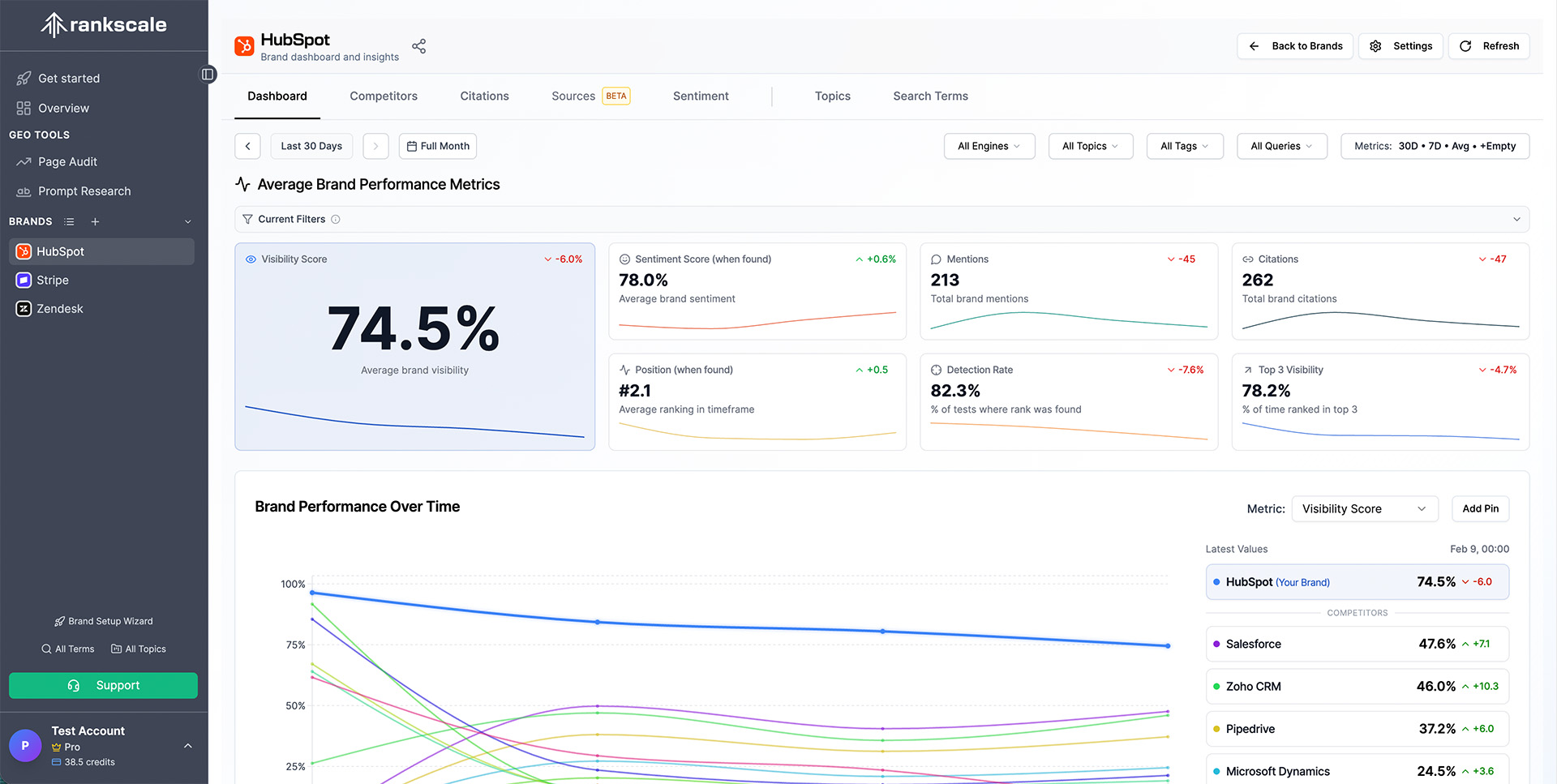
Selecting a tool means matching its capabilities to your specific SEO goals. Consider these factors:
Implementing AI Rank Tracking in Your SEO Strategy
Adopting AI-powered rank tracking requires more than just a software subscription. Follow this practical roadmap:
Common Mistakes and How to Avoid Them
Even the best AI rank tracking system can deliver misleading results if misused. Avoid these frequent pitfalls:
Important Notes for AI Rank Tracking
To maximize the value of AI rank tracking, keep these considerations top of mind:
Frequently Asked Questions
What is AI rank tracking?
AI rank tracking uses artificial intelligence to automatically monitor keyword positions, analyze ranking changes, and predict future performance. It goes beyond static position checks by interpreting SERP features, user intent, and competitive dynamics in near-real time.
How does AI improve rank tracking accuracy?
AI improves accuracy by simulating real user searches with diverse IPs and devices, filtering out personalized results, and using computer vision to parse SERP layouts. Machine learning models also detect and correct anomalies that would skew manual tracking.
Can AI rank tracking predict future rankings?
Yes, many advanced AI rank tracking tools offer predictive analytics. By analyzing historical ranking data, backlink velocity, content freshness, and algorithm trends, they forecast where a keyword is likely to rank in the coming weeks. Predictions are probabilistic and most reliable when backed by sufficient training data.
How much does an AI rank tracking tool cost?
Costs vary widely based on keyword volume, update frequency, and feature depth. Small businesses might pay $30–$100 per month for basic AI features, while enterprise solutions tracking millions of keywords with full predictive capabilities can exceed $1,000 monthly. Many vendors offer tiered plans to match different needs.
Is AI rank tracking only for large businesses?
Not necessarily. While large enterprises benefit greatly from scalability, many mid-tier and small businesses use AI rank tracking to gain a competitive edge. Lightweight AI features are now available in affordable plans, making the technology accessible even for niche sites or local SEO campaigns.
Can AI track rankings for all search engines?
Most AI rank tracking tools support major engines like Google, Bing, and often vertical searches such as YouTube and Amazon. Coverage depends on the tool; verify that your target engines are included, especially for non-Western markets (e.g., Yandex, Baidu).
How often should I check rankings with an AI tool?
AI tools are designed for continuous monitoring. However, for most businesses, daily summaries are sufficient. Real-time alerts for critical keywords allow you to react instantly while avoiding burnout from constant micro-fluctuations. Let the AI filter the noise and notify you only when pre-defined thresholds are crossed.
Conclusion
AI rank tracking is not just a buzzword—it is a fundamental shift in how SEO professionals understand and act on search visibility. By injecting machine learning into data collection, pattern analysis, and forecasting, these tools eliminate guesswork and dramatically reduce the time between insight and action. The ability to anticipate ranking movements, decode SERP features, and scale monitoring across thousands of keywords gives businesses an undeniable advantage. Whether you manage a local shop’s online presence or a global enterprise’s organic strategy, embracing AI-powered rank tracking means moving from reactive reporting to proactive growth. Start by auditing your current process, choose a tool aligned with your objectives, and commit to blending human expertise with the deep, continuous intelligence that only AI can provide.
Xem thêm:
- AI SEO Category Optimization: The Complete Playbook for 2025
- AI Structured Data: The Complete Guide to Automating Schema Markup for Smarter Search
- AI SEO BI Reports: The Complete Guide to Data-Driven Search Optimization
- AI SEO Digital PR Strategy: The Complete Guide to Dominating Search in 2025
- AI SEO Agent: How Autonomous AI Is Reshaping Search Engine Optimization
Bài viết cùng chủ đề:

AI SEO SEO Automation with Make: The Complete Workflow Guide

AI SEO SEO Automation with Zapier: The Complete Workflow Guide

AI SEO SEO Automation with n8n: The Complete Workflow Guide
AI SEO SEO Automation with Gemini: The Complete Guide to Scaling Organic Growth

AI SEO SEO Automation with Claude: The Complete Guide to Scaling Content in 2025

AI SEO SEO Automation with ChatGPT: The Complete Playbook for 2025

AI SEO & SEO Automation for Affiliate Sites: The 2025 Playbook for Passive Income Growth
AI SEO & SEO Automation for Bloggers: The Complete Guide to Scaling Your Content

AI SEO & SEO Automation for Agencies: The Complete 2025 Playbook

AI SEO and SEO Automation for Ecommerce: The Complete Playbook for 2025

AI SEO & SEO Automation for WordPress: The Complete Playbook for 2025
AI SEO SEO Automation Strategy: The Complete Playbook for 2025

Mastering the AI SEO SEO Automation Process: A Complete Guide to Scaling Organic Growth
AI SEO SEO Automation System: The Complete Guide to Scaling Organic Growth in 2025
AI SEO SEO Automation Platform: The Complete Guide to Scaling Organic Growth in 2025
AI SEO SEO Automation Software: The Complete Guide to Scaling Organic Growth in 2025















